


Explore Any Narratives
Discover and contribute to detailed historical accounts and cultural stories. Share your knowledge and engage with enthusiasts worldwide.
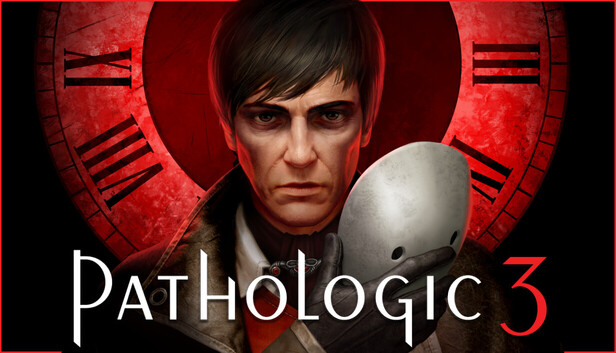
The city is dying. You can smell it in the air, a metallic tang of blood and earth that clings to your clothes. The plague doesn't just kill bodies here; it unravels reality. This is the world of Pathologic 3, and on January 9, 2026, it will open its gates to a new generation of players. Against a backdrop of predictable annual blockbuster sequels, developer Ice-Pick Lodge is preparing to release a game that functions less as entertainment and more as a philosophical stress test. Its prologue, Pathologic 3: Quarantine, already primed a dedicated audience. Now, the full, dreadful experience is imminent. Steam user reviews for the demo, released during the late December 2025 Steam Next Fest, oscillate between reverent awe and terrified frustration. This isn't a game you simply play. It's a scenario you survive.
Pathologic 3 marks the long-awaited continuation of a series that has stubbornly defied convention since its first installment in 2005. Developed by the Russian studio Ice-Pick Lodge and published by HypeTrain Digital, the game returns players to the isolated, surreal City-on-Gorkhon. The premise remains deceptively simple: a deadly epidemic, the Sand Plague, has erupted. You are Daniil Dankovsky, The Bachelor, a man of science and reason who arrives from the capital seeking an immortal man named Simon Kain. Instead of academic glory, you find yourself thrust into the role of a town's chief plague doctor, its final, flawed hope.
The game’s structure is a masterclass in relentless pressure. You have twelve in-game days to stem the tide of infection, a countdown that ticks away with every conversation, every scavenged bandage, every corpse you step over. This isn't a zombie shooter where you mow down hordes. The horror is bureaucratic, medical, and deeply personal. Your resources—clean water, antibiotics, your own stamina—are perpetually on the verge of collapse. The true enemy isn't just the plague; it's time itself, and the impossible choices it forces you to make.
"The demo isn't a curated slice of action. It's the first spoonful of a bitter medicine. We're not teaching players how to win. We're teaching them how to make decisions when every option is wrong," according to a developer diary attributed to Ice-Pick Lodge's creative director.
A critical new mechanic defines this iteration: time-travel. Within the rigid twelve-day framework, players will discover ways to revisit and alter pivotal moments. Did you misdiagnose a key patient on Day 3? Did you trust the wrong political faction with your limited vaccines? The game allows for course correction, but not without cost. This system transforms a linear tragedy into a complex web of cause and effect, promising that no two playthroughs will unravel in quite the same manner. It adds a layer of meta-narrative anxiety—the power to change fate, paired with the gnawing fear that you might make things worse.
The Steam Next Fest demo, available for free since late December 2025, serves as the perfect, punishing introduction. It throws players directly into the city's streets, which are a character in their own right. Ice-Pick Lodge has always excelled at environmental storytelling, and Pathologic 3 pushes this further. The architecture is described in developer notes as "impossible," a fusion of tsarist-era decay, wooden shanties, and bizarre, sinewy structures that seem grown rather than built. Navigating it is a core challenge. There is no glowing golden path. You learn by getting lost, by remembering which alley leads to the makeshift clinic, which bridge is watched by hostile guards.
The demo showcases the core triad of gameplay: exploration, dialogue, and diagnosis. You will speak with a panicked populace, each character a knot of rumors, lies, and potential clues. You will then enter infected districts to examine the sick, a minigame of symptom recognition and resource management. A wrong diagnosis wastes precious medicine. Refusing to treat a dying man might preserve your supplies but will erode your standing with his family. Every action has a reaction, and the city's social fabric is as fragile as the health of its citizens.
"Player agency in Pathologic isn't about becoming powerful. It's about becoming responsible. The weight of that responsibility, the sheer cognitive load of tracking promises, symptoms, and dwindling supplies, is the primary source of horror," states Dr. Evelyn Marsh, a professor of game studies at the University of Toronto, who has written extensively on narrative design in indie games.
The technical presentation confirms a commitment to atmospheric immersion. The demo offers full controller support and is localized into English, Russian, Brazilian Portuguese, German, and Italian, signaling an intent to court its cult audience globally. The sound design is particularly noteworthy—a haunting, dissonant score by Theodor Bastard gives way to the oppressive silence of empty streets, broken only by the distant cough of a sufferer or the rasp of your own breath. This is a world that feels listened to, as much as it is seen.
As the January 2026 launch date approaches, the question isn't whether Pathologic 3 will be a commercial smash hit. It likely won't top the charts like the latest open-world adventure. The question is whether it will solidify its status as a landmark work of interactive art—a game that uses its mechanics not to empower the player, but to interrogate them. The plague is coming. The only remaining variable is how many will have the courage to face it.
January 2026 is a crowded month. Code Vein 2 swings its anime greatsword on the 30th. The Seven Deadly Sins: Origin promises live-service spectacle on the 28th. Amid this noise, a game about diagnosing plague symptoms in a dying town secured its spot on the 9th. Not just secured it—it demanded attention. Preview coverage from major outlets in the first week of January treated its arrival not as another launch, but as an event. This positioning is no accident. It is the result of a precise, almost clinical strategy by Ice-Pick Lodge and its publisher, HypeTrain Digital.
"It’s a miracle that Pathologic 3 is releasing on January 9th, 2026, for PC via Steam with console releases set at a later date." — MonsterVine, January 2026 Indie Game Wrap-Up
Calling it a "miracle" is more than hype. It acknowledges the inherent fragility of a project this deliberately obtuse surviving in a market obsessed with accessibility. The studio’s 2025 was a masterclass in controlled exposure. Instead of a constant drip of trailers, they funneled all energy into Pathologic 3: Quarantine, the prologue demo. Releasing it during the late December 2025 Steam Next Fest was a tactical strike. It captured a captive audience of core PC gamers actively seeking new experiences, priming them just weeks before the full launch. The message was clear: this is not for tourists. Try it, if you dare.
The preview discourse in early January 2026 solidified the game’s identity. Outlets didn't just list it; they framed it as a philosophical counterweight to the month's other offerings. It became the "stress test" positioned against power fantasies. This framing is crucial to its commercial viability. By owning its difficulty and thematic weight, it transforms potential weaknesses—frustration, despair, complexity—into branded features. You aren't buying a game; you're enrolling in an experience.
Accessibility arrived through an unexpected channel: cloud gaming. GeForce NOW confirmed day-one support, with the title appearing on its service roster as of January 1, 2026. This is a significant nod. It means a player with a modest laptop can stream the game's likely demanding, atmosphere-drenched visuals without a high-end rig. It broadens the potential audience while maintaining the game's aesthetic integrity. The technical barrier to entry is lowered, but the psychological one remains proudly, defiantly high.
How does a game sharing a release date with titles like Frostrain 2 carve out its space? It does so by being utterly, uncompromisingly itself. The coverage highlights this singularity.
"The latest in a horror series meant to be 'unbearable'." — PC Gamer, January 2026 Release Preview
That word—unbearable—isn't a warning label. It's a thesis. Ice-Pick Lodge understands that true horror isn't about jump scares; it's about consequence. It's about the gnawing dread that comes from a dwindling inventory and a coughing child you can't afford to save. This design philosophy creates a fascinating tension. Can a game designed to be a punishing, philosophical ordeal find a sustainable audience, or does its artistic success inherently limit its reach?
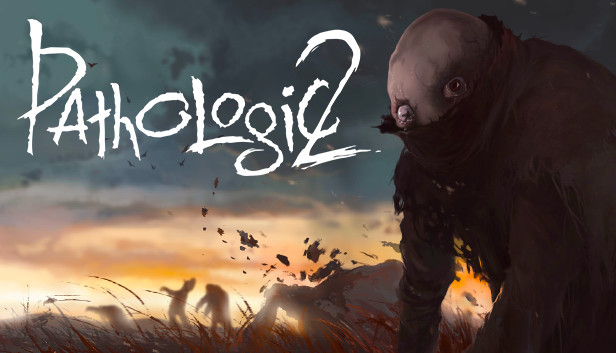
Pathologic 3 carries the weight of a cult legacy. The original 2005 game is a foundational text of arthouse gaming, revered and rarely finished. The 2019's Pathologic 2 was less a sequel and more a brutal reimagining. Labeling this new entry a "threequel" is itself a statement—it claims a direct lineage, suggesting a continuation of a core idea rather than another reboot. The narrative pillars remain: a remote town, a metaphysical plague, a doctor in over his head.
"Get ready for a fresh entry in the horror-RPG Pathologic series, as players will have to investigate a deadly contagion and the nature of death in this threequel. There are patients to see to and lies to see through, and every minute counts." — GameSpot, Biggest New Game Releases of January 2026
GameSpot's preview zeroes in on the dual investigation: the medical and the metaphysical. This is the series' beating heart. You are not just fighting a disease; you are interrogating the concept of death in a place where immortality is rumored to be possible. The gameplay loop of diagnosis and dialogue becomes a ritual of epistemological crisis. Is that patient's fever a symptom of the Sand Plague, or a manifestation of the town's collective psychosis? The game forces you to act on incomplete, often contradictory data.
The new time-travel mechanic is the boldest stroke. On its surface, it offers a reprieve from the infamous "perma-consequence" of earlier games. But this is a trap. The ability to rewind a day doesn't simplify the moral calculus; it complexifies it exponentially. It introduces the horror of hindsight and the paradox of perfect information. If you save one person, do you doom three others you hadn't met yet? The game shifts from punishing mistakes to punishing knowledge. It transforms the player from a victim of time into a complicit architect of the tragedy.
Critically, the game makes no concession to mainstream RPG sensibilities. There is no leveling up in a traditional sense. Your "progression" is measured in social capital, in trusted allies, in fragments of understood lore. Your character deteriorates—hungry, tired, infected—as the days crawl on. This inversion of power fantasy is its most radical and, for some, its most alienating feature. Why would anyone subject themselves to this?
The answer lies in the experience it sells: authentic consequence. In an era of quick-saves and load screens, Pathologic 3 proposes a world where choices stain. It argues that meaningful narrative emerges not from curated cinematic moments, but from the desperate, unscripted struggle to keep a digital candle flickering in a relentless wind. The comparison to Papers, Please is apt, but here the bureaucratic horror is fused with body horror and existential dread. You are not stamping passports; you are deciding who receives the last dose of a experimental antibiotic, watching the light leave the eyes of those you deny.
"Player agency in Pathologic isn't about becoming powerful. It's about becoming responsible. The weight of that responsibility, the sheer cognitive load of tracking promises, symptoms, and dwindling supplies, is the primary source of horror," — Dr. Evelyn Marsh, Professor of Game Studies, University of Toronto
Dr. Marsh's analysis cuts to the core. The game weaponizes responsibility. It makes you care, or at least pretend to care, because the systems demand it. A forgotten promise to a grieving mother might close off a trading route. A misdiagnosis can spark a riot. The city is a web of fragile human connections, and you, the doctor, are a blundering catalyst. This creates a unique form of immersion—one of anxiety and acute attentiveness rather than empowerment.
Yet, one must ask: does the pursuit of this "unbearable" authenticity risk tipping into mere masochism? Is there a point where a game stops being a challenging narrative and becomes a punishing simulation for its own sake? The line is thin. Pathologic 3's success hinges on whether its moments of profound revelation—a discovered truth, a saved life against all odds—outweigh the grueling, often repetitive labor of survival. The early previews suggest belief that it will. The player reviews from the demo, oscillating between "awe and frustration," prove the gamble is already creating the intended, volatile reaction. The storm is brewing, and on January 9, it makes landfall.
The significance of Pathologic 3 releasing in January 2026 extends far beyond its Steam page or its place on a crowded calendar. It represents a defiant statement about the purpose of video games as a medium. In an industry increasingly dominated by live-service models, battle passes, and engagement metrics, Ice-Pick Lodge has built a monument to disengagement. This is a game designed to make you quit, to make you walk away from the screen overwhelmed by the weight of its world. Its value proposition is the opposite of escapism. It offers immersion into despair, not away from it. This isn't just a game; it's a controlled experiment in player morality and endurance, a piece of interactive existential literature that could only exist in this form.
Its impact is measured in cultural capital, not concurrent player counts. The series has long been a touchstone for critics and academics, a reference point for discussions about ludonarrative harmony—or, more accurately, ludonarrative friction. Pathologic 3 will become a new benchmark. When future designers ask, "How do you make a player feel genuine responsibility?" or "How do you simulate the crushing weight of systemic failure?" this game will be the case study. It proves there is a sustainable, if modest, audience for works that treat the player not as a hero to be empowered, but as a flawed agent to be broken down and examined.
"The Pathologic series has always been a counter-narrative to gaming's power fantasy. With this third installment, Ice-Pick Lodge isn't just making another game. They are preserving a vital strand of the medium's DNA—the one that asks difficult questions instead of providing easy power." — Mikhail Petrov, Curator, Museum of Digital Art
This preservation matters. As blockbuster budgets balloon and risk-aversion calcifies mainstream design, games like Pathologic 3 act as a necessary pressure valve. They demonstrate that commercial success does not have a single definition. Cult status, fervent critical acclaim, and a dedicated community can be a viable endpoint. The game's confirmed presence on GeForce NOW from day one signals that this niche is recognized as worth servicing, that its audience, while small, is valuable and vocal. It carves out a space where "unbearable" is not a flaw but a feature, and in doing so, it expands the definition of what a game is allowed to be.
For all its artistic ambition, Pathologic 3 is not without its potential pitfalls. The most glaring is the inherent friction between its design goals and human patience. The time-loop mechanic, while intellectually fascinating, risks becoming a source of pure frustration. Repeating a day to correct a single mistake could feel less like narrative exploration and more like tedious homework. The game's celebrated opacity—its refusal to explain its own systems—can cross the line from intriguing mystery into obfuscation. When is a player being challenged by deep systems, and when are they simply lost due to poor communication?
The game’s singular focus on atmosphere and consequence can also come at the expense of pure mechanical polish. Previous Ice-Pick Lodge titles have been criticized for clunky interfaces, finicky controls, and technical hiccaps. In a game about precision diagnosis and time-sensitive navigation, a poorly implemented inventory system or a buggy dialogue trigger isn't a minor annoyance; it's a rupture in the fragile reality the game works so hard to build. The studio's ambition often brushes against the limits of its resources, and Pathologic 3 will be judged on whether its artistic vision can survive the inevitable collision with its technical execution.
Furthermore, the game's commitment to its own bleakness creates a narrow emotional palette. The unrelenting stress, the perpetual state of crisis, the aesthetic of decay—it's a symphony played in a single, minor key. For some players, this will be a profound, cathartic experience. For others, it will be monotonous. Where does profound grimness end and simple miserablism begin? The game walks that razor's edge, and not every player will want to follow.
Finally, there is the question of its narrative reach. By doubling down on the series' established lore and returning to the Bachelor's storyline, the game assumes a level of prior investment or a willingness to dive into a deeply weird, culturally specific mythology. It is not a welcoming entry point. This conscious choice to serve the existing cult audience first ensures a passionate core reception but may wall off the experience from newcomers who could otherwise appreciate its mechanical and philosophical innovations.
The concrete future for Pathologic 3 is already mapped. The PC launch on January 9, 2026, is the main event. Console releases for Xbox Series X|S and PlayStation 5 are confirmed for a later, unspecified date, likely in the latter half of 2026. The real test begins the moment the digital doors open. Steam Community forums and subreddits will explode with shared strategies, maps of infected districts, and moral panics over impossible choices. The game's systems are built to generate stories—not scripted ones, but emergent tales of failure and narrow survival that players will carry with them.
The success of this launch will dictate the next phase for Ice-Pick Lodge. A strong showing could embolden them to pursue even more esoteric projects. A more muted commercial response might see them refine this formula, perhaps applying its punishing, choice-driven philosophy to a slightly more accessible setting. Regardless, Pathologic 3 has already achieved one crucial goal: it has reminded the industry and its audience that games can be demanding, unpleasant, and intellectually rigorous, and that there is a place for that. It is not a blockbuster; it is a landmark.
The city on the Gorkhon is not a place you visit to win. It is a place you visit to be changed. When the clock starts on January 9, a new cohort of players will enter its impossible streets, armed with nothing but their wits and a dwindling supply of tinctures. They will not all emerge victorious. But they will all emerge different. The plague, after all, was never just in the game.
Your personal space to curate, organize, and share knowledge with the world.
Discover and contribute to detailed historical accounts and cultural stories. Share your knowledge and engage with enthusiasts worldwide.
Connect with others who share your interests. Create and participate in themed boards about any topic you have in mind.
Contribute your knowledge and insights. Create engaging content and participate in meaningful discussions across multiple languages.
Already have an account? Sign in here

Pathologic 3 arrives January 9, 2026, wielding time-travel to deepen its signature despair, forcing players to rewrite t...
View Board
Cairn redefines climbing games with physics-driven realism, forcing players to read rock faces, manage stamina, and plac...
View Board
Heartopia storms Steam with 17K players, blending cozy sim charm & mobile monetization, sparking a cultural clash over g...
View Board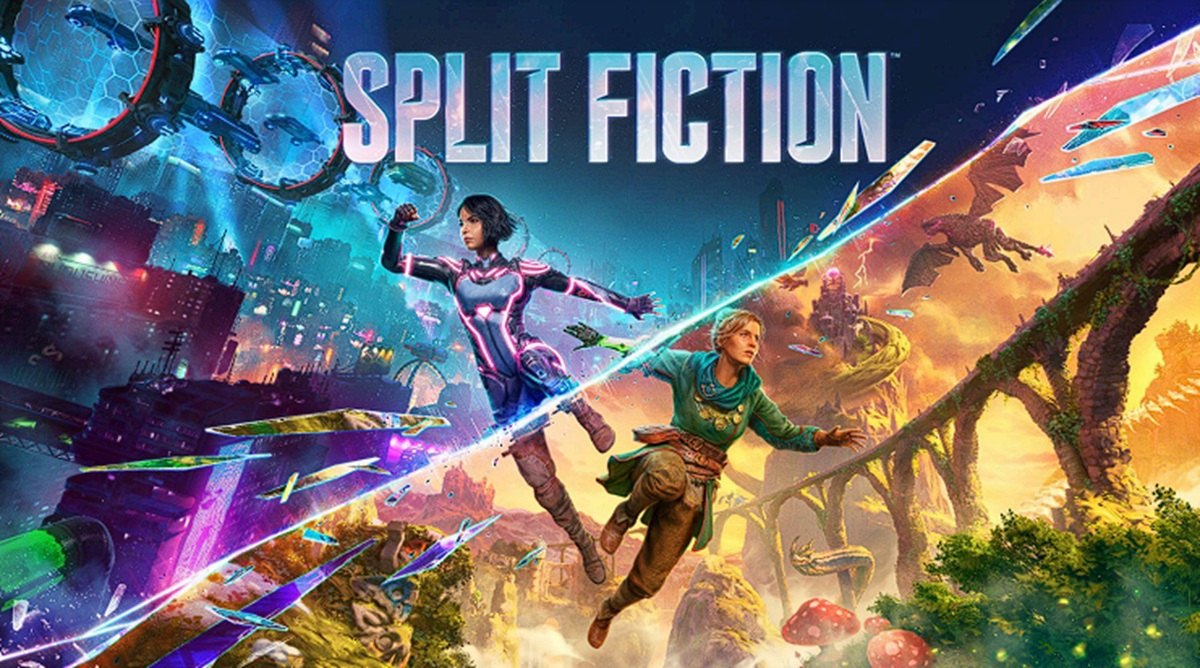
Josef Fares' Split Fiction redefines co-op storytelling with its radical two-player-only design, selling 2M copies in a ...
View Board
MIO: Memories in Orbit launches on Game Pass Jan 20, 2026, offering a polished metroidvania with fluid combat, hand-draw...
View Board
GTA 6 faces its toughest rival in 2026: GTA V's $10B legacy. Can Rockstar's sequel eclipse a game that redefined longevi...
View Board
Code Vein II invites players on a somber pilgrimage through time, blending Soulslike combat with a narrative of sacrific...
View Board
MIO: Memories in Orbit launches Jan 20, 2026, blending punishing Metroidvania gameplay with a haunting narrative on memo...
View Board
Steel Century Groove launches Jan 28, 2026, blending mecha combat with rhythm RPG strategy, turning war machines into da...
View Board
Dynasty Warriors Origins DLC launches Jan 22, 2026, reimagining villains as heroes with new weapons, skills, and untold ...
View Board
Solo developer Adam Hunt crafts Streetdog BMX, a love letter to BMX culture, launching January 14, 2026, on Steam with 2...
View Board
Quarantine Zone: The Last Check turns zombie survival into bureaucratic horror, forcing players to make life-or-death de...
View Board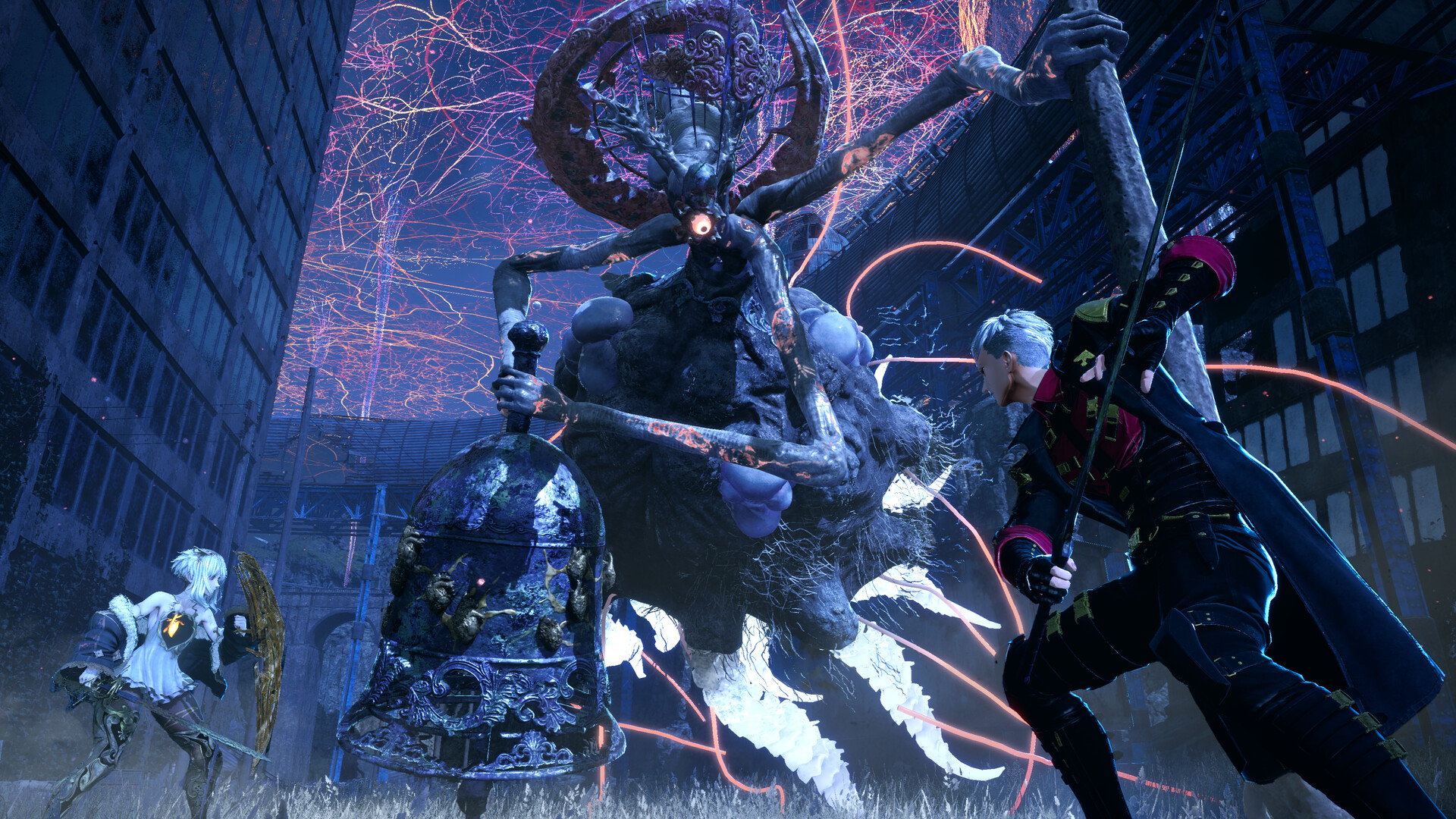
Code Vein 2 launches Jan 30, 2026, rewriting its anime Soulslike legacy with time-bending combat, deeper RPG systems, an...
View Board
Claim Fallout 1 & 2 for free via Prime Gaming before Jan 26, 2026—permanent ownership of the iconic RPGs that shaped gam...
View Board
Code Vein 2 overhauls combat, expands customization with 200+ Formae, and rebuilds level design, addressing the original...
View Board
A philosopher dissects how Kanto’s badge quests, closed map, and cable‑linked trading force identity, choice, and the et...
View Board
Code Vein II redefines gothic action RPGs with time-bending combat, vast ruins, and a motorcycle-driven wasteland, but l...
View Board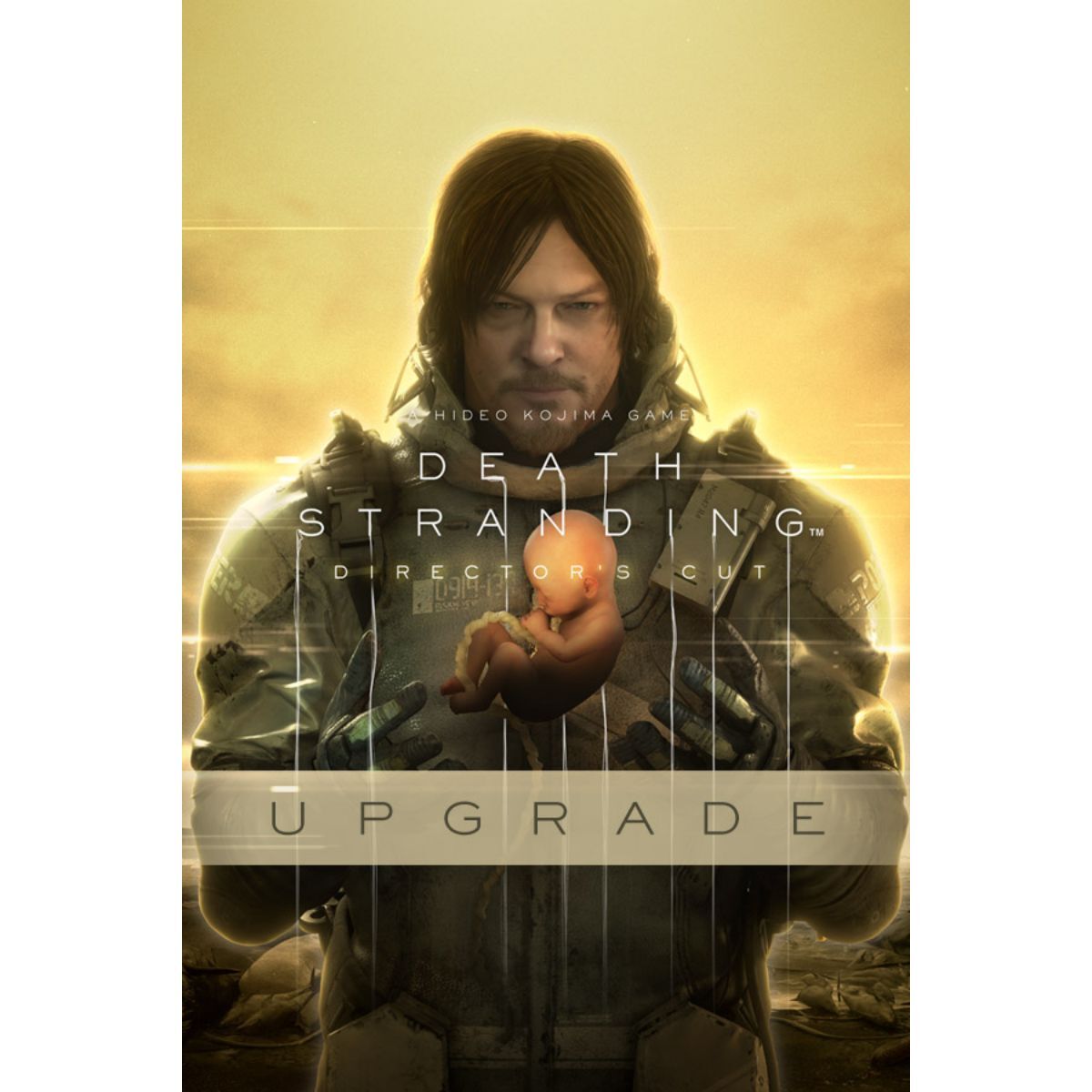
Xbox Game Pass January 2026 delivers 11 new titles, including Star Wars Outlaws and Death Stranding: Director's Cut, whi...
View Board
Tekken 7’s Rage Arts, 8‑million unit sales and tournament‑ready mechanics forged a modern fighting‑game era, shaping com...
View Board
Revenant Hunter manipulates time, wields blood‑code powers, and battles in a sprawling post‑apocalyptic world where ever...
View Board
Comments