


Explore Any Narratives
Discover and contribute to detailed historical accounts and cultural stories. Share your knowledge and engage with enthusiasts worldwide.
On January 22, 2026, a quiet but profound shift occurred in the landscape of action RPGs. A free character creator demo for Code Vein 2 went live. Within hours, social media feeds flooded with meticulously crafted avatars—vampiric knights with glowing eyes, gothic maidens wielding impossible weapons, warriors adorned with crystals and scars. This digital salon was more than a preview; it was a statement of intent. Bandai Namco Studios wasn't just releasing a sequel. It was launching a reclamation project for a cult classic, armed with a completely different scope, a time-traveling companion, and a January 30, 2026 release date. The ambition is staggering. The original Code Vein, a 2019 gamble that spliced Dark Souls DNA with a high-anime aesthetic, carved out a fervent niche. Its successor aims not just to satisfy that audience, but to dominate a genre it helped define.
The original game's legacy is one of surprising endurance. It launched into a crowded field of Soulslikes, distinguished primarily by its unabashedly melodramatic, character-driven narrative and a deep, flexible class system tied to "Blood Codes." Critics praised its heart but often noted its uneven level design and performance issues. Fans, however, embraced its unique flavor—a Soulslike that wasn't afraid of cutscenes, companion banter, and a story you could actually follow. It sold over 3 million copies. Not a blockbuster number, but a solid foundation for a franchise. Producer Keita Iizuka and the team understood the assignment for the sequel couldn't be mere iteration. The market has evolved. FromSoftware's Elden Ring shattered ceilings, while games like Lies of P demonstrated how to refine the formula. Code Vein 2 must now compete at a higher tier.
"While we retain the anime-inspired visual style that defined the first game, this is an entirely new world with an original cast," Iizuka stated in a recent developer interview. "We are building upon the foundation of companion-based combat, but the scale and the systems are expanded in every conceivable direction."
This isn't corporate speak. The technical footprint alone signals a leap. The PlayStation 5 version requires 59.180 GB of storage, nearly double the original's install size. The game launches simultaneously on PS5, Xbox Series X|S, and PC, with early access starting January 27 for Deluxe and Ultimate Edition owners. The pre-load schedule is precise: January 25 for the pricier editions, January 28 for the standard version. This is a global, multi-platform assault, leaving no player base behind. The simultaneous release strategy, avoiding the exclusivity deals that often fragment audiences, is a confident move. It suggests Bandai Namco believes the product can stand on its own merits, everywhere, all at once.
At its heart, Code Vein 2 remains a third-person action RPG where stamina management, punishing enemy placements, and epic boss battles are the gospel. You are a Revenant Hunter, a warrior in a post-apocalyptic wasteland where humanity and the vampire-like Revenants are besieged by corrupted entities dubbed Horrors. The inciting force is a phenomenon called Luna Rapacis. The setup is familiar, but the twist is not. Your constant companion is Lou, a young girl with the power to manipulate time. This isn't a narrative gimmick. It's a core gameplay mechanic.
The official overview trailer reveals a system where players can "revisit the past and alter events to reshape the present and future." Imagine a battlefield where a crucial bridge is destroyed. Lou's power might let you jump back to a moment before its collapse, securing a new path forward. This introduces a puzzle-layer to the environmental design, promising a departure from the purely traversal-based challenges of most Soulslikes. The potential for narrative branching and world-state changes is immense, a feature more common in CRPGs than action games.
"The Partner System is the soul of this experience," explains a gameplay deep-dive from Bandai Namco. "It binds the player and their companions through blood, fate, and destiny. Lou is not just an AI helper; her temporal abilities are integrated into exploration, puzzle-solving, and combat. Your bond dictates the flow of history itself."
This refined Partner System aims to address a key criticism of the first game: companion AI that could feel passive or simplistic. The promise is of dynamic, synergistic combat where Lou's time-manipulation actively creates openings, reverses mistakes, or alters the battlefield. Will it feel empowering or gimmicky? The answer will make or break the combat loop. The studio also promises "improved boss battles," a critical area for improvement. The original had highlights, but also forgettable encounters. In the post-Elden Ring world, boss design is under a microscope.
Perhaps the most brilliant pre-launch strategy is the free Character Creator Demo. Released ahead of the game, it functions as both a marketing tool and a community-building engine. With 64 save slots, it offers an absurd depth of customization: body types, facial structure, hairstyles, accessories, makeup, and vitiligo-like patterning. Players can pose their creations in a hot spring area, testing lighting and expressions in the Photo Mode. This demo transfers directly to the full game.
This move is psychologically astute. It allows players to invest dozens of hours into their avatar's identity before the game even launches. By January 30, thousands will boot up the full title not as a new character, but as a cherished persona they've already bonded with. For a game so focused on narrative and companionship, this pre-emptive character attachment is a masterstroke. It turns a menu screen into a community event.
The worlds these customized Revenants will explore are teased as haunting and diverse: the submerged ruins of the Sunken City, the corrupted growth of The Undead Forest, the stark landscapes of MagMell Island. The art direction retains the first game's blend of gothic decay and crystalline beauty, but the scope appears grander, more varied. The question of environmental navigation and interconnectivity—a hallmark of the best Soulslikes—remains open. Will these areas feel like cohesive parts of a dying world, or a series of impressive but disjointed levels? The original game stumbled here. The sequel has the tech and the budget to correct it.
We stand at the precipice. The demos are downloaded, the hard drives cleared. Code Vein 2 has laid out its plan: bigger, bolder, more systemic. It carries the weight of a dedicated fanbase and the scrutiny of a genre that has evolved dramatically in the seven years since its predecessor's debut. The character creator proves they understand their audience's desire for identity. The time-travel mechanic suggests a hunger for innovation. Now, the final product must deliver on a single, brutal promise: that dying, learning, and rewriting history in this beautiful, broken world will be worth every agonizing, glorious moment.
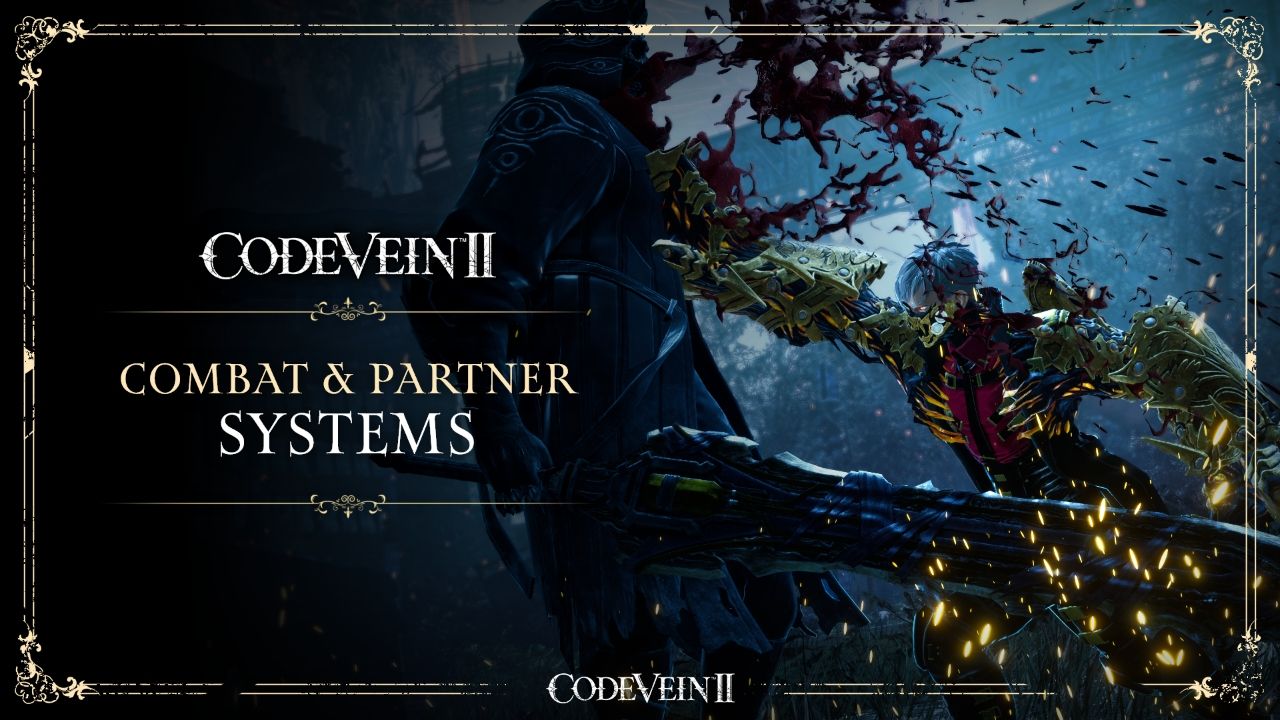
Combat in a Soulslike is a covenant. It demands precision, punishes hubris, and rewards mastery. The original Code Vein sometimes felt like it was honoring that covenant through gritted teeth, its systems functional but occasionally stiff, its pace deliberate to a fault. Code Vein 2 makes its first and most critical declaration with movement. Early previews unanimously note a shift to more fluid and faster-paced gameplay. This isn't a minor tweak; it's a philosophical realignment. The studio is chasing the kinetic satisfaction of Bloodborne or Sekiro, understanding that the anime aesthetic demands a spectacle that matches its visual flair. The dodge feels less like a tactical retreat and more like a ghostly blur. The attack animations chain with a newfound grace. This is the foundational fix upon which everything else is built.
The arsenal expands to seven distinct weapon types, from the expected greatswords and halberds to the returning bayonet for hybrid ranged play. But the true evolution lies in the Formae system. Think of these as equippable techniques, special moves that can be woven into combos. You can slot up to four Weapon Formae, divided into three categories: Combat for direct attacks, Magic for distance, and Support for buffs. This modular approach to ability loadouts encourages constant experimentation. It turns every weapon from a static tool into a platform for personalized expression.
"The Formae system is the heart of player agency in combat. Chaining a light attack into a Combat Formae that staggers, then following with a Support Formae that buffs your next heavy attack—that's the flow we're designing for," notes a gameplay designer from Bandai Namco Studios in the official overview. "It's about creating your own fighting style, not just mastering ours."
The most audacious addition is the Bequeathed Formae. This allows a player to summon a unique weapon for a single, devastating strike—a colossal greatsword materializing from the ether for one crushing blow. The catch is a summoning delay, a brief vulnerability window that demands fight-reading and timing. It’s a high-risk, high-reward mechanic that injects a moment of strategic decision-making into the heat of battle. Will you commit to the long animation for massive damage, or stick to your reliable combos? This kind of meaningful choice is what separates great combat from merely good.
Then there's Lou. The time-manipulating companion is the sequel's headline act, and her integration into combat via the Partner System is make-or-break. The system is deep, almost overwhelmingly so. Partners provide Link Traits (active effects that weaken if the bond is damaged) and Partner Trait Bonuses (passive stat boosts that grow with your relationship). You can Summon them to fight independently, or Assimilate to merge and enhance your own powers for duels with major bosses.
"Assimilation is for when you need to become something more than yourself to overcome a singular, overwhelming threat. It changes your move set, your capabilities. It's a transformation born of partnership," explains the game's combat director in a deep-dive video released in January 2026.
The system is conceptually rich, evoking the Stands of JoJo's Bizarre Adventure or the Personas of the Shin Megami Tensei series. But it raises a critical question for Soulslike purists: does this complexity undermine the genre's core tenet of solitary, skill-based triumph? The Restorative Offering mechanic, where a partner can revive a fallen Hunter at the cost of their own temporary incapacitation, is a literal safety net. Is this a welcome layer of strategic depth, or does it dilute the punishing consequence that defines the genre? The answer will split the audience. For some, it will be a brilliant fusion of narrative and mechanics. For others, it may feel like an assisted mode baked directly into the core loop.
Beyond the moment-to-moment clash of steel, Code Vein 2 is betting big on the cerebral joy of buildcrafting. The returning Blood Code system is more than a class selector; it's a stat framework that can impose specific boosts or burdens. Choosing a Code that amplifies Strength at the cost of Mobility forces a tangible playstyle adjustment. This is complemented by Boosters, equippable items that activate additional traits and stat increases. The potential for synergy is massive. You could build a glass-cannon mage who uses Formae for area denial, a dexterous duelist who leverages the new parry mechanics (which now coexist fluidly with dodging), or a tank that specializes in Assimilation for boss fights.
"We envision players theory-crafting for hours. A Strength build that uses a specific Booster to reduce the casting time of a particular Combat Formae, all while a Blood Code boosts halberd damage. That's the level of granularity we support," states a systems designer in a preview with Gamerant.
This granularity is a double-edged sword. The original game's depth was sometimes obscured by convoluted menus and vague descriptions. If the sequel fails to communicate these interlocking systems with clarity, it risks alienating players who don't want to consult a wiki to understand their build. The promise of multiple viable playstyles—Strength, Formae-focused, Ranged, Dexterity—is empty if the path to achieving them is obscured by poor UI. The January 2026 character creator demo was a masterclass in accessible, deep customization. The RPG systems need the same intuitive touch.
The world these builds explore is promised to be vast. The addition of a motorcycle for traversal suggests sprawling, open areas between the intricate, legacy-style dungeon crawls. Environments like the Sunken City and Undead Forest must balance visual grandeur with purposeful design. An open field is only as good as the secrets it hides and the threats it contains. Will the motorcycle feel like a natural extension of exploration, or a concession to scale that creates empty space? The Soulslike genre thrives on density, on every corner holding a potential ambush or a hidden path. Can that tension survive a vehicle that lets you speed past it all?
The release of the free Character Creator Demo on January 22, 2026, was more than a generous preview. It was a live data harvest and a social experiment. By offering 64 transferable save slots, Bandai Namco didn't just let players create a character; they invited them to build a roster. The hot spring at the MagMell Institute became an impromptu gallery. This served two brutal business purposes: it locked in player investment weeks before launch, and it provided the developers with a massive dataset on popular aesthetic choices, potentially guiding future cosmetic DLC.
"The demo's purpose was twofold: to thank the community and to let them start their journey early. The connection players form with their custom Revenant is the emotional core of the experience. Why should that start on launch day?" said a community manager in a press statement accompanying the demo's release.
This move was commercially shrewd but also artistically telling. It signals that the team understands a modern truth: in a live-service saturated market, a strong single-player game must also be a platform for self-expression and sharing. The Photo Mode and detailed sliders aren't extras; they are essential features that fuel the community content engine that sustains games long after launch. When the full game unlocks on January 30, 2026, it won't be welcoming blank slates. It will be welcoming heroes their players have already known, posed with, and shared for weeks. That head start on emotional attachment is priceless.
The scaffolding for a landmark sequel is visibly in place. The combat is faster, the systems are deeper, the world is larger. Yet the greatest risks are born from these very ambitions. Can the Partner System deepen gameplay without cheapening the struggle? Can the RPG mechanics be both profoundly deep and intuitively understood? Does a wider world risk diluting the focused tension that defines the genre? Code Vein 2 is not playing it safe. It is attempting a high-wire act between hardcore legitimacy and mainstream appeal, between tradition and innovation. The previews are promising, but January 30, 2026, isn't a coronation. It's the day the covenant is tested.
The release of Code Vein 2 on January 30, 2026, is not merely a sequel launch. It is a referendum on an entire subgenre. When the original game debuted in 2019, the term "Anime Soulslike" was often a backhanded compliment, implying a dilution of FromSoftware's austere formula with melodrama and flamboyant aesthetics. It occupied a curious niche, beloved by its fans but rarely discussed as a genre leader. The landscape has shifted. The massive success of Elden Ring proved the mainstream appetite for rich, challenging worlds, while games like Nioh 2 and Wo Long: Fallen Dynasty demonstrated that other studios could build compelling, distinct combat systems within the broader Souls framework. Code Vein 2 arrives at a moment of maturity. It must now justify its aesthetic not as a quirky alternative, but as a legitimate artistic direction with its own mechanical and narrative virtues.
Its success or failure will influence publisher greenlights for years. Bandai Namco is investing heavily in a simultaneous global launch, a massive marketing push, and systemic depth that rivals genre pillars. A hit would signal that character-driven narratives, deep customization, and companion-based mechanics have a permanent, profitable place beside the more cryptic, lonely experiences. It would validate the idea that the Soulslike template is a foundation, not a dogma.
"This sequel represents the point where the 'anime' modifier should become irrelevant," argues veteran game critic Tamoor Hussain in a January 2026 editorial. "It's not about being a Souls game with a certain art style anymore. It's about whether Code Vein 2 can stand shoulder-to-shoulder with the best in the genre on the strength of its own world, combat, and ideas. That's the threshold it has chosen to cross."
The cultural impact is already visible in the pre-launch frenzy surrounding the character creator. The community's embrace of that tool speaks to a desire for ownership and identity that extends beyond stat sheets. This isn't just about building a powerful character; it's about building a persona that exists within and beyond the game, shared across social media and forums. In an era of live-service avatars, Code Vein 2 is offering a paradox: a meticulously crafted single-player identity suite. It's positioning self-expression as a core part of the hardcore RPG experience, a notion that could ripple outward.
For all its ambition, Code Vein 2 walks a razor's edge, and several legitimate criticisms hang in the air ahead of the review embargo lift. The most pressing concern is the Partner System's potential to trivialize challenge. The Assimilation mechanic and the Restorative Offering revive function are, on paper, powerful safety nets. The delicate balance of any Soulslike is the line between fair support and eliminating the essential "click" of mastery. If Lou's time powers solve too many environmental puzzles or her combat assistance is too dominant, the game risks creating a passive experience where the player feels like a spectator in their own power fantasy. The studio's promise of "improved boss battles" will be hollow if the optimal strategy is always to simply merge with your partner and overpower them.
Furthermore, the expansion to an open-world-esque structure, complete with a motorcycle, invites scrutiny. The genre's greatest strength is often its curated, dense design—every enemy placement a lesson, every shortcut a reward. Does the motorcycle enable meaningful exploration of a vast, intriguing landscape, or does it simply create empty travel time between curated dungeons? Will the haunting environments of the Sunken City and MagMell Island feel interconnected and purposeful, or like a checklist of biomes? The original game’s level design was its most frequent point of criticism; the sequel cannot afford to stumble on the same point while asking players to traverse more ground.
Finally, there is the narrative weight. The high-anime, blood-and-fate melodrama is a signature, but it can also be alienating. The risk is a story that shouts its emotional beats with overwrought dialogue, clashing with the subtle, environmental storytelling the genre is also known for. Can a tale about rewriting time itself maintain coherence and emotional weight, or will it collapse into a convoluted web of paradoxes? The commitment to an entirely new cast is brave, but it also discards the established character equity of the first game. They must make players care about Lou and this new world from zero, and fast.
The immediate future is a sequence of concrete milestones. The review embargo will shatter in the final hours of January 29, 2026, flooding the critical space with the first definitive verdicts. Early access for Deluxe and Ultimate Edition holders begins at midnight on January 27, meaning the first wave of player impressions—raw, unfiltered, and crucial—will hit forums and streams a full three days before the official launch. These initial 72 hours will set the narrative. Will it be a story of triumphant evolution or ambitious overreach?
Bandai Namco’s post-launch plan remains unannounced, but the infrastructure is there for substantial support. The deep RPG systems and character creator are tailor-made for DLC expansions—new Blood Codes, Formae, weapons, and cosmetic items. The success of the base game will determine whether this world is expanded further or left as a singular, ambitious statement. The studio’s next move hinges entirely on the reception waiting on the other side of January 30.
The character creator demo gave us avatars, meticulously crafted and poised in a digital hot spring. On January 30, those avatars will finally step into the downpour of a collapsing world, their blades gleaming with Formae, a time-manipulating girl at their side. They will test a faster combat system, navigate a wider world, and challenge bosses designed to break them. The demo was about potential. The full release is about proof. Code Vein 2 has built a formidable machine of mechanics and style. Now it must prove that machine has a soul.


Your personal space to curate, organize, and share knowledge with the world.
Discover and contribute to detailed historical accounts and cultural stories. Share your knowledge and engage with enthusiasts worldwide.
Connect with others who share your interests. Create and participate in themed boards about any topic you have in mind.
Contribute your knowledge and insights. Create engaging content and participate in meaningful discussions across multiple languages.
Already have an account? Sign in here

Code Vein II invites players on a somber pilgrimage through time, blending Soulslike combat with a narrative of sacrific...
View Board
Code Vein II redefines gothic action RPGs with time-bending combat, vast ruins, and a motorcycle-driven wasteland, but l...
View Board
Code Vein 2 overhauls combat, expands customization with 200+ Formae, and rebuilds level design, addressing the original...
View Board
Pathologic 3 arrives January 9, 2026, wielding time-travel to deepen its signature despair, forcing players to rewrite t...
View Board
MIO: Memories in Orbit launches on Game Pass Jan 20, 2026, offering a polished metroidvania with fluid combat, hand-draw...
View Board
Code Vein II rewrites fate with time-bending combat, deeper customization, and a bold single-companion system, launching...
View Board
Resident Evil Requiem blends classic survival horror with modern tech, delivering dual narratives of terror and action i...
View Board
Pathologic 3 arrives January 9, 2026, a punishing survival RPG where time-travel meets plague diagnosis in a dying city,...
View Board
GTA 6 faces its toughest rival in 2026: GTA V's $10B legacy. Can Rockstar's sequel eclipse a game that redefined longevi...
View Board
Solo developer Adam Hunt crafts Streetdog BMX, a love letter to BMX culture, launching January 14, 2026, on Steam with 2...
View Board
Dynasty Warriors Origins DLC launches Jan 22, 2026, reimagining villains as heroes with new weapons, skills, and untold ...
View Board
Revenant Hunter manipulates time, wields blood‑code powers, and battles in a sprawling post‑apocalyptic world where ever...
View Board
Josef Fares' Split Fiction redefines co-op storytelling with its radical two-player-only design, selling 2M copies in a ...
View Board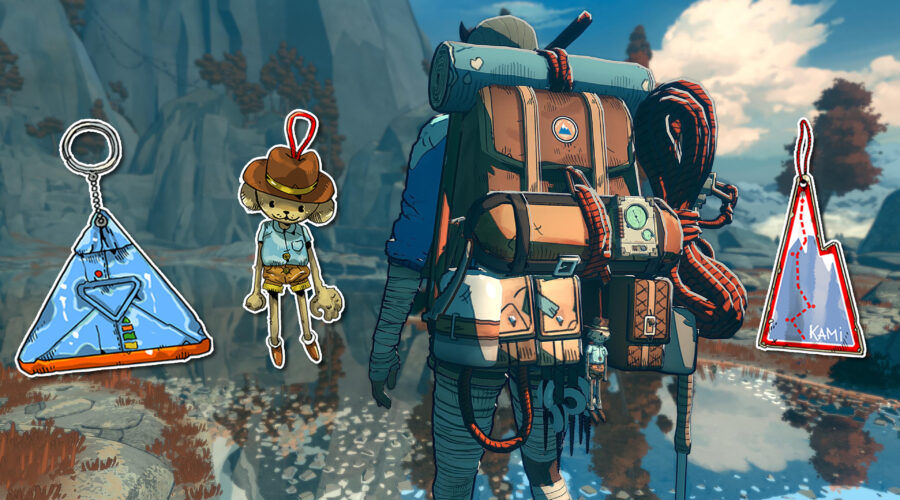
Cairn redefines climbing games with physics-driven realism, forcing players to read rock faces, manage stamina, and plac...
View Board
Mortal Kombat 11: A Deep Dive into Its Enduring Legacy The arena lights flicker, a digital roar erupts, and then, the c...
View Board
MIO: Memories in Orbit launches Jan 20, 2026, blending punishing Metroidvania gameplay with a haunting narrative on memo...
View Board
Claim Fallout 1 & 2 for free via Prime Gaming before Jan 26, 2026—permanent ownership of the iconic RPGs that shaped gam...
View Board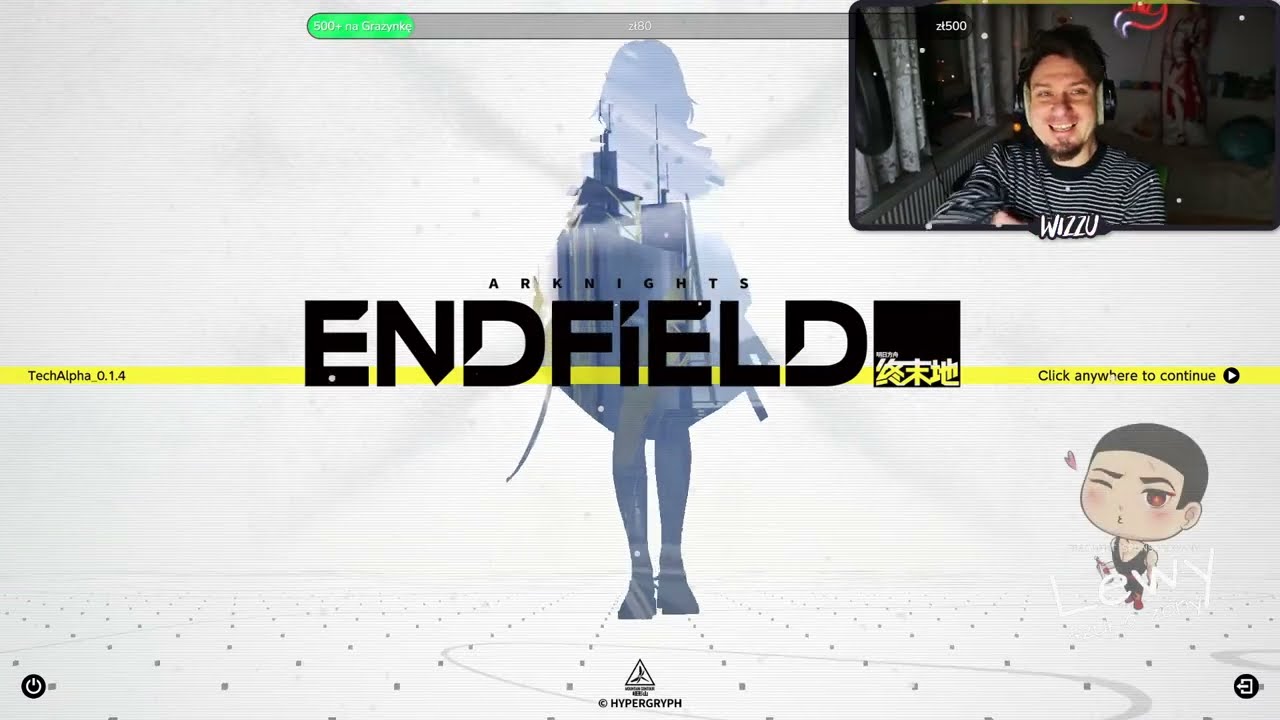
Hypergryph abandons tower defense for a bold open-world action RPG, merging factory automation with real-time combat in ...
View Board
Heartopia storms Steam with 17K players, blending cozy sim charm & mobile monetization, sparking a cultural clash over g...
View Board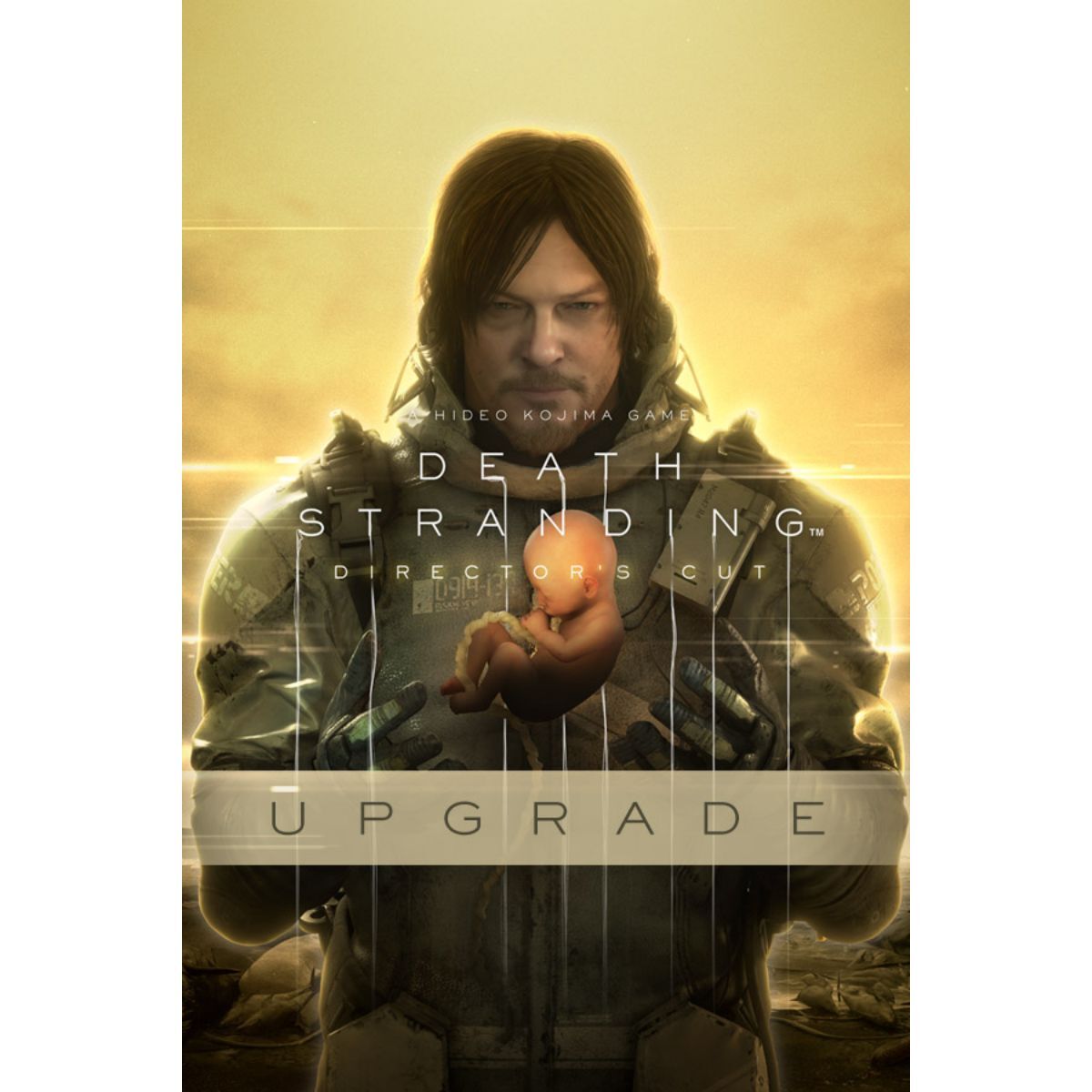
Xbox Game Pass January 2026 delivers 11 new titles, including Star Wars Outlaws and Death Stranding: Director's Cut, whi...
View Board
Comments