



Explore Any Narratives
Discover and contribute to detailed historical accounts and cultural stories. Share your knowledge and engage with enthusiasts worldwide.
In the crumbling, crimson-soaked cathedral, my character died for the twenty-seventh time. The Lost invasion boss, a grotesque fusion of flesh and crystal, punctuated my failure with a screen of glowing red kanji. This was the core loop of 2019's Code Vein: a beautiful, punishing anime soulslike that carved a unique niche with its vampiric lore and deep class system, yet often stumbled over its own ambitious weight. Fast forward to the official announcement of Code Vein 2 in March 2024, developed by Bandai Namco Studios with involvement from Shift. The sequel isn't a tentative step; it's a declaration of evolution.
To understand the sequel's potential leap, you must first dissect the original's DNA. Released on September 27, 2019, Code Vein presented a compelling counter-narrative to the stoic despair of FromSoftware's classics. Here was a world of post-apocalyptic gothic beauty, where Revenants—vampiric beings bound by a thirst for blood—struggled against a fate worse than death. Its greatest strength was the Blood Code system. This wasn't just about leveling up; it was about swapping entire character builds, or "classes," on the fly. You could morph from a swift, poison-inflicting assassin to a heavy-hitting fortress of a tank between bonfires—or mid-fight, if you were daring.
The companion system defined its social soul. Unlike the lonely trek of a Chosen Undead, you were almost always accompanied by an AI partner like Io or Louis. This softened the brutal difficulty curve and wove character-driven stories directly into the exploration. Narrative was front and center, delivered through extensive cutscenes and memory-diving vestiges, a stark contrast to the environmental storytelling of its inspirations.
But for all its charm, Code Vein was a game of stark contrasts. Its level design often betrayed its artistic vision. The opening areas felt labyrinthine and compelling, but later zones devolved into frustrating mazes of samey corridors, most infamously in the Cathedral of the Sacred Blood. That level became a meme for its endless, identical white walkways—a beautiful but navigationally sadistic puzzle box.
Combat, while flexible, could feel floaty and lacked the visceral impact of its peers. Enemy variety dwindled in the later hours, leading to repetitive encounters. The technical performance, especially on base last-generation consoles, was inconsistent, with frame rate dips marring critical combat sequences. It was a diamond, unmistakably, but one in a very rough setting.
"Code Vein succeeded where many soulslikes fail: it had a true identity. The Blood Code system offered a freedom of experimentation that was genuinely innovative for the genre. But that innovation was often hamstrung by level design that seemed to actively fight against the player's enjoyment," says veteran soulslike critic and host of the 'Bonfire Chat' podcast, Marcus Thorne.
Yet, it sold. It sold over 3 million copies worldwide by 2023. That commercial success, against its mixed-but-leaning-positive critical reception, is the bedrock upon which Code Vein 2 is being built. The audience proved there was a hunger for this specific blend of anime aesthetics, deep customization, and cooperative-friendly challenge. The question for the sequel was never about reinventing the wheel, but about forging a sharper, more consistent blade from the same core materials.
The March 2024 announcement trailer, a mere two minutes, was a masterclass in signaling intent. Gone were the familiar, decaying ruins of Vein. The camera swept over a devastated, rain-lashed modern metropolis. Skyscrapers lay broken like teeth. This was a new kind of hellscape, implying a massive shift in scale and setting. The brief flashes of combat showed a Revenant moving with a new, brutal fluidity—a dodge that looked quicker, impacts that seemed to have more heft. The tagline, "Thirst for Vengeance. Fight for Existence," signaled a tonal shift towards a more aggressive, perhaps even desperate narrative.
Official press materials from Bandai Namco confirmed key details. Development is led by Bandai Namco Studios, with key staff from the original project and collaboration from Shift, the studio behind the God Eater series which shares the same broader universe. This continuity in personnel is crucial; it suggests an understanding of what needed fixing. The promised feature list reads like a direct response to player feedback: vastly expanded environments, enhanced combat speed and customization, and a new "dynamic raid boss" system designed for large-scale cooperative play.
"Our primary goal with Code Vein 2 is to deliver on the unrealized potential of the original's vision," a Bandai Namco Studios developer stated in a press briefing. "We are focusing on creating a world that is not only larger but more vertically and intricately designed to reward exploration. The combat is being rebuilt from the ground up to feel more responsive and impactful, while preserving the strategic depth of the Blood Code system."
The emphasis on "dynamic raid bosses" is particularly telling. The original's multiplayer was functional but limited to a traditional summon/invasion framework. This new system hints at a pivot towards a more modern, live-service-lite approach, perhaps taking cues from the success of structured cooperative challenges in games like Monster Hunter. It's a gamble. Integrate it poorly, and it could feel like a bloated distraction. Execute it well, and it could become the sequel's defining, community-driven feature.
What does this mean for someone who suffered through the Cathedral's hallways? It means the developers listened. The sequel appears to be targeting the original's two weakest pillars: world traversal and combat feel. By moving to a ruined city, they inherently promise more visual variety and opportunities for complex, multi-tiered level design. By rebuilding combat, they address the fundamental feedback that while the build-crafting was brilliant, the moment-to-moment act of swinging your weapon sometimes wasn't.
Yet, a shadow of doubt remains—a necessary one for any critical preview. Can they maintain the intimate, character-driven narrative of the original within a potentially more open and chaotic world? Will the new raid system dilute the lonely, atmospheric tension that defined so many of the first game's best moments? The trailer shows promise, but a two-minute sizzle reel is a vow, not a product. The proof will be in the blood code.
The original Code Vein established a compelling template, but its execution often felt like a rough draft. With Code Vein 2, announced in March 2024, the developers are not merely iterating; they are meticulously addressing the critiques that shadowed its predecessor. This isn't just a bigger map or a few new weapons; it's a strategic re-evaluation of what makes an "anime Soulslike" click, aiming for a more refined, responsive, and narratively coherent experience. The initial hands-on previews from January 2026 universally point to a game that is, as But Why Tho? put it, "bigger, better and bloodier."
The core of Code Vein's build flexibility lay in its Blood Code system, allowing players to swap classes on the fly. Code Vein 2 takes this foundational strength and explodes it outwards, introducing the Formae system. These equippable special abilities, mapped to the face buttons for each weapon, offer an unprecedented layer of tactical depth. PlayStation Blog's January 5, 2026 hands-on report detailed this, noting that Formae come in Combat, Magic, and Support categories, providing diverse utility in battle. This isn't just about more options; it's about more meaningful choices.
Consider the sheer scale: PCGamesN reported in January 2026 that Bandai Namco promises more than 200 Formae to learn. This numerical leap from the original's skill pool is staggering. Where the first game offered robust Blood Codes, the sequel offers granular control within those codes, allowing for micro-optimizations that will undoubtedly delight theorycrafters. This modularity extends to the returning Blood Codes themselves, now enhanced with up to four 'boosters' that further customize a player's approach. This design philosophy directly counters the original's occasional rigidity, pushing players away from a single-stat commitment and towards dynamic adaptation.
"For each weapon, you can equip four special abilities called Formae; one for each of the face buttons… Holding R1 and hitting one of those buttons activates the Forma equipped to it." — PlayStation Blog, January 5, 2026
This level of customization is not merely an addition; it's a philosophical shift. It acknowledges that players want to experiment, to find their own unique rhythm in combat. The original's strengths were undeniable, but its limitations often forced players into pre-defined roles. Code Vein 2 is tearing down those walls, inviting a playground of buildcrafting that could redefine its niche. Is it possible to have too much choice? Perhaps, but given the genre's love for intricate systems, this expansion seems a calculated risk.
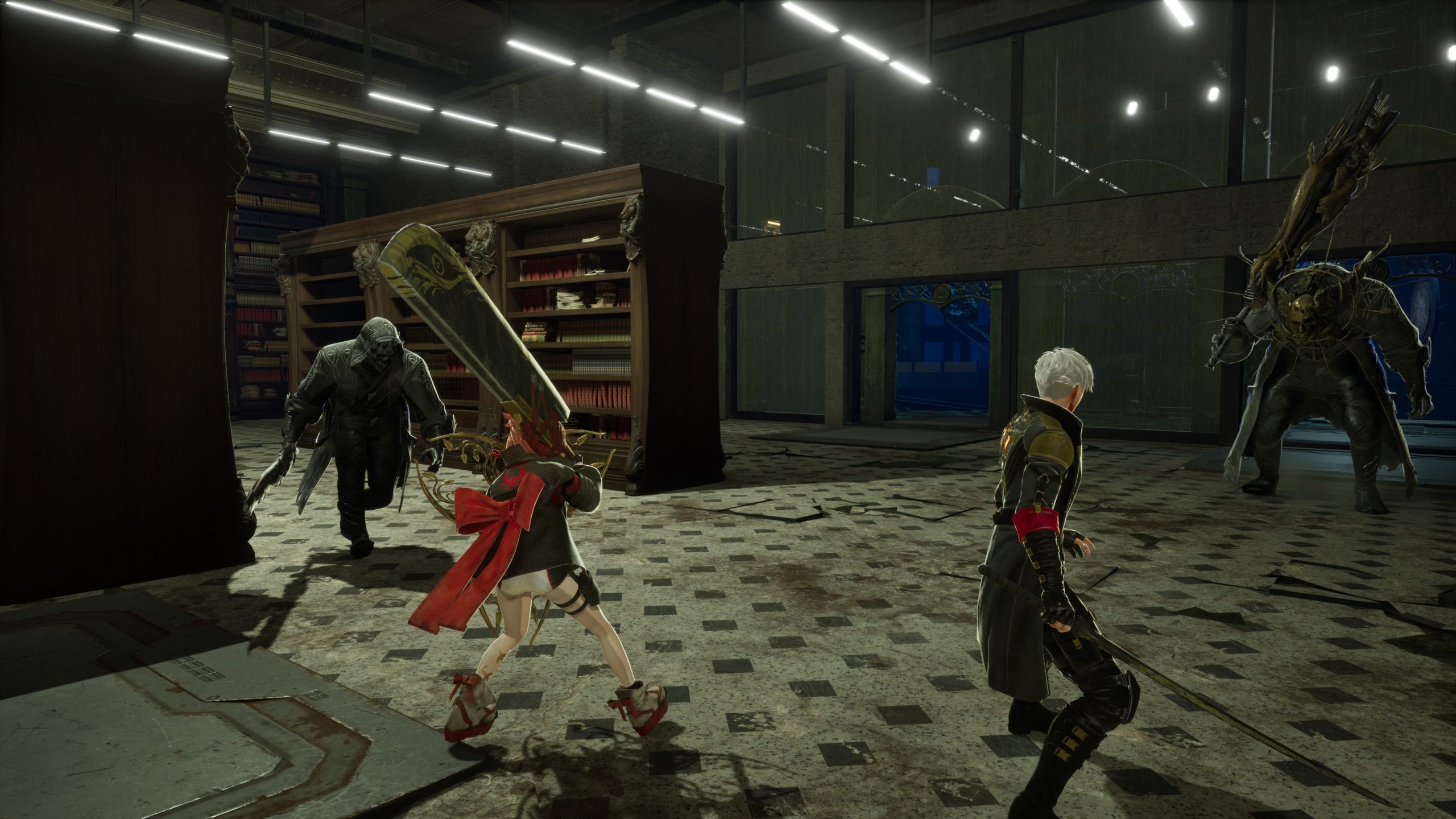
The infamous Cathedral of the Sacred Blood from the original Code Vein remains a scar on many players' memories—a testament to how visually stunning art direction can be undermined by repetitive, confusing level design. Code Vein 2 appears to have taken this criticism to heart, promising vastly expanded environments and a more thoughtful approach to exploration. The January 5, 2026 PlayStation Blog hands-on report highlighted two distinct levels, including the haunting "Sunken Pylon," a ruined, flooded mall overrun by Horrors. This is a far cry from endless white corridors.
"In both levels, there are often side paths with tough, optional fights and hidden rewards to find. Often, you’ll loop back to an earlier checkpoint by unlocking shortcuts and elevators in classic Souls-like style." — PlayStation Blog, January 5, 2026
The description of Sunken Pylon by GamesRadar+ in January 2026 as hitting "all the beats of a classic Souls-style dungeon" suggests a return to the intricate, interconnected world design that defines the genre's best entries. This focus on distinctive, readable, and thematically strong dungeons is a direct rebuttal to the original's structural shortcomings. The shift from decaying ruins to a post-apocalyptic urban sprawl also offers a refreshing visual palette and opportunities for verticality and environmental storytelling that simply weren't present before.
Narrative in the original Code Vein was a mixed bag; rich lore delivered through often clunky, verbose cutscenes. Code Vein 2 aims for a more focused, yet still expansive, story. Director Hiroshi Yoshimura and producer Keita Iizuka confirmed in a January 8, 2026 PlayStation Blog interview that the sequel, while narratively standalone, deliberately echoes the first game's systems and lore, built around the idea of rewriting history. This is a clever narrative device, allowing for fresh starts without abandoning the established universe.
"Code Vein II establishes a new setting while still retaining core elements from the previous game. Because this title is built around the idea of rewriting history, directly linking it to the previous game’s world would risk overturning the established history and player experiences.” — Hiroshi Yoshimura, PlayStation Blog, January 8, 2026
The inclusion of time travel as a plot device, as noted by But Why Tho? in January 2026, suggests a more direct and less ambiguous narrative approach. This could be a double-edged sword. While it might streamline the story, will it sacrifice some of the original's melancholic mystery? The developers admit to extensive story rewrites during development, a fact that can either inspire confidence in a polished narrative or raise concerns about a turbulent creative process. Only the final product will tell if this ambitious narrative rewrite pays off.
The original's combat, while functional, often felt floaty, lacking the satisfying weight and impact found in other soulslike titles. Code Vein 2 is making a concerted effort to rectify this. Producer Keita Iizuka explicitly stated that even returning weapon types have been overhauled, with "animations... a major quality upgrade" and "every move… fully rebuilt" to match elevated animation standards. This isn't just a graphical tweak; it's a fundamental re-engineering of the combat feel.
"It’s difficult to pinpoint changes to the five returning weapon types, but the animations have seen a major quality upgrade, so nothing feels exactly like the previous game. Every move, from weighted swings to combos, has been fully rebuilt to match the elevated animation standards.” — Keita Iizuka, PlayStation Blog, January 8, 2026
The addition of Twin Blades and Rune Blades further diversifies the weapon roster, offering new playstyles beyond the five original types. PlayStation Blog's hands-on confirmed the agility of the new dual blades, hinting at faster-paced combat. GamesRadar+ lauded the improved responsiveness, stating that "combat in Code Vein 2 feels far more punchy and precise." This focus on tactile feedback and animation fidelity is critical for a genre where every dodge, parry, and strike must feel purposeful and impactful.
One of the most significant changes impacting difficulty and player experience is the enhanced companion system. While the original featured AI partners, Code Vein 2 introduces a "restorative offering" mechanic, allowing companions to revive the player. This isn't an unlimited safety net, but a strategic buffer against instant death, with cooldowns and diminishing returns. PCGamesN noted in January 2026 that this allows enemies to "pose quite severe threats without the frustration of being one-shot." This seemingly minor tweak fundamentally alters the death penalty, making the game more forgiving without sacrificing its challenge.
This companion-driven revive is a clever way to balance the game. It allows the developers to unleash harder, more aggressive enemies and bosses, knowing that players have a built-in second chance. Does this make the game "easier"? Not necessarily, but it certainly makes it less punishing, which for many, will be a welcome change. The original could be brutally unforgiving, sometimes to its detriment. This new system promises a more balanced difficulty curve, one where tactical choices and build optimization are rewarded, rather than simply punishing every minor misstep.
The importance of Code Vein 2 extends far beyond whether it's a better game than its 2019 predecessor. Its development represents a critical inflection point for a specific, underserved niche in the action-RPG market: the high-narrative, co-operative-friendly anime soulslike. The original's commercial success—selling over 1 million copies in its first year—proved a substantial audience existed for this aesthetic and design blend. The sequel's aggressive evolution is a statement that this audience deserves a product that polishes its rough edges and confidently leans into its unique identity.
This matters for the industry's landscape. While FromSoftware continues to push the genre towards ever more cryptic, solitary, and mechanically dense experiences, Code Vein 2 carves out the opposite space. It is a soulslike that wants to talk to you, to give you a reliable companion, and to offer a dizzying array of customizable power without locking you into a single build. It validates an alternative approach. Its focus on the new "dynamic raid boss" system, teased in the announcement, also signals an attempt to build community-driven endgame content, something the original sorely lacked. This could establish a new template for longevity beyond the single-player campaign, influencing how other mid-tier AA developers approach post-launch support.
"Code Vein II is built around the idea of rewriting history, directly linking it to the previous game’s world would risk overturning the established history and player experiences... fans will notice familiar items, weapons, gifts, and other small callbacks scattered throughout the game.” — Hiroshi Yoshimura, Director, PlayStation Blog January 8, 2026
This philosophy of respectful evolution is its cultural impact. It’s not a reinvention; it’s a remastering of the original's soul. For players who connected with the melodrama and camaraderie of the first game but were frustrated by its execution, Code Vein 2 is a direct response, a rare sequel that feels like a conversation with its community. It demonstrates that iterative development, when focused on specific, well-documented player pain points, can be just as meaningful as a risky pivot. Its success or failure will signal to publishers whether there is a sustainable future for this particular hybrid genre beyond a single cult hit.
For all its apparent improvements, Code Vein 2 carries significant burdens. The first is the sheer weight of its own expanded systems. Over 200 Formae, additional weapon types, booster slots, and a revamped companion system risk creating a paralyzing layer of complexity. The original's Blood Code system was lauded for its flexibility, but it was relatively straightforward to grasp. There is a tangible danger that the sequel's intricate build-crafting could become intimidating or, worse, obfuscate a well-tuned combat core beneath a bloat of marginally useful options. Depth is a virtue, but unintuitive clutter is a fatal flaw in an action-heavy game.
The narrative ambition also presents a minefield. The developers' admission of extensive story rewrites is a red flag, however honestly presented. A plot involving time travel and "rewriting history" is notoriously difficult to execute with coherence, especially when trying to remain accessible to new players while rewarding series veterans with lore callbacks. Will the more direct, character-forward storytelling praised in early previews maintain its focus through a full 40-hour campaign, or will it buckle under its own metaphysical weight and become another convoluted anime trope fest? The original’s story was often criticized for being overly talkative; saying more, with a more complex premise, is not inherently an upgrade.
Furthermore, the shift towards a potential live-service-lite model with raid bosses is a contentious gamble. If these dynamic events feel tacked-on or disrupt the carefully balanced solo/co-op experience, they could fracture the game's identity. The soul of Code Vein has always been its intimate, character-driven journey. Prioritizing large-scale, repeatable multiplayer content could dilute the atmospheric loneliness and narrative tension that define the genre's best moments, even within this more companionable iteration. The game must prove these elements are integrated, not just appended.
The hands-on previews from January 2026 paint a compelling picture of a sequel that has done its homework. The evidence points to a game that is more confident, more refined, and vastly more customizable. The rebuilt combat animations, the inventive Sunken Pylon dungeon, and the thoughtful companion revive mechanic are all responses to valid criticism. The development team at Bandai Namco Studios and Shift have clearly operated from a position of understanding what the core audience loved and loathed.
Yet, preview builds are curated slices. The true test will come when players are unleashed into the full, interconnected world, when the 200th Forma is unlocked, and when the final act of the time-bending narrative unfolds. The promise is immense: a game that retains the original's heart while grafting on the mechanical sophistication and level design consistency it always deserved. The risk is equally real: a game that collapses under the weight of its own additions, or that loses its soul in pursuit of broader appeal.
That cathedral from the first game, with its beautiful, maddening repetition, stands as a monument to unrealized potential. Code Vein 2 has bulldozed that structure and begun building a city in its place—a bigger, more complex, more ambitious playground. Whether its new streets form a coherent, thrilling world or another mesmerizing maze awaits the final verdict. The thirst for vengeance is clear. The fight for existence begins anew.
Your personal space to curate, organize, and share knowledge with the world.
Discover and contribute to detailed historical accounts and cultural stories. Share your knowledge and engage with enthusiasts worldwide.
Connect with others who share your interests. Create and participate in themed boards about any topic you have in mind.
Contribute your knowledge and insights. Create engaging content and participate in meaningful discussions across multiple languages.
Already have an account? Sign in here

Code Vein II invites players on a somber pilgrimage through time, blending Soulslike combat with a narrative of sacrific...
View Board
Code Vein II rewrites fate with time-bending combat, deeper customization, and a bold single-companion system, launching...
View Board
Code Vein II redefines gothic action RPGs with time-bending combat, vast ruins, and a motorcycle-driven wasteland, but l...
View Board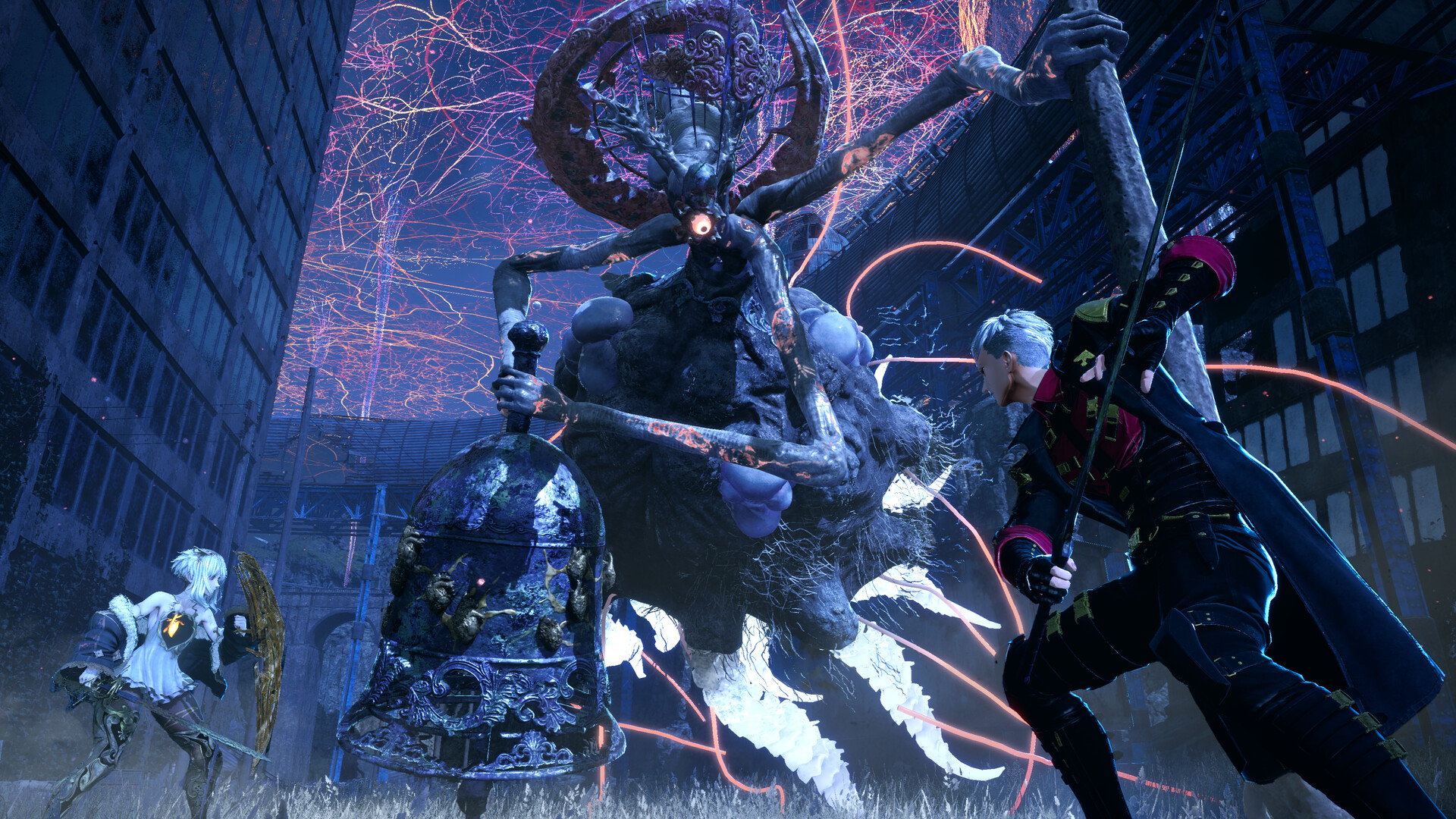
Code Vein 2 launches Jan 30, 2026, rewriting its anime Soulslike legacy with time-bending combat, deeper RPG systems, an...
View Board
Dynasty Warriors Origins DLC launches Jan 22, 2026, reimagining villains as heroes with new weapons, skills, and untold ...
View Board
MIO: Memories in Orbit launches Jan 20, 2026, blending punishing Metroidvania gameplay with a haunting narrative on memo...
View Board
Solo developer Adam Hunt crafts Streetdog BMX, a love letter to BMX culture, launching January 14, 2026, on Steam with 2...
View Board
Josef Fares' Split Fiction redefines co-op storytelling with its radical two-player-only design, selling 2M copies in a ...
View Board
Pathologic 3 arrives January 9, 2026, a punishing survival RPG where time-travel meets plague diagnosis in a dying city,...
View Board
GTA 6 faces its toughest rival in 2026: GTA V's $10B legacy. Can Rockstar's sequel eclipse a game that redefined longevi...
View Board
Revenant Hunter manipulates time, wields blood‑code powers, and battles in a sprawling post‑apocalyptic world where ever...
View Board
Pathologic 3 arrives January 9, 2026, wielding time-travel to deepen its signature despair, forcing players to rewrite t...
View Board
Cairn redefines climbing games with physics-driven realism, forcing players to read rock faces, manage stamina, and plac...
View Board
Hypergryph abandons tower defense for a bold open-world action RPG, merging factory automation with real-time combat in ...
View Board
Heartopia storms Steam with 17K players, blending cozy sim charm & mobile monetization, sparking a cultural clash over g...
View Board
Tekken 7’s Rage Arts, 8‑million unit sales and tournament‑ready mechanics forged a modern fighting‑game era, shaping com...
View Board
Mortal Kombat 11: A Deep Dive into Its Enduring Legacy The arena lights flicker, a digital roar erupts, and then, the c...
View Board
Code Vein II llega el 30 de enero de 2026 para redefinir el RPG de acción con viajes en el tiempo, combate renovado y un...
View Board
Steel Century Groove launches Jan 28, 2026, blending mecha combat with rhythm RPG strategy, turning war machines into da...
View Board
Code Vein II torna il 30 gennaio 2026 con un Soulslike anime evoluto: viaggio nel tempo, combattimento dinamico e un mon...
View Board
Comments