


Explore Any Narratives
Discover and contribute to detailed historical accounts and cultural stories. Share your knowledge and engage with enthusiasts worldwide.
The first time you see her, she is dying. Not a dramatic, cinematic death, but a quiet, desperate one. Her name is Lou MagMell, a Revenant girl with the power to traverse time, and she is offering you her literal heart. This singular, visceral image from the January 2026 walkthrough trailer for Code Vein II is more than a story beat. It is a declaration of intent. Bandai Namco Studios is not just releasing a sequel; they are performing open-heart surgery on their own franchise, grafting a narrative of temporal consequence onto the sturdy, anime-gothic bones of the original.
Scheduled for a worldwide release on January 30, 2026, Code Vein II arrives seven years after its predecessor captivated over three million players with its unique blend of punishing "soulslike" combat and melodramatic, character-driven storytelling. The gap is significant. It represents a generation of console hardware, an evolution in player expectations, and a studio, renowned for God Eater and Scarlet Nexus, that has had time to reflect. The question hanging in the ashen air of the game's ruined Sunken City is not whether the sequel will exist, but whether it can transcend its cult status. Early evidence suggests an answer written not just in blood, but in the altered fabric of time itself.
The world of Code Vein was always terminal. The 2019 original presented a post-apocalyptic hellscape where vampire-like Revenants, cursed with immortality and a thirst for blood, clawed for survival amidst a landscape of crumbling skyscrapers and monstrous Lost. It was a world defined by its end state. Code Vein II shatters that static doom. The threat now is Luna Rapacis, a cataclysm so profound it jeopardizes the very existence of both humanity and Revenants. The setting is no longer a fixed point of despair, but a collapsing timeline.
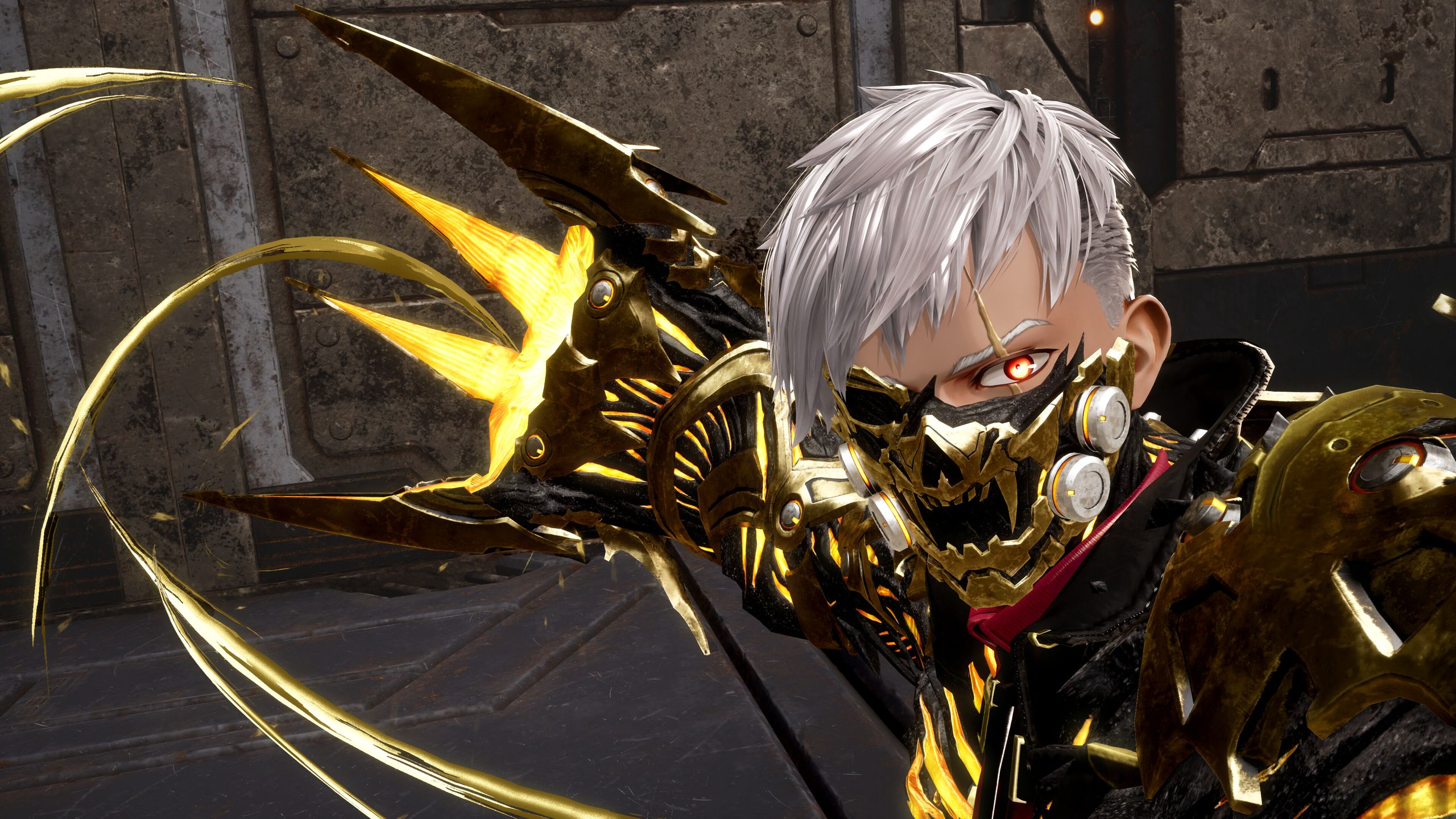
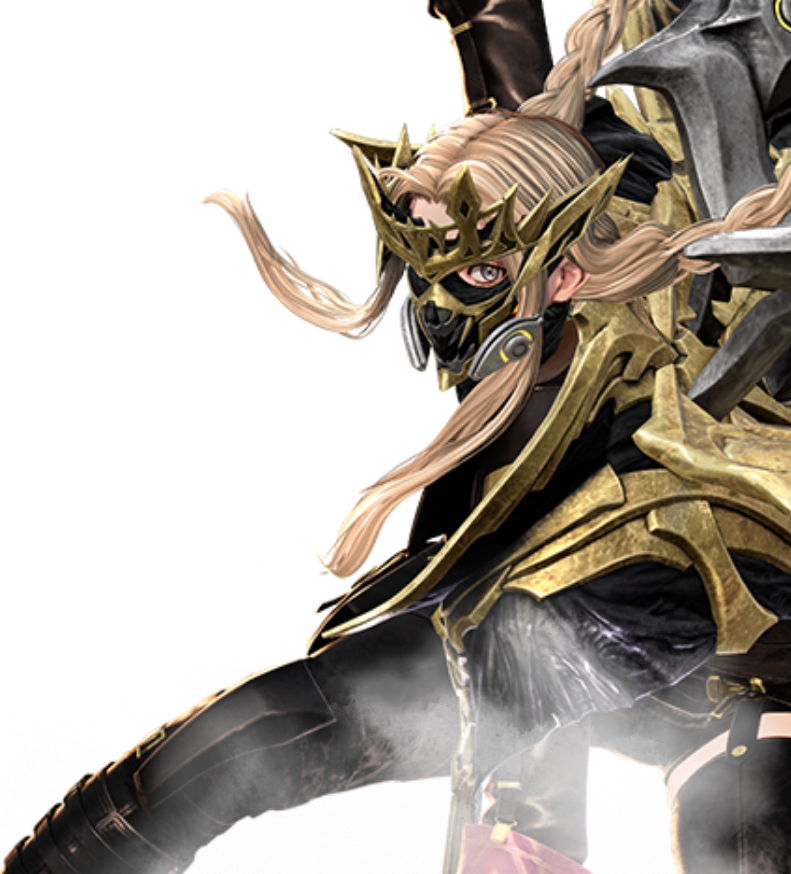
Into this entropy steps a new protagonist, the Revenant Hunter, and Lou MagMell. Their partnership is the game's core mechanic and its central metaphor. Lou's time-travel abilities are not a plot convenience; they are the gameplay loop. By sacrificing herself—offering her heart to resurrect the player—she enables a journey through past and present. The goal is no longer mere survival, but active, violent revision.
"The concept of 'changing the past to alter the future of the Revenants' is central," explains director Hiroshi Yoshimura in a January 8, 2026, PlayStation Blog interview. "Players will witness how their actions ripple through time, directly impacting the world and the fates of key characters. It's a more personal, consequential form of world-building."
This narrative ambition is mirrored in a dramatic expansion of scope. Previews from outlets like Arekkz Gaming, who played a three-hour demo in early January 2026, describe environments that are "vast" compared to the original's more corridor-like design. Players will traverse the flooded ruins of the Sunken City, the oppressive growth of the Undead Forest, and the enigmatic shores of MagMell Island. Each location exists in multiple temporal states, a playground for paradox and power.
The cast surrounding this temporal odyssey is deliberately crafted for drama. Holly Asturias, a healer bearing the cursed Luxuria Bloodline, and Valentin Voda, the scholarly heir to the Voda House, are not just party members. They are narrative vectors, their personal tragedies and bloodline legacies ripe for alteration by the player's time-hopping interventions. The story promises the weight of anime-scale destiny, where bonds of blood and fate are literal forces to be wielded and rewritten.
If the story of Code Vein II is about changing fate, its gameplay systems are the tools for that change. The original's defining feature, the Blood Code system, returns not as a mere iteration, but as what the development team openly calls "Blood Codes 2.0." These class-defining archetypes, which govern stats, gifts (skills), and playstyle, were once somewhat rigid paths. The sequel shatters those constraints.
The new philosophy is fluidity. Players can now drain specific enemies to permanently learn their skills, divorcing abilities from their native Blood Codes. This creates a potent cocktail of customization. Imagine a nimble, dual-wielding assassin Blood Code infused with the devastating area-of-effect magic drained from a hulking Lost boss. The combinatorial possibilities explode, pushing the system from a choice of predefined roles toward a true player-built arsenal.
"We wanted to move away from the feeling that a Blood Code locks you into a single role," says producer Keita Iizuka in the same PlayStation Blog interview. "The flexibility now is immense. It allows for moment-to-moment strategy and truly unique builds that reflect how an individual wants to engage with every encounter, especially with the enhanced Partner System."
That Partner System is the other half of the combat evolution. Where the original offered AI companions, Code Vein II seeks to make them feel like genuine, dynamic extensions of the player. The promotional footage shows seamless switching between combat forms mid-fight, suggesting a synergy far deeper than simple aggro-drawing. Lou, with her time-bending powers, will presumably offer partner skills unlike any other, directly tying the central narrative mechanic into the moment-to-moment thrill of combat.
Weaponry also receives a strategic layer with the introduction of Jails. These are not just new swords or hammers; they are unique pieces of equipment with their own inherent properties and, presumably, special skills. Choosing a weapon becomes less about raw damage numbers and more about selecting the right tactical tool for the temporal job at hand.
Bandai Namco's pre-release strategy reveals a confident understanding of its audience. Weeks before the full game's launch, they are releasing a Character Creator Demo on January 22, 2026 for PC and January 23 for consoles. This is a shrewd move. The original Code Vein developed a legendary reputation for its deep, anime-styled customization, birthing a torrent of community-shared character designs.
The demo offers 64 save slots and promises an even more granular toolset for crafting faces, bodies, hair, and accessories. It includes a hot spring viewing mode and a Photo Mode, tools designed not for testing combat, but for fostering player attachment. It is an invitation to fall in love with a digital avatar before ever swinging a blade. These saved creations will transfer directly to the full game, ensuring that the Revenant Hunter who steps into the collapsing world is truly, personally yours—a vital touch for a story about fighting for a personalized future.
The game's editions, already available for pre-order, follow a predictable but comprehensive tiered structure: Standard, Deluxe (with season pass), Ultimate (Deluxe plus cosmetic packs), and a physical Collector's Edition. It is a commercial apparatus poised for a January 2026 launch that feels both ambitious and calculated. The trailers have focused intensely on specific, tangible elements: a named boss, The Blinded Resurgence Offspring, with its deadly great katana; detailed breakdowns of individual characters like the stalwart Lyle McLeish; and clear explanations of the new time-manipulation mechanics.
There is a notable absence of vagueness. The messaging is direct: this is a bigger, more systemic, more narratively daring version of the game you remember. The studio is betting that the fans who embraced the original's unique aesthetic and cooperative challenge are ready for a saga that trades claustrophobic survival for the god-like, terrifying responsibility of rewriting history itself. The heart of Lou MagMell is on offer. The only remaining question is who will be bold enough to take it.
Ambition in game development is a double-edged sword, often as likely to sever a connection with fans as it is to carve a new path forward. Code Vein II wields this blade with terrifying confidence. The sequel’s most profound changes are not aesthetic—though those are significant—but systemic, reengineering the very mechanics that defined the 2019 original. This is not a gentle evolution; it is a calculated metamorphosis. Bandai Namco Studios has dissected their own creation, preserving the heart while grafting on entirely new limbs. The result, based on hands-on previews and developer interviews, is a game that feels simultaneously familiar and radically alien, a tension that will define its reception.
Combat in the original Code Vein was often criticized for a certain floatiness, a lack of the crushing physical feedback that defines the soulslike genre. The development team has addressed this with the subtlety of a siege hammer. Early impressions unanimously note a shift toward deliberate, weighty exchanges. "The sheer weight of the combat feels much more deliberate and punishing than the original," observed one previewer who played the game in January 2026. This is a fundamental philosophical shift. Every swing, parry, and dodge now carries tangible consequence, raising the stakes of each encounter from the first trash mob to the colossal bosses.
The arsenal has expanded to seven distinct weapon types, including the entirely new Rune Blades and the highly-requested Dual Swords. The introduction of these weapons isn't mere variety for variety's sake; each represents a distinct combat philosophy. The Rune Blade, in particular, is a fascinating departure.
"The Rune Blade is a tricky weapon that leverages formae power to levitate swords," explained the development team in a January 2026 PlayStation Blog interview. "With specific formae, you and the blade can move independently to attack, pulling off solo coordinated assaults."This mechanic introduces a layer of tactical micromanagement reminiscent of spectre summons in other games, but here it is baked directly into a single weapon's identity. The Dual Swords, meanwhile, cater to the player fantasy of relentless, high-speed aggression, a direct response to community demand.
At the core of this revamped combat lies the new Formae system. This is where Code Vein II makes its boldest mechanical break from the past. The original's Gifts—powerful skills tied to your equipped Blood Code—are gone. In their place, Formae tether unique abilities directly to weapons. This single change dismantles the old paradigm of selecting a class and sticking with its toolkit. Now, your loadout dictates your capabilities. Facing a boss resistant to physical damage? The strategic response is not just to dodge better, but to swap to a weapon imbued with elemental Formae. This forces constant engagement with the game's systems, rewarding preparation and adaptability over mastering a single, static build. The "stacking wounds" mechanic to maximize Ichor gain further emphasizes precision and aggression, making every hit part of a larger resource economy.
Perhaps no single design choice encapsulates Code Vein II's focused, almost defiant vision more than its treatment of companions. The original game allowed for AI partners and even featured a popular, if occasionally unstable, multiplayer co-op system. The sequel has incinerated that flexibility. Multiplayer co-op has been completely removed. In its place is a mandatory single companion system. This isn't presented as a limitation, but as a narrative and mechanical virtue.
"Another crucial aspect of Code Vein is that you can only bring one companion on your journey," the developers stated unequivocally. "Even when facing deadly environments or powerful enemies where a single mistake could mean death, it's just the two of you. That may feel isolating at times, but the unique bond and trust that form between you and your partner is unique to Code Vein."
This philosophy manifests in new mechanics like the Restorative Offering, where your partner can revive you at the cost of their own temporary incapacitation. The partner can also assimilate into you for stat buffs, creating a literal symbiosis. The system is designed to make you reliant on, and protective of, this single digital entity. Does this create a deeper emotional connection, as intended, or does it simply feel restrictive, punishing players who enjoyed the chaotic camaraderie of jolly cooperation? This will be a defining fault line in the game's critique. The removal of multiplayer is a stark, commercial gamble that prioritizes a curated, balanced single-player experience over community-driven play. It is a statement: this is our story, experienced our way.
The narrative ambition of Code Vein II is staggering, attempting to marry the personal, character-driven drama of an anime with the cosmological stakes of a time-travel epic. The premise is elegantly simple in its complexity: as a Revenant Hunter, you partner with Lou, a girl who can manipulate time, to travel 100 years into the past to alter events and prevent the collapse of the present. This isn't background lore; it is the gameplay loop. Environments like the Sunken City or the Undead Forest exist in two states, and changing something in the past—clearing a blockage, defeating a key enemy—physically alters the landscape of the present, opening new paths.
This time-shifting mechanic promises a "layer of emotional stakes," as one preview noted, allowing players to "fight to rewrite a tragic history." The fates of key characters, the legendary Revenants you meet, are malleable.
"Alter the fates of key Revenant characters you encounter in the past," the official website challenges, "while uncovering lost histories and the hidden truths of the world."This is a potent promise. It suggests a narrative weight rarely seen in the genre, where your actions have consequence beyond loot and progression. But it also raises the specter of narrative bloat. Can a game already juggling deep customization, punishing combat, and environmental puzzles also deliver a coherent, branching temporal narrative without collapsing under its own ambition? The risk of creating a convoluted, emotionally distant story is as real as the potential for a groundbreaking one.
The world itself has expanded from the original's more linear corridors into larger open areas and distinct dungeons. The promise of exploring the flooded ruins, isolated islands, and corrupted forests across two time periods is a significant technical and design leap. This shift towards exploration and environmental puzzle-solving, powered by time travel, is a direct response to the evolution of the soulslike genre itself, which has increasingly embraced open-ended discovery since the release of Elden Ring in 2022.
In a fascinating parallel to its weighty themes, Bandai Namco is betting heavily on vanity. The Character Creator Demo launching January 22, 2026, is a masterclass in understanding a core demographic. The original game's customization was a phenomenon, and the sequel is pushing it further with "a vast array of settings for body type, hairstyle, facial expressions, accessories, makeup and more." The demo offers 64 save slots, a hot spring for viewing your creation, and a Photo Mode. It is a game about saving the world, and they are letting you spend hours perfecting the cheekbones of the savior. This is not a trivial detail. In a narrative emphasizing a personal bond with your partner and your role in history, the ability to craft a uniquely personal avatar is foundational to player investment. They are selling you on a fantasy of self before you ever land a critical hit.
Early critical impressions hint at both the payoff and the pain of this design. "The satisfaction of parrying a massive boss to unleash a cinematic Blood Veil attack is still unmatched," one preview admits, before delivering the caveat: "difficulty spikes are brutal (seriously, the bosses are like hitting a brick wall!)." This is the essential Code Vein contract, now writ larger. The anime-inspired spectacle and power fantasy are present, but they are gated behind a relentless, deliberate combat system that shows no mercy. The game asks you to care deeply about your character and their companion, then subjects them to brutal, repeated violence. It is a dissonance that the original managed to balance through its tone; whether the sequel's more epic, time-bending narrative can sustain that balance remains its greatest unanswered question.
The studio's pedigree with the God Eater and Scarlet Nexus franchises is evident in this scale of ambition. But one must ask: is the removal of multiplayer, a feature that provided crucial accessibility and community for many players of the original, a necessary sacrifice for this vision, or a fatal miscalculation? The answer will determine whether Code Vein II is remembered as a bold evolution or a beautiful, isolating niche. The machinery of fate is now in the players' hands, and they will be the final arbiters of this rewritten history.
Beyond the hype of a January 2026 release date and the fervor of its dedicated fanbase, Code Vein II represents something far more consequential for the gaming industry: a high-stakes test of niche evolution. In an era where major publishers often chase homogenized, broad-appeal blockbusters, Bandai Namco is doubling down on a very specific, very peculiar formula. This sequel is not attempting to be another Elden Ring; it is aggressively refining its own bizarre alchemy of anime melodrama, punishing soulslike combat, and now, time-paradox storytelling. Its significance lies in its defiant specificity. It is a bellwether for whether deeply cultivated, stylized niches can support AAA production values and ambitious mechanical expansion without diluting their essence to find a wider audience.
The original game's success—over three million units sold—proved there was a substantial market for this hybrid. The sequel's development choices, however, signal a move from proving a concept to defining a legacy. The integration of time travel as a core gameplay mechanic, not just a narrative device, places it in rare company. It evokes the layered history-tinkering of Chrono Trigger, but filtered through a lens of Gothic horror and deliberate, methodical violence. This ambition could redefine narrative possibilities within the soulslike framework itself, moving beyond environmental storytelling toward active, player-driven historical alteration.
"The player's journey through time to alter the destinies of Revenants is the central pillar of the experience," a Bandai Namco spokesperson emphasized in January 2026 promotional material. "We are not just telling a story about fate; we are building a system where players author it."If successful, Code Vein II could inspire a wave of imitators seeking to marry intricate mechanical systems with equally intricate narrative causality, pushing the genre beyond its well-established tropes of decay and cyclical ruin.
For all its bold vision, Code Vein II walks a precarious edge, and its potential weaknesses are as pronounced as its strengths. The most glaring point of contention is the complete excision of multiplayer co-op. This decision, framed as a necessary step to deepen the bond with a single AI partner and ensure meticulous balance, is a monumental gamble. The original's co-op, while imperfect, provided a crucial accessibility valve. It allowed less mechanically gifted players to persevere with the help of friends, transforming a solitary struggle into a shared, memorable ordeal. By removing this, the sequel risks alienating a segment of its community that valued camaraderie over curated challenge. The promised "unique bond" with an AI companion must be extraordinarily compelling to fill that void.
Furthermore, the sheer density of new systems threatens cognitive overload. Players must now master the weighty, refined combat, manage the weapon-specific Formae system, understand the time-shifting environmental puzzles, and nurture the partner synergy—all while tracking a branching, temporal narrative. The elegant, if sometimes messy, clarity of the original's Blood Code progression is gone, replaced by a potentially overwhelming web of interlocking decisions. Will this complexity empower players with unparalleled freedom, or will it paralyze them with choice and obscure the core thrill of combat? Early previews noting "brutal" difficulty spikes suggest the learning curve will be vertical.
The anime-inspired storytelling, a signature element, also carries inherent risk. The high melodrama of blood bonds, tragic pasts, and destiny can teeter into self-parody if not executed with precise tonal control. The original walked this line successfully by grounding its drama in the intimate, claustrophobic struggle for survival. The sequel's scale is cosmic, involving the rewriting of history itself. Maintaining the emotional intimacy of its character drama against this epic backdrop is a narrative tightrope act of the highest order. A single misstep could render the poignant moments hollow and the grand stakes feel abstract.
The immediate future for Code Vein II is etched in the calendar: the Character Creator Demo on January 22, 2026, followed by the global launch on January 30, 2026. These are not speculative dates; they are the fixed coordinates for the game's judgment. Post-launch, the Deluxe and Ultimate editions confirm a Season Pass, signaling Bandai Namco's commitment to substantial additional content—likely new story chapters, Blood Codes, and weapons that will further expand the already complex web of time-altering possibilities. The focus will inevitably shift to how the community engages with these systems, what breathtaking character creations emerge from the demo, and whether the hardcore soulslike community embraces or rejects its particular brand of anime-infused challenge.
Prediction, in this case, rests on observable evidence. The market has proven receptive to stylish, challenging action RPGs with strong identity. FromSoftware's own Armored Core VI: Fires of Rubicon demonstrated that a famously niche franchise could find massive success without compromising its mechanical depth. Code Vein II operates in a similar space of cultivated intensity. Its success will likely not be measured in record-shattering sales, but in its ability to solidify and grow its dedicated niche, proving that AAA production values can coexist with, and even enhance, a fiercely specific vision. It may not dominate charts, but it could dominate the imaginations of its players for years to come.
The image that lingers is not of a colossal boss or a rewound timeline, but of that initial, intimate sacrifice. A girl offering her heart to a stranger, trusting them with the power to break and remake history. Code Vein II makes the same offer to its players: not just a game to play, but a fate to seize, with all the burden, complexity, and isolated triumph that entails. The transaction is complete. The future, quite literally, is in their hands.

Your personal space to curate, organize, and share knowledge with the world.
Discover and contribute to detailed historical accounts and cultural stories. Share your knowledge and engage with enthusiasts worldwide.
Connect with others who share your interests. Create and participate in themed boards about any topic you have in mind.
Contribute your knowledge and insights. Create engaging content and participate in meaningful discussions across multiple languages.
Already have an account? Sign in here

Code Vein 2 overhauls combat, expands customization with 200+ Formae, and rebuilds level design, addressing the original...
View Board
Code Vein II invites players on a somber pilgrimage through time, blending Soulslike combat with a narrative of sacrific...
View Board
Code Vein II redefines gothic action RPGs with time-bending combat, vast ruins, and a motorcycle-driven wasteland, but l...
View Board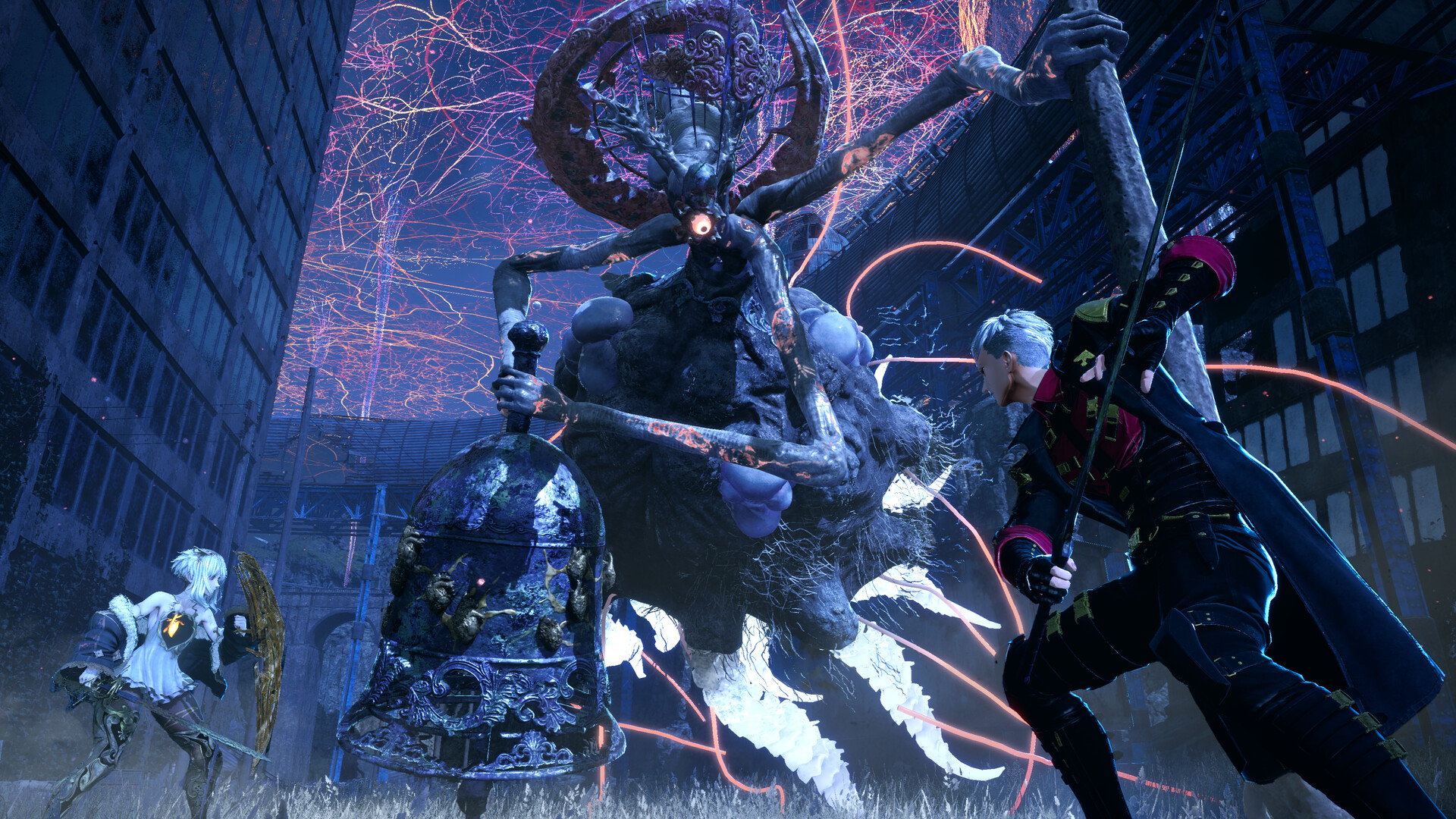
Code Vein 2 launches Jan 30, 2026, rewriting its anime Soulslike legacy with time-bending combat, deeper RPG systems, an...
View Board
Iyengar Yoga with a chair transforms osteoporosis care, using precise, supported poses to rebuild bone density and confi...
View Board
Dynasty Warriors Origins DLC launches Jan 22, 2026, reimagining villains as heroes with new weapons, skills, and untold ...
View Board
Solo developer Adam Hunt crafts Streetdog BMX, a love letter to BMX culture, launching January 14, 2026, on Steam with 2...
View Board
Pathologic 3 arrives January 9, 2026, wielding time-travel to deepen its signature despair, forcing players to rewrite t...
View Board
Tiangong vs. ISS: Two space stations, one fading legacy, one rising efficiency—China’s compact, automated lab challenges...
View Board
MIO: Memories in Orbit launches Jan 20, 2026, blending punishing Metroidvania gameplay with a haunting narrative on memo...
View Board
Resident Evil Requiem blends classic survival horror with modern tech, delivering dual narratives of terror and action i...
View Board
Revenant Hunter manipulates time, wields blood‑code powers, and battles in a sprawling post‑apocalyptic world where ever...
View Board
MIO: Memories in Orbit launches on Game Pass Jan 20, 2026, offering a polished metroidvania with fluid combat, hand-draw...
View Board
GTA 6 faces its toughest rival in 2026: GTA V's $10B legacy. Can Rockstar's sequel eclipse a game that redefined longevi...
View Board
Code Vein II llega el 30 de enero de 2026 para redefinir el RPG de acción con viajes en el tiempo, combate renovado y un...
View Board
La infraestructura de IA democratiza el acceso a recursos computacionales mediante nubes híbridas y escalabilidad, pero ...
View Board
Cairn redefines climbing games with physics-driven realism, forcing players to read rock faces, manage stamina, and plac...
View Board
Josef Fares' Split Fiction redefines co-op storytelling with its radical two-player-only design, selling 2M copies in a ...
View Board
Samsung AI Living revolutioniert das Zuhause mit unsichtbarer KI, die Haushaltsaufgaben antizipiert und erledigt – vom K...
View Board
Pathologic 3 arrives January 9, 2026, a punishing survival RPG where time-travel meets plague diagnosis in a dying city,...
View Board
Comments