
Explore Any Narratives
Discover and contribute to detailed historical accounts and cultural stories. Share your knowledge and engage with enthusiasts worldwide.
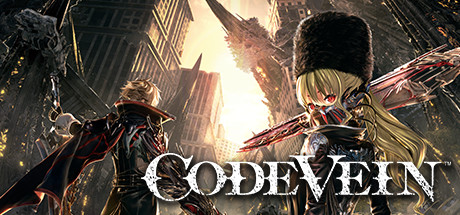
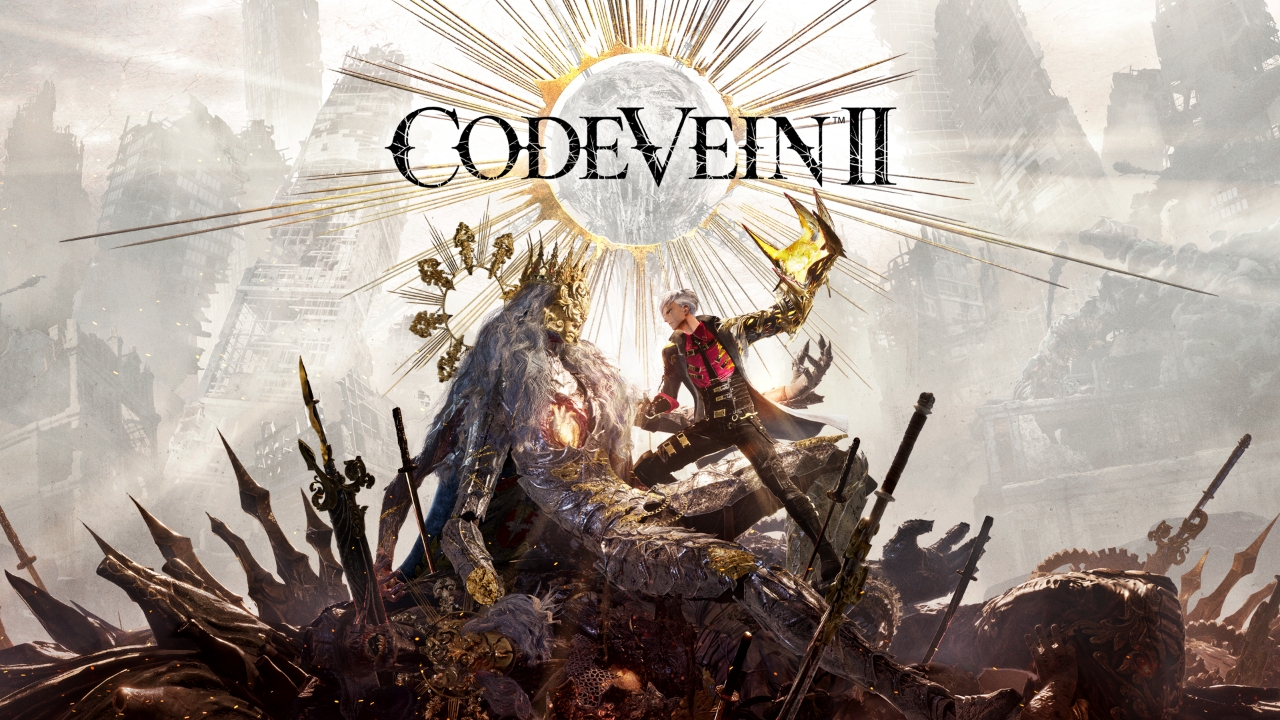
The heart is a symbol of life, of spirit, of the very essence of being. In the world of Code Vein II, it is also a weapon, a key, and a burden to be shared. When the game launches on January 30, 2026, it will not merely present another challenging action RPG. It will invite players on a somber pilgrimage through collapsed time, asking them to consider the weight of sacrifice and the ghostly echoes of choice. This is the first major Soulslike of the year, and it arrives with a distinct, almost liturgical, purpose.
Bandai Namco Entertainment is building a cathedral of consequences. The sequel to 2019's anime-infused vampiric adventure represents a profound evolution. Developers have called it "completely different," a phrase that resonates beyond mere mechanics. It speaks to a shift in intent. The original's themes of inherited sin and cursed blood are being refracted through a new prism: the manipulation of time itself. You are the Revenant Hunter. Your companion, Lou MagMell, has revived you with her own heart. She holds the power to walk through eras. This setup transforms the gameplay loop into a metaphysical exercise. Every enemy felled, every drop of ichor drained, becomes part of a larger ritual to mend a broken world.
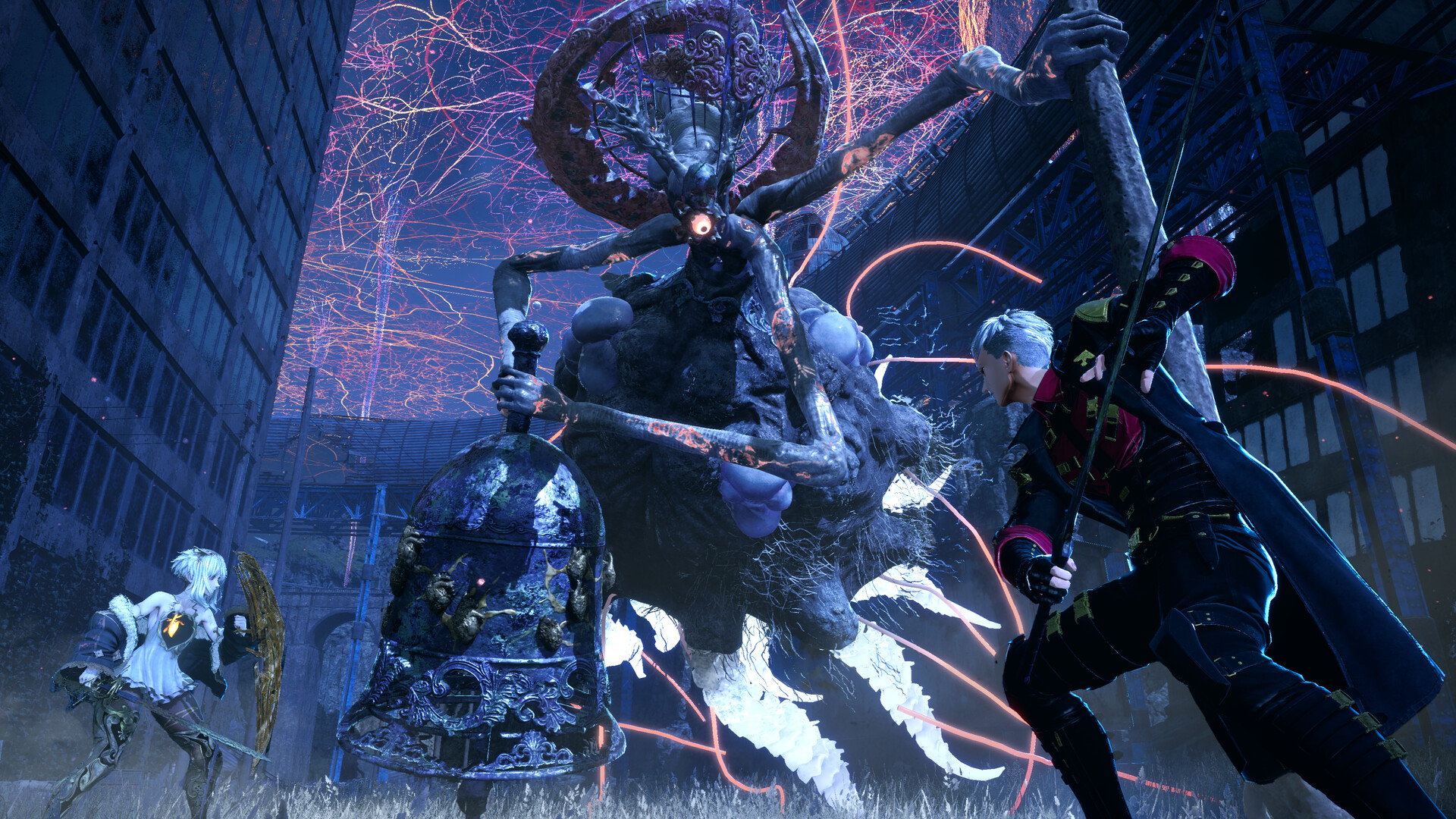
At its core, the gameplay of Code Vein II functions as a series of rites. The act of draining blood from the monstrous Horrors to power skills is a dark communion. The refined Blood Codes 2.0 system is your book of prayers, offering expanded paths to build your character's unique doctrine of combat. These are not just skill trees; they are lineages, schools of thought written in vitae. Wielding the armaments known as Jails against "massive, unforgettable bosses" frames each encounter as a trial of faith. The challenge is the point. The struggle against overwhelming odds is where meaning is forged, a concept deeply embedded in spiritual narratives of ascension through suffering.
"We examined all the feedback from the first game very carefully," said Producer Keita Iizuka in a January 2026 interview. "The anime aesthetic remains, it is part of our identity. But the world is new, the cast is original. We are asking players to engage with a deeper mystery this time, where their choices actively reshape destinies."
The new dynamic Partner System, allowing seamless switching between combat forms with Lou, embodies a sacred partnership. It is a covenant. Her sacrifice—the literal gift of her heart—binds your fate to hers. This mechanic elevates the companion beyond a simple AI helper. She is a participant in the ritual, a fellow traveler sharing the burden of the journey. Your success is interdependent. Failure has shared consequences. This creates a narrative and emotional weight rarely explored with such literal symbiosis in the genre.
The setting is a post-apocalyptic future where both humanity and the vampire-like Revenants face final collapse. The new threat is the Luna Rapacis, a mysterious entity that corrupts beings into Horrors. This is a world succumbing to a spiritual sickness, a corruption of essence. The time-travel mechanic, therefore, is not a convenience. It is a desperate form of intervention. You are not just exploring different areas; you are walking into the past versions of those same spaces, witnessing the moments where corruption took root.
Think of it as spiritual archaeology. You dig through the layers of a ruined present to uncover the foundational trauma of the past. By intervening in key historical moments, you perform a kind of psychic surgery on the timeline. The goal is to alter the destinies of key revenants, to heal old wounds before they can fester into the catastrophes of the present. This mechanic fundamentally changes the player's relationship with the game world. You are not just a warrior reacting to a static history. You are an active participant in its writing and revision.
A hands-on preview from November 2025 noted, "The time-manipulation isn't a gimmick. It's woven into the environmental storytelling. Seeing a lush, vibrant garden in the past that is now a toxic swamp in the present adds a layer of melancholy that pure exploration often misses. You're mourning what was lost as you fight to reclaim it."
This creates a unique rhythm to the pilgrimage. You fight through a devastated city block, then use Lou's power to step into that same street decades earlier, when the first whispers of the Luna Rapacis began. The enemies may be different, the architecture less decayed, but the spiritual stain is present, just younger. Your actions there—saving a future ally, destroying a nascent Horror—ripple forward. The world literally reshapes itself based on your interventions in the past. The very environment becomes a testament to your choices, a living scripture of your journey.
What does it mean to hold such power? The game, through its demanding Soulslike structure, suggests that this power is earned through immense trial. The right to alter fate is not given lightly. It is taken through blood, perseverance, and the acceptance of a shared heart. As January 30, 2026 approaches, Code Vein II positions itself not just as an early-year blockbuster, but as a solemn, stylish inquiry into the bonds that tie us across time, and the sacrifices required to break a doomed cycle. The demo awaits later this month. The cathedral doors are beginning to creak open.
The pilgrimage in Code Vein II is not a solitary one. Every step, every battle, is framed by a relationship—a covenant with your partner, Lou, and a pact with the very systems that govern this dying world. The game’s mechanical evolution, detailed in a flurry of pre-release interviews and previews throughout late 2025 and early 2026, reveals a developer philosophy that treats gameplay not as a series of challenges to be conquered, but as rituals to be understood. The most significant doctrinal shift is the abandonment of multiplayer. This is a bold, definitive statement.
"One of the sequel’s most significant changes is the removal of multiplayer co-op, placing a stronger emphasis on a refined single-player experience with improved balance, pacing, and AI partner behaviour." — Green Man Gaming, 2025 Feature Analysis
In a genre where "jolly cooperation" is often a celebrated crutch, Bandai Namco Studios has deliberately shattered that expectation. The choice is spiritually coherent. Your journey is meant to be intimate, a shared secret between you and Lou. The bond is exclusive. The removal of outside help forces a deeper engagement with the game’s internal logic and your solitary companion. This isn't a design flaw; it's a theological position on the nature of struggle and companionship.
Combat is the liturgy. The developers have not just tweaked the formula; they have rewritten the sacred texts. The old Gifts and Blood Codes have been transmuted into the Formae system. This is not incremental. It is foundational.
"The standout though is the new Formae system, which replaces the old Gifts and ties unique skills directly to your weapons." — Hands-On Preview, January 2026
Where before you channeled power through an internalized Code, you now invest it directly into your weapon. Your halberd or rune blade becomes a consecrated object, its abilities an extension of your chosen path. This creates a more tactile, immediate connection to your build. You are not just selecting skills from a menu; you are anointing your tools of survival. The seven distinct weapon types are not just categories—they are schools of thought. The heavy, deliberate halberd preaches patience and punishing reach. The new Rune Blade, however, introduces a heretical kind of combat.
"The Rune Blade is a tricky weapon that leverages formae power to levitate swords. With specific formae, you and the blade can move independently to attack, pulling off solo coordinated assaults." — Hiroshi Yoshimura, Director, PlayStation Blog Interview
This weapon divorces intent from action. You command, and the blade obeys from a distance. It requires a different kind of faith, a trust in an extension of yourself that operates on its own logic. The Twin Blades, by contrast, are an exercise in ecstatic, whirling devotion. Director Yoshimura acknowledged they were "highly requested by fans," a nod to the community's desire for a faster, more expressive form of penance. Every swing of these weapons has been re-animated from the ground up. The developers promise that "nothing feels exactly like the previous game." This is a promise of renewal, of a ritual performed with new conviction.
But does this focus on fluid, weapon-centric play risk homogenizing the experience? If every weapon’s formae are too clearly "best in slot," the beautiful complexity of the system could collapse into a series of optimized, repetitive loops. The Character Creator Demo, available from January 22, 2026 with a generous 64 save slots, suggests an emphasis on outer identity. The true test will be whether the internal identity—the build—offers an equivalent depth of meaningful choice.
The game’s most audacious mechanic is its reification of time as a navigable space. This is not a simple narrative device. It is the core of the world’s design and the player’s agency. The official lore states you will "embark on a journey that spans both the present and the past," but previews specify the staggering scale: you travel 100 years into the past. This isn't a flashback. It's a parallel layer of reality, a ghost world superimposed upon the ruin of the present.
Think of the Sunken City, its flooded ruins in the present, and its dry, bustling streets a century prior. Your action in the past—perhaps diverting a water source, or slaying a Horror in its infancy—physically alters the geometry of the present, unlocking new routes. Exploration becomes archeology. You are not just fighting monsters; you are diagnosing the spiritual disease of the world by visiting the moment of infection. The Undead Forest and the isolated MagMell Island are not just levels. They are eras. They are states of being.
"A time-shifting mechanic allows players to travel 100 years into the past, altering environments and unlocking new routes in the present, adding a puzzle-oriented layer to exploration." — Green Man Gaming, 2025 Feature Analysis
This mechanic elevates the player from a reactive survivor to an active historian-theologian. You are intervening in sacred history. The stated goal is to "rewrite history and shape the destinies of both the world and its characters." This is a staggering claim of power. In a Soulslike, where worlds are typically static monuments to decay, Code Vein II proposes that decay can be reversed, that fate is not a sealed tomb but a manuscript with wet ink. It’s a profoundly optimistic core for a genre built on melancholy.
Yet, a critical question emerges. Can a game known for "challenging difficulty," as Yoshimura proudly reaffirms, truly support a narrative about rewriting fate? If your attempts to alter the past are constantly met with the brutal, repeated failure endemic to the genre, does the story not become a cruel joke? The tension lies here: between the power fantasy of being a time-walking savior and the humbling reality of being a revenant who dies over and over. The game’s success hinges on making you feel like your hard-won victories in the past genuinely, tangibly heal the present.
The partner system finds its most poignant expression in the Restorative Offering. This is the covenant made manifest. When you fall, Lou can revive you, sacrificing a portion of her own vitality. But the cost is severe.
"The Restorative Offering... is a mechanic where partners can restore the fallen Revenant Hunter with recovered health, though a cooldown leaves them temporarily incapacitated and unable to assist in battle." — Bandai Namco Entertainment, Walkthrough Trailer Announcement
This is brilliant design. It turns a simple revive mechanic into a dramatic, relationship-defining choice. Her sacrifice is not free. It leaves her vulnerable, forcing you to fight alone to protect her while she recovers. The bond is not just emotional; it is mechanically precarious. Every death weakens your protector. This system theologizes failure. Your mistake becomes her burden. It literalizes the idea that in a true partnership, wounds are shared, and salvation is a mutual, costly act. This single mechanic does more to define your connection to Lou than a thousand lines of dialogue might.
The game launches on January 30, 2026. Its ambitions are clear: to be more than a successor, but a transformation. It seeks to marry the punishing introspection of a Soulslike with the proactive, time-bending agency of a metaphysical puzzle box. It replaces communal co-op with an intense, binary covenant. It asks you to read the world not as a fixed text, but as a palimpsest where you can scrape away the tragedy and write a new ending in blood and time. The question is no longer "can you survive?" It is, "what history will you choose to create, and what will you sacrifice with your one, faithful companion to see it done?" The pilgrimage awaits its pilgrims.
Code Vein II arrives at a critical juncture. The Soulslike genre, born from FromSoftware’s specific vision, has matured into a crowded field of competent imitators. Many offer challenge, intricate levels, and rewarding combat. Few offer a distinct spiritual or philosophical vocabulary of their own. This game’s significance lies not in its difficulty, but in its attempt to forge a new liturgy within the established church. It replaces the genre’s traditional stoic nihilism—the acceptance of a decaying, unchanging world—with a theology of intervention. The time-travel mechanic is the radical heart of this. It proposes that history is not a prison, but a patient. That a world can be sick with a wrong turn taken a century ago, and that a dedicated pilgrim can perform the surgery to correct it.
This positions the game as a counter-narrative to the genre’s dominant themes. Where many Soulslikes are about mastering a broken system, Code Vein II is about mending one. Its anime aesthetic is not merely a stylistic skin; it provides the emotional grammar for this more operatic, personal struggle. The bond with Lou, crystallized in the Restorative Offering mechanic, makes the journey about shared sacrifice rather than solitary endurance. The industry impact could be subtle but profound. If successful, it demonstrates that the genre’s framework can support narratives beyond graceful decline, that it can accommodate stories of active, costly redemption.
"Players confront relentless foes and treacherous locations alongside a trusted partner, while their choices rewrite history and shape the destinies of both the world and its characters." — PlayStation Blog, Interview Summary, January 8, 2026
This statement of intent is the game’s manifesto. It is moving the player’s role from witness to author. The legacy of Code Vein II will be measured by whether other developers see that ambition and are inspired to look beyond grimdark aesthetics and fatalism, to explore what other kinds of profound journeys—hopeful, restorative, collaboratively sacred—can be built upon the robust mechanical foundations Miyazaki laid down.
For all its bold vision, Code Vein II walks a razor’s edge, and its potential failures are as grand as its ambitions. The most glaring risk is narrative-mechanical dissonance. The game promises to let you "rewrite history." But the Soulslike genre is fundamentally built on repetition, on dying and retrying. If the act of altering the past is gated behind a brutally difficult boss fight that requires dozens of attempts, the narrative fantasy collapses. You are not elegantly reshaping time; you are brute-forcing a checkpoint. The "hidden truths" you uncover must feel earned through insight, not just through memorizing a pattern through attrition. The time-travel environmental puzzles must be genuinely clever, not just keys locked behind combat skill checks.
The removal of multiplayer, while thematically coherent, is a commercial and communal gamble. The original game’s co-op was a beloved safety valve and a source of shared memory. By focusing exclusively on the AI partner, Bandai Namco is betting everything on Lou’s AI being not just competent, but characterful and reliable enough to carry that emotional weight. If she feels like a tool rather than a true companion, the entire spiritual edifice of the covenant crumbles. Furthermore, the new Formae system, for all its intuitive weapon-based appeal, risks oversimplification. Tying skills directly to weapons could limit wild, synergistic builds that cross weapon categories, potentially streamlining the deep, obsessive theorycrafting that sustains these games long after the credits roll.
Finally, the anime presentation remains a double-edged sword. For its dedicated audience, it’s a magnet. For a wider Soulslike audience accustomed to the muted, grounded despair of a Dark Souls or the visceral horror of Lies of P, the dramatic, expressive characterizations could feel tonally jarring, undermining the gravitas the narrative seeks. The game must prove its solemnity is not skin-deep.
The launch on January 30, 2026, will be immediately followed by the community’s deepest dive: the dissection of its true ending requirements, the mapping of every temporal cause-and-effect, and the verdict on Lou. The Character Creator Demo, active since January 22, has already allowed fans to craft their vessel. Now they will learn if the journey truly sanctifies it.
Bandai Namco has not crafted a mere sequel. They have built an apparatus for a specific kind of pilgrimage—one that looks backward to heal the present, fought not alone but in a sacred dyad. Its success won't be measured merely in sales or review scores, but in whether players finish their journey feeling like historians of a healed wound, rather than just survivors of a long disaster. Will the shared heart beat strongly enough to power this vision? The final prayer of this liturgy is about to be uttered, and the congregation is ready to see if it resonates or rings hollow. The doors to the Sunken City, past and present, are now open.


Your personal space to curate, organize, and share knowledge with the world.
Discover and contribute to detailed historical accounts and cultural stories. Share your knowledge and engage with enthusiasts worldwide.
Connect with others who share your interests. Create and participate in themed boards about any topic you have in mind.
Contribute your knowledge and insights. Create engaging content and participate in meaningful discussions across multiple languages.
Already have an account? Sign in here
Code Vein 2 launches Jan 30, 2026, rewriting its anime Soulslike legacy with time-bending combat, deeper RPG systems, an...
View Board
Code Vein 2 overhauls combat, expands customization with 200+ Formae, and rebuilds level design, addressing the original...
View Board
Pathologic 3 arrives January 9, 2026, wielding time-travel to deepen its signature despair, forcing players to rewrite t...
View Board
Code Vein II redefines gothic action RPGs with time-bending combat, vast ruins, and a motorcycle-driven wasteland, but l...
View Board
Dynasty Warriors Origins DLC launches Jan 22, 2026, reimagining villains as heroes with new weapons, skills, and untold ...
View Board
Resident Evil Requiem blends classic survival horror with modern tech, delivering dual narratives of terror and action i...
View Board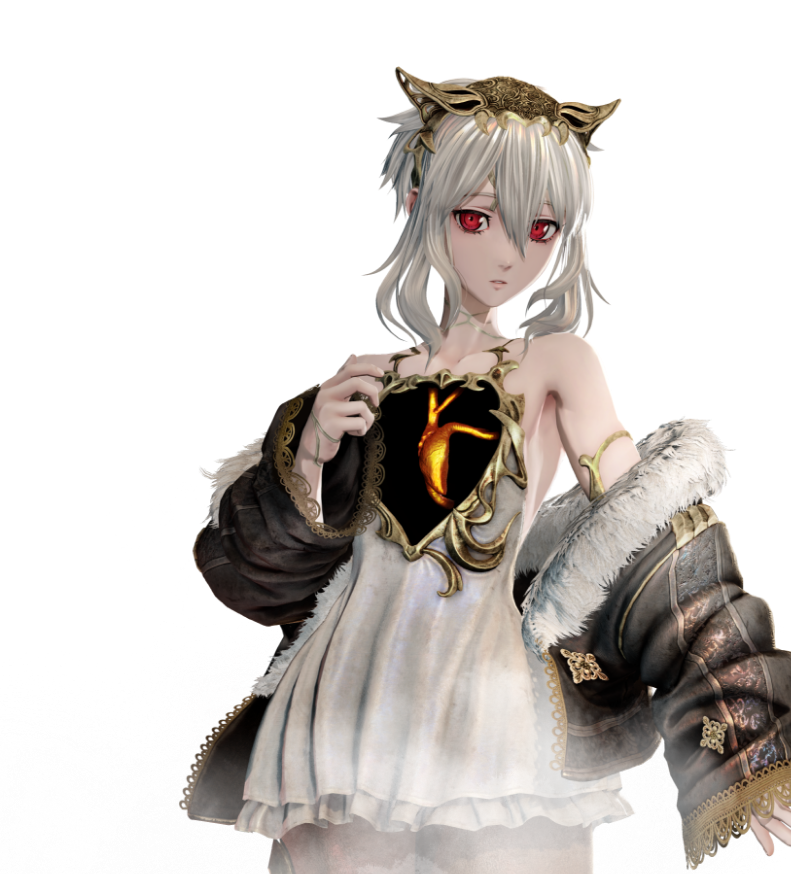
Code Vein II rewrites fate with time-bending combat, deeper customization, and a bold single-companion system, launching...
View Board
MIO: Memories in Orbit launches on Game Pass Jan 20, 2026, offering a polished metroidvania with fluid combat, hand-draw...
View Board
Pathologic 3 arrives January 9, 2026, a punishing survival RPG where time-travel meets plague diagnosis in a dying city,...
View Board
GTA 6 faces its toughest rival in 2026: GTA V's $10B legacy. Can Rockstar's sequel eclipse a game that redefined longevi...
View Board
Solo developer Adam Hunt crafts Streetdog BMX, a love letter to BMX culture, launching January 14, 2026, on Steam with 2...
View Board
Josef Fares' Split Fiction redefines co-op storytelling with its radical two-player-only design, selling 2M copies in a ...
View Board
Cairn redefines climbing games with physics-driven realism, forcing players to read rock faces, manage stamina, and plac...
View Board
Heartopia storms Steam with 17K players, blending cozy sim charm & mobile monetization, sparking a cultural clash over g...
View Board
Revenant Hunter manipulates time, wields blood‑code powers, and battles in a sprawling post‑apocalyptic world where ever...
View Board
Mortal Kombat 11: A Deep Dive into Its Enduring Legacy The arena lights flicker, a digital roar erupts, and then, the c...
View Board
Hypergryph abandons tower defense for a bold open-world action RPG, merging factory automation with real-time combat in ...
View Board
MIO: Memories in Orbit launches Jan 20, 2026, blending punishing Metroidvania gameplay with a haunting narrative on memo...
View Board
Claim Fallout 1 & 2 for free via Prime Gaming before Jan 26, 2026—permanent ownership of the iconic RPGs that shaped gam...
View Board
Steel Century Groove launches Jan 28, 2026, blending mecha combat with rhythm RPG strategy, turning war machines into da...
View Board
Comments