


Explore Any Narratives
Discover and contribute to detailed historical accounts and cultural stories. Share your knowledge and engage with enthusiasts worldwide.
The most formidable opponent Grand Theft Auto VI will face in November 2026 won't be a rival studio's new IP. It won't be a fresh battle royale or a trending live service. Rockstar Games's greatest challenge, the one that will define its commercial and cultural victory, is the ghost of its own past. It is Grand Theft Auto V, the 2013 blockbuster that refused to fade, a digital titan that reshaped the industry's understanding of longevity. The question isn't whether GTA 6 will sell. The drama lies in whether it can eclipse a predecessor that became a permanent fixture.
Consider this scene from September 2024: a player boots up a PlayStation 5, scrolls past dozens of new releases, and launches Grand Theft Auto V. They enter a Los Santos more populated than it was a decade ago. This isn't nostalgia; it's routine. GTA V has remained a top-20 monthly seller for over a decade, a feat that defies every conventional product lifecycle in entertainment. Its revenue didn't just plateau—it grew, hitting roughly $1 billion annually during the pandemic years, seven seasons after its debut. This is the mountain GTA 6 must not just climb, but demolish. And every analyst watching the industry believes it will.
Grand Theft Auto V's statistics have long ceased to be mere metrics and have become mythology. 220 million copies sold. The third best-selling video game in history, trailing only the omnipresent Minecraft and Tetris. Over $10 billion in total franchise earnings, fueled by a GTA Online economy that still generates quarterly revenues north of $100 million. These numbers tell a story of unprecedented dominance, but they obscure a more subtle truth about audience behavior. GTA V didn't just capture a moment; it annexed a permanent slice of the cultural consciousness and, more importantly, player time.
“Grand Theft Auto V’s most staggering achievement is its chart persistence. Previous Rockstar titles, even critical darlings, faded from annual sales charts. GTA V stayed in the top ten for four consecutive years post-launch. It created a new normal,” notes David Cole, founder of DFC Intelligence.
This creates a unique paradox for the sequel. The installed base of engaged, monetized players is already there, logged into Los Santos every day. GTA 6's primary marketing task isn't merely acquisition—it's migration. It must convince a community comfortable in a living, expanding world to abandon it for a new one. The game's biggest competitor, as analysts have bluntly stated, is its own predecessor. This internal competition is Rockstar's unique burden and its most powerful launchpad. No other developer enters a launch with a guaranteed audience of hundreds of millions of primed consumers.
The financial engine of this legacy is GTA Online. Take-Two Interactive's quarterly reports consistently highlight its outperformance, with the GTA+ subscription service growing 20% year-over-year as of late 2024. This isn't a sunsetting product; it's a thriving platform. And according to Take-Two CEO Strauss Zelnick, this very momentum is what will propel the next installment.
“The enduring success of Grand Theft Auto Online and the record-breaking interest in the next installment of this legendary series position us to usher in a record breaking launch for Grand Theft Auto VI,” Zelnick stated in a recent investor communication.
The projections for GTA 6’s opening act are, in a word, astronomical. DFC Intelligence forecasts the game will generate $3 billion in total revenue within its first year on the market. This figure encompasses physical sales, digital downloads, and the inevitable microtransaction revenue from its integrated online component. They project 40 million copies sold in year one, with lifetime sales reaching a staggering 100 million copies by the end of year five. To contextualize that pace: it aims to achieve in half a decade nearly half of what GTA V accumulated over eleven years.
Pre-orders alone are expected to shatter records. Cole emphasizes that GTA 6 should comfortably exceed $1 billion in pre-order sales, crossing that threshold before the game is even physically pressed or digitally unlocked. Some firms offer more conservative estimates, like 38 million copies and $2.7 billion in first-year revenue. Others, like certain venture capital analysts, have floated figures as high as $7.6 billion. The variance in these predictions speaks less to doubt and more to the sheer scale of the unknown; the ceiling for this product is not clearly visible.
Rockstar’s multi-generational console strategy, perfected with GTA V’s journey from PlayStation 3 to PlayStation 5, will be a critical lever. The game launches in a hardware landscape eerily similar to 2013. The PlayStation 5 and Xbox Series X|S have moved approximately 66 million and 28 million units respectively—numbers that closely mirror the installed base of the PS3 and Xbox 360 in 2013. DFC predicts Rockstar will repeat its playbook: launch on current hardware, then release enhanced versions for the inevitable mid-cycle console refreshes or next-generation machines in the game’s third or fourth year. This isn't just a sales bump; it's a planned renaissance designed to dominate the news cycle and wallets twice.
What does a successful migration look like? It requires more than a graphical leap. It demands a systemic and narrative evolution profound enough to make returning to Los Santos feel like a step backward. The pressure isn't just on the scale of the map or the density of the population. It's on the depth of interaction, the nuance of the satire for a late-2020s audience, and the construction of an online world that makes the decade-old framework of GTA Online feel obsolete. The shadow of GTA V is long, but it also provides a perfect blueprint of what to improve, what to jettison, and what to reinvent. Rockstar’s task is Herculean, but its tools are forged from pure platinum. The first trailer broke viewership records in hours. The anticipation is a tangible force. Now, the wait until November 2026 begins, a countdown to what the industry expects will be not just a launch, but a tectonic shift.
The stage is set for a showdown, not against external rivals, but against the towering achievements of its own lineage. Grand Theft Auto VI is not merely aiming to be a commercial success; it is poised to redefine the very concept of a record-breaking entertainment launch. The industry watches, breathless, as Rockstar prepares to unleash a title that promises to shatter every benchmark set by its predecessor, a game that itself rewrote the rules of longevity and profitability. The question is not if it will break records, but by how much, and what that will mean for the future of interactive entertainment.
Rockstar and Take-Two have officially listed Grand Theft Auto VI for PlayStation 5 and Xbox Series X|S with a release date of 19 November 2026. This date, however, has already seen its share of adjustments, moving from an original Fall 2025 window, then Spring 2026, before settling on the current target. This iterative shifting is not uncommon for a title of this magnitude, reflecting Rockstar's almost legendary commitment to polish. "To finish the game with the level of polish you have come to expect and deserve," the company announced, explaining the earlier delay. This commitment to perfection, however, often comes with its own anxieties.
The development cycle of a game as ambitious as GTA 6 is a high-wire act, balancing investor expectations with the creative demands of its developers. Recent chatter around potential further delays underscores this tension. In early January 2026, Bloomberg reporter Jason Schreier, speaking on the Button Mash podcast, offered a glimpse behind the curtain.
"The last I heard, [GTA 6] was still not content complete. That is to say people were still finishing things up, still finalizing levels, and missions, and seeing what is going to make it into the game." — Jason Schreier, Bloomberg Reporter
This statement, while a candid assessment of a massive project, immediately ignited a flurry of speculative headlines suggesting a further push into 2027. Schreier, however, quickly moved to temper these interpretations on 8 January 2026 via Bluesky/X, clarifying his position.
"This is a complete misunderstanding of what I said, which is that I wouldn't be shocked if GTA6 *does* come out this fall, following the same delay pattern as RDR2. Of course another delay is possible. It’s a video game." — Jason Schreier, Bloomberg Reporter
Indeed, the comparison to Red Dead Redemption 2 is apt. That title, another Rockstar behemoth, also saw multiple delays before its critically acclaimed launch. It is a testament to Rockstar's unique position that such delays, which would be catastrophic for most studios, are often met with a collective sigh of understanding and even approval from its dedicated fanbase. They trust the process, having witnessed the results time and again. Industry insider Tom Henderson, founder of Insider Gaming, corroborated this sentiment in early January 2026, stating that Rockstar is "confident enough" in the 2026 release and does "not expect a further delay to 2027." This suggests a calculated risk, a belief that the game, while still being refined, is on track for its November debut.
What does "not content complete" actually mean for a game of GTA 6's scale? It suggests a fluid development environment, where elements are still being refined, cut, or expanded. This isn't necessarily a sign of trouble, but rather the reality of crafting an immersive, detailed world. The modern AAA development cycle often involves shipping a robust core experience and then building out with post-launch content. The debate then becomes: how much of the anticipated scope will be present on day one, and how much will be reserved for future updates or paid downloadable content? This is a trade-off that developers across the industry grapple with, caught between the desire for a perfect launch and the practicalities of an ever-shifting market. Rockstar, with its reputation for meticulousness, is likely aiming for a launch that feels complete, not just functional.
GTA 6 is not just chasing sales figures; it is aiming to redefine cultural impact. Often framed as "the most anticipated video game of all time," its reach extends far beyond traditional gaming circles. The sheer social and media attention surrounding its initial trailer and subsequent leaks is evidence of a phenomenon that transcends the medium. This isn't just a game; it's a global event. And the records it aims to break extend to how we engage with and consume digital entertainment.
GTA V's immediate commercial success was staggering. Within 24 hours of its 17 September 2013 release, it generated $800 million in revenue. In just three days, it crossed the $1 billion mark, setting a Guinness World Record for the fastest entertainment property to reach that financial milestone. For GTA 6, the target is not just to match this, but to accelerate it. With a higher standard price point of US$69.99, a significantly larger install base of current-gen consoles (PS5 and Xbox Series X|S combined boast an install base far exceeding the PS3/Xbox 360 at GTA V's launch), and a vastly more connected social media ecosystem, analysts speculate that GTA 6 could easily surpass $1 billion in under 48 hours. Is it truly possible for a game to achieve such a feat? The historical precedent, combined with the current market conditions, certainly points to yes.
However, the real battle for supremacy will be in lifetime unit sales and recurring revenue. GTA V has amassed over 200 million copies worldwide, making it the second best-selling game of all time, behind only Minecraft. Its combined revenue with GTA Online has exceeded $8 billion lifetime. GTA 6's path to surpassing this will likely mirror its predecessor in one crucial aspect: multi-platform, multi-generational releases. While initially launching on PS5 and Xbox Series X|S, a PC version is almost certainly a guarantee, likely a year or more post-console launch, followed by potential "next-gen+" upgrades in the future. This staggered release strategy, perfected by GTA V, allows for sustained sales and renewed hype cycles, ensuring the game remains relevant and profitable for years, if not decades. This isn't just about selling a product once; it's about building an ecosystem that thrives across hardware cycles.
A significant portion of GTA V's enduring success, and by extension, its record-breaking revenue, came from GTA Online. This wasn't just an add-on; it became a live-service juggernaut, generating hundreds of millions in quarterly revenue. Investors are banking on GTA 6's online component (often referred to in leaks and early coverage as a "next-gen GTA Online") to pursue even higher Average Revenue Per User (ARPU). This means more sophisticated cosmetics, more engaging events, and deeper in-game purchases. But will this aggressive pursuit of monetization alienate a segment of the audience, especially given the increased global scrutiny on loot boxes and gambling-like mechanics?
The cultural footprint of GTA V was also amplified by its persistent presence on platforms like Twitch and YouTube, particularly through its vibrant role-play (RP) server community. GTA 6 has the potential to surpass this with built-in creator tools, more streamer-friendly systems, and even deeper social integration. Imagine official Rockstar-supported RP servers, or direct integration with streaming platforms. The possibilities are immense, but they also bring questions of control and creative freedom. Can Rockstar foster a thriving creator community while maintaining the integrity of its own vision? The tension between maximizing profit and nurturing a genuine, organic community will be a critical tightrope walk for the developer.
Take-Two's financial pressure for a massive hit in its fiscal year 2027 (ending 31 March 2027) is palpable. This shareholder expectation often clashes with Rockstar's historical tendency to delay titles until they meet their internal, almost mythical, standard of polish. This push-and-pull creates a dynamic where the game's release isn't just a creative decision but a significant corporate event, with billions riding on its timing and execution. Can Rockstar deliver the perfection it's known for while adhering to such stringent financial deadlines? The industry is watching with bated breath, knowing that the outcome will not just affect Rockstar, but potentially reshape the entire landscape of premium AAA gaming for years to come.
The significance of Grand Theft Auto VI extends far beyond its projected billions or its inevitable chart domination. Its launch in November 2026 represents a pivotal inflection point for the entire video game industry, a moment that could signal the end of the traditional console model's unquestioned dominance. For over a decade, Grand Theft Auto V has been the exception that proved the rule, demonstrating that a premium, full-price title could maintain a cultural and commercial stranglehold for years. GTA 6 is positioned to become the new rule. Its success will validate—or shatter—current assumptions about player spending habits, the viability of multi-generational releases, and the ultimate ceiling for a single piece of interactive entertainment in an age of fragmented attention.
Analysts have suggested the game's impact will be so profound it could "uplift the entire console market." This isn't hyperbole. A launch of this magnitude drives hardware sales, dominates media cycles for months, and sets a new benchmark for production value that competitors will scramble to match for the rest of the console generation. It becomes the gravitational center around which the entire industry orbits. When Rockstar speaks, the market listens; when it releases, the market shifts. The game's development practices, its monetization strategies, and even its release cadence will be dissected and emulated for years. This isn't just another sequel; it's a blueprint for the next decade of blockbuster gaming.
"GTA 6's launch will be so significant it could mark the end of a period of video game history as we know it," — Industry Analyst, Video Games Industry Memo
This statement captures the existential weight of the moment. The period bookended by GTA V and GTA VI has been defined by the rise of live service, the explosion of indie gaming, and the platform wars. GTA 6’s arrival, with its inevitable evolution of the GTA Online model, could consolidate power and set a new, almost unattainable standard for what constitutes a mainstream hit. It represents the culmination of one era and the forceful, uncompromising beginning of another.
For all its anticipated glory, the path for GTA 6 is not without significant thorns. The specter of "crunch," the industry term for prolonged, intense periods of overtime, hangs heavily over any Rockstar production. Despite the company's public commitment to reform following reports around Red Dead Redemption 2, the sheer scale and pressure of delivering GTA 6 make it a prime candidate for a return to punishing development cycles. The human cost of this "polish" is a critical, often unspoken part of the record-breaking equation. Can a game truly be considered a masterpiece if its creation relied on the burnout of its creators? This is a question the industry has yet to satisfactorily answer, and GTA 6 will be its highest-profile test case.
Furthermore, the commercial strategy itself invites scrutiny. The confirmed absence of a day-one PC version, a move that mirrors GTA V's staggered release, is a calculated financial decision that prioritizes double-dipping console sales over platform parity. It treats a significant portion of the fanbase as a secondary market, forcing them to either wait or purchase the game twice. This practice, while profitable, feels increasingly anachronistic in an era where cross-platform play and simultaneous releases are becoming consumer expectations. The decision safeguards a specific revenue model, but it also risks alienating a dedicated and vocal segment of the audience.
Then there is the content itself. Grand Theft Auto's signature brand of abrasive, satirical humor must now navigate a cultural landscape fundamentally altered since 2013. The series’ portrayal of violence, its treatment of sensitive social issues, and its overall tone will be dissected under a microscope of heightened sensitivity and ongoing culture wars. The reported inclusion of a female protagonist, Lucia, is a notable evolution, but it also places the narrative under additional scrutiny regarding representation and agency. Can Rockstar's trademark cynicism and chaotic satire resonate in the same way, or will it feel like a relic of a bygone, less self-conscious era? The game's artistic success hinges on this delicate balance.
The most profound critique, however, may be one of creative ambition. Is Rockstar playing it too safe? The proven formula—massive open world, dual protagonists, a satirical story, and a robust online component—is almost guaranteed to work. But does the pursuit of perfection and commercial supremacy come at the cost of genuine innovation? The studio's last original IP was Red Dead Redemption 2 in 2018. While that game was a masterpiece, the focus on iterating and expanding upon the GTA franchise for over a decade raises questions about creative stagnation at the very top. The pressure to deliver a flawless, record-shattering product might ironically be the very thing that discourages the kind of risky, genre-defying leaps that built Rockstar's reputation in the first place.
The marketing cadence is already taking shape. Industry observers like Tom Henderson anticipate a third official trailer to land in the coming months, potentially by March 2026, with pre-orders likely opening around May 2026. This mirrors the slow, deliberate ramp-up that preceded GTA V, a controlled burn of hype designed to peak at the perfect moment. Every screenshot, every second of footage, will be analyzed with an intensity usually reserved for geopolitical summits.
Come November, when a player first boots up GTA 6 on their PlayStation 5, they will be participating in more than a game launch. They will be activating the first domino in a chain that will redefine commercial expectations, solidify business models, and dictate creative trends for the foreseeable future. The ghost of Los Santos will finally have a successor. The only question that remains is whether that successor will build a new world or simply live in the shadow of an old one, forever measured against the towering, 13-year legacy it was created to destroy. The controller is in Rockstar's hands. The entire industry is waiting to see which button they press.
Your personal space to curate, organize, and share knowledge with the world.
Discover and contribute to detailed historical accounts and cultural stories. Share your knowledge and engage with enthusiasts worldwide.
Connect with others who share your interests. Create and participate in themed boards about any topic you have in mind.
Contribute your knowledge and insights. Create engaging content and participate in meaningful discussions across multiple languages.
Already have an account? Sign in here

MIO: Memories in Orbit launches on Game Pass Jan 20, 2026, offering a polished metroidvania with fluid combat, hand-draw...
View Board
Pathologic 3 arrives January 9, 2026, a punishing survival RPG where time-travel meets plague diagnosis in a dying city,...
View Board
Solo developer Adam Hunt crafts Streetdog BMX, a love letter to BMX culture, launching January 14, 2026, on Steam with 2...
View Board
Code Vein II invites players on a somber pilgrimage through time, blending Soulslike combat with a narrative of sacrific...
View Board
Pathologic 3 arrives January 9, 2026, wielding time-travel to deepen its signature despair, forcing players to rewrite t...
View Board
Xbox Game Pass January 2026 delivers 11 new titles, including Star Wars Outlaws and Death Stranding: Director's Cut, whi...
View Board
Mortal Kombat 11: A Deep Dive into Its Enduring Legacy The arena lights flicker, a digital roar erupts, and then, the c...
View Board
Heartopia storms Steam with 17K players, blending cozy sim charm & mobile monetization, sparking a cultural clash over g...
View Board
Resident Evil Requiem blends classic survival horror with modern tech, delivering dual narratives of terror and action i...
View Board
Rockstar aims to launch a 4K, 60 FPS Red Dead Redemption 2 next-gen upgrade in Spring 2026 across PS5, Xbox Series X/S, ...
View Board
Claim Fallout 1 & 2 for free via Prime Gaming before Jan 26, 2026—permanent ownership of the iconic RPGs that shaped gam...
View Board
Steel Century Groove launches Jan 28, 2026, blending mecha combat with rhythm RPG strategy, turning war machines into da...
View Board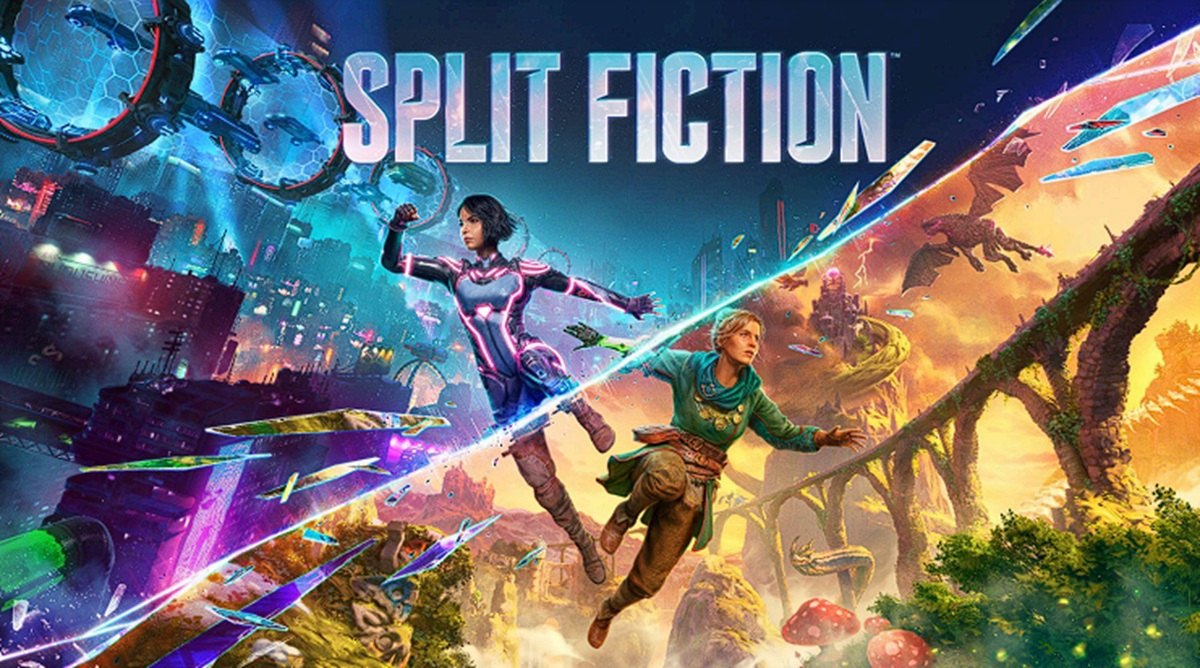
Josef Fares' Split Fiction redefines co-op storytelling with its radical two-player-only design, selling 2M copies in a ...
View Board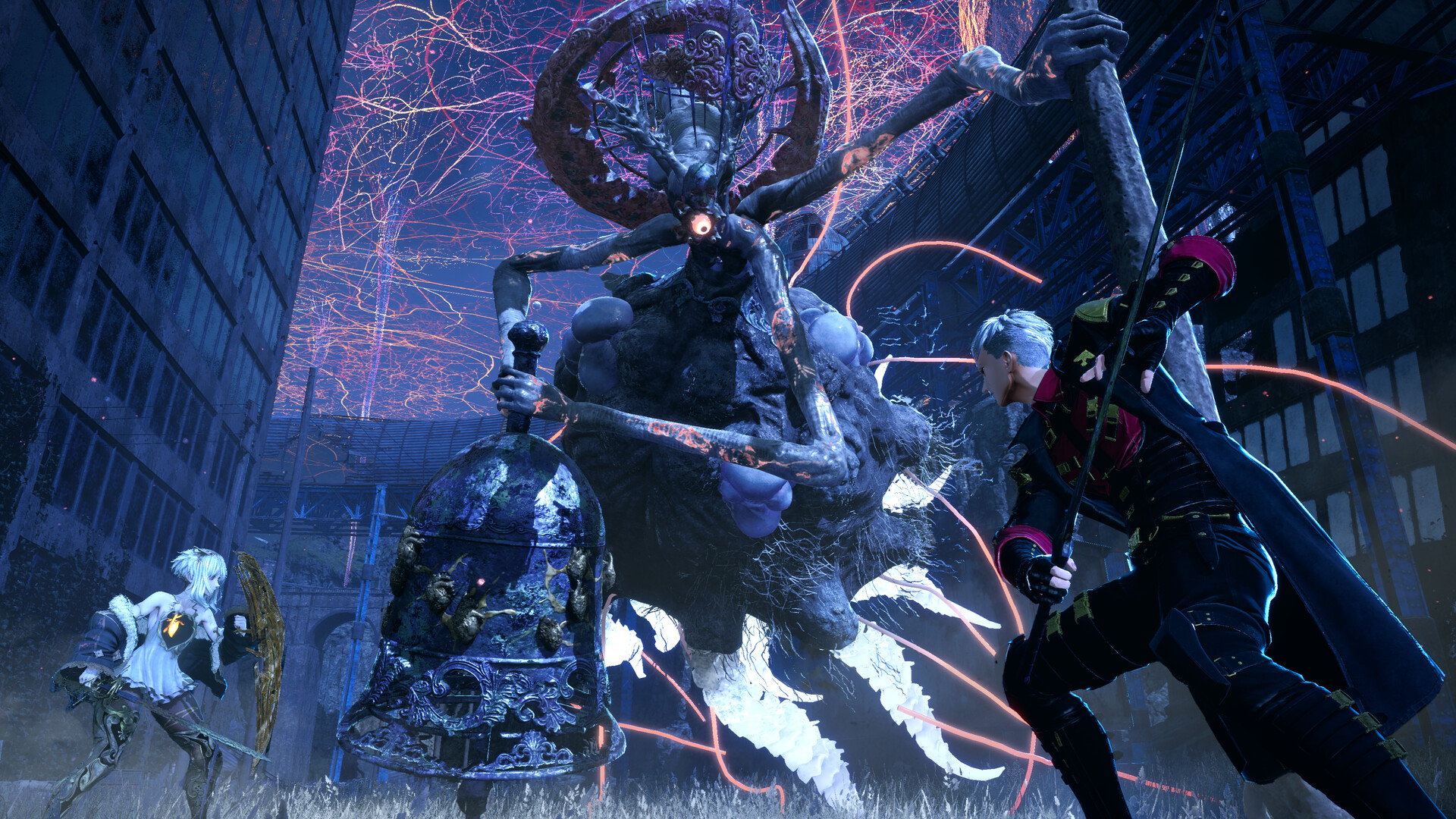
Code Vein 2 launches Jan 30, 2026, rewriting its anime Soulslike legacy with time-bending combat, deeper RPG systems, an...
View Board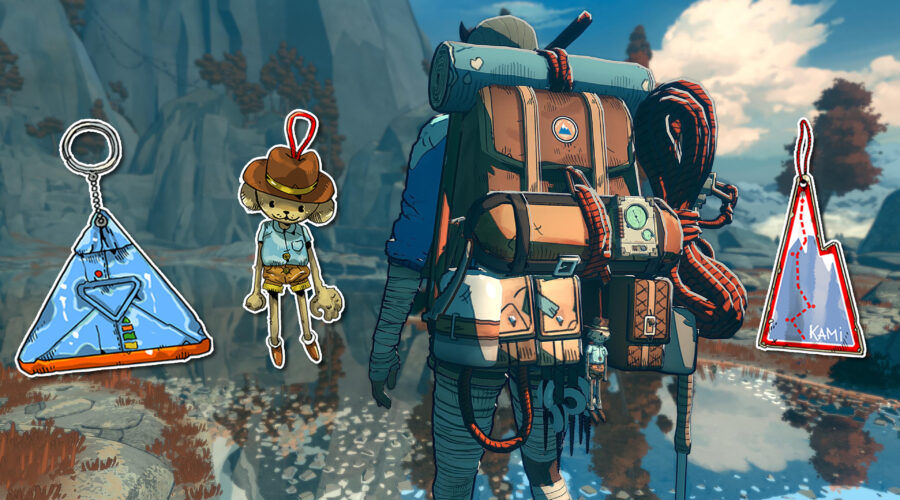
Cairn redefines climbing games with physics-driven realism, forcing players to read rock faces, manage stamina, and plac...
View Board
Code Vein 2 overhauls combat, expands customization with 200+ Formae, and rebuilds level design, addressing the original...
View Board
Revenant Hunter manipulates time, wields blood‑code powers, and battles in a sprawling post‑apocalyptic world where ever...
View Board
Tencent's Q3 2025 gaming revenue nears $9B, fueled by Honor of Kings and Supercell's 400% growth, showcasing its dual-en...
View Board
A philosopher dissects how Kanto’s badge quests, closed map, and cable‑linked trading force identity, choice, and the et...
View Board
Dynasty Warriors Origins DLC launches Jan 22, 2026, reimagining villains as heroes with new weapons, skills, and untold ...
View Board
Comments