



Explore Any Narratives
Discover and contribute to detailed historical accounts and cultural stories. Share your knowledge and engage with enthusiasts worldwide.
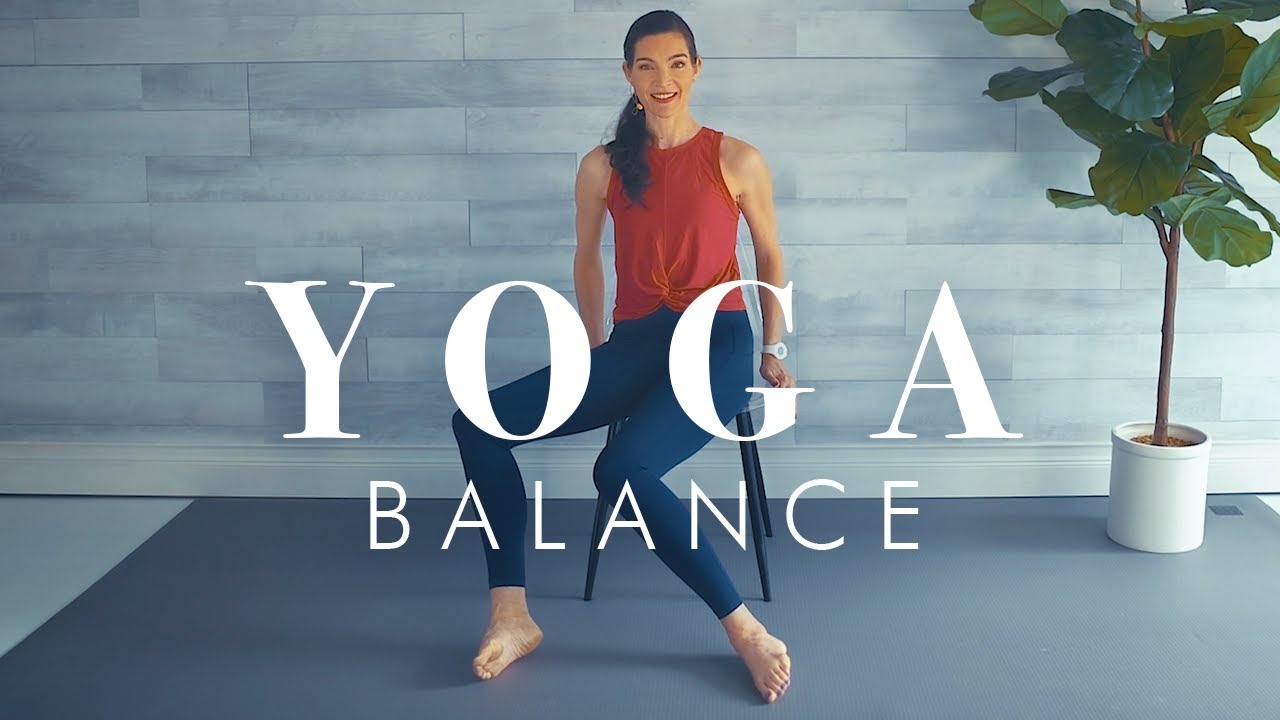
Evelyn Carter, 78, felt her world shrinking. A diagnosis of osteoporosis five years ago came with a list of prohibitions. Don't lift that. Be careful bending. Avoid a fall. The fear was palpable, a constant companion that made her recliner the center of her universe. Her spine, growing more brittle, seemed to dictate the terms of her life. Then, in March 2024, her daughter enrolled her in a specialized class at a community center in Portland, Oregon. The focus was Iyengar Yoga, but the primary prop wasn't a mat or a block. It was a simple, sturdy folding chair.
Six months later, Carter stands at her kitchen counter, her posture noticeably straighter, chopping vegetables with a confidence that had long evaporated. "The chair wasn't a crutch," she says, her voice firm. "It was my launchpad. It gave me the courage to bear my own weight again." Her story is not unique. It is part of a quiet revolution in geriatric care, where an ancient discipline, meticulously adapted, is challenging the narrative of inevitable decline. This is the story of Iyengar Yoga with a chair for seniors with osteoporosis—a practice built on precision, support, and a radical belief in the body's capacity to rebuild, even in its later chapters.
The method finds its roots in the work of Bellur Krishnamachar Sundararaja Iyengar, a man who transformed global yoga in the 20th century. Plagued by illness in his youth, Iyengar developed a system obsessive in its pursuit of correct anatomical alignment. He viewed the body as a temple, but one that often required scaffolding to safely restore its architecture. His innovation was the extensive use of props—belts, blocks, blankets, ropes, and walls—to allow every body, regardless of limitation, to experience the benefits of a pose. For Iyengar, precision was the pathway to freedom.
This philosophy dovetails perfectly with the needs of an aging skeleton compromised by osteoporosis. The disease, which leads to porous and fragile bones, creates a paradox. Weight-bearing exercise is essential for stimulating bone-forming cells, but the risk of fracture from a misstep or an improper movement is high. Traditional exercise options can seem like a minefield. Enter the chair. In the hands of a certified Iyengar instructor, this everyday object becomes a versatile tool for stability, extension, and safe loading.
“The chair is the most democratic of props,” explains Margaret Pierce, a Senior Intermediate Iyengar Yoga teacher based in San Francisco who has specialized in osteoporosis for fifteen years. “It is familiar, it is stable, and it immediately lowers the threat level for a student who is terrified of falling. It allows us to apply the fundamental Iyengar principle of ‘sthira sukham asanam’—steadiness and ease—in a context they can trust. We are not dumbing down the practice. We are making its intelligence accessible.”
The adaptations are specific and medically informed. Poses that involve deep forward flexion or sharp twists of the spine, which can compress vertebrae, are carefully modified or replaced. Instead, the practice emphasizes extension and opposition. A modified Triangle Pose (Trikonasana) might be performed with one hand on the seat of a chair and the other reaching toward the ceiling, creating a long, tensile line along the side body. This gently stresses the bones of the hip and femur in a safe, controlled manner. A Warrior II (Virabhadrasana II) variation finds the student holding the back of the chair for balance, able to sink deeply into the posture and strengthen the legs without wobbling.
The physical benefits are quantifiable. A pivotal 2015 study led by Dr. Loren Fishman of Columbia University provided some of the first concrete data. His research followed 227 older adults with osteopenia or osteoporosis who practiced a daily 12-minute regimen of specific yoga poses, many derived from Iyengar principles. The results, published in Topics in Geriatric Rehabilitation, showed statistically significant improvements in bone mineral density (BMD) in the spine and femur. The spine showed a monthly gain of 0.0029 g/cm², a finding with a high degree of statistical significance (P=0.005).
“The beauty of these poses is their isometric nature,” Dr. Fishman noted in a later analysis of his work. “You are pitting one muscle group against another, or against the unyielding floor or a prop. This creates a multi-directional force on the bone, which is a more potent stimulus for osteoblast activity than simple compression from walking. The chair acts as an ideal partner in creating these forces safely, allowing for longer holds that maximize the bone-building signal.”
But the impact transcends metrics on a DEXA scan. For students like Evelyn Carter, the first and most profound change is often psychological. The chair dismantles fear. It provides a tangible boundary of safety within which movement becomes possible again. This reclaimed agency is a potent medicine in itself. The practice becomes less about battling osteoporosis and more about rediscovering capability.
While bone density grabs headlines, instructors observe a cascade of secondary benefits that are arguably just as critical for quality of life. Osteoporosis rarely travels alone; it often brings companions like arthritis, loss of balance, and postural collapse. The chair-supported Iyengar practice addresses these directly.
By providing external stability, the chair allows joints—particularly fragile knees, hips, and shoulders—to move through a fuller, safer range of motion. This movement promotes the production of synovial fluid, nourishing cartilage and combating stiffness. Balance work, such as holding onto a chair while slowly lifting one heel, rebuilds the proprioceptive connections that prevent falls. The emphasis on aligning the spine against the back of a chair or extending the crown of the head toward the ceiling rewires posture, countering the kyphotic stoop that can lead to spinal compression fractures.
“We see changes in their gait within weeks,” says Pierce. “They walk into the studio with a shuffle, eyes on the floor. After a few months, they are taller, their stride is more confident, their gaze is forward. They are re-engaging with the world. That’s not just a physical shift. It’s a neurological and emotional renaissance.”
The narrative of Iyengar Yoga with a chair is, at its heart, a biographical story. It is the story of individuals like Evelyn Carter rewriting the third act of their lives. It is the story of a meticulous teaching methodology, born from B.K.S. Iyengar’s own struggle, finding its most humane application in the support of a folding chair. It merges the hard science of osteoblast stimulation with the soft science of regained confidence. The chair is not a symbol of limitation, but an instrument of liberation, allowing weight to be borne, strength to be rebuilt, and posture to be reclaimed—one precise, supported pose at a time.
The anecdotal reports are compelling. Seniors stand taller. They move with less fear. They speak of a renewed sense of autonomy. But the practice of Iyengar Yoga with a chair for osteoporosis stakes its claim on more than just uplifting testimonials. It positions itself at the intersection of biomechanics and cellular biology, arguing that specific, supported postures send a direct, constructive signal to the skeleton. To understand this, you must move past the generalities of "chair yoga is safe and gentle"—a truism found on countless wellness blogs—and into the exacting particulars of Iyengar methodology. This is where the science gets interesting, and where a critical eye becomes essential.
Dr. Loren Fishman’s 2015 study remains the cornerstone of the argument. His research presented a simple, almost radical proposition: a daily 12-minute commitment to specific yoga poses could not just halt bone loss, but reverse it. The cohort of 227 moderately to fully compliant older adults showed those gains in spine and femoral neck bone mineral density. The numbers—0.0029 g/cm² monthly in the spine—are small in isolation but monumental in context. They suggest a non-pharmacological intervention can shift the trajectory of a chronic, degenerative condition. The poses in Fishman’s regimen, including Tree, Triangle, and Warrior II, are Iyengar staples, often taught with prop support for safety and precision.
"The mechanism is isometric contraction," Fishman has explained, delving into the biomechanics. "When you hold a pose like a modified Triangle with the support of a chair, you are creating opposing forces. Muscles pull on bones from multiple angles. This heterogeneous stress is a more potent trigger for osteoblast activity than the homogeneous compression of walking. The bone perceives it as a need to reinforce its structure."
But here is where a journalist must apply pressure. The study, while groundbreaking, has limitations. It was not a randomized controlled trial comparing Iyengar chair yoga directly against other exercises or medications. The participants self-reported their compliance. Larger, more rigorous RCTs are the glaring absence in the yoga-for-osteoporosis research field. Skeptics within the medical community rightly point this out. They argue that any weight-bearing exercise performed consistently might yield similar benefits, and that the specific Iyengar protocol, with its expensive props and specialized teachers, may not be uniquely superior.
Proponents counter with the quality of the stimulus. Not all loading is equal. The Iyengar system, with its chair, is engineered to load bones safely in the very populations most at risk. A 2024 article from Iyengar Yoga Source emphasized this, stating the practice uses props "for safe alignment in osteoporosis, avoiding risky seated forward bends/twists that compress spine." This is critical. A generic chair yoga class might focus on gentle range of motion, which is beneficial for flexibility and circulation. An Iyengar-based chair class for osteoporosis is a targeted therapeutic intervention. It is programmed like a prescription, with contraindications (forward folds, deep twists) as carefully avoided as the poses that build bone (standing extensions) are strategically selected and supported.
The role of the instructor in this practice cannot be overstated. They are not merely leading a sequence; they are biomechanical engineers for the individual. A certified Iyengar teacher, particularly one with therapeutic training, looks at a student with osteoporosis and sees a series of specific vulnerabilities and opportunities. Is the thoracic spine rounding? The cue will be to press the sternum forward while anchoring the sitting bones into the chair seat, using the chair's back to feedback proper alignment. Is there fear in the eyes when shifting weight onto one leg? The adjustment might be to place a second chair directly in front for the hands to grasp, creating a fortress of stability.
"We are teaching alignment as a form of self-defense," says Annette Richards, a certified Iyengar teacher in Toronto who has worked with geriatric populations since 2010. "For someone with osteoporosis, poor posture isn't just an aesthetic issue. It's a direct mechanical risk for vertebral fracture. The chair gives us a external template for what a aligned spine feels like. We're not asking them to just 'sit up straight.' We're using the prop to create the experience of correct, safe structure in the bones."
This pedagogical precision addresses a major weakness in the broader "yoga for seniors" landscape. A generic, gentle chair yoga class, while well-intentioned, may lack the specific anatomical knowledge to safely serve an osteoporotic spine. An Iyengar teacher’s training—often spanning years and involving rigorous assessments—is built upon this knowledge. They understand that a seemingly harmless seated twist could impose dangerous rotational forces on fragile vertebrae. Their adaptation using the chair completely avoids this risk while delivering other benefits.
Walk into a well-run Iyengar chair yoga class for seniors with osteoporosis, and the atmosphere is one of focused calm. The chatter is not about ailments but about subtle sensations. "I feel my left sit bone pressing down more firmly." "My right side is longer." This shift in language, from medicalized problem to experiential discovery, is the practice's most potent psychological outcome. It transforms the body from a site of betrayal to a site of intelligent engagement. For a demographic often reduced to patient charts and pill schedules, this is a profound reclamation of identity.
"The chair is the great equalizer," observes David Chen, a physical therapist who collaborates with Iyengar studios in Seattle. "I've referred dozens of clients. The moment they realize they can participate fully, without being the 'fragile one' needing special help, their entire demeanor changes. This is not just about physical health. It is about mental and emotional well-being.""We do not use the chair as a crutch. We use it as a tool for exploration and growth.""The chair is not a limitation; it is a liberator.""We are not just teaching poses; we are teaching people how to live in their bodies with confidence and joy."This empowerment narrative, however, exists within a wellness industry often critiqued for commodifying health. A legitimate question arises: Is this accessible? A single session with a senior Iyengar teacher can cost $25 to $40. A series of therapeutic private lessons can run into the hundreds. While community center classes exist, like the one Evelyn Carter attended in Portland, they are not ubiquitous. The practice risks becoming the domain of the relatively affluent senior, leaving behind those who might benefit most but cannot afford specialized instruction. This is a structural criticism the Iyengar community must grapple with as the practice grows in popularity.
Furthermore, the emphasis on rigorous alignment and prop use can, in less skilled hands, drift into a kind of dogmatic rigidity. The beauty of Iyengar Yoga is its precision. The potential pitfall is an environment where students become overly dependent on the teacher's eye and the perfect setup, rather than developing an intuitive sense of their own bodies. The goal should be to move from supported practice to greater independence, not to create a permanent reliance on props and external correction.
Yet, when weighed against the alternative—the fear-induced paralysis that so often accompanies an osteoporosis diagnosis—these criticisms feel secondary to many participants. The data, though needing expansion, points in a hopeful direction. The lived experiences of thousands of seniors speak to a tangible improvement in quality of life. Iyengar Yoga with a chair does not claim to be a miracle cure. It presents itself as a disciplined, intelligent, and compassionate strategy for managing a complex condition. It offers not just the hope of stronger bones, but the immediate gift of standing tall, without fear, in the world once more.
The Broader Significance: Redefining Aging and Autonomy
Iyengar Yoga with a chair for osteoporosis is more than a niche therapeutic modality. It is a cultural statement, a quiet rebuttal to a society that often treats aging as a problem to be managed rather than a phase of life to be engaged. This practice, with its folding chairs and precise alignment, sits at the confluence of several powerful currents: the rise of patient-centered care, the demand for non-pharmacological interventions, and a growing insistence among older adults on maintaining agency over their bodies. Its significance ripples far beyond the studio walls.
Historically, exercise recommendations for osteoporosis have oscillated between overly cautious and recklessly generic. The message was often simply to "stay active," leaving seniors navigating a minefield of potential harm. The Iyengar method, with its therapeutic applications, introduces a crucial third way: intelligently active. It provides a framework that is both rigorous and safe, demanding effort while systematically removing risk. This framework challenges the healthcare industry to think more creatively about collaboration. Forward-thinking geriatricians and rheumatologists are beginning to look past the prescription pad, seeing certified yoga therapists as allied health professionals.
"What we are witnessing is a paradigm shift in geriatric wellness," says Dr. Anika Patel, a rheumatologist at the Mayo Clinic who has begun referring suitable patients to specialized Iyengar teachers. "For decades, the conversation was about loss mitigation. Now, with practices like this, we can talk about functional restoration. We're not just slowing decline; we're seeing measurable improvement in bone density, balance, and, most importantly, in a patient's confidence to navigate their own life. This is a move from a deficit model to a capacity model."The cultural impact is subtle but profound. In a youth-obsessed culture, this practice venerates the wisdom of the older body. It does not seek to make a 75-year-old move like a 25-year-old. Instead, it seeks to optimize function within the body's current reality, using tools and intelligence to unlock potential. This philosophy radiates outward. It influences how retirement communities design their wellness programs, how families support aging parents, and how individuals approach their own later years. It suggests that empowerment is not about denying limitations, but about using ingenuity to transcend them.
A Critical Perspective: The Gaps in the Framework
For all its promise, the Iyengar chair yoga movement for osteoporosis is not without its flaws and unanswered questions. A clear-eyed assessment reveals significant gaps that must be addressed for the practice to achieve broader legitimacy and accessibility.
The first is the research gap. While Dr. Fishman's study is a landmark, it is a single, relatively small study. The yoga community has been slow to produce large-scale, randomized controlled trials that could silence skeptics and convince a cautious medical establishment. The evidence remains promising but preliminary, a foundation in need of more robust construction. Furthermore, the specific efficacy of the chair-supported Iyengar method, as distinct from other forms of weight-bearing exercise or even mat-based Iyengar Yoga, has not been isolated and studied. Is the chair a convenience, or is it a critical component of the therapeutic mechanism? The field lacks definitive answers.
The second gap is one of access and equity. As noted earlier, high-quality instruction comes at a cost. Certified Iyengar teachers undergo years of demanding, expensive training. That investment is reflected in their rates. This creates a socioeconomic barrier. The practice risks becoming another luxury wellness product for the affluent elderly, rather than a public health tool. The onus is on the Iyengar community and public health advocates to develop scalable models—subsidized community programs, teacher training scholarships focused on geriatrics, partnerships with public health agencies—to democratize this knowledge.
A third critique lies in the potential for orthodoxy. The Iyengar system is famously detail-oriented, with a strong emphasis on a "right" way to perform each asana. In therapeutic contexts, this precision is its strength. But it can also breed a kind of rigidity, where students become overly dependent on the teacher's corrections and the perfect array of props. The ultimate goal should be to foster bodily autonomy and intuitive self-awareness, not to create perpetual students who cannot practice without an instructor's gaze and a room full of equipment. The best teachers navigate this line expertly, but the risk of creating dependency is real.
The final, and perhaps most philosophical, criticism is one of scope. This practice is powerful for those who are mobile enough to attend a class, who have the cognitive capacity to follow detailed instructions, and who are not dealing with severe comorbidities. For the frail elderly, the bedridden, or those with advanced dementia, the chair is not a panacea. The Iyengar method, in its current form, has limits. It is a tool for a specific segment of the aging population, not a universal solution.
Looking Forward: Integration and Innovation
The trajectory of this practice points toward greater integration and technological augmentation. In October 2024, the International Association of Yoga Therapies will host its annual symposium, with a dedicated track on "Yoga for Healthy Aging," where Iyengar-based protocols for osteoporosis will be a central topic of discussion and debate among clinicians. This signals a move from the fringe toward the mainstream of integrative medicine.
Technological innovation is also on the horizon. Start-ups are developing sensor-equipped chairs and wearable devices that can provide real-time biofeedback on alignment and weight distribution, offering a high-tech adjunct to the teacher's trained eye. Imagine a chair that gently vibrates when a student's weight shifts too far forward, or a sensor on the spine that confirms thoracic extension. These tools, if developed thoughtfully, could personalize the practice further and provide objective data to complement the subjective experience of "feeling" the pose.
The most concrete development is the proliferation of specialized teacher trainings. The Iyengar Yoga National Association of the United States has announced a new certification module focused specifically on osteoporosis and geriatric applications, with the first cohort beginning in January 2025. This formalizes the knowledge and creates a benchmark for quality, addressing the critical issue of consistent, safe instruction.
Evelyn Carter, whose story began this exploration, now volunteers at her Portland community center, helping set up chairs for new students. She watches as they tentatively lower themselves into the seat, their postures slumped with apprehension. She knows the journey that awaits them—not just toward stronger bones, but toward a reclaimed sense of self. The chair is their starting point, a stable island in a sea of uncertainty. From that island, they will begin to reach, to twist, to stand. They will learn that support is not the opposite of strength; it is its necessary foundation. The practice does not promise to turn back time. It offers something more practical, more profound: the power to meet the present moment, upright and unafraid.

Your personal space to curate, organize, and share knowledge with the world.
Discover and contribute to detailed historical accounts and cultural stories. Share your knowledge and engage with enthusiasts worldwide.
Connect with others who share your interests. Create and participate in themed boards about any topic you have in mind.
Contribute your knowledge and insights. Create engaging content and participate in meaningful discussions across multiple languages.
Already have an account? Sign in here

The 1920s Yoga Rebellion: How Asanas Defied Colonial Rule The year is 1924. The Mysore Palace, a sprawling testament to ...
View Board
Code Vein II rewrites fate with time-bending combat, deeper customization, and a bold single-companion system, launching...
View Board
1996 research debunks the samurai Tabata myth, exposing the scientific creation of a four‑minute, eight‑round interval p...
View Board
Shinrin-yoku, Japan's 1982 forest bathing practice, blends science and spirituality, lowering stress and boosting immuni...
View Board
Samsung AI Living revolutioniert das Zuhause mit unsichtbarer KI, die Haushaltsaufgaben antizipiert und erledigt – vom K...
View Board
Tiangong vs. ISS: Two space stations, one fading legacy, one rising efficiency—China’s compact, automated lab challenges...
View Board
Explore how radical acceptance, rooted in DBT and ACT, offers a path through infidelity's pain—without bypassing account...
View Board
Fermented garlic honey bridges ancient Egyptian medicine and modern kitchens, blending allicin’s potency with honey’s pr...
View Board
A 1970s myth alleges Stanford measured Kundalini awakening; the truth uncovers fragmented research and today's brain sca...
View BoardNew study reveals skin bacteria linked to lower stress, hinting probiotic skincare may redefine beauty as mental wellnes...
View Board
Una rutina de yoga terapéutico con Saludo al Sol B alivia la ciática al fortalecer glúteos y core, reduciendo dolor lumb...
View Board
La infraestructura de IA democratiza el acceso a recursos computacionales mediante nubes híbridas y escalabilidad, pero ...
View Board
El MIT declara en 2026 la codificación con IA como tecnología disruptiva, transformando el desarrollo de software con he...
View Board
Moringa powder's iron content outperforms spinach in dry-weight lab tests, but real-world absorption and cultural contex...
View Board
Brian Tracy e il suo metodo "Eat the Frog": da umili inizi a Dallas, una strategia di produttività che sfida la procrast...
View Board
Dans les ruelles de Berlin-Est, tunnels clandestins, ballons à air chaud et plans audacieux ont défié un Mur de béton qu...
View Board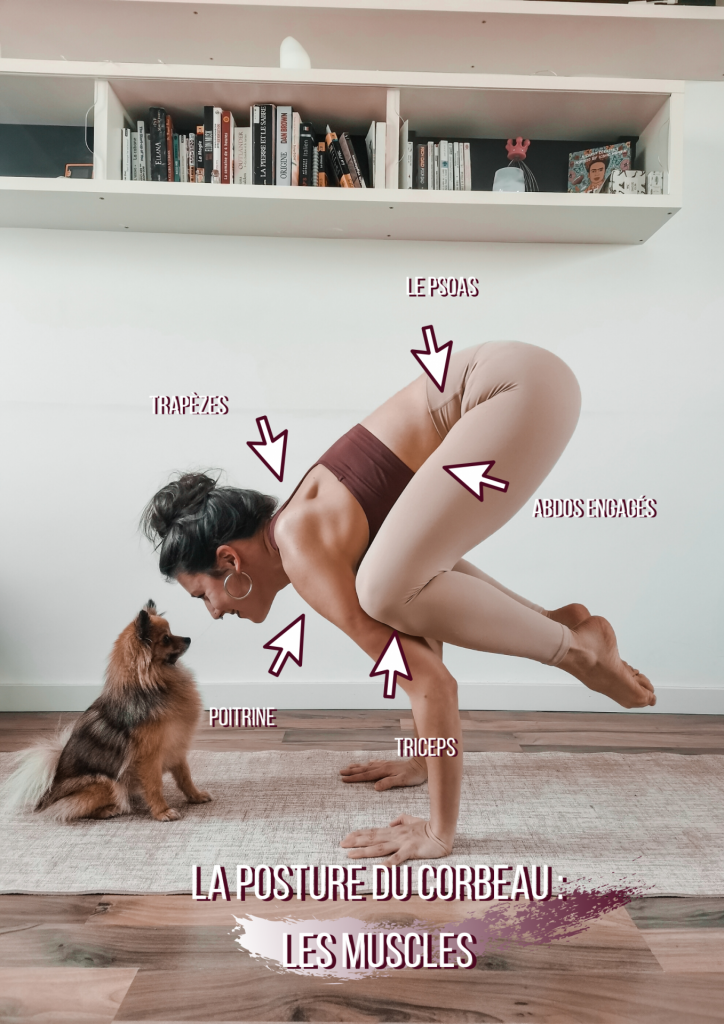
La pose du corbeau, apparue au XXᵉ siècle, a conquis le monde par sa forme acrobatique et son symbolisme réinventé, loin...
View Board
La haute couture parisienne en 2025 mise sur l'artisanat pour survivre, entre départs de directeurs artistiques et strat...
View Board
Apple y Google unen fuerzas en 2026 para revolucionar Siri con IA Gemini, marcando un hito en la inteligencia artificial...
View Board
AMD lance Helios, un rack IA de 3 exaflops, défiant Nvidia avec 72 GPU MI455X et un partenariat clé avec OpenAI.
View Board
Comments