



Explore Any Narratives
Discover and contribute to detailed historical accounts and cultural stories. Share your knowledge and engage with enthusiasts worldwide.
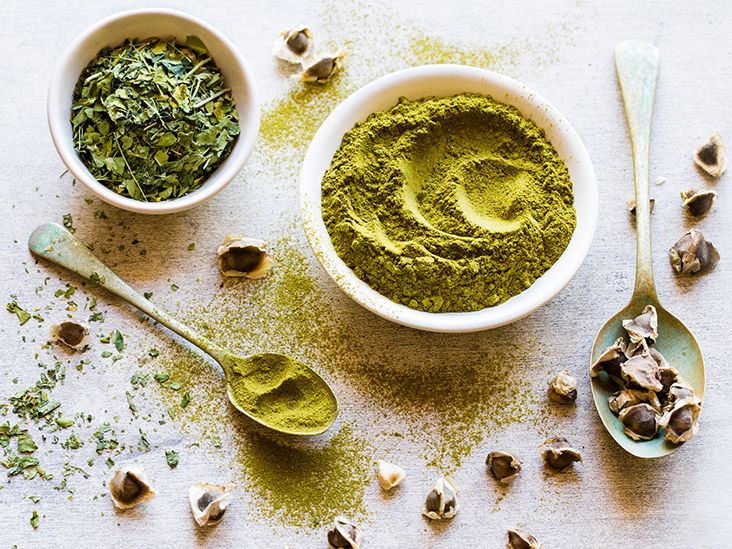
The story begins not in a modern supplement aisle, but in the dust. It starts in rural communities across India, sub-Saharan Africa, and Central America, where a resilient, fast-growing tree with delicate, feathery leaves has sustained populations for centuries. Its name is Moringa oleifera. For generations, it was simply food, a reliable source of nutrition in harsh climates. Then, around the dawn of the 21st century, a transformation began. The humble moringa leaf was dried, powdered, and catapulted into the global wellness lexicon, branded as a “miracle tree.” Its most potent selling point? A staggering claim that it contained twenty-five times more iron than spinach, the Western world’s leafy green benchmark.
That specific claim is a myth. But the truth beneath the exaggeration is more fascinating than the hyperbole. It reveals a complex narrative about nutritional science, cultural appropriation of traditional knowledge, and the very definition of a “superfood.” This is the biography of a nutrient, and the controversial plant that carries it.
To understand moringa, you must first understand water. A fresh spinach leaf is approximately 91% water. A scoop of moringa leaf powder contains almost none. This fundamental difference is the engine behind the most common—and most misleading—nutritional comparisons. When you remove the water, you concentrate everything else: the fiber, the protein, and critically, the minerals like iron.
The numbers, when presented raw, are undeniably impressive. Per 100 grams, raw spinach provides about 2.7 milligrams of non-heme iron. The same weight of moringa leaf powder delivers approximately 28 milligrams. A simple ratio calculation shows moringa powder offers roughly ten times the iron of fresh spinach by weight. This is the factual core that marketing teams stretched into the legendary “25x” figure.
But this is a flawed matchup. It compares a concentrated, shelf-stable powder to a fresh, water-heavy vegetable. It’s like comparing a raisin to a grape and declaring the raisin a sugar superfood. A 2019 study published in the Foods journal provided the necessary correction, analyzing both plants on an equal, dry-matter basis. The conclusion was definitive.
“Moringa does not contain 25 times more iron than spinach,” the researchers stated. “At most, it contains 3.4 times more iron than dried spinach.”
In fact, when dried spinach powder is analyzed, its iron content can measure around 35 mg/100g—slightly higher than moringa powder. The real story isn’t that moringa possesses some unique, magical iron-producing property. The story is about density, preservation, and the power of a traditional food processing technique: drying.
Dr. Anika Patel, a public health nutritionist who has worked on fortification projects in Kenya and India, has witnessed moringa’s practical value firsthand. She views the superfood hype with a mix of appreciation and frustration. “In the villages where I worked, no one called it a superfood,” she says, her voice carrying the weariness of someone who has battled both malnutrition and misinformation. “They called it ‘the drumstick tree’ or just ‘the green leaf.’ Mothers would add a handful of dried leaf powder to a communal pot of porridge. It was a simple, cost-effective way to boost the iron and calcium content for an entire family.”
For Dr. Patel, the powder’s advantage is logistical as much as it is nutritional. “Spinach wilts in the heat within a day. Moringa leaves, once dried and powdered, can be stored for months without refrigeration. In a context where iron-deficiency anemia affects nearly 50% of women and children, this isn’t about trendy smoothies. It’s about food security.” She pauses, then adds a critical caveat. “But we must be honest with communities. We tell them it is a good, dense source of iron, not a magic cure. And we always emphasize it must be part of a varied diet.”
“The ‘25x’ myth does a disservice,” Dr. Patel asserts. “It creates unrealistic expectations and distracts from moringa’s genuine, context-specific benefits as a resilient, nutrient-dense food source for vulnerable populations.”
Her perspective anchors the moringa narrative in human need rather than commercial desire. The powder’s potency isn’t just a number on a lab report; it’s a tool for combating a pervasive global health issue. This utility in public health initiatives is where moringa’s biography finds its most compelling chapter, far removed from the shelves of boutique health stores.
Focusing solely on the iron-versus-spinach debate obscures moringa’s broader nutritional profile. The powder is a dense package of several key nutrients. Its calcium content is remarkable, often cited at around 2,000 milligrams per 100 grams. This dwarfs the calcium content of fresh spinach (about 99 mg/100g) and even rivals milk powder on a dry-weight basis. It is a significant source of plant-based protein, containing all nine essential amino acids, which is rare for a leaf.
Yet, here too, context is king. The vibrant green color suggests high levels of antioxidants and vitamins, but the drying process is a destructive force. Fresh moringa leaves are an excellent source of Vitamin C, containing over 200 mg/100g. In the powder, that plummets to about 17 mg/100g due to the degradation caused by heat and oxidation during processing. The much-touted Vitamin A advantage over carrots also crumbles under scientific scrutiny. The same 2019 study that corrected the iron myth found moringa’s provitamin A carotenoid content was 55% lower than that of dried carrots.
What emerges is a portrait of a genuinely nutrient-dense food, but one with specific strengths and clear vulnerabilities. It is not a panacea. It is, in essence, a highly concentrated leafy green powder. Its “super” status is contingent on the metric used and the point of comparison. Against fresh spinach in an iron-per-gram contest, the powder wins decisively. Against its own fresh form or other dried vegetables, the lead narrows or disappears.
The biography of moringa powder, therefore, is not a simple chronicle of a champion. It is a more nuanced story of elevation—from a local, traditional food to a global commodity, wrapped in a tangled web of accurate data, exaggerated claims, and undeniable practical utility. Its journey from village trees to wellness blogs reveals as much about our desire for simple nutritional solutions as it does about the plant itself. The next chapter of this story delves into the complex science of bioavailability, the bitter taste of truth behind the antioxidants, and the agronomic reality of the so-called “miracle tree.”
A number on a lab report is a promise. Bioavailability is the harsh reality of whether that promise is kept. This is where the simplistic narrative of moringa as an iron champion meets its most significant complication. Both moringa and spinach contain non-heme iron, the plant-based form that the human body absorbs with less efficiency than the heme iron from animal products. Their true nutritional value isn't just about what they contain, but what our bodies can actually use. And both plants come with built-in security systems—antinutrients—that lock minerals away.
Spinach’s notorious flaw is its high oxalate content. These compounds bind to calcium and iron, forming insoluble salts that pass through the digestive system unabsorbed. This is why nutritionists often pair spinach with vitamin C-rich foods, as ascorbic acid can counteract this effect. Moringa, marketed as the cleaner, more efficient alternative, has its own baggage. A 2024 study on Moringa stenopetala in Scientific Reports quantified the issue, finding that the leaves contained significant levels of phytates and, critically, tannin levels that exceeded World Health Organization recommendations for minimizing mineral absorption inhibition.
"Moringa stenopetala is a nutrient-dense tree crucial for combating micronutrient deficiencies in arid regions," the study's authors affirm, highlighting its potential. Yet the data reveals the tension: the very compounds that may contribute to the tree's hardiness and pest resistance also complicate its role as a straightforward nutritional solution.
This creates a scientific stalemate that marketing brochures conveniently ignore. Is the higher total iron content in moringa powder negated by its own antinutrients? Does spinach’s lower starting number, when paired correctly in a meal, ultimately deliver a comparable payload? The definitive, large-scale human absorption studies don’t exist. What we have are fragments, and often, flawed ones.
The leap from traditional use to clinical proof is a canyon. Moringa is frequently promoted for treating iron-deficiency anemia, especially in postpartum women. The evidence cited, however, crumbles under professional scrutiny. The U.S. National Library of Medicine’s authoritative LactMed database reviewed a key Indonesian trial comparing moringa flour capsules to standard iron-folate supplements in mothers. Their evaluation is damning in its clinical precision.
"So many critical facts were left out of the reporting of the study… that it is impossible to evaluate this study’s validity." — LactMed, U.S. National Library of Medicine
Another trial, examining moringa-enriched cookies, showed some positive effect on infant weight gain but again suffered from incomplete reporting. This pattern is endemic. The raw, promising observational data—the dense nutrient profiles, the centuries of use—runs headlong into the rigorous, often disappointing world of controlled human trials. The scientific community’s cautious "evidence is promising but limited" translates, in the wellness ecosystem, to a definitive "miracle tree." This disconnect isn't just academic; it influences public health policy and the spending of limited aid dollars. Should resources flow toward moringa cultivation and distribution, or toward proven, if less glamorous, interventions like fortified staples and supplementation?
The "25x more iron" claim didn't emerge from a vacuum. Its biography traces the journey of moringa from a local resource to a global commodity. For centuries across South Asia and parts of Africa, moringa was simply a useful tree. Its leaves, pods, and seeds were food and medicine, its cultivation knowledge passed down without fanfare. The 1970s through 1990s saw a shift, as NGOs and development agencies recognized its agronomic virtues—drought resistance, fast growth—and began promoting it as a "multipurpose tree" for food security projects in arid regions. The focus was pragmatic: leaf protein and micronutrients for vulnerable communities.
The turn of the millennium marked the inflection point. As the internet connected global markets, moringa’s story was repackaged for a new, health-conscious Western audience. The early 2000s saw the first wave of eye-catching infographics, likely originating from well-intentioned but overzealous development pamphlets, that presented moringa through the lens of superlative comparison. The language of "x times more than" is irresistible marketing, a shortcut to significance. By the 2010s, as the "superfood" market exploded with acai, goji, and kale, moringa was perfectly positioned. Its complex background was distilled into a single, powerful, and flawed soundbite.
Examine any popular health website today and you will find a carnival of numbers. One prominent portal, Tua Saúde, encapsulates the entire problem in a single article. In the descriptive text, it boldly claims moringa leaves contain "105 mg of iron per 100g." Just a few paragraphs later, its own standardized nutrient table for moringa powder lists the iron content at 6 mg per 100g. This isn't a minor discrepancy; it's a chasm. It illustrates how numbers are copied, pasted, and inflated through a game of nutritional telephone, losing all connection to primary lab data.
"Moringa… is packed with over 100 active substances, including iron, calcium, and powerful antioxidants like quercetin." — Tua Saúde, Health Portal
This quote is factually true but strategically vague. "Packed with" implies a unique density, yet spinach and countless other greens also contain a similar suite of nutrients and phytochemicals. The statement trades on implication, not comparison. The 2024 agronomic study provides the necessary counterweight, focusing not on mythical multipliers but on real-world utility: moringa as a resilient source of essential minerals in specific, challenging environments. Its value is contextual, not universal.
Forget the 100-gram comparisons. No one consumes a heaping bowl of dense, green powder. A typical serving of moringa powder is a teaspoon, roughly 3-5 grams. At the more realistic lab value of 6 mg of iron per 100g, that teaspoon provides about 0.2-0.3 mg of iron. Compare that to a 100-gram serving of cooked spinach (a reasonable side dish), offering 2-3.6 mg. The math is humbling. The concentrated powder must be understood for what it is: a potent condiment or supplement, not a primary food source.
Then there is the taste. Described often as "earthy," "grassy," or "bitter," moringa powder’s flavor profile is an acquired taste that limits its incorporation. The 2019 fortification study noted that products with a 50% moringa replacement were only deemed acceptable when sweetness was added to mask the bitterness. This is not the profile of a seamlessly integrable superfood. It is a functional ingredient that requires culinary engineering. Spinach, by contrast, has a mild, versatile flavor that disappears into smoothies, wilts into pasta, and blends into curries without a fight. This practical, sensory difference matters more in daily life than any theoretical nutrient ratio.
Consider the full nutrient snapshot from common data. Moringa powder, per 100g, boasts 33.3 grams of protein and a staggering 2,667 mg of calcium. The energy content is 500 kcal. These are the numbers of a concentrated foodstuff, remarkable in a context of caloric and nutritional scarcity. But who is the audience for this data? A public health worker formulating a supplement for a malnutrition clinic, or a consumer in a wealthy nation adding a pinch to a $12 smoothie? The dissonance is critical. For the former, moringa is a potent tool. For the latter, it is often a redundant, expensive, and poorly absorbed source of nutrients readily available from a varied diet.
"Moringa leaves are high in iron (105 mg per 100g), promoting red blood cell production and helping treat iron-deficiency anemia." — Tua Saúde, Health Portal
Placed beside the bioavailability research and the serving-size reality, this confident claim feels not just exaggerated, but potentially irresponsible. It promotes a simplistic, food-as-pharmaceutical model that nutrition science has repeatedly debunked. Can a food be "high in" a nutrient and yet be a poor tool for correcting a deficiency of that same nutrient? The moringa paradox suggests the answer is yes.
The narrative of the forgotten superfood is ultimately a story about perspective. From the dry soils of Ethiopia where Moringa stenopetala is a lifeline, the powder is a triumph of agronomy and tradition. From the shelves of a boutique grocery store in Los Angeles, it is often a symbol of nutritional magical thinking. Its iron content outperforms spinach only under a very specific, dehydrated, and mass-based calculation. In the human body, in a real diet, and in the landscape of global nutrition, the competition is far less clear-cut. The final chapter of this story isn't about declaring a winner, but about understanding how a single plant can embody both genuine hope and pervasive hype, and why distinguishing between the two is one of the most important skills in modern nutrition.
The moringa story transcends nutrition. It is a modern parable about how traditional knowledge from the Global South is extracted, simplified, and sold back to the world under a new, commercialized banner. The tree’s journey from a local staple to a global “superfood” mirrors the extractive patterns of colonial botany, but with a wellness sheen. Its significance lies not in whether it has 3 times or 25 times the iron of spinach, but in what its marketing reveals about our desire for silver-bullet solutions to complex problems like malnutrition and dietary health.
In its authentic context, moringa represents a brilliant adaptation: a drought-resistant, fast-growing source of dense nutrition for communities with limited agricultural options. This is its profound and enduring legacy. NGOs and local governments continue to support its cultivation for food security, a quiet, impactful use that generates no viral infographics. The 2024 research on Moringa stenopetala underscores this, framing the tree not as a miracle, but as a resilient tool. “This species holds promise for sustainable leaf production in water-limited areas,” the study notes, focusing on yield and resilience, not mythical multipliers. Its cultural impact is rooted in survival and sovereignty.
Contrast that with its identity in Western markets. Here, moringa is often stripped of its cultural and ecological context, reduced to a dehydrated powder and a list of exaggerated claims. It becomes another commodity in the wellness industrial complex, where the narrative of “ancient secret discovered by modern science” fuels premium pricing. This duality is the core significance. The same plant is simultaneously a pragmatic lifeline in one community and an aspirational luxury product in another. The tension between these two identities—the utilitarian and the commercial—is where the real story lives.
"The promotion of moringa should focus on its proven agronomic advantages and role in diverse local diets, not on unsustainable and scientifically dubious superlatives that mislead consumers and obscure its real value." — Dr. Anika Patel, Public Health Nutritionist
This quote cuts to the heart of the matter. The exaggerated “superfood” narrative doesn’t just distort science; it risks distorting purpose. When the focus shifts to selling a global supplement, attention and resources may drift away from supporting the localized, sustainable food systems where moringa has the most profound impact. The legacy of moringa will be determined by which narrative wins: the one of contextual, ecological food security, or the one of decontextualized, commercialized nutritionism.
For all its promise, moringa advocacy is shadowed by critical, unanswered questions. The bioavailability issue is not a minor footnote; it is a central flaw in the marketing thesis. If a significant portion of its impressive mineral content is bound by phytates and tannins, what is the actual delivered benefit compared to cheaper, more bioavailable fortified foods or diversified diets? The clinical evidence for its medicinal claims, particularly for anemia and lactation, remains pathetically thin, often built on studies with methodological holes so large, as LactMed noted, that they are impossible to properly evaluate.
Furthermore, the supply chain ethics are murky. As demand in wealthy nations grows, who benefits? Is the cultivation shifting from small-scale, sustainable local use to larger monoculture plots destined for export, potentially replicating exploitative agricultural patterns seen with quinoa or avocados? The bitter taste that requires masking with sweeteners points to another truth: as a food, in its pure form, it is not particularly palatable. Its promotion often relies on it being an ingredient hidden in capsules or flavored blends—a supplement, not a food. This distances the consumer even further from the reality of the plant and creates a product utterly dependent on processing and packaging.
The most damning criticism may be one of distraction. In the relentless search for the next superfood, we risk ignoring the foundational principles of nutrition: dietary diversity, whole foods, and caloric adequacy. The fascination with a single plant’s nutrient density becomes a distraction from the harder, systemic work of improving food access, education, and equity. Moringa powder didn’t solve malnutrition in the regions where it grows natively, because malnutrition is rarely about a lack of a single, magical leaf. It is about poverty, infrastructure, and education. Selling it as a solution is not just exaggerated; it can be ethically negligent.
The future of moringa will not be written in supplement stores, but in agricultural research stations and policy forums. Its greatest potential lies not in boutique jars, but in its genetics. As climate change intensifies drought cycles, the search for resilient, nutrient-dense crops becomes a global imperative. Research published in August 2024 in Scientific Reports is already exploring optimal irrigation strategies for Moringa stenopetala to maximize leaf yield—the kind of pragmatic science that truly serves food security.
We will see more of this. Expect peer-reviewed studies in 2025 to focus on breeding cultivars for lower antinutrient content, optimizing processing methods to preserve vitamin C, and rigorous human trials that finally provide clear answers on iron absorption. The hype cycle will inevitably fade, as it did for acai and goji, replaced by the next botanical sensation. The moringa that remains will be the one that proves its worth in the field, not on the label.
By 2030, the most successful moringa initiatives will likely be those that never used the word “superfood.” They will be local circular economies where the tree provides leaves for nutrition, seeds for water purification, and biomass for soil improvement. Its legacy will be measured in the resilience of farming communities, not in global sales figures. The powder will still exist, but perhaps as a niche, honest ingredient—a concentrated green with measurable benefits, not mythical properties.
So, does the forgotten superfood outperform spinach in iron content? On a dry-weight, laboratory-scale, yes, by a factor that is significant but human. In the human gut, in a cultural context, on a dinner plate? The answer is far messier, more interesting, and ultimately more revealing of our own appetites than of the plant’s true nature. The final image is not of a powder, but of a tree—gnarled, drought-resistant, and deeply rooted—offering its leaves to the dry earth it calls home, indifferent to the numbers we assign it.
Your personal space to curate, organize, and share knowledge with the world.
Discover and contribute to detailed historical accounts and cultural stories. Share your knowledge and engage with enthusiasts worldwide.
Connect with others who share your interests. Create and participate in themed boards about any topic you have in mind.
Contribute your knowledge and insights. Create engaging content and participate in meaningful discussions across multiple languages.
Already have an account? Sign in here

Fermented garlic honey bridges ancient Egyptian medicine and modern kitchens, blending allicin’s potency with honey’s pr...
View Board
1996 research debunks the samurai Tabata myth, exposing the scientific creation of a four‑minute, eight‑round interval p...
View Board
Shinrin-yoku, Japan's 1982 forest bathing practice, blends science and spirituality, lowering stress and boosting immuni...
View BoardNew study reveals skin bacteria linked to lower stress, hinting probiotic skincare may redefine beauty as mental wellnes...
View Board
Iyengar Yoga with a chair transforms osteoporosis care, using precise, supported poses to rebuild bone density and confi...
View Board
The 1920s Yoga Rebellion: How Asanas Defied Colonial Rule The year is 1924. The Mysore Palace, a sprawling testament to ...
View Board
Die 10-Minuten-Regel revolutioniert Burnout-Prävention im Homeoffice: Mikropausen als wissenschaftlich fundierte Selbstv...
View Board
À Athènes, 44° et 42 L d’eau corporelle illustrent l’osmose, le sodium et la soif tardive ; le mythe des 8 verres s’effr...
View Board
Comments