


Explore Any Narratives
Discover and contribute to detailed historical accounts and cultural stories. Share your knowledge and engage with enthusiasts worldwide.
The story of modern skincare is a chronicle of war. For decades, the dominant narrative was one of eradication: cleanse away the dirt, exfoliate the dead cells, and annihilate the bacteria. The very idea of a "microbe" on the skin was framed as a problem to be solved, an enemy to be vanquished. This mindset is now collapsing. In its place, a more sophisticated, almost diplomatic, understanding is emerging. We are not just hosts to these microscopic communities; we are ecosystems. And the health of that ecosystem, scientists are discovering, might hold the key to something far more profound than a clear complexion. It might influence our state of mind.
In early 2025, a team of researchers at Unilever published a study in the British Journal of Dermatology. The methodology was straightforward, almost elegant in its simplicity. They took swabs from 53 adults, sampling four distinct body sites: the face, the scalp, the forearm, and the underarm. Concurrently, they gave these participants detailed questionnaires probing their psychological wellbeing—their perceived stress levels, their general mood, the quality of their sleep. The goal was to search for patterns, a statistical whisper linking the invisible world on our skin to the intangible world within our minds.
What they found was not a whisper. It was a clear signal. Higher levels of a common skin bacterium, Cutibacterium—a genus that includes the much-maligned C. acnes—were consistently correlated with positive psychological outcomes. This was not a uniform effect across the body. The associations were site-specific. On the face and under the arms, higher Cutibacterium abundance was linked to lower stress. In the underarms, it was also tied to better mood. The data suggested that the microbial citizens living in these particular neighborhoods of our body might be playing a role in how we feel.
According to Jason Harcup, Unilever's Chief R&D Officer, "This is the first time we've seen body-site-specific associations between the skin microbiome and mental wellbeing. It opens up a completely new frontier for thinking about skincare not just as a cosmetic, but as a potential contributor to mental wellness."
This is a pivotal statement. It reframes the purpose of a skincare product from a tool of surface-level correction to an agent of systemic influence. The study, while preliminary due to its modest sample size and correlative nature, acts as a powerful catalyst. It provides a tangible, data-driven foundation for a concept that has been simmering in scientific circles for years: the existence of a skin-brain axis.
The gut-brain axis is now a well-established concept in neuroscience and medicine. The trillions of bacteria in our digestive tract produce neurotransmitters, communicate with the vagus nerve, and demonstrably influence everything from anxiety to depression. The idea that our skin—our largest organ, densely packed with nerve endings and immune cells—might have a similar line of communication with the brain is logically compelling. The skin is not a passive wrapper. It is a sensory and immunological powerhouse.
Stress, the kind that knots your shoulders and clouds your thoughts, has a direct and visible impact on the skin. It triggers inflammation, exacerbates conditions like eczema and psoriasis, and can alter the skin's oil production. This is the brain talking to the skin. The Unilever study hints at the reverse conversation. The microbes on our skin may be talking back. They could be producing metabolites or signaling molecules that influence local nerve endings or diffuse into the bloodstream, subtly modulating our neurochemistry.
Consider the lowly underarm, a site of profound social and olfactory significance. The study found mood correlations specifically there. Is it possible that the microbial balance in that region, which directly influences our personal scent and our sense of social confidence, has a feedback loop to our emotional center? The question feels less like science fiction with every new data point.
"We've long known that skin conditions like acne and atopic dermatitis carry a heavy psychological burden—anxiety, low self-esteem, social isolation," says Dr. Anya Jones, a dermatologist not involved in the study who has written on psychodermatology. "What's new is flipping the script. Instead of just the mind affecting the skin, we're seeing compelling evidence that the skin's microbial ecosystem might actively influence the mind. It turns a vicious cycle into a potential virtuous one."
This bidirectional relationship shatters the old beauty paradigm. A pimple is no longer just a clogged pore; it is potentially the endpoint of a complex dialogue between your environment, your microbes, and your mood. Skincare, therefore, becomes less about attacking symptoms and more about cultivating an environment. It becomes gardening.
The beauty industry is a master of linguistic and scientific adaptation. The term "probiotic," once firmly anchored in the world of yogurt and digestive health supplements, has migrated to the serum and moisturizer aisle. Initially, this move was justified on grounds of barrier function and immunity—feeding the "good" skin bacteria to strengthen its defenses. The 2025 findings provide a potent new narrative engine: psychological wellbeing.
If specific bacteria like Cutibacterium are correlated with lower stress, the commercial implication is clear. The next generation of probiotic skincare will not just claim to "calm" skin redness. It will position itself as a tool to calm the nervous system. It will move from promising a "healthy glow" to promising a "calmer mind." This is a significant leap in value proposition. It transforms a topical product into a holistic wellness accessory.
Unilever's research, which leverages a database of over 30,000 skin samples and a portfolio of 100+ related patents, is not academic curiosity. It is commercial reconnaissance. They are mapping the terrain of a new market. The "beauty trend" this foretells is not a fleeting ingredient fad like snail mucin or bakuchiol. It is a fundamental reorientation of what skincare is for. It merges the booming "mental wellness" industry with the perennial skincare industry, creating a new hybrid category.
Imagine a face cream, launched perhaps in late 2026 or 2027, marketed with the tagline: "A calmer microbiome for a calmer you." Its efficacy would be measured not just by biometric hydration readings, but by user-reported reductions in daily stress scores. The clinical trials would include psychological assessments alongside dermatological ones. This is the logical endpoint of the current research trajectory.
But this path is strewn with scientific and ethical questions. How do you design a topical probiotic that reliably influences a complex, individual microbiome? Can a correlation ever be translated into a cause, and then into a controlled treatment? And what are the risks of commercializing mental health promises in a jar? These questions will define the next chapter of this story. For now, the hook is set. The possibility that swiping on a serum could influence your anxiety levels has moved from the fringes of fringe science to the pages of a major dermatology journal. That changes everything.
The publication of the Tyson-Carr et al. study in the British Journal of Dermatology in 2025 was not an end point. It was a starting pistol. It provided a map, however preliminary, of a territory few had thought to explore in detail: the direct, site-specific link between our skin's microbial inhabitants and our psychological state. But a map is not the terrain. The immediate, and entirely necessary, question that arises from any such correlative study is the old scientific chestnut: which came first? Does a healthy, Cutibacterium-rich microbiome foster a calmer mind, or does a calm, low-stress life cultivate a more hospitable environment for those same bacteria?
"Recent research has further revealed links between the skin microbiome and psychological wellbeing, suggesting that interventions aimed at supporting a healthy skin ecosystem may not only improve cutaneous health but also promote mental health and emotional resilience." — From a review citing Tyson-Carr et al., British Journal of Dermatology, 2025
The skin itself offers a compelling argument for a bidirectional conversation. It is far more than a passive barrier. Dermatology now frames it as a neuro-immune-endocrine interface. It possesses its own functional equivalent of the body's central stress-response system, the hypothalamic-pituitary-adrenal (HPA) axis. The skin synthesizes its own cortisol, its own corticotropin-releasing hormone (CRH), its own adrenocorticotropic hormone (ACTH). This local machinery exists to respond to stressors—including psychosocial ones. When you feel a wave of anxiety, your skin's local HPA axis activates. This triggers sebocytes to proliferate and pump out lipids, a key step in microcomedone formation, the precursor to acne. It alters the skin's antimicrobial peptide profile, potentially favoring the colonization of specific bacteria like C. acnes. The skin, in this model, is a stress organ.
This mechanistic understanding turns the correlation on its head. Chronic stress isn't just a vague backdrop for skin issues; it is a direct, hormonal driver of the skin's microenvironment. It creates the conditions for dysbiosis—a microbial imbalance. The question then becomes: if we can correct that dysbiosis, can we interrupt the feedback loop? Can we calm the skin to calm the mind, thereby creating a more hospitable skin environment, in a virtuous cycle?
All roads in microbiome research eventually lead back to the gut. The gut-brain axis is the established paradigm, the proof-of-concept that microbes can talk to the mind. The science there is both promising and fraught with complexity.
"We already know that the trillions of microbes in our digestive system talk to the brain through chemical and neural pathways, affecting our mood, stress levels, and even cognition." — Srinivas Kamath, PhD candidate, University of South Australia
Gut-focused probiotic trials have shown modest but real improvements in mood and anxiety. The leap the beauty industry is attempting is to translate this logic to a different organ. But the skin is not the gut. Its microbial density is lower, its exposure to the external environment far greater, and the pathways of communication—while plausible through local nerves, immune signaling, and systemic circulation—are less mapped. The optimism, however, is fueled by early, concrete results from adjacent fields.
Consider a meta-analysis published in Frontiers in Microbiology in 2025. It examined the effect of combining oral probiotics with antihistamines for chronic urticaria, a skin condition characterized by hives and intense itching, often linked to stress. The data was stark. Probiotics boosted the urticaria relief rate with an odds ratio of 2.90. They reduced the 7-day urticaria activity score by a mean difference of -3.29. Critically, they improved patients' Dermatology Life Quality Index (DLQI) scores by -2.95. This last figure is the tell. It measures how much a skin condition disrupts a person's life—their sleep, daily activities, and mental state. Probiotics didn't just treat the hive; they treated the suffering caused by the hive.
This is the model for the skin-brain axis: interventions that treat the cutaneous condition and, by extension, alleviate its psychological burden. But the ambition of the new wave of beauty probiotics is more direct. It isn't just about fixing a problem like acne or eczema to improve self-esteem. It's about applying a cream to a healthy face to directly induce a state of lower anxiety. That is a bolder, less proven claim.
The beauty industry is a storytelling engine. It thrives on scientific aspiration, on the "could be" and the "might." The research on the skin-brain axis provides a powerful new story, one that aligns perfectly with two dominant cultural trends: the obsession with wellness and the destigmatization of mental health. A serum is no longer a luxury; it is a form of self-care, a tool for mindfulness, a prescription for resilience. The marketing copy writes itself.
But beneath the gloss, a fierce scientific debate simmers. The leap from correlation to causation in microbiome science is a canyon, not a step.
"But the big question is whether changes in gut bacteria actually drive mental illness or mirror what’s happening elsewhere in the body." — Srinivas Kamath, PhD candidate, University of South Australia
This skepticism is not mere pedantry. It is the central, unresolved tension in the field. Do specific microbes produce neurotransmitters like serotonin or GABA in situ on the skin in quantities sufficient to influence mood? Or are they simply biomarkers of a healthy individual with a balanced lifestyle, good diet, and low stress—someone who would have better mental health regardless of their topical routine? Animal studies offer clues. Research on the gut bacterium Akkermansia muciniphila, for instance, shows its administration can reduce amyloid-beta plaques in the brain, boost BDNF and dopamine levels, and exert antidepressant effects in mouse models. This is compelling evidence of causality in a controlled setting. Translating that to a human face, with its unique microbiome, constant environmental assaults, and individual neurochemistry, is a different challenge entirely.
The commercial risk is clear. A flood of "psychobiotic" skincare products will hit the market, making soft, suggestive claims about "wellness" and "balance." They will cite the Tyson-Carr study and the concept of the skin-brain axis. Regulators will struggle to police the line between a cosmetic and a drug. Consumers, desperate for solutions to rising anxiety levels, will be vulnerable. Is it ethical to sell hope in a jar when the mechanism is still a hypothesis?
My position is one of cautious intrigue. The potential is too significant to dismiss. A Korean cross-sectional study, for example, directly linked sensitive skin syndrome to increased anxiety and depression and a reduced quality of life. If calming the skin's neurogenic inflammation through microbiome support can break that link, that is a profound medical and psychological advance. But the current evidence does not yet support the idea of a universal, over-the-counter "mood moisturizer." The effects will be subtle, individual, and likely contingent on a person's unique microbial fingerprint.
Let's be brutally specific about what we know and what we don't. The foundational Unilever study involved 53 adults. This is a pilot study, a signal-finding mission. It is not a large-scale clinical trial. The urticaria meta-analysis, while showing impressive effect sizes, is focused on a specific, pathological condition, not general wellbeing. The statistics there—the odds ratio of 2.90, the DLQI improvement of -2.95—are powerful, but they exist within a medical framework, not a cosmetic one.
The path forward requires a new breed of clinical trial. Future studies must be larger, longer, and more sophisticated. They need to move beyond self-reported questionnaires and incorporate physiological measures of stress like cortisol levels, heart rate variability, and functional MRI scans. They must account for confounders: diet, exercise, medication, and lifestyle. They need to identify which specific bacterial strains, applied topically or taken orally, produce replicable psychological effects. And they must answer the fundamental question of mechanism.
"While A. muciniphila regulates BDNF/corticosterone for antidepressant effects in models, human translation needs validation; skin HPA axis integrates stress but requires more on probiotic specificity." — Expert analysis from a 2025 review
The beauty industry is not known for its patience or its appetite for such expensive, slow-moving science. The commercial imperative is to get there first. The result will likely be a period of confusion, with a mix of genuinely innovative, science-backed products and a swamp of opportunistic pseudoscience. The onus will be on dermatologists, psychiatrists, and informed consumers to separate the two.
Can a face cream be a form of mental healthcare? The answer is probably yes, but not in the simplistic, one-size-fits-all way it will initially be sold. The future of psychodermatology lies in personalization. It lies in understanding an individual's skin microbiome, their stress biomarkers, and their psychological profile, and then crafting a regimen—which may include topical probiotics, oral supplements, and behavioral therapy—to restore balance across the skin-brain axis. That is the real trend, far bigger than beauty. It is the integration of dermatology into holistic, preventive medicine. The jar of cream is just the beginning.
The conversation around the skin-brain axis is not a niche dermatological debate. It is a cultural pivot point. For over a century, Western beauty has been predicated on separation: the mind here, the body there, the skin as a canvas to be scrubbed, peeled, and painted into an ideal of perfection that existed only on the surface. This research dismantles that entire philosophy. It posits that the state of our mind is written on our skin, not just metaphorically through wrinkles of worry, but biologically, through the populations of microbes that call it home. The implications ripple far beyond the cosmetics counter.
The beauty industry, a trillion-dollar global entity, is fundamentally an industry of anxiety. It sells solutions to insecurities it often helps to create. The skin-brain axis research offers a radical alternative: what if skincare became a practice of genuine, physiological self-care? What if the act of applying a moisturizer was not an attempt to mask a perceived flaw, but a deliberate, evidence-based intervention to regulate one's own nervous system? This shifts the paradigm from correction to cultivation, from warfare to diplomacy. It aligns with a broader, post-pandemic cultural demand for wellness that is actionable, personal, and rooted in science—or at least its compelling frontier.
"Dermatology shifts to preventive care via microbiome therapies, epigenetic clocks, and psychosocial benefits like reduced anxiety, extending healthspan." — Expert analysis from a 2025 longevity and dermatology review
This is the true significance. It reframes dermatology from a reactive specialty treating disease to a proactive partner in sustaining mental and physical wellbeing. The goal expands from treating acne to fostering emotional resilience. This is not a small change. It represents the integration of dermatology into the core of integrative medicine, positioning skin health as a vital sign for overall health. The legacy of this early 2025 research will be measured not in serums sold, but in whether it forces a permanent recalibration of how we value and care for our largest organ.
For all its promise, the skin-brain-psychobiotic field is a minefield of overinterpretation, commercial opportunism, and scientific overreach. The primary and glaring weakness is the chasm between compelling correlation and proven, mechanistic causation. The Tyson-Carr study linked Cutibacterium levels to wellbeing questionnaires. It did not demonstrate that applying a topical probiotic containing that bacterium reduces anxiety in a randomized, double-blind, placebo-controlled trial. That crucial step may take years, and the results may be modest or highly individual.
The beauty industry, however, operates on a different timeline. By the end of 2026, the market will be saturated with products making soft, suggestive claims like "calms the skin and the mind" or "supports your skin's ecosystem for a more balanced mood." These claims will live in a regulatory gray area, leveraging the emerging science without making direct medical assertions. Consumers, particularly those struggling with anxiety, are vulnerable to such messaging. They may invest significant money and hope in products with unproven psychological benefits, potentially delaying or replacing established treatments like therapy or medication.
There is also a reductionist risk. Anxiety and depression are complex disorders with genetic, environmental, traumatic, and social determinants. To suggest they can be meaningfully addressed by a topical cream is not just simplistic; it is dangerously so. It medicalizes a social and psychological condition into a skincare problem. The most valid application of this science is likely as an adjunct therapy—one tool among many in a holistic approach to mental health. Sold as a silver bullet, it becomes a disservice.
Furthermore, the focus on a single genus like Cutibacterium ignores the fundamental complexity of the microbiome. It is an ecosystem, not a monoculture. Boosting one bacterium could inadvertently suppress another, with unforeseen consequences. The history of probiotics is littered with examples of strain-specific effects; what works for one person may do nothing, or even harm, another. The dream of a universal "mood moisturizer" is almost certainly a fantasy. The reality will be messy, personalized, and far less marketable.
The next phase of this story will unfold in research labs and, tellingly, in Silicon Valley. The logical endpoint of personalized medicine is personalized skincare. The convergence of affordable microbiome sequencing, wearable stress biometrics, and artificial intelligence will enable a new product category: truly bespoke skincare regimens. Imagine a service, likely launching as a premium offering in 2027 or 2028, where a customer submits a skin swab and completes a psychological assessment. An algorithm analyzes their unique microbial profile and stress biomarkers, then formulates a synbiotic blend (probiotics plus prebiotics) designed not just for their skin type, but for their neurotype.
This is not science fiction. Companies like uBiome and Seed already operate in the gut microbiome testing space. The technological leap to the skin is minimal. The major barrier is scientific validation. The next critical studies will need to move beyond broad correlations. They must identify specific microbial metabolites—the chemicals these bacteria produce—that directly interact with human skin cells or nerve endings. They must trace the pathway from jar to face to brainstem. This work is underway in academic centers, but the pace will accelerate as major beauty conglomerates, armed with the 2025 findings, pour investment into their R&D pipelines.
The first concrete milestone to watch for will be the initiation of large-scale, Phase III-style clinical trials for a topical product with a primary endpoint of reducing stress or anxiety scores, as measured by validated psychological scales alongside dermatological assessments. The launch of such a trial, announced perhaps in late 2026, will be the signal that the field has moved from speculative to serious.
The war on bacteria defined twentieth-century skincare. The twenty-first century will be governed by a more nuanced principle: negotiation. We are not sterile beings. We are walking, talking ecosystems. The future of beauty, and perhaps of a facet of mental wellness, lies in learning the language of our microscopic inhabitants, in fostering the right conversations on the surface of our skin. The goal is no longer a blank canvas, but a thriving, balanced community—one that whispers back to our brains that all is well. The final question is not if this will change skincare, but whether we are wise enough to handle the profound intimacy of the connection it reveals.
Your personal space to curate, organize, and share knowledge with the world.
Discover and contribute to detailed historical accounts and cultural stories. Share your knowledge and engage with enthusiasts worldwide.
Connect with others who share your interests. Create and participate in themed boards about any topic you have in mind.
Contribute your knowledge and insights. Create engaging content and participate in meaningful discussions across multiple languages.
Already have an account? Sign in here

Shinrin-yoku, Japan's 1982 forest bathing practice, blends science and spirituality, lowering stress and boosting immuni...
View Board
1996 research debunks the samurai Tabata myth, exposing the scientific creation of a four‑minute, eight‑round interval p...
View Board
Michelle Phan and the Algorithm of Authenticity The year is 2007. YouTube is two years old, a platform dominated by sha...
View Board
Fermented garlic honey bridges ancient Egyptian medicine and modern kitchens, blending allicin’s potency with honey’s pr...
View Board
Iyengar Yoga with a chair transforms osteoporosis care, using precise, supported poses to rebuild bone density and confi...
View Board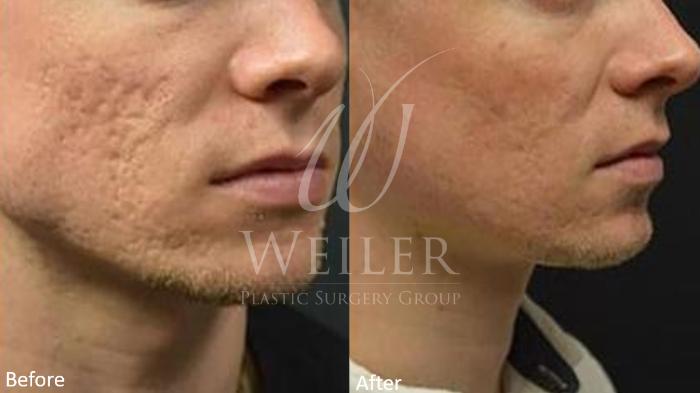
Discover advanced thigh stretch marks treatment options in 2025. Learn about laser therapy, RF microneedling, and more t...
View Board
Moringa powder's iron content outperforms spinach in dry-weight lab tests, but real-world absorption and cultural contex...
View Board
In the 1970s Norway reengineered prisons by replacing solitary with community life, cutting assaults by 74% and reshapin...
View Board
Explore the epic journey of Star Wars from its humble beginnings to the current wave of streaming series and films, disc...
View Board
Explore how radical acceptance, rooted in DBT and ACT, offers a path through infidelity's pain—without bypassing account...
View Board
The 1920s Yoga Rebellion: How Asanas Defied Colonial Rule The year is 1924. The Mysore Palace, a sprawling testament to ...
View Board
Journalist details Walter Freeman's 1946 ice-pick lobotomy, its 10-minute office speed, 2,500 operations, and the enduri...
View Board
Jared Loughner: The Fractured Path to a Tucson Parking Lot The morning of January 8, 2011, was cool and bright in Tucso...
View Board
A journalist maps magical realism from García Márquez’s Macondo to modern transformations, showing how history, politics...
View Board
Die 10-Minuten-Regel revolutioniert Burnout-Prävention im Homeoffice: Mikropausen als wissenschaftlich fundierte Selbstv...
View Board
In 1971 a low‑budget Hong Kong film exploded, merging a single precise kick with balletic choreography, birthing Jeet Ku...
View Board
Saturn's 29.5-year orbit triggers a brutal, transformative crisis in late twenties, forcing career shifts, relationship ...
View Board
CES 2026 unveiled stair-climbing vacuums, mmWave presence sensors, and local AI robots that act, sense, and reshape smar...
View Board
Grey divorce rates triple since 1990 as Boomers rewrite later-life scripts, trading lifelong unions for solo second acts...
View Board
Fisherman mends nets on Sidon’s stone quay, beside Crusader sea castle, embodying six millennia of Phoenician trade, pur...
View Board
Comments