Explore Any Narratives
Discover and contribute to detailed historical accounts and cultural stories. Share your knowledge and engage with enthusiasts worldwide.
Stretch marks, known medically as striae, are a common skin concern that frequently appear on areas like the thighs, abdomen, and hips. These linear scars form when the dermis tears from rapid stretching. Thigh stretch marks treatment now encompasses a range of advanced clinical procedures. Options like laser therapy and radiofrequency microneedling can significantly improve their appearance.
Thighs are a high-impact zone for stretch marks due to growth, weight fluctuation, and muscle gain. Effective stretch marks removal begins with understanding their biology. There are two primary stages that guide treatment strategy and results.
Stretch marks are a form of scarring resulting from rapid stretching of the skin. This stress causes the connective tissues of the dermis—collagen and elastin—to rupture. This forms the initial lesions that become visible lines on the skin's surface. While harmless, many seek treatment for cosmetic improvement.
Treatment is most effective during the early, red phase. Once stretch marks mature and turn white, they become more resilient to treatment.
The stage of your stretch marks is crucial for treatment planning. New, red or purple marks (striae rubra) are in an active, inflammatory state. Blood vessels are visible, making them more responsive to therapies that target color. Mature, white or silver marks (striae alba) are older, stable scars. They exhibit textural changes and require treatments focused on collagen remodeling and resurfacing.
The landscape of stretch marks treatment has evolved far beyond basic creams. Current gold-standard treatments for thighs utilize energy-based devices and minimally invasive techniques to remodel skin from within. These technologies offer more substantial and lasting improvements in both color and texture.
Laser treatments are a cornerstone of modern stretch mark removal. They work by delivering concentrated light energy to stimulate collagen production and target discoloration. Different laser wavelengths are selected based on whether marks are red or white.
For red, vascular marks on thighs, Pulsed Dye Lasers (PDL) are highly effective. They target the hemoglobin in visible blood vessels, fading the red or purple hue. These treatments typically have minimal downtime and may require 2-4 sessions for optimal fading.
For older white stretch marks, which are primarily a textural issue, fractional lasers are the preferred choice. Devices like Fraxel and full CO2 lasers create microscopic treatment zones in the skin. This triggers a powerful wound-healing response, replacing scarred tissue with fresh, healthy collagen.
Newer systems like ICON 1540 and HELIX CoolPeel combine wavelengths for dual action. They can target both pigment and texture simultaneously with reduced thermal damage. This leads to shorter recovery times, often just 1-3 days of redness.
RF Microneedling, such as with Morpheus8 or Vivace devices, represents a major advancement. This treatment pairs tiny, insulated needles with radiofrequency energy. The needles create precise micro-channels in the dermis, while the RF energy delivers controlled heat deep into the tissue.
Most patients require a series of 3 to 6 sessions, spaced about a month apart, to see optimal textural improvement. Downtime is usually limited to 1-2 days of mild redness resembling a sunburn.
The outcome of any thigh stretch marks treatment is not guaranteed and varies per individual. Several key factors play a significant role in determining how well your skin will respond to the chosen procedure. Managing expectations is a critical part of the consultation process with your dermatologist.
This is the single most important predictor. As noted in clinical guidelines, early intervention during the red phase (striae rubra) yields the best outcomes. The inflammatory state makes the marks more receptive to treatment. Mature white marks are more challenging, often requiring more aggressive or numerous sessions for noticeable improvement.
Certain treatments carry specific considerations for different skin tones. For instance, some aggressive ablative lasers have a higher risk of causing post-inflammatory hyperpigmentation in darker skin types. Your provider will select technologies, like certain non-ablative fractional lasers or RF microneedling, that are safe and effective for your specific pigmentation.
It is vital to understand that no treatment can completely and permanently erase stretch marks. The goal of modern therapy is significant improvement—fading discoloration, smoothing texture, and making the marks far less noticeable. Most reputable clinics aim for a 50% to 75% improvement in appearance after a complete treatment series.
Combination therapies often yield superior results. A common approach is pairing RF microneedling with a laser session to tackle both texture and color simultaneously.
In the next section, we will explore additional treatment modalities for thigh stretch marks. We will cover professional-grade topical agents, innovative injectables, and the important role of combination therapy. We will also examine the risks, downtime, and essential consultation questions for anyone considering these procedures.
Beyond energy-based devices, several clinical-grade topical agents and innovative injectable treatments play a role in a comprehensive stretch marks removal plan. These options often serve as adjuncts to laser or microneedling, or as standalone treatments for specific cases. Their mechanisms target the skin's biochemistry to improve the appearance of thigh stretch marks.
Over-the-counter creams often fall short, but prescription topicals can offer measurable benefits. Tretinoin, a vitamin A derivative, is the most studied topical for early-stage stretch marks. It works by increasing collagen production and accelerating cell turnover in the epidermis.
Other topical options include formulations containing high concentrations of hyaluronic acid or centella asiatica. These aim to improve hydration and support skin healing. While they may improve skin quality, their ability to significantly alter established stretch marks is limited compared to in-office procedures.
A newer frontier in treating raised or textured stretch marks involves collagen-stimulating injectables. These are not traditional fillers but substances that trigger the body's own collagen production over time. They are injected directly into the dermis of the stretch mark to plump and smooth its appearance.
Sculptra (PLLA) is a prime example. It contains poly-L-lactic acid microspheres that stimulate a gradual, natural collagen response. Results develop over weeks and can last up to two years. Another option, Radiesse (calcium hydroxylapatite), provides immediate volume and also promotes collagen, with effects lasting about a year.
Injectable treatments like Sculptra are particularly useful for older, atrophic (indented) stretch marks on the thighs, where adding volume beneath the scar can help smooth the skin's surface.
Dermatology experts increasingly agree that a combination therapy approach yields the most significant improvements for stubborn thigh stretch marks. Using two or more complementary technologies in a strategic series addresses both the discoloration and textural components simultaneously. This multimodal strategy often surpasses the results of any single treatment.
A highly effective combination pairs a fractional laser with RF microneedling. The laser treatment targets surface pigment and initiates a resurfacing process. Several weeks later, an RF microneedling session delivers deep dermal heat to further remodel collagen. This sequential attack can improve both the color and depth of stretch marks more comprehensively than either treatment alone.
For example, a patient with mature white marks might undergo an ICON 1540 laser session followed by a Morpheus8 treatment a month later. This protocol leverages the surface smoothing of the laser and the volumetric heating of microneedling for a synergistic effect.
Medium-depth chemical peels using trichloroacetic acid (TCA) or other agents can be integrated into a treatment plan. Peels work by causing controlled exfoliation of the skin's outer layers, promoting a more even skin tone and reducing the contrast of stretch marks. They are often used as a preparatory or finishing step in a broader regimen.
For those seeking treatments with no downtime or as part of a long-term maintenance plan, several non-invasive technologies have gained traction. While these may not offer the dramatic results of lasers or microneedling, they can provide subtle improvement and help preserve the results of more aggressive procedures.
Devices like Sofwave and Ultherapy use focused ultrasound energy to deliver heat to the deep structural layers of the skin. This heat stimulates a tightening and remodeling response without damaging the surface. Treatments are known for being comfortable with essentially zero downtime.
Similarly, non-invasive radiofrequency (RF) devices use capacitive or monopolar energy to heat the dermis. While the collagen stimulation is generally less robust than with microneedling-assisted RF, these treatments can improve skin laxity and overall texture around stretch marks over a series of sessions.
Microdermabrasion is a superficial exfoliating treatment. It uses a stream of fine crystals or a diamond tip to slough off dead skin cells. For stretch marks, its benefit is primarily in improving surrounding skin radiance, which can make the scars slightly less noticeable. It is not a primary treatment for altering the scar itself.
Maintenance is key for long-term results. After an initial treatment series, many providers recommend annual or bi-annual touch-up sessions. This might involve a single laser pass or a microneedling session to sustain collagen production and keep the skin looking its best.
Consistent use of broad-spectrum sunscreen is a critical, non-negotiable part of maintenance. UV exposure can darken both treated and untreated stretch marks, reversing progress.
Every medical procedure carries potential risks and requires a recovery period. Being fully informed about these aspects is essential before embarking on any thigh stretch marks treatment plan. A thorough consultation with a board-certified dermatologist or licensed practitioner will assess your individual candidacy and set realistic expectations.
Side effects are typically mild and temporary but vary by treatment intensity. Common experiences include redness, swelling, and a sensation resembling sunburn. More aggressive fractional CO2 lasers or deep peels may involve several days to two weeks of recovery, with oozing, crusting, and significant peeling.
While serious complications are rare with experienced providers, potential risks exist. These include post-inflammatory hyperpigmentation (PIH), especially in darker skin tones with certain lasers. Hypopigmentation, or lightening of the skin, is a risk with very aggressive treatments. There is also a small risk of infection, scarring, or unsatisfactory results.
Choosing an experienced, qualified provider is the best way to mitigate risk. They will select the appropriate technology for your skin type, use correct settings, and provide detailed aftercare instructions. A test spot in a discreet area is sometimes recommended before treating large sections of the thighs.
In the final section, we will explore the crucial consultation process, how to choose a provider, and the important questions to ask. We will also discuss the integration of body contouring with stretch mark therapy and summarize a realistic pathway to achieving smoother, more even-toned skin on the thighs.
Embarking on a clinical stretch marks treatment journey is a significant decision that requires careful research and planning. The consultation is the cornerstone of this process, serving as an opportunity to establish realistic goals, understand costs, and select the right medical professional for your needs. Being well-prepared with information and questions will empower you to make the best choice.
A thorough consultation for thigh stretch marks removal will involve a detailed skin assessment and medical history review. Your provider will examine the color, texture, age, and extent of your stretch marks. They will discuss your skin type, any history of keloid scarring, and your overall health. This information is critical for crafting a safe, personalized treatment plan.
Be prepared to discuss your goals openly. An ethical provider will clearly explain what is achievable. They should present a proposed treatment protocol, including the recommended technologies, the number of sessions needed, the expected recovery time, and a transparent cost breakdown. They should also discuss potential risks and show before-and-after photos of real patients with similar skin types and concerns.
Coming to your consultation with a list of questions ensures you gather all necessary information. Do not hesitate to ask for credentials and experience related specifically to treating stretch marks.
The quality of the consultation often reflects the quality of care. A provider who listens, educates, and sets realistic expectations is crucial for a positive experience and outcome.
The cost of stretch marks removal varies widely based on technology, geography, and provider expertise. It is typically priced per session or as a package for a series of treatments. Since multiple sessions are almost always required, understanding the full financial commitment is essential.
As a general guide, non-ablative laser or RF microneedling sessions can range from $400 to $800 per treatment. More aggressive fractional CO2 lasers or combination therapies may cost more. A full treatment series commonly involves 3-6 sessions, making the total investment significant. It is important to note that these procedures are considered cosmetic and are not covered by health insurance.
For individuals considering procedures like liposuction or other body contouring to reshape the thighs, there is a natural synergy with stretch mark treatment. Addressing skin texture and laxity can be part of a holistic approach to achieving smooth, toned skin. Some clinics, such as JMed Clinic, may offer integrated treatment plans that combine these modalities for comprehensive results.
If you are planning both surgical body contouring and non-surgical stretch mark therapy, timing is crucial. Generally, energy-based treatments for stretch marks should be performed after you have fully healed from any surgical procedure. This ensures the skin is stable and can respond optimally to laser or microneedling.
For example, after a thigh liposuction procedure, the skin may contract and tighten. Once healing is complete (often several months post-op), residual stretch marks can be addressed with lasers or RF microneedling. This sequential approach allows the treatments to work on stable, healed skin for the best possible outcome.
While no cream can erase existing stretch marks, a robust skincare regimen supports overall skin health and may aid in prevention. Keeping skin well-hydrated with products containing hyaluronic acid, peptides, and ceramides maintains skin barrier function and elasticity. This is especially important during periods of known risk, such as weight training or weight fluctuations.
Successfully improving the appearance of thigh stretch marks is a process that requires modern technology, professional expertise, and patient commitment. By understanding the options and approaching treatment with realistic expectations, you can achieve meaningful, visible improvements in your skin's texture and tone.
The landscape of thigh stretch marks treatment is dominated by in-office, energy-based procedures. Topical creams have limited efficacy, particularly on mature marks. The most effective strategies are tailored to the color and stage of your scars.
For red, vascular marks (striae rubra): Pulsed Dye Lasers (PDL) and vascular-specific lasers like Excel V are first-line choices to fade discoloration. Early intervention with tretinoin may also be an option. For white, textured marks (striae alba): Fractional lasers (Fraxel, ICON 1540) and RF microneedling (Morpheus8) are the gold standards for stimulating collagen to improve texture and depth.
Remember that treatment is a process, not a single event. A series of 3 to 6 sessions, often spaced 4-6 weeks apart, is standard to achieve and then maintain optimal results.
Your journey should begin with a consultation with a board-certified dermatologist or a licensed practitioner in a reputable medical aesthetics setting. After a thorough assessment, you will collaboratively develop a plan. This plan may involve a single technology or a combination therapy approach for maximum impact.
Commitment to the full series of treatments and strict adherence to aftercare instructions—especially sun protection—is non-negotiable for success. While complete erasure is not a scientific reality, significant fading and textural smoothing of 50-75% is an attainable and transformative goal for many patients.
Advances in laser science and collagen-stimulating technologies have provided powerful tools to address what was once considered a permanent, untreatable condition. By choosing an expert provider, investing in a proven treatment protocol, and maintaining realistic expectations, you can significantly reduce the appearance of thigh stretch marks and feel more confident in your skin.




Your personal space to curate, organize, and share knowledge with the world.
Discover and contribute to detailed historical accounts and cultural stories. Share your knowledge and engage with enthusiasts worldwide.
Connect with others who share your interests. Create and participate in themed boards about any topic you have in mind.
Contribute your knowledge and insights. Create engaging content and participate in meaningful discussions across multiple languages.
Already have an account? Sign in here
New study reveals skin bacteria linked to lower stress, hinting probiotic skincare may redefine beauty as mental wellnes...
View Board
Sea of Thieves: An Epic Adventure on the High Seas Picture this: the horizon is a molten orange line against a deepenin...
View Board
Archaeologists uncover Belize's first Maya king, Te K’ab Chaak, in a 1,700-year-old tomb, rewriting Caracol’s origins wi...
View Board
Les Résolutions de Halifax : L'Indépendance Américaine est Née en Caroline du Nord Le 12 avril 1776, dans une taverne e...
View Board
Paleontologists uncover Bakiribu waridza, a new pterosaur species, hidden in fossilized vomit, reshaping tropical Cretac...
View Board
An Egyptologist reveals how Greek merchants remade Neith, the primordial warrior goddess of Sais, into Athena for Atheni...
View Board
Nobelpreisträger wie Marie Curie zweifelten trotz höchster Auszeichnungen an sich selbst – ein psychologisches Paradoxon...
View Board
Pancreatic cancer's sugar-coated shield uncovered: Researchers reveal how tumors exploit sialic acid to deceive immune c...
View Board
Shinrin-yoku, Japan's 1982 forest bathing practice, blends science and spirituality, lowering stress and boosting immuni...
View Board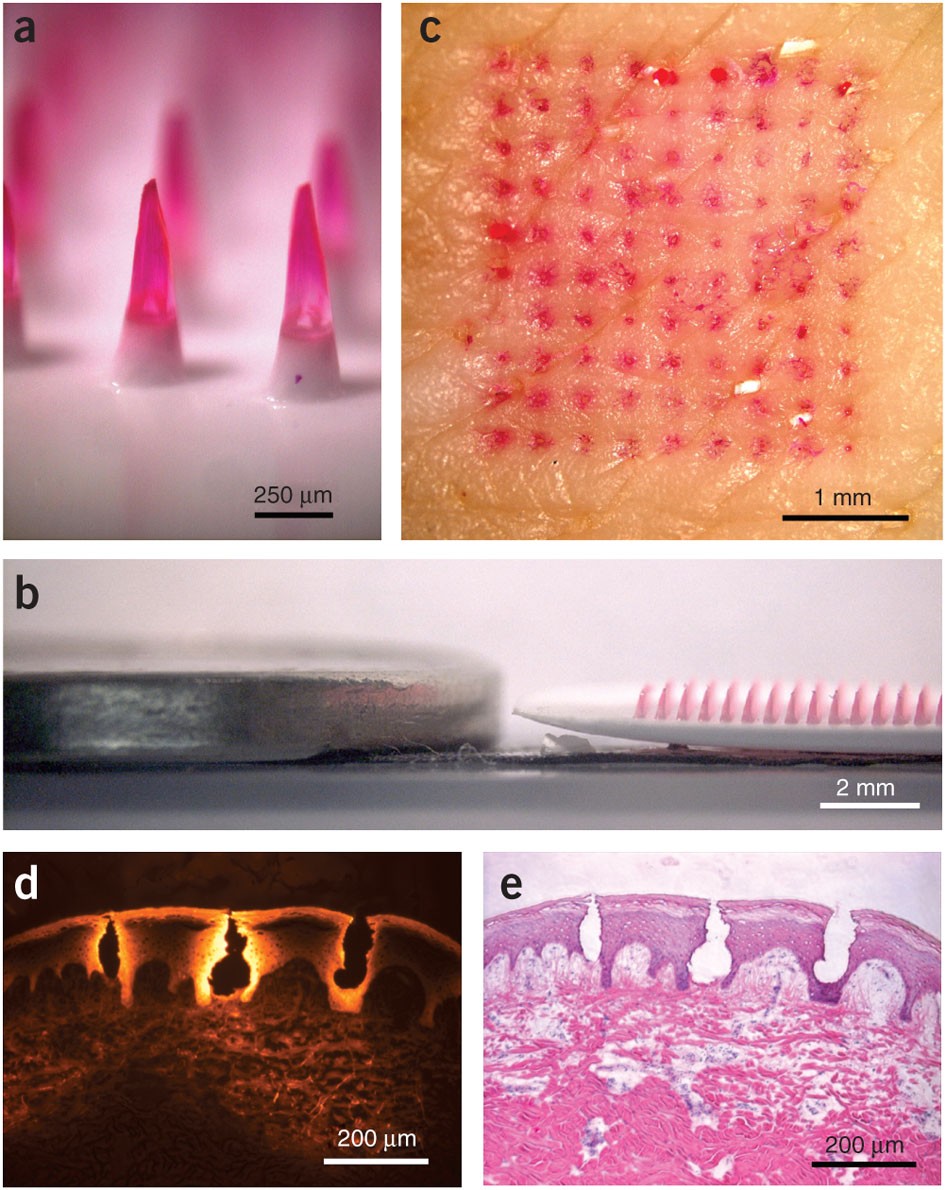
Microneedle patches deliver painless, effective vaccines via skin, revolutionizing global healthcare with self-administr...
View Board
Medieval Europe paid millions for narwhal tusks, believing they were unicorn horns with magical healing powers—until sci...
View Board
Medieval monks didn't pioneer wasp pest control in vineyards—historical records reveal their methods relied on herbs, su...
View Board
Scientists reverse blood stem cell aging with lysosomal inhibitors and RhoA blockers, restoring regenerative capacity an...
View Board
Il viaggio della bandiera attraverso 50 stati e comunità tribali segna il 250º anniversario USA, tra celebrazione e rifl...
View Board
TESSERACT rivoluziona la caccia alla materia oscura ultraleggera con sensori quantistici criogenici, spingendo i limiti ...
View Board
La Dieta del Guerrero, con 20 horas de ayuno y 4 de festín, choca con la ciencia del deporte de élite, que exige combust...
View Board
La Mudra Gyan, geste millénaire des moines tibétains, révèle son pouvoir scientifique sur la concentration et le cerveau...
View Board
Dr. Zahi Hawass, seasoned excavator of the Valley of the Kings, scans a concealed void behind Tutankhamun’s tomb, seekin...
View Board
A 7,500‑year‑old stone seal from Tadım Höyük rewrites Anatolian Neolithic administration, revealing early trade and owne...
View Board
A Guiné-Bissau mergulhou no caos em novembro de 2025, quando um golpe militar anulou a vitória eleitoral de Fernando Dia...
View Board
Comments