.jpg?disable=upscale&width=1200&height=630&fit=crop)
Explore Any Narratives
Discover and contribute to detailed historical accounts and cultural stories. Share your knowledge and engage with enthusiasts worldwide.
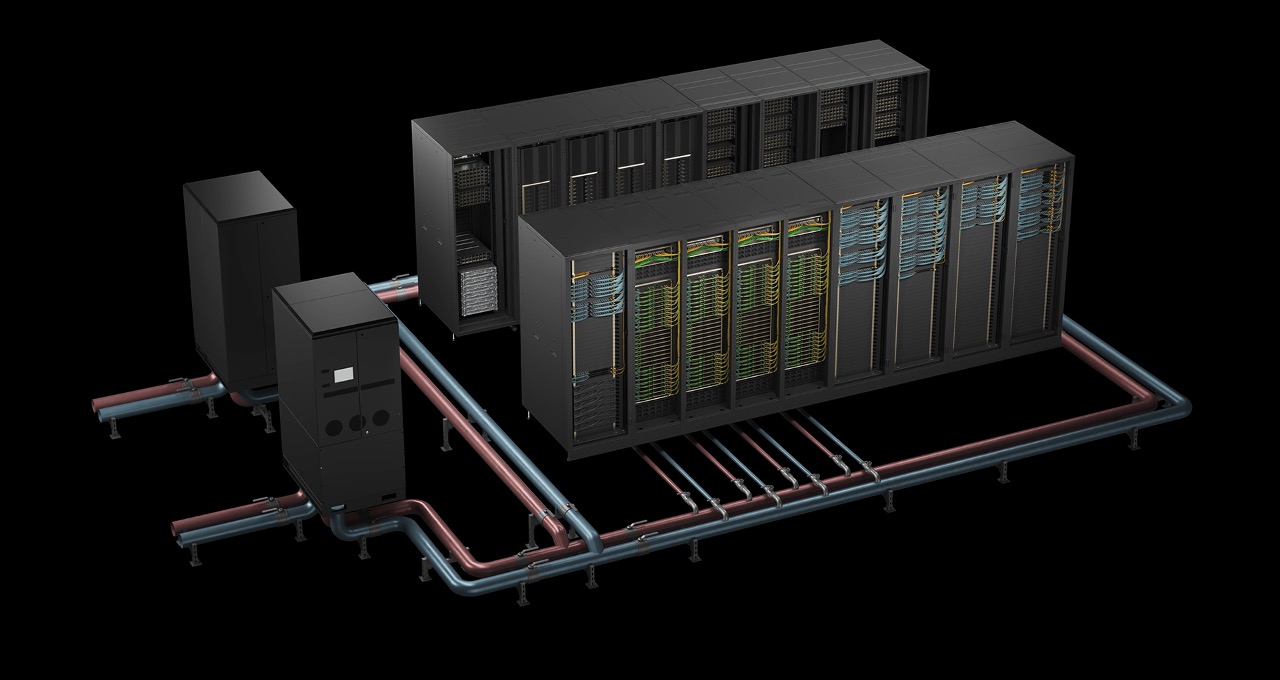
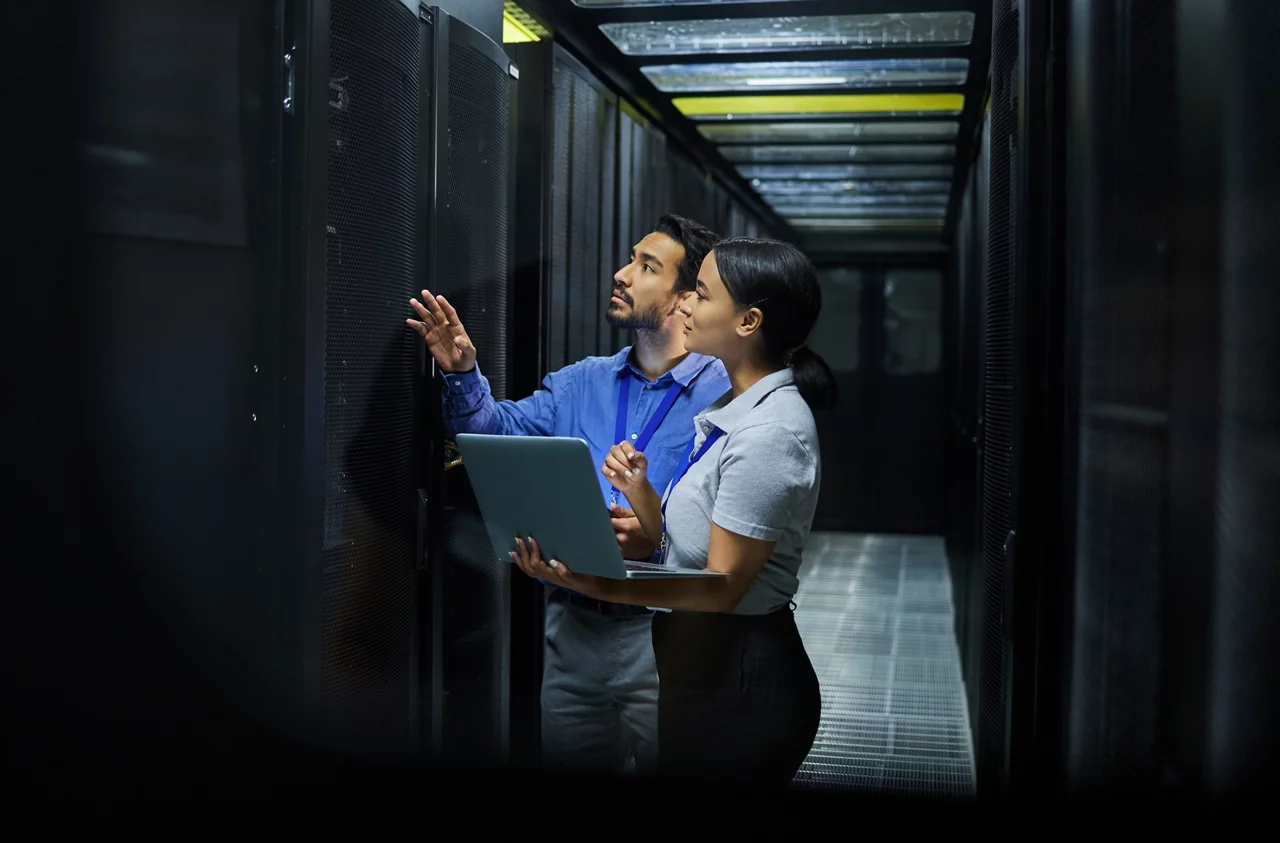
The air inside the data center hums at a specific, dense frequency. It is not just the sound of servers. It is the sound of money being minted, of intelligence being forged, of a global arms race condensed into a warehouse of silicon and steel. In early 2026, a company you likely have never heard of, a UK-based AI hyperscaler called Nscale, is negotiating a funding round that could reach $2 billion. This comes a mere three months after it raised over $1.5 billion in late 2025. The velocity of this capital influx isn't just impressive; it is a diagnostic signal. It tells us that in the age of artificial intelligence, the most valuable resource is no longer a clever algorithm or a vast dataset. It is raw, physical, electricity-guzzling, heat-belching compute.
Nscale's origin story reads like a parable of technological pivot. Born in 2024 from the husk of a cryptocurrency mining operation, the company executed a perfect, almost instinctual, evolutionary leap. When the proof-of-work mining landscape grew crowded, its founders looked at their specialized infrastructure—high-capacity power contracts, advanced cooling systems, and expertise in managing dense, high-wattage hardware—and saw a new future. They saw the engine for the generative AI explosion.
This is not a story about software. It is a story about hardware, real estate, and megawatts. Nscale calls itself a "neocloud," a term meant to distinguish it from the general-purpose infrastructure of Amazon Web Services or Microsoft Azure. Its offering is brutally focused: providing organizations with direct, high-performance access to the most sought-after chips in the world, primarily those from Nvidia. It is a pure-play compute utility. The company's meteoric rise to unicorn status (>$1 billion valuation) and its current pursuit of a further $2 billion, managed by financial giants Goldman Sachs and JPMorgan Chase, underscores a fundamental truth: AI has a physical appetite, and that appetite is insatiable.
We are witnessing the industrialization of intelligence. The limiting reagent is no longer ideas, but the physical capacity to execute them. Companies like Nscale are building the foundries for the 21st century.
According to Dr. Anya Petrova, a computational infrastructure economist at the MIT Initiative on the Digital Economy, the shift is structural.
The numbers are staggering even before this new round. In September and October of 2025, Nscale secured more than $1.5 billion, including a single, record-breaking $1.1 billion round. That kind of capital, raised in succession, is typically reserved for biotech breakthroughs or the final push of a pre-IPO consumer giant. For a infrastructure provider barely two years old, it is a declaration from the market. Investors are not just betting on a company; they are betting on a new commodity class.
Why is compute the new gold? The analogy is more than poetic. Like gold, advanced AI compute is scarce, costly to extract, and increasingly central to the function of a modern economy. The scarcity is threefold.
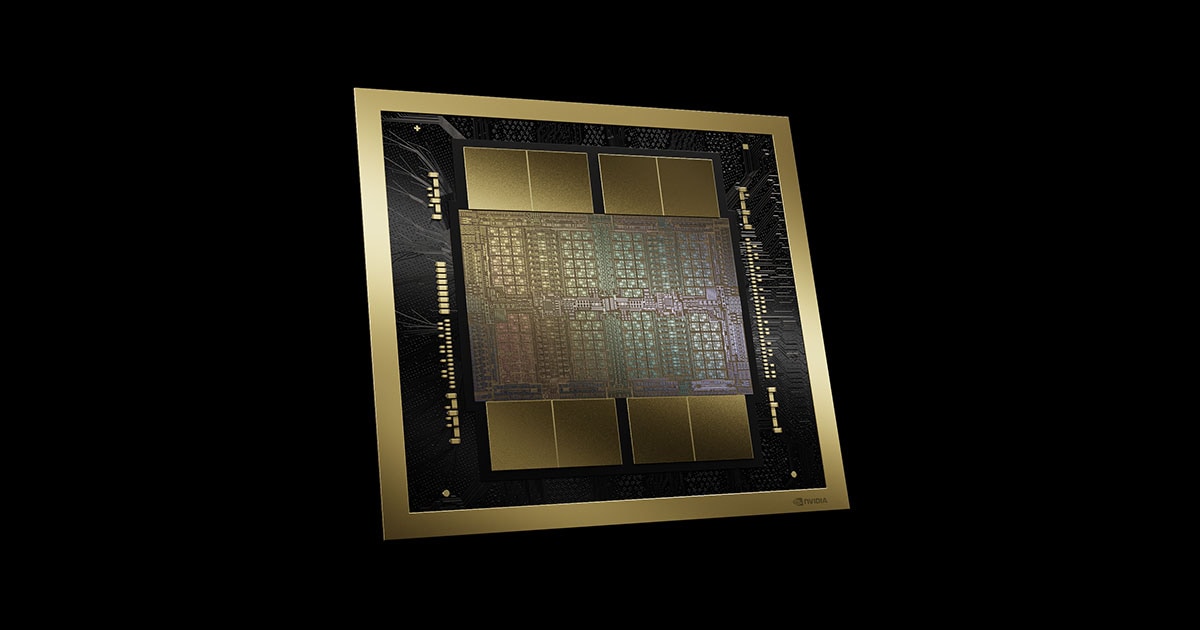
First, there are the processors themselves. The advanced GPUs needed to train large language models like OpenAI's GPT-4o or Google's Gemini are produced by only a handful of companies, with Nvidia holding a commanding market share. These are not components you can simply order in bulk from a catalog. They are allocated, waited for, and fought over. Nscale's partnership with Nvidia is, therefore, not a business detail; it is the core asset, a direct pipeline to the lifeblood of the industry. This relationship transforms the company from a real estate firm into a strategic distributor.
Second, and perhaps more critically, is power. A single AI server rack can consume more electricity than a small neighborhood. Building a data center is no longer just about square footage; it is about securing access to hundreds of megawatts of reliable, often green, power. This is where Nscale's crypto-mining heritage pays dividends. That industry pioneered the global hunt for cheap, abundant energy. Their expertise in securing and managing massive power contracts is a competitive moat as deep as their chip access. Data centers are now political entities, negotiating directly with utilities and governments.
The conversation has moved from teraflops to terawatt-hours. An AI model's carbon footprint and operational cost are now direct functions of its architecture and where it is physically trained. The companies that control the power corridors will control the pace of AI advancement.
This perspective is echoed by Marcus Thorne, an energy analyst at the Berkeley Lab's Energy Technologies Area.
The third layer of scarcity is proximity. For inference—the process of running a trained model—latency matters. Applications in autonomous vehicles, real-time translation, or interactive AI require compute to be geographically close to the point of use. This creates a need for a distributed network of high-performance data centers, not just a few massive centralized ones. Building this network, at global scale, requires the kind of capital Nscale is now assembling.
The combined effect of these scarcities is a market frenzy. Hyperscalers like Google and Microsoft are racing to build their own capacity, but they cannot keep up with demand from their vast customer bases and internal projects. This gap is the neocloud's opportunity. They offer a bespoke, high-density solution for organizations that need to bypass the waitlists and resource contention of the public cloud. It is a wholesale model for compute.
What does this mean for the trajectory of AI itself? The concentration of such a critical resource in specialized, privately-funded entities introduces a new variable. Innovation may increasingly follow the compute, rather than the other way around. The research labs and startups with the deepest pockets, or the best relationships with neoclouds, could gain a disproportionate advantage. The era of the garage startup building a world-changing AI model on a shoestring budget is, quite possibly, already over. The next breakthrough will likely be forged in a facility like Nscale's, where the capital costs run into the hundreds of millions before a single line of code is written.
The $2 billion question hanging over Nscale's funding round, then, is about more than valuation. It is a referendum on a belief: that in the 21st century, the path to digital supremacy will be paved with concrete, copper, and silicon, and that the entities who own those foundations will control the future. The hum in the data center is the sound of that future being built, one megawatt at a time.
If Part 1 established the thesis—compute as gold—then the mechanics of Nscale's ascent reveal the brutal, high-stakes engineering required to mine it. This is not a speculative gold rush. It is a meticulously planned industrial campaign, fought with contracts measured in billions and timelines etched in quarters. The $2 billion funding round Goldman Sachs and JPMorgan are shepherding is not speculative venture capital. It is war financing.
Consider the sheer scale of a single deal. In November 2025, Microsoft committed $23 billion to Nscale. This was not a vague partnership announcement. It was a procurement order for physical infrastructure, the largest single commitment within Microsoft's sprawling $60 billion neocloud spending spree. The currency? Not dollars, directly, but GPUs and megawatts. The deal stipulates the deployment of approximately 200,000 NVIDIA GB300 GPUs across four global regions, with the first tranche of 104,000 units destined for a Texas campus, demanding 240MW of power scalable to a staggering 1.2GW, by the third quarter of 2026.
"The center of gravity in AI has shifted from 'apps first' to 'compute first,' where owning power, racks, and deployment speed can be more decisive than model marketing." — TechStartups.com, January 2026 analysis
This statement cuts to the core of the strategic realignment. For years, the narrative glamorized the AI model builders—the OpenAIs and Anthropics. Now, the leverage belongs to those who control the factories where those models are born. Microsoft, a cloud titan, is effectively outsourcing the foundry work to a specialist because building it themselves, at the required speed, is impossible. Nscale's entire model is predicated on this impossibility. They offer a 62% cost advantage for comparable GPU access, a figure that turns heads in boardrooms where AI budgets have become the largest and most unpredictable line item.
Nscale's branding as a builder of "sovereign-grade AI infrastructure" is a masterstroke of market positioning. It implies robustness, security, and national-scale importance. It moves the conversation from tech support to geopolitics. Their acquisition of Future-tech, a European data center engineering consultancy, in December 2025 was a tactical move to harden this claim. It brought in-house the expertise to design and execute these complex builds globally, at pace.
"Their team has impressed me with their ability to deliver quality work, quickly, and at scale. By bringing that expertise into Nscale, we're able to move more quickly on behalf of our customers around the world." — Josh Payne, CEO of Nscale
Payne's quote, from the acquisition press release, is telling. The paramount virtue is speed. "Quickly" appears twice. In the compute race, velocity of deployment is a competitive weapon more potent than any incremental algorithm improvement. While a research team spends six months shaving percentage points off a benchmark, Nscale is plugging in another 50,000 GPUs. Which advancement moves the needle more?
The leadership team assembled reads like a wartime cabinet for infrastructure. Lauren Hurwitz as COO, Alice Takhtajan as CFO, Nidhi Chappell as President of AI Infrastructure—these are executives with scars from scaling hyperscale operations at other giants. They are not here to experiment. They are here to execute blueprints and meet delivery dates like the one looming in Q3 2026 for Texas. The parallel to a military logistics operation is unavoidable. This is D-Day planning for silicon.
For all the breathtaking scale and shrewd strategy, the neocloud edifice rests on pillars of profound risk. The first is execution. According to analysis from Introl.com, Microsoft has already missed previous timeline estimates for capacity delivery with other providers. A slip in the Texas schedule from Q3 2026 to, say, Q1 2027, would have cascading effects, delaying Azure's capacity relief and potentially triggering contractual penalties. Building a gigawatt-scale data center is not like shipping a software update. It involves concrete, copper, regulatory permits, and power grid interconnection studies—a world of physical friction that Silicon Valley often underestimates.
The second risk is concentration. Nscale's valuation and future are lashed to two mastheads: Nvidia and Microsoft. Any seismic shift in either relationship would be catastrophic. What if Microsoft decides to vertically integrate this capability after all, once the acute crisis passes? What if Nvidia's next-generation chip architecture favors a different deployment model? The company’s success is a function of being an essential conduit between two behemoths. It is a lucrative position, but also a precarious one.
Let's examine the financial velocity. Raising over $1.5 billion in September and October 2025, followed by a potential $2 billion round a few months later, creates a capital digestion problem. The $1.1 billion Series B was touted as the largest in European startup history. What exactly are they buying with this money? The $865 million, 10-year colocation agreement with WhiteFiber in North Carolina for 40 MW of capacity provides a clue. They are locking down real estate and power, nationwide and globally, in an all-out land grab. This is a scaling operation so capital-intensive it makes Uber's subsidies for ride-hailing look trivial.
"We are witnessing the industrialization of intelligence. The limiting reagent is no longer ideas, but the physical capacity to execute them. Companies like Nscale are building the foundries for the 21st century." — Dr. Anya Petrova, MIT Initiative on the Digital Economy
Petrova's "foundries" analogy is precise. But history teaches us that foundry businesses are brutally cyclical, with punishing capex requirements and thin margins during downturns. The AI boom feels eternal today. Will it in 2028? The planned IPO for the second half of 2026 feels like a race to transfer this monumental capex burden and execution risk to public markets before the cycle potentially turns. The neoclouds—Nscale, CoreWeave, Nebius—are building a essential utility, but they are doing so with the financial model of a high-growth tech startup. That disconnect is a fault line.
Beyond the financial engineering lies a more visceral question: what is the human and environmental cost of this compute rush? A single data center cluster consuming 1.2 gigawatts is the equivalent of a large nuclear power plant's output, dedicated not to lighting cities or powering factories, but to matrix multiplication. The push into Norway (Narvik) and Portugal is explicitly about accessing green hydroelectric and solar power, a necessary fig leaf for an industry with a suddenly conspicuous carbon footprint.
But the localization often touted as a benefit—sovereign-grade infrastructure for Europe, for instance—masks a raw truth. These facilities are not built for local benefit. They are built for global AI conglomerates, siphoning regional green energy to fuel models that may have no connection to the communities hosting them. The town of Narvik gets a data center; Microsoft gets the compute. Is this the new colonial resource extraction, where the resource is renewable electrons and the product is artificial intelligence?
"The conversation has moved from teraflops to terawatt-hours. An AI model's carbon footprint and operational cost are now direct functions of its architecture and where it is physically trained. The companies that control the power corridors will control the pace of AI advancement." — Marcus Thorne, Berkeley Lab Energy Technologies Area
Thorne's analysis reframes the entire competition. It's no longer a chip race. It's a power corridor race. Nscale's pivot from crypto was a pivot from one form of energy arbitrage to another, far more lucrative one. The real innovation here isn't in the server racks; it's in the ability to secure and contract for titanic amounts of power before anyone else does. This turns energy markets and grid politics into the ultimate board game for AI supremacy.
The $2 billion question, therefore, is not just about funding a build-out. It is a bet on perpetual, exponential scarcity. It assumes the demand for AI compute will forever outstrip the supply of chips and power, making Nscale's vertically integrated model the only viable bridge. It assumes that the current bottleneck is permanent. But technology has a habit of creating surprises. A breakthrough in neuromorphic or optical computing could radically change the physics of the problem. A regulatory clampdown on energy use for data centers could freeze new capacity. The deal's uncertainty, noted in every source, is rational. You are betting billions on a specific vision of the future that is dazzlingly clear for the next two years, and utterly opaque thereafter.
The significance of Nscale’s funding saga extends far beyond a balance sheet or a data center construction schedule. It redraws the map of technological power. For decades, the locus of innovation was software—lines of code written in garages and Silicon Valley incubators. The physical substrate was an afterthought, a commodity procured from cloud providers. That era is over. The scramble for $2 billion in capital, the $23 billion commitment from Microsoft, the gigawatt-scale power contracts—these are the actions of nations securing strategic resources, not companies building apps. Compute has become a form of geopolitical currency, and neoclouds like Nscale are the new mint.
This shift redefines national security and economic policy. A country’s AI potential is now directly measurable by its access to three things: advanced chips, abundant energy, and the specialized infrastructure to marry them. Norway and Portugal are not just scenic backdrops in Nscale’s expansion plan; they are strategic reservoirs of green megawatts being tapped for global AI production. The UK-based company’s aggressive U.S. push, with its Texas and North Carolina hubs, underscores that the most valuable AI real estate is wherever the grid can handle the load. Sovereignty in the 21st century may hinge less on data localization laws and more on who controls the compute foundries where that data is processed.
"The neoclouds are creating a new layer in the stack—the physical intelligence layer. It's analogous to the shift from merchant ships to dedicated oil tankers. The commodity is so valuable it requires its own specialized, global transport network." — Maya Chen, Senior Fellow, Center for a New American Security
Chen’s analogy is potent. We have moved from general-purpose cargo vessels (the legacy cloud) to supertankers designed for a single, volatile, high-value commodity. This specialization creates immense efficiency but also profound systemic risk. The supply chain is narrower, more concentrated. A disruption at a single point—a fab outage, a regional power shortage, a geopolitical blockade of a key component—could stall entire sectors of the global digital economy. Nscale and its peers are building the most critical, and potentially the most fragile, infrastructure of our time.
For all the ambition, the neocloud model is not without glaring vulnerabilities. The first is the sheer, breathtaking pace of required execution. The plan to deliver 104,000 GB300 GPUs in Texas by Q3 2026 is a moonshot schedule. Data center construction of this scale routinely faces delays—permitting, supply chain hiccups, labor shortages, utility interconnection queues. Microsoft’s reported history of missed timelines with other providers suggests this is an industry-wide optimism bias. Should Nscale stumble on delivery, the domino effect would be immediate: constrained Azure capacity, delayed AI projects for Microsoft’s clients, and a severe blow to investor confidence fueling the $2 billion raise.
The second, more existential critique is economic. The neocloud value proposition is built on today’s acute scarcity. Their 62% cost advantage exists because traditional clouds are overloaded and inefficient for monolithic AI workloads. But what happens if that scarcity eases? If chip manufacturers like Nvidia and AMD successfully flood the market with supply, or if the legacy hyperscalers finally solve their own density and efficiency problems, the neocloud’s premium positioning evaporates. They become merely another colocation provider in a crowded, lower-margin market. Their entire financial structure—predicated on rapid, debt-fueled expansion and a planned IPO in late 2026—assumes the gold rush never ends. History suggests all rushes do.
Finally, there is the question of lock-in. By building hyper-specialized infrastructure around Nvidia’s stack, neoclouds are betting everything on one architecture’s continued dominance. The AI hardware landscape is fermenting with alternatives—from custom silicon like Google’s TPUs to startups exploring optical and neuromorphic computing. A paradigm shift in hardware could strand these billions of dollars of investment in what becomes a legacy technology. It is a high-stakes gamble on the persistence of the status quo.
The human and societal impact also demands scrutiny. The narrative of “sovereign-grade” infrastructure is compelling, but it often obscures a raw calculus. These facilities are energy sinks, competing directly with communities and industries for grid capacity. The promise of green power in Norway is laudable, but it means that renewable energy developed for regional decarbonization is instead being funneled into training commercial AI models. This sets up a quiet, global competition between the energy needs of human societies and the insatiable appetites of artificial ones.
The forward look is etched in concrete and calendar dates. By Q3 2026, the first phase of the Texas campus must be live, a tangible test of Nscale’s execution mettle. In the second half of 2026, the company will likely attempt its IPO, seeking to crown its private market valuation with a public one and provide an exit for its early backers. Microsoft’s option on an additional 700MW in Texas, starting late 2027, hangs in the balance, contingent on flawless performance. The industry will watch Mid-2026 for the anticipated easing of Azure capacity constraints, the first real-world proof point of whether this neocloud bet is paying off.
Prediction is folly in a field moving this fast, but one trajectory seems clear: the age of AI abstraction is over. We can no longer pretend intelligence is a pure, disembodied digital phenomenon. It is a physical industrial process, requiring foundries, power lines, and cooling towers. Nscale’s journey from crypto miner to potential compute sovereign is the definitive proof. The hum in the data center, that dense frequency of money and intelligence being forged, is now the dominant tone of our technological age. The question is no longer what AI can dream up, but whether we have built—and can sustain—the physical world necessary to bring those dreams to life.

Your personal space to curate, organize, and share knowledge with the world.
Discover and contribute to detailed historical accounts and cultural stories. Share your knowledge and engage with enthusiasts worldwide.
Connect with others who share your interests. Create and participate in themed boards about any topic you have in mind.
Contribute your knowledge and insights. Create engaging content and participate in meaningful discussions across multiple languages.
Already have an account? Sign in here
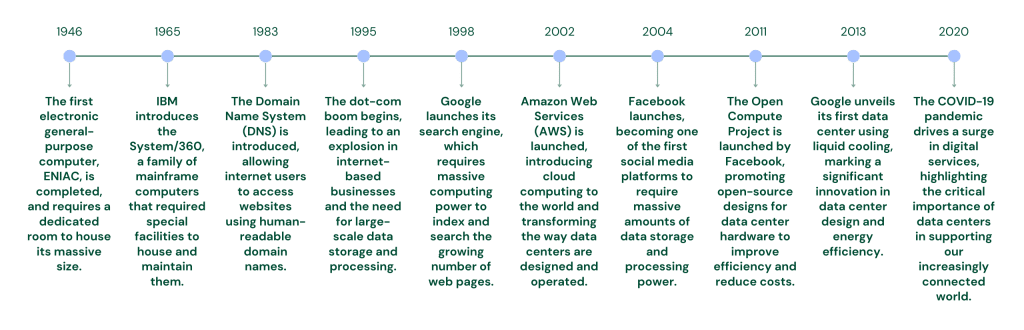
Data centers morph into AI factories as Microsoft's $3B Wisconsin campus signals a $3T infrastructure wave reshaping gri...
View Board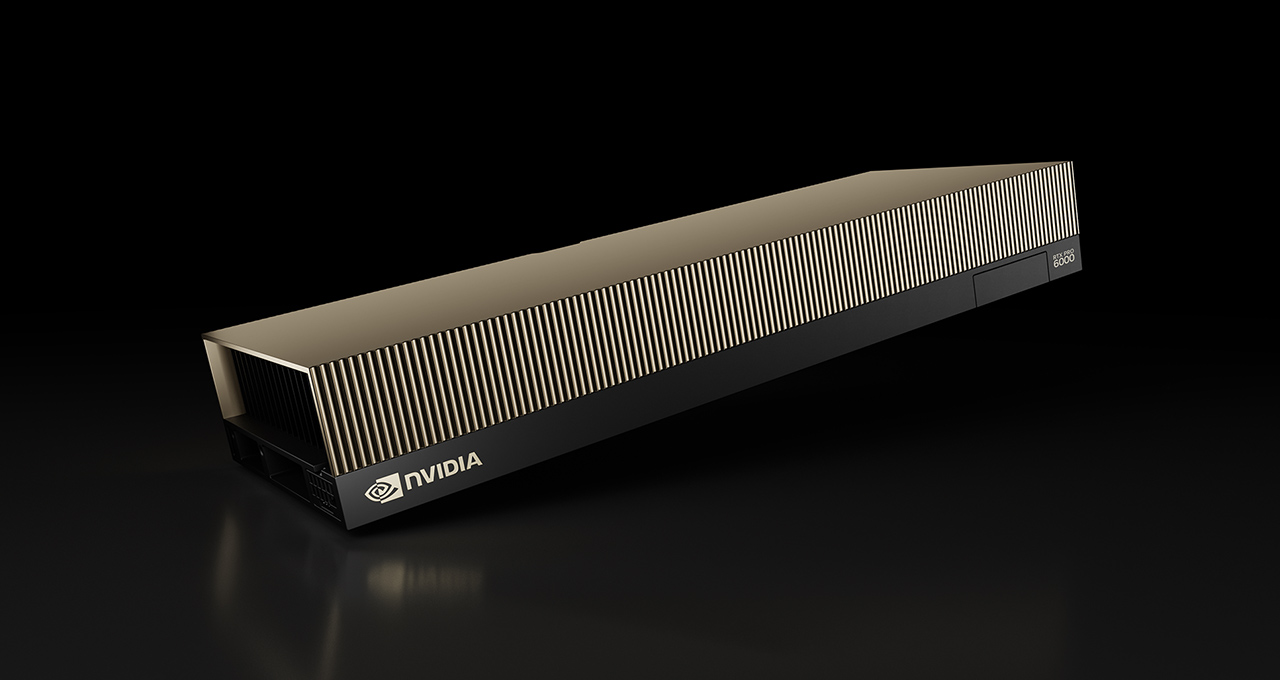
CES 2025 spotlighted AI's physical leap—robots, not jackets—revealing a stark divide between raw compute power and weara...
View Board
The open AI accelerator exchange in 2025 breaks NVIDIA's CUDA dominance, enabling seamless model deployment across diver...
View Board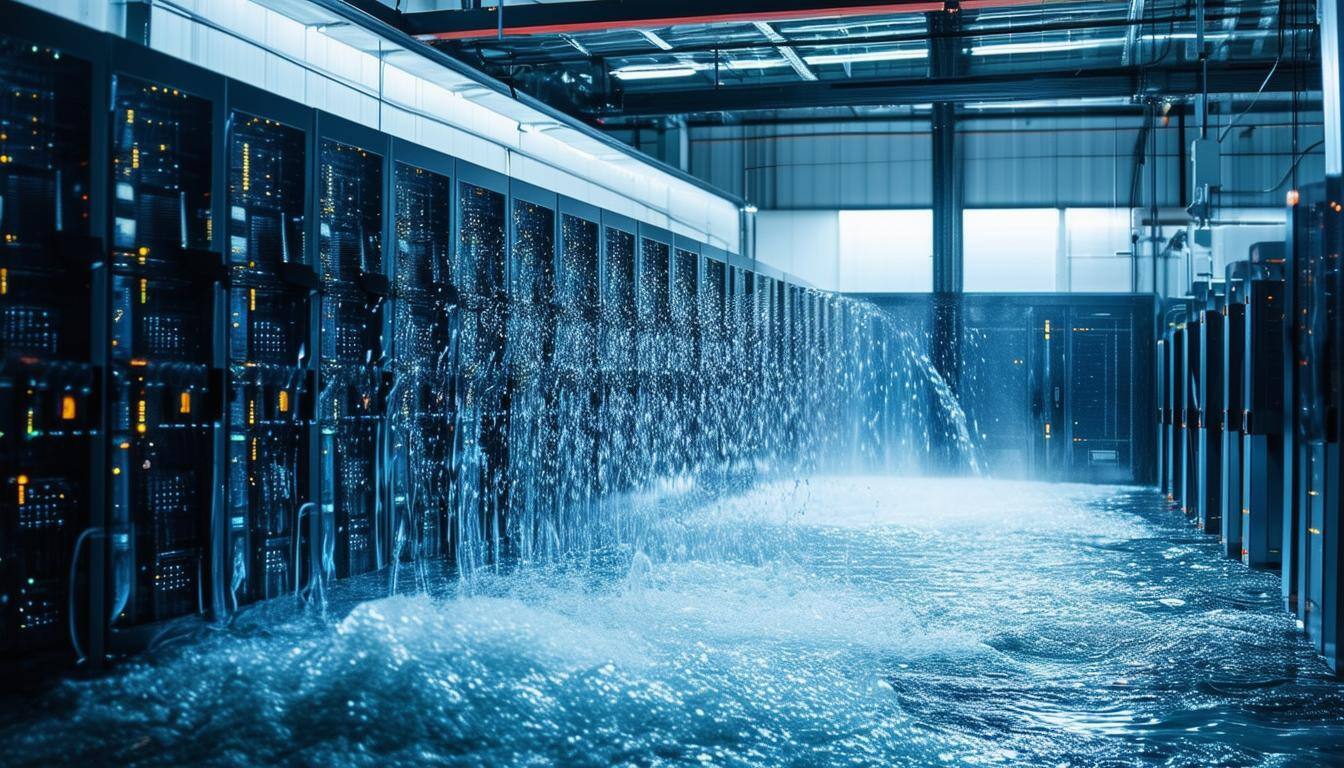
AI's explosive growth forces a reckoning with data center energy use, as new facilities demand more power than 100,000 h...
View Board
The Architects of 2026: The Human Faces Behind Five Tech Revolutions On the morning of February 3, 2026, in a sprawling...
View Board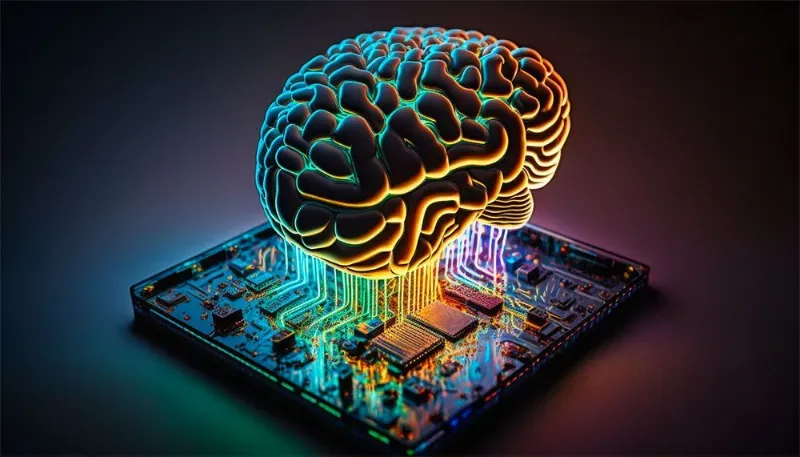
Linh Tran’s radical chip design slashes AI power use by 67%, challenging NVIDIA’s dominance as data centers face a therm...
View Board
ul researchers unveil paper-thin OLED with 2,000 nits brightness, 30% less power use via quantum dot breakthrough, targe...
View Board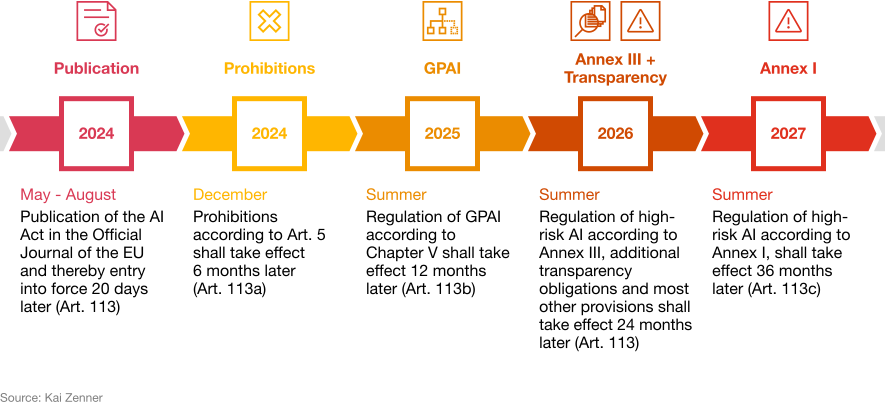
The EU AI Act became law on August 1, 2024, banning high-risk AI like biometric surveillance, while the U.S. dismantled ...
View Board
Depthfirst's $40M Series A fuels AI-native defense against autonomous AI threats, reshaping enterprise security with con...
View Board
Autonomous AI agents quietly reshape work in 2026, slashing claim processing times by 38% overnight, shifting roles from...
View Board
Microsoft's Copilot+ PC debuts a new computing era with dedicated NPUs delivering 40+ TOPS, enabling instant, private AI...
View Board
Tesla's Optimus Gen 3 humanoid robot now runs at 5.2 mph, autonomously navigates uneven terrain, and performs 3,000 task...
View Board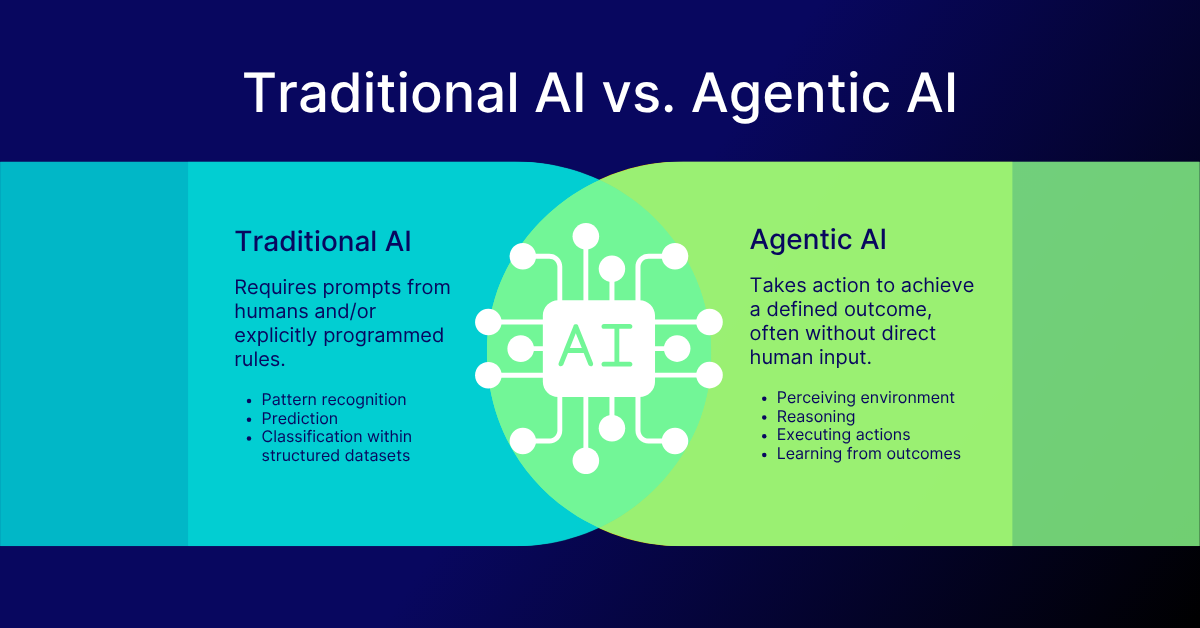
AI-driven networks redefine telecom in 2026, shifting from automation to autonomy with agentic AI predicting failures, o...
View Board
Samsung and Apple clash in 2026 with wide foldable phones, turning screens into canvases and creases into cultural battl...
View Board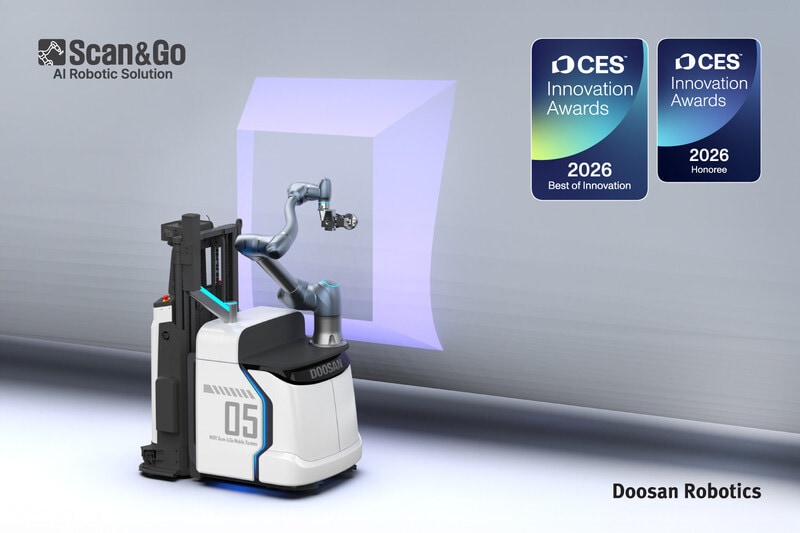
Hyundai's Atlas robot debuts at CES 2026, marking a shift from lab experiments to mass production, with 30,000 units ann...
View Board
In 2026, AI agents like Aria design, code, and test software autonomously, reshaping development from manual craft to st...
View Board
AI steps out of screens into factories, powering agents that move cups, pick parts and reshape jobs amid surging robot i...
View Board
AI-driven digital twins simulate energy grids & cities, predicting disruptions & optimizing renewables—Belgium’s grid sl...
View Board
MIT’s 2026 breakthroughs reveal a world reshaped by AI hearts, gene-edited embryos, and nuclear-powered data centers, wh...
View Board
Julius Neubronner's 1907 pigeon camera revolutionized aerial photography, capturing the world from a bird's perspective ...
View Board
Comments