





Explore Any Narratives
Discover and contribute to detailed historical accounts and cultural stories. Share your knowledge and engage with enthusiasts worldwide.
Maria Chen did not hear the revolution arrive. On a Tuesday morning in March 2026, she logged into her workstation at a major insurance provider in Hartford, Connecticut. Her monitor, once a mosaic of customer claim forms and database entries, now displayed a single, serene dashboard. Overnight, a network of autonomous AI agents had processed 8,142 claims, reducing the average cycle time from 3.4 days to 2.1. Chen’s role had shifted from data entry clerk to oversight coordinator. “The work didn’t disappear,” she says. “It transformed. The machine handles the repetition. I handle the exception.” This quiet transformation, occurring in thousands of offices worldwide, defines the productivity revolution of 2026. It is not driven by louder machines or flashy interfaces, but by silent, persistent intelligence that plans, executes, and learns.
The catalyst was a fundamental architectural shift. In 2025, fewer than 5% of enterprise applications embedded agentic capabilities. By the first quarter of 2026, that figure exploded to 40%. This is not incremental improvement. It is a phase change. Autonomous AI agents, defined by their goal-orientation and ability to make adaptive decisions without human prompting, moved from laboratory pilots to the core of business operations. A PwC survey in May 2025 provided the early signal: 35% of organizations reported broad implementation, with another 27% running limited deployments. The proof arrived in hard numbers. A survey of 245 companies and 300 executives found that 66% experienced measurable productivity increases directly attributable to AI agents. The gains were not marginal. In customer support, generative AI agents raised issues resolved per hour by an average of 14%. For novice workers, the boost reached 34%.
The story of 2026 is the story of agency. Previous AI tools were reactive—they answered questions, generated text, followed scripts. The new generation of agents is proactive. They receive a high-level objective, such as “resolve this customer complaint” or “modernize this legacy banking code,” and they orchestrate the multi-step workflow to achieve it. They plan, they execute, they check their work, and they iterate. This represents a profound re-skilling of the technology itself. Dr. Anika Sharma, lead researcher on agentic systems at Stanford’s Human-Centered AI Institute, describes the shift in personal terms. “In 2024, we were teaching AI to use a calculator. By 2026, we’ve handed it the blueprint, the budget, and the keys to the construction site. It’s managing the project.”
“The productivity leap isn't about doing the same work faster. It's about enabling work that was previously impossible to scale,” says David Park, a partner at PwC who led their 2025 AI adoption survey. “We’re seeing finance departments where forecasting models are updated autonomously in real-time, and HR teams where onboarding is managed end-to-end by an agent. The human moves from operator to strategist.”
The human element is the critical, often overlooked, variable in this equation. The research data reveals a fascinating nuance: human-AI collaboration teams demonstrated 73% higher productivity than human-human teams in controlled benchmarks. In marketing departments, the increase topped 60%. This synergy is the heart of the revolution. It is not about replacement. It is about partnership. Agents excel at the structured, the repetitive, the data-intensive. Humans excel at judgment, context, and creative problem-solving. The fusion is where the magic happens. For someone like Arjun Mehta, a software engineering manager in Austin, Texas, this meant a radical change in his daily rhythm. “Before, my team spent 70% of their time on debugging and code maintenance. Now, our AI agent handles the first pass of code review and automated testing. Our accuracy is up, but more importantly, our capacity for innovation has exploded. We’re building, not just fixing.”
The scale of change is quantified in stark, definitive statistics. McKinsey & Company pilots in the banking sector demonstrated the potential: a 50% reduction in cost per customer service call, a 60% drop in touch time for drafting complex documents, and a 70% improvement in code accuracy for modernizing legacy systems. The theoretical automation potential of current agentic technology is staggering—57% of all work hours in the United States could be automated, not to eliminate jobs, but to redefine them. The early months of 2026 have been widely cited as the turning point. Pilot programs for agentic AI doubled quarterly, reaching 65% of surveyed firms by April. Full deployment, however, remains cautious, holding at just 11%. The gap between pilot and production reveals the growing pains of a revolution.
“We are witnessing the emergence of a new organizational layer: the AI studio,” explains Lena Kovac, a director at McKinsey’s QuantumBlack AI. “These are centralized hubs where business goals are translated into reusable agent components. It’s no longer about building one model. It’s about orchestrating a symphony of specialized agents for customer support, cybersecurity, deep research. This is how we move from 10% gains to 50% and beyond.”
The agents themselves are evolving. The early reliance on massive, general-purpose large language models (LLMs) is giving way to networks of smaller, domain-specific models. A deep research agent, for instance, can autonomously gather data from proprietary databases, academic journals, and market reports; verify sources; synthesize findings; and deliver a strategic insight report—all without a human in the loop. This capability is moving from science fiction to standard operating procedure in competitive intelligence and R&D departments. The market reflects this fervor. Projections show a compound annual growth rate (CAGR) of 46.3%, pushing the AI agent market from $7.84 billion in 2025 to an estimated $52.62 billion by 2030.
Yet, for all the data and diagrams, the revolution feels intensely personal to those on the ground. It is measured in reclaimed hours, in reduced frustration, in the capacity to focus on what matters. The agent doesn't get tired. It doesn't forget a step in the compliance checklist. It operates with a relentless, neutral efficiency. This is the silent partner in the cubicle, the data center, and the cloud—a fundamental rewrite of the contract between human labor and machine capability. The story of productivity in 2026 is not told in press releases from tech giants. It is written in the daily logs of people like Maria Chen, who now spends her afternoons analyzing complex fraud patterns instead of typing numbers into a form. The machine handles the what. She masters the why.
The productivity revolution of 2026 has a dirty secret. While headlines tout 73% productivity spikes and the automation of 57% of work hours, the median organization is grappling with a far messier reality. The initial pilot euphoria has collided with the granite of legacy systems, human skepticism, and what IBM researchers bluntly call the need for an "Agentic Operating System." We have built the orchestra, but we lack a conductor, a unified score, and a venue with decent acoustics. The promise is immense—AI agents are projected to generate $450 billion in economic value by 2028, according to Capgemini research. The present, however, is a cacophony of point solutions. A Zapier survey from January 2026 found that while 72% of enterprises are using or testing AI agents, their deployments are fragmented: 49% in customer support, 47%47% in data management. This is not a strategy. It is tactical experimentation.
"Agent deployments are expanding into cross-functional processes. Autonomy is rising gradually with human oversight." — Google Cloud AI Agent Trends 2026 Report
This "gradual" rise is a direct response to a crisis of confidence. The most startling statistic of the year comes not from a productivity study, but from a trust survey. Capgemini’s 2026 research revealed that executive confidence in fully autonomous agents plummeted from 43% in 2024 to a mere 22% in 2025. That is a collapse. Steven Webb, Chief Technology Officer for Capgemini in the UK, frames the central challenge with stark clarity.
"Organizations that prioritise trusted orchestration... will unlock... measurable productivity gains." — Steven Webb, CTO, Capgemini UKThe keyword is orchestration. It is the difference between a single violin playing a melody and a symphony performing a complex movement. Without it, the 40% median cost reduction per unit and 80% containment rate in customer service, as reported by G2, remain isolated victories. They fail to coalesce into a transformed enterprise.
This trust deficit has solidified the "human-in-the-loop" (HITL) model as the dominant paradigm. It is a safe compromise, but one that inherently caps the potential of autonomy. The Zapier survey confirms this, noting HITL is the most popular implementation approach. The agent proposes, the human disposes. This creates a new form of cognitive labor: oversight fatigue. The worker is no longer doing the task, but they are mentally auditing every step, caught in a purgatory between responsibility and action. Is this truly the liberation promised? Or has the assembly line simply been digitized and moved into a cognitive space? The raw productivity numbers suggest a benefit—25% of enterprises see impact within three months, with a median time-to-value of six months, per G2. But the long-term trajectory is unclear. When does gradual oversight become a bottleneck? The insurance claims agent who saw manual entry drop by 40% now spends their time validating exceptions. The work is different, not necessarily diminished.
The real innovation, the kind that moves the needle from 14% to 50% gains, is happening where agents break free of human micromanagement and begin to collaborate with each other. The shift from single-agent tools to multi-agent ecosystems is the single most important technical trend of 2026. Think of it as a digital team: one agent gathers customer data, another checks policy compliance, a third drafts the response, a fourth schedules a follow-up. This is how claims cycle times compress from 3.4 days to 2.1 days. This is where the architectural shift to "agent-first" application design pays dividends. Vendors like Nvidia in partnership with DataRobot, CloudTalk, and Salesforge are no longer selling mere efficiency tools. They are selling networked intelligence. The promise is a 23% median speed-to-market improvement for new processes. But the complexity is multiplicative.
Walk into any enterprise "AI studio" in mid-2026 and you will witness a cultural schism. On one side, central IT teams champion monolithic platforms from Google Cloud or IBM, dreaming of standardized Agentic Operating Systems that govern security, orchestration, and ethics. On the other, business units in marketing, HR, and sales are quietly subscribing to SaaS tools like Canva’s AI agents or deploying pre-built Zapier Agent templates for email drafting and trend tracking. They get results in weeks, not quarters. This shadow IT for the AI age is driving the adoption numbers—84% of enterprises plan to increase AI agent investments in the next 12 months—but it is also creating a management nightmare.
"The machine handles the repetition. I handle the exception." — Maria Chen, Insurance Workflow Coordinator
Maria Chen’s elegant summary belies the infrastructural chaos brewing beneath. Her efficient dashboard is likely powered by a specific vendor’s agent for claims processing. Meanwhile, the customer service department uses a different vendor’s agent for support, and the financial forecasting team uses a third. They don’t communicate. They create data silos with PhDs. This is the "turbocharged technical debt" experts warned about. The productivity gains are real but localized, like bright, well-lit rooms in a house with a crumbling foundation. IBM’s prediction of AOS is a response to this exact problem—a plea for standards before the sprawl becomes ungovernable. Yet, with 30% of leaders seeing the top potential in routine workflow automation, the incentive to "just solve my department’s problem now" often overrides the strategic imperative for unity.
The vendor landscape itself is a study in contrast. Nvidia and DataRobot focus on heavy-duty efficiency metrics for complex tasks. CloudTalk and Salesforge prioritize speed and workload handling. Agent.ai integrates tightly with HubSpot. They all report gains, but their ROI tracking is inconsistent, making enterprise-wide assessment a forensic accounting exercise. This divergence matters. It means a Chief Productivity Officer cannot answer a simple question: "What is our total agent ROI?" They have a folder of disparate reports pointing to 40% cost reduction here and 34% novice improvement there. The holistic picture is missing.
"Organizations are facing a orchestration gap. You can have the most powerful agents in the world, but if they can't share context and pass tasks securely, you've just built a faster hamster wheel." — Analysis from IBM Think 2026 Trends Report
As agents gain capability, they also gain attack surface. A single-task chatbot is a contained risk. A multi-agent system with access to financial databases, customer PII, and operational controls is a threat actor’s paradise. The Google Cloud report issues a direct warning about balancing speed with security, privacy, and trust. This is not a technical footnote; it is the primary brake on full autonomy. The trust deficit (60% of executives distrust full autonomy, per Capgemini) is not just philosophical. It is a rational assessment of immature governance frameworks. When an autonomous agent makes a decision that leads to a regulatory fine, who is liable? The developer? The vendor? The human overseer who clicked "approve"? The legal precedent is as murky as the code in some early agentic workflows.
So, where does this leave us in the second half of 2026? At an inflection point. The low-hanging fruit of single-task automation has been picked. The 72% adoption rate is a mile wide but, in many cases, an inch deep. The next phase—the phase that determines whether this is a lasting revolution or a productivity fad—requires ruthless standardization. It requires enterprises to move from being consumers of agentic tools to architects of agentic processes. It demands that the impressive pilot velocity, where projects doubled quarterly, be channeled into sustainable, auditable, and interconnected systems. The workforce is evolving toward strategy and oversight, as the Google Cloud report notes. But the technology itself must evolve from a collection of brilliant soloists to a coherent, resilient, and trustworthy ensemble. The music of the future depends on it, but right now, too many sections are still practicing different tunes.
The significance of the 2026 autonomous agent surge transcends quarterly productivity reports and cost-per-unit metrics. This is not a tool upgrade. It is a philosophical and structural renegotiation of the very concept of work. For decades, the promise of automation focused on the displacement of manual labor. The AI agent revolution targets cognitive labor—the planning, the drafting, the analysis, the coordination that defined professional knowledge work. The impact is cultural. When 57% of work hours are theoretically automatable, the identity tied to those hours must be rebuilt. The insurance adjuster, the software developer, the marketing analyst: their value proposition is shifting from execution to judgment, from production to curation. The legacy of this moment will be measured not in dollars saved, but in how successfully we navigate a great upskilling—or face a profound crisis of professional purpose.
The industry impact is already cementing a new power dynamic. The central "AI studio" within enterprises is becoming the most critical—and politically charged—department. It no longer just provides IT support; it allocates cognitive resources. It decides which workflows are automated and which remain human-driven. This centralization of intelligent orchestration creates a new class of in-house power brokers: the agent architects. As these systems handle an estimated 10-25% of core workflows by the end of the year, their design choices will irrevocably shape company culture, efficiency, and even ethics. The historical parallel is not the introduction of the personal computer, but the creation of management science itself. We are encoding management principles into autonomous systems.
"We are moving from a paradigm of human-computer interaction to one of human-agent collaboration. The agent is not a tool you use; it is a colleague you brief. This changes everything from training to performance evaluation to organizational design." — Dr. Aris Kaxiras, Director, MIT Center for Collective Intelligence
For all its promise, the agent revolution is riddled with contradictions that threaten to stall its progress. The most glaring is the tension between the demand for seamless automation and the collapse of trust. Executives championing 84% investment increases are the same cohort where only 22% express confidence in full autonomy. This isn't skepticism; it's cognitive dissonance funded by venture capital. The drive for rapid value—25% of projects showing impact in under three months—directly conflicts with the meticulous, slow build of robust governance frameworks. We are building the plane while flying it, and many passengers have legitimate doubts about the blueprints.
The technical landscape is equally fraught. The vision of elegant multi-agent ecosystems, as forecast by Google Cloud, slams into the reality of "turbocharged technical debt." Agents built on brittle integrations or trained on narrow data silos produce impressive but fragile gains. A single change in a legacy software API can break an entire agentic workflow, causing cascading failures that are far more opaque than a traditional software bug. Furthermore, the productivity gains are wildly uneven. The 34% leap for novices is revolutionary, but it highlights a looming inequality: a widening performance gap between those who can effectively manage and interpret agents and those whose roles are simply hollowed out by them. The revolution risks creating a two-tier workforce: the strategists and the supervisors of silicon.
Perhaps the most significant criticism is one of missed scope. The fervor is focused almost exclusively on efficiency within existing corporate processes. Where is the agent designed for creativity, for serendipitous discovery, for challenging operational orthodoxy? We have built brilliant clerks and competent middle managers in code, but we have yet to see an agent that can genuinely innovate—that can ask the "why" instead of just optimizing the "how." This focus on incremental gain over transformational rethinking may be the greatest limitation of all. We are perfecting the engine of the status quo.
The trajectory for the next eighteen months is already taking shape, defined by concrete industry milestones. The fourth quarter of 2026 will see the first major enterprise vendor releases of what are being termed "Agentic Runtime Environments." IBM has signaled a preview for its Agentic Operating System concept in Q1 2027, with early access partnerships beginning in November 2026. These platforms aim to be the Kubernetes of AI agents—a standardized layer for orchestration, security, and observability. Their success or failure will determine whether the multi-agent future is elegantly interoperable or a perpetual integration hell.
On the regulatory front, the European Union’s AI Office has slated its preliminary regulatory framework for general-purpose AI agents, including mandatory audit trails for autonomous decision-making, for a first draft in March 2027. This will force a wave of transparency and documentation on an industry currently racing ahead in the shadows. Concurrently, look for the first major acquisition of a specialized agent-building startup by one of the major cloud hyperscalers (Google, Microsoft, AWS) by mid-2027, a move that will consolidate power and set de facto standards.
The most telling evolution will be in job descriptions. By late 2027, roles like "Agent Workflow Designer," "AI-Human Interaction Manager," and "Autonomy Ethicist" will move from niche postings to standard listings in Fortune 500 companies. The training and consulting giant Gartner has already scheduled a flagship conference, "Orchestrate 2027," for September of that year, entirely dedicated to the management of autonomous agent ecosystems. The market growth, projected at a 46.3% CAGR toward $52.62 billion, will be fueled by this professionalization.
Maria Chen’s quiet Tuesday morning in Hartford was the beginning. The silent revolution in her dashboard will soon become a resonant, complex, and sometimes discordant symphony of digital colleagues. The work is transforming. The question that lingers is whether we are designing systems that merely make us faster at the old games, or if we possess the vision to invent entirely new ones. The agent awaits its next instruction.
Your personal space to curate, organize, and share knowledge with the world.
Discover and contribute to detailed historical accounts and cultural stories. Share your knowledge and engage with enthusiasts worldwide.
Connect with others who share your interests. Create and participate in themed boards about any topic you have in mind.
Contribute your knowledge and insights. Create engaging content and participate in meaningful discussions across multiple languages.
Already have an account? Sign in here
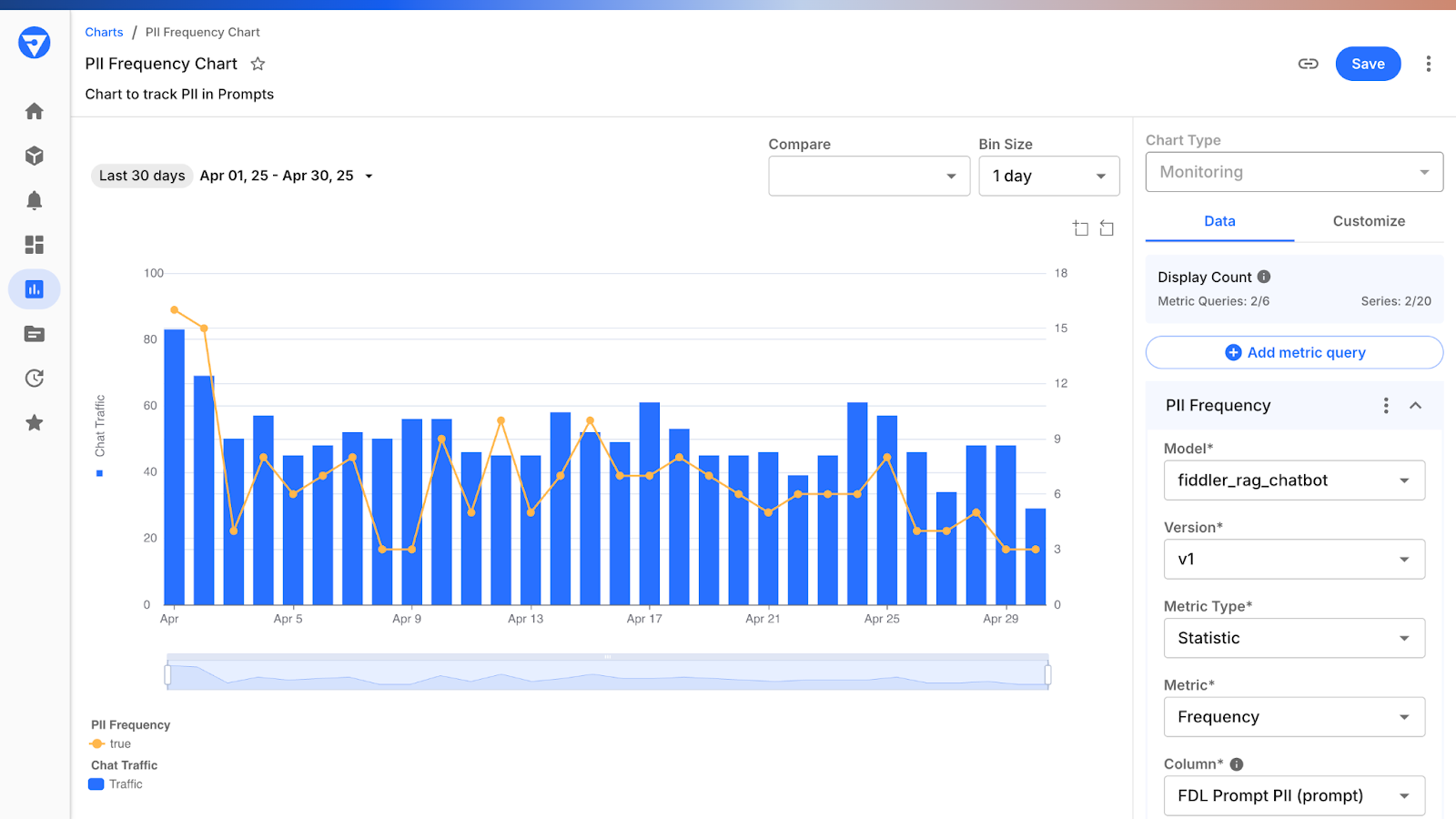
Depthfirst's $40M Series A fuels AI-native defense against autonomous AI threats, reshaping enterprise security with con...
View Board
AI steps out of screens into factories, powering agents that move cups, pick parts and reshape jobs amid surging robot i...
View Board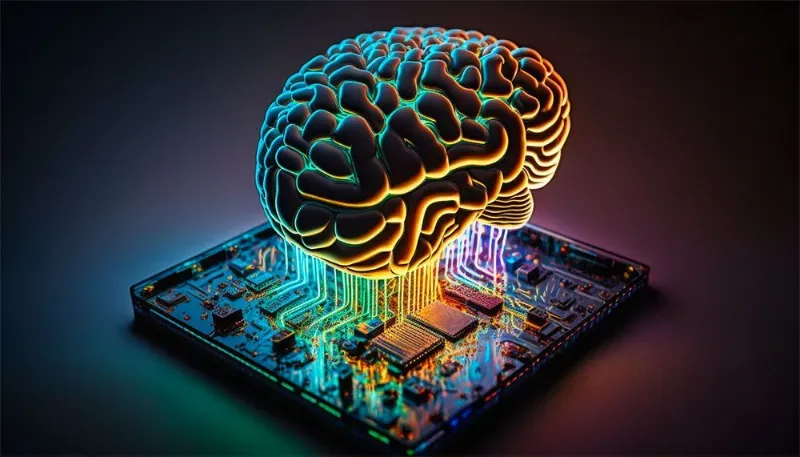
Linh Tran’s radical chip design slashes AI power use by 67%, challenging NVIDIA’s dominance as data centers face a therm...
View Board
The Architects of 2026: The Human Faces Behind Five Tech Revolutions On the morning of February 3, 2026, in a sprawling...
View Board
The open AI accelerator exchange in 2025 breaks NVIDIA's CUDA dominance, enabling seamless model deployment across diver...
View Board
Tesla's Optimus Gen 3 humanoid robot now runs at 5.2 mph, autonomously navigates uneven terrain, and performs 3,000 task...
View Board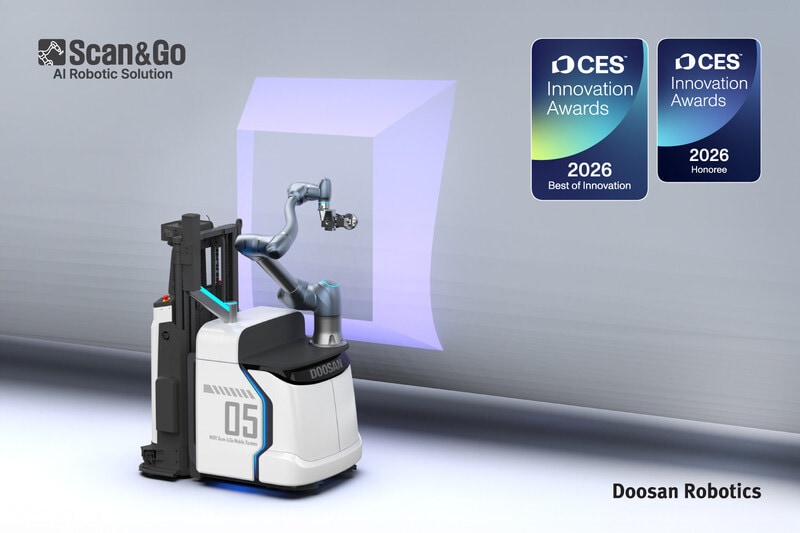
Hyundai's Atlas robot debuts at CES 2026, marking a shift from lab experiments to mass production, with 30,000 units ann...
View Board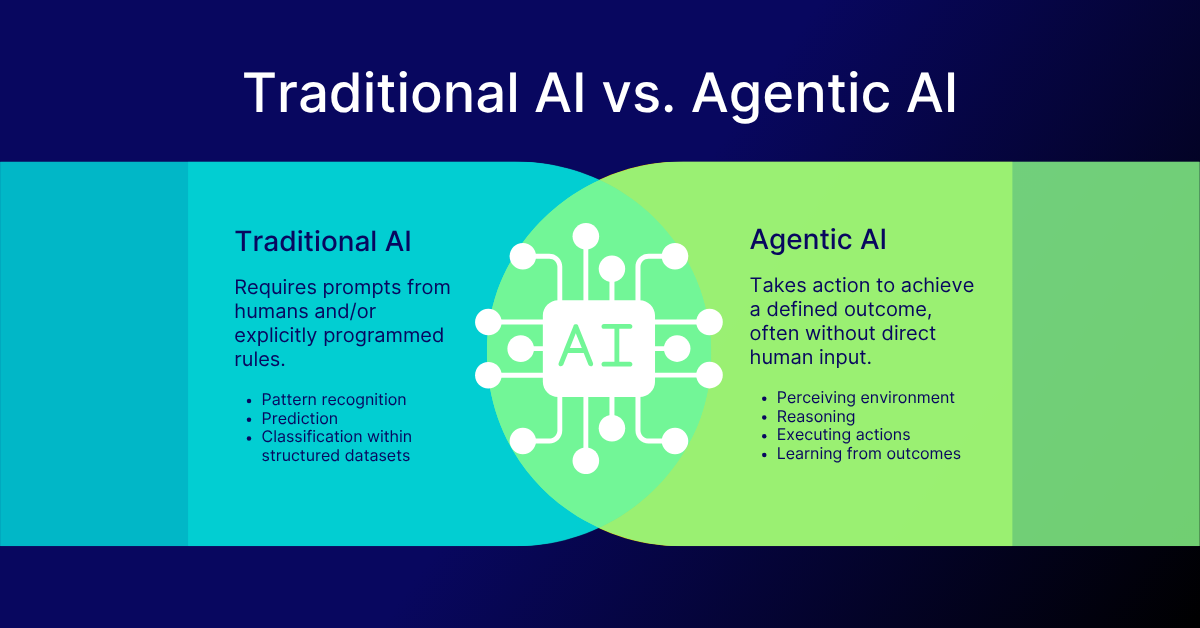
AI-driven networks redefine telecom in 2026, shifting from automation to autonomy with agentic AI predicting failures, o...
View Board
Microsoft's Copilot+ PC debuts a new computing era with dedicated NPUs delivering 40+ TOPS, enabling instant, private AI...
View Board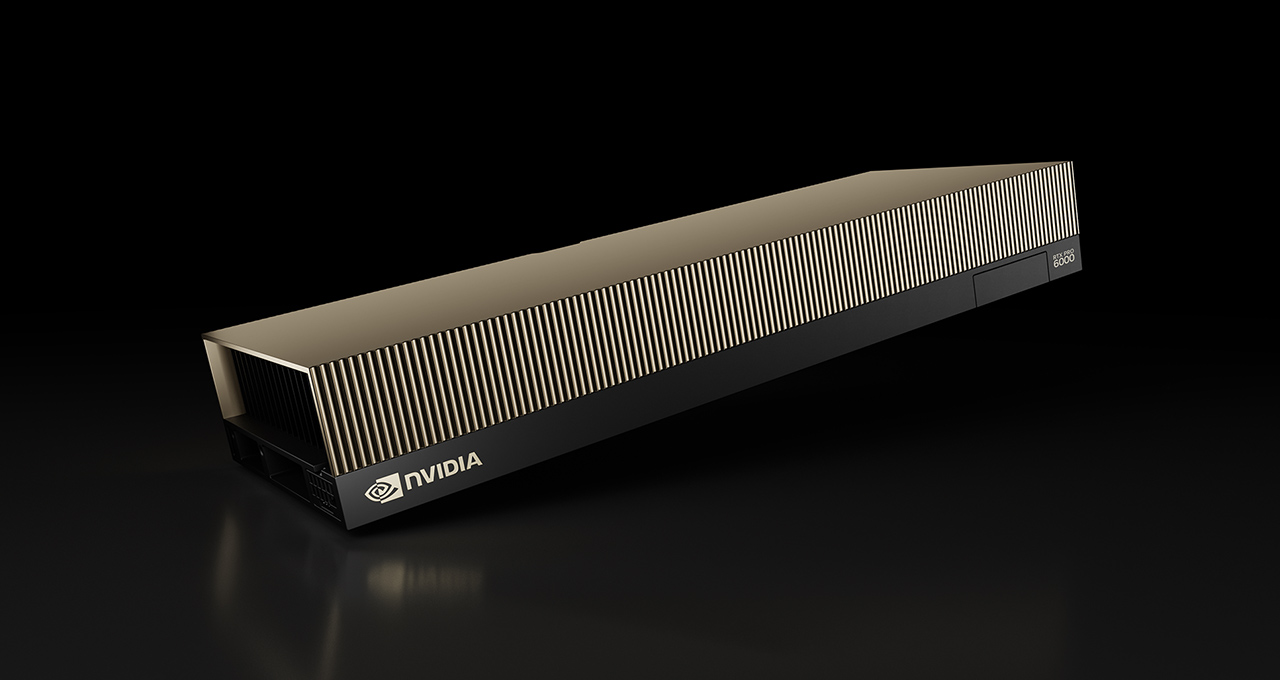
CES 2025 spotlighted AI's physical leap—robots, not jackets—revealing a stark divide between raw compute power and weara...
View Board
Nscale secures $2B to fuel AI's insatiable compute hunger, betting on chips, power, and speed as the new gold rush in te...
View Board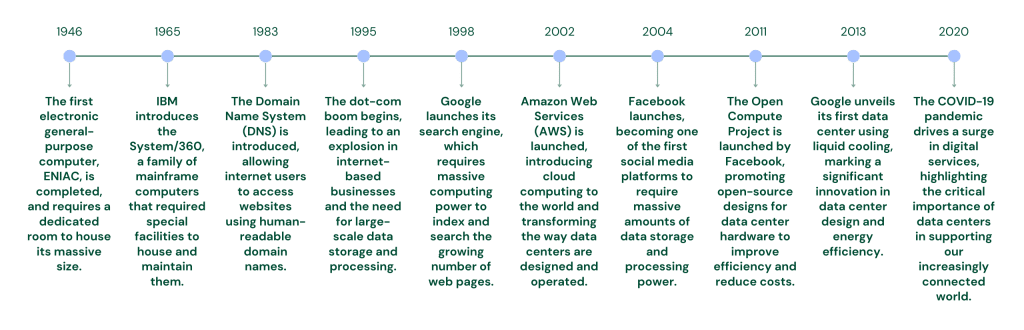
Data centers morph into AI factories as Microsoft's $3B Wisconsin campus signals a $3T infrastructure wave reshaping gri...
View Board
AI-driven digital twins simulate energy grids & cities, predicting disruptions & optimizing renewables—Belgium’s grid sl...
View Board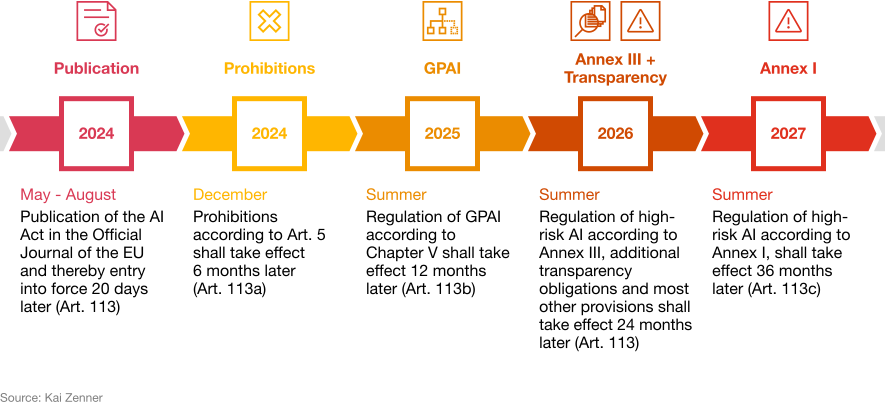
The EU AI Act became law on August 1, 2024, banning high-risk AI like biometric surveillance, while the U.S. dismantled ...
View Board
Three Sarah Austins—tech pioneer, UK events champion, Melbourne theatre scholar—show fragmented careers reshaping identi...
View Board
ul researchers unveil paper-thin OLED with 2,000 nits brightness, 30% less power use via quantum dot breakthrough, targe...
View Board
AI's explosive growth forces a reckoning with data center energy use, as new facilities demand more power than 100,000 h...
View Board
In 2026, AI agents like Aria design, code, and test software autonomously, reshaping development from manual craft to st...
View Board
CES 2026 unveiled stair-climbing vacuums, mmWave presence sensors, and local AI robots that act, sense, and reshape smar...
View Board
Silicon Valley developers quietly abandoned the Pomodoro Technique, finding its rigid 25-minute sprints disrupted deep w...
View Board
Comments