Explore Any Narratives
Discover and contribute to detailed historical accounts and cultural stories. Share your knowledge and engage with enthusiasts worldwide.
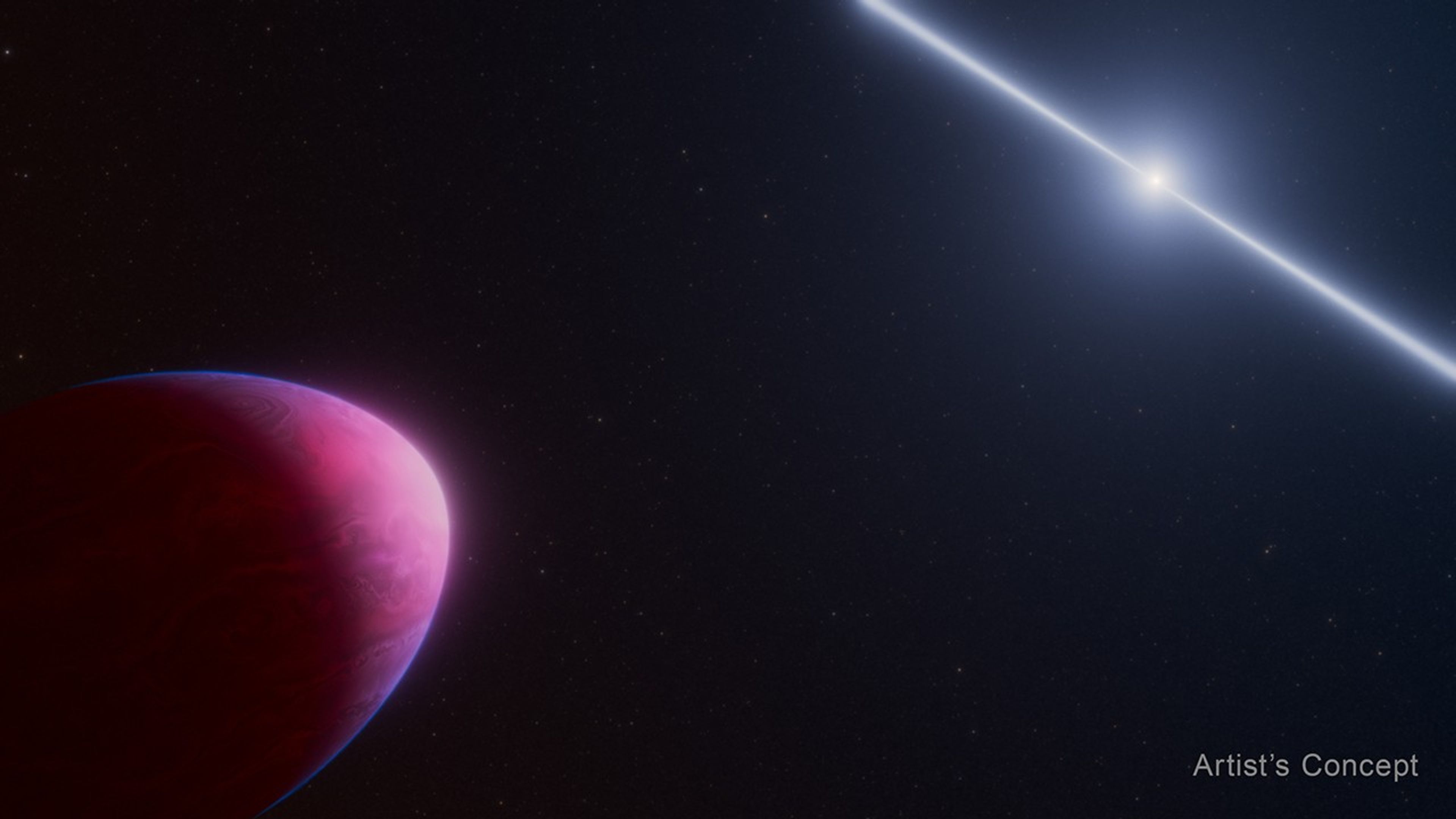
The James Webb Space Telescope (JWST) has peeled back the layers of a truly alien world, revealing an atmospheric cosmic mystery that defies expectations. The telescope has scrutinized an exoplanet designated PSR J2322-2650b, uncovering a bizarre, helium- and carbon-dominated atmosphere where soot clouds may rain diamonds. This bizarre exoplanet atmosphere challenges all existing models of planetary science.
Orbiting a rapidly spinning neutron star, this world represents an entirely new class of celestial body. Its extreme environment and bizarre atmospheric composition have left astronomers both stunned and intrigued, promising to rewrite textbooks on planet formation and evolution.
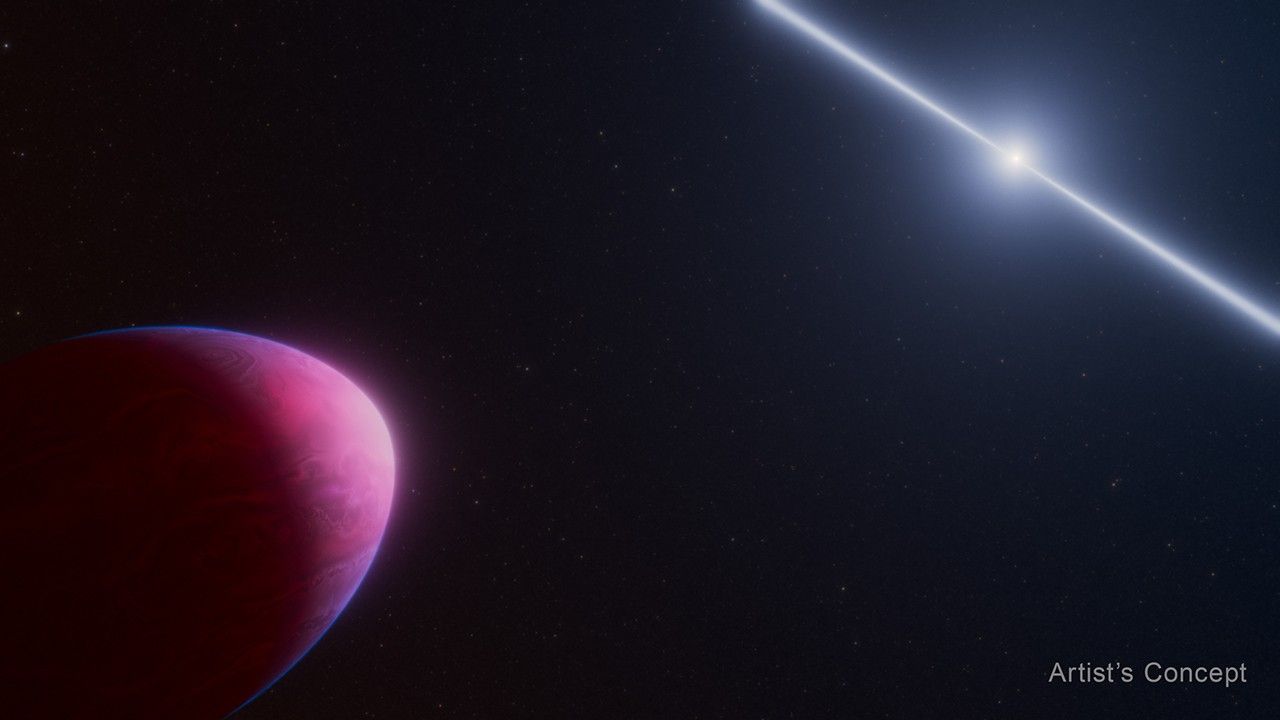
The planet PSR J2322-2650b is a denizen of a cosmic extreme. It exists in a "black widow" star system, named for the spider that consumes its mate. Here, the host is a pulsar—a super-dense, rapidly spinning neutron star—that bathes its companion in deadly radiation and stellar winds.
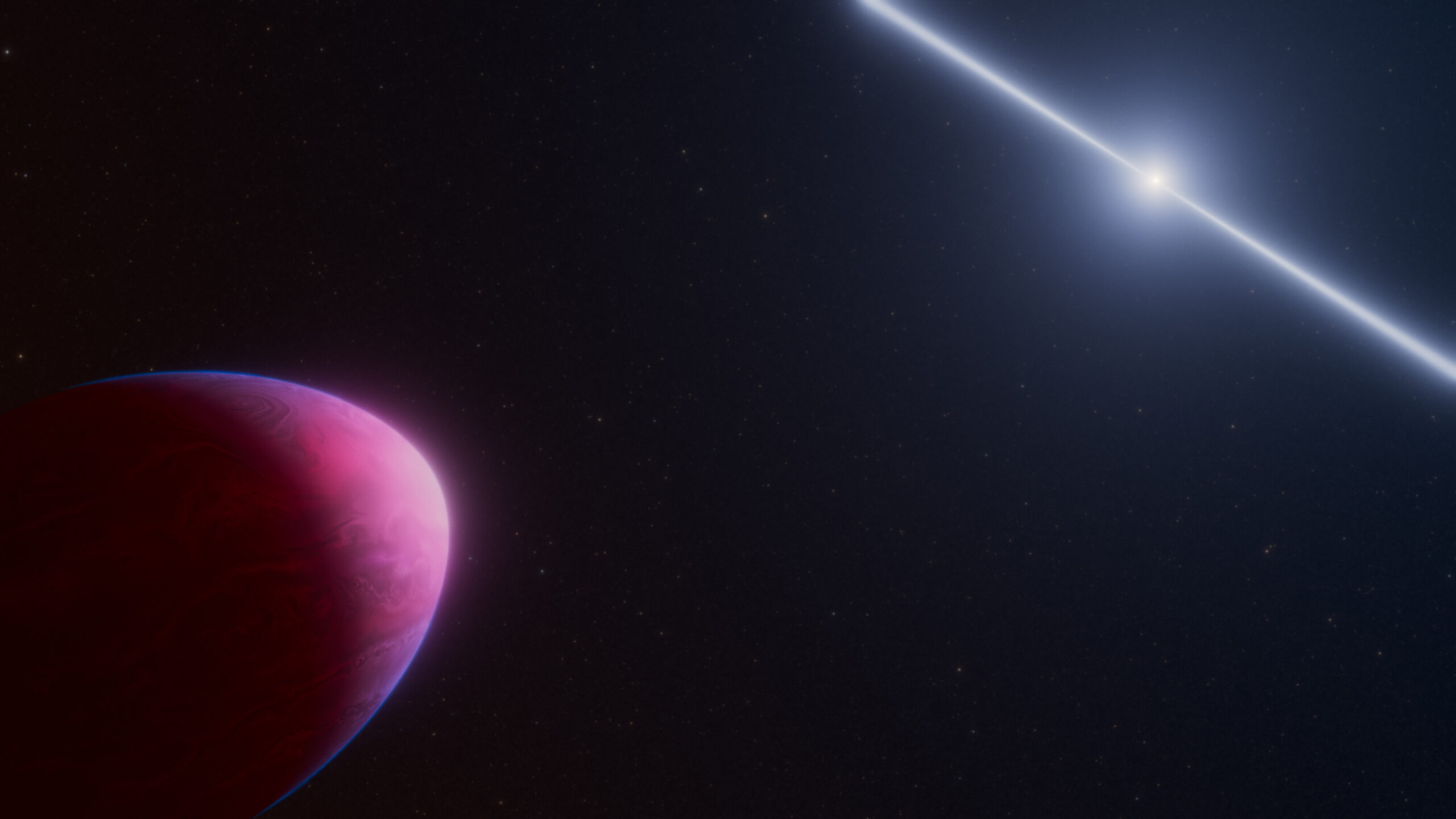
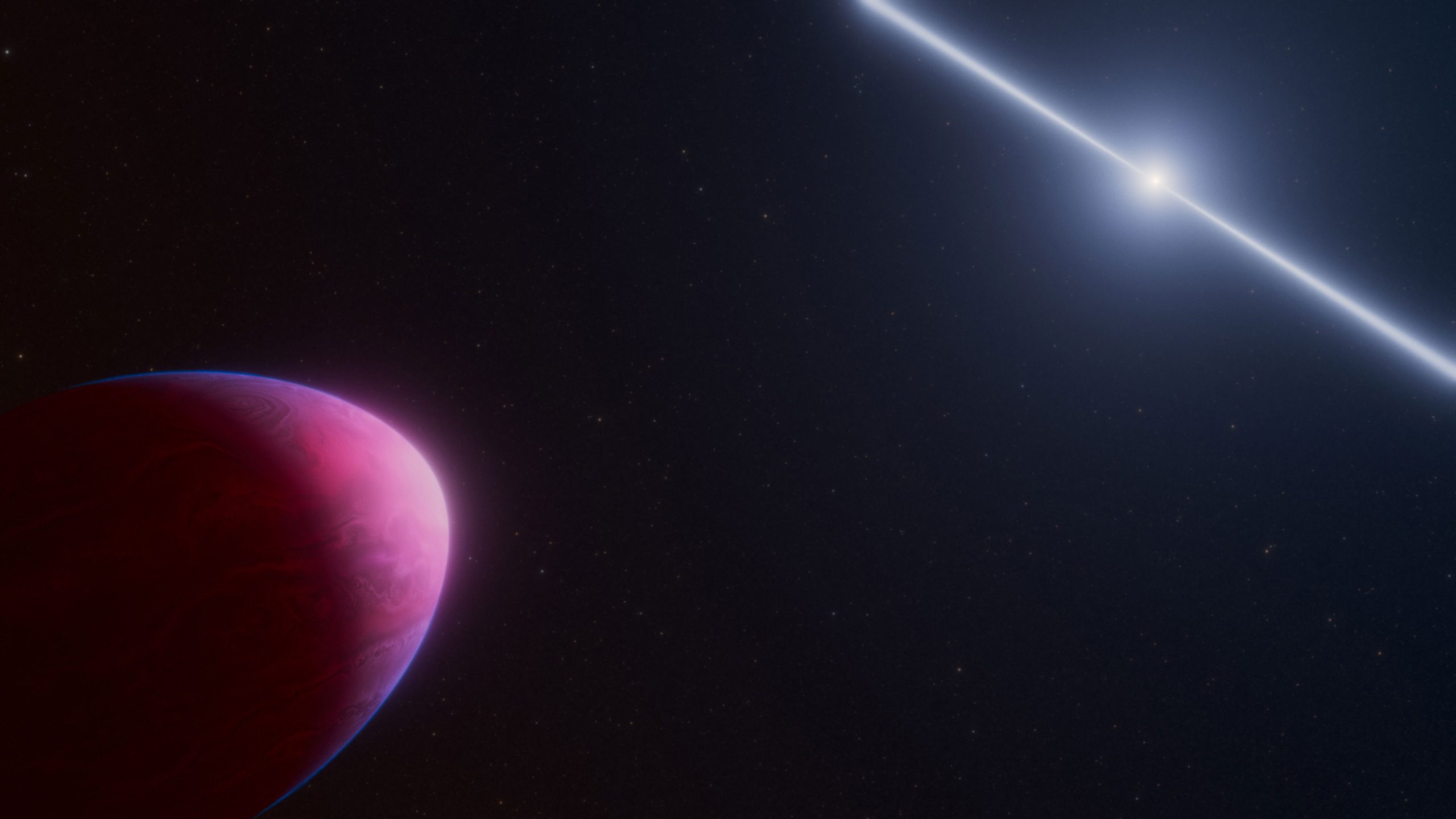
The gravitational forces at play are immense. With a mass roughly equivalent to Jupiter but an orbital period of just 7.8 hours, the planet is stretched and squeezed. This relentless tidal force distorts the world into a unique, lemon-like shape, a stark visual representation of the violent system it calls home.
Initial data prompted researchers' surprise, with co-author Peter Gao stating, "What the heck is this?" as the atmosphere defies proximity-heat expectations for carbon-rich worlds.
This environment blurs the line between a traditional planet and a low-mass stellar companion. The discovery pushes the boundaries of what astronomers classify as a planet and opens a new window into the resilience of celestial bodies.
The true shock came from JWST's mid-infrared instruments. Instead of finding common molecules like water vapor, methane, or carbon dioxide, the data told a different story. The atmospheric composition of PSR J2322-2650b is dominated by helium and features molecular carbon in the forms of C2 and C3.
High in this alien sky, clouds of soot—pure carbon particles—drift. Deeper within the atmosphere, under immense pressure, these carbon particles are theorized to condense into something extraordinary: diamonds. This potential for diamond rain creates a picture of an atmosphere unlike any other previously observed in the cosmos.
This finding is particularly puzzling because heat from a nearby star typically breaks apart carbon molecules. The persistence of molecular carbon (C2 and C3) in this searing environment is a key part of the mystery that scientists are now racing to solve.
This landmark discovery underscores the revolutionary power of the James Webb Space Telescope. Launched in 2021, JWST was designed with the explicit goal of studying the atmospheres of distant worlds. Its suite of infrared cameras and spectrometers can detect the chemical fingerprints of gases billions of miles away.
Prior to JWST, atmospheric studies were largely confined to hot Jupiters—gas giants orbiting close to sun-like stars. JWST has dramatically expanded that frontier. It can now analyze the atmospheres of smaller rocky planets and worlds in extreme environments, like those orbiting pulsars.
The detection of this bizarre exoplanet atmosphere is a direct result of these advanced technological capabilities. It marks a new chapter in exoplanet science, where the truly unusual and unexpected becomes the focus of discovery.
How does such a planet form? The presence of a helium and carbon atmosphere around a world orbiting a neutron star poses a severe challenge to planetary formation models. A leading hypothesis, proposed by researcher Roger Romani of Stanford University, involves a process of cosmic distillation.
The theory suggests the planet cooled after its formation, causing its interior materials to crystallize. Pure carbon crystals, being buoyant, could have risen through the atmosphere like clumps of fat in a cooling soup. This could explain the abundance of carbon in the upper layers. However, a major unresolved issue is the apparent separation of oxygen and nitrogen from this process.
Scientists emphasize the puzzle's value, with Romani noting excitement in pursuing such atmospheric "weirdness."
This formation puzzle highlights how discoveries from JWST exoplanet studies are not just providing answers but are actively generating new, fundamental questions about the diversity of worlds in our galaxy. The mystery of PSR J2322-2650b's origin is now a driving force for new theoretical models.
The atmospheric profile of PSR J2322-2650b is not just unusual; it is theoretically problematic. In standard planetary science, a world so close to a heat source—even a pulsar—should have its atmospheric chemistry driven by thermal equilibrium. The detection of molecular carbon (C2 and C3) directly upends this expectation.
Astronomers expected to find common carbon-bearing molecules like carbon monoxide (CO) or methane (CH4). The intense environment should have broken the stronger carbon-carbon bonds in C2 and C3, favoring bonds with hydrogen or oxygen instead. Their persistent presence suggests either a continuous source replenishing them or a chemical environment so exotic that standard rules do not apply.
This is the first such carbon-helium atmosphere detected, contrasting with typical hot Jupiters where heat dissociates carbon compounds.
The dominance of helium adds another layer of complexity. Helium is a noble gas, largely unreactive, and its prevalence indicates an atmosphere that is both primordial and heavily processed. This bizarre exoplanet atmosphere forces a reevaluation of photochemical and thermal models for worlds in extreme radiation fields.
The statistical data for PSR J2322-2650b paints a portrait of a true astrophysical outlier. The numbers, derived from JWST's precise measurements, provide the concrete foundation for the ongoing cosmic mystery.
These properties collectively define a new category of exoplanet. They are not simply "hot Jupiters" in a strange neighborhood; they are fundamentally different in composition, formation, and evolution.
To understand the planet, one must understand its lethal stellar neighborhood. The "black widow" pulsar system is one of the most hostile environments in the galaxy. The pulsar, the ultra-dense remnant of a supernova, spins rapidly and emits intense beams of high-energy radiation and powerful winds of charged particles.
In such systems, the pulsar's energy slowly evaporates and ablates its companion. For PSR J2322-2650b, this means its atmosphere is under constant bombardment. This relentless assault could be stripping away lighter elements, potentially explaining the high concentration of heavier helium and the sooty carbon.
The very existence of this world raises a profound question: Is it the remnant core of a once-larger star that has been stripped down by the pulsar? Or did it form from the debris of the supernova that created the neutron star itself? The bizarre atmospheric composition may hold the forensic clues to this origins mystery.
The discovery was made possible by the James Webb Space Telescope's unparalleled sensitivity in the mid-infrared range. JWST did not directly "see" the planet; instead, it used the transmission spectroscopy technique. As the planet transited its host star, starlight filtered through its atmospheric layers.
JWST's instruments captured this filtered light and spread it into a spectrum—a chemical barcode. Specific wavelengths were absorbed by atoms and molecules in the planet's atmosphere, creating tell-tale dips in the spectrum. The distinct signatures of helium and molecular carbon were etched into this data, revealing the atmospheric secrets.
JWST's mid-infrared capabilities enabled detection of these exotic signatures, building on its role in exoplanet atmosphere studies since 2022.
This technique transforms JWST into a tool for interstellar atmospheric archeology. By reading these spectral barcodes, astronomers can not only identify chemicals but also infer temperature, pressure, and even weather patterns on worlds light-years away. PSR J2322-2650b represents one of the most complex and puzzling barcodes decoded to date.
The detection of this lemon-shaped world with a diamond-showering atmosphere is not an isolated curiosity. It signals a broader trend in exoplanet science propelled by JWST: the discovery of worlds that defy simple classification and challenge our theoretical frameworks.
PSR J2322-2650b is a prime example of a "weird" hybrid that straddles categories. It has the mass of a gas giant but orbits a dead star. It possesses an atmosphere with primordial helium yet is laced with complex carbon molecules. These hybrids force scientists to expand their definitions and consider more complex formation and evolution pathways.
Other recent JWST findings contribute to this trend, such as studying clinging atmospheres on small rocky planets and searching for potential biosignatures like dimethyl sulfide on ocean worlds. The telescope is revealing a galactic menagerie far more diverse than our own solar system suggested.
This discovery underscores that planetary systems are capable of outcomes far beyond our current imagination. As JWST continues its mission, more such rule-breaking worlds are certain to be found, each adding a new piece to the grand puzzle of cosmic evolution.
The discovery of PSR J2322-2650b is not the end of the story; it is the provocative beginning of a new investigative chapter. Astronomers have already planned extensive follow-up observations with JWST to probe deeper into the planet's atmospheric cosmic mystery. The primary goals are to map the carbon distribution and search for other trace elements.
Several pressing questions drive the next phase of study. Researchers aim to determine the vertical structure of the atmosphere: Are the soot clouds uniform, or do they form in distinct bands? Is the diamond rain hypothesis physically viable under the inferred pressures? Furthermore, scientists desperately seek to find where the oxygen and nitrogen have gone, a missing-piece problem central to the formation puzzle.
Ongoing follow-up is planned for PSR J2322-2650b to resolve carbon distribution mysteries.
Additional observation time will also help characterize the pulsar's interaction with the planet's atmosphere more precisely. Measuring the rate of atmospheric stripping could provide a timeline for the planet's evolution and eventual fate in this violent system.
The investigation of this bizarre exoplanet atmosphere exemplifies the transformative impact of the James Webb Space Telescope. Since beginning science operations in 2022, JWST has fundamentally shifted exoplanet science from mere detection to detailed characterization.
JWST's contributions extend far beyond this one pulsar planet. It is examining the clinging atmospheres of small rocky planets orbiting M-dwarf stars, searching for chemical biosignatures on potentially habitable worlds, and analyzing the weather patterns on hot gas giants. Each study adds a crucial data point to our understanding of planetary diversity.
The discovery of PSR J2322-2650b sits firmly within this legacy of revelation. It proves that JWST is the essential tool for uncovering the universe's most exotic and unexpected phenomena, pushing human knowledge into frontiers once only imagined in theoretical papers.
While JWST excels at studying gas giants and larger worlds, the search for atmospheres around Earth-like rocky planets presents a greater challenge. These planets have thinner, smaller atmospheric envelopes whose signals are incredibly faint, even for JWST's powerful instruments.
Despite the challenges, progress is being made. Astronomers are optimistic that with careful target selection and substantial telescope time, JWST can begin to probe the atmospheres of the most promising rocky exoplanets. The focus is on worlds orbiting calm, small M-dwarf stars, where the atmospheric signal is relatively stronger during transits.
The techniques and data analysis methods being refined on bizarre worlds like PSR J2322-2650b directly inform this more delicate work. Understanding how to extract subtle signals from noise is a transferable skill, bringing the goal of detecting a habitable, Earth-like atmosphere closer to reality.
The discovery of the lemon-shaped exoplanet with a helium and carbon atmosphere is a landmark event in modern astronomy. It underscores a fundamental truth: the universe is far stranger and more creative than our models often predict. This bizarre exoplanet atmosphere is not an error in the data but a feature of cosmic reality, challenging scientists to think more broadly.
The investigation of PSR J2322-2650b has yielded several critical insights that will guide future research:
This cosmic mystery, born from the brilliant data of JWST, reminds us that exploration is driven by both answers and questions. The baffling atmosphere of PSR J2322-2650b does not represent a dead end but a signpost pointing toward new, unexplored territories in planetary science.
As JWST continues its mission, each new observation will build upon this foundation. The telescope will peer deeper into the atmospheres of other exotic worlds, search for hints of life, and undoubtedly find more celestial oddities that prompt astronomers to ask, once again, "What the heck is this?" In that question lies the thrilling, unending pursuit of knowledge, driving humanity's quest to understand our place in a wonderfully strange and diverse cosmos.


Your personal space to curate, organize, and share knowledge with the world.
Discover and contribute to detailed historical accounts and cultural stories. Share your knowledge and engage with enthusiasts worldwide.
Connect with others who share your interests. Create and participate in themed boards about any topic you have in mind.
Contribute your knowledge and insights. Create engaging content and participate in meaningful discussions across multiple languages.
Already have an account? Sign in here
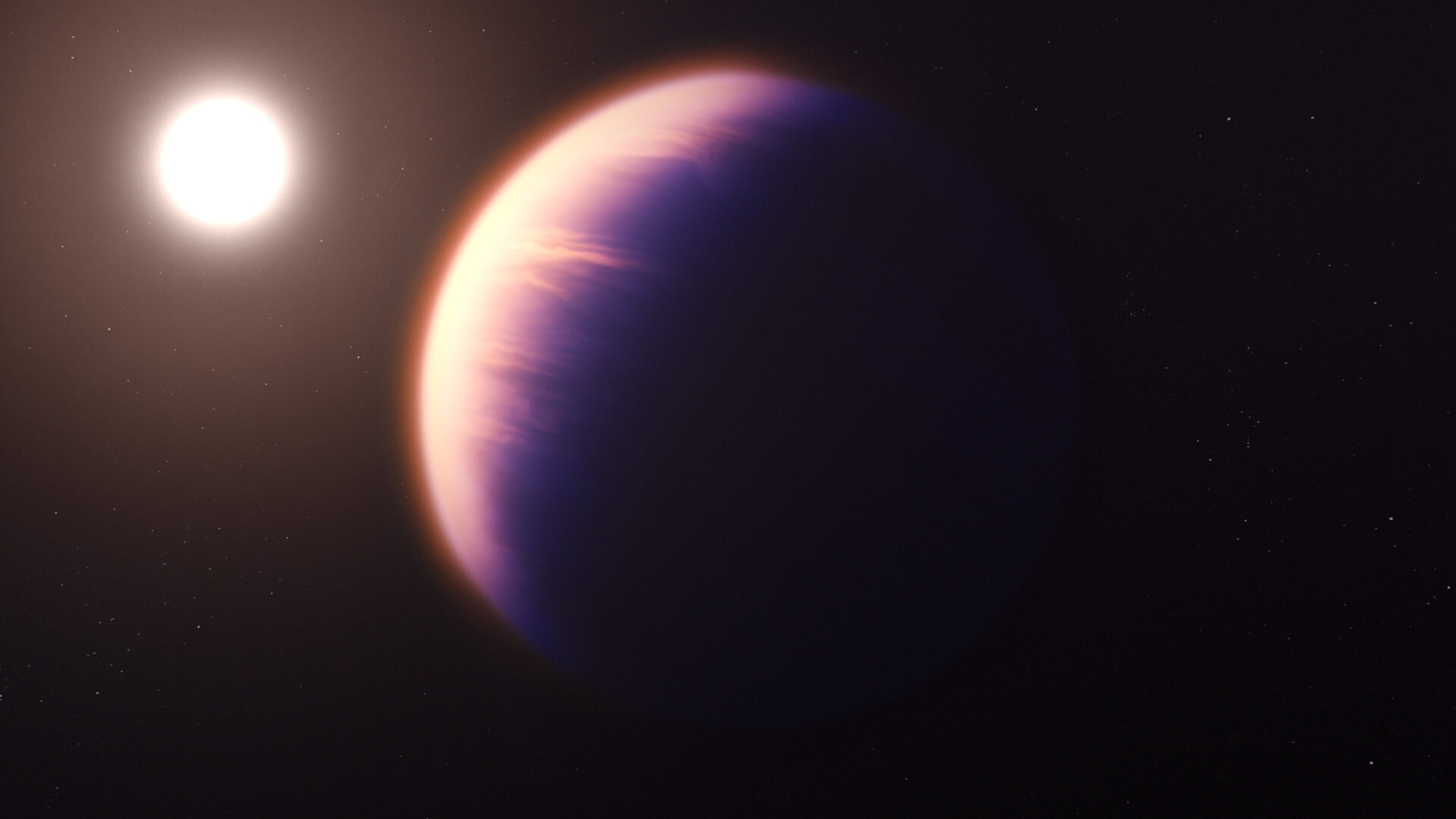
NASA's Habitable Worlds Observatory, set for a 2040s launch, aims to directly image Earth-sized exoplanets and detect li...
View Board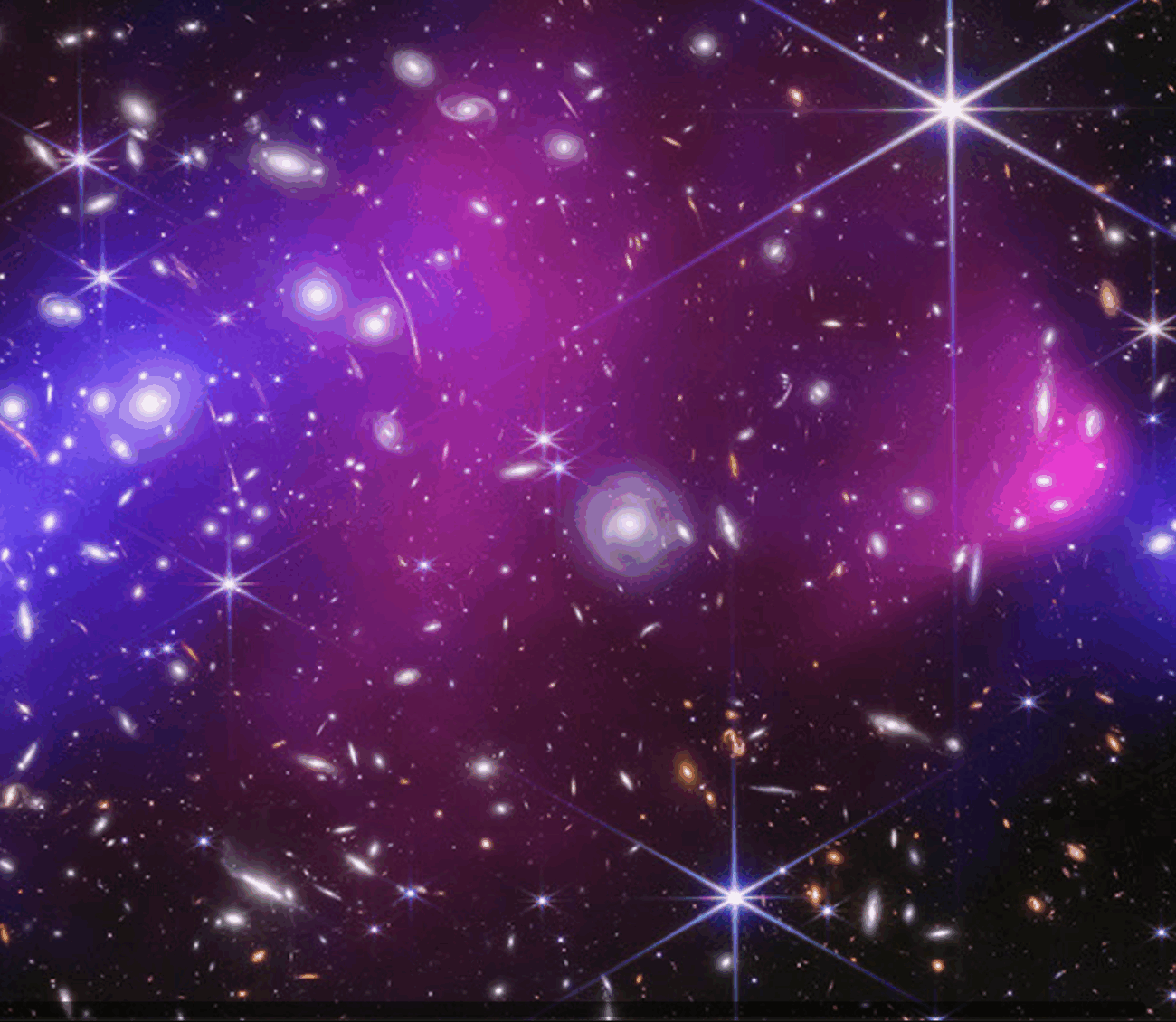
Astronomers uncovered the Champagne Cluster on New Year's Eve 2025, revealing two galaxy clusters in a violent merger, o...
View Board
From Big Bang chaos to cosmic order—new discoveries reveal dark matter's violent origins, red-hot birth, and hidden gala...
View Board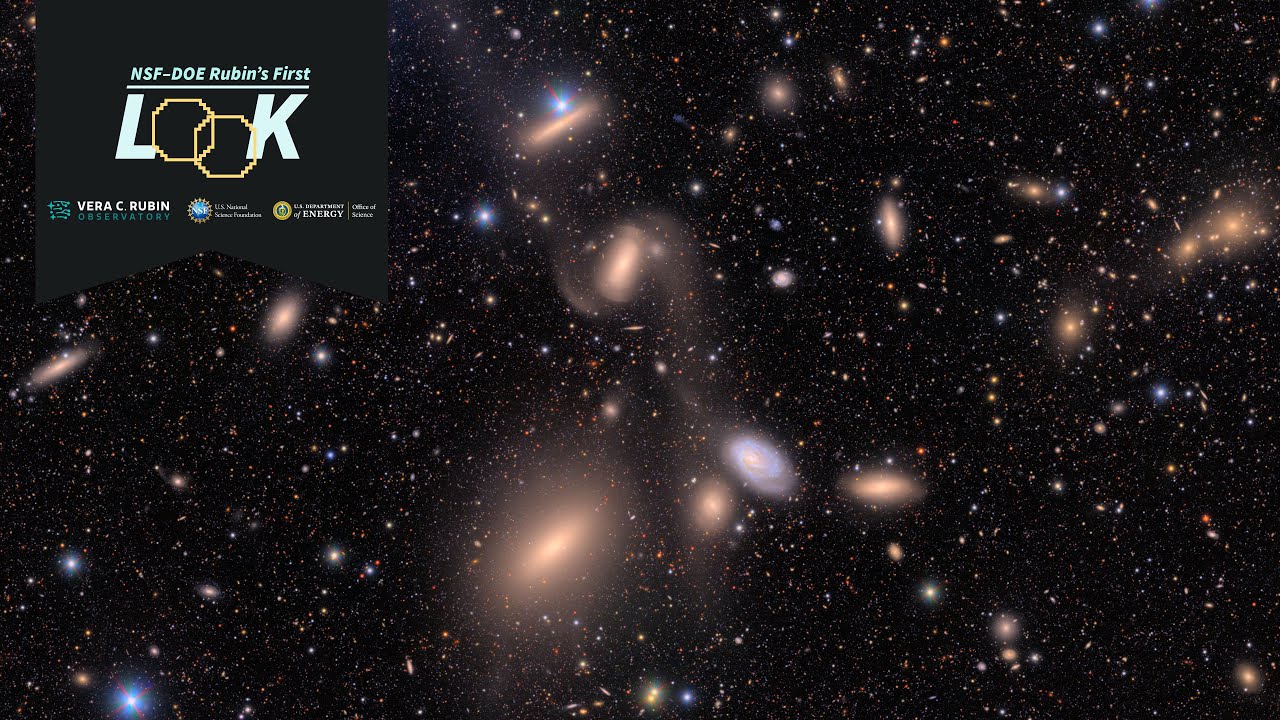
The world's largest space camera, weighing 3,000 kg with a 3.2-gigapixel sensor, captures 10 million galaxies in a singl...
View Board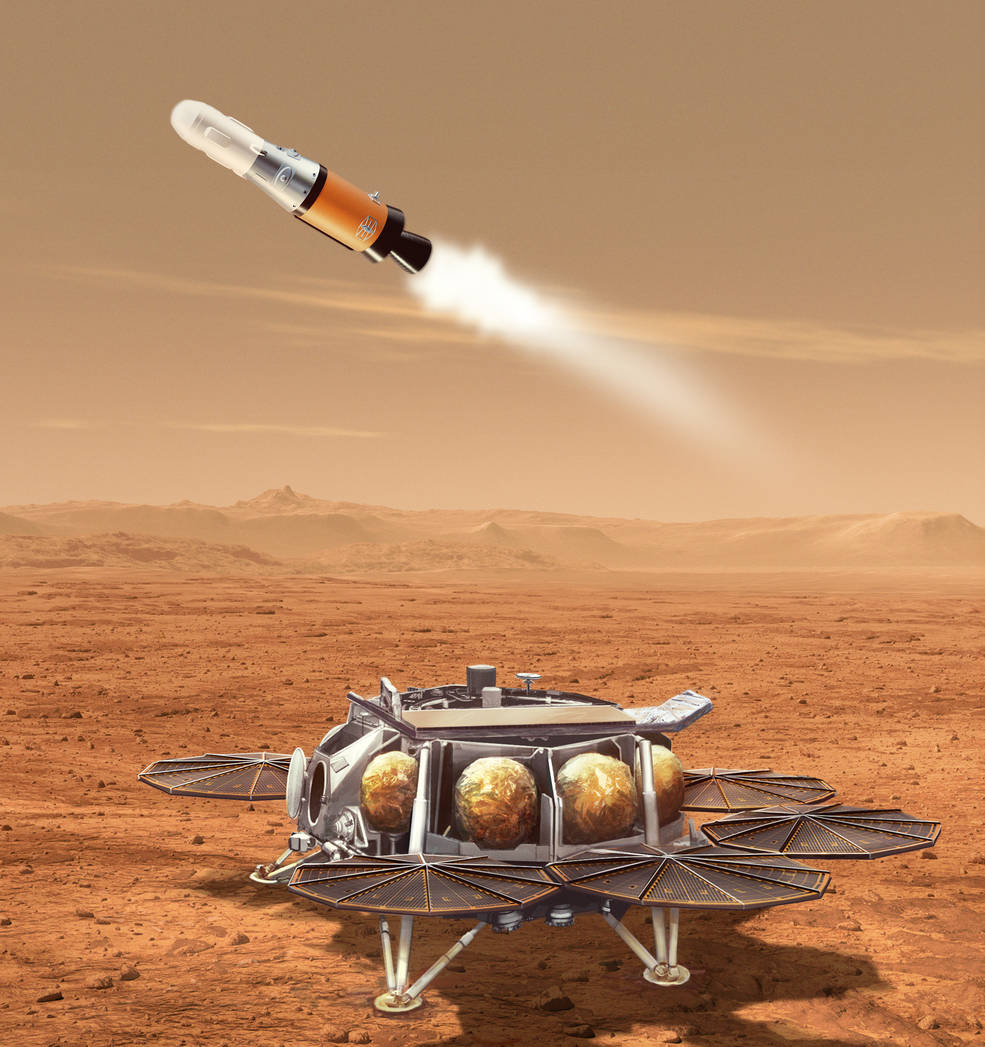
Perseverance rover deciphers Mars' ancient secrets in Jezero Crater, uncovering organic carbon, minerals, and patterns h...
View Board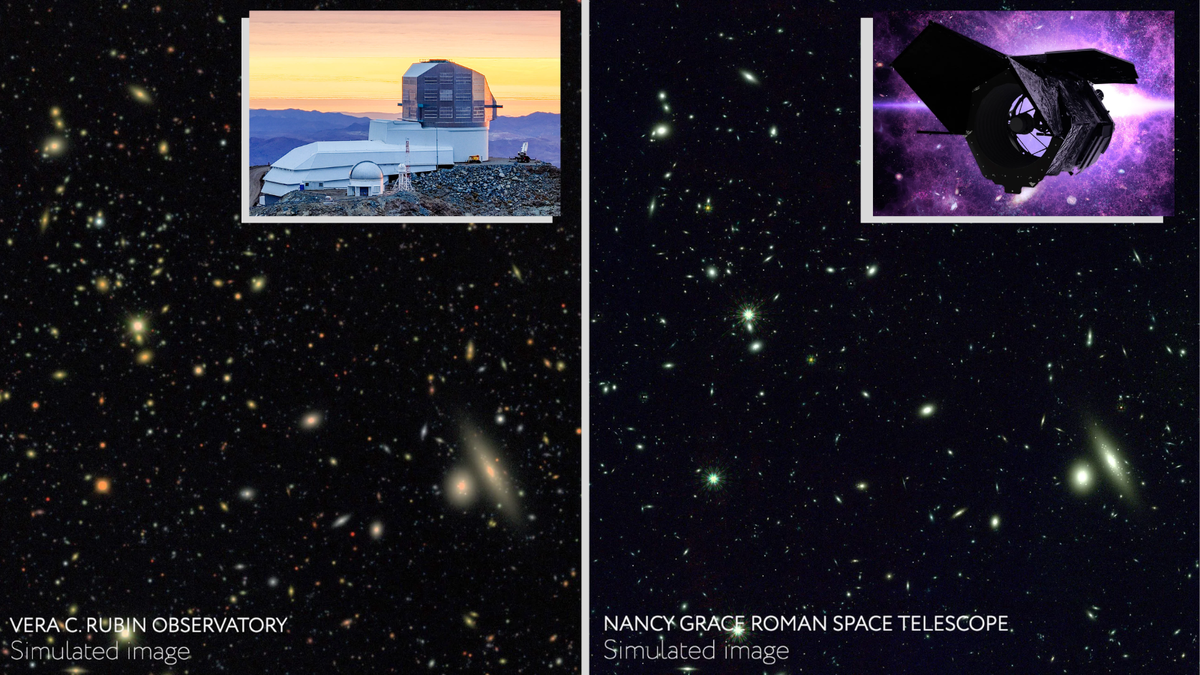
Embark on a cosmic journey through the infinite universe! Explore galaxies, spacetime, dark matter, and the Big Bang. Di...
View Board
Geophysicists declare Europa's seafloor erupts with active volcanoes, fueling plumes that may carry alien life's chemica...
View Board
Cosmologists challenge 40-year dogma: dark matter may have been born hot, screaming at near-light speed in the universe'...
View Board
X1.9 solar flare erupts, triggering severe radiation storm & G4 geomagnetic storm within 25 hours, exposing Earth's vuln...
View Board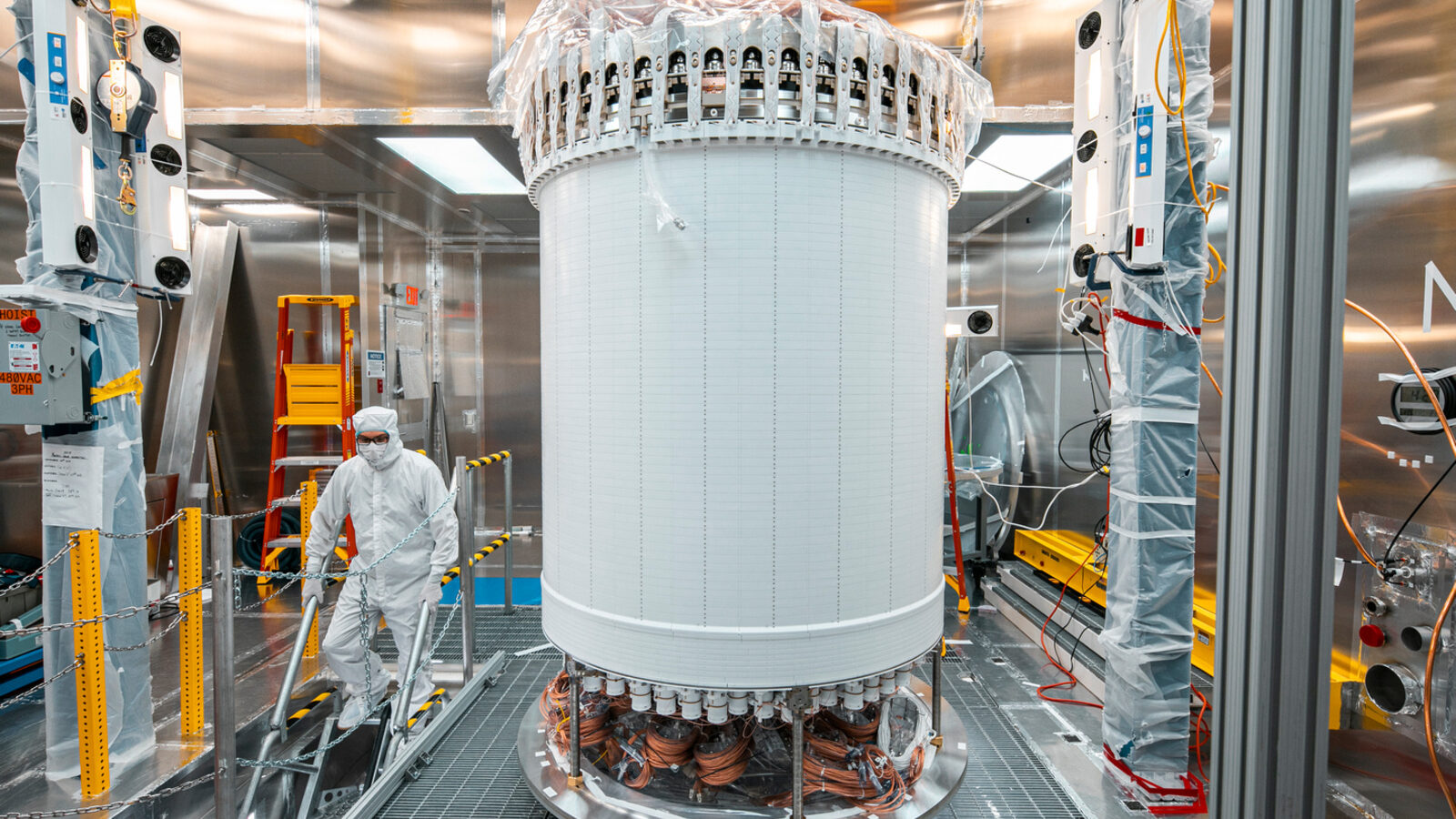
Next-gen dark matter detectors like LZ and TESSERACT push sensitivity limits, probing WIMPs with quantum tech and massiv...
View Board
New research reveals dark matter may have been born red-hot, moving near light speed, challenging 40 years of cold dark ...
View Board
China's Tianwen-2 mission targets asteroid Kamo'oalewa in 2026! Learn about this ambitious sample return mission, its un...
View Board
Explore the groundbreaking work of Sir Arthur Eddington, a brilliant astronomer and physicist. Discover his contribution...
View Board
Tiangong vs. ISS: Two space stations, one fading legacy, one rising efficiency—China’s compact, automated lab challenges...
View Board
ALMA detected a superheated gas halo around SPT2349-56, a 12.4-billion-year-old protocluster only 1.4 billion years old,...
View Board
NASA and ESA race to catalog millions of near‑Earth asteroids, using infrared telescopes and AI to spot threats before t...
View Board
Explore the extraordinary life of George Gamow, the theoretical physicist who pioneered the Big Bang theory and made gro...
View Board
Discover William Herschel, the pioneering astronomer who discovered Uranus, infrared radiation, and thousands of deep-sk...
View Board
A typographical error—a missing overbar—doomed NASA's Mariner 1, sparking a $80 million failure that reshaped software s...
View Board
NASA's Artemis II mission marks humanity's first crewed lunar journey in over 50 years, testing Orion's life-support sys...
View Board
Comments