
Explore Any Narratives
Discover and contribute to detailed historical accounts and cultural stories. Share your knowledge and engage with enthusiasts worldwide.
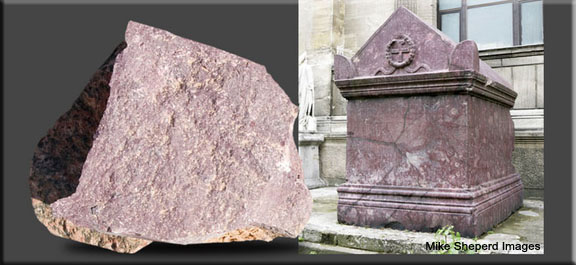
Porphyry, a rare and exquisite material with a history woven tightly into the fabric of ancient Roman power and splendor, has captivated historians, archaeologists, and admirers alike for centuries. This igneous rock, distinguished by its fine-grained texture and purple or reddish hue, holds a place of singular importance in the annals of both geology and history, symbolizing imperial authority through its exclusive use and symbolic meaning.
The journey of porphyry begins not just with its discovery, but with its naming. The term 'porphyry' derives from the Greek word porphyra, which was initially used to denote a dark purple dye extracted from murex shells. Over time, the name evolved to refer to this unique volcanic rock characterized by its distinctive purplish hue and fine-grain texture. While the first documented quarrying and use of porphyry can be traced back to around 18 AD, this mineral’s significance can be traced much further into antiquity.
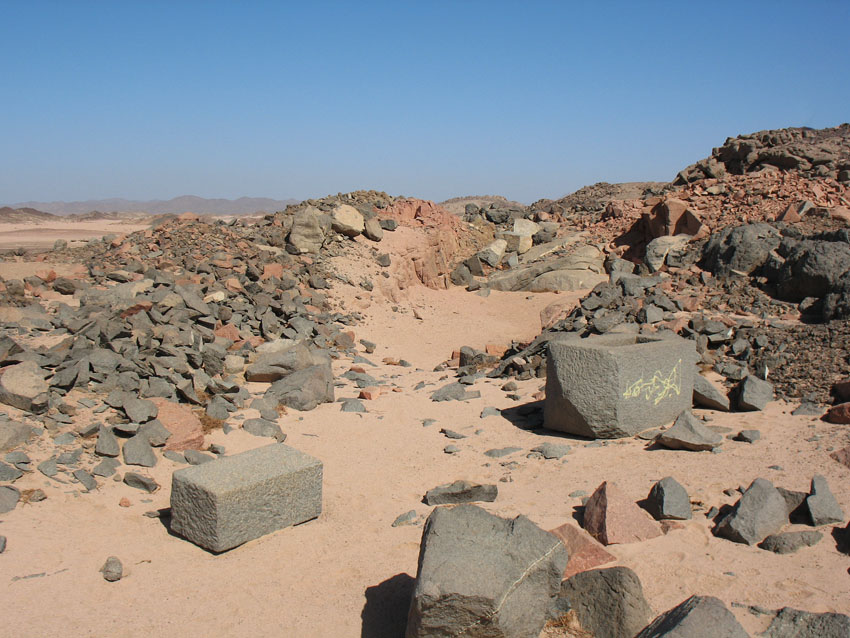
The discovery of porphyry for Roman eyes is credited to Caius Cominius Leugas, a legionary who unearthed this remarkable stone near what is now known as Jebel Dokhan in Egypt's Eastern Desert. Interestingly, records indicate that the Egyptians had already been utilizing porphyry for approximately 1,500 years prior to its Roman adoption, integrating it into their architectural and sculptural endeavors.
The extraction and manipulation of porphyry were undoubtedly among the most monumental feats of engineering ever undertaken by the ancient Romans. The quarrying process was conducted under extremely harsh conditions, with thousands of laborers employing specialized steel tools to cut and shape the blocks of porphyry. Once roughed out, these blocks would be carted some 150 kilometers by ox-drawn carts along a dedicated road, known as the *Via Porphyritis*, which led them to the Nile before being transported across the empire.
Romans were particularly fond of porphyry’s regal purple hue, which evoked associations with royalty and imperial power. Consequently, the material found its way into grand imperial constructions such as the 30-meter-tall column of Constantine in Constantinople, which still stands today as a testament to the magnificence of this stone. Additionally, it adorned the palaces of Roman emperors, including those of Diocletian and Constantine, and served as a primary medium for statuary and intricate mosaics. Porphyry’s durability and aesthetic appeal were instrumental in rendering the ancient world’s greatest edifices even more awe-inspiring.
With the decline of the Roman Empire in the 5th century AD, the production and use of imperial porphyry diminished. The quarries were eventually abandoned, and knowledge of the location of the prized stone was lost for hundreds of years. It wasn’t until 1823 that explorers rediscovered the quarries at Mons Porphyrites, sparking renewed interest in both the physical substance and the cultural significance of this unique rock.
The end of the Roman Empire saw porphyry’s rarity elevate its status even further. In the Middle Ages, its presence was seen as a manifestation of ancient technological prowess and artistic genius, almost as if the material itself had preserved a form of knowledge about itself and its creation. This perception was exacerbated by the loss of advanced steel technology and quarrying techniques, leading to a legend that medieval artisans couldn’t fathom how such stone could have been hewn in ancient times.
Despite the decline in Roman production, porphyry continued to play a critical role in medieval architecture and artistic endeavors. During the 11th and 12th centuries, Norman builders in Sicily made full use of Roman porphyry spolia (reused Roman structures) to construct their own works of artistry and symbolism. The intricate designs and detailed carvings evident in Palermo Cathedral and Monreale Cathedral, for instance, incorporated porphyry sarcophagi and *opus sectile* mosaics, alluding to the enduring influence of the Roman Empire.
Of particular note is the green porphyry, known as *lapis lacedaemonius*, which, when combined with red porphyry, created a dramatic visual impact in architectural settings. These combinations were not merely decorative but also served as potent symbols of the continuity between the ancient and Christian worlds.
In the modern era, porphyry continues to capture attention through its continued use in historical reconstructions, archaeological studies, and contemporary luxury design. Museums and exhibitions regularly feature porphyry artifacts, offering visitors a glimpse into the grandeur of ancient Rome. For instance, the ongoing excavation work at Mons Porphyrites is shedding light on the logistical marvels involved in extracting and transporting this stone. Techniques like LiDAR mapping provide unparalleled insights into the intricacies of the ancient quarry.
However, the future prospects for porphyry lie not just in its historical significance but also in its broader scientific importance. Geoscientists now recognize that 'porphyry' not only refers to the specific type of igneous rock but also encompasses a wider range of ore deposits, such as those rich in copper and gold. This broader context underscores the enduring allure of porphyry beyond its historical connotations.
As we delve deeper into understanding the past, the enigmatic stone continues to offer us valuable lessons about resilience, craftsmanship, and the lasting power of art and architecture.
The modern significance of porphyry extends far beyond its historical context, influencing contemporary fields ranging from archaeology to luxury design. In the realm of archaeology, ongoing excavations at Mons Porphyrites continue to reveal the secrets of Roman logistics and quarrying techniques. The discovery of well-preserved worker camps and hydreumata wells (wells for mining operations) provides a comprehensive picture of the labor-intensive processes involved in extracting this rare stone. Modern technologies like Light Detection and Ranging (LiDAR) have also played a crucial role in mapping the *Via Porphyritis* and other aspects of the ancient transportation network. These advancements have not only enriched our understanding of ancient practices but have also highlighted the sophisticated systems employed by Roman engineers.
The symbolic legacy of porphyry continues to inspire modern interpretations. Exhibitions that showcase historical porphyry artifacts often attract vast audiences interested in both classical antiquity and architectural heritage. These events serve to remind modern viewers of the enduring impact of Roman culture and the ingenuity of ancient craftsmen. Moreover, the study of medieval porphyry spolia in places like Palermo and Monreale has sparked discussions about the transmission of knowledge and skills across cultural and temporal divides. The intricate craftsmanship evident in these reused Roman stones showcases the continuity of artistic tradition and the adaptation of ancient methods in new contexts.
Architectural and design firms are increasingly drawn to porphyry for its inherent beauty and historical connotations. Modern luxury design often incorporates elements reminiscent of opus sectile—a technique involving intricate interplay of colored marbles—that was originally used in ancient porphyry mosaics. This integration not only enhances the aesthetic appeal but also nods to the timeless elegance of classic Roman design. Contemporary buildings and interior spaces adorned with porphyry reflect a deep appreciation for the craftsmanship and symbolic value associated with this material.
The diverse applications of porphyry extend from architectural to more practical uses. Beyond ornamental purposes, porphyry has found utility in various industries, including the automotive and construction sectors. Its natural durability and resistance to wear make it a sought-after material for high-traffic areas and structural components where longevity is crucial. Moreover, the material's distinctive texture and coloration add a unique character to building exteriors and facades, contributing to the overall aesthetic appeal of modern structures.
Technological advancements have also contributed to a deeper understanding of porphyry's properties. Modern research employs techniques such as scanning electron microscopy (SEM) and X-ray diffraction (XRD) to analyze the microscopic structure and chemical composition of porphyry. These analyses offer insights into the formation processes of the rock and help in identifying the specific characteristics that give it its unique attributes. Such information is invaluable for ensuring the proper identification and preservation of porphyry specimens for both historical and commercial purposes.
Another area of significant interest is the comparison between Roman and medieval carving techniques. Recent studies have sought to determine whether the skill and precision evident in medieval porphyry carvings can be attributed to the survival of Roman skills or if they represent a completely independent development. This comparative analysis involves a thorough examination of tool marks, surface finishes, and overall craftsmanship. Through such studies, scholars aim to uncover the extent of continuity in artisanal traditions and the potential transmission of techniques across different historical periods.
Porphyry stands as a powerful symbol of human ingenuity, engineering prowess, and cultural heritage. From its ancient origins in the Eastern Desert to its ongoing relevance in modern times, this unique stone has left an indelible mark on humanity’s history. Its rare and striking appearance, coupled with the monumental effort required to quarry and transport it, elevates porphyry beyond mere construction material to the realm of cultural iconography. As we continue to explore and appreciate this extraordinary rock, we gain not only a better understanding of the past but also insights into the enduring power of craftsmanship and aesthetics that have shaped civilization throughout the ages.
The scientific study of porphyry has opened up new dimensions of understanding, bridging the gap between classical antiquity and contemporary geology. Recent geological surveys have linked the "porphyry" terms to a broader group of ore deposits, including those associated with copper and gold. Porphyry copper deposits, for example, are known for their significant economic importance and are found worldwide. These deposits are characterized by a specific geological formation, where magmatic hydrothermal fluids enrich the surrounding rock layers with minerals like copper, molybdenum, and gold.
This shift in nomenclature highlights the versatility and historical significance of the term "porphyry," emphasizing its broader use as a descriptor rather than strictly referring to the imperial rock. The scientific community now recognizes that while the ancient porphyry was valued for its aesthetic and cultural qualities, the term has evolved to encompass the diverse geological formations that share similar characteristics.
Modern analytical techniques, including isotopic analysis and geochemical profiling, have provided additional insights into the source rocks, magmatic processes, and deposition mechanisms of porphyry deposits. Such studies are not only important for understanding the geology but also for resource exploration and management. In regions such as South America and North America, porphyry copper deposits are a significant focus of ongoing research, as they hold substantial economic potential.
The preservation and future challenges of porphyry present both opportunities and obstacles for future generations. The site of Mons Porphyrites, recognized by UNESCO, is a testament to the importance of protecting such historical resources. Efforts to preserve the archaeological site include ongoing excavations, documentation, and the establishment of educational programs to raise awareness about the significance of these ancient quarries.
However, the preservation of porphyry extends beyond physical protection. The ongoing discussion about the sustainable use of historic materials prompts questions about how to balance conservation with contemporary demands. While porphyry holds immense cultural and aesthetic value, its use in modern construction must be carefully considered to ensure that it is preserved for its historical significance while still meeting current needs.
Education and public engagement play a crucial role in these efforts. Schools and universities can incorporate porphyry into their curricula, teaching students about its history, geological significance, and modern applications. Public museums and exhibitions can also serve as platforms to disseminate knowledge and foster appreciation for this unique rock. By engaging with these audiences, society can better understand the importance of preserving historical materials and the cultural narratives they encapsulate.
In conclusion, porphyry's journey从上面的英语文本中,我们可以得出一个关于科普岩石学的文章结构和大致内容。以下是根据提供的信息构建的一篇详细的文章草稿:
---
Porphyry, an ancient volcanic rock known for its rich purple and sometimes reddish hue, holds a significant place in the annals of both geology and history. Characterized by its dense, fine-grained texture, porphyry became a symbol of imperial power and exclusivity in ancient Rome. This unique stone has captivated historians, archaeologists, and admirers alike due to its rarity and intricate extraction process.
The term "porphyry" traces its origins to the Greek word porphura, which referred to a purple dye made from murex shells. However, the stone itself was discovered and utilized long before the Romans. Egyptian artisans had been quarrying and working with porphyry for approximately 1,500 years before its recognition by the Romans in the early Imperial period. Records attribute the first documented quarrying and usage of porphyry to around 18 AD, facilitated by Caius Cominius Leugas, a Roman Legionary who uncovered the rock near Jebel Dokhan in Egypt's Eastern Desert.
The extraction and processing of porphyry were among the most impressive feats of ancient engineering. Thousands of laborers employed specialized tools to cut and shape these hard-to-obtain blocks, which were then transported over 150 kilometers via ox-drawn carts along the Via Porphyrites to reach the Nile. The material was used for a plethora of purposes, including columns, statuary, sarcophagi, and opus sectile mosaics. Noteworthy examples include the 30-meter column of Constantine in Constantinople, the eight pillars of Hagia Sophia, and the palaces of Diocletian and Constantine.
The production and usage of imperial porphyry declined sharply after the fall of the Roman Empire in the 5th century AD. The quarries were eventually abandoned, and the location of the prized stone was forgotten for centuries. In 1823, explorers rediscovered the quarries at Mons Porphyrites, reigniting interest in both the material itself and the historical context surrounding its use.
Today, porphyry continues to hold significance in archaeological research, luxury design, and modern technology. Excavations at Mons Porphyrites reveal the intricacies of Roman extraction and logistics, while technologies like LiDAR provide detailed insights into ancient roads and quarries. Medieval buildings in places like Palermo and Monreale showcase medieval use of Roman porphyry spolia, illustrating the enduring legacy of Roman craftsmanship. Modern luxury design increasingly incorporates porphyry, reflecting its timeless appeal.
Porphyry's applications extend beyond decoration to include practical uses in industries like construction and automotive. Scientific advancements in analytical techniques, such as SEM and XRD, enhance our understanding of porphyry's properties, informing its preservation and utilization. Comparative studies of Roman and medieval carving techniques help us understand the transmission of skills across historical periods.
Current geological studies link the term "porphyry" to broader ore deposits, highlighting its wider significance in geology. Modern research employs techniques like isotopic analysis and geochemical profiling to elucidate the formation and deposition mechanisms of porphyry deposits. These insights are crucial for resource exploration and management, especially in regions known for porphyry copper deposits.
The preservation and future utilization of porphyry face both challenges and opportunities. Preservation efforts at archaeological sites, such as UNESCO-listed Mons Porphyrites, prioritize protection, education, and public engagement. Balancing conservation with contemporary demands requires careful consideration, ensuring both historical integrity and practical utility.
Porphyry, a remarkable stone imbued with both historical and scientific significance, continues to captivate our imagination. From its ancient origins to its modern-day applications, this unique rock serves as a bridge between past and present, reflecting human ingenuity, cultural heritage, and the enduring power of natural beauty.




Your personal space to curate, organize, and share knowledge with the world.
Discover and contribute to detailed historical accounts and cultural stories. Share your knowledge and engage with enthusiasts worldwide.
Connect with others who share your interests. Create and participate in themed boards about any topic you have in mind.
Contribute your knowledge and insights. Create engaging content and participate in meaningful discussions across multiple languages.
Already have an account? Sign in here
Archaeologists in Izmir, eng, uncover a 1,500-year-old mosaic with Solomon’s Knot, revealing Smyrna’s Agora’s layered hi...
View Board
Archaeologists uncover lost Hadrian’s Wall section in 2025, revealing a 2,000-year-old frontier’s complex legacy of powe...
View Board
Unearthing Etruria’s vibrant artistry: 520 BCE tombs reveal banquets, music, and a culture celebrating life and death wi...
View Board
Explore the reign of Lucius Septimius Severus, Rome's first African emperor. Discover his military conquests, political ...
View Board
Krakatoa’s 1883 eruption unleashed tsunamis over 100 feet high, obliterating 165 coastal villages and killing 36,417, re...
View Board
Journey through time in Pompeii, the ancient Roman city frozen in time by Mount Vesuvius. Discover its history, excavati...
View Board
Explore the life of Caracalla, the controversial Roman Emperor. Discover his brutal reign, key reforms like the Constitu...
View Board
A 19th-century hoax, Kap Dwa, resurfaces online as an Egyptian mummy, obscuring the real, sacred science of ancient buri...
View Board
Explore Mogadishu's rich history, from its medieval origins to its golden age under the Ajuran Sultanate. Discover the c...
View Board
Explore the life of Gaius Petronius Arbiter, Nero's 'arbiter of elegance,' and author of the *Satyricon*. Discover his i...
View Board
Discover the reign of Antiochus IV Epiphanes, the last king of Commagene. Learn about his loyalty to Rome, military serv...
View Board
Explore the 2025 Archaeology Boom! Discover groundbreaking finds from lost cities to royal tombs, reshaping our understa...
View Board
Explore the reign of Septimius Severus, Rome's first African emperor. Discover his military reforms, rise to power, and ...
View Board
Archaeologists uncover Belize's first Maya king, Te K’ab Chaak, in a 1,700-year-old tomb, rewriting Caracol’s origins wi...
View Board
Uncover the mysteries of Jericho, the world's oldest city. Explore its ancient walls, agricultural innovations, and bibl...
View Board
Discover Octavia the Younger's pivotal role in Roman history! Sister of Augustus, wife of Antony, and a master of diplom...
View Board
Dr. Zahi Hawass, seasoned excavator of the Valley of the Kings, scans a concealed void behind Tutankhamun’s tomb, seekin...
View Board
Archaeologists discover the lost tomb of Pharaoh Thutmose II in the Valley of the Kings! Explore the significance of thi...
View Board
Archaeologists uncover a 3,500-year-old Egyptian fortress in Sinai, revealing advanced military engineering, daily soldi...
View Board
Explore the controversial reign of Julian the Apostate, Roman Emperor who rejected Christianity. Discover his reforms, m...
View Board
Comments