
Explore Any Narratives
Discover and contribute to detailed historical accounts and cultural stories. Share your knowledge and engage with enthusiasts worldwide.
Nestled in the West Bank, Jericho stands as one of the oldest continuously inhabited cities in the world. With roots tracing back to 9000–9600 BCE, this ancient settlement offers unparalleled insights into early human civilization. Archaeological discoveries, including the oldest known protective wall and a towering stone structure, highlight its significance in the Pre-Pottery Neolithic period. Recognized by UNESCO as a World Heritage Site, Jericho’s legacy spans millennia, from early agriculture to biblical lore.
Jericho’s transformation from a hunter-gatherer camp to a thriving farming community marks a pivotal moment in human history. By 8500 BCE, its inhabitants had domesticated crops like wheat and barley, laying the foundation for permanent settlement. The discovery of circular mud-brick homes and grain silos underscores its role in the birth of agriculture.
The shift to farming allowed Jericho to support a growing population. By 9400 BCE, the settlement expanded to over 70 homes, housing an estimated 2,000–3,000 people. This growth was fueled by the Ein es-Sultan spring, a vital water source that enabled year-round cultivation.
Jericho’s most iconic structure, a 28-foot-tall stone tower, dates back to 9400 BCE. This monumental architecture, alongside thick protective walls, reflects early engineering prowess. Excavations led by Kathleen Kenyon in the 1950s confirmed Jericho’s antiquity, predating written records by thousands of years.
By the Early Bronze Age (3400–2100 BCE), Jericho had evolved into a fortified urban center. Its strategic location and defensive structures made it a hub for trade and governance. Palaces and markets flourished, showcasing its economic and political importance.
The Middle Bronze Age (2100–1600 BCE) saw Jericho’s defenses reach new heights, with towering walls and ramparts. However, this era also witnessed violent destruction, notably around 1573 BCE, linked to Egyptian campaigns against the Hyksos. Carbon dating and archaeological evidence provide precise timelines for these events.
Jericho’s biblical fame stems from the story of its conquest by the Israelites under Joshua. According to the Bible, the city’s walls collapsed after seven days of marching (Joshua 6). However, archaeological findings suggest a earlier destruction, dating to 150–300 years before the biblical account. The city was largely abandoned by the 13th century BCE, complicating the narrative.
Today, Jericho remains a focal point for archaeologists and historians. Its UNESCO World Heritage Site status highlights its Neolithic achievements, including the tower and staircase. Ongoing excavations continue to refine our understanding of its timeline, emphasizing its role in the Fertile Crescent’s early urbanization.
Jericho’s designation as a World Heritage Site underscores its global importance. The Pre-Pottery Neolithic A/B (9600–7000 BCE) architecture found here is unparalleled, offering a window into humanity’s earliest steps toward civilization. Modern Jericho, located near the ancient site, attracts tourists eager to explore its rich history.
Scholars continue to debate Jericho’s place in history. While it is not the sole "first city," its proto-urban features make it a key site in understanding early human settlements. Recent findings challenge traditional narratives, particularly regarding its biblical connections, favoring a focus on indigenous Neolithic development.
Jericho’s story is far from over. As research continues, this ancient city will undoubtedly reveal more secrets, solidifying its place as a cornerstone of human history.
The Early Bronze Age (3400–2100 BCE) marked a golden era for Jericho, transforming it into a fortified city with advanced infrastructure. During this period, the city expanded significantly, featuring palaces, markets, and impressive defensive walls. Archaeological evidence suggests that Jericho became a key player in regional trade networks, connecting the Levant with Egypt and Mesopotamia.
Jericho’s urban layout during the Bronze Age reflects sophisticated planning. The city’s thick defensive walls, some reaching several meters in height, were designed to withstand attacks and natural disasters. Excavations have uncovered remnants of multi-room houses, storage facilities, and public spaces, indicating a well-organized society. The use of mud-brick and stone in construction showcases the engineering skills of its inhabitants.
Trade played a crucial role in Jericho’s prosperity. The city’s strategic location near the Jordan River and vital trade routes facilitated the exchange of goods such as pottery, tools, and agricultural products. Artifacts recovered from the site, including Egyptian scarabs and Canaanite pottery, highlight Jericho’s cultural and economic ties with neighboring regions. This period also saw the development of early administrative systems, as evidenced by clay tablets and seals.
Despite its prosperity, Jericho faced numerous challenges, including natural disasters and military conflicts. The city experienced several phases of destruction and rebuilding, each leaving a distinct mark on its archaeological record. One of the most significant events was the violent destruction around 1573 BCE, linked to Egyptian campaigns against the Hyksos.
The Middle Bronze Age (2100–1600 BCE) ended abruptly for Jericho, with evidence of widespread destruction. Carbon dating and archaeological findings point to a catastrophic event around 1573 BCE, likely tied to Egypt’s efforts to expel the Hyksos. The city’s defensive walls were breached, and many structures were burned or demolished. This period of turmoil left Jericho abandoned for centuries, only to be revived in later eras.
After a prolonged period of abandonment, Jericho saw a revival during the Iron Age (1200–500 BCE). Though smaller in scale, the city regained its importance as a cultural and economic center. Later, under Hasmonean rule (140–37 BCE), Jericho flourished as a "garden city," renowned for its lush palm groves and agricultural wealth. King Herod further developed the city, constructing palaces and aqueducts that enhanced its grandeur.
Jericho’s prominence extends beyond archaeology, featuring prominently in religious and historical texts. The city’s biblical narrative, particularly the story of its conquest by the Israelites, has captivated scholars and theologians for centuries. However, archaeological findings often challenge these traditional accounts, offering a more nuanced understanding of Jericho’s past.
The Book of Joshua describes Jericho as the first Canaanite city conquered by the Israelites after their exodus from Egypt. According to the biblical account, the city’s walls collapsed after the Israelites marched around them for seven days. While this story holds significant religious importance, archaeological evidence suggests a different timeline. The major destruction of Jericho occurred 150–300 years earlier than the biblical narrative, with the city largely abandoned by the 13th century BCE.
Beyond the Bible, Jericho is mentioned in various ancient texts, including Egyptian and Mesopotamian records. These sources provide valuable insights into the city’s political and military significance. However, interpreting these records alongside archaeological data remains a challenge. Scholars continue to debate the accuracy of historical accounts, particularly regarding Jericho’s role in regional conflicts and its eventual decline.
Jericho remains a focal point for archaeological research, with ongoing excavations uncovering new details about its past. Recent discoveries, such as the Neolithic tower and staircase, have reinforced its status as a UNESCO World Heritage Site. These findings not only highlight Jericho’s architectural achievements but also provide clues about early human societal structures.
In 2023, UNESCO designated Ancient Jericho/Tell es-Sultan as a World Heritage Site, recognizing its outstanding universal value. This designation has brought international attention to the site, boosting tourism and funding for further research. The Pre-Pottery Neolithic A/B (9600–7000 BCE) architecture found here is considered a testament to humanity’s early ingenuity and adaptability.
Modern technology has revolutionized the study of Jericho. Techniques such as carbon dating, LiDAR scanning, and 3D modeling have allowed researchers to create detailed reconstructions of the city’s layout and structures. These advancements have also helped identify previously unknown features, such as buried walls and ancient water systems, shedding new light on Jericho’s urban development.
Numerous artifacts recovered from Jericho provide tangible connections to its past. These objects, ranging from everyday tools to ceremonial items, offer insights into the daily lives and cultural practices of its inhabitants. Some of the most notable discoveries include:
These artifacts not only enrich our understanding of Jericho’s history but also serve as a bridge between the ancient world and modern scholarship.
Despite its historical significance, Jericho faces numerous preservation challenges. Environmental factors, such as erosion and seismic activity, threaten the integrity of its archaeological sites. Additionally, political instability in the region has at times hindered research and conservation efforts. Addressing these challenges requires international cooperation and sustained investment in protective measures.
The fragile remains of Jericho’s ancient structures are vulnerable to natural decay. Erosion, caused by wind and water, gradually wears away at mud-brick walls and other artifacts. To combat this, conservationists employ techniques such as protective coatings and controlled excavations. These efforts aim to stabilize the site while allowing for continued research.
Jericho’s location in the West Bank introduces complex political dynamics into its preservation. Access to the site and funding for research can be influenced by regional conflicts and diplomatic relations. Ethical considerations also play a role, as archaeologists must balance the pursuit of knowledge with respect for local communities and their cultural heritage.
Jericho’s archaeological record has profoundly shaped our understanding of early urbanization. As one of the world’s oldest cities, it provides a model for studying the transition from nomadic lifestyles to settled communities. The development of agriculture, defensive structures, and trade networks in Jericho offers valuable lessons about the origins of civilization.
The growth of Jericho from a small settlement to a fortified city illustrates key principles of urban planning. Its defensive walls, water management systems, and public spaces reflect early attempts to create organized, sustainable communities. These innovations laid the groundwork for later urban centers, influencing architectural and societal trends across the ancient world.
Scholars often compare Jericho to other early cities, such as Çatalhöyük in Turkey and Uruk in Mesopotamia. These comparative studies help identify common patterns in urban development, such as the role of agriculture and trade. Jericho’s unique features, such as its Neolithic tower, also highlight regional variations in early human settlements.
For modern visitors, Jericho offers a rare opportunity to explore one of humanity’s oldest cities. The site’s well-preserved ruins, combined with its rich historical narrative, make it a compelling destination for tourists and scholars alike. Guided tours and museum exhibits provide context for the artifacts and structures, bringing Jericho’s ancient past to life.
Key highlights for visitors to Jericho include:
These attractions offer a comprehensive view of Jericho’s historical and cultural significance, appealing to a wide range of interests.
Jericho also serves as an educational hub, with programs designed for students, researchers, and history enthusiasts. Universities and archaeological institutions often collaborate on fieldwork projects, providing hands-on experience in excavation and analysis. Workshops and lectures further enrich the visitor experience, fostering a deeper appreciation for Jericho’s legacy.
The story of Jericho is not just a tale of an ancient city but a cornerstone in understanding human civilization. Its 9,000-year history provides unparalleled insights into the transition from nomadic life to settled communities. As one of the world’s oldest continuously inhabited cities, Jericho’s archaeological record offers a blueprint for early urbanization, agriculture, and societal organization.
Jericho’s Pre-Pottery Neolithic period (9600–7000 BCE) innovations set it apart as a pioneer in human development. The construction of the 28-foot stone tower and the oldest known protective wall demonstrate advanced engineering skills. These structures were not merely defensive but also symbolic, representing the community’s cohesion and shared labor. The domestication of crops like wheat and barley further solidified Jericho’s role in the Neolithic Revolution.
Beyond its architectural achievements, Jericho influenced the broader Fertile Crescent region. Its early adoption of agriculture and irrigation techniques spread to neighboring settlements, accelerating the growth of other proto-cities. The city’s trade networks connected it with Egypt and Mesopotamia, facilitating cultural and technological exchanges. This interplay of ideas and resources helped shape the foundations of later civilizations.
Jericho’s biblical narrative, particularly the story of its conquest by the Israelites, remains one of the most debated topics in archaeology. While the Book of Joshua describes the city’s walls collapsing after seven days of marching, archaeological evidence suggests a more complex timeline. The discrepancy between biblical accounts and scientific findings has sparked ongoing discussions about the intersection of faith, history, and archaeology.
Excavations reveal that Jericho’s major destruction occurred around 1573 BCE, predating the biblical conquest by centuries. The city was largely abandoned by the 13th century BCE, complicating the traditional narrative. Scholars argue that the biblical story may reflect later interpretations or symbolic representations rather than historical events. This debate underscores the challenges of reconciling religious texts with archaeological data.
Regardless of historical accuracy, Jericho holds profound symbolic meaning in religious traditions. In the Bible, it represents the first major obstacle overcome by the Israelites in their quest for the Promised Land. This narrative has inspired countless interpretations in art, literature, and theology. Jericho’s symbolic significance extends beyond Judaism and Christianity, resonating in Islamic and other cultural traditions as well.
Today, Jericho faces a dual challenge: preserving its ancient heritage while navigating modern geopolitical realities. The city’s location in the West Bank introduces complexities in accessibility, funding, and conservation efforts. However, these challenges also present opportunities for international collaboration and innovative research methodologies.
Preserving Jericho’s fragile ruins requires a multifaceted approach. Environmental threats such as erosion and seismic activity demand proactive conservation strategies. International organizations, including UNESCO, play a crucial role in funding and coordinating these efforts. Collaborative projects involving local communities, archaeologists, and governments ensure that preservation aligns with both scientific and cultural priorities.
Modern technology has revolutionized the study of Jericho. Techniques like LiDAR scanning, 3D modeling, and carbon dating provide unprecedented precision in mapping and analyzing the site. These tools allow researchers to uncover hidden structures, reconstruct ancient landscapes, and refine chronological timelines. As technology advances, so too does our understanding of Jericho’s complex history.
Jericho’s legacy extends beyond archaeology, inspiring countless works of art, literature, and music. From ancient manuscripts to contemporary films, the city’s mystique has captivated creative minds for millennia. Its biblical narrative, in particular, has been a rich source of inspiration, symbolizing themes of faith, perseverance, and transformation.
Ancient depictions of Jericho appear in Egyptian hieroglyphs, Mesopotamian reliefs, and early Christian mosaics. These artistic representations often highlight the city’s strategic importance and cultural exchanges. Medieval illuminated manuscripts further immortalized Jericho’s biblical narrative, portraying its conquest as a divine triumph. These artworks serve as visual records of Jericho’s evolving significance across different eras.
In modern times, Jericho continues to inspire writers and filmmakers. Novels, poems, and documentaries explore its archaeological mysteries and historical controversies. Films like "The Walls of Jericho" and television series such as "Bible Secrets Revealed" bring its story to global audiences. These contemporary interpretations ensure that Jericho remains a vibrant part of cultural discourse.
Jericho’s history offers valuable lessons about human resilience, innovation, and adaptation. Its journey from a small Neolithic settlement to a fortified Bronze Age city illustrates the dynamics of early urbanization. The challenges it faced—natural disasters, military conflicts, and periods of abandonment—mirror the struggles of ancient societies worldwide. By studying Jericho, we gain insights into the broader patterns of human development.
Jericho’s story is a testament to humanity’s enduring quest for progress and survival. From its Neolithic origins to its modern-day significance, the city encapsulates the triumphs and challenges of early civilizations. Its archaeological treasures, biblical narratives, and cultural impact continue to fascinate scholars and enthusiasts alike. As ongoing research uncovers new layers of its past, Jericho remains a living laboratory for understanding our shared heritage.
For visitors, Jericho offers a journey through time, where ancient stones whisper tales of innovation, conflict, and renewal. For historians, it provides a wealth of data that reshapes our understanding of the past. And for all of us, Jericho stands as a reminder of the resilience and creativity that define the human experience. In preserving and studying this remarkable city, we honor not just its legacy but the enduring spirit of civilization itself.
"Jericho is more than a city; it is a symbol of humanity’s first steps toward building the world we know today."
Your personal space to curate, organize, and share knowledge with the world.
Discover and contribute to detailed historical accounts and cultural stories. Share your knowledge and engage with enthusiasts worldwide.
Connect with others who share your interests. Create and participate in themed boards about any topic you have in mind.
Contribute your knowledge and insights. Create engaging content and participate in meaningful discussions across multiple languages.
Already have an account? Sign in here
Archaeologists in Izmir, eng, uncover a 1,500-year-old mosaic with Solomon’s Knot, revealing Smyrna’s Agora’s layered hi...
View Board
Explore Famagusta's rich history in Cyprus, from ancient origins to its current divided state. Discover medieval walls, ...
View Board
Journey through time in Aleppo, one of the world's oldest cities. Discover its rich history, iconic Citadel, Great Mosqu...
View Board
Explore Baghdad, the historic capital of Iraq. Discover its Golden Age, iconic architecture, vibrant culture, and ongoin...
View Board
Archaeologists uncover Belize's first Maya king, Te K’ab Chaak, in a 1,700-year-old tomb, rewriting Caracol’s origins wi...
View Board
Archaeologists uncover lost Hadrian’s Wall section in 2025, revealing a 2,000-year-old frontier’s complex legacy of powe...
View Board
Discover Bagan, Myanmar's breathtaking temple city & UNESCO World Heritage site. Explore thousands of ancient pagodas & ...
View Board
Explore the 2025 Archaeology Boom! Discover groundbreaking finds from lost cities to royal tombs, reshaping our understa...
View Board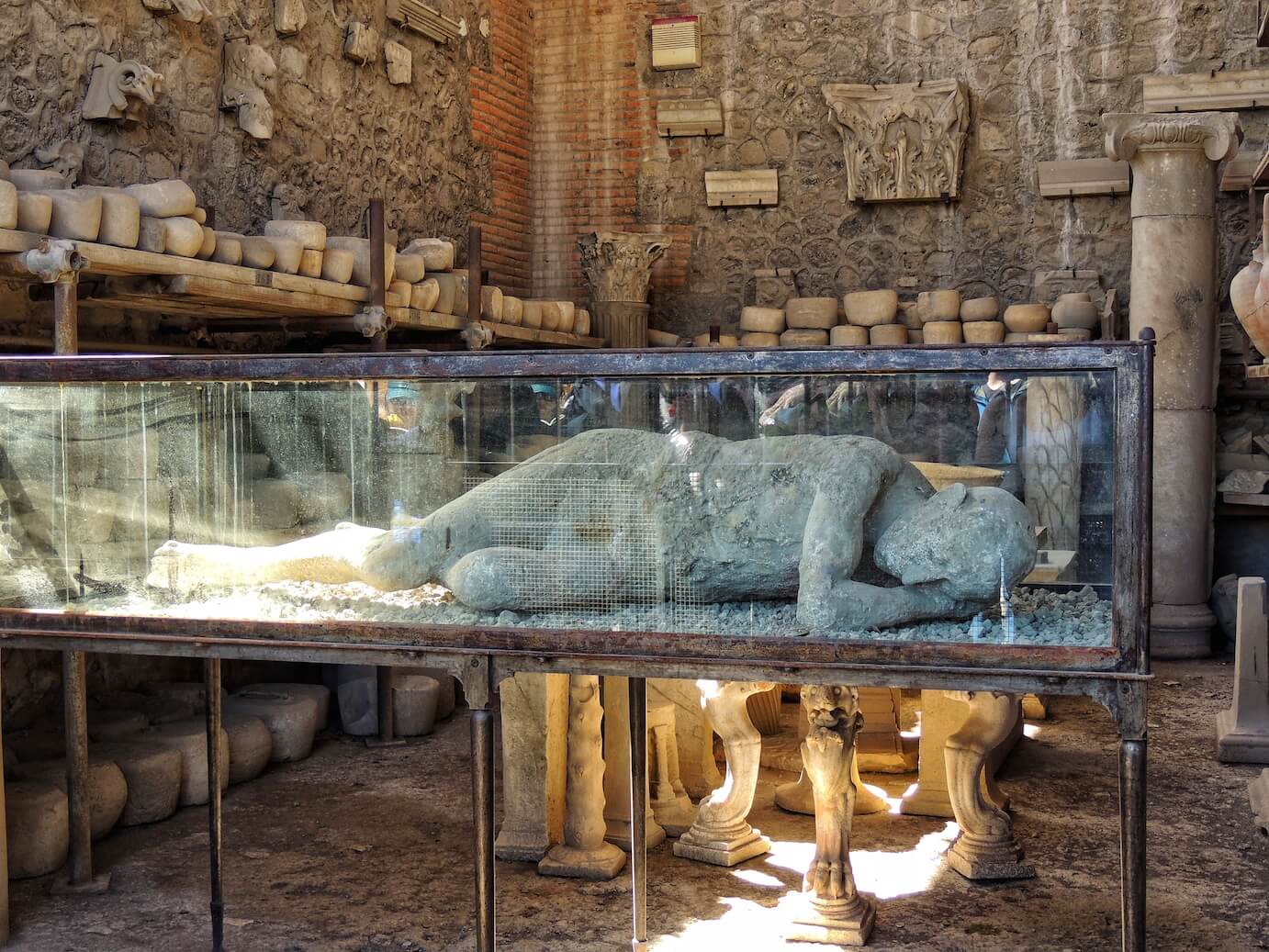
Journey through time in Pompeii, the ancient Roman city frozen in time by Mount Vesuvius. Discover its history, excavati...
View Board
Discover Santiago de Compostela, a timeless pilgrimage destination. Explore its history, traditions, and modern resurgen...
View Board
Explore the life of Caracalla, the controversial Roman Emperor. Discover his brutal reign, key reforms like the Constitu...
View Board
Explore Latakia, Syria's principal seaport and a vital Mediterranean hub. Discover its rich history from Phoenician orig...
View Board
Journey through Rome's dramatic history, from its mythical founding to modern times! Explore key events, figures, and cu...
View Board
Explore Kandahar, Afghanistan: a historical crossroads of empires and cultures for 2500 years. Discover its ancient root...
View Board
Explore Mogadishu's rich history, from its medieval origins to its golden age under the Ajuran Sultanate. Discover the c...
View Board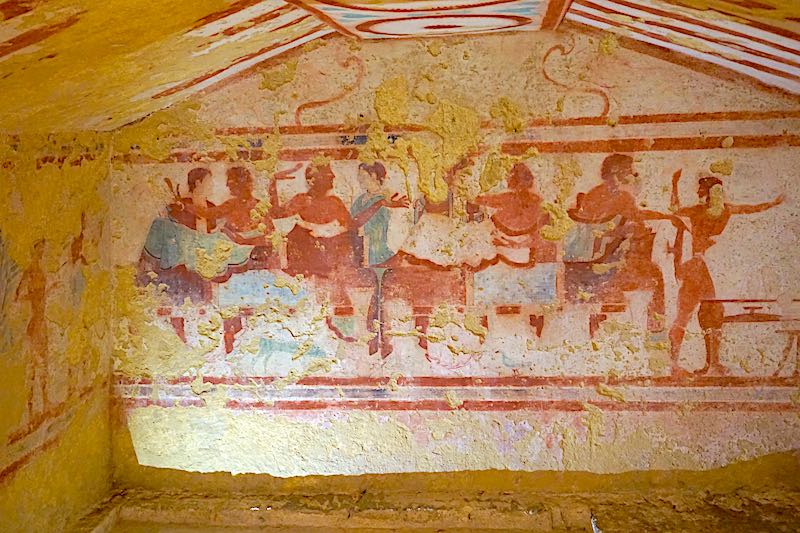
Unearthing Etruria’s vibrant artistry: 520 BCE tombs reveal banquets, music, and a culture celebrating life and death wi...
View Board
The Times Square Ball, a 12-foot crystal sphere, honors U.S. history with its annual descent, evolving from a 1907 marit...
View Board
81 years after liberation, Soviet soldiers' chilling discovery of Auschwitz reveals industrial-scale horror through surv...
View Board
Queen Victoria’s 63-year reign reshaped Britain, blending moral reform, industrial progress, and imperial expansion, lea...
View Board
Explore the reign of Theodosius I, the last emperor to rule a unified Roman Empire. Discover his military achievements, ...
View Board
Comments