The Enigmatic Legacy of Pompeii: A Journey Through Time
Nestled in the shadow of Mount Vesuvius, the ancient city of Pompeii stood as a bustling metropolis of the Roman Empire until that fateful day in August 79 AD. If the walls of Pompeii could speak, they would tell tales of a city vibrant with life, engulfed in the marvels and tragedies that history had reserved for it. Preserved in time through an unfortunate yet poignant disaster, Pompeii offers us an extraordinarily detailed glimpse into an ancient world that was simultaneously advanced, artistic, and deeply human.
The Rise and Daily Life of Pompeii
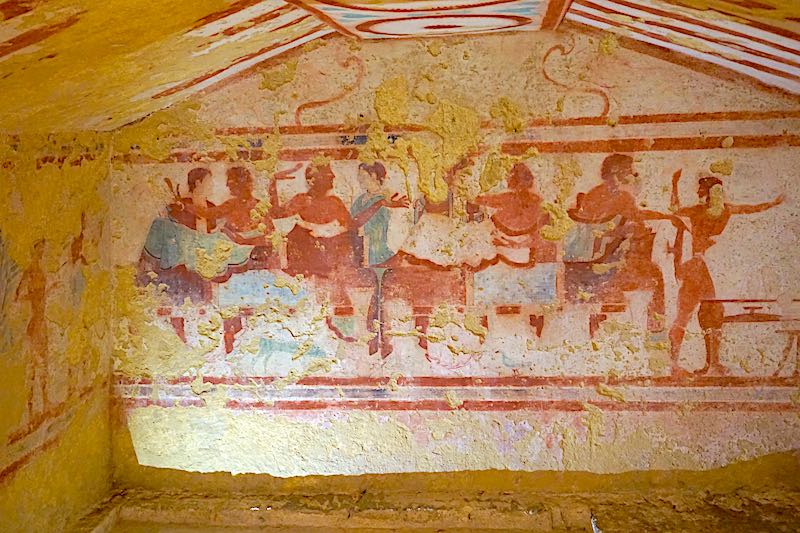
Founded during the 7th or 6th century BC by the Osci or Oscans, an Italic people, Pompeii evolved into a key junction in the flourishing network of ancient trade routes. Its strategic location on the Bay of Naples made it accessible by both land and sea, positioning the city as an economic and cultural hub. By the time Pompeii fell under Roman influence in 80 BC, it had transformed into a mosaic of Greek, Etruscan, and Roman cultures—a microcosm of the greater Roman world.
Daily life in Pompeii was as complex as it was vibrant. Inhabitants thrived in an urban landscape filled with bustling marketplaces, elegant public baths, and grand villas adorned with stunning frescoes. The rhythmic clatter of horse-drawn carts resounded through cobbled streets, where artisans traded wares and citizens gathered in forums to engage in philosophical debates. For the affluent, lavish feasts featuring exotic foods like peacock tongues and dormice were common, reflecting both wealth and the extensive reach of the Roman trade network.
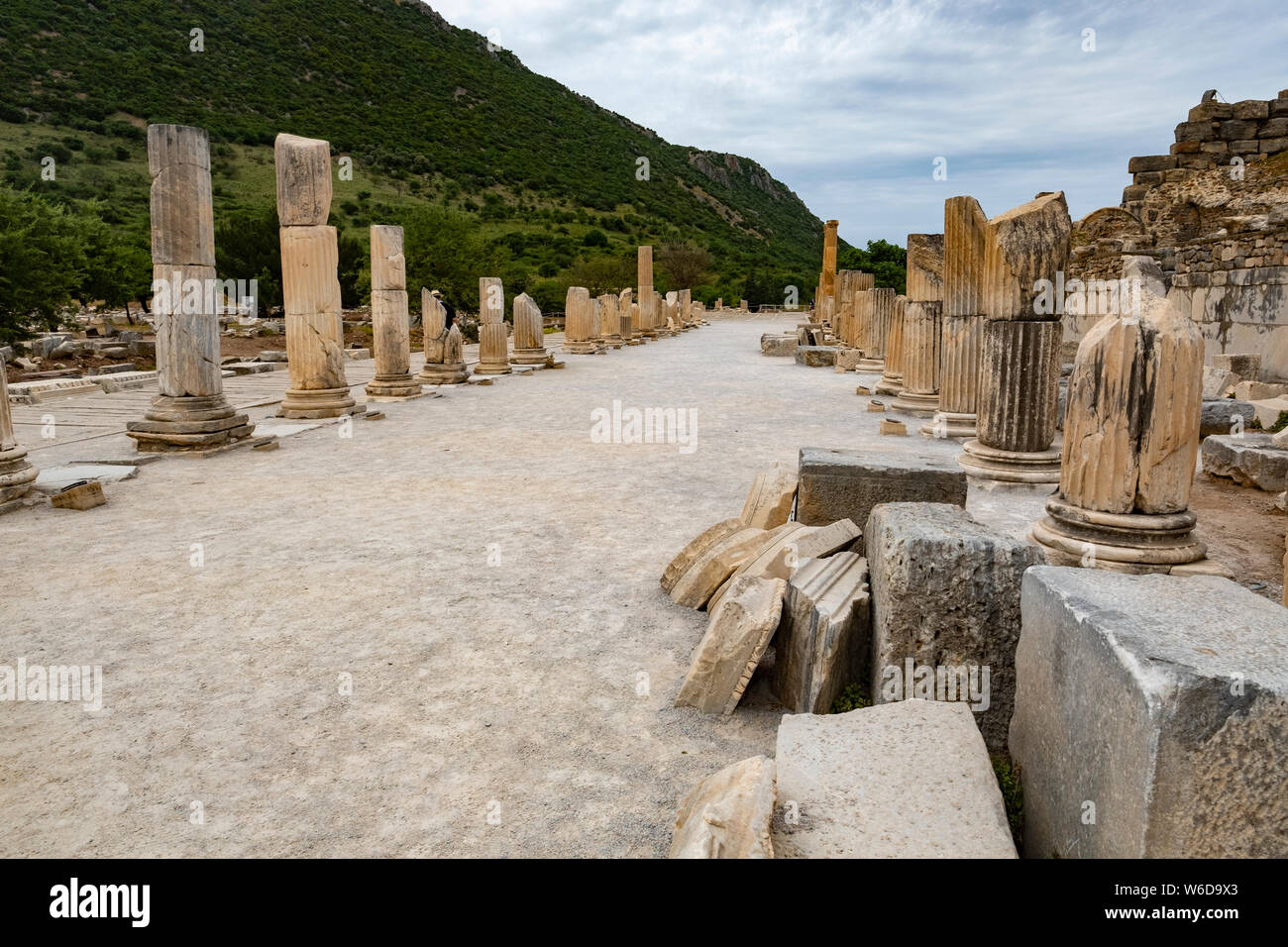
Amphitheaters and temples bedecked the cityscape, emphasizing the citizens' appreciation for entertainment and devotion. Gladiatorial games and theatrical performances drew crowds, while religious rituals honored an array of deities, highlighting the spiritual aspect of Roman life. The architecture, with its ingenious aqueducts and sewage systems, showcased advanced engineering techniques, providing insights into Roman society's remarkable achievements.
The Cataclysmic Eruption of Mount Vesuvius
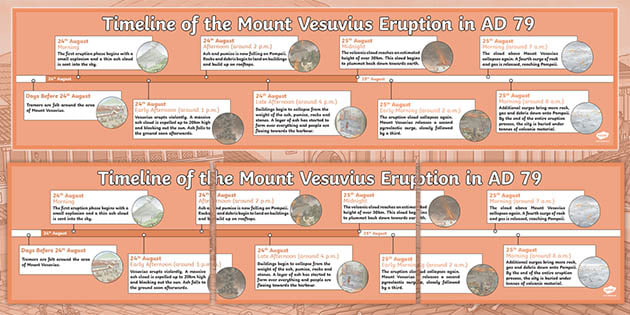
On an ordinary summer day in 79 AD, the fate of Pompeii was forever sealed by one of nature's most formidable spectacles. Mount Vesuvius, which had lay dormant for centuries, erupted with a force that would eternally change the landscape and lives beneath it. The event unleashed a deadly cloud of ash and pumice, which moved at terrifying speeds, engulfing Pompeii and its unsuspecting population.
Desperate inhabitants fled for their lives, but many were trapped, leaving behind a tableau of the catastrophic moment in time. The city was buried under a thick layer of volcanic debris, preserved as a ghostly testament to the forces of nature and the fragility of human endeavors. Ironically, it is this very calamity that protected Pompeii from the ravages of time, encapsulating its ruins in an archaeological time capsule.
The layers of ash and stone entombed not only physical structures but the minutiae of daily life as well. From half-eaten meals to intricate jewelry and haunting plaster casts of citizens in their final moments, the remains of Pompeii offer an intimate narrative of the fateful day. The city's sudden obliteration—and subsequent preservation—allowed succeeding generations an uninterrupted view into a world lost to history.
Rediscovery and Excavation
For over 1,500 years, Pompeii lay forgotten beneath the earth until its accidental rediscovery in 1599, during the excavation of an underground water channel. However, it wasn't until 1748 that systematic explorations began under the auspices of the Bourbon King of Naples, Charles III. These early excavations, driven more by the lure of treasure hunting than historical interest, unfolded a city trapped in a surreal pause.
Archaeologists and historians have since labored painstakingly to unearth its buried secrets, transforming Pompeii into one of the most significant archaeological sites in the world. Each find lends a deeper understanding of ancient Roman society, culture, and urban life. From architectural techniques and art forms to the social and economic fabric, Pompeii has become a vital piece in the puzzle of human history.
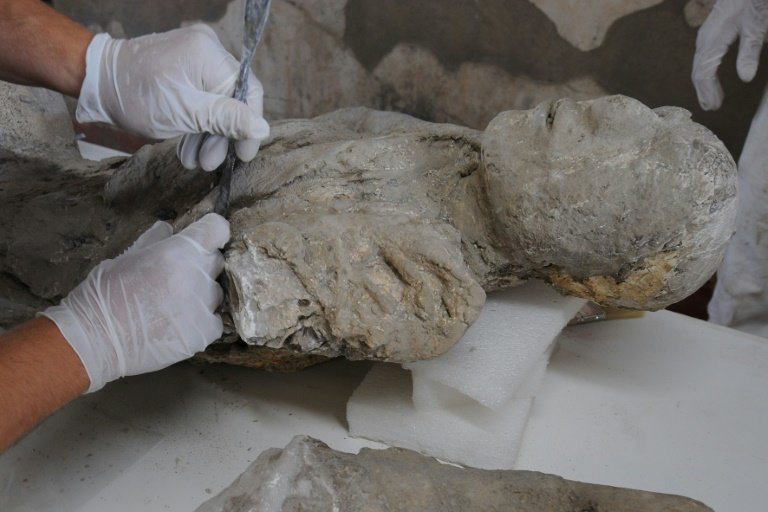
The plaster casts, created by pouring liquid plaster into the cavities left by decomposed bodies in the hardened ash, are among the most poignant artifacts. These casts immortalize the last desperate acts of Pompeiians, etched in chilling detail—a mother shielding her child, couples embracing, and even animals caught unawares.
As researchers continue to unearth the city's relics, they constantly refine our understanding of Roman life. The rediscovery of Pompeii not only piqued scholarly curiosity but also captivated the imagination of the broader public, instilling a fascination with its ruins that persists today.
The Cultural Significance of Pompeian Art and Architecture
The art and architecture of Pompeii reflect a period of remarkable creativity and innovation. The city was a canvas for the artistic spirit that thrived in the Roman world, influencing both public spaces and private homes. One of the most striking features of Pompeian art is the frescoes that adorned the walls of villas and public buildings. These vibrant paintings, preserved under layers of volcanic ash, provide a unique insight into the aesthetic preferences and daily life of its inhabitants.
The frescoes of Pompeii encompass a variety of themes, ranging from mythological scenes to depictions of nature, daily life, and even erotic imagery. This artistry allows us to discern the stimulating juxtaposition of moral tales alongside scenes of leisurely indulgence. Such representations demonstrate the complexity of Roman society, which appreciated both solemnity and hedonism.
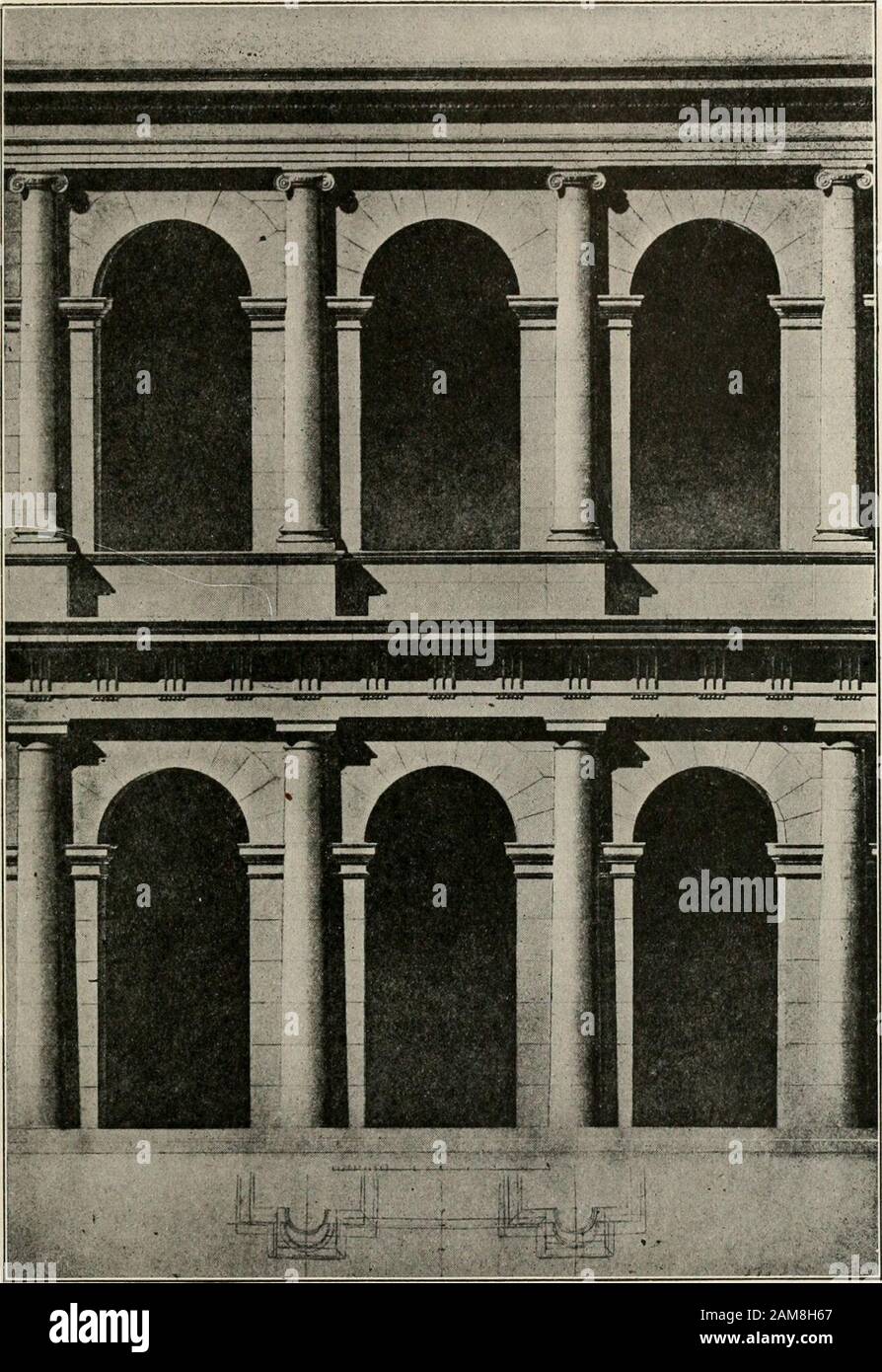
In terms of architecture, Pompeii showcased the typical layout of a Roman city, complete with forums, basilicas, temples, and amphitheaters. The public buildings displayed grandeur and elegance, embodying the Roman ideals of order and beauty. Private homes, known as domus, integrated elements of both utility and opulence. They often featured peristyles—open courtyards with gardens—that provided a serene respite from the bustling city outside.
The House of the Faun is one of the most famous examples of Pompeian private architecture. This sprawling villa covers an entire city block and is renowned for its mosaic, "The Alexander Mosaic," which portrays the battle between Alexander the Great and Persian King Darius III. The intricacy and scale of this artwork underscore the sophistication of Roman craftsmanship and the significance of storytelling through visual art.
Scientific Discoveries and Advances in Archaeology
The ongoing study and excavation of Pompeii have pioneered various advances in archaeological methodology, significantly impacting how we explore ancient civilizations. Through innovations like stratigraphy and advanced imaging technologies, researchers have uncovered treasures concealed beneath the remnants of the city. These methods allow archaeologists to peel back the layers of history, revealing new aspects of Pompeian life and culture.
One of the notable scientific discoveries includes the study of organic material persevered in the volcanic ash. Scholars have identified seeds, food remnants, and traces of pollen, offering clues about ancient diets, agricultural practices, and the local environment. These findings paint a picture of a society that had an intricate understanding of farming and dietary methods, reflective of broader Roman practices.
Furthermore, the meticulous documentation and preservation efforts have ensured that Pompeii remains a living laboratory for archaeologists and historians. Virtual reality and 3D modeling are among modern tools that are helping to recreate the city digitally, allowing people worldwide to experience the marvels of Pompeii without disturbing its fragile remains. These technologies also assist in monitoring the ongoing challenges of preservation and the impacts of natural events and tourism.
The study of Pompeii has undeniably contributed to the broader field of Roman archaeology. Its state of preservation provides an unparalleled opportunity to observe everyday life in Rome, far beyond the written records that typically detail the lives of emperors and elites. This democratization of historical understanding enables scholars to reconstruct a more nuanced depiction of the ancient world, informing our present with lessons from the past.
Impact on Popular Culture and Tourism
Pompeii's tragic yet captivating story has imprinted itself on popular culture, inspiring artists, writers, musicians, and filmmakers over the centuries. Its haunting images resonate with themes of ephemerality and human resilience, compelling creators to explore the depths of this historical tableau.
In literature, Pompeii has featured in numerous novels and historical accounts, serving as a backdrop for narratives that explore human emotion under duress. Robert Harris’s novel "Pompeii," for example, captures the tension and drama leading up to the volcanic eruption, marrying historical fact with the imaginations of fiction.
On screen, the fate of Pompeii has been immortalized in documentaries and films, most notably in the blockbuster 2014 movie, "Pompeii," which dramatizes the final days of the city. These adaptations draw the public's fascination, ensuring that the story of Pompeii continues to be told through various media.
Tourism, too, plays a significant role in Pompeii’s modern narrative. The site attracts over 2.5 million visitors annually, who wander through the preserved ruins, gaining a tangible connection to the past. The management and preservation of Pompeii remain delicate tasks, requiring careful balance between allowing public access and protecting its archaeological treasures from deterioration.
Efforts to educate visitors about the significance of Pompeii focus not only on its archaeological findings but also on its story as a narrative of survival and legacy. Cultural events, exhibitions, and interactive tours seek to engage global audiences with the rich tapestry of life that once thrived in Pompeii, forever linking their present sense of wonder with the remarkable past.
Pompeii’s enduring presence in popular culture ensures new generations continue to engage with its mysteries, capturing the imaginations and enlightening the minds of those who read, watch, and walk through its storied corridors.
Lessons in Resilience and Prevention
The tale of Pompeii offers profound lessons in resilience and the indomitable human spirit in the face of catastrophe. While the city was ultimately unable to withstand the full fury of Mount Vesuvius, its existence, destruction, and subsequent rediscovery provide compelling insights into the enduring relationship between humans and nature.
In the aftermath of the eruption, tales of survival surfaced. Neighboring communities absorbed many evacuees, providing refuge and marking the beginning of new lives amidst ruins. The broader Roman Empire showcased organizational capabilities, dispatching aid efforts to support displaced populations, a testament to the resilience inherent in tragedy.
The story of Pompeii also underscores the importance of disaster preparedness and early detection systems. Although Roman society did not possess the scientific knowledge to predict volcanic activity, modern studies of Vesuvius highlight the critical role of geological monitoring. Insights gleaned from Pompeii have influenced the development of technologies designed to detect volcanic eruptions, earthquakes, and other natural phenomena—tools that aid in minimizing loss of life and property today.
In this way, Pompeii serves as a poignant reminder of the need for vigilance and preparedness in the face of natural disasters. As urban centers continue to develop across the globe, integrating these lessons ensures that communities remain ever aware of the delicate balance with our planet's dynamic forces.
The Ongoing Challenges of Preservation
While Pompeii stands as an invaluable historic resource, its preservation poses continuous challenges. The same forces that protected the city from changing centuries are now among those threatening its long-term survival. Exposure to the elements, the footfalls of millions of tourists, and the shifting landscape present ongoing concerns for historians and conservationists.
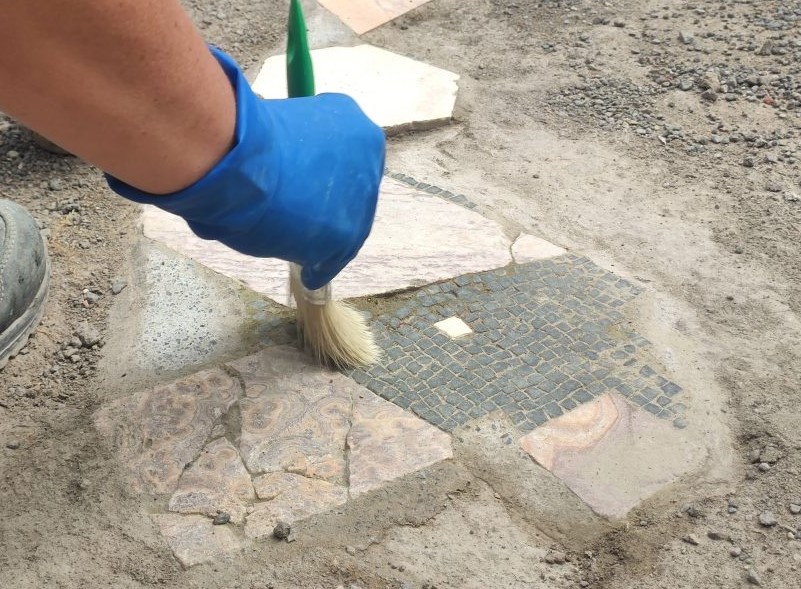
The Italian government, in collaboration with international organizations, has invested substantial resources into the restoration and preservation of Pompeii. Projects such as the Great Pompeii Project, funded by the European Union, aim to address structural vulnerabilities, restore frescoes, and protect exposed areas from further degradation. These efforts are crucial in ensuring that future generations can continue to explore and learn from the city.
Moreover, preservation extends beyond physical conservation. Continued academic study remains imperative, with experts delving into varying strata of Pompeii to uncover unanswered questions. Ethical considerations also play a role, as societies grapple with issues of access, control, and the narrative surrounding archaeological finds.
The preservation of Pompeii not only maintains its historical and cultural significance but also fosters initiatives in sustainability and responsible tourism. Encouraging visitors to engage with the site respectfully ensures the longevity of its legacy while educating them on the broader context of historical conservation.
A Timeless Legacy
Pompeii's legacy is a multifaceted tapestry composed of art, culture, human triumph, and tragedy. It is a touchstone for those who seek to understand the broader narratives of history, highlighting the intersection of daily life and divine forces, human endeavor and environmental unpredictability.
Scholars and enthusiasts alike return to Pompeii, drawn by the intimacy of its untold stories and the unfinished chapters still waiting to be uncovered. The city continues to reveal layers of history through its ancient ruins, offering a unique experience that ties us to our past while reflecting on our present and future.
As we stand amidst the relics of Pompeii, we are reminded of the ephemeral nature of human achievement, yet simultaneously inspired by the tenacity and vibrancy that characterized its inhabitants. The city is a testament to humanity's ability to thrive and rebuild, regardless of the challenges faced.
While modernity and the passing years continuously reshape our world, Pompeii endures as a poignant reminder that the echoes of antiquity are ever-present, resonating with lessons, beauty, and wisdom that transcend time. Its continued exploration and preservation are vital to maintaining this legacy—a beacon illuminating the ancient world and informing the journey ahead.
In essence, Pompeii is not merely a relic of a bygone era but a symbol of perpetual discovery and human connection, inviting all who explore its depths to ponder the intricate tapestry of life's ephemeral yet enduring narrative.
Haporium is a revolutionary platform that lets you organize your web browsing experience with customizable dashboards and boards. Create, manage, and share your favorite content collections.
Join us today and get:
The right to be one of the first pioneers
Unlimited dashboards and boards
Access to exclusive beta features
Priority support from our team
We use cookies to enhance your experience. By continuing to use this site, you agree to our Cookie Policy.








.jpg)




Comments