Explore Any Narratives
Discover and contribute to detailed historical accounts and cultural stories. Share your knowledge and engage with enthusiasts worldwide.
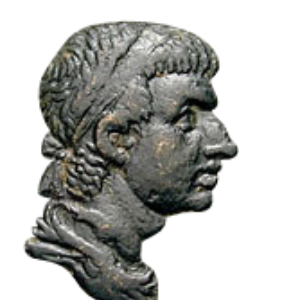
Antiochus IV of Commagene, also known as Gaius Julius Antiochus IV Epiphanes, was the last king of the Roman client kingdom of Commagene. His reign, spanning from 38 to 72 CE, marked a significant period of loyalty to Rome, military service, and strategic city foundations. Despite his contributions, his reign ended in deposition amid accusations of a Parthian conspiracy.
Born into a lineage that traced back to the Seleucids and Ptolemaics, Antiochus IV was the son of Antiochus III. His family's history was deeply intertwined with the political dynamics of the Roman Empire and the Parthian threat. In 38 CE, Emperor Caligula restored Antiochus IV to the throne of Commagene, a region that had been under Roman provincial rule for two decades.
Upon his ascension, Antiochus IV was granted not only the revenues of Commagene but also additional territories in Cilicia. This restoration was a strategic move by Caligula to strengthen Roman influence in the region. Antiochus IV's full title, Theos Dikaios Epiphanes Philoromaios Philhellen, reflected his divine claims and pro-Roman stance.
Antiochus IV's reign was marked by several military campaigns that demonstrated his loyalty to Rome. In 53 CE, he successfully suppressed the Clitae tribal revolt in Cilicia, showcasing his ability to maintain order in his expanded territories.
Between 55 and 61 CE, Antiochus IV levied troops for Emperor Nero in the campaign against the Parthians. He served under Cn. Domitius Corbulo against Tiridates I of Armenia, earning additional territories in Armenia for his efforts. This period highlighted his military prowess and strategic importance to the Roman Empire.
Antiochus IV was not only a military leader but also a visionary ruler who founded several cities. Among these were Germanicopolis, Iotapa, and Neronias. These cities were not just administrative centers but also symbols of his cultural and political influence.
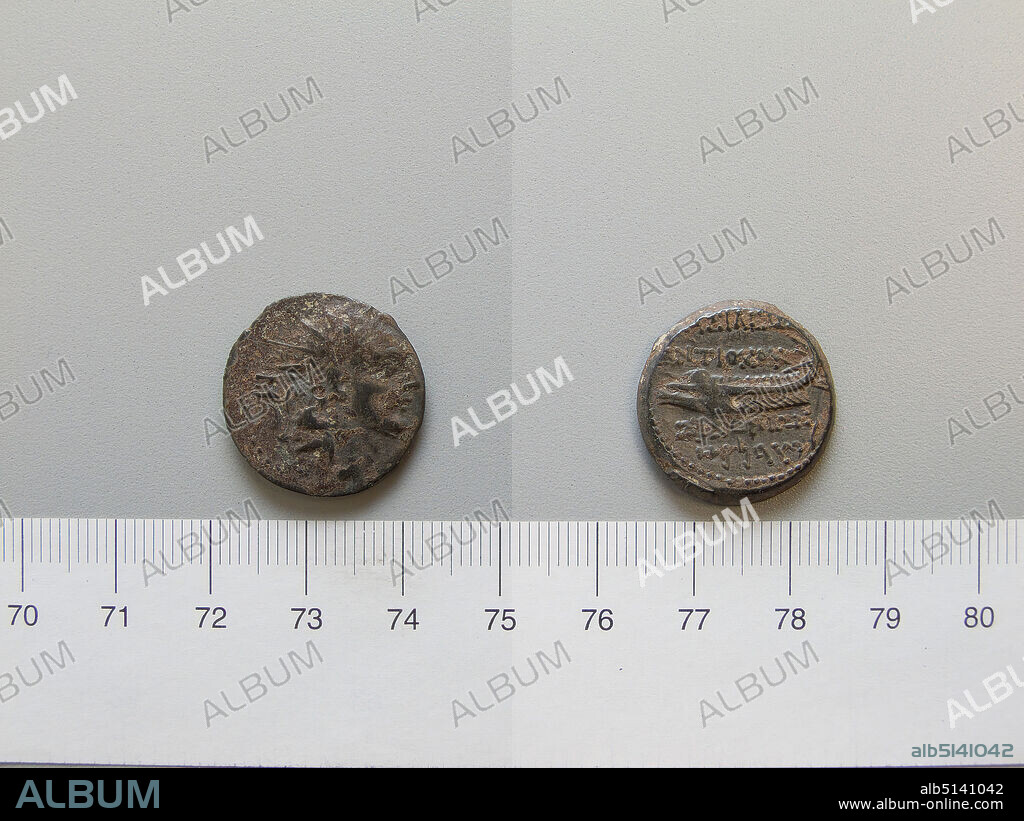
The coins minted during his reign featured symbols like scorpions and laurel, along with the inscription ΚΟΜΜΑΓΗΝΩΝ. These coins are a testament to the Greco-Persian syncretism that characterized Commagene's culture. Antiochus IV promoted a syncretic ruler cult, similar to the monuments of his ancestors at Nemrut Dağ.
Despite his loyal service, Antiochus IV's reign came to an abrupt end in 72 CE. He was deposed by the Syrian governor L. Caesennius Paetus on charges of conspiracy with the Parthians. This accusation led to the annexation of Commagene to the Roman Empire, marking the end of its status as a client kingdom.
The deposition of Antiochus IV was a significant event in the history of Commagene. His son, Epiphanes, had previously aided Titus at the siege of Jerusalem, showcasing the family's continued loyalty to Rome. However, the annexation of Commagene marked the end of an era for the region.
In this first part of our exploration of Antiochus IV of Commagene, we have delved into his early life, ascension to the throne, military campaigns, cultural legacy, and eventual downfall. His reign was a complex interplay of loyalty to Rome, military service, and strategic city foundations. Stay tuned for the next part, where we will further explore his family lineage, cultural contributions, and the broader context of Commagene's history.
Antiochus IV of Commagene hailed from a distinguished lineage that blended Seleucid, Ptolemaic, and Persian heritage. His father, Antiochus III, ruled Commagene until 17 CE, when Emperor Tiberius briefly annexed the kingdom. This dynastic background provided Antiochus IV with a unique cultural and political identity, which he leveraged to navigate the complex relations between Rome and Parthia.
The lineage of Antiochus IV can be traced back to Antiochus VIII Grypos, a notable Seleucid ruler. This connection to the Seleucid dynasty was a source of prestige and legitimacy for Antiochus IV. Additionally, his ancestors included Persian Achaemenids, further enriching his cultural heritage. This blend of Greek and Persian influences was reflected in the syncretic art and architecture of Commagene.
Antiochus IV was married to Iotapa, whose name is known from coins minted during his reign. Their son, Epiphanes, played a significant role in Roman military campaigns, including aiding Titus at the siege of Jerusalem. This family connection to Roman military efforts underscores the deep ties between the Commagene dynasty and the Roman Empire.
Antiochus IV's reign was marked by significant cultural and architectural achievements. He founded several cities, each serving as a testament to his vision and leadership. These cities were not only administrative centers but also hubs of cultural syncretism, blending Greek, Persian, and local traditions.
The cities founded by Antiochus IV included Germanicopolis, Iotapa, and Neronias. Each of these cities was strategically located and designed to enhance the region's economic and cultural development. Germanicopolis, for instance, was named in honor of Emperor Caligula, reflecting Antiochus IV's loyalty to Rome.
The coins minted during Antiochus IV's reign featured distinctive symbols such as scorpions and laurel, along with the inscription ΚΟΜΜΑΓΗΝΩΝ. These coins are a rich source of information about the cultural and political context of his reign. The scorpion, in particular, was a symbol of royal authority and protection, while the laurel represented victory and honor.
Antiochus IV's military service was a cornerstone of his reign. His loyalty to Rome was demonstrated through numerous campaigns and strategic alliances. His military efforts were not only crucial for maintaining Roman control in the region but also for securing his own position as a trusted client king.
In 53 CE, Antiochus IV successfully suppressed the Clitae tribal revolt in Cilicia. This campaign was a significant achievement, showcasing his ability to maintain order and stability in his expanded territories. The suppression of the revolt was a clear demonstration of his military prowess and strategic acumen.
Between 55 and 61 CE, Antiochus IV levied troops for Emperor Nero in the campaign against the Parthians. He served under Cn. Domitius Corbulo, a prominent Roman general, and played a crucial role in the campaign against Tiridates I of Armenia. This service earned him additional territories in Armenia, further solidifying his position as a key ally of Rome.
The reign of Antiochus IV was set against the backdrop of complex Roman-Parthian relations. Commagene, as a buffer state between Roman Syria and Parthia, played a crucial role in the geopolitical dynamics of the region. Antiochus IV's ability to navigate these relations was a testament to his diplomatic skills and political acumen.
Commagene's strategic location made it a vital buffer state between the Roman Empire and the Parthian threat. Antiochus IV's reign was marked by a delicate balance of loyalty to Rome and the need to maintain stability in the face of Parthian ambitions. This balance was crucial for the survival and prosperity of Commagene.
Antiochus IV's diplomatic relations with Rome were characterized by a combination of loyalty and strategic alliances. His restoration to the throne by Emperor Caligula and his subsequent military service under Nero and Corbulo underscored his commitment to Rome. However, his eventual deposition on charges of conspiracy with the Parthians highlights the precarious nature of his position.
In this second part of our exploration of Antiochus IV of Commagene, we have delved into his family lineage, cultural contributions, military service, and the political context of his reign. His ability to navigate the complex relations between Rome and Parthia, along with his military and cultural achievements, made him a significant figure in the history of Commagene. Stay tuned for the final part, where we will explore his downfall, the annexation of Commagene, and his lasting legacy.
The reign of Antiochus IV of Commagene came to a dramatic end in 72 CE when he was deposed by the Syrian governor L. Caesennius Paetus. The charges against him included allegations of conspiring with the Parthians, a serious accusation that led to the annexation of Commagene by the Roman Empire. This event marked the end of Commagene's status as a client kingdom and the beginning of its direct administration under Roman rule.
The accusations of conspiracy with the Parthians were a significant blow to Antiochus IV's reputation and standing with Rome. Despite his long history of loyalty and military service, these charges were sufficient to justify his removal from power. The deposition was a stark reminder of the precarious nature of client kingship under the Roman Empire, where allegiance was constantly scrutinized.
L. Caesennius Paetus, the Syrian governor responsible for Antiochus IV's deposition, played a crucial role in the annexation of Commagene. His actions reflected the Roman Empire's policy of consolidating control over strategic regions, especially those bordering potential threats like Parthia. The annexation of Commagene was a strategic move to secure Roman interests in the eastern frontier.
The annexation of Commagene had significant implications for the region and its people. The direct administration by Rome brought about changes in governance, culture, and economic structures. The once-independent kingdom was now integrated into the broader Roman provincial system, which had both advantages and challenges.
The integration of Commagene into the Roman Empire led to increased infrastructure development, including roads and administrative centers. However, it also meant the loss of local autonomy and the imposition of Roman laws and taxes. The cultural syncretism that had flourished under Antiochus IV's rule continued but was now influenced by Roman traditions and practices.
Following his deposition, the fate of Antiochus IV and his family remains somewhat unclear. His son, Epiphanes, had previously demonstrated loyalty to Rome by aiding Titus at the siege of Jerusalem. This loyalty may have afforded the family some protection, but their political influence was significantly diminished. The once-powerful dynasty of Commagene was now a footnote in the annals of Roman history.
Antiochus IV of Commagene left a lasting legacy that extends beyond his reign. His contributions to the cultural, military, and political landscape of Commagene have been the subject of scholarly interest and archaeological study. His reign is a testament to the complex dynamics of client kingship under the Roman Empire and the challenges of navigating loyalty and autonomy.
The cities founded by Antiochus IV, such as Germanicopolis, Iotapa, and Neronias, continued to thrive under Roman rule. These cities were not only administrative centers but also hubs of cultural exchange, blending Greek, Persian, and Roman influences. The coins minted during his reign, featuring symbols like scorpions and laurel, remain important artifacts for understanding the cultural context of his rule.
Antiochus IV's military service under emperors like Caligula and Nero showcased his loyalty and strategic importance to Rome. His campaigns against the Clitae tribe and his service under Cn. Domitius Corbulo against the Parthians were significant achievements that highlighted his military prowess. His downfall, however, serves as a cautionary tale about the fragility of client kingship and the ever-present threat of Roman intervention.
The reign of Antiochus IV has been the subject of extensive scholarly research and debate. Modern historians and archaeologists continue to explore the cultural and political dynamics of Commagene under his rule. The region's unique blend of Greek, Persian, and Roman influences has made it a fascinating case study in cultural syncretism and political maneuvering.
Recent archaeological discoveries in Commagene, particularly at sites like Nemrut Dağ, have shed new light on the region's history and cultural heritage. These findings have reinforced the significance of Antiochus IV's reign and the broader context of Commagene's role in the Roman Empire. The hierarchical reliefs and monuments at Arsameia and Samosata are testament to the region's rich artistic and architectural traditions.
Historical debates about Antiochus IV's reign often center on his loyalty to Rome and the circumstances surrounding his deposition. Some scholars argue that the charges of conspiracy with the Parthians were politically motivated, while others see them as a genuine threat to Roman interests. These debates highlight the complexities of client kingship and the challenges of maintaining autonomy under Roman rule.
Antiochus IV of Commagene was a pivotal figure in the history of the Roman client kingdom of Commagene. His reign, marked by military service, cultural achievements, and strategic city foundations, showcased his loyalty to Rome and his ability to navigate the complex political landscape of the eastern frontier. Despite his eventual downfall and the annexation of Commagene, his legacy endures through the cities he founded, the coins he minted, and the cultural syncretism he promoted.
His story is a reminder of the precarious nature of client kingship under the Roman Empire and the constant balancing act required to maintain loyalty and autonomy. The annexation of Commagene marked the end of an era, but the region's cultural and historical significance continues to captivate scholars and enthusiasts alike. Antiochus IV's reign remains a testament to the enduring legacy of a ruler who navigated the complexities of power, loyalty, and cultural exchange in the ancient world.

Your personal space to curate, organize, and share knowledge with the world.
Discover and contribute to detailed historical accounts and cultural stories. Share your knowledge and engage with enthusiasts worldwide.
Connect with others who share your interests. Create and participate in themed boards about any topic you have in mind.
Contribute your knowledge and insights. Create engaging content and participate in meaningful discussions across multiple languages.
Already have an account? Sign in here

Explore the reign of Lucius Septimius Severus, Rome's first African emperor. Discover his military conquests, political ...
View Board
Explore the life and legacy of Titus, Rome's popular emperor. From military victories to disaster relief, discover his i...
View Board
Uncover the captivating story of Roxana, Alexander the Great's first wife. Explore her Sogdian origins, political influe...
View Board
Explore the reign of Valens, Eastern Roman Emperor (364-378 AD). Discover his administrative achievements, Arian religio...
View Board
Discover Aurelian, the Roman emperor who earned the title 'Restorer of the World' by reuniting the empire during the Cri...
View Board
Explore the life of Caracalla, the controversial Roman Emperor. Discover his brutal reign, key reforms like the Constitu...
View Board
Explore the reign of Ptolemy III Euergetes, the powerful Ptolemaic pharaoh who expanded Egypt's empire and earned his ni...
View Board
Explore Emperor Trajan's remarkable legacy! Discover his military triumphs, massive public works, social reforms, and en...
View Board
Explore Michael VIII Palaiologos' reign & the Byzantine Empire's resurgence! Discover how he recaptured Constantinople &...
View Board
Explore the life and legacy of King Decebalus, the last independent king of Dacia. Discover his wars against Rome and hi...
View Board
Explore the life of Attalus III of Pergamon, a scholar-king who bequeathed his kingdom to Rome. Learn about his reign, i...
View Board
Discover Manius Aquillius, the Roman general whose actions ignited the First Mithridatic War! Explore his military caree...
View Board
Explore the reign of Septimius Severus, Rome's first African emperor. Discover his military reforms, rise to power, and ...
View Board
Discover Octavia the Younger's pivotal role in Roman history! Sister of Augustus, wife of Antony, and a master of diplom...
View Board
Discover Juba II, the scholar king of Mauretania! Learn about his reign, scholarship, Roman alliance, and legacy in Nort...
View Board
Queen Victoria’s 63-year reign reshaped Britain, blending moral reform, industrial progress, and imperial expansion, lea...
View Board
Explore the life of Flavius Stilicho, the half-Vandal general who defended the Western Roman Empire. Discover his key ba...
View Board
Explore the reign of Theodosius I, the last emperor to rule a unified Roman Empire. Discover his military achievements, ...
View Board
Explore the life of Augustus, Rome's first emperor. Learn how he transformed the Republic into a stable empire, ushered ...
View Board
Discover Gaius Duilius, the Roman general who secured Rome's first naval victory at Mylae! Learn how he transformed Rome...
View Board
Comments