
/roxana-silbert-in-rehearsal-for-dunsinane-(2)592b47ee74f76138967eff00002337f7.tmb-gal-1340.jpg?sfvrsn=d2dc2621_1)


Explore Any Narratives
Discover and contribute to detailed historical accounts and cultural stories. Share your knowledge and engage with enthusiasts worldwide.
In the vast empires and epic tales of ancient Greece, numerous queens and princesses have left their mark on history. However, none has captured the imagination quite like Roxana, wife to the renowned conqueror Alexander the Great. Born into a royal lineage in Bactria (modern-day Afghanistan) during the late 4th century BCE, Roxana was much more than just a regal consort; she was a shrewd political figure and a figure of mystery that continues to fascinate historians and scholars alike.
Roxana's origins are steeped in the rich tapestry of Central Asian royalty. Her name was likely given to her in tribute to the Persian goddess Roxana (Ruxanda or Rušanā). According to ancient sources, she was born in 335 BCE, making her around eighteen years old when she married Alexander the Great. This marriage was not merely a union of hearts; it was a political alliance designed to secure alliances and expand Alexander’s empire through dynastic ties.
The marriage of Roxana to Alexander the Great occurred during one of the most tumultuous periods in Hellenistic history. Alexander had conquered the Persian Empire, bringing a vast expanse of territory under his rule. To consolidate power and legitimize his rule, he sought alliances with other rulers within his newly formed empire.
One such ruler was Amyntas III, king of Macedon, whose daughter, Olympias, Alexander had married in youth. However, as he ventured further east, he needed alliances closer to his immediate sphere of influence. By marrying Roxana, he aimed to forge a strong link between himself and the Bactrian nobility, thereby securing control over regions bordering his empire.
The choice of Roxana was both strategic and advantageous. She came from a region known for its wealth and natural resources, offering valuable assets to any ruler. Additionally, her marriage brought Alexander a legitimate heir who could be seen as a true successor to the throne, addressing the issue of legitimacy that often plagued rulership.
Roxana's most significant contribution to her husband's legacy was the birth of their son, Heracles (also known as Hephaestion II). This boy would hold a position of great importance in Alexander’s plans for succession. According to Plutarch, Roxana gave birth to Heracles in 323 BCE, when Alexander was campaigning in Babylon.
Heracles’ birth was met with mixed reactions among the soldiers and courtiers surrounding Alexander. Some saw the child as a symbol of Alexander’s divine right to rule, as they were quick to proclaim him a god. Others, particularly among those who held strong opinions regarding Alexander’s legitimacy, viewed Heracles as a potential rival to Alexander’s own heirs, particularly his half-brother Phillippos.
Despite these concerns, Alexander showed favor towards Roxana and Heracles throughout his reign. His affection for her is evident in letters and accounts from ancient historians. Plutarch describes an occasion where Alexander is reported to have expressed his happiness at having children in spite of his numerous conquests and battles.
Beyond the battlefield and courtly affairs, Roxana played a crucial role in maintaining stability behind the scenes. As Alexander pushed further into India and faced increasing resistance, her presence was undoubtedly comforting. Accounts suggest she supported the troops and kept morale High, especially when facing difficult conditions.
Moreover, Roxana’s knowledge of the local customs and politics proved invaluable. Her understanding of the Bactrian court allowed her to navigate complex social and political landscapes, earning her respect among fellow royals and advisors. She often acted as a mediator in disputes, fostering good relations between Alexander and local leaders.
Tragically, Roxana’s life was cut short alongside her husband’s rise and fall. After Alexander’s death in 323 BCE, a power vacuum emerged, leading to a series of civil wars and the eventual fragmentation of Alexander’s vast empire. Roxana found herself ensconced in the royal quarters of Ecbatana, where she awaited news of her husband’s fate.
When the news of Alexander’s death reached her, Roxana reportedly went into mourning, refusing to leave the palace. However, she soon faced another critical decision. When Philip II, one of Alexander’s generals, seized control of Babylon, he demanded Roxana’s presence as a sign of her loyalty. Roxana, pregnant again with Alexander’s unborn child, complied out of necessity.
Upon reaching Babylon, Roxana presented herself before Philip, who had intentions of taking her as his own wife. She resolutely refused, emphasizing that she belonged to Alexander alone. This defiance, though admirable, did not save her from dire circumstances. When Roxana discovered that her young son had been killed by soldiers in an attempt to seize her, her resolve broke. In despair and grief, she is said to have taken her own life shortly after.
The exact date and circumstances of Roxana’s death remain unclear due to the lack of primary sources. Some accounts suggest she committed suicide in 323 BCE, while others place it later, following the murder of her son. Regardless, her legacy remains shrouded in mystery and legend.
Throughout history, Roxana’s story has captivated scholars and enthusiasts alike. Her role in Alexander's conquests, her political savvy, and her fate amidst the fall of an empire continue to draw interest. Roxana embodies the complexities of ancient empires—one part strength, one part sorrow—leaving readers to grapple with questions of ambition, love, and loyalty.
Beyond factual accounts, Roxana has entered the realm of legend, appearing in countless works of art and literature. She has been depicted in paintings, sculptures, and literature, with her mystique enhancing each portrayal. In some ancient texts, such as the writings of Quintus Curtius Rufus, Roxana is portrayed as a noble and virtuous woman, deeply in love with Alexander and fiercely protective of their family.
However, this romanticized view has also given rise to interpretations that portray her as a mere pawn in political games. Modern historians often seek to balance these extremes, examining both her role as a political figure and her personal life. Scholars such as Mary Beard and Michael Wood have delved into her history, exploring the layers of her character beyond the myth.
Additionally, Roxana’s status as a queen has resonated with feminist scholars. She represents a figure who navigated the patriarchal world of ancient Greek and Persian nobility while maintaining a sense of autonomy. Roxana’s ability to wield influence without being formally recognized as a monarch underscores her ingenuity.
Furthermore, Roxana has been the subject of modern adaptations and retellings. Films such as "Alexander" (2004) depict her as a multifaceted character, adding depth to her already storied life. These artistic representations highlight how her image has evolved over time, reflecting changing societal attitudes and historical narratives.
As Roxana’s legacy continues to endure, her enigmatic story compels us to reflect on themes of love, power, and the complexities of leadership. Whether seen through the lens of ancient texts or contemporary interpretations, Roxana remains a compelling figure in the annals of history, inspiring awe and admiration for centuries.
Modern historians and scholars continue to debate Roxana’s exact role and status within the context of Alexander’s empire. While ancient sources often portrayed her as a supportive and influential figure, some modern interpretations challenge this view. For example, certain researchers suggest that Roxana’s significance may have been exaggerated due to later propagandistic efforts to emphasize the legitimacy of Alexander’s rule and his conquests.
One area of ongoing debate is the extent to which Roxana controlled or influenced Alexander’s policies. Some argue that she had a genuine influence over her husband, while others contend that her role was primarily ceremonial and that any political maneuvering was conducted by other advisors and generals. Her ability to mediate disputes and support Alexander’s soldiers aligns with a more active role, but the lack of direct evidence complicates this argument.
The debate extends to her political and military significance. Some scholars suggest that Roxana played a crucial role in securing alliances and maintaining stability in regions bordering the empire. Her knowledge of Bactrian culture and politics would have been invaluable, and her presence may have helped smooth relations with local rulers. Conversely, some historians propose that her influence was more subdued, and that the true power brokers were the Macedonian generals and administrators who surrounded Alexander.
Roxana’s legacy has permeated various aspects of culture and society, from literature to visual arts. In literature, she has been the subject of numerous narratives and poems, often portraying her as a tragic figure or a symbol of love and loss. For example, the Roman poet Statius, in his work "Thebaid," presents a sympathetic view of Roxana, highlighting her grief and resilience in the face of tragic circumstances.
Visual representations of Roxana range from ancient coinage to modern artistic interpretations. Roman coins often depict her alongside Alexander, showcasing her as a queen and a symbol of Hellenistic rule. In the 19th and 20th centuries, Roxana became a popular subject for artists and writers, appearing in paintings and sculptures that evoke both her beauty and her enigmatic nature.
Modern adaptations of Roxana’s story, such as films and novels, often explore her character and life in greater depth. One notable example is the film “Alexander” (2004), which offers a fictionalized portrayal of Roxana and her relationship with Alexander. This cinematic version provides a rich narrative that explores her motivations, fears, and the complexities of her role, while still drawing from historical sources.
Archaeological discoveries have also shed new light on Roxana’s life and the context in which she lived. Recent excavations in modern-day Afghanistan have uncovered artifacts that provide insights into Bactrian culture and the daily life of the royal family. While no definitive proof of Roxana’s identity or burial site has been found, these discoveries have contributed to a more nuanced understanding of the period.
Archaeologists have unearthed evidence of Bactrian cities and settlements, revealing that the region was a rich and sophisticated cultural hub. The presence of Persian and Macedonian architectural elements in these sites underscores the complex nature of Roxana’s surroundings and the interactions between different cultural groups. Finds such as gold and silver jewelry, weapons, and household items provide a tangible connection to Roxana’s world, offering glimpses into the material culture of the time.
Furthermore, advancements in DNA analysis and radiocarbon dating have allowed for more precise dating of artifacts and human remains. While no conclusive findings have been made about Roxana herself, these techniques have contributed to a broader understanding of the genetic and cultural heritage of the region. Such advancements may one day provide more definitive evidence regarding her family history and the precise circumstances of her life and death.
Roxana’s legacy continues to captivate and inspire, drawing scholars, historians, and the public alike. Her life, marked by both triumph and tragedy, embodies the complexities of ancient power dynamics and the challenges faced by women in historical contexts. Understanding Roxana’s story requires examining not just her personal history but also the broader social, political, and cultural context in which she lived.
As our knowledge of ancient empires and their leaders expands, so too does our appreciation of Roxana. Modern interpretations, archaeological discoveries, and cultural representations have added layers to her enigmatic persona. Whether seen as a symbol of enduring love or as a figure of strategic influence, Roxana remains a central figure in the narrative of Alexander’s empire and the Hellenistic world.
Her story serves as a reminder of the enduring impact of individual choices and the intricate web of relationships that shaped ancient civilizations. Roxana’s legacy invites us to explore not just the facts of her life but also the myriad ways in which she influenced and was influenced by the world around her.
Despite the vast amounts of scholarship and cultural representation, Roxana’s historical narrative remains fraught with controversies. One of the most significant issues revolves around the authenticity of the ancient sources that describe her life. Ancient texts like Arrian’s “Anabasis Alexandri” and Plutarch’s “Life of Alexander” offer varying accounts of Roxana, which can sometimes clash.
For instance, Plutarch portrays Roxana as a virtuous and pious wife, whereas Arrian offers a more pragmatic and less emotional perspective. This discrepancy highlights the subjective nature of historical records and the difficulties inherent in constructing a single, comprehensive narrative. Modern historians must navigate these conflicting accounts carefully, seeking to extract reliable details from a patchwork of sources.
The enduring relevance of Roxana’s story in contemporary contexts lies in its ability to bridge past and present. Roxana represents a figure who straddles different cultures and identities, embodying the fusion of East and West that characterized the Hellenistic era. This duality makes her a compelling subject for modern scholars and students alike, prompting discussions about the dynamics of cultural exchange and the role of women in historically significant roles.
Moreover, Roxana’s story can be seen as a metaphor for the complexities of globalization and the challenges of managing diverse populations. As contemporary societies confront their own issues of cultural integration and conflict, Roxana’s experiences offer valuable insights. Her ability to navigate the complex social and political landscapes of Alexander’s Empire could provide modern leaders with lessons on diplomacy, statecraft, and the management of diverse peoples.
The cultural representation of Roxana in media and art continues to evolve. Recent adaptations and reimaginings have sought to explore her life in a more nuanced and multifaceted manner. Films like “Alexander” (2004) and novels such as Anne Rice’s “The Mummy” (2018) delve deeper into her character, presenting her as a complex and multidimensional person rather than a one-dimensional figure.
These modern depictions aim to humanize Roxana, showing her as a woman capable of love, loss, and resilience in the face of political intrigue. By focusing on the emotional and psychological dimensions of her character, these works provide audiences with a more relatable and engaging narrative. They also highlight the enduring fascination with Roxana and the ways in which her story can be adapted to resonate with modern sensibilities.
In educational settings, Roxana’s story often forms part of larger discussions on ancient history and gender roles. Teachers and scholars use her biography to engage students in debates about the role of women in historical narratives and the complexities of personal and political life. Roxana’s experiences can serve as a case study in how personal decisions and cultural backgrounds intersect with larger historical events.
Furthermore, Roxana’s legacy has influenced popular culture in various ways. References to her appear in movies, books, and even video games. For example, Roxana is featured prominently in the video game series "Assassin's Creed," where her character adds depth to the game’s narrative. These cross-media representations illustrate how her story continues to captivate audiences and integrate into contemporary cultural discourse.
In conclusion, Roxana’s story is far from concluded. As new discoveries are made and modern perspectives continue to evolve, Roxana’s legacy remains a point of contention and exploration. She stands as a figure who bridges the past and the present, offering valuable insights into the dynamics of ancient power and the complexities of personal lives intertwined with historical events.
Whether seen through the lens of ancient sources or modern reinterpretations, Roxana’s story continues to captivate and inspire. Her life and experiences speak to the enduring human capacity for love, resilience, and the determination to navigate the tumultuous waters of historical change. As we continue to delve into Roxana’s story, we are reminded of the rich tapestry of human history and the many stories that lie beneath the surface of our shared past.


Your personal space to curate, organize, and share knowledge with the world.
Discover and contribute to detailed historical accounts and cultural stories. Share your knowledge and engage with enthusiasts worldwide.
Connect with others who share your interests. Create and participate in themed boards about any topic you have in mind.
Contribute your knowledge and insights. Create engaging content and participate in meaningful discussions across multiple languages.
Already have an account? Sign in here
Discover the reign of Antiochus IV Epiphanes, the last king of Commagene. Learn about his loyalty to Rome, military serv...
View Board
Explore the life and legacy of Titus, Rome's popular emperor. From military victories to disaster relief, discover his i...
View Board
Explore the reign of Lucius Septimius Severus, Rome's first African emperor. Discover his military conquests, political ...
View Board
Explore the life of Caracalla, the controversial Roman Emperor. Discover his brutal reign, key reforms like the Constitu...
View Board
Explore the reign of Ptolemy III Euergetes, the powerful Ptolemaic pharaoh who expanded Egypt's empire and earned his ni...
View Board
Discover Epaminondas, the Theban general who shattered Spartan dominance! Learn about his military innovations, politica...
View Board
Explore the life and legacy of King Decebalus, the last independent king of Dacia. Discover his wars against Rome and hi...
View Board
Discover Themistocles, the Athenian strategist whose naval vision and tactical brilliance at Salamis saved Greece from P...
View Board
Discover Octavia the Younger's pivotal role in Roman history! Sister of Augustus, wife of Antony, and a master of diplom...
View Board
Discover Manius Aquillius, the Roman general whose actions ignited the First Mithridatic War! Explore his military caree...
View Board
Explore Michael VIII Palaiologos' reign & the Byzantine Empire's resurgence! Discover how he recaptured Constantinople &...
View Board.jpg)
Discover the dramatic story of Pertinax, the Roman emperor who rose from humble beginnings to rule for just 87 days. Exp...
View Board
Explore the reign of Septimius Severus, Rome's first African emperor. Discover his military reforms, rise to power, and ...
View Board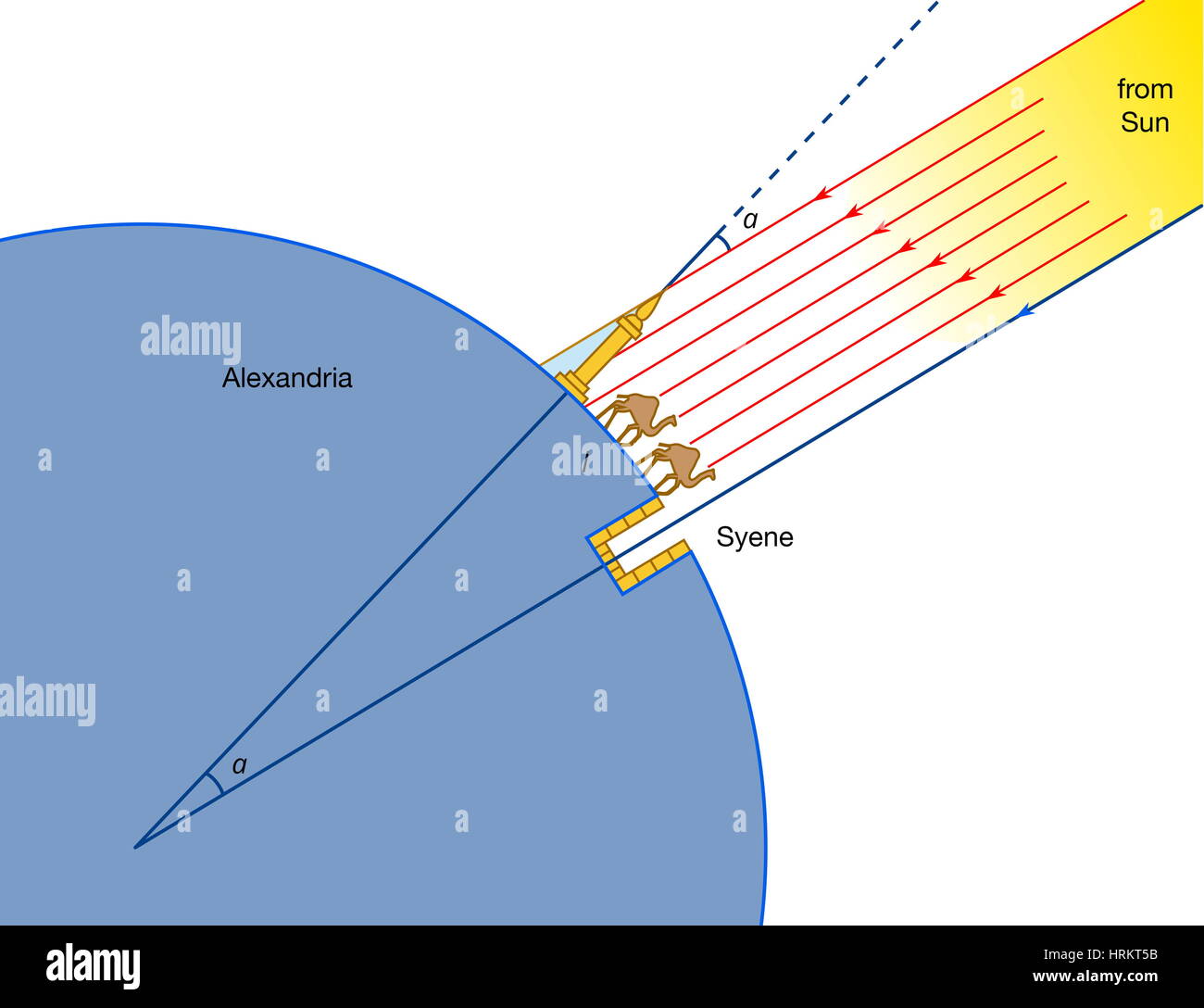
Explore the brilliance of Eratosthenes, the Ptolemaic polymath. Discover his groundbreaking calculation of Earth's circu...
View Board
Discover Marius Maximus, the lost biographer of Roman Emperors from Nerva to Elagabalus. Explore his life, political car...
View Board
Uncover the captivating story of Aspasia of Miletus, Pericles' companion! Explore her intellectual power, rhetorical ski...
View Board
Explore the reign of Theodosius I, the last emperor to rule a unified Roman Empire. Discover his military achievements, ...
View Board
Discover Juba II, the scholar king of Mauretania! Learn about his reign, scholarship, Roman alliance, and legacy in Nort...
View Board
Explore the life of Flavius Stilicho, the half-Vandal general who defended the Western Roman Empire. Discover his key ba...
View Board
Explore the controversial reign of Julian the Apostate, Roman Emperor who rejected Christianity. Discover his reforms, m...
View Board
Comments