Explore Any Narratives
Discover and contribute to detailed historical accounts and cultural stories. Share your knowledge and engage with enthusiasts worldwide.
Manius Aquillius emerged as a pivotal figure during Rome's late Republic, serving as consul in 101 BC and playing key roles in military campaigns and diplomatic crises. Born into the gens Aquillia, he was likely the son of another Manius Aquillius, who had organized the province of Asia in 129 BC. This familial connection positioned him for leadership during a turbulent era marked by external threats and internal strife.
His early career saw him serve as legatus under Gaius Marius, contributing to Rome's victories against the Teutones and Ambrones at the Battle of Aquae Sextiae in 102 BC. Some sources suggest he may have also participated in the later campaigns against the Cimbri, further solidifying his reputation as a capable military leader.
Aquillius' most notable early achievement came during his consulship in 101 BC, when he was tasked with suppressing the Second Servile War on Sicily. This revolt, led by the formidable Athenion, had erupted due to the harsh conditions faced by slaves on the island's vast latifundia. Aquillius' decisive actions crushed the rebellion, culminating in the death of Athenion in battle.
For his success, Aquillius was awarded an ovation, a lesser form of triumph, which significantly boosted his political standing. However, his tenure was not without controversy. While he managed to avert a famine on Sicily, allegations of corruption and mismanagement followed him, tarnishing his reputation among some factions in Rome.
In 89 BC, Aquillius was appointed to lead a senatorial commission in Asia Minor, a region of growing strategic importance for Rome. His mission was to address the rising influence of Mithridates VI of Pontus, who had been expanding his kingdom aggressively. Aquillius' approach was marked by a hawkish stance, reflecting Rome's broader policy of asserting dominance in the East.
One of his first actions was to support Nicomedes IV of Bithynia in his invasion of Cappadocia, a move that directly challenged Mithridates' ambitions. Aquillius also arrested Pelopidas, Mithridates' envoy, further escalating tensions. His most controversial decision, however, was the reorganization of borders through the auctioning of territories, including Phrygia, to Rome's allies such as the Galatians, Cappadocians, and Bithynians.
Aquillius' aggressive diplomacy alienated Mithridates VI, who saw Rome's actions as a direct threat to his kingdom. The situation deteriorated rapidly, leading to the outbreak of the First Mithridatic War. Aquillius' policies, while intended to strengthen Rome's position, ultimately provoked a conflict that would have far-reaching consequences for the Republic.
His actions in Asia Minor were driven by a desire to humble Pontus and secure Roman interests, but they also reflected the broader overreach of Roman foreign policy during this period. The senatorial commission, typically tasked with fact-finding and negotiation, became a tool for enforcing Rome's will, often at the expense of regional stability.
The consequences of Aquillius' policies came to a head in 88 BC, when Mithridates VI launched a full-scale invasion of Roman territories in Asia Minor. Aquillius, who had remained in the region, was captured by Mithridates' forces. His fate was sealed by the Pontic king's desire for vengeance against Rome.
According to historical accounts, Aquillius was executed in a particularly brutal manner—molten gold was poured down his throat, a punishment that symbolized Mithridates' contempt for Roman greed and interference. This act was part of a broader massacre of Romans and Italians in Asia, known as the Asian Vespers, which resulted in the deaths of an estimated 80,000 people.
"The execution of Manius Aquillius by Mithridates marked a turning point in Rome's relationship with the East, escalating a regional conflict into a full-scale war."
Aquillius' death had significant repercussions for Rome. The brutality of his execution and the scale of the massacres in Asia galvanized Roman public opinion against Mithridates, ensuring that the conflict would be prosecuted with renewed vigor. The First Mithridatic War would drag on for years, testing Rome's resources and resolve.
Despite the controversy surrounding his actions, Aquillius' legacy endured. His ovation for suppressing the Second Servile War had revived his family's prestige, and his role in the events leading to the Mithridatic Wars cemented his place in Roman history as a figure whose ambitions and policies had far-reaching consequences.
Manius Aquillius remains a complex figure in Roman history. His military successes and diplomatic initiatives were overshadowed by the catastrophic consequences of his policies in Asia Minor. Yet, his career offers valuable insights into the challenges and contradictions of Rome's late Republic.
His story is a reminder of the delicate balance between assertiveness and overreach in foreign policy. While his actions were intended to secure Rome's interests, they ultimately provoked a conflict that would shape the Republic's trajectory for years to come. Today, historians and enthusiasts continue to study his life, with recent trends in numismatics and digital media shedding new light on his consulship and the broader context of his era.
Manius Aquillius first gained prominence as a military leader during the Cimbrian War, one of the most perilous conflicts faced by the Roman Republic in the late 2nd century BC. Serving as legatus under the legendary general Gaius Marius, Aquillius played a crucial role in the Roman victories that ultimately secured the Republic's survival.
The Cimbrian War (113–101 BC) saw Rome confronted by formidable Germanic tribes, including the Cimbri, Teutones, and Ambrones. These tribes had inflicted devastating defeats on Roman armies, most notably at the Battle of Arausio in 105 BC, where an estimated 80,000 Roman soldiers were killed. The Republic's very existence was threatened, and Marius was tasked with reforming the army and leading the counteroffensive.
Aquillius' most significant contribution came at the Battle of Aquae Sextiae in 102 BC, where Roman forces decisively defeated the Teutones and Ambrones. This battle was a turning point in the war, demonstrating the effectiveness of Marius' reforms and restoring Roman confidence. Aquillius' leadership on the battlefield earned him recognition and set the stage for his future political career.
The victory at Aquae Sextiae was followed by the Battle of Vercellae in 101 BC, where Marius and his co-consul Quintus Lutatius Catulus crushed the Cimbri. While Aquillius' exact role in this battle remains debated, his earlier contributions had already cemented his reputation as a capable military commander.
Following his military successes, Aquillius was elected consul in 101 BC, a position that placed him at the forefront of Rome's efforts to suppress the Second Servile War on Sicily. This revolt, which had begun in 104 BC, was led by Athenion, a former slave who had become a charismatic and formidable leader. The uprising was fueled by the brutal conditions endured by slaves on Sicily's vast agricultural estates, known as latifundia.
Aquillius' approach to the rebellion was both strategic and ruthless. He recognized that the key to victory lay in cutting off the rebels' supply lines and isolating their leadership. His forces engaged Athenion in a series of battles, culminating in a decisive confrontation that resulted in the rebel leader's death. With Athenion gone, the rebellion quickly collapsed, and Aquillius was able to restore Roman control over the island.
For his success in suppressing the Second Servile War, Aquillius was awarded an ovation, a lesser form of the triumph reserved for significant but not overwhelming victories. This honor was a testament to the importance of his achievement, as the revolt had posed a serious threat to Rome's food supply and stability in the region.
However, Aquillius' tenure as consul was not without controversy. While he managed to avert a famine on Sicily by ensuring the island's agricultural production remained intact, he faced allegations of corruption and mismanagement. Some sources suggest that his methods of restoring order were overly harsh, and that he enriched himself at the expense of the Sicilian population. These accusations would follow him throughout his career, tarnishing his reputation among certain factions in Rome.
In 89 BC, Aquillius was appointed to lead a senatorial commission in Asia Minor, a region of increasing strategic importance for Rome. The mission was ostensibly to investigate and address the growing influence of Mithridates VI of Pontus, who had been expanding his kingdom at the expense of Rome's allies. However, Aquillius' actions in the region would prove to be anything but diplomatic.
Aquillius' approach was marked by a hawkish stance, reflecting Rome's broader policy of asserting dominance in the East. He supported Nicomedes IV of Bithynia in his invasion of Cappadocia, a move that directly challenged Mithridates' ambitions. Additionally, he arrested Pelopidas, Mithridates' envoy, further escalating tensions between Rome and Pontus.
One of Aquillius' most controversial decisions was the reorganization of borders in Asia Minor through the auctioning of territories. This process involved selling off regions such as Phrygia to Rome's allies, including the Galatians, Cappadocians, and Bithynians. While this move was intended to strengthen Rome's position in the region, it was seen by Mithridates as a direct provocation.
The auctioning of territories was not only a political miscalculation but also a reflection of Rome's growing overreach in the East. By attempting to dictate the borders and alliances of Asia Minor, Aquillius alienated Mithridates and pushed him toward open conflict. The Pontic king, who had previously sought to avoid direct confrontation with Rome, now saw war as the only viable option.
"Aquillius' policies in Asia Minor were a textbook example of Roman overreach, turning a manageable diplomatic crisis into a full-scale war."
The consequences of Aquillius' actions in Asia Minor came to a head in 88 BC, when Mithridates VI launched a full-scale invasion of Roman territories. The Pontic king's forces swept through the region, capturing key cities and massacring Roman and Italian inhabitants. This event, known as the Asian Vespers, resulted in the deaths of an estimated 80,000 people and marked the beginning of the First Mithridatic War.
Aquillius, who had remained in Asia Minor to oversee the implementation of his policies, was captured by Mithridates' forces. His fate was sealed by the Pontic king's desire for vengeance against Rome. According to historical accounts, Aquillius was executed in a particularly brutal manner—molten gold was poured down his throat, a punishment that symbolized Mithridates' contempt for Roman greed and interference.
Aquillius' death sent shockwaves through Rome. The brutality of his execution, combined with the scale of the massacres in Asia, galvanized Roman public opinion against Mithridates. The Senate, which had previously been divided on how to handle the Pontic king, now united behind a policy of total war. The First Mithridatic War would drag on for years, testing Rome's military and political resolve.
The conflict also had significant implications for Rome's eastern policy. The war exposed the vulnerabilities of Rome's alliances in Asia Minor and highlighted the dangers of overreach. Aquillius' failure to secure a peaceful resolution to the crisis served as a cautionary tale for future Roman diplomats and generals, demonstrating the need for a more nuanced approach to foreign relations.
Manius Aquillius remains a figure of considerable debate among historians. Some view him as a capable military leader and administrator whose actions, while controversial, were necessary to secure Rome's interests. Others argue that his policies in Asia Minor were reckless and provocative, directly leading to a costly and avoidable war.
Modern scholarship has sought to contextualize Aquillius' career within the broader framework of Rome's late Republic. His actions in Asia Minor were not merely the result of personal ambition but reflected the Republic's expanding imperial ambitions and the challenges of managing a vast and diverse empire. The conflicts he encountered—whether with Germanic tribes, Sicilian slaves, or Eastern kings—were symptomatic of the pressures facing Rome during this period.
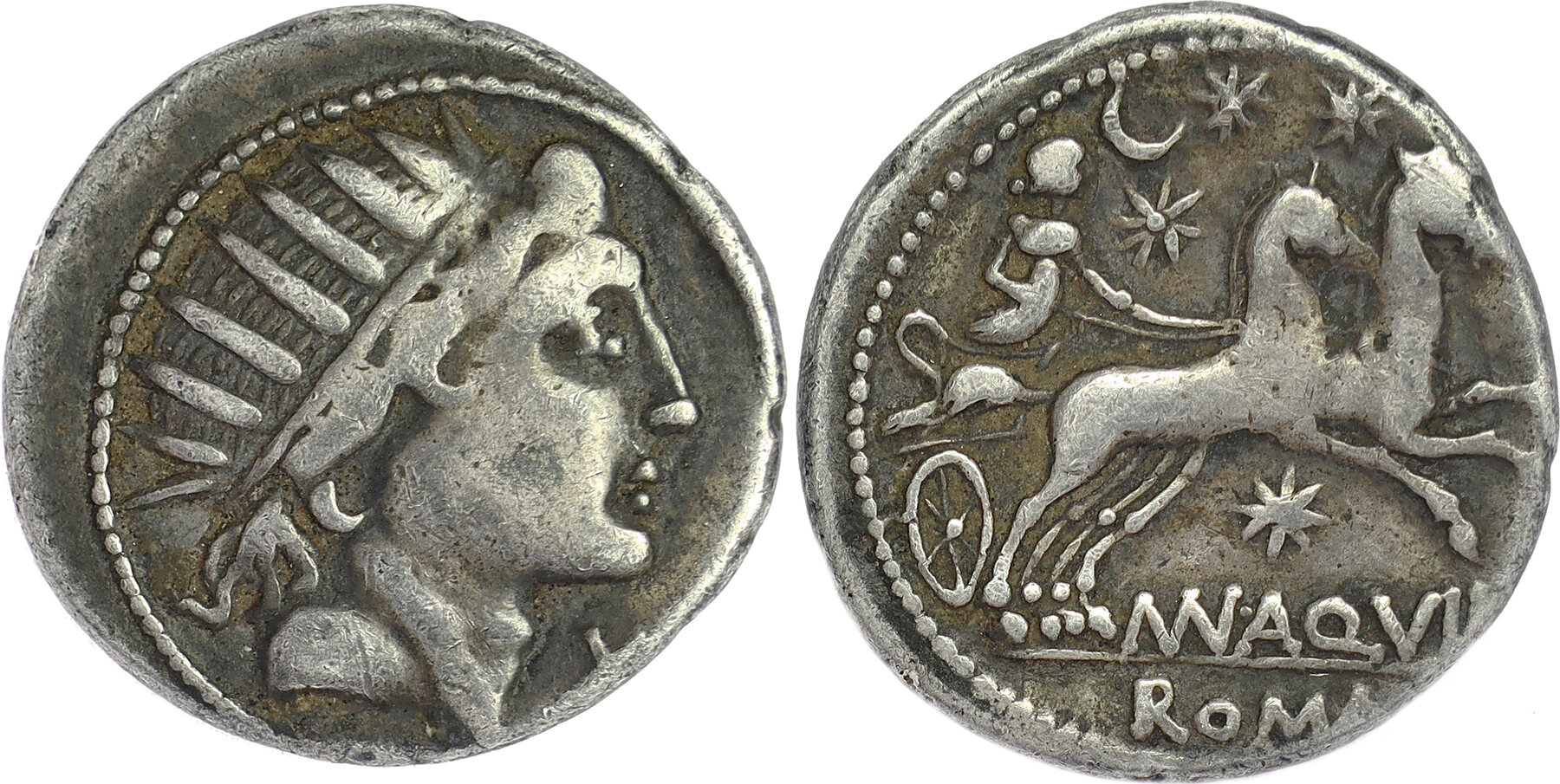
Recent studies in numismatics have shed new light on Aquillius' consulship. Coins minted during his term provide valuable insights into the political and economic context of his career. These artifacts, along with archaeological evidence from Sicily and Asia Minor, help to reconstruct the world in which Aquillius operated and the impact of his policies.
Digital media has also played a role in renewing interest in Aquillius. Podcasts, academic videos, and online discussions have brought his story to a wider audience, highlighting his significance in the broader narrative of Rome's late Republic. Platforms such as Thersites the Historian have explored his duel with Athenion, his diplomatic missteps in Asia Minor, and his brutal execution, offering fresh perspectives on his legacy.
"Aquillius' life and career exemplify the complexities of Roman imperialism, where military success and diplomatic failure often went hand in hand."
The story of Manius Aquillius offers several key lessons for understanding the late Roman Republic. His military successes demonstrated the effectiveness of Marius' reforms and the importance of adaptable leadership in times of crisis. However, his diplomatic failures in Asia Minor also highlighted the dangers of overconfidence and the need for prudent statecraft.
Aquillius' career underscores the challenges faced by Rome as it transitioned from a regional power to a global empire. The Republic's expanding ambitions often outpaced its ability to manage the complexities of governance and diplomacy, leading to conflicts that could have been avoided with more measured policies. In this sense, Aquillius' legacy serves as a cautionary tale about the perils of overreach and the importance of balancing strength with restraint.
Ultimately, Aquillius' life and death were shaped by the turbulent dynamics of his time. His story is a reminder of the delicate balance between assertiveness and prudence, and the enduring consequences of decisions made in the heat of political and military crises.
Manius Aquillius operated during one of the most tumultuous periods in Roman history—the late Republic. This era was marked by military reforms, social upheavals, and expansionist policies that strained Rome's political and economic systems. Understanding Aquillius' career requires examining the broader forces shaping Rome during his lifetime.
The late Republic was defined by the rise of powerful generals like Gaius Marius and Lucius Cornelius Sulla, who challenged traditional political structures. The Social War (91–88 BC) and the Mithridatic Wars (88–63 BC) further destabilized the Republic, creating an environment where figures like Aquillius could rise—or fall—rapidly. His actions in Asia Minor were not isolated incidents but part of Rome's broader struggle to assert control over its growing empire.
Rome's expansion created immense social and economic pressures. The influx of slaves from conquered territories led to overpopulation on latifundia, contributing to revolts like the Second Servile War. Meanwhile, the Roman army's reliance on landless citizens—following Marius' reforms—created a new class of professional soldiers loyal to their generals rather than the state.
Aquillius' suppression of the Sicilian revolt was a direct response to these pressures. His methods, while effective, highlighted the Republic's willingness to use force to maintain order, even at the cost of alienating local populations. This approach would later backfire in Asia Minor, where his heavy-handed diplomacy provoked a far greater conflict.
To fully appreciate Aquillius' significance, it is useful to compare him to other key figures of the late Republic. Unlike Gaius Marius, who was celebrated for his military genius, or Sulla, who became infamous for his ruthless political purges, Aquillius' legacy is more ambiguous. He was neither a revolutionary nor a tyrant but a pragmatic leader whose actions had unintended consequences.
Like Lucius Cornelius Scipio Asiaticus, Aquillius was tasked with managing Rome's eastern interests. However, where Scipio had successfully navigated the complexities of Hellenistic politics, Aquillius' approach was more confrontational. His failure to secure a peaceful resolution with Mithridates VI contrasts sharply with the diplomatic successes of earlier Roman envoys.
The manner of Aquillius' execution—molten gold poured down his throat—was not merely an act of vengeance but a calculated statement by Mithridates VI. The Pontic king sought to humiliate Rome and underscore his defiance of its imperial ambitions. This brutal act resonated throughout the Mediterranean, signaling the beginning of a prolonged and costly war.
Aquillius' death had immediate political repercussions in Rome. The Senate, outraged by the massacre of Romans in Asia, declared war on Pontus, marking the start of the First Mithridatic War. This conflict would span decades, involving multiple Roman generals, including Sulla and Lucullus, and ultimately reshaping Rome's eastern policy.
The Asian Vespers, the massacre of 80,000 Romans and Italians in Asia Minor, was a direct consequence of Aquillius' policies. This event not only provoked Rome's declaration of war but also exposed the vulnerabilities of its eastern alliances. The Republic's inability to protect its citizens abroad undermined its credibility and forced a reevaluation of its imperial strategy.
In the long term, the Mithridatic Wars weakened Rome's republican institutions, contributing to the rise of autocratic leaders like Julius Caesar. The prolonged conflict drained Rome's resources and highlighted the need for more centralized authority—a trend that would culminate in the fall of the Republic and the rise of the Empire.
"The execution of Manius Aquillius was a turning point in Roman history, transforming a regional dispute into a war that would define the late Republic."
Modern historians have reevaluated Aquillius' role in Rome's late Republic, moving beyond traditional narratives that portray him as either a hero or a villain. Recent scholarship emphasizes the structural challenges he faced, including the Republic's overstretched military and diplomatic resources. His actions in Asia Minor, while flawed, were part of a broader pattern of Roman overreach.
Numismatic evidence, such as coins minted during his consulship, provides insights into his political influence and public image. These artifacts suggest that Aquillius was initially celebrated for his military successes but later criticized for his diplomatic failures. This duality reflects the complexities of his career and the shifting perceptions of his legacy.
The rise of digital media has renewed interest in figures like Aquillius. Platforms such as YouTube and podcasts like Thersites the Historian have brought his story to a wider audience, highlighting his significance in the broader narrative of Rome's late Republic. These modern retellings often focus on dramatic episodes, such as his duel with Athenion and his brutal execution, making his story more accessible to contemporary audiences.
Academic discussions have also benefited from digital archives and online databases, which provide easier access to primary sources and scholarly articles. This has allowed for a more nuanced understanding of Aquillius' career, situating him within the broader context of Roman imperialism and the challenges of governing a vast empire.
The life and career of Manius Aquillius offer several critical lessons about the late Roman Republic:
Manius Aquillius remains a pivotal yet often overlooked figure in the history of the late Roman Republic. His military achievements, particularly in the Cimbrian War and the Second Servile War, demonstrate his capability as a leader. However, his diplomatic missteps in Asia Minor serve as a cautionary tale about the perils of overreach and the importance of measured foreign policy.
Aquillius' story is a microcosm of the challenges faced by Rome during its transition from republic to empire. His career reflects the Republic's struggles to balance military expansion with effective governance, and his death marks a turning point in Rome's relationship with the East. The First Mithridatic War, sparked by his policies, would have far-reaching consequences, shaping the political and military landscape of the late Republic.
Ultimately, Aquillius' legacy is one of complexity and contradiction. He was a man of action whose decisions had unintended and often disastrous consequences. His life reminds us that history is shaped not only by grand strategies and heroic deeds but also by the flawed judgments of individuals operating in times of crisis. In the story of Manius Aquillius, we see the enduring tension between ambition and restraint—a theme that resonates throughout the history of empires.


Your personal space to curate, organize, and share knowledge with the world.
Discover and contribute to detailed historical accounts and cultural stories. Share your knowledge and engage with enthusiasts worldwide.
Connect with others who share your interests. Create and participate in themed boards about any topic you have in mind.
Contribute your knowledge and insights. Create engaging content and participate in meaningful discussions across multiple languages.
Already have an account? Sign in here

Discover Flavius Aetius, the "last of the Romans." Read about his victories, including the Battle of the Catalaunian Pla...
View Board
Explore the reign of Lucius Verus, Roman co-emperor with Marcus Aurelius. Discover his role in the Parthian War, the Ant...
View Board
Explore the reign of Lucius Septimius Severus, Rome's first African emperor. Discover his military conquests, political ...
View Board
Explore the reign of Valens, Eastern Roman Emperor (364-378 AD). Discover his administrative achievements, Arian religio...
View Board
Explore the life and legacy of King Decebalus, the last independent king of Dacia. Discover his wars against Rome and hi...
View Board
Explore the life of Flavius Stilicho, the half-Vandal general who defended the Western Roman Empire. Discover his key ba...
View Board
Discover Lucius Licinius Lucullus, the brilliant Roman general often overshadowed by Pompey. Explore his military genius...
View Board
Discover Valentinian I, the soldier-emperor who stabilized the Western Roman Empire! Learn about his military campaigns,...
View Board
Explore the reign of Septimius Severus, Rome's first African emperor. Discover his military reforms, rise to power, and ...
View Board
Explore the life of Caracalla, the controversial Roman Emperor. Discover his brutal reign, key reforms like the Constitu...
View Board
Explore the life and legacy of Titus, Rome's popular emperor. From military victories to disaster relief, discover his i...
View Board
Uncover the captivating story of Roxana, Alexander the Great's first wife. Explore her Sogdian origins, political influe...
View Board
Discover the reign of Antiochus IV Epiphanes, the last king of Commagene. Learn about his loyalty to Rome, military serv...
View Board
Discover Octavia the Younger's pivotal role in Roman history! Sister of Augustus, wife of Antony, and a master of diplom...
View Board
Discover Themistocles, the Athenian strategist whose naval vision and tactical brilliance at Salamis saved Greece from P...
View Board
Discover Pelopidas, Theban general and statesman! Learn about his heroic liberation of Thebes, the Sacred Band, and his ...
View Board
Explore the life of Pompey the Great, a Roman general whose ambition shaped the Republic. Discover his triumphs, politic...
View Board
Explore the reign of Theodosius I, the last emperor to rule a unified Roman Empire. Discover his military achievements, ...
View Board
Explore the life and legacy of Hannibal Barca, Carthage's brilliant general. From his Alpine crossing to his impact on m...
View Board
Discover Gaius Duilius, the Roman general who secured Rome's first naval victory at Mylae! Learn how he transformed Rome...
View Board
Comments