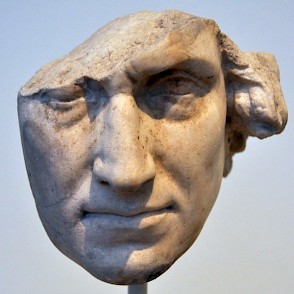
Explore Any Narratives
Discover and contribute to detailed historical accounts and cultural stories. Share your knowledge and engage with enthusiasts worldwide.
Attalus III, known as Philometor Euergetes, was the final ruler of the Attalid dynasty in Pergamon. His reign, though brief, marked a pivotal moment in ancient history. By bequeathing his kingdom to Rome, he set the stage for the first Roman province in Asia. This article explores his life, reign, and the enduring impact of his decisions.
Born around 170 BC, Attalus III was the son of Eumenes II and Stratonice of Pergamon. His early years were shaped by the political and cultural richness of Pergamon, a kingdom renowned for its library and artistic achievements. Unlike his predecessors, Attalus III showed little interest in governance, preferring instead to focus on botany, medicine, and gardening.
Attalus III ascended to the throne in 138 BC after the death of his uncle, Attalus II, who had ruled as regent for two decades. His reign was marked by a notable lack of political engagement, which contrasted sharply with the active leadership of his predecessors.
Attalus III's rule was characterized by his disinterest in political affairs. Ancient sources, including Livy, describe him as reclusive, often retreating from public life to pursue his personal passions. His focus on botany and medicine was unusual for a king, but it reflected his unique priorities.
Despite his lack of political ambition, Attalus III's reign was relatively stable. Pergamon continued to thrive culturally, though its political influence began to wane. His decision to bequeath his kingdom to Rome was a strategic move to prevent civil unrest and potential Roman seizure.
One of the most significant acts of Attalus III's reign was his decision to leave his kingdom and treasury to Rome in his will. This bequest was unprecedented and had far-reaching consequences. By doing so, Attalus III aimed to preempt Roman intervention and avoid a potential civil war.
The motivations behind this decision remain a subject of debate. Some ancient accounts, such as those by Strabo, speculate that Attalus III may have been influenced by mental instability, though these claims are unverified. Regardless of his personal motivations, the impact of his bequest was profound.
Following Attalus III's death in 133 BC, a significant revolt erupted. Aristonicus, claiming to be Attalus III's half-brother and the son of Eumenes II, led an uprising under the name Eumenes III. Aristonicus sought to challenge Rome's claim to Pergamon, promising freedom to slaves and the lower classes.
The revolt gained traction with the support of the philosopher Blossius, who advocated for social reform. However, Rome swiftly responded to the threat. The initial Roman efforts were met with setbacks, including the death of the consul Crassus. Ultimately, the revolt was crushed by 129 BC under the leadership of the consul Perperna.
With the suppression of Aristonicus' revolt, Pergamon was officially annexed as the Roman province of Asia. This marked the first Roman province in Asia Minor, significantly expanding Rome's territorial control and influence. The annexation also involved the redistribution of territories, with Pontus and Cappadocia gaining minor regions.
The bequest of Attalus III and the subsequent annexation had lasting implications for the Roman Republic. The wealth and resources of Pergamon contributed to Rome's growing power, while the political dynamics of the region were forever altered.
Attalus III's bequest played a crucial role in Roman expansion into Asia Minor. The acquisition of Pergamon provided Rome with a strategic foothold in the region, facilitating further territorial gains. The wealth of Pergamon also contributed to Rome's economic strength, influencing the political landscape of the Republic.
The annexation of Pergamon as the province of Asia marked a turning point in Roman history. It demonstrated Rome's ability to integrate diverse regions into its political structure, setting a precedent for future expansions. The legacy of Attalus III's decision continues to be studied for its impact on Roman governance and territorial growth.
In modern times, Attalus III remains a figure of historical interest. His reign and the subsequent events have been the subject of scholarly debates, particularly regarding his motivations and the consequences of his bequest. Recent data from Pantheon ranks Attalus III as the 2,649th most popular historical politician globally, with a Historical Popularity Index (HPI) of 70.48.
The digital popularity of Attalus III has seen a notable increase, reflecting a growing interest in his life and legacy. His story continues to captivate historians and enthusiasts alike, offering insights into the complex dynamics of ancient politics and the transition of power from Hellenistic kingdoms to the Roman Republic.
Attalus III's reign, though brief, was marked by decisions that had a profound impact on the ancient world. His bequest of Pergamon to Rome set the stage for the first Roman province in Asia, altering the political landscape of the region. The revolt of Aristonicus and the subsequent annexation of Pergamon highlighted the challenges and opportunities of Roman expansion.
Today, Attalus III's legacy continues to be explored and debated, offering valuable insights into the complexities of ancient governance and the transition of power. His story serves as a reminder of the enduring influence of individual decisions on the course of history.
Pergamon was not only a political powerhouse but also a center of cultural and intellectual achievement. The city's library, second only to the Library of Alexandria, was a testament to the Attalid dynasty's commitment to knowledge. Attalus III inherited this legacy, though his personal interests lay more in the sciences than in governance.
The library's collection was vast, housing over 200,000 volumes, including works on philosophy, science, and literature. After the bequest to Rome, much of this collection was reportedly transported to the Roman capital, enriching its intellectual landscape. This transfer of knowledge played a crucial role in shaping Roman scholarship and culture.
Unlike his predecessors, Attalus III was deeply interested in botany and medicine. Ancient sources suggest that he may have authored works on these subjects, though none have survived. His passion for these fields reflects a broader trend in Hellenistic rulers who patronized the sciences.
His contributions to gardening and herbal medicine were noted by contemporary writers. Some accounts even credit him with introducing new plant species to Pergamon, though these claims remain speculative. His scientific pursuits, while overshadowed by his political decisions, highlight the diverse interests of Hellenistic rulers.
The bequest of Attalus III included not only the territory of Pergamon but also its vast treasury. This wealth was a significant windfall for Rome, which was already expanding its influence across the Mediterranean. The exact value of the treasury is debated, but estimates suggest it was substantial enough to influence Roman politics.
The Roman Senate faced a dilemma over how to use this newfound wealth. Some, like Tiberius Gracchus, advocated for distributing it to the poor, while others sought to use it for state projects. The debate over Pergamon's treasury became a flashpoint in the broader struggles over Roman economic policy.
The annexation of Pergamon as the province of Asia marked a turning point in Roman expansion. This was the first Roman province in Asia Minor, and its establishment set a precedent for future territorial acquisitions. The province's strategic location made it a vital hub for trade and military operations.
The administration of the new province presented challenges for Rome. Governors had to manage a diverse population and integrate local customs into Roman governance. The success of this endeavor demonstrated Rome's ability to adapt its political structures to new territories, a skill that would be crucial in its future expansions.
Following Attalus III's death, Aristonicus emerged as a key figure in the resistance to Roman control. Claiming to be the half-brother of Attalus III, he sought to rally support among the lower classes and slaves. His promise of freedom and land redistribution resonated with many, leading to a widespread uprising.
Aristonicus' revolt was not merely a political challenge but also a social movement. His alliance with the philosopher Blossius underscored the ideological dimensions of the conflict. Blossius, a follower of Stoic philosophy, advocated for social justice, which further fueled the revolt's popularity.
Rome's initial response to the revolt was marked by setbacks. The death of the consul Crassus in battle highlighted the challenges faced by Roman forces. However, the arrival of reinforcements under the consul Perperna turned the tide. By 129 BC, the revolt was crushed, and Aristonicus was captured.
The suppression of the revolt had lasting consequences for Pergamon and Rome. It demonstrated Rome's determination to maintain control over its new province and sent a clear message to other potential challengers. The revolt also highlighted the complexities of integrating new territories into the Roman political system.
Attalus III's reign and his decision to bequeath Pergamon to Rome have been the subject of extensive scholarly debate. Some historians view his actions as a strategic move to avoid civil war, while others speculate about his mental state. Ancient sources, such as Strabo, suggest that he may have suffered from instability, though these claims lack definitive evidence.
Modern scholars have also explored the broader implications of his bequest. The transfer of Pergamon to Rome is seen as a pivotal moment in the transition from Hellenistic kingdoms to Roman dominance. This shift had profound effects on the political and cultural landscape of the ancient world.
In recent years, Attalus III has gained attention in digital and academic circles. According to Pantheon, he ranks as the 2,649th most popular historical politician globally, with a Historical Popularity Index (HPI) of 70.48. This ranking reflects a growing interest in his life and legacy.
The expansion of his Wikipedia biography to 36 languages underscores the global curiosity about his reign. His story continues to be a topic of discussion in historical forums and academic research, highlighting the enduring fascination with his decisions and their consequences.
Attalus III's reign, though brief, left an indelible mark on history. His decision to bequeath Pergamon to Rome reshaped the political landscape of the ancient world and set the stage for Roman expansion into Asia Minor. The revolt of Aristonicus and the subsequent annexation of Pergamon further underscored the challenges and opportunities of this transition.
Today, Attalus III's legacy continues to be explored and debated. His story offers valuable insights into the complexities of ancient governance, the dynamics of power, and the enduring influence of individual decisions on the course of history. As modern scholarship and digital platforms continue to highlight his significance, Attalus III remains a compelling figure in the study of the ancient world.
Attalus III's bequest of Pergamon to Rome was more than a political maneuver—it symbolized the shift from Hellenistic kingdoms to Roman dominance. The Attalid dynasty had long been a bastion of Greek culture and governance, and its absorption into the Roman Republic marked a turning point in Mediterranean history.
This transition was not merely territorial but also cultural. Pergamon's library, art, and intellectual traditions were integrated into Rome, enriching its cultural landscape. The city's legacy endured in Roman architecture, literature, and governance, demonstrating the lasting influence of Hellenistic civilization.
The kingdom of Pergamon was not only culturally significant but also economically vital. Its treasury, reportedly one of the wealthiest in the ancient world, provided Rome with substantial resources. This wealth was used to fund military campaigns, infrastructure projects, and public welfare programs.
Strategically, Pergamon's location in Asia Minor made it a critical hub for trade and military operations. Its annexation allowed Rome to extend its influence into new regions, facilitating further expansions. The province of Asia became a model for Roman provincial administration, demonstrating Rome's ability to govern diverse territories.
Ancient sources offer mixed assessments of Attalus III. Some, like Livy, portray him as a reclusive figure with little interest in governance. Others suggest that his focus on botany and medicine reflected a broader intellectual curiosity. These differing perspectives highlight the complexity of his character.
Modern historians have revisited these assessments, often emphasizing the strategic nature of his bequest. Rather than viewing his decision as a sign of weakness or instability, many now see it as a calculated move to preserve Pergamon's legacy. This reinterpretation underscores the importance of context in historical analysis.
One of the most controversial aspects of Attalus III's legacy is the debate over his mental state. Ancient sources, including Strabo, speculate that he may have suffered from instability. These claims, however, are largely unverified and may reflect political biases of the time.
Modern scholarship has approached this debate with caution. While some historians acknowledge the possibility of mental health issues, others argue that such claims are exaggerated. The lack of definitive evidence makes it difficult to draw firm conclusions, leaving this aspect of his legacy open to interpretation.
The annexation of Pergamon as the province of Asia was a complex process. Rome faced the challenge of integrating a diverse population with its own customs and traditions. The success of this endeavor demonstrated Rome's adaptability and administrative skill.
The province of Asia became a model for Roman governance, showcasing the Republic's ability to manage distant territories. This integration also facilitated cultural exchanges, as Greek and Roman traditions blended. The legacy of Pergamon endured in Roman art, literature, and governance, highlighting the enduring impact of its annexation.
The acquisition of Pergamon had far-reaching consequences for Roman expansion. It provided Rome with a strategic foothold in Asia Minor, enabling further territorial gains. The wealth and resources of Pergamon also contributed to Rome's growing power, influencing its political and military strategies.
The annexation of Pergamon set a precedent for future Roman expansions. It demonstrated the Republic's ability to absorb new territories and integrate them into its political structure. This model of expansion would be repeated in other regions, shaping the course of Roman history.
Attalus III's story has been featured in various historical media, from documentaries to academic publications. His reign and the bequest of Pergamon are often highlighted as key moments in the transition from Hellenistic to Roman rule. These representations reflect the enduring fascination with his decisions and their consequences.
In educational contexts, Attalus III is frequently studied as an example of strategic political maneuvering. His bequest to Rome is analyzed for its impact on ancient governance and territorial expansion. This focus underscores the relevance of his legacy in modern historical education.
The digital age has seen a revival of interest in Attalus III. His Wikipedia biography, now available in 36 languages, reflects a global curiosity about his life and reign. Online forums and academic databases continue to discuss his decisions, highlighting their significance in ancient history.
Platforms like Pantheon have also contributed to this revival, ranking Attalus III among the most popular historical politicians. His Historical Popularity Index (HPI) of 70.48 underscores his enduring relevance in modern scholarship and public interest.
Attalus III's reign, though brief, left an indelible mark on history. His decision to bequeath Pergamon to Rome reshaped the political landscape of the ancient world, setting the stage for Roman expansion into Asia Minor. The revolt of Aristonicus and the subsequent annexation of Pergamon further underscored the challenges and opportunities of this transition.
Today, Attalus III's legacy continues to be explored and debated. His story offers valuable insights into the complexities of ancient governance, the dynamics of power, and the enduring influence of individual decisions on the course of history. As modern scholarship and digital platforms continue to highlight his significance, Attalus III remains a compelling figure in the study of the ancient world.
In the end, Attalus III's legacy is a testament to the power of strategic decision-making. His bequest of Pergamon to Rome not only preserved his kingdom's legacy but also shaped the future of the Mediterranean world. His story serves as a reminder of the enduring impact of individual actions on the broader sweep of history.


Your personal space to curate, organize, and share knowledge with the world.
Discover and contribute to detailed historical accounts and cultural stories. Share your knowledge and engage with enthusiasts worldwide.
Connect with others who share your interests. Create and participate in themed boards about any topic you have in mind.
Contribute your knowledge and insights. Create engaging content and participate in meaningful discussions across multiple languages.
Already have an account? Sign in here

Discover Aurelian, the Roman emperor who earned the title 'Restorer of the World' by reuniting the empire during the Cri...
View Board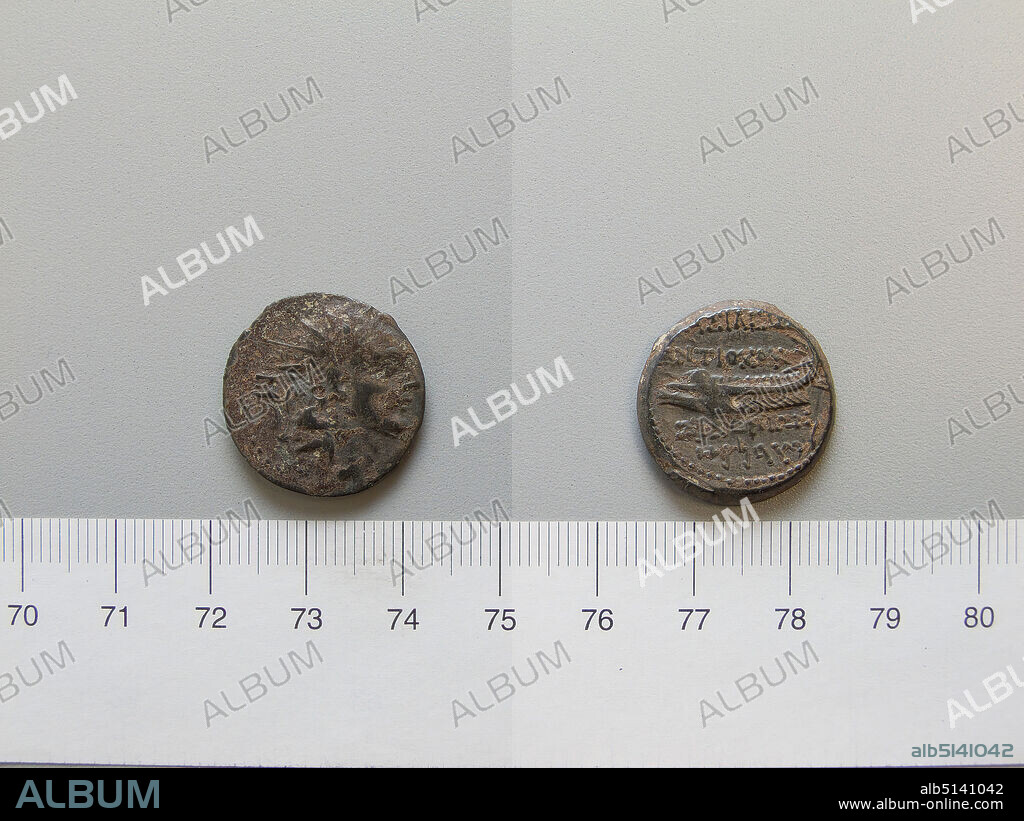
Discover the reign of Antiochus IV Epiphanes, the last king of Commagene. Learn about his loyalty to Rome, military serv...
View Board
Explore the reign of Lucius Septimius Severus, Rome's first African emperor. Discover his military conquests, political ...
View Board
Discover Juba II, the scholar king of Mauretania! Learn about his reign, scholarship, Roman alliance, and legacy in Nort...
View Board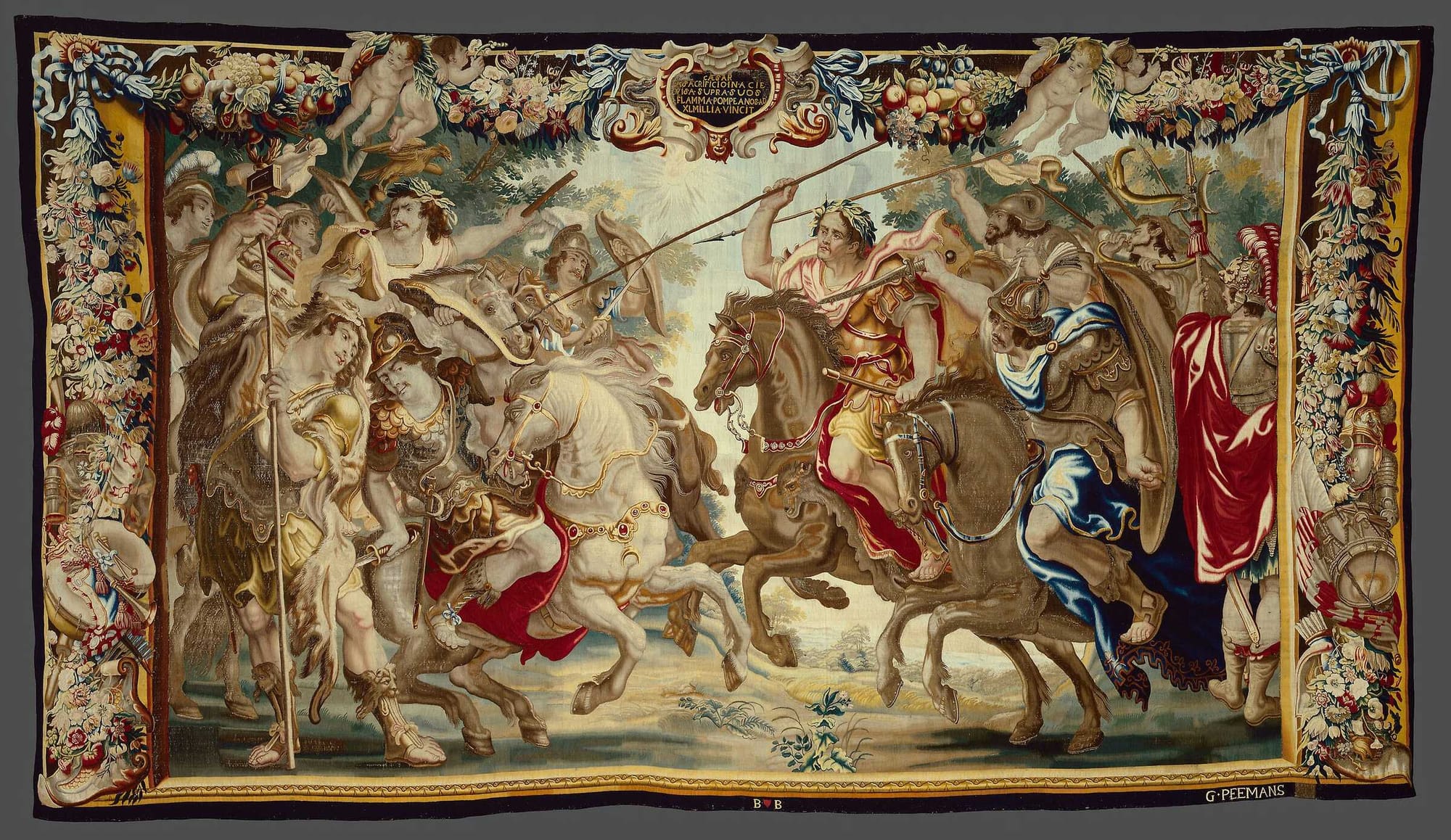
Explore the life of Pompey the Great, a Roman general whose ambition shaped the Republic. Discover his triumphs, politic...
View Board
Explore the reign of Valens, Eastern Roman Emperor (364-378 AD). Discover his administrative achievements, Arian religio...
View Board
Discover Gaius Duilius, the Roman general who secured Rome's first naval victory at Mylae! Learn how he transformed Rome...
View Board
Explore the life of Drusus the Elder, a Roman general and stepson of Augustus. Discover his military campaigns, Rhine co...
View Board
Explore the life of Caracalla, the controversial Roman Emperor. Discover his brutal reign, key reforms like the Constitu...
View Board.jpg)
Discover the dramatic story of Pertinax, the Roman emperor who rose from humble beginnings to rule for just 87 days. Exp...
View Board
Archaeologists in Izmir, eng, uncover a 1,500-year-old mosaic with Solomon’s Knot, revealing Smyrna’s Agora’s layered hi...
View Board:max_bytes(150000):strip_icc()/98952842-57a929c05f9b58974a9ef26d.jpg)
Discover Faustina the Younger, Roman Empress and wife of Marcus Aurelius. Explore her philanthropy, influence, and the c...
View Board
Discover Octavia the Younger's pivotal role in Roman history! Sister of Augustus, wife of Antony, and a master of diplom...
View Board
Explore the reign of Ptolemy III Euergetes, the powerful Ptolemaic pharaoh who expanded Egypt's empire and earned his ni...
View Board
Uncover the captivating story of Roxana, Alexander the Great's first wife. Explore her Sogdian origins, political influe...
View Board
Explore the life of Gaius Petronius Arbiter, Nero's 'arbiter of elegance,' and author of the *Satyricon*. Discover his i...
View Board
Explore Michael VIII Palaiologos' reign & the Byzantine Empire's resurgence! Discover how he recaptured Constantinople &...
View Board
Discover the life of Poppaea Sabina, Roman Empress and wife of Nero. Explore her ambition, beauty, and the controversies...
View Board
Discover Valentinian I, the soldier-emperor who stabilized the Western Roman Empire! Learn about his military campaigns,...
View Board
Explore the life of Flavius Stilicho, the half-Vandal general who defended the Western Roman Empire. Discover his key ba...
View Board
Comments