
Explore Any Narratives
Discover and contribute to detailed historical accounts and cultural stories. Share your knowledge and engage with enthusiasts worldwide.
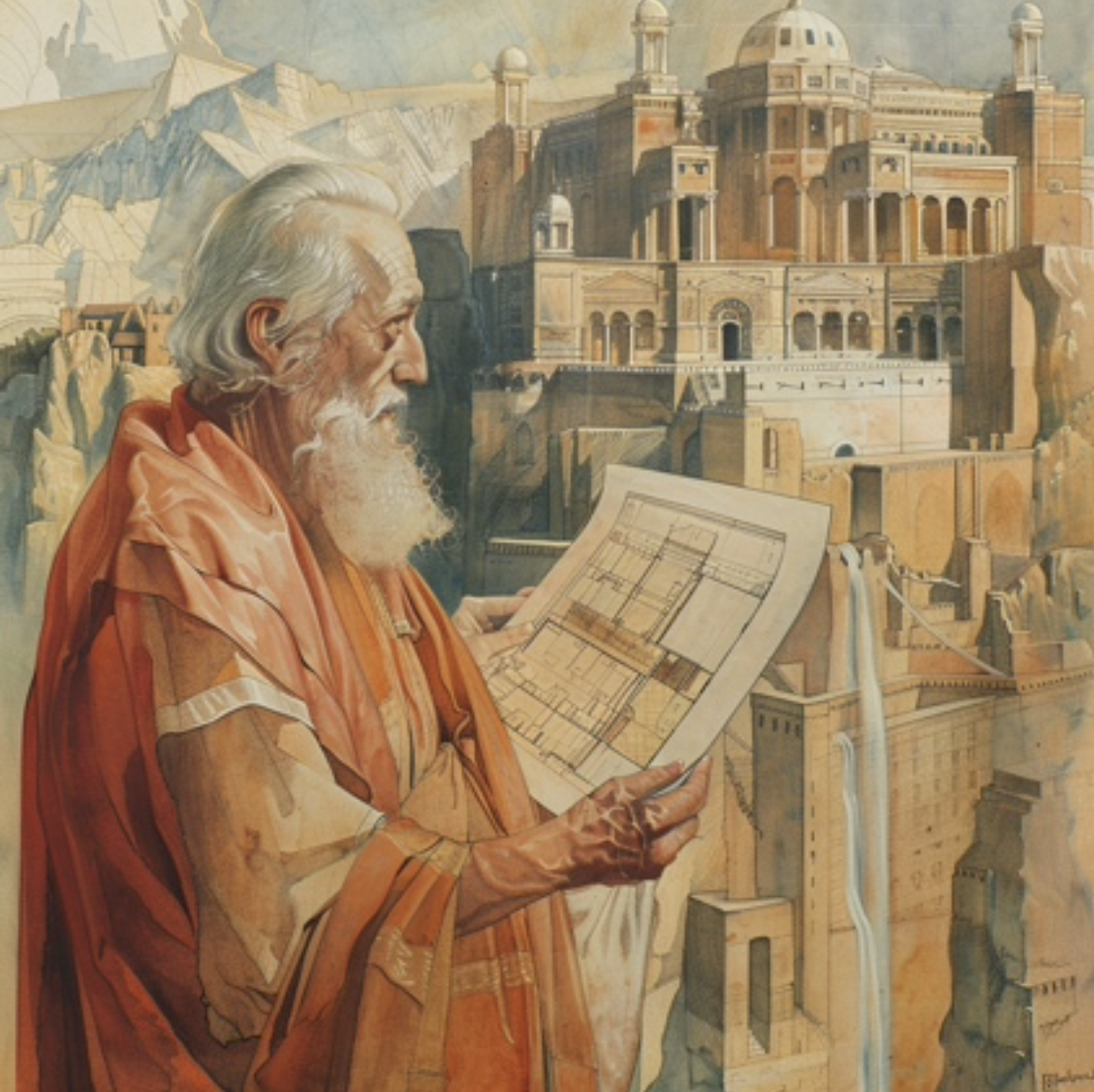
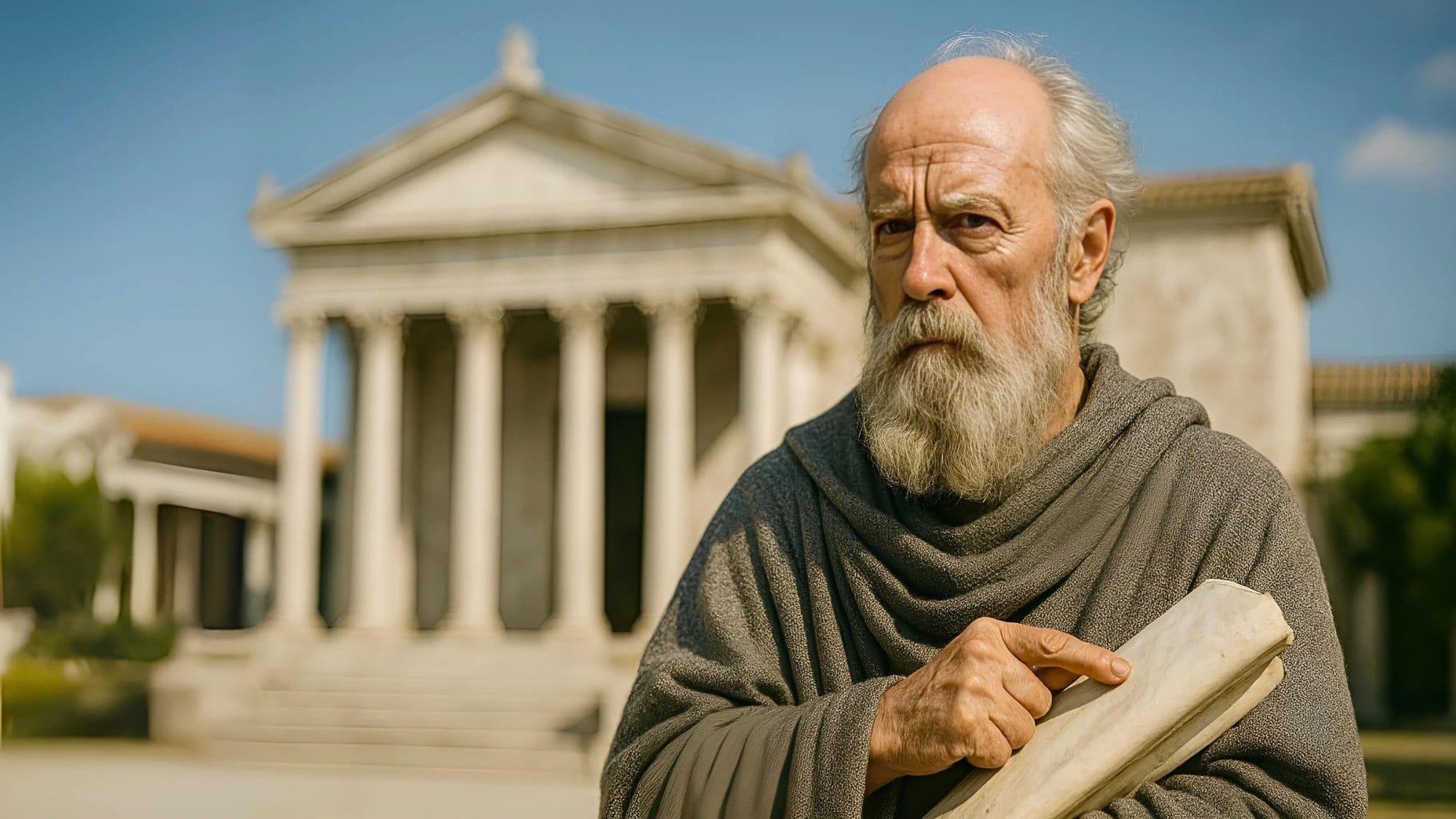
Marcus Vitruvius Pollio, a genius of ancient Roman architecture, shaped the foundations of Western design through his masterpiece De architectura. Active from the 1st century BC, his work remains a cornerstone of architectural theory. Vitruvius emphasized three timeless principles: firmitas (strength), utilitas (utility), and venustas (beauty), which still guide modern builders today.
Born around 80–70 BC in Formiae, Campania, Vitruvius came from a prominent Roman family. His education exposed him to mathematics, philosophy, and engineering, critical for his later innovations. Serving as praefectus fabrum—chief engineer—under Julius Caesar, he gained invaluable practical experience.
Vitruvius’s military work showcased his ability to blend theoretical knowledge with real-world applications, a skill that later defined his civilian projects.
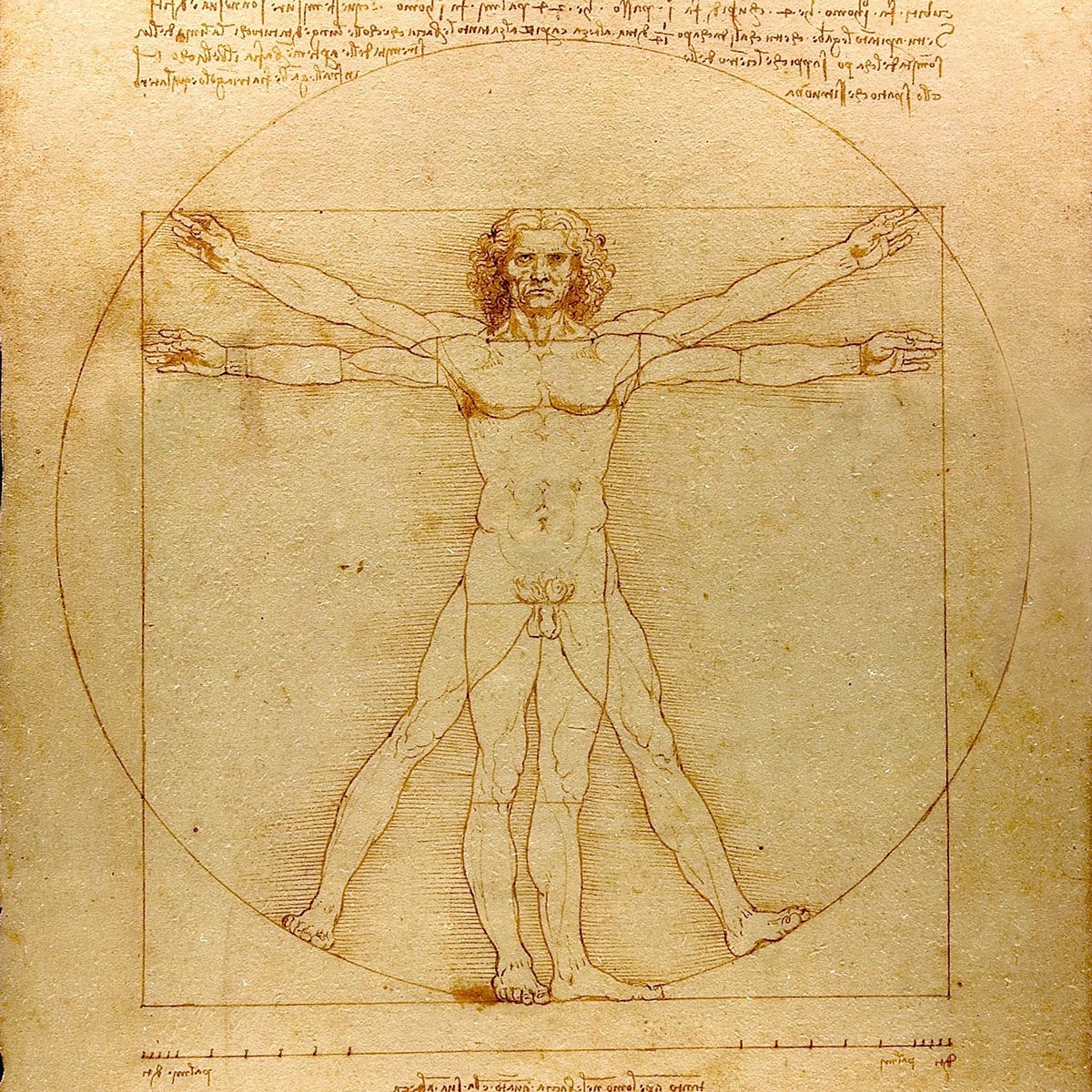
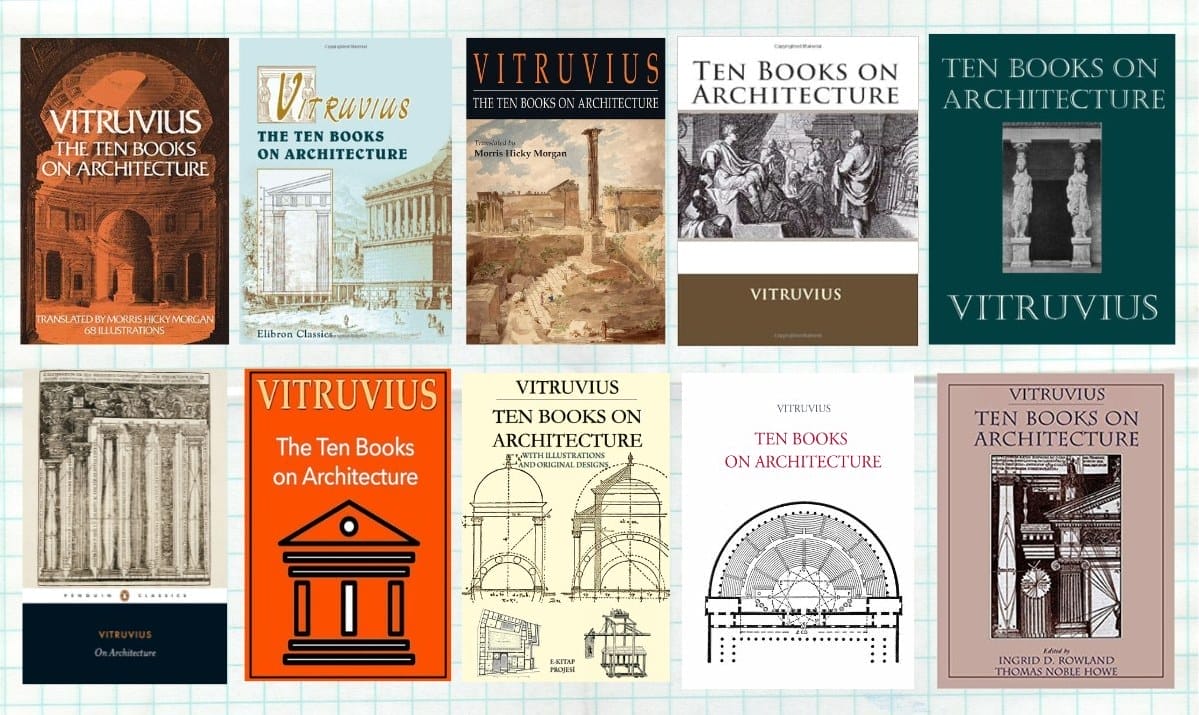
Completed around 20–15 BC, spans 10 volumes and approximately 400 pages in modern editions. The text covers over 30 building types, including temples, theaters, aqueducts, and hydraulic systems. Vitruvius linked architecture to human proportions, famously illustrated by the Vitruvian Man later popularized by Leonardo da Vinci.
“An edifice must be built with skill, elegance, and convenience.” — Vitruvius, De architectura
Vitruvius advocated for architects to master diverse fields: mathematics, music, medicine, and astronomy. He promoted traditional materials over bold innovations, ensuring longevity and functionality in every structure.
During Rome’s transition from Republic to Empire, Vitruvius merged military engineering with urban planning. His designs supported Julius Caesar’s campaigns and later Augustus’s grand building programs, including Rome’s Campus Martius baths and aqueducts.
These innovations contrasted Greek temple-focused designs, emphasizing practical Roman adaptations that dominated the Mediterranean world.
Vitruvius argued that a true architect must master mathematics, philosophy, music, medicine, law, and astronomy. He believed interdisciplinary learning ensured structures served both function and harmony. This holistic view rejected narrow specialization in favor of well-rounded expertise.
His text emphasized understanding nature’s patterns, linking human proportions to architectural layouts. Vitruvius wrote that buildings should mirror the universal order, creating balance between human needs and environmental realities.
Despite his forward-thinking ideas, Vitruvius caution against reckless experimentation. He preferred traditional materials like stone and brick over untested alternatives. This pragmatic stance aimed to guarantee long-term durability and public safety.
After Vitruvius’s death around 15 BC, his work faded from widespread knowledge. The text survived through medieval monasteries, where scribes preserved copies as rare scholarly treasures. Mentioned by Pliny the Elder and Frontinus, it remained a hidden gem for centuries.
During the early Middle Ages, De architectura was one of the few surviving Roman technical manuals. Its survival offered future generations a direct link to classical engineering and design philosophy.
In 1416, the scholar Poggio Bracciolini rediscovered a complete manuscript in a Swiss monastery. This moment ignited a Renaissance fascination with classical antiquity. The work became a blueprint for artists and architects seeking scientific principles.
“Vitruvius taught us that architecture is not merely walls and roofs, but a dialogue between humanity and the cosmos.” — 2024 analysis of durability standards
Today, Vitruvius’s triad—firmitas, utilitas, venustas—guides sustainable design. Architects use his principles to create buildings that endure climate challenges while remaining functional and beautiful. His emphasis on durable materials resonates in debates over climate-resilient infrastructure.
Modern engineers cite Vitruvius when advocating for long-term planning over quick fixes. Projects like flood-resistant urban grids and energy-efficient public spaces echo his call for enduring solutions.
Vitruvius’s idea of linking human proportions to architecture now influences biometric design and digital modeling. Software tools use his geometric principles to optimize space for human comfort. The Vitruvian Man remains a symbol of this fusion between body mechanics and structure.
While Vitruvius lived over 2,000 years ago, his vision continues to shape how we imagine and build our world.
Modern archaeology continues to validate Vitruvius’s descriptions of Roman engineering. Excavations of aqueducts, baths, and temples often reveal techniques outlined in De architectura. These discoveries reinforce his role as both practitioner and chronicler of Roman innovation.
Sites like the Campus Martius in Rome and North African settlements show remnants of Vitruvian-inspired urban grids and hydraulic systems. Such findings bridge ancient theory with tangible evidence of its real-world application.
Scholars still debate certain passages of Vitruvius’s work, particularly his astronomical alignments and proportion systems. Recent studies use 3D modeling to test his geometric principles, uncovering new layers of complexity in his designs.
Vitruvius remains a cornerstone of architectural schooling. His three principles—firmitas, utilitas, venustas—are taught as essential pillars of design ethics. Universities integrate his texts into courses on history, theory, and sustainable practices.
Students analyze De architectura to understand how ancient engineers balanced aesthetics with engineering constraints. This approach fosters critical thinking about modern design challenges, from resource limits to user experience.
Professional bodies cite Vitruvius when establishing building codes and certification criteria. His emphasis on durability and functionality shapes guidelines for everything from residential construction to public infrastructure.
“Vitruvius’s legacy is not confined to history—it’s embedded in every code that prioritizes safety, efficiency, and beauty.” — 2024 architectural standards review
From military engineer to imperial advisor, Vitruvius’s life encapsulated the fusion of theory and practice. His 10-volume treatise transcended its era, surviving through monasteries, Renaissance revival, and modern scholarship. Today, it remains a reference point for architects, engineers, and urban planners.
over 100 editions since 1486 and translations into 70+ languages. These numbers reflect a global admiration for his holistic vision of architecture as both art and science.
Vitruvius’s work continues to inspire innovations in biometric design, AI-assisted proportioning, and climate-resilient infrastructure. His belief that buildings should serve humanity while respecting natural laws remains profoundly relevant. As cities grow and technology evolves, Vitruvius’s principles offer timeless guidance.
In every enduring structure—whether a 2,000-year-old aqueduct or a smart city—the spirit of Vitruvius endures. His triad of strength, utility, and beauty remains the ultimate benchmark for designing a world that balances progress with permanence.


Your personal space to curate, organize, and share knowledge with the world.
Discover and contribute to detailed historical accounts and cultural stories. Share your knowledge and engage with enthusiasts worldwide.
Connect with others who share your interests. Create and participate in themed boards about any topic you have in mind.
Contribute your knowledge and insights. Create engaging content and participate in meaningful discussions across multiple languages.
Already have an account? Sign in here

The Prison Paradox: How Carceral Architecture Shaped Modern Co-Living The corridor is a dead thing. A long, sterile tube...
View Board
Explore the inspiring journey of Lynn Yamada Davis, also known as Cooking with Lynja. From MIT engineer to TikTok sensat...
View Board
Discover Cassiodorus, the Roman statesman and monk who preserved classical knowledge during the Dark Ages. Learn about V...
View Board
Explore the life of Gaius Petronius Arbiter, Nero's 'arbiter of elegance,' and author of the *Satyricon*. Discover his i...
View Board
The Strange Connection Between Brutalist Architecture and Soviet Propaganda A concrete postcard from 1971 shows a famil...
View Board
Explore the reign of Septimius Severus, Rome's first African emperor. Discover his military reforms, rise to power, and ...
View Board
Explore Emperor Trajan's remarkable legacy! Discover his military triumphs, massive public works, social reforms, and en...
View Board
R. Buckminster Fuller’s Montreal Biosphere, a 76m geodesic dome built for Expo 67, redefined architecture with radical e...
View Board
Journey through time in Pompeii, the ancient Roman city frozen in time by Mount Vesuvius. Discover its history, excavati...
View Board
Discover the life of Pliny the Younger, a Roman lawyer and author, famous for witnessing the Vesuvius eruption. Explore ...
View Board
Discover Octavia the Younger's pivotal role in Roman history! Sister of Augustus, wife of Antony, and a master of diplom...
View Board
Discover Themistocles, the Athenian strategist whose naval vision and tactical brilliance at Salamis saved Greece from P...
View Board
Discover Gaius Valerius Catullus, Rome's most scandalous poet! Explore his passionate love poems, political attacks, and...
View Board
Explore the life of Pompey the Great, a Roman general whose ambition shaped the Republic. Discover his triumphs, politic...
View Board
Uncover the captivating story of Roxana, Alexander the Great's first wife. Explore her Sogdian origins, political influe...
View Board
Discover the story of Naevius Sutorius Macro, the ambitious Roman prefect! Learn how he orchestrated Sejanus's downfall,...
View Board
Explore the reign of Gallienus, the Roman Emperor often blamed for the Crisis of the Third Century. Discover modern reas...
View Board
Explore the life of Sextus Afranius Burrus, Praetorian Prefect and key advisor to Emperor Nero. Discover how he maintain...
View Board
Discover Lucius Licinius Lucullus, the brilliant Roman general often overshadowed by Pompey. Explore his military genius...
View Board
Explore the life and legacy of Titus, Rome's popular emperor. From military victories to disaster relief, discover his i...
View Board
Comments