Explore Any Narratives
Discover and contribute to detailed historical accounts and cultural stories. Share your knowledge and engage with enthusiasts worldwide.
The regulatory landscape for data privacy is undergoing a seismic shift in 2024–2025. New privacy laws are accelerating regulations on age-gating, imposing strict limits on surveillance data collection, and mandating stronger data security and transparency requirements. This creates a rapidly fragmenting U.S. state landscape that companies must navigate for 2025–2026 compliance.
In the absence of a federal comprehensive privacy law, the United States is witnessing a surge in state-level legislation. By mid-2025, roughly 16–17 U.S. states had enacted comprehensive consumer privacy laws. This includes eight new state laws taking effect in 2025 alone, significantly increasing compliance complexity for businesses.
This proliferation of laws creates a state-by-state patchwork that is operationally burdensome. Each jurisdiction has unique thresholds, definitions, and enforcement mechanisms. For example, Connecticut’s SB 1295 expanded applicability to controllers handling personal data of at least 35,000 consumers or sensitive data.
By mid-2025, roughly 16–17 U.S. states had enacted comprehensive consumer privacy laws, with eight new state laws taking effect in 2025 alone.
The following states implemented new comprehensive privacy laws in 2025, adding to the existing framework:
This fragmentation risk requires companies to maintain agile compliance programs. Staggered effective dates and mid-year amendments necessitate continuous monitoring and adaptation.
Legislatures and regulators in 2025 are focusing heavily on children’s and teen privacy. Historically, COPPA protected children under 13, but new laws expand age protection to include teens. Several states now require opt-in consent for collection or sale of teen data and prohibit targeted advertising to minors.
The trend is toward treating minors as under 16 or 18 in many laws. This shifts practices away from the COPPA baseline and mandates more robust age-gating flows and parental controls. Drivers include concerns about social media harms to teens, such as addiction and mental health issues.
Key provisions in new state laws regarding minor protection include:
For instance, Connecticut’s SB 1295 prohibits targeted advertising to under-18s. This represents a significant expansion from traditional COPPA rules, impacting digital marketing strategies.
States are imposing new limits on the collection and use of surveillance-type data. Recent laws restrict the sale or collection of geolocation and biometric data and impose tougher rules for tracking technologies. This reflects growing public concern over pervasive monitoring.
Companies using geolocation or biometric systems must audit their collection, retention, and consent processes. Some states ban the sale of geolocation data or restrict biometric collection without explicit consent. These measures aim to curb surveillance capitalism practices.
States are imposing new limits on collection/use of surveillance-type data: recent laws and amendments restrict sale/collection of geolocation and biometric data.
Practical implications include reassessing data inventories and vendor management. Rights to know third-party recipients and restrictions on data sale require up-to-date data mapping and contractual changes with processors.
Several factors are driving the rapid enactment of new privacy laws. Concerns about social media harms to teens, high-profile data breaches, and the growth of AI-driven profiling technologies are key catalysts. Political momentum at the state level continues while a federal solution remains uncertain.
The link between social media usage and teen mental health issues has spurred legislative action. States are moving to protect minors from targeted advertising and excessive data collection that may exacerbate these problems. This has led to expanded teen privacy protections beyond traditional COPPA boundaries.
Frequent data breaches have highlighted the need for stronger data security measures. New laws often include requirements for impact assessments and transparency to mitigate risks. For example, Florida’s law includes civil fines up to $50,000 per violation, which can triple if a company knowingly served minors.
Additionally, the proliferation of AI and automated decision-making systems has raised alarms about profiling and discrimination. This has led to expanded opt-out rights and algorithmic impact assessment requirements in several statutes, coupling privacy rules with AI governance.
A significant trend in the new privacy laws is the demand for third-party transparency. States like Minnesota and Connecticut have introduced rights allowing residents to know the identities of third-party recipients of their personal data. This shift forces companies to provide unprecedented visibility into their data flows and downstream data sharing practices.
For businesses, this creates a profound operational challenge. To comply with new rights to know third-party recipients, organizations must maintain up-to-date data inventories and accurate data mapping. This requires robust vendor management programs and often, contractual amendments with processors and advertising partners. The goal is to enable consumers to see exactly where their information travels.
Minnesota’s law includes a specific right to know third-party recipients of personal data, reflecting the pace of mid-year rollouts in 2025 and the trend toward transparency about data flows.
Key actions companies must take to ensure third-party transparency compliance include:
This movement toward data flow disclosure signals a broader regulatory intent to demystify the often-opaque ecosystem of data brokers and secondary data users, placing the burden of clarity squarely on data controllers.
As artificial intelligence and automated systems become ubiquitous, new privacy laws are increasingly incorporating AI governance requirements. Regulators are coupling traditional data privacy rules with new obligations around profiling and automated decisions that significantly affect consumers, such as in employment, credit, and housing.
Several state statutes now provide consumers with expanded rights to opt-out of profiling and to understand the logic behind automated decisions. Furthermore, laws are beginning to mandate algorithmic impact assessments for high-risk processing activities. Connecticut's law, for example, expands opt-out rights for automated decisions and requires impact assessments for certain profiling that leads to legal or similarly significant effects.
The core components of new AI and profiling regulations within privacy laws include:
This regulatory push addresses growing concerns about algorithmic bias, discrimination, and the lack of human oversight. Companies must now build governance frameworks that not only protect data but also ensure fairness and accountability in automated systems.
With the expansion of new laws comes a significant strengthening of enforcement mechanisms and remedies. States are empowering regulators with new investigatory tools and, in some jurisdictions, creating private rights of action for consumers. The financial stakes for non-compliance have risen dramatically, making data security and adherence to these laws a critical business priority.
The potential fines for violations are substantial and vary by state. Florida’s targeted privacy measures, for instance, include civil fines up to $50,000 per violation. These fines can triple if a company is found to have knowingly processed data of minors in violation of the law, illustrating the heightened risk around age-gating failures.
Florida’s law includes civil fines up to $50,000 per violation and can triple fines if a company knowingly served minors—illustrating the potential financial exposure from noncompliance.
Common enforcement trends and penalty structures across state laws include:
This heightened enforcement landscape makes proactive compliance not just a legal necessity but a vital financial safeguard. Companies must prioritize building compliant programs rather than risking costly litigation and reputational damage.
Navigating the fragmented landscape of new privacy laws requires a strategic and operational response. From updating user experience to overhauling vendor contracts, businesses must take concrete steps to achieve compliance for 2025–2026. A reactive approach is no longer viable given the complexity and pace of regulatory change.
Firms must urgently reassess their age-gating flows and parental consent mechanisms. With many states now protecting teens up to age 18, simple checkboxes are insufficient. Companies need reliable methods to verify age and obtain verifiable parental consent where required. This often involves implementing more robust identity assurance technologies or partnering with specialized age verification services.
Key actions for age and minor data compliance include:
Companies using geolocation tracking, facial recognition, or other biometric systems must conduct thorough audits. The goal is to align collection, retention, and consent processes with new jurisdictional bans and opt-in requirements. For example, if a state bans the sale of precise geolocation data, companies must ensure their data sharing agreements and practices reflect this prohibition.
A surveillance technology audit should cover:
This proactive assessment helps mitigate the significant risk associated with non-compliance in this highly scrutinized area.
Given the state-by-state patchwork, the most sustainable strategy is to build a flexible compliance program that can adapt to varying requirements. This involves establishing a baseline of strong privacy protections that meet or exceed the strictest state law, while creating processes to manage state-specific exceptions.
Core elements of a robust, adaptable privacy program include:
This approach transforms privacy compliance from a series of frantic, reactive projects into a manageable, ongoing business operation.
The trajectory of U.S. privacy regulation points toward continued state-level innovation and complexity in the near term. While the fragmentation risk of the state-by-state patchwork creates pressure for a federal solution, political consensus remains elusive. In the interim, businesses must prepare for a landscape defined by proliferation of effective dates and ongoing amendment cycles, requiring vigilant monitoring and agile compliance programs.
The operational challenge is compounded by staggered enforcement dates. For instance, Minnesota’s law became effective July 31, 2025, while other 2025 laws had different start dates. Furthermore, many laws are subject to mid-year amendments, as seen with Connecticut’s SB 1295. This demands that companies treat privacy compliance as a continuous process, not a one-time project with a fixed deadline.
Key trends shaping the future regulatory environment include:
Many 2025 laws have staggered effective/enforcement dates and numerous mid-year amendments, requiring ongoing monitoring and agile compliance programs.
This dynamic environment means that the compliance obligations for 2026 will likely differ from those in 2025. Companies must build programs capable of adapting to this constant state of flux.
For those reporting on or analyzing the privacy landscape, understanding the operational impact of these laws is crucial. The story extends beyond legislative text to the practical challenges of implementation. Key areas for journalistic focus include the real-world effectiveness of age-gating technologies, corporate transparency about data flows, and the enforcement priorities of state attorneys general.
Journalists can drive accountability by asking pointed questions about compliance. Focusing on how companies operationalize new requirements reveals the gap between policy and practice. This scrutiny is vital for data security and consumer protection in an era of pervasive data collection.
Critical lines of inquiry for reporters include:
Engaging directly with key stakeholders provides deep insight. Questions for regulators might explore enforcement philosophy, while questions for corporate leaders can uncover implementation hurdles. This dual perspective paints a complete picture of the regulatory ecosystem’s function and friction.
For regulators (e.g., State Attorneys General):
For company Chief Privacy Officers or compliance leads:
The regulatory upheaval of 2024–2025 marks a definitive turning point for data privacy in the United States. The era of light-touch, notice-and-consent regulation is giving way to a new paradigm defined by proactive obligations, strict limitations on certain data practices, and severe penalties for non-compliance. The core pillars of this new era—age-gating, surveillance data restrictions, and third-party transparency—reflect a legislative intent to rebalance power between corporations and consumers.
Businesses that wish to thrive in this environment must internalize several non-negotiable imperatives. Success hinges on moving beyond checkbox compliance to embedding privacy-by-design into organizational culture and technology architecture.
The essential takeaways for any organization handling consumer data are:
The drivers of this regulatory push include concerns about social media harms to teens, high-profile data breaches, growth in AI-driven profiling and surveillance technologies, and political momentum at the state level.
For consumers, these laws represent a hard-fought advancement in digital rights, offering greater agency over personal information in an increasingly datafied world. For businesses, they represent a complex but necessary evolution, demanding investment in data security, ethical data practices, and transparent operations.
The journey toward 2026 compliance is already underway. The companies that will succeed are those that view these new privacy laws not merely as a compliance burden, but as a strategic opportunity to build trust, demonstrate responsibility, and future-proof their operations in a world where data stewardship is paramount. The fight for data security and consumer privacy has entered a new, more rigorous phase, reshaping the digital ecosystem for years to come.
Your personal space to curate, organize, and share knowledge with the world.
Discover and contribute to detailed historical accounts and cultural stories. Share your knowledge and engage with enthusiasts worldwide.
Connect with others who share your interests. Create and participate in themed boards about any topic you have in mind.
Contribute your knowledge and insights. Create engaging content and participate in meaningful discussions across multiple languages.
Already have an account? Sign in here
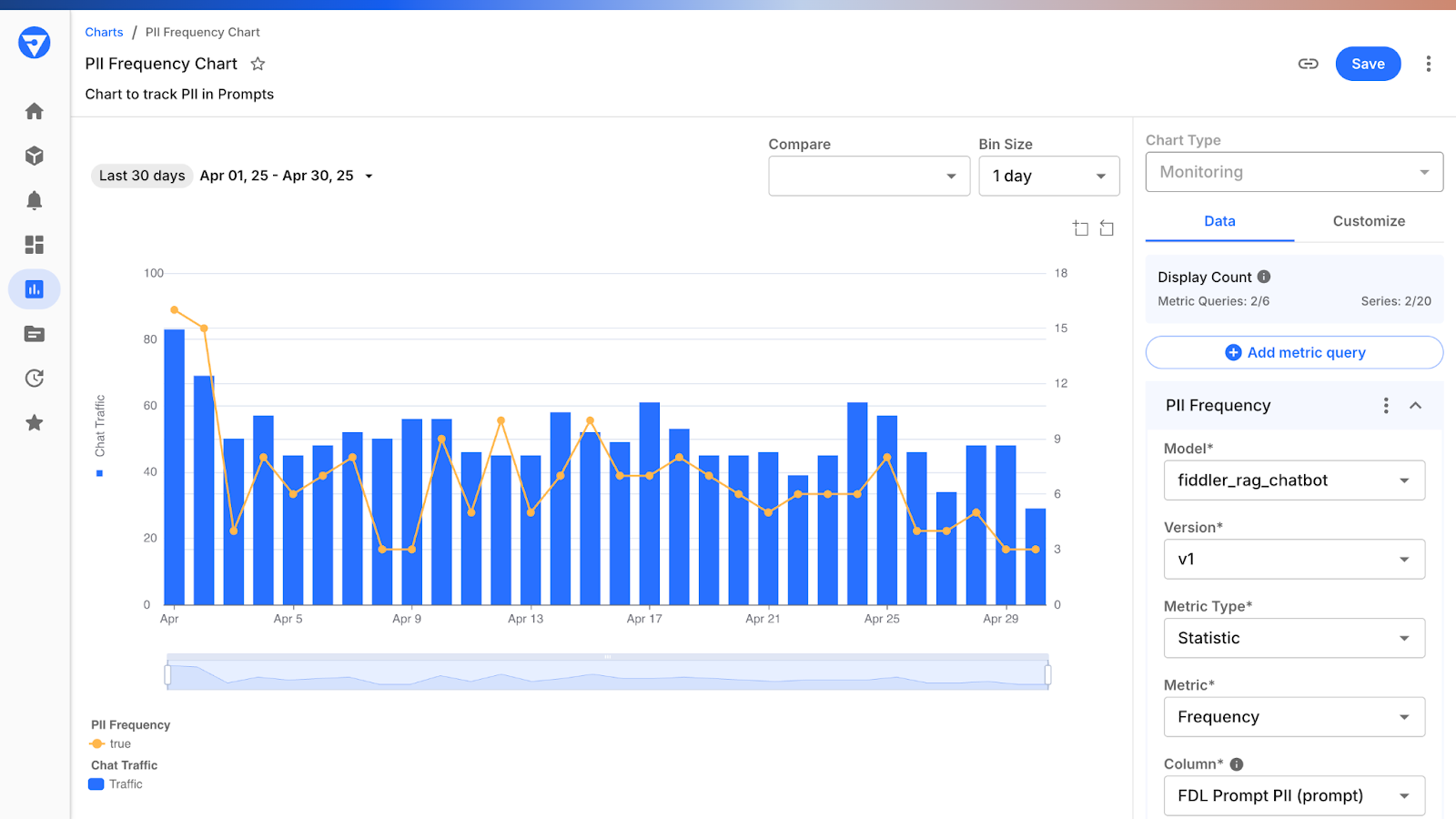
Depthfirst's $40M Series A fuels AI-native defense against autonomous AI threats, reshaping enterprise security with con...
View Board
Autonomous AI agents quietly reshape work in 2026, slashing claim processing times by 38% overnight, shifting roles from...
View Board
Three Sarah Austins—tech pioneer, UK events champion, Melbourne theatre scholar—show fragmented careers reshaping identi...
View Board
AI stock picks for 2026 focus on companies building infrastructure, monetizing AI at scale, and supplying critical tools...
View Board
AI steps out of screens into factories, powering agents that move cups, pick parts and reshape jobs amid surging robot i...
View Board
Steve Cutts and the Art of Satirical Social Commentary A man in a suit sits on a park bench, his face illuminated by th...
View Board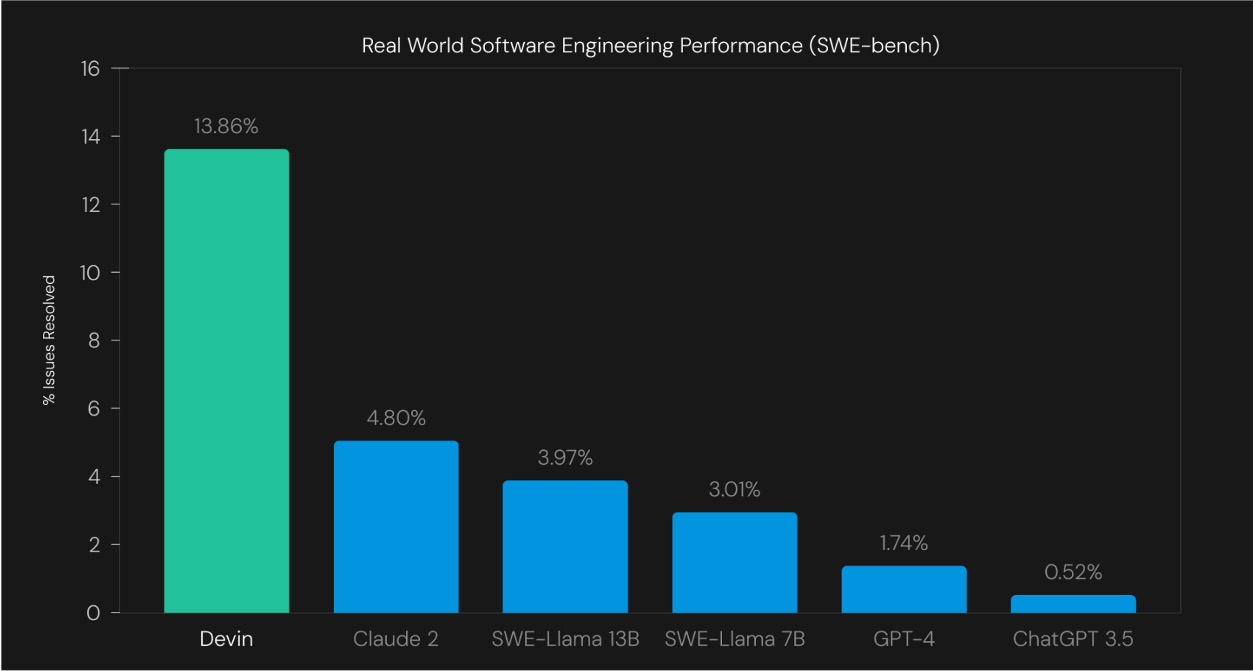
Die Reise von ELIZA zu proaktiven KI-Agenten: Wie aus reaktiven Chatbots autonome Akteure wurden, die Geschäftsprozesse ...
View Board
The open AI accelerator exchange in 2025 breaks NVIDIA's CUDA dominance, enabling seamless model deployment across diver...
View Board
CES 2025 spotlighted AI's physical leap—robots, not jackets—revealing a stark divide between raw compute power and weara...
View Board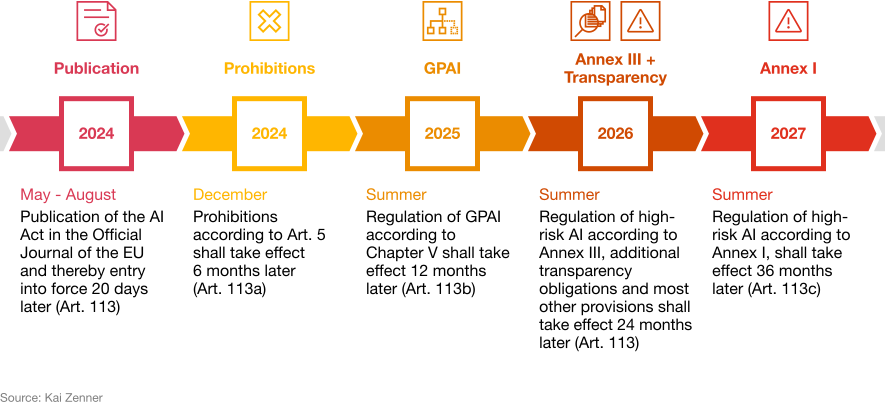
The EU AI Act became law on August 1, 2024, banning high-risk AI like biometric surveillance, while the U.S. dismantled ...
View Board
Nscale secures $2B to fuel AI's insatiable compute hunger, betting on chips, power, and speed as the new gold rush in te...
View Board
Tesla's Optimus Gen 3 humanoid robot now runs at 5.2 mph, autonomously navigates uneven terrain, and performs 3,000 task...
View Board
Microsoft's Copilot+ PC debuts a new computing era with dedicated NPUs delivering 40+ TOPS, enabling instant, private AI...
View Board
Archaeologists in Izmir, eng, uncover a 1,500-year-old mosaic with Solomon’s Knot, revealing Smyrna’s Agora’s layered hi...
View Board
AI transforms healthcare in 2026, detecting hidden tumors, predicting diseases before symptoms, and personalizing treatm...
View Board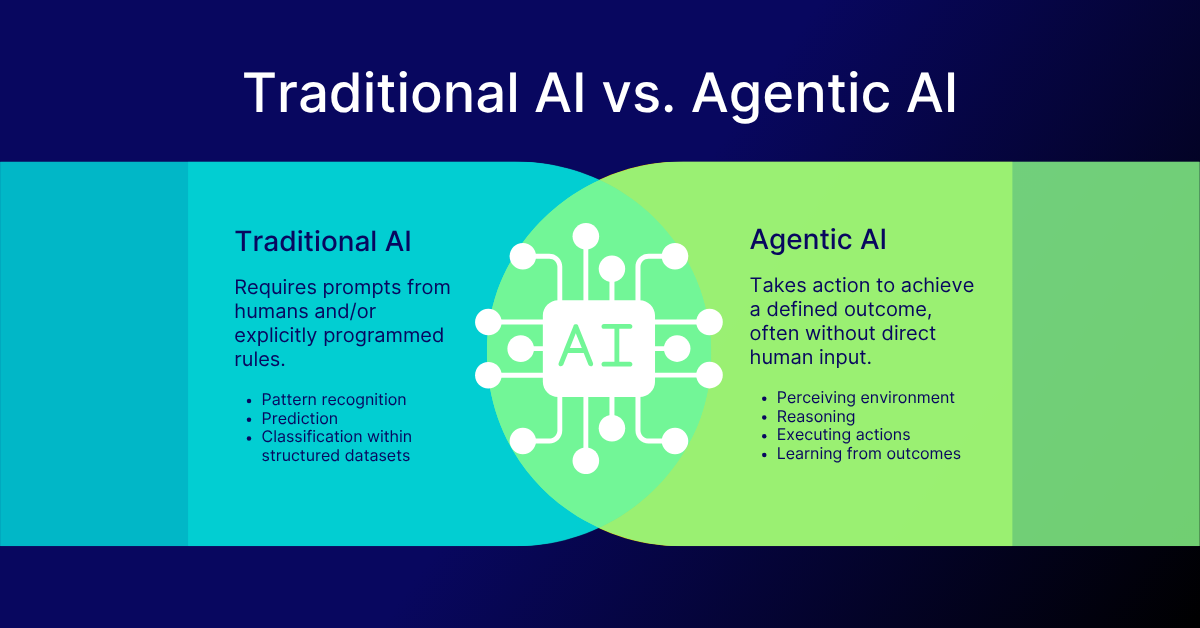
AI-driven networks redefine telecom in 2026, shifting from automation to autonomy with agentic AI predicting failures, o...
View Board
AI's explosive growth forces a reckoning with data center energy use, as new facilities demand more power than 100,000 h...
View Board
Data centers morph into AI factories as Microsoft's $3B Wisconsin campus signals a $3T infrastructure wave reshaping gri...
View Board
Hyundai's Atlas robot debuts at CES 2026, marking a shift from lab experiments to mass production, with 30,000 units ann...
View Board
Linh Tran’s radical chip design slashes AI power use by 67%, challenging NVIDIA’s dominance as data centers face a therm...
View Board
Comments