Explore Any Narratives
Discover and contribute to detailed historical accounts and cultural stories. Share your knowledge and engage with enthusiasts worldwide.
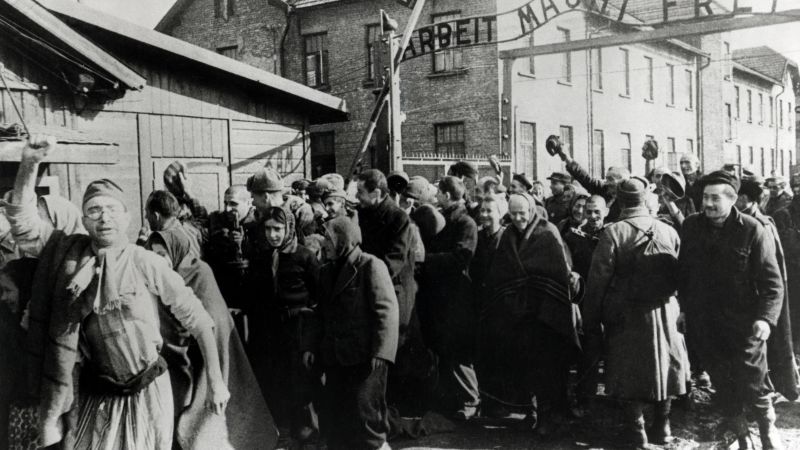
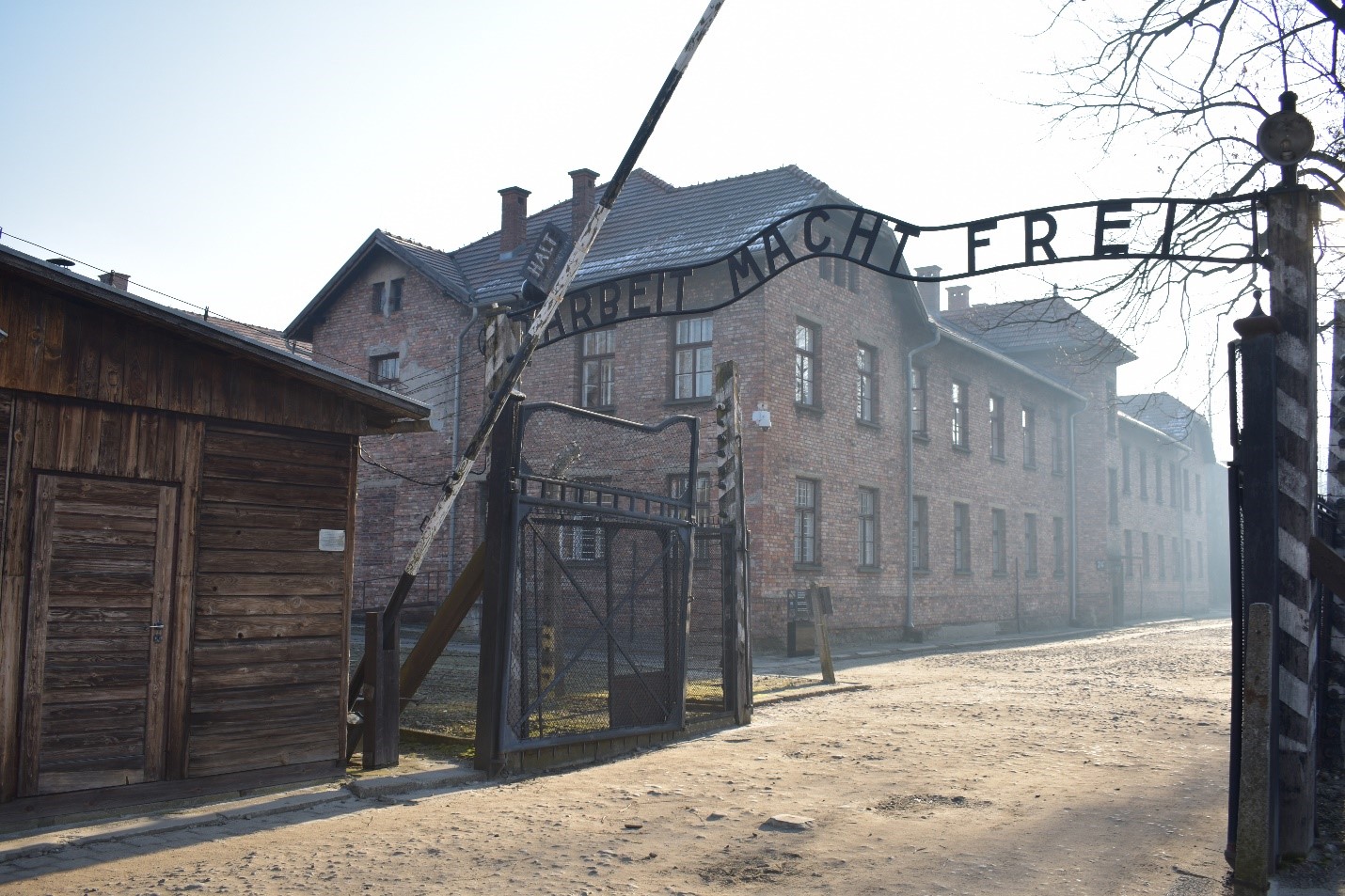
January 27, 1945, dawned cold and quiet over southern Poland. The temperature hovered around -15°C. Soldiers of the Soviet Red Army’s 322nd Rifle Division moved cautiously through the snow-dusted countryside near the town of Oświęcim. They had heard rumors, fragments of intelligence about a massive camp complex. Nothing prepared them for what they found. The gates of Auschwitz I stood open. The watchtowers were empty. Inside, they encountered fewer than 7,000 human beings, skeletal figures clad in striped uniforms, clinging to life amidst a landscape of industrial murder. The liberation was not a dramatic battle—the SS had fled days earlier, forcing 58,000 others on death marches west. It was a discovery. A confrontation with a reality so monstrous it would redefine the century’s understanding of evil.
For the survivors who remained, the arrival of the Red Army did not feel like a singular moment of salvation. Liberation was a process, a slow and painful awakening from a nightmare that had lasted years. They were the ones deemed too weak, too ill, or too expendable for the SS’s final evacuation. Typhus and starvation had ravaged their ranks. Soviet medic Georgii Elisavetskii described entering the barracks as stepping into a realm of the dead, where living skeletons lay three to a bunk, unable to rise. The soldiers, hardened by years of brutal warfare on the Eastern Front, broke down and wept. They distributed their rations, only to watch in horror as some survivors, their digestive systems destroyed, died from the shock of real food.
“We saw them coming from the window. They were very young boys. They walked in slowly, looking around, their weapons ready. They looked at us with wide eyes, like they were seeing ghosts. One of them said, ‘You are free.’ We did not understand. What did ‘free’ mean?”
This recollection, from Polish survivor Wanda Dramińska, encapsulates the profound dislocation of that day. Freedom was an abstract concept in a place designed to annihilate it. The real evidence of the crime lay not only in the emaciated survivors but in the staggering material plunder the Nazis left behind. In warehouses near the gas chambers and crematoria of Birkenau, the Soviets documented a hoard of murdered lives: 348,820 men’s suits, 836,255 women’s coats and dresses, and tens of thousands of shoes, hairbrushes, pots, and pairs of glasses. This mountain of belongings, systematically sorted and stored for the Third Reich’s economic gain, testified to the scale of the genocide. It was a bureaucracy of death, laid bare.
The Soviet soldiers who stumbled into Auschwitz were part of the 1st Ukrainian Front, pushing west in the massive Vistula–Oder Offensive. Their mission was military, not humanitarian. Between 230 and 299 of them died in the fighting around Oświęcim and the sub-camps in the preceding days. Their role as liberators of the most infamous Nazi camp would become a cornerstone of Soviet war memory, though it would be selectively emphasized and often marginalized in Western Cold War narratives. For the men on the ground that day, there was no political symbolism, only a visceral human response to unprecedented suffering.
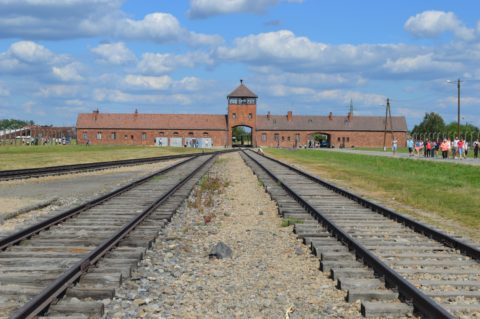
They moved through a partially destroyed complex. In a final act of obliteration, the SS had dynamited Crematorium V at Birkenau just the day before, on January 26. They failed to erase the evidence. The ruins of the other crematoria stood. The railway spur leading to the selection ramp remained. The overwhelming, sickening smell of burned hair and flesh lingered in the frozen air. Lieutenant Ivan Martynushkin, a 21-year-old commander of a machine-gun unit, later recalled the silence as the most haunting element. No birds sang. Then, his unit discovered the warehouses.
“We opened the doors and saw… things. Personal things. Piles and piles of them, stacked to the ceiling. And the shoes. A giant mountain of shoes. Children’s shoes on one side. That is when I felt it. The true horror was not just the dead, but the careful, neat organization of it all. Someone had done this accounting.”
Martynushkin’s observation cuts to the core of the Holocaust’s unique terror. This was not random massacre; it was a factory, with inputs, processes, and waste products. The 7,000 liberated prisoners were the accidental byproduct, the living waste the system had not yet fully processed. Soviet military reports and newsreels quickly circulated, providing the world with its first concrete, irrefutable visual proof of the Final Solution. The images of those hollow-eyed survivors and those piles of shoes would become the foundational evidence for the Nuremberg Trials and for history itself.
The liberation of Auschwitz was not the first of the Nazi camps—Majdanek had been freed by the Soviets in July 1944—but its size and symbolic power made it definitive. The soldiers’ immediate task was triage. Field hospitals were set up. Survivors were deloused, treated, and documented. Many would die in the weeks following liberation, their bodies too broken to recover. For those who lived, the journey from the camp to anything resembling a normal life would take decades. Their liberation on January 27 was merely the first step on a road that, for some, never truly ended. The world now knew the name Auschwitz. The question, as the guns fell silent in Europe a few months later, was what it would choose to do with that knowledge.

Your personal space to curate, organize, and share knowledge with the world.
Discover and contribute to detailed historical accounts and cultural stories. Share your knowledge and engage with enthusiasts worldwide.
Connect with others who share your interests. Create and participate in themed boards about any topic you have in mind.
Contribute your knowledge and insights. Create engaging content and participate in meaningful discussions across multiple languages.
Already have an account? Sign in here
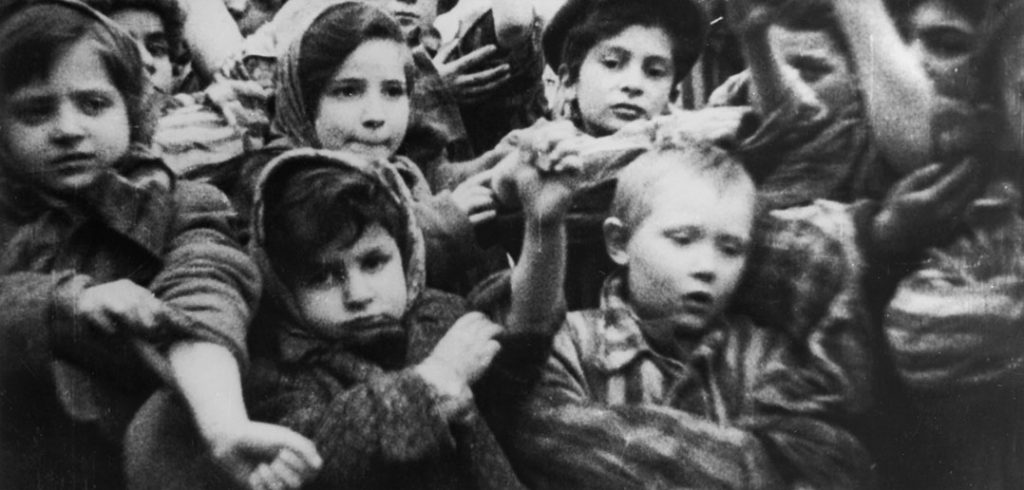
On January 27, 1945, Soviet soldiers uncovered Auschwitz, liberating 7,000 skeletal survivors and exposing the Nazi regi...
View Board
The 1174 Canterbury Cathedral Fire: An Architectural Phoenix Smoke, thick and acrid, choked the Kentish sky on the fift...
View Board
Gettysburg’s 2026 Winter Lecture Series challenges Civil War memory, linking diplomacy, Reconstruction, and global stake...
View Board
Fisherman mends nets on Sidon’s stone quay, beside Crusader sea castle, embodying six millennia of Phoenician trade, pur...
View BoardTabriz, a 3,000‑year‑old Silk Road hub scarred by quakes, birthed the Safavids, fueled revolution, and still throbs with...
View Board_in_1824_fr_-_(MeisterDrucke-419943).jpg)
On April 10, 1826, 10,000 Greeks fled besieged Missolonghi into Ottoman gunfire, forging a national martyrdom that shock...
View Board
Queen Victoria’s 63-year reign reshaped Britain, blending moral reform, industrial progress, and imperial expansion, lea...
View Board
The Times Square Ball, a 12-foot crystal sphere, honors U.S. history with its annual descent, evolving from a 1907 marit...
View Board
Two centuries after his death, Thomas Jefferson’s legacy remains a battleground—visionary founder or flawed hypocrite? E...
View Board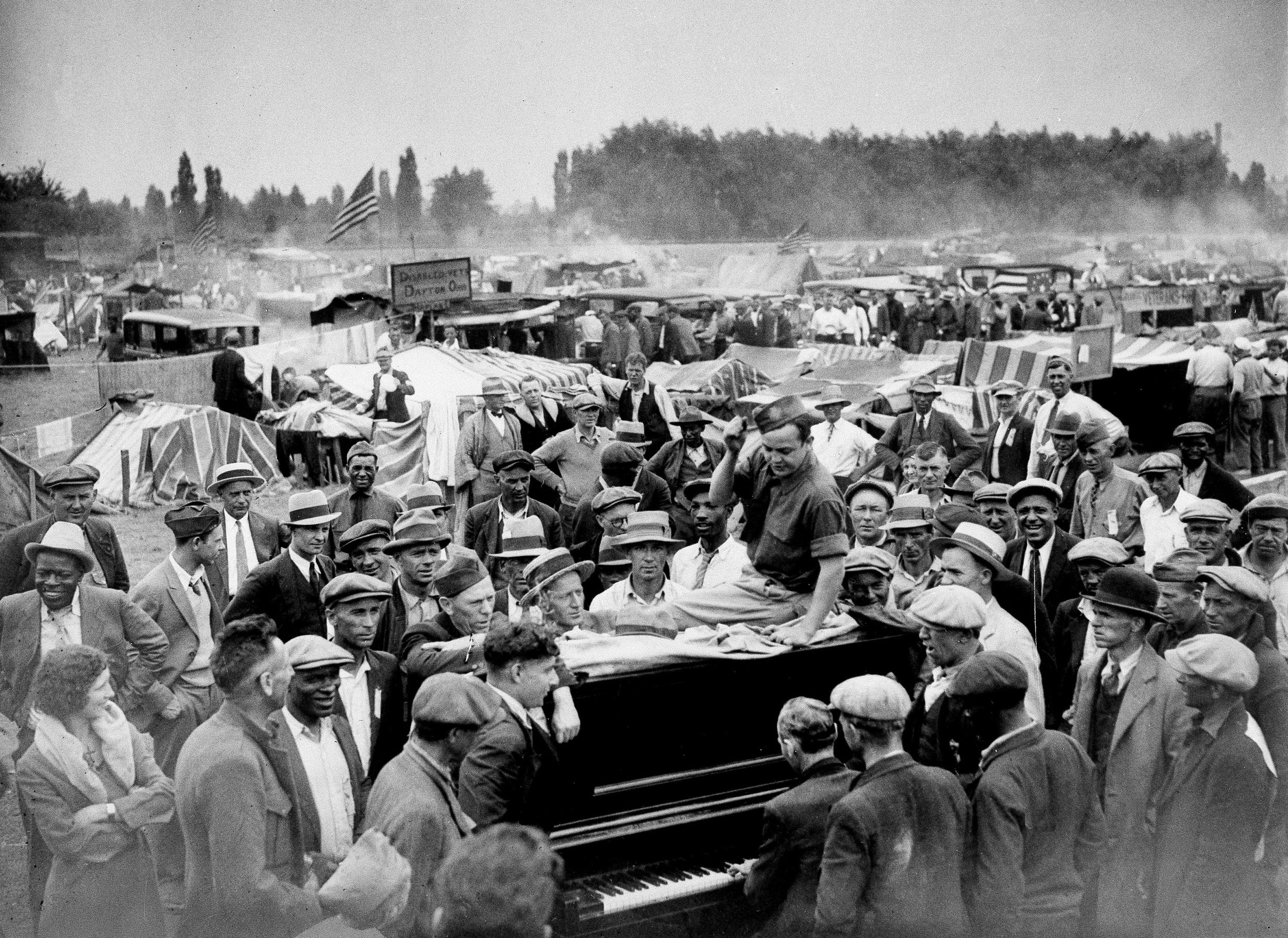
In 1932, desperate WWI veterans marched on Washington for promised bonuses, only to face tanks, tear gas, and fire from ...
View Board
Historic sites undergo massive restoration and reinterpretation as America gears up for its 250th anniversary, blending ...
View Board
Black Patriots were central to the Revolutionary War, with thousands serving in integrated units from Lexington to Yorkt...
View Board
The Declaration of Independence, a 250-year-old revolutionary manifesto, continues to spark debate, its promise of equal...
View Board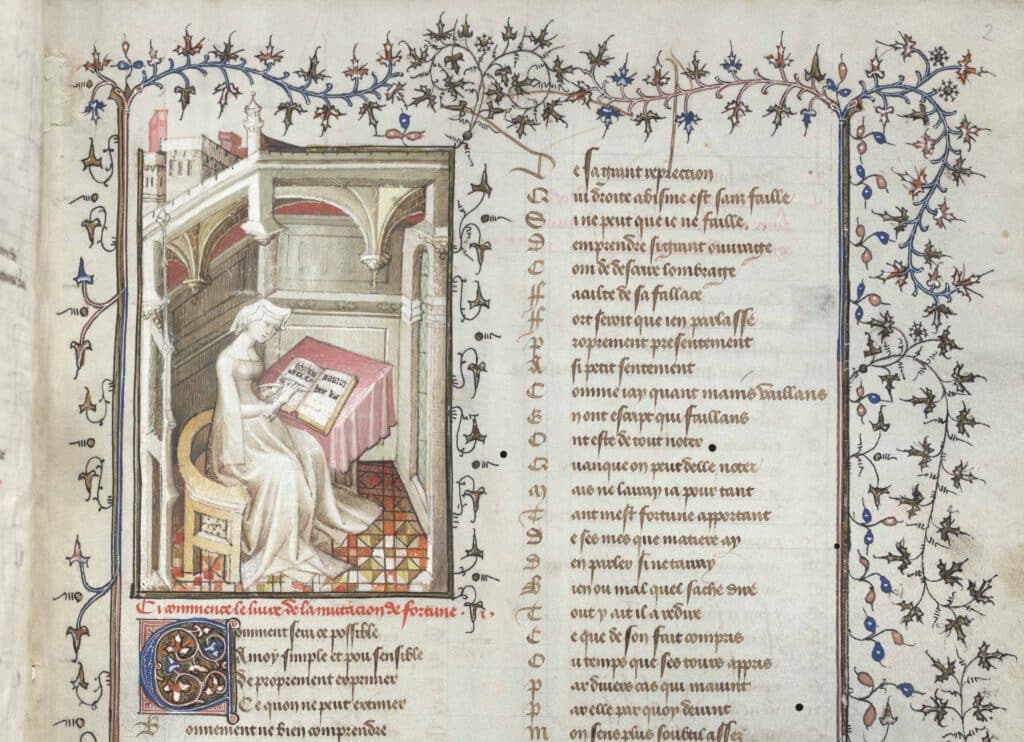
The Black Death wiped out 30-60% of Europe, but in its wake, women’s wages surged by 20-30% as they filled labor gaps, r...
View Board
As America nears the 250th anniversary of 1776, the Declaration of Independence’s legacy is being fiercely debated, resh...
View Board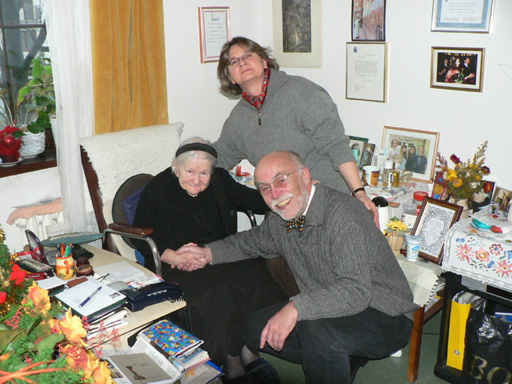
Irena Sendler rettete 2.500 jüdische Kinder aus dem Warschauer Ghetto – eine Frau, deren Mut und Netzwerk gegen den Holo...
View Board
Pune’s streets blend sweet Puran Poli aromas, historic forts, student energy and tech hustle, embodying a living dialogu...
View Board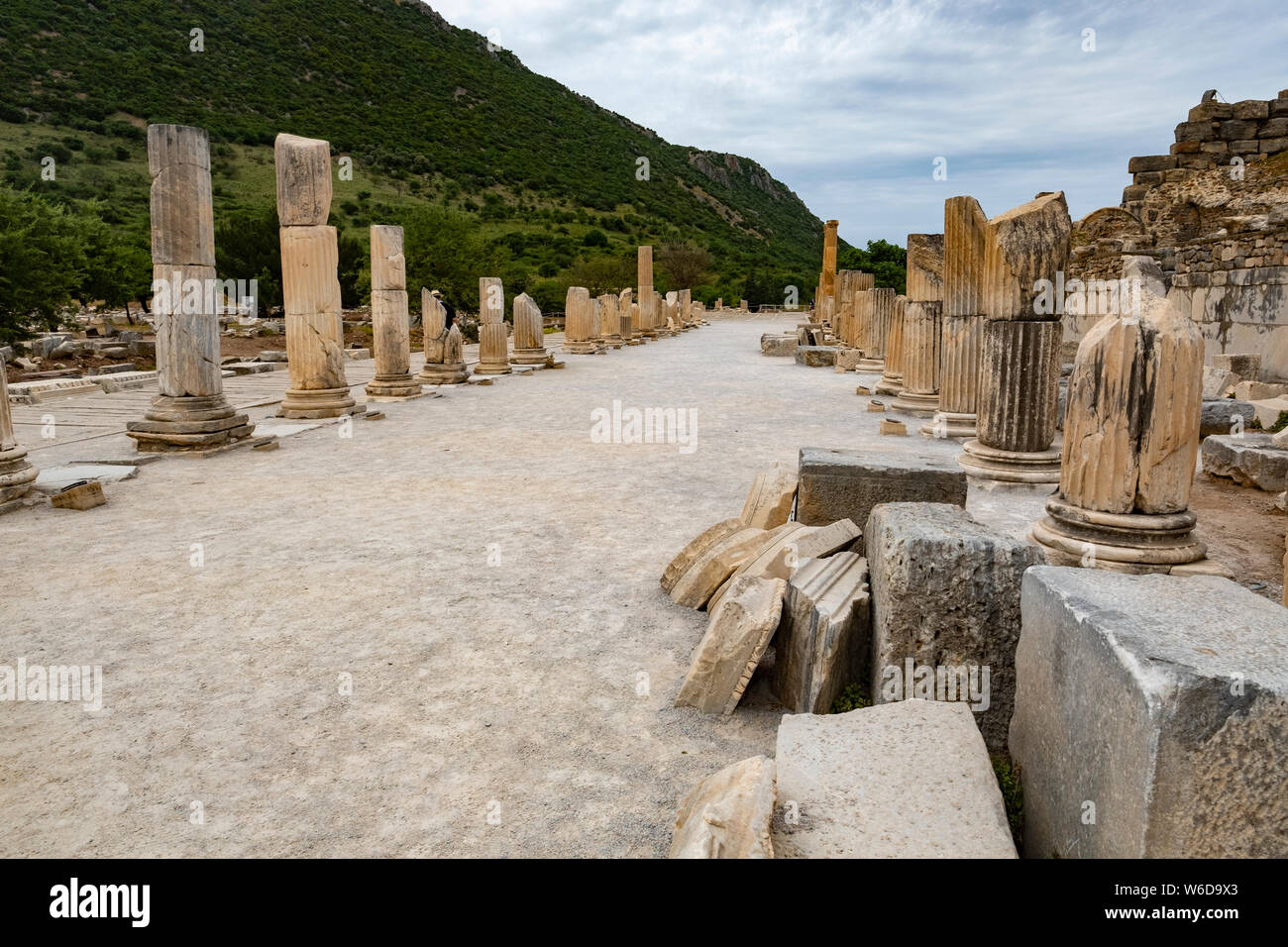
Archaeologists in Izmir, eng, uncover a 1,500-year-old mosaic with Solomon’s Knot, revealing Smyrna’s Agora’s layered hi...
View Board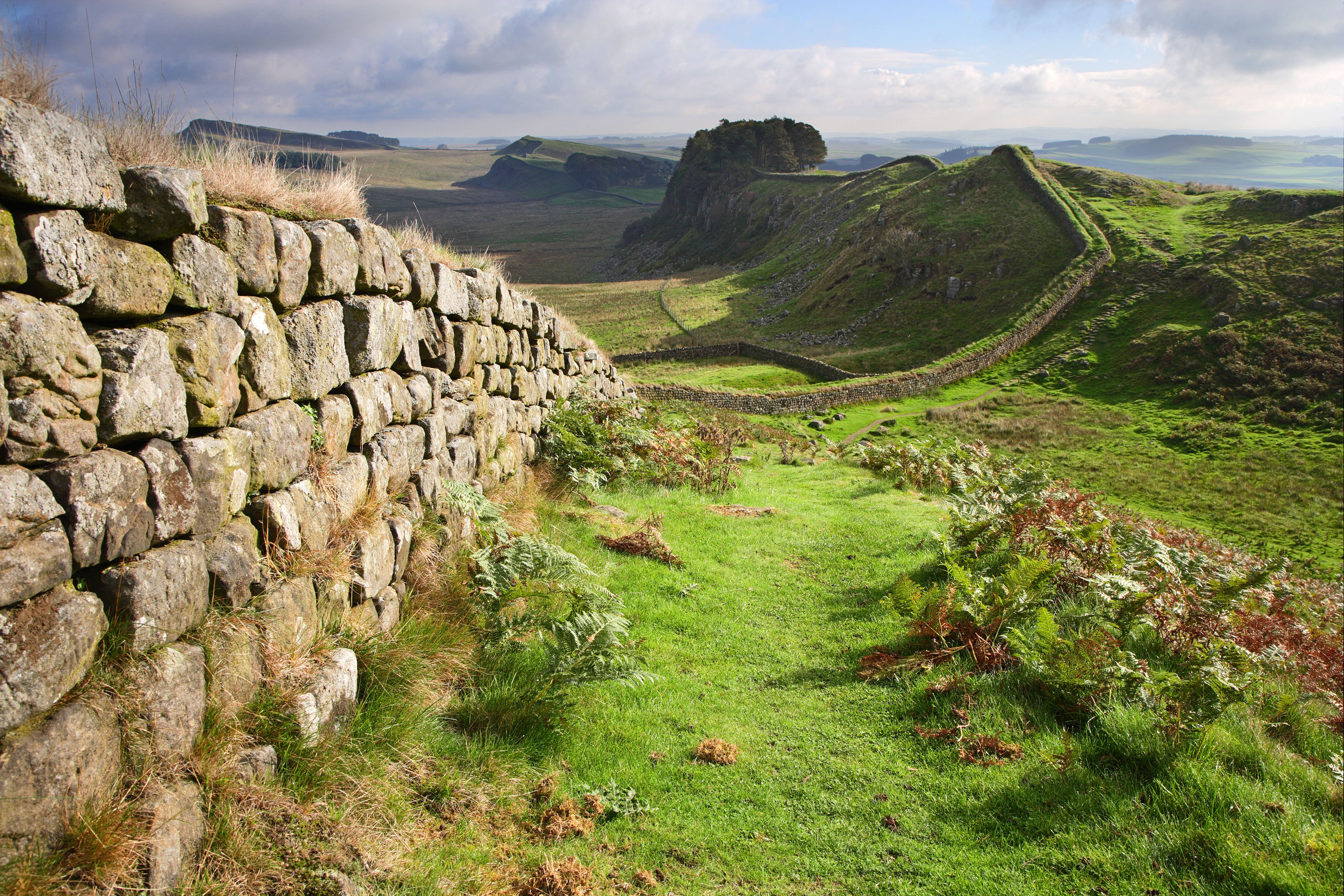
Archaeologists uncover lost Hadrian’s Wall section in 2025, revealing a 2,000-year-old frontier’s complex legacy of powe...
View Board
Navajo women's untold WWII roles—sustaining families, managing resources, and preserving culture—challenge the Code Talk...
View Board
Comments