Explore Any Narratives
Discover and contribute to detailed historical accounts and cultural stories. Share your knowledge and engage with enthusiasts worldwide.
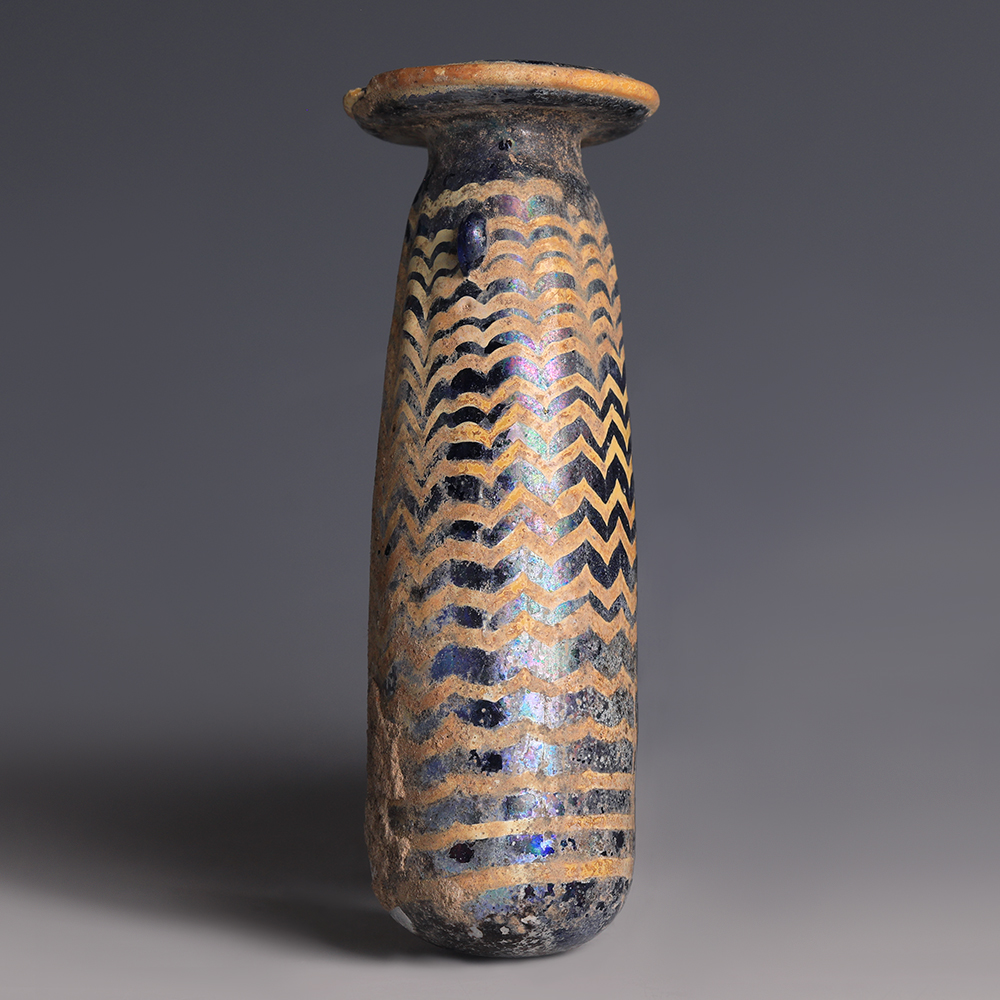
Located on the coast of the Mediterranean Sea, the historic city of Sidon has been a witness to centuries of human civilization. Known in Arabic as Saida, Sidon is one of the oldest continuously inhabited cities in the world. Its rich history, economic significance, and cultural tapestry make it a fascinating subject of exploration.
Sidon's history traces back to the early third millennium BCE, making it a focal point of the ancient world. This Phoenician city was renowned for its skilled sailors, traders, and craftsmen, especially in the production of Tyrian purple dye—a coveted commodity derived from Murex snails. Sidon's prosperity was significantly attributed to its strategic location as a trade hub connecting civilizations across the Mediterranean, Mesopotamia, and even Egypt.
The city's name, which means "fishery" in some Semitic languages, reflects its ancient maritime activity. Archaeological evidence suggests that Sidon was an influential city-state during the late Bronze Age. It was during this period that the city demonstrated its prowess in shipbuilding and trading ventures.
As history unfolded, Sidon became an important site during the reigns of successive empires. It fell under Assyrian rule in the 8th century BCE, and later, the Babylonian, Persian, and Hellenistic periods saw Sidon thrive as a significant port and cultural center. During Persian control, the city was granted a relative degree of autonomy, allowing its Phoenician culture to enhance through art, architecture, and philosophy.
One of the fascinating aspects of Sidon's legacy from the Classical era is its influence on the development of the alphabet. The Phoenician script, widely regarded as one of the precursors to modern alphabets, allowed for efficient record-keeping and communication, thereby facilitating trade and diplomacy in the region. This innovation had far-reaching effects on writing systems in the ancient world, influencing Greek and Latin alphabets subsequently.
The trajectory of Sidon's history took a dramatic turn with the advent of Alexander the Great in 333 BCE. After laying siege to Tyre, another Phoenician city, Alexander turned to Sidon. Thanks to a peaceful transition of power, the city welcomed Alexander, thus sparing itself the devastation suffered by its neighbor. Sidon was integrated into the emerging Hellenistic world, which saw a fusion of Greek and Phoenician cultures.
Under the Ptolemaic and Seleucid dynasties, Sidon continued to flourish. It retained its economic importance due to its continued role in maritime trade. The city's residents adopted aspects of Greek customs, language, and religion while maintaining their distinct Phoenician identity—a cultural kaleidoscope that enriched Sidon's heritage.
Sidon's significance was not limited to its economic achievements; it was also a nurturing ground for art and culture. The city's craftsmen produced exquisite glassware, pottery, and metalwork that were highly sought after across the ancient world. Furthermore, Sidon's contribution to art is immortalized in the royal necropolis of its kings, with elaborate sarcophagi intricately carved in a style that merged Egyptian and Greek influences.
One of the most remarkable discoveries in Sidon's archaeological narrative is the famed sarcophagus of Alexander, discovered in the late 19th century. Although misnamed, as it likely belonged to a king of Sidon, the sarcophagus is an exemplar of Hellenistic art, depicting scenes of battles and hunting in exquisite detail.
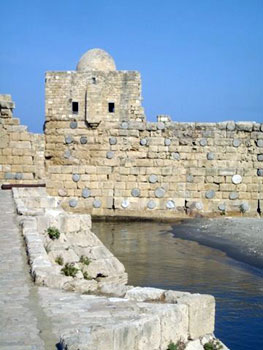
Today, Sidon's legacy endures through the remnants of its ancient past, attracting historians, archaeologists, and tourists alike. Its historical sites, such as the Sidon Sea Castle, built by the Crusaders, and the well-preserved Khan al-Franj, speak volumes of its diverse heritage. The city's ongoing archaeological excavations continue to unearth layers of history, providing insights into the life and times of its ancient inhabitants.
Your personal space to curate, organize, and share knowledge with the world.
Discover and contribute to detailed historical accounts and cultural stories. Share your knowledge and engage with enthusiasts worldwide.
Connect with others who share your interests. Create and participate in themed boards about any topic you have in mind.
Contribute your knowledge and insights. Create engaging content and participate in meaningful discussions across multiple languages.
Already have an account? Sign in here
Nossis, an ancient Phoenician kingdom in modern-day Lebanon, was a significant Mediterranean city-state known for its th...
View Board
Discover Jericho, the world’s oldest city, with 9,000 years of history. Explore its ancient walls, Neolithic tower, and ...
View Board
Discover Tbilisi, the historic capital of Georgia, with its rich cultural heritage, strategic location, and vibrant mode...
View Board
Discover the enigmatic heritage of Famagusta, a walled medieval port city in Cyprus. Explore its rich history, from anci...
View Board
Discover Latakia, Syria’s historic port city blending ancient Phoenician roots with modern economic significance. Explor...
View Board
Explore the rich tapestry of Tripoli, a city where ancient history and vibrant modern culture intertwine. Discover Tripo...
View Board
Discover the timeless allure of Damascus, one of the world's oldest continuously inhabited cities. Journey through its r...
View Board
Bagan: A Living Legacy of Myanmar's Past The Enchanting Heritage of Bagan Bagan, also spelled Pagan, is a sprawling ar...
View Board
Sulaymaniyah, a city in northern Iraq, is a cultural and historical gem with a rich heritage, unique blend of Kurdish, A...
View Board
Discover the historical and cultural marvels of Erbil, the vibrant capital of the Kurdistan Region of Iraq, where ancien...
View Board
Discover Persepolis, the ceremonial capital of the Achaemenid Empire. Explore its grandeur, history, and architectural m...
View Board
Explore "The Eternal City: A Journey Through the History of Rome" and uncover the captivating blend of myth, culture, an...
View BoardThe Historical Gem of Salamanca: A Tapestry of Culture and Heritage Introduction Cities often reflect the soul of thei...
View Board
Explore Tashkent's 2200-year Silk Road legacy, from ancient trade hubs to modern marvels. Discover its rich history, vib...
View Board
>**Meta Description:** Discover Florence, the cradle of the Renaissance, with its iconic art, historic landmarks, and cu...
View Board
Explore the rich tapestry of Kandahar, Afghanistan, where history and culture converge at a historic crossroads. Discove...
View Board
Explore the captivating history and cultural legacy of Basra, often famed as the 'Venice of the East.' This Iraqi city b...
View BoardExplore the rich tapestry of Mogadishu's millennium-long history and vibrant culture as the "Jewel of the Indian Ocean."...
View Board
**Meta Description:** "Discover Bukhara, the timeless jewel of the Silk Road. Explore its ancient history, stunning Is...
View Board
Explore Rabat, Morocco's capital and a UNESCO World Heritage site, where history and modernity intertwine. Discover its ...
View Board
Comments