

Explore Any Narratives
Discover and contribute to detailed historical accounts and cultural stories. Share your knowledge and engage with enthusiasts worldwide.
Neil deGrasse Tyson was born on October 5, 1958, in New York City, USA. From a young age, he exhibited a keen interest in space and astronomy. Growing up, Neil often visited his parents' apartment at night to gaze at the stars through a small telescope. His parents, both educators, nurtured his curiosity by providing him with a variety of books and resources, which further deepened his fascination with the cosmos.
Neil's early fascination with constellations and galaxies led him to pursue formal education in science. He attended the Bronx High School of Science, where he honed his skills and met like-minded individuals who shared his passion for astronomy. During his time at the high school, Tyson engaged in extracurricular activities such as debate clubs and science fairs, which helped to shape his scientific acumen and public speaking abilities. These experiences laid the foundation for his future career in science communication and education.
After graduating from high school, Neil pursued higher education at Harvard University, where he studied physics and received his bachelor's degree. He later completed his Ph.D. in astrophysics from Columbia University in New York City. Tyson's academic journey was marked by his intense desire to understand the workings of the universe, particularly black holes and the Milky Way galaxy.
Neil's academic achievements earned him recognition within the scientific community. He became a fellow of several prestigious organizations, including the American Association for the Advancement of Science (AAAS) and the American Philosophical Society. His research contributions include the study of galactic structure and dynamics, which helped to refine our understanding of the Milky Way's spiral arms.
One of Neil's most significant achievements came in 1976, when he discovered the Vela pulsar, a rapidly rotating neutron star, using data from the NASA radio astronomy satellite, Uhuru. This discovery earned him the Beatrice Tinsley Prize and further cemented his reputation as a leading figure in astronomical research.
The Vela pulsar is one of the nearest and brightest known pulsars and has played a crucial role in advancing our knowledge of these exotic objects. Tyson's work on this project highlighted his ability to integrate data from various sources and apply innovative analytical techniques to solve complex scientific problems. His findings not only contributed to the field of astrophysics but also sparked public interest in space exploration and the mysteries of the universe.
Neil's career faced numerous challenges, including navigating the complex and competitive world of academia. Despite these obstacles, Tyson's dedication to his research and his commitment to making complex scientific concepts accessible to the general public earned him widespread respect and admiration.
In addition to his teaching responsibilities at Princeton University, Tyson held positions at other universities and research institutions, including NASA. He served as an advisor to various space-related projects and contributed to the development of new technologies that aimed to enhance our understanding of the cosmos. Throughout his career, Tyson faced criticism and controversy, particularly regarding his critiques of pseudosciences and his advocacy for evidence-based reasoning.
Neil deGrasse Tyson is perhaps best known for his role as a public intellectual and popularizer of astronomy. Recognizing the importance of science communication, he sought to bridge the gap between the scientific community and the general public. Through his writings, television appearances, and public lectures, Tyson has made complex scientific ideas accessible to people of all backgrounds.
His efforts have been amplified by his work on the hit TV show "StarTalk Radio," where he engages in lively discussions with guests from diverse fields, ranging from entertainers to physicists. This platform has enabled Tyson to communicate his love for astronomy and science to a broad audience, fostering a deeper appreciation for the mysteries of the universe.
Neil deGrasse Tyson has received numerous awards and honors throughout his career, recognizing his contributions to science and science education. In 2011, he was awarded the National Medal of Science, the highest honor bestowed by the United States government to scientists and engineers. Other notable accolades include the Einstein Award from Columbia University and membership in the National Academy of Sciences.
Theodore Roosevelt Distinguished Evolutionary Lecturer Award from Arizona State University, a lifetime achievement award from the American Astronomical Society, and the Isaac Newton Medal from the Institute of Physics are some other recognitions that highlight Tyson's profound impact on the fields of astronomy and astrophysics.
Several key figures have influenced Neil deGrasse Tyson's career and intellectual development. His father, Margaret G. Tyson, instilled in him the importance of STEM education and helped build a strong foundation in scientific literacy. His grandfather, George Washington Tyson, was also a physicist and a significant source of inspiration for Neil's scientific pursuits.
Additionally, mentors like Dracula Munteanu, his high school physics teacher at Bronx Science, and Dr. William Press, his graduate school advisor at Columbia University, played crucial roles in shaping Tyson's scientific mindset and career trajectory. These influential figures provided guidance, encouragement, and support, helping Tyson navigate the complexities of academic research and public engagement.
Neil deGrasse Tyson's legacy extends beyond his scientific contributions; he has profoundly influenced generations of students and the broader public. His ability to simplify complicated concepts without sacrificing accuracy makes him a model of effective science communication. He has inspired countless individuals to pursue careers in science and to maintain a healthy skepticism towards unfounded claims.
Through his writings, lectures, and media appearances, Tyson has helped demystify the scientific process and the wonders of the universe. His work has not only educated but also entertained, inspiring a new generation of scientists and enthusiasts alike. By advocating for evidence-based science and critical thinking, Tyson has become a respected voice in the scientific community and a beloved figure among the public.
Neil deGrasse Tyson has been passionate about bridging the gap between science and society through public education and outreach. His approach to science communication aims to make the wonders of the universe accessible and engaging for everyone. One of his most significant platforms for sharing scientific knowledge is the StarTalk Radio, a popular science radio show he hosts. The show features engaging discussions with leading scientists, entertainers, and other public figures, making complex scientific concepts relatable and entertaining to a broad audience.
Another important aspect of Tyson’s public engagement is his work as a visiting scientist and educator. He has delivered lectures and workshops at numerous events and institutions, from the National Science Foundation to the United Nations. These engagements not only enhance public understanding of science but also emphasize the importance of cross-disciplinary collaboration and the role of science in addressing global challenges.
Neil’s impact on science communication can be seen through his extensive media appearances and writings. He has authored several best-selling books, including "The Pluto Files" and "The Pluto Files: The Rise and Fall of America’s Second Planet." These works explore the science behind recent changes in our understanding of Pluto and other celestial bodies, making complex scientific processes understandable to the general public.
Neil’s most recognized media platform is StarTalk Radio. The show, which has been on the air since 2015, features conversations with scientists, astronauts, and other notable figures. These discussions range from the latest breakthroughs in astrophysics to discussions about the future of space exploration. The show’s relatable and entertaining format has made it a staple in the science communication landscape, attracting millions of listeners worldwide.
Throughout his career, Neil deGrasse Tyson has been a vocal advocate for evidence-based science. He has consistently criticized pseudoscience and conspiracy theories, emphasizing the importance of critical thinking and empirical evidence. For instance, he has frequently addressed topics such as climate change, vaccine safety, and the dangers of alternative medicine, providing clear, evidence-based explanations for these issues.
In 2009, Tyson published an op-ed in Scientific American titled “The Perils of Pseudoscience,” where he highlighted the risks associated with pseudoscientific claims and the importance of a science-literate population. This piece has been widely cited and has helped to highlight the urgent need for scientific literacy in society.
One of Tyson’s most notable public outreach initiatives is the Astrotalk program, which he established at the Hayden Planetarium in New York City in the early 2000s. This initiative includes public lectures, workshops, and school programs designed to inspire and educate students about the wonders of the cosmos. The program has been instrumental in fostering a new generation of scientists and astronomy enthusiasts, with many participants expressing a greater interest in science and exploration.
Neil’s commitment to broadening public understanding of science extends to his work with various educational institutions and organizations. He has served on numerous boards and advisory committees, providing expert advice on science education and policy. His efforts have helped to shape science education policies and programs, making them more inclusive and engaging for students of all ages.
A significant part of Tyson’s mission is to empower diverse communities and eliminate barriers to scientific education. He has been actively involved in promoting STEM education in underrepresented groups, advocating for increased diversity and inclusion in the sciences. One of his notable initiatives is the The Public School Lecture, which he has delivered at various high schools and universities, focusing on the importance of science education for all students, regardless of their background.
Neil also founded the Black Professionals in Astronomy organization, which aims to support and mentor African American and other underrepresented groups in the field of astronomy. Through this organization, Tyson has worked to create a supportive community and provide resources and opportunities that help these groups succeed in their academic and professional careers.
Despite his numerous successes, Neil deGrasse Tyson has faced challenges in his mission to popularize science. One of the primary hurdles is the pervasive anti-science sentiment in some sectors of society. Pseudoscientific claims and conspiracy theories continue to gain traction, often fueled by misinformation and a lack of scientific literacy. This trend has necessitated ongoing efforts to educate the public and reinforce the importance of evidence-based reasoning.
Furthermore, the ongoing issue of gender and racial inequality in the sciences poses another challenge. Tyson has been an outspoken advocate for inclusivity and equity in the scientific community, emphasizing the importance of diversity in STEM fields. He has called for increased support and resources to help underrepresented groups succeed in scientific careers.
Looking to the future, Neil deGrasse Tyson remains committed to his mission of popularizing science and fostering a scientifically literate society. He continues to work tirelessly to address these challenges and drive positive change in the scientific community and society at large. His dedication and passion for science education and engagement serve as a powerful example for future generations of scientists and enthusiasts alike.
Over the years, Neil deGrasse Tyson's vision for science education and communication has evolved, reflecting the changing landscape of scientific knowledge and societal needs. Initially focused on making astronomy accessible to a wide audience, Tyson's approach now encompasses a broader range of scientific disciplines and societal issues. His evolving perspective is evident in his recent emphasis on the intersection of science and social justice, advocating for a more equitable and inclusive scientific community.
Tyson's work has been instrumental in highlighting the societal impacts of scientific discoveries and the ethical implications of scientific advancements. He has discussed issues such as artificial intelligence, genetic engineering, and space exploration, always emphasizing the importance of responsible and ethical decision-making in these areas.
Nicknamed "the Science Guy," Tyson has a unique ability to cultivate a sense of wonder and responsibility among his audiences. His shows and lectures are not merely informative; they are also inspirational, encouraging viewers and readers to think critically about the world around them. Tyson uses his platform to foster a culture of scientific curiosity and skepticism, urging people to question everything and seek evidence before accepting any claim.
Examples of this can be seen in his famous exchanges with creationists and pseudoscientists. Tyson is known for his blunt and often humorous responses, which effectively challenge erroneous beliefs while maintaining a respectful tone. This approach helps to demystify complex scientific concepts and promote a scientific mindset among the general public.
In the digital age, Neil deGrasse Tyson has leveraged social media and other digital platforms to reach an even broader audience. His active presence on Twitter, for instance, allows him to engage in real-time conversations with people worldwide, providing quick insights and responses to current events related to science and technology. His tweets often go viral, reaching millions of people and sparking discussions on a wide array of topics.
Additionally, Tyson has created educational content that caters specifically to digital natives. His YouTube channel, "Star Talk Live," offers videos that blend entertainment with science education, making learning fun and accessible. These digital platforms not only increase his reach but also help to democratize access to scientific information, making it available to people in remote areas or those who might not have had previous exposure to such content.
Navigating the complexities of science communication in the age of misinformation and fake news has been particularly challenging for Tyson. He recognizes the crucial role of anchoring scientific discourse in reality, ensuring that the information disseminated is accurate, verifiable, and ethically sound. This involves staying vigilant against disinformation campaigns and working to correct misconceptions that can have severe consequences when left unchallenged.
To achieve this, Tyson emphasizes the importance of evidence-based reasoning and critical thinking. He encourages the scientific community to be transparent about their methods and findings, and to engage in open dialogue with the public. By doing so, Tyson helps to build trust in scientific institutions and fosters a healthier relationship between science and society.
As Neil deGrasse Tyson continues his journey, he remains committed to his vision of a scientifically literate and curious society. Looking ahead, he envisions a future where science education is more accessible and comprehensive, with a focus on both the joy of discovery and the importance of responsible application of scientific knowledge.
Some of his future initiatives include expanding educational programs, enhancing public engagement with science, and increasing support for underrepresented groups in STEM fields. Tyson believes that these efforts are essential for creating a more informed and engaged citizenry capable of addressing the complex challenges of our times.
In conclusion, Neil deGrasse Tyson's journey from a young star-gazer to a preeminent figure in science communication and education is a testament to his enduring passion and dedication. His legacy continues to inspire and enlighten, guiding future generations towards a deeper understanding of the universe and the significance of scientific inquiry in our lives. As Tyson himself would say, the journey to the stars is but a beginning—a journey into the unknown, guided by the light of curiosity and the boundless pursuit of knowledge.


Your personal space to curate, organize, and share knowledge with the world.
Discover and contribute to detailed historical accounts and cultural stories. Share your knowledge and engage with enthusiasts worldwide.
Connect with others who share your interests. Create and participate in themed boards about any topic you have in mind.
Contribute your knowledge and insights. Create engaging content and participate in meaningful discussions across multiple languages.
Already have an account? Sign in here

George Gamow: The Unbelievable Journey of a Theoretical Physicist and Cosmologist The Enigmatic Man Behind the Cosmic B...
View Board
Explore the remarkable legacy of Subrahmanyan Chandrasekhar, the astrophysics luminary who revolutionized our understand...
View Board
Arthur Eddington: Pioneering Relativity and Stellar Science Arthur Stanley Eddington stands as one of the most influenti...
View Board
**Meta Description:** Explore the life of William Herschel, the astronomer who discovered Uranus and revolutionized our ...
View Board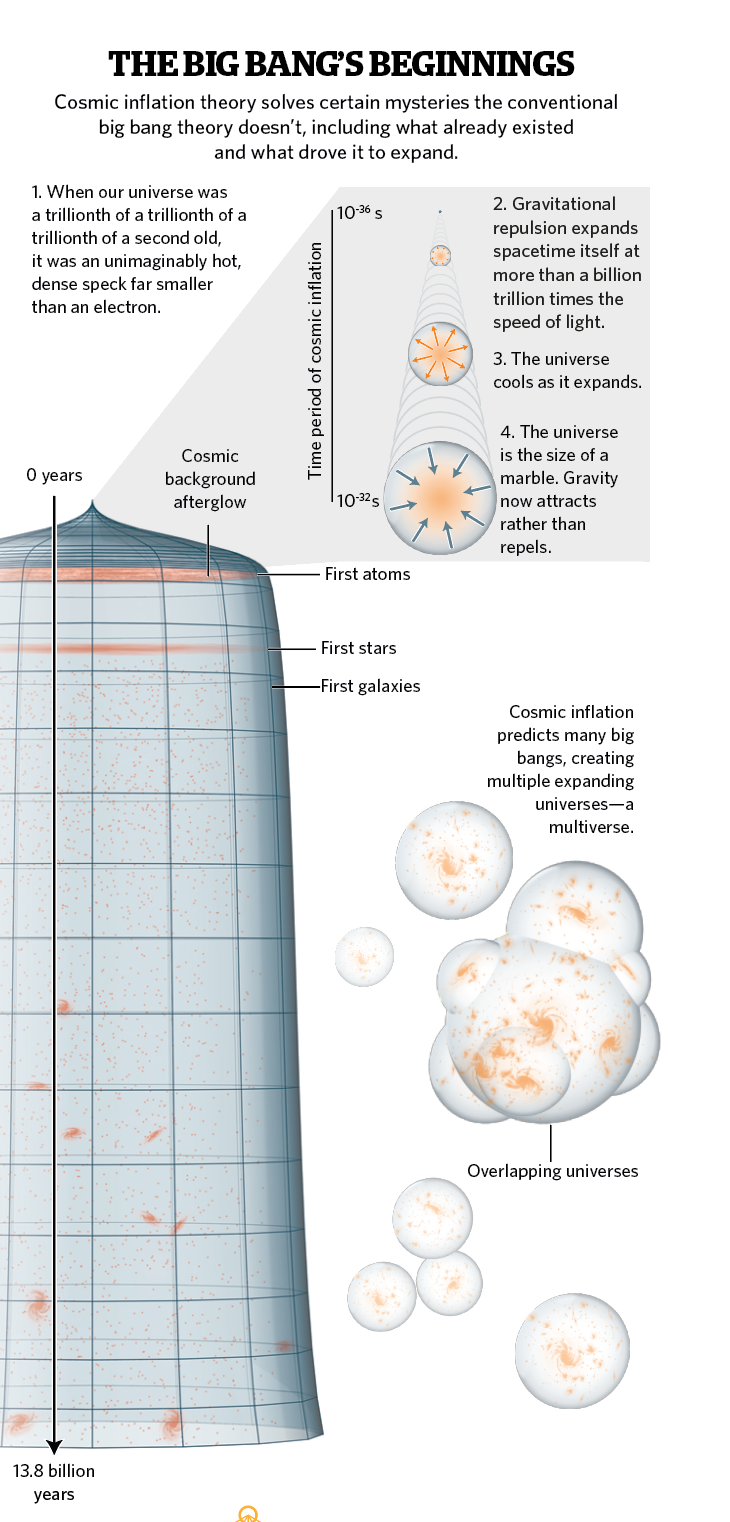
Discover how Alan Guth, a renowned physicist, revolutionized cosmology with his groundbreaking theory of cosmic inflatio...
View Board
Jocelyn Bell Burnell pioneering astronomer who discovered pulsars leaving a lasting legacy in astrophysics through groun...
View Board
Discover how Georges Lemaître, a Catholic priest and physicist, pioneered the Big Bang theory and revolutionized our und...
View Board
Explore the journey of Michio Kaku, a luminary theoretical physicist and science communicator who makes complex scientif...
View Board
Discover Stephen Hawking's groundbreaking contributions to cosmology, his resilience against ALS, and his enduring legac...
View Board
Explore the vast cosmos—its galaxies, black holes, exoplanets, dark matter, and humanity's quest to understand the unive...
View Board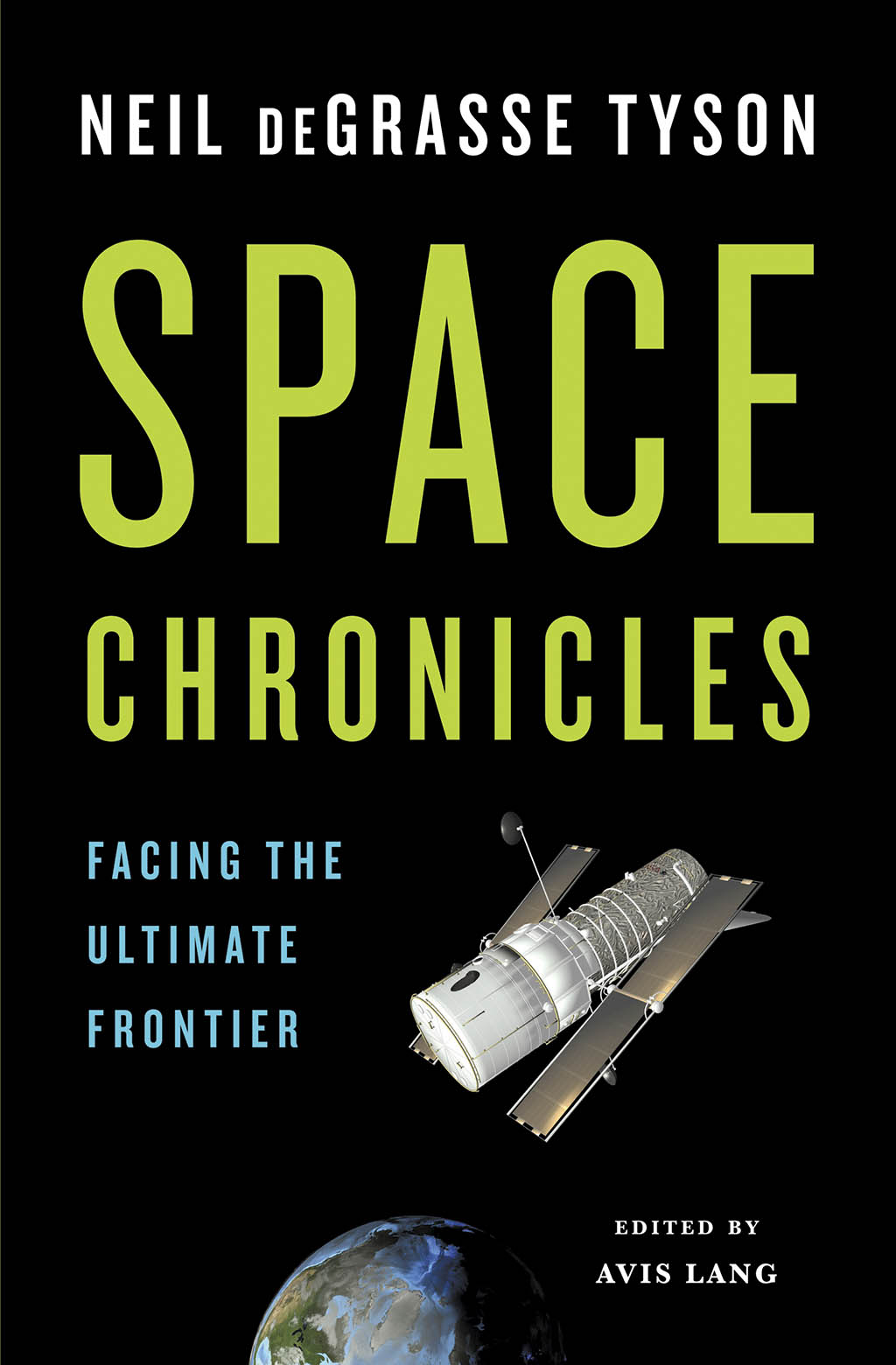
Erfahren Sie, wie Neil deGrasse Tyson als Popstar der Astrophysik Wissenschaft für Millionen zugänglich macht. Entdecken...
View Board
Jean Baptiste Joseph Delambre: A Life of Astronomical Pursuits The Early Life and Education Jean Baptiste Joseph Delam...
View Board
Explore the incredible legacy of Arthur Eddington, a pioneering figure in astrophysics and cosmology, who brilliantly br...
View Board
Explore the extraordinary legacy of Riccardo Giacconi, the Nobel laureate who revolutionized X-ray astronomy. Discover h...
View Board
Discover Maria Mitchell, America's first female astronomer. Explore her 1847 comet discovery, impact on women in STEM, a...
View Board
Explore Maria Mitchell's journey: the pioneering American woman astronomer who discovered a comet and championed science...
View Board
Discover how Vera Rubin, a pioneering astronomer, uncovered dark matter and revolutionized cosmology. Explore her life, ...
View Board
Isaac Newton was a pioneering scientist whose laws of motion and universal gravitation revolutionized our understanding ...
View Board
Discover the intriguing life of Léon Foucault, the pioneering French physicist who elegantly demonstrated the Earth's ro...
View Board
Giovanni Schiaparelli, a renowned Italian astronomer, made groundbreaking observations of Mars, sparking controversy wit...
View Board
Comments