

Explore Any Narratives
Discover and contribute to detailed historical accounts and cultural stories. Share your knowledge and engage with enthusiasts worldwide.
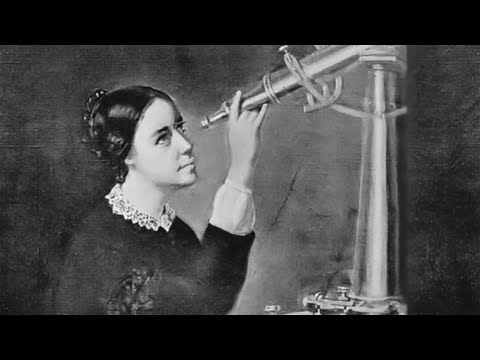
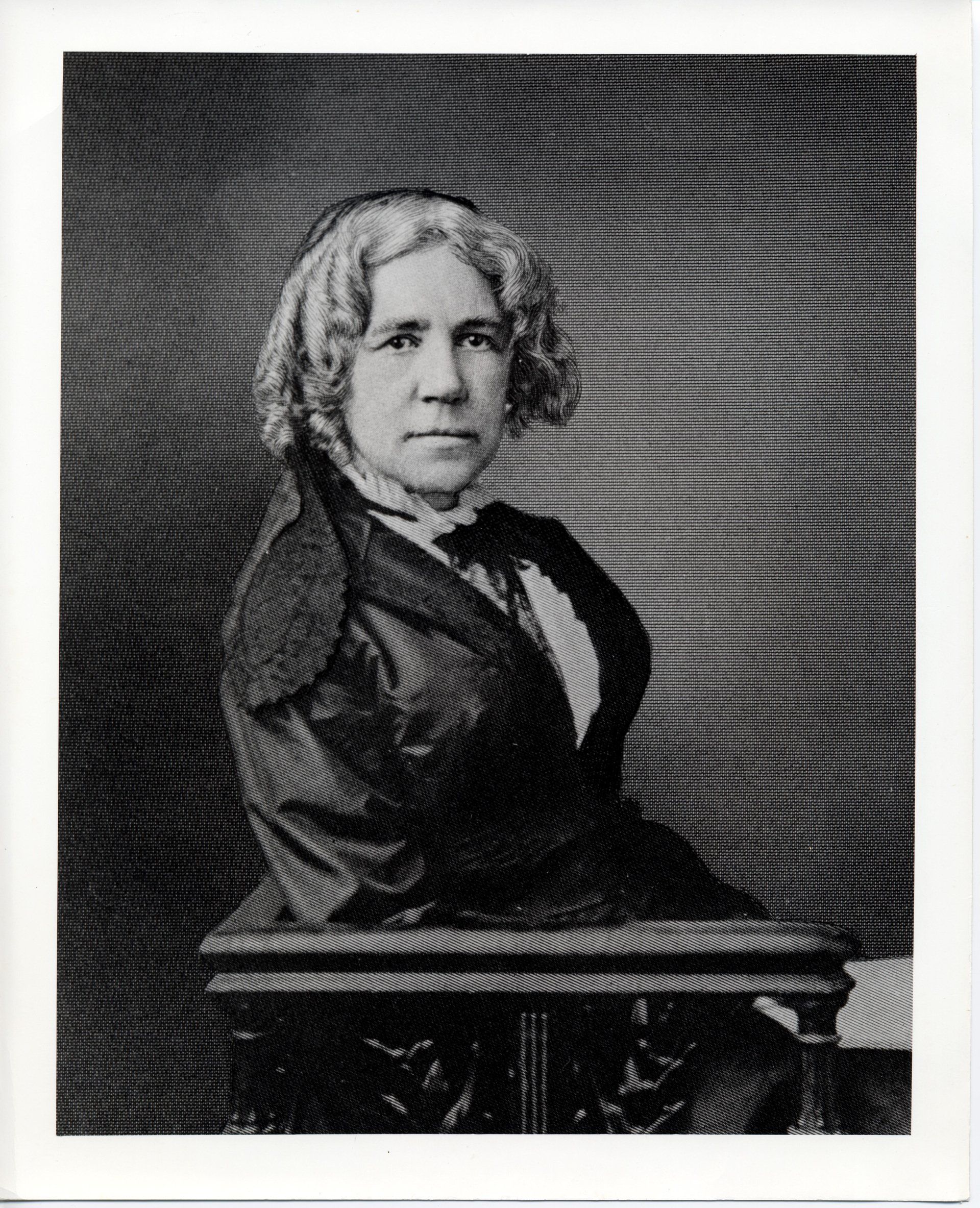
Maria Mitchell shattered glass ceilings as America's first professional female astronomer. Her 1847 comet discovery catapulted her to international fame and cemented her legacy as a trailblazer for women in science. This article explores her groundbreaking achievements, enduring influence, and why she remains a beacon for aspiring scientists today.
On a crisp October night in 1847, Maria Mitchell made an observation that would alter the course of astronomical history. From her family's rooftop observatory in Nantucket, the 29-year-old spotted a faint celestial object through her modest two-inch telescope. After meticulous calculations, she confirmed it was a new comet—later named "Miss Mitchell's Comet" (C/1847 T1).
This discovery wasn't just scientific—it was revolutionary. At a time when women were systematically excluded from scientific institutions, Mitchell's finding earned her a gold medal from King Frederick VI of Denmark, making her the first American woman to receive such international recognition for scientific achievement. The comet's confirmation appeared in Silliman's Journal in January 1848, though initially published under her father's name due to societal norms.
Mitchell's comet discovery opened doors that had been firmly shut to women in the scientific community. Within a year, she became the first woman elected to the American Academy of Arts and Sciences (1848), followed by membership in the American Association for the Advancement of Science (1850). These were not mere honorary titles—Mitchell actively contributed to each organization's work.
Her professional achievements continued to accumulate:
At Vassar, Mitchell didn't just teach—she transformed astronomy education. Using the country's third-largest telescope (a 12-inch refractor), she pioneered new techniques in sunspot photography, identifying these phenomena as "whirling vertical cavities." Her curriculum went beyond traditional astronomy, encompassing:
Perhaps more importantly, Mitchell became a fierce advocate for women's education in science. She famously declared, "We especially need imagination in science. It is not all mathematics, nor all logic, but it is somewhat beauty and poetry." This philosophy guided her 23-year tenure at Vassar, where she trained numerous women who would become scientific leaders.
Maria Mitchell's extraordinary career didn't emerge from a vacuum. Born on August 1, 1818, in Nantucket, Massachusetts, she grew up in a Quaker household that valued education regardless of gender. Her father, William Mitchell, was both a schoolteacher and amateur astronomer who recognized his daughter's intellectual curiosity early.
Mitchell's education was anything but ordinary for a 19th-century girl:
This early exposure to practical science gave Mitchell skills that would later prove invaluable. The family's Quaker beliefs emphasized equality, providing a foundation for Mitchell's later advocacy for women's rights and abolition.
Before her comet discovery, Mitchell served as the librarian at the Nantucket Atheneum (1836–1856). This position wasn't just about books—it provided her with nights atop the Pacific Bank building, where she could observe the heavens undisturbed. The island's clear skies and maritime culture created the perfect environment for an aspiring astronomer.
Mitchell's work at the Atheneum also connected her to Nantucket's intellectual community. She engaged with visiting scientists and scholars, expanding her knowledge beyond what was available in textbooks. This period of quiet observation and study laid the groundwork for her historic discovery.
Maria Mitchell understood that scientific achievement alone wouldn't change society. Following her comet discovery and the resulting fame, she became an outspoken advocate for social reform. Her activism took several forms:
Mitchell's Quaker upbringing instilled strong moral convictions that she carried into adulthood. She:
Her scientific reputation gave her a platform that few women of her era possessed. Mitchell used this influence to challenge societal norms and advocate for equality.
In the 1870s, Mitchell took her advocacy to a national level. She co-founded the Association for the Advancement of Women and served as its president from 1875–1876. The organization focused on:
Mitchell's leadership in this organization demonstrated her commitment to creating systemic change. She recognized that individual achievement, while important, needed to be supported by institutional reforms.
Mitchell's scientific reputation transcended national borders. In 1856, she embarked on a European tour that included meetings with some of the era's most prominent scientists. This journey wasn't just personal—it was professional development on an international scale.
During her travels, Mitchell:
This European recognition was particularly significant because it came at a time when American science was still developing its international reputation. Mitchell's comet discovery had put both her and her country on the astronomical map.
The connections Mitchell made during her European travels had lasting effects on her career. They:
These international relationships also demonstrated that Mitchell's achievements were recognized beyond American borders. Her work was contributing to the global body of astronomical knowledge.
Maria Mitchell's influence extends far beyond her lifetime. Today, her legacy is preserved through several institutions and initiatives that continue her work of advancing science and supporting women in STEM fields.
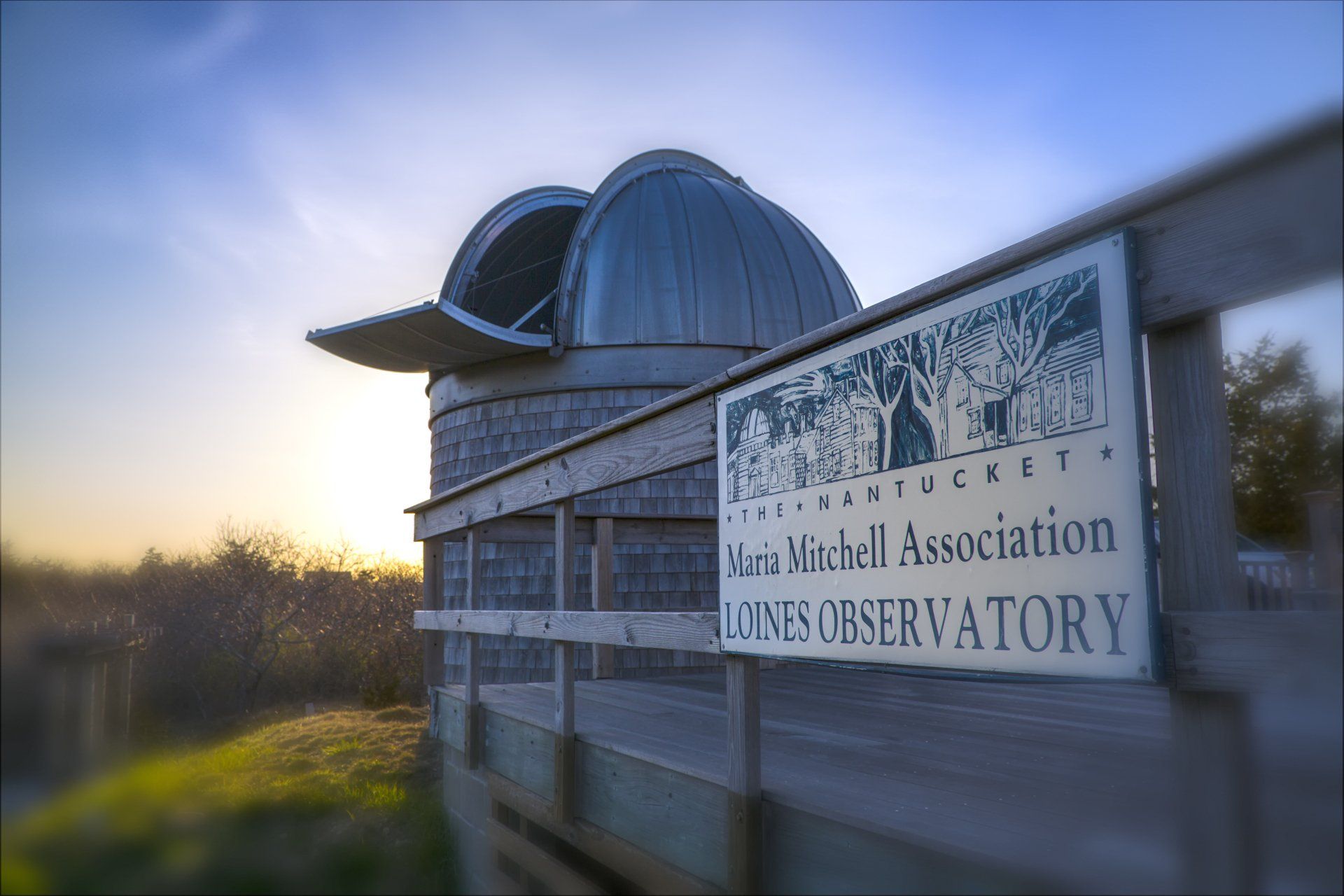
Founded in 1902, the Maria Mitchell Association maintains Mitchell's birthplace and operates:
These facilities serve thousands of visitors annually, introducing new generations to astronomy and marine sciences. The association's work embodies Mitchell's belief in accessible science education.
Mitchell's contributions continue to be celebrated in various ways:
These honors reflect Mitchell's enduring status as a pioneer. Her story is frequently cited in discussions about women in STEM, serving as both inspiration and historical context for current gender equity efforts in science.
More than a historical figure, Maria Mitchell represents enduring values that remain relevant in modern science:
As we examine Mitchell's life and work, we see not just the story of one remarkable woman, but a blueprint for how scientific excellence and social progress can advance together. Her journey from a Nantucket rooftop to international recognition demonstrates what's possible when talent meets opportunity—and determination.
Maria Mitchell's comet discovery wasn't accidental—it was the result of systematic observation and rigorous scientific methodology. Her approach demonstrated principles that remain fundamental to astronomical research today.
Mitchell's discovery process involved several key practices:
Her methodical approach allowed her to distinguish the comet from background stars. This attention to detail became a hallmark of her scientific career.
After confirming her discovery, Mitchell faced the challenge of scientific validation. She:
The publication process, though initially under her father's name, established Mitchell's credibility. Her subsequent election to scientific societies validated her expertise among peers.
Beyond her famous comet discovery, Maria Mitchell made significant contributions across multiple astronomical disciplines. Her work advanced understanding in several key areas.
Mitchell pioneered early techniques in solar observation. At Vassar College, she:
Her observations challenged existing theories about solar phenomena. Mitchell's work laid groundwork for modern solar physics.
Mitchell's research extended to planetary science and stellar astronomy:
These studies contributed to navigational science and celestial mechanics. Her calculations were used by the U.S. Coast Survey for maritime navigation.
Mitchell's appointment at Vassar College in 1865 marked a turning point in women's science education. As the first female astronomy professor, she revolutionized both curriculum and pedagogy.
Mitchell's educational approach emphasized:
She famously stated, "The eye that directs a telescope is as important as the hand that guides a pen." This philosophy shaped her teaching.
At Vassar, Mitchell created more than a classroom—she built a scientific community:
This community approach produced numerous women who became scientific leaders. Many of Mitchell's students went on to advanced studies and professional careers.
Despite her achievements, Maria Mitchell faced significant challenges throughout her career. These obstacles reveal both her personal resilience and the systemic barriers women encountered in 19th-century science.
Mitchell confronted multiple forms of discrimination:
Her initial comet publication under her father's name exemplifies these challenges. Even after gaining recognition, Mitchell had to continually prove her expertise.
Mitchell's career faced several professional hurdles:
Despite these obstacles, Mitchell maintained her scientific rigor. She once wrote, "We have a hunger of the mind which asks for knowledge of all around us."
Maria Mitchell's impact extends far beyond her lifetime. Her work and philosophy continue to shape modern astronomical practice and education.
Mitchell's methods influenced several areas of modern astronomy:
Her emphasis on precise observation set standards that modern astronomers still follow. The Maria Mitchell Observatory continues her tradition of public astronomy.
Mitchell's story continues to motivate women entering scientific fields:
Modern female astronomers often reference Mitchell as a pioneer. Her journey from amateur observer to professional scientist serves as a model for aspiring researchers.
Multiple organizations work to maintain Maria Mitchell's scientific heritage. These efforts ensure her contributions remain accessible to future generations.
This organization preserves Mitchell's legacy through:
The association serves thousands annually, continuing Mitchell's mission of accessible science education.
Institutions preserve Mitchell's work through:
These efforts make Mitchell's original research available to scholars worldwide. Digital archives allow new generations to study her methods and discoveries.
Maria Mitchell's career offers valuable lessons for contemporary scientists and educators. Her approach provides a model for effective scientific practice.
Modern scientists can learn from Mitchell's:
These principles remain fundamental to successful scientific research. Mitchell's career demonstrates their practical application.
Contemporary science education can benefit from Mitchell's methods:
Many modern STEM programs incorporate these elements. Mitchell's educational philosophy continues to influence pedagogical approaches.
As we examine Maria Mitchell's extraordinary life, we see not just a pioneering astronomer but a catalyst for change in both scientific practice and social progress. Her contributions continue to resonate in modern astronomy, education, and gender equity discussions.
Mitchell's work laid foundational knowledge in several astronomical fields:
Her meticulous observations provided data still referenced in historical astronomy studies. The Maria Mitchell Observatory continues her tradition of celestial discovery.
Mitchell demonstrated how scientific achievement could drive social change:
Her life showed that scientific excellence and social activism could reinforce each other. This dual legacy makes Mitchell particularly relevant to modern discussions about STEM diversity.
Maria Mitchell's influence extends through time, inspiring countless individuals to pursue scientific careers. Her story serves as both motivation and validation for aspiring researchers.
Many prominent women in science cite Mitchell as an influence:
These scientists followed Mitchell's path from early curiosity to professional achievement. Their careers demonstrate the lasting impact of her example.
Mitchell's educational philosophy transformed how science is taught:
Many modern STEM programs incorporate these principles. Mitchell's approach proved particularly effective for engaging underrepresented groups in science.
Multiple institutions and programs continue to celebrate Mitchell's legacy. These honors ensure her contributions remain visible and influential.
Mitchell's achievements have been commemorated through:
These honors reflect the enduring respect for Mitchell's contributions. They also serve as inspiration for current and future scientists.
Numerous programs carry forward Mitchell's educational mission:
These programs provide concrete pathways for students to follow in Mitchell's footsteps. They ensure her educational philosophy continues to shape scientific training.
Modern technology has amplified Mitchell's legacy, making her work accessible to global audiences. Digital platforms preserve and extend her scientific contributions.
Online platforms now offer:
These digital resources allow students worldwide to study Mitchell's original work. They make her scientific process transparent and accessible.
Modern platforms continue Mitchell's tradition of public science:
These digital engagements extend Mitchell's belief in accessible science. They bring her story to audiences she could never have reached during her lifetime.
Maria Mitchell's journey offers valuable insights for scientists, educators, and advocates. Her experiences provide practical wisdom for navigating scientific careers.
Mitchell's career demonstrates important principles:
These qualities enabled Mitchell to overcome significant barriers. They remain essential for scientific success today.
Educators can learn from Mitchell's approach:
Mitchell's teaching methods proved particularly effective for engaging students from underrepresented groups. Her philosophy continues to inform effective STEM education.
Maria Mitchell's story is more than a historical account—it's a blueprint for scientific excellence and social progress. From her humble beginnings on a Nantucket rooftop to international recognition, Mitchell demonstrated how determination and curiosity could overcome even the most entrenched barriers.
Her scientific achievements—comet discovery, sunspot research, planetary observations—expanded humanity's understanding of the universe. Equally important, her educational innovations created pathways for future generations of scientists. Mitchell proved that scientific excellence and social advocacy could reinforce each other, creating lasting change.
Today, as we face new challenges in science and society, Maria Mitchell's example remains relevant. Her life shows that true discovery requires both looking through the telescope and seeing beyond the stars—to the potential of every mind eager to explore the universe.
In an era where women in STEM still face obstacles, Mitchell's journey reminds us that progress is possible. Her legacy continues to inspire those who, like her, dare to reach for the heavens while keeping their feet firmly planted in the work of making science accessible to all.

Your personal space to curate, organize, and share knowledge with the world.
Discover and contribute to detailed historical accounts and cultural stories. Share your knowledge and engage with enthusiasts worldwide.
Connect with others who share your interests. Create and participate in themed boards about any topic you have in mind.
Contribute your knowledge and insights. Create engaging content and participate in meaningful discussions across multiple languages.
Already have an account? Sign in here

Explore Maria Mitchell's journey: the pioneering American woman astronomer who discovered a comet and championed science...
View Board
George Gamow: The Unbelievable Journey of a Theoretical Physicist and Cosmologist The Enigmatic Man Behind the Cosmic B...
View Board
Jean Baptiste Joseph Delambre: A Life of Astronomical Pursuits The Early Life and Education Jean Baptiste Joseph Delam...
View Board
Discover Maria Mitchell, America's first woman astronomer, who broke barriers in science & fought for women's rights. Le...
View Board
Discover the inspiring journey of Stephen Hawking in this comprehensive article. From his pioneering work on black holes...
View Board
Discover Neil deGrasse Tyson's life and work as a renowned astrophysicist, science communicator and director of the Hayd...
View Board
**Meta Description:** Explore the life of William Herschel, the astronomer who discovered Uranus and revolutionized our ...
View Board
Explore the remarkable legacy of Subrahmanyan Chandrasekhar, the astrophysics luminary who revolutionized our understand...
View Board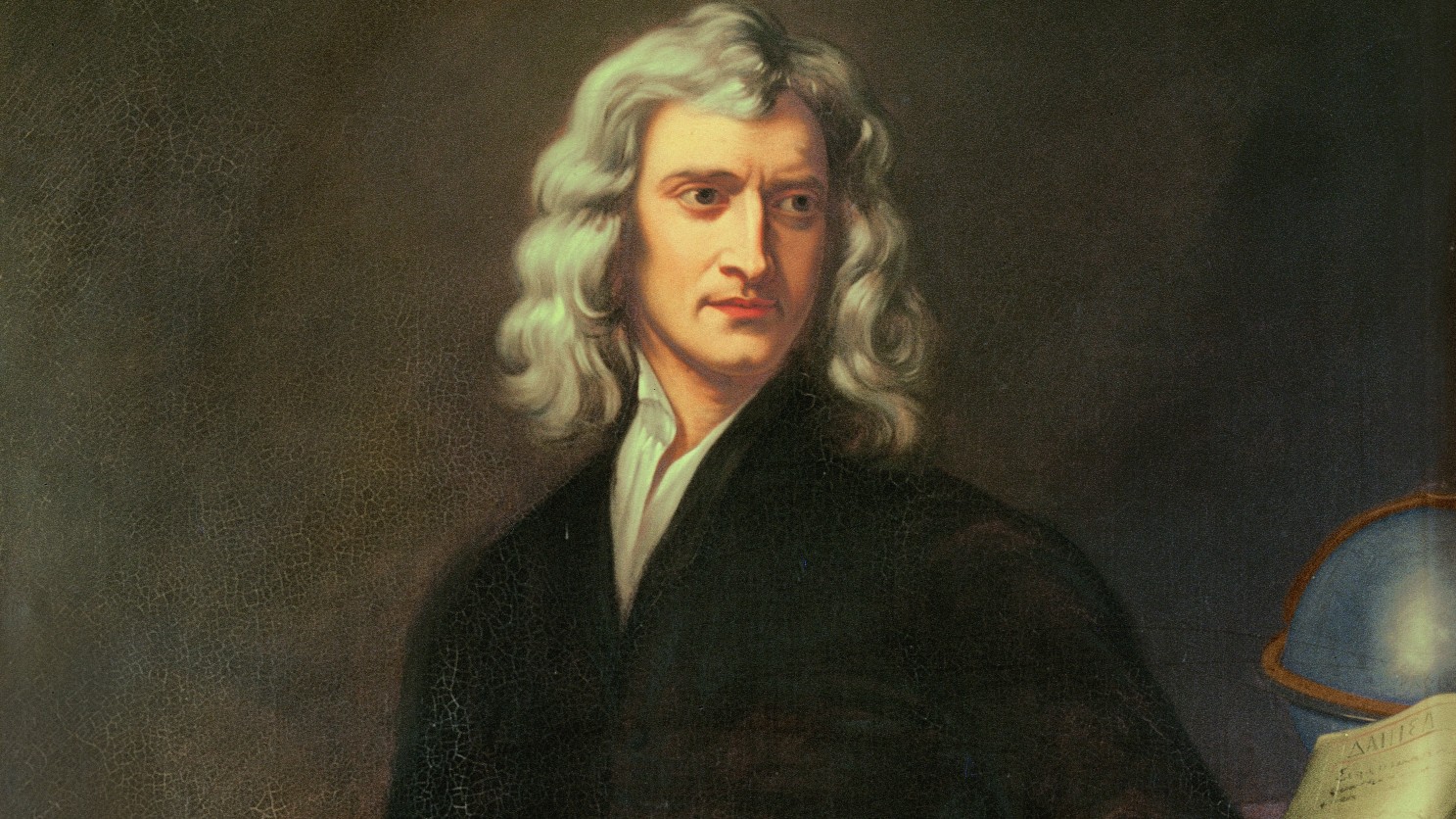
Isaac Newton was a pioneering scientist whose laws of motion and universal gravitation revolutionized our understanding ...
View Board
Explore the trailblazing journey of Marie Curie, a pioneering scientist whose groundbreaking discoveries in radioactivit...
View Board
George Ellery Hale revolutionized astrophysics through solar discoveries, groundbreaking telescopes like Mount Wilson an...
View Board
Arthur Eddington: Pioneering Relativity and Stellar Science Arthur Stanley Eddington stands as one of the most influenti...
View Board
Discover the enduring legacy of Jean-Baptiste Biot, a remarkable polymath at the crossroads of Enlightenment and 19th-ce...
View Board
Discover Stephen Hawking's groundbreaking contributions to cosmology, his resilience against ALS, and his enduring legac...
View Board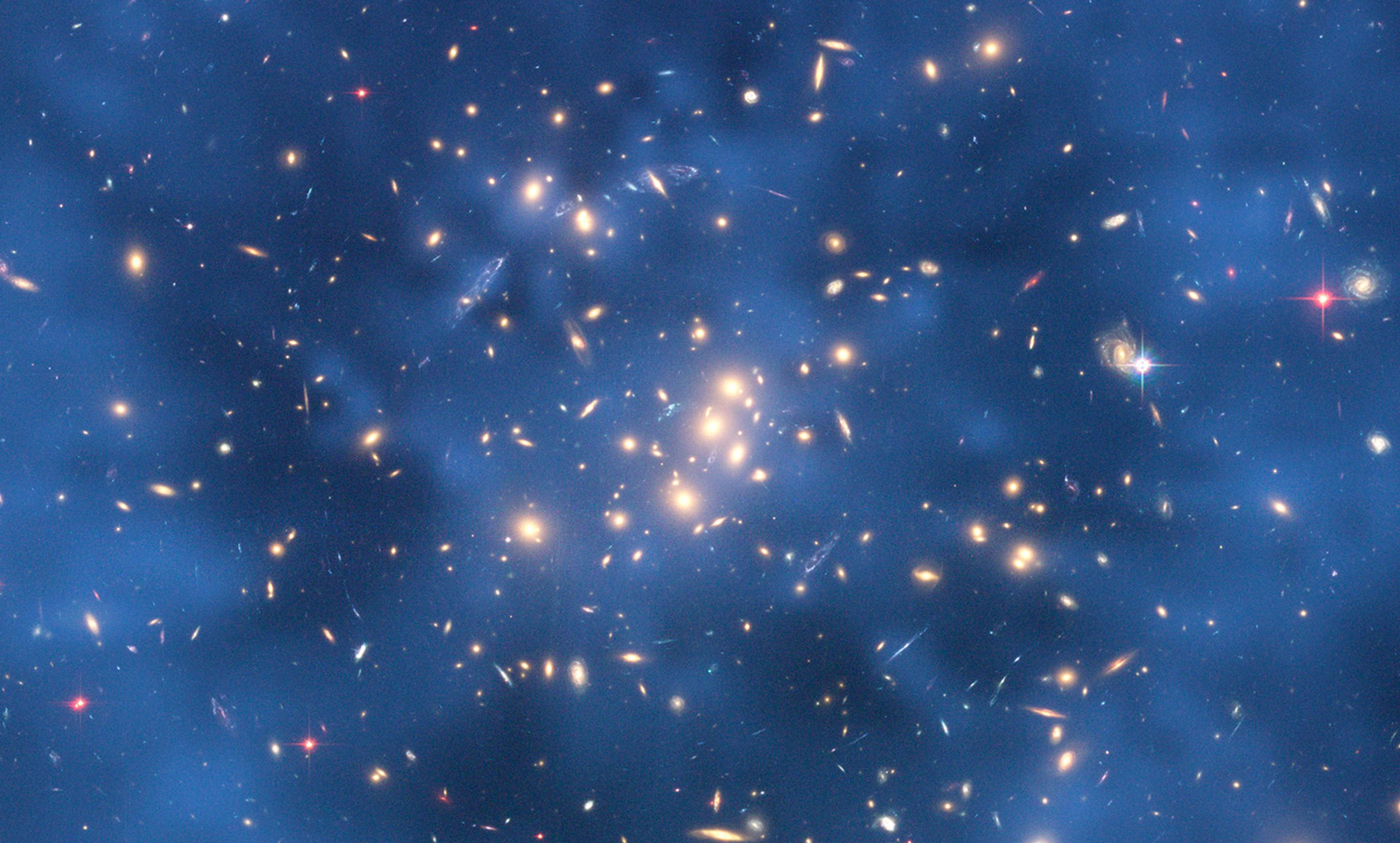
**Meta Description:** Discover Vera Rubin's groundbreaking work on dark matter, which revolutionized cosmology. Learn ...
View Board
Max Born was a renowned theoretical physicist and Nobel laureate known for his statistical interpretation of quantum mec...
View Board
Discover the groundbreaking journey of Rosalind Franklin, the brilliant scientist whose pivotal work on the DNA structur...
View Board
Armand Hippolyte Louis Fizeau pioneering French physicist and Astronomer, renowned for measuring the speed of light and ...
View Board
Discover Jean-Baptiste Joseph Delambre, the pioneering astronomer of the 18th century who revolutionized geodesy and cel...
View Board
Discover the intriguing life of Léon Foucault, the pioneering French physicist who elegantly demonstrated the Earth's ro...
View Board
Comments