Explore Any Narratives
Discover and contribute to detailed historical accounts and cultural stories. Share your knowledge and engage with enthusiasts worldwide.
In the vast and intricate tapestry of astrophysics, few figures have shone as brightly as Subrahmanyan Chandrasekhar. Born on October 19, 1910, in Lahore, which is now part of Pakistan, Chandrasekhar's journey from a precocious child to one of the preeminent physicists of the 20th century is both fascinating and inspiring. Known for his groundbreaking work on stellar evolution, he fundamentally changed the way scientists understand stars and the cosmos at large.
Chandrasekhar's inclination towards the sciences was evident early on, fostered by an intellectually stimulating environment rich with education and culture. His father, a civil servant in India's British-ruled government, and his mother, a woman of scholarly interests, cultivated an environment where young Subrahmanyan thrived. His uncle, the Nobel laureate C. V. Raman, further influenced his academic path and inspired a passion for physics.
Chandrasekhar's prodigious talent became evident during his schooling; he published his first scientific paper at the young age of nineteen. His remarkable aptitude earned him a scholarship to study at the University of Cambridge, where he embarked on research that would challenge and ultimately redefine astrophysical thought.
In 1930, at the tender age of 20, Chandrasekhar made a discovery that would engrave his name into the annals of scientific history. During a ship voyage to England, he developed what came to be known as the Chandrasekhar Limit—the maximum mass of a stable white dwarf star. Exceeding this limit, a white dwarf would continue to collapse under its own gravity, ultimately becoming a neutron star or a black hole. This discovery posed significant implications for the fate of stars and introduced a profound shift in the understanding of stellar evolution.
The repercussions of the Chandrasekhar Limit were initially met with skepticism by many in the scientific community. Sir Arthur Eddington, a leading astrophysicist of the era, was notably skeptical, creating public dissonance. Despite the challenges, Chandrasekhar remained undeterred, confidently standing by his calculations and insights.
Chandrasekhar's career was one marked by persistence and meticulous scholarship. After his initial groundbreaking work, he continued to delve into a broad scope of topics including the mathematical theory of black holes, radiative transfer, hydrodynamic stability, and quantum theory of stellar structure, solidifying his legacy as a versatile and profound thinker.
In 1937, Chandrasekhar took a professorship at the University of Chicago, a position he held throughout his career. There, he continued to expand his research and influence a new generation of scientists. His work was characterized not just by innovation but also by his distinctive and rigorous approach to problem-solving.
Subrahmanyan Chandrasekhar's contributions to science were formally recognized in 1983 when he was awarded the Nobel Prize in Physics, shared with William Fowler, for their separate but related research on the structure and evolution of stars. His pioneering work on astronomical sciences paved the way for future explorations into the mysterious nature of the universe.
Beyond awards and accolades, Chandrasekhar's legacy lies in his profound impact on the field. His steadfast dedication to uncovering the universe's secrets and his inspiration to countless budding scientists have secured his status as a towering figure in astrophysics.





Your personal space to curate, organize, and share knowledge with the world.
Discover and contribute to detailed historical accounts and cultural stories. Share your knowledge and engage with enthusiasts worldwide.
Connect with others who share your interests. Create and participate in themed boards about any topic you have in mind.
Contribute your knowledge and insights. Create engaging content and participate in meaningful discussions across multiple languages.
Already have an account? Sign in here

Arthur Eddington: Pioneering Relativity and Stellar Science Arthur Stanley Eddington stands as one of the most influenti...
View Board
George Gamow: The Unbelievable Journey of a Theoretical Physicist and Cosmologist The Enigmatic Man Behind the Cosmic B...
View Board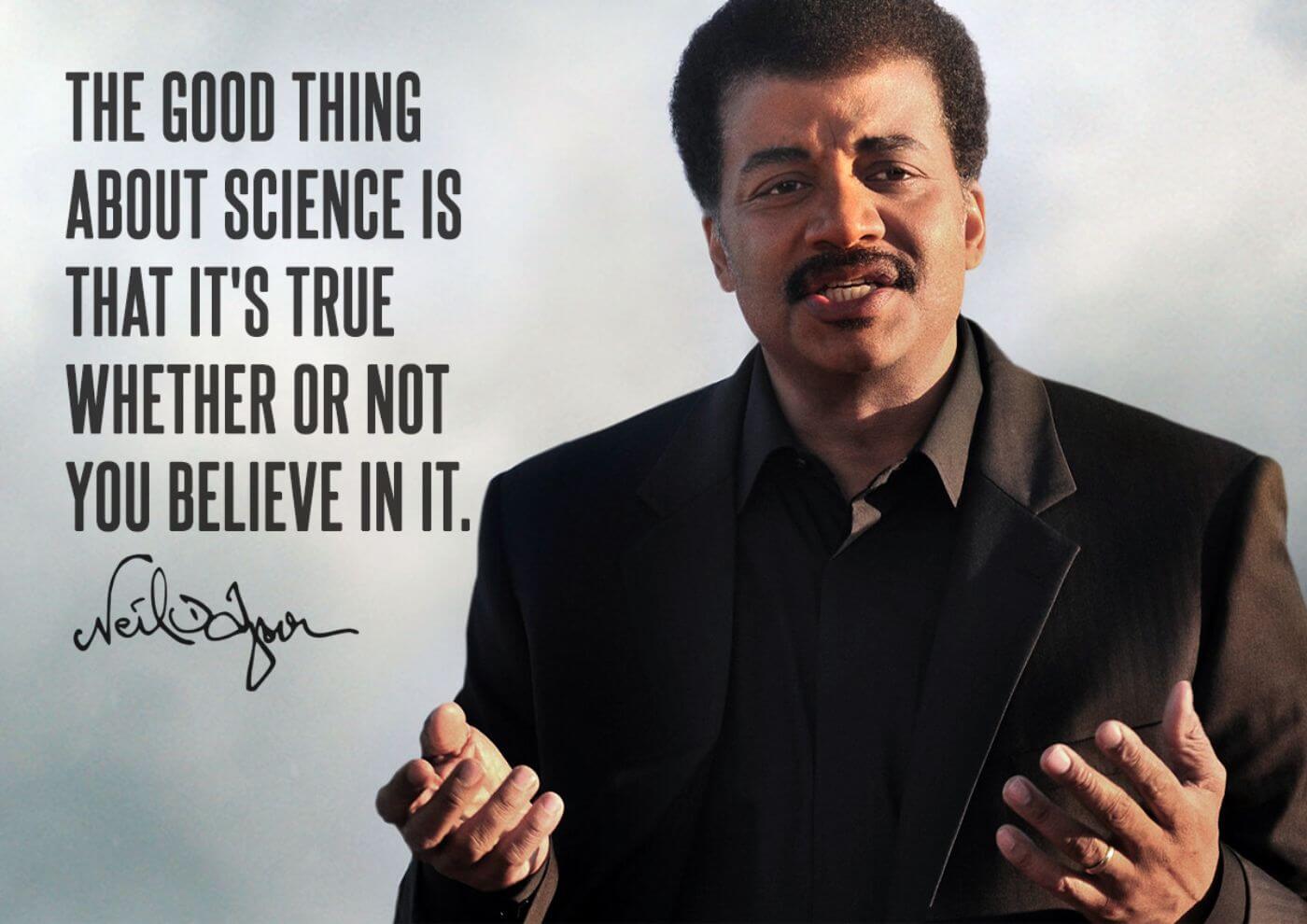
Discover Neil deGrasse Tyson's life and work as a renowned astrophysicist, science communicator and director of the Hayd...
View Board
Discover the inspiring journey of Stephen Hawking in this comprehensive article. From his pioneering work on black holes...
View Board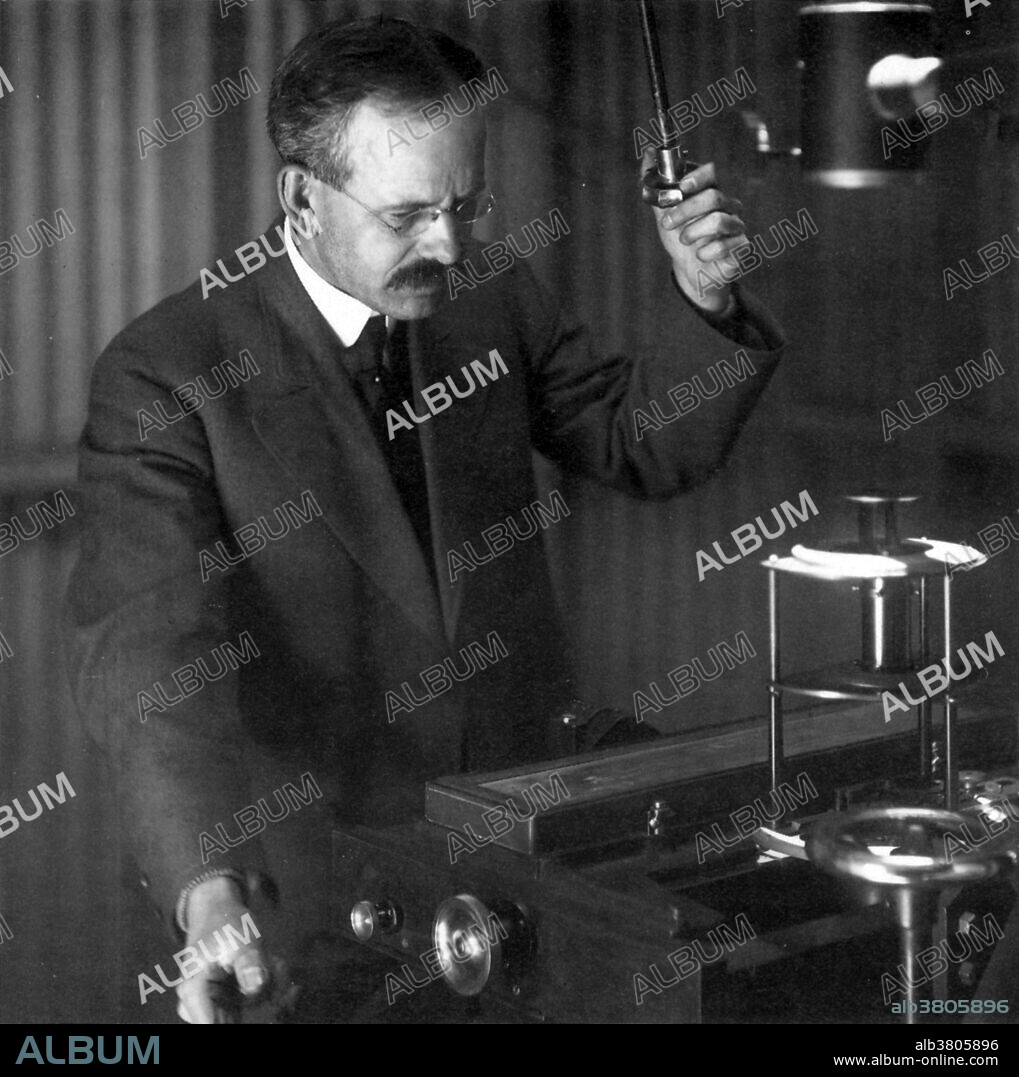
George Ellery Hale revolutionized astrophysics through solar discoveries, groundbreaking telescopes like Mount Wilson an...
View Board
**Meta Description:** Explore the life of William Herschel, the astronomer who discovered Uranus and revolutionized our ...
View Board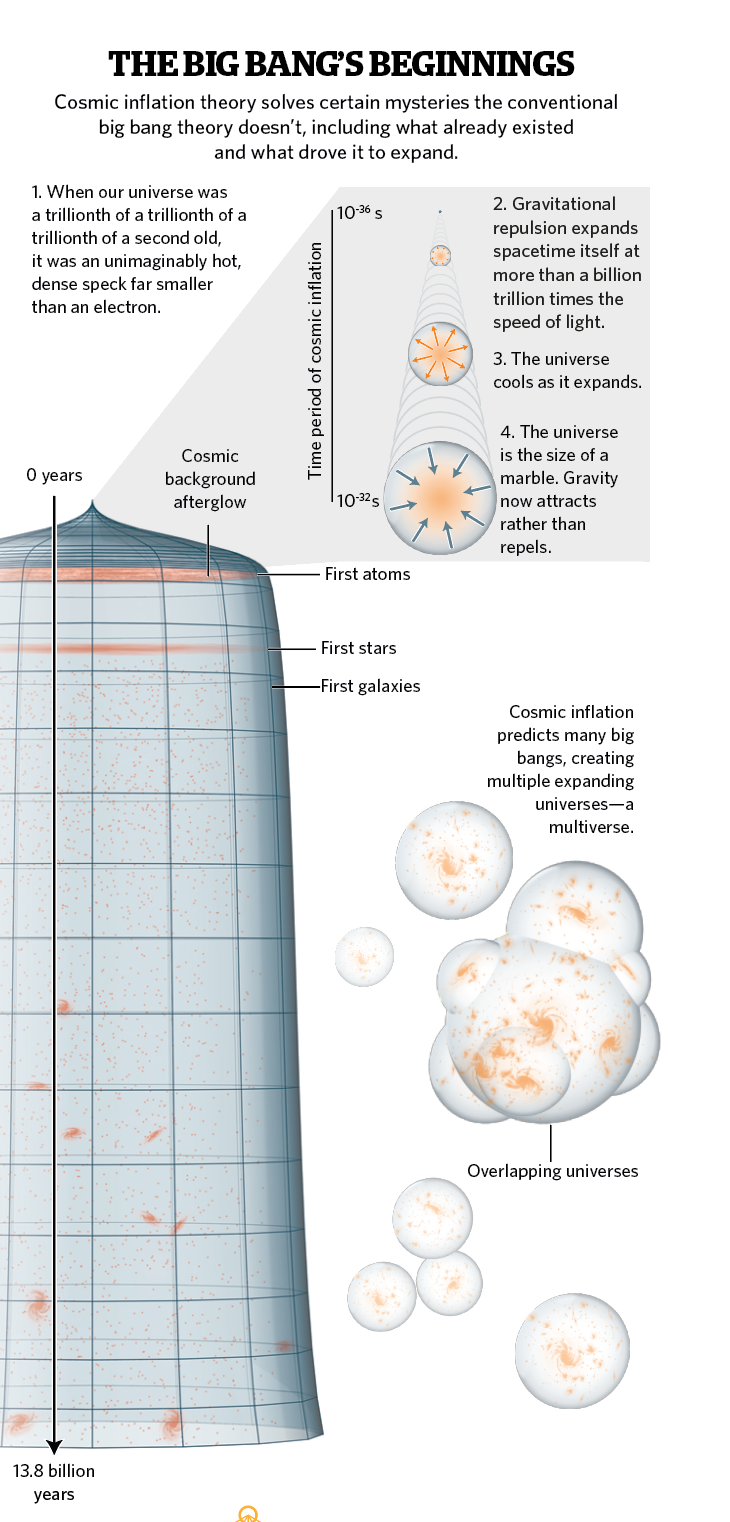
Discover how Alan Guth, a renowned physicist, revolutionized cosmology with his groundbreaking theory of cosmic inflatio...
View Board
**Meta Description:** Discover Vera Rubin's groundbreaking work on dark matter, which revolutionized cosmology. Learn ...
View Board
Discover Stephen Hawking's groundbreaking contributions to cosmology, his resilience against ALS, and his enduring legac...
View Board
Explore the extraordinary legacy of Riccardo Giacconi, the Nobel laureate who revolutionized X-ray astronomy. Discover h...
View Board
Explore the incredible legacy of Arthur Eddington, a pioneering figure in astrophysics and cosmology, who brilliantly br...
View Board
Jean Baptiste Joseph Delambre: A Life of Astronomical Pursuits The Early Life and Education Jean Baptiste Joseph Delam...
View Board
Max Born was a renowned theoretical physicist and Nobel laureate known for his statistical interpretation of quantum mec...
View Board
Jocelyn Bell Burnell pioneering astronomer who discovered pulsars leaving a lasting legacy in astrophysics through groun...
View Board
Louis Néel Nobel laureate revolutionized magnetism research with discovery of antiferromagnetism advancing condensed mat...
View Board
"Explore Sir Roger Penrose's Nobel-winning black hole theories and quantum gravity legacy. Discover his revolutionary ph...
View Board
Discover how Georges Lemaître, a Catholic priest and physicist, pioneered the Big Bang theory and revolutionized our und...
View Board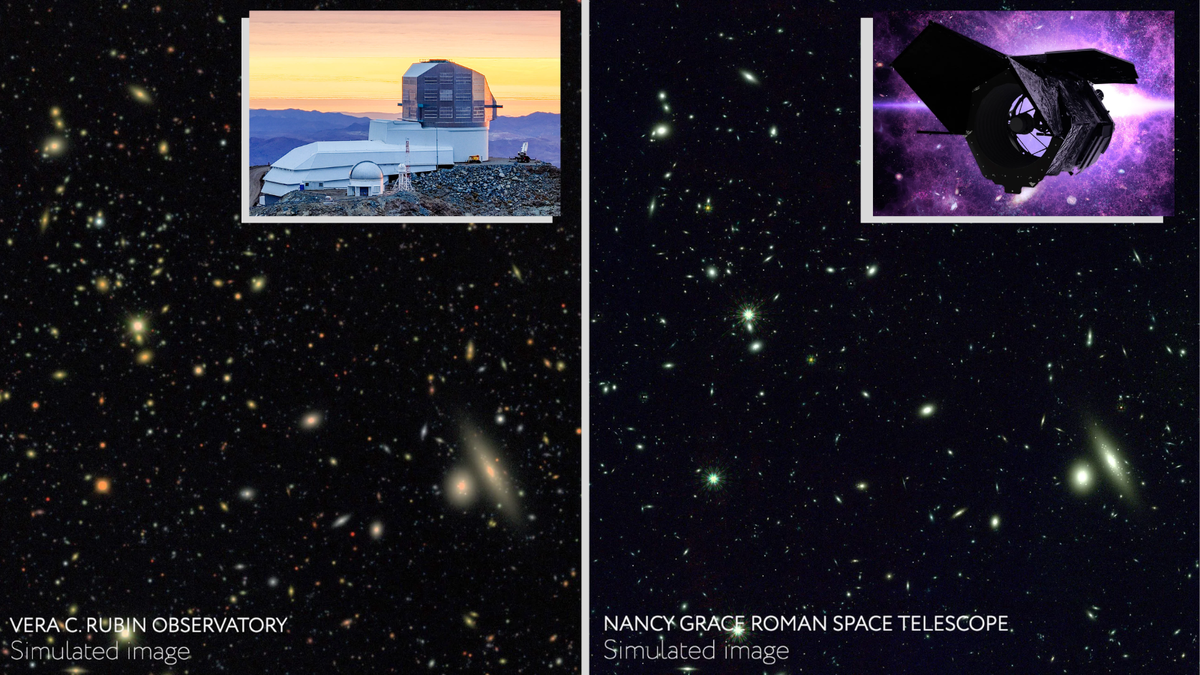
Explore the vast cosmos—its galaxies, black holes, exoplanets, dark matter, and humanity's quest to understand the unive...
View Board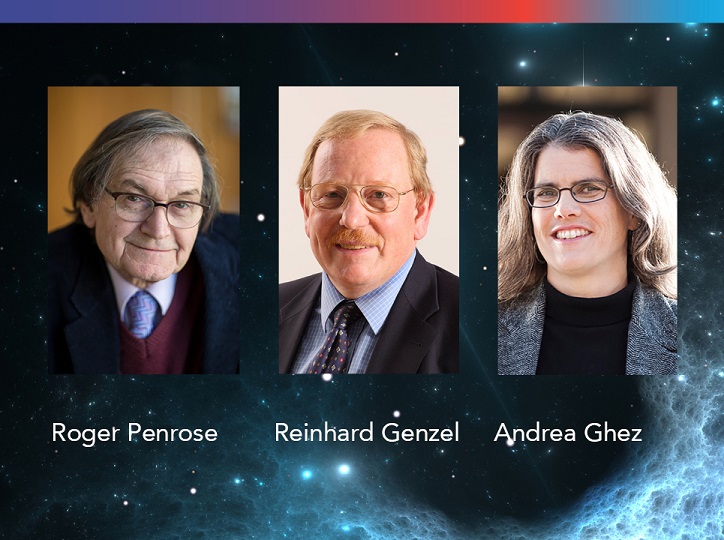
Explore Roger Penrose's groundbreaking contributions to physics, black holes, quantum consciousness, and aperiodic tilin...
View Board
Explore the life of Galileo Galilei, the pioneering scientist who revolutionized our understanding of the universe. Delv...
View Board
Comments