Explore Any Narratives
Discover and contribute to detailed historical accounts and cultural stories. Share your knowledge and engage with enthusiasts worldwide.
Maria Mitchell was a pioneering American astronomer who shattered gender barriers in the 19th century. Her discovery of a telescopic comet in 1847 catapulted her to international fame, making her the first professional woman astronomer in the United States. Beyond her scientific achievements, Mitchell was a passionate educator and advocate for women's rights, leaving an indelible mark on both astronomy and gender equity in STEM.
Born on August 1, 1818, in Nantucket, Massachusetts, Maria Mitchell grew up in a Quaker family that valued education and equality. Her father, William Mitchell, was an amateur astronomer who nurtured her interest in the stars. By the age of 12, she was already assisting her father in calculating navigational positions for whaling ships, a task that honed her mathematical and observational skills.
Mitchell's formal education began at the North Grammar School, where she excelled in mathematics and science. Later, she attended the Unitarian minister Cyrus Peirce's school, which further fueled her intellectual curiosity. Her early exposure to astronomy and navigation set the stage for her future discoveries.
On October 1, 1847, Maria Mitchell made a discovery that would alter the course of her life. Using a telescope from her family's rooftop observatory, she spotted a telescopic comet, now designated C/1847 T1. This achievement was not only a personal triumph but also a historic moment for women in science.
The discovery earned her widespread acclaim, including a gold medal from King Frederick VI of Denmark. This prestigious award was a testament to her skill and dedication, as it was typically bestowed upon established male astronomers. Mitchell's comet discovery was a pivotal moment that opened doors for women in the field of astronomy.
Mitchell's comet discovery had far-reaching implications. It challenged the prevailing notion that women were incapable of making significant contributions to science. Her achievement was celebrated not only in the United States but also internationally, inspiring countless women to pursue careers in STEM fields.
The comet, now known as "Miss Mitchell's Comet", became a symbol of her pioneering spirit. It also led to her election as the first woman Fellow of the American Academy of Arts and Sciences in 1848, a groundbreaking honor that further solidified her place in scientific history.
In 1865, Maria Mitchell achieved another historic milestone when she was appointed Professor of Astronomy at Vassar College. This appointment made her the first woman in the U.S. to hold a college professorship in astronomy, a position she held until her retirement in 1888.
At Vassar, Mitchell was not only a professor but also the Director of the Vassar College Observatory. She used her platform to advocate for women's education and equality in the scientific community. Her teaching methods were innovative, emphasizing hands-on learning and critical thinking.
Mitchell was a vocal advocate for women's rights and gender equity in STEM. She insisted on salary equity when she discovered pay disparities at Vassar, setting a precedent for future generations of women scientists. Her advocacy extended beyond the classroom, as she was actively involved in the Association for the Advancement of Women, serving as its president in the 1870s.
Her mentorship of students like Christine Ladd-Franklin and Ellen Swallow Richards further demonstrated her commitment to fostering the next generation of women scientists. Mitchell's legacy as an educator and advocate continues to inspire women in STEM today.
While Maria Mitchell is best known for her comet discovery, her scientific contributions extended far beyond that single event. She made significant observations of comets, nebulae, double stars, sunspots, and the satellites of Jupiter and Saturn. Her work as a "computer" for the American Ephemeris and Nautical Almanac involved calculating planetary positions used for navigation, a critical task in the 19th century.
Mitchell's publications included orbital calculations that established her priority for the comet discovery. Her meticulous observations and calculations were highly regarded in the scientific community, earning her a reputation as a rigorous and dedicated astronomer.
Maria Mitchell's legacy is preserved through various institutions and honors. The Maria Mitchell Association, founded in 1902, preserves her home and operates the Maria Mitchell Observatory on Nantucket. This organization continues her mission of promoting STEM education and public engagement with astronomy.
Her contributions to science and education have been recognized with numerous honors, including an eponymous lunar crater named in her honor. Mitchell's life and work remain a source of inspiration for women in science, and her story is frequently cited in discussions about gender equity in STEM.
Maria Mitchell's journey from a young girl assisting her father with navigational calculations to becoming America's first woman astronomer is a testament to her perseverance and passion for science. Her discoveries, advocacy, and educational contributions have left an enduring impact on the field of astronomy and the broader scientific community.
As we continue to strive for gender equity in STEM, Maria Mitchell's story serves as a powerful reminder of the importance of breaking barriers and fostering inclusivity. Her legacy lives on through the institutions that bear her name and the countless women she has inspired to reach for the stars.
Beyond her scientific achievements, Maria Mitchell was deeply committed to social reform, particularly the anti-slavery movement. Her Quaker upbringing instilled in her a strong sense of justice and equality, which she carried into her adult life. Mitchell used her platform as a respected scientist to advocate for the abolition of slavery, demonstrating that her influence extended far beyond the realm of astronomy.
Mitchell's involvement in the anti-slavery movement was both public and personal. She attended abolitionist meetings and lectures, often speaking out against the institution of slavery. Her correspondence with prominent abolitionists, including Frederick Douglass, highlights her dedication to the cause. Mitchell's advocacy was not limited to words; she also took concrete actions, such as boycotting products produced by slave labor.
Maria Mitchell's dual roles as a scientist and a social justice advocate were intertwined. She believed that education and science could be powerful tools for social change. Mitchell's work at Vassar College reflected this belief, as she encouraged her students to think critically about societal issues and to use their knowledge to make a difference in the world.
Her commitment to social justice also influenced her scientific work. Mitchell was a firm believer in the democratization of knowledge, advocating for making science accessible to all, regardless of gender or social status. This philosophy was evident in her public lectures and writings, which aimed to engage and educate a broad audience.
Maria Mitchell's contributions to astronomy have had a lasting impact on the field. Her meticulous observations and calculations set a high standard for astronomical research. Mitchell's work on comets, nebulae, and double stars provided valuable data that contributed to the broader understanding of the universe.
One of Mitchell's most significant contributions was her work on sunspots. She conducted daily observations and photography of sunspots, which were crucial for understanding solar activity. Her detailed records of sunspot activity remain a valuable resource for astronomers studying the sun's behavior and its impact on Earth.
Maria Mitchell was at the forefront of using new technologies in astronomy. She embraced the use of telescopes and photographic techniques to enhance her observations. Mitchell's adoption of these technologies allowed her to make more precise and detailed recordings of celestial phenomena, setting a precedent for future astronomers.
Her innovative approach to astronomy extended to her teaching methods. At Vassar College, Mitchell incorporated hands-on learning and the use of advanced equipment into her curriculum. This approach not only enriched her students' education but also prepared them for careers in science, where they could continue to push the boundaries of knowledge.
Maria Mitchell's impact on education is as significant as her contributions to astronomy. As a professor at Vassar College, she was a trailblazer in women's education, demonstrating that women were capable of excelling in scientific fields. Mitchell's teaching philosophy was grounded in the belief that education should be rigorous, engaging, and accessible.
Mitchell's influence extended beyond her own students. She was a vocal advocate for educational reform, pushing for changes that would make science education more inclusive and effective. Her efforts helped to shape the landscape of women's education in the United States, paving the way for future generations of women scientists.
One of Maria Mitchell's most enduring legacies is her role as a mentor to young women scientists. She took a personal interest in the success of her students, providing them with guidance, support, and opportunities to conduct their own research. Mitchell's mentorship was instrumental in the careers of several notable women scientists, including Christine Ladd-Franklin and Ellen Swallow Richards.
Mitchell's approach to mentorship was holistic. She not only provided her students with scientific training but also encouraged them to develop their critical thinking skills and to pursue their passions. Her belief in the potential of her students was unwavering, and she worked tirelessly to help them overcome the barriers they faced as women in science.
Maria Mitchell's life and work have had a profound impact on American culture and history. As the first professional woman astronomer in the United States, she challenged societal norms and demonstrated that women could excel in scientific fields. Mitchell's achievements have been celebrated in various forms, from biographies and documentaries to museum exhibitions and educational programs.
Her story is often cited in discussions about gender equity in STEM, serving as a powerful example of what women can achieve when given the opportunity. Mitchell's legacy is a reminder of the importance of breaking down barriers and fostering inclusivity in all fields, particularly in science and education.
Maria Mitchell's contributions have been recognized through numerous commemorations and honors. In addition to the lunar crater named in her honor, there are several institutions and programs that bear her name. The Maria Mitchell Association, founded in 1902, is dedicated to preserving her legacy and promoting STEM education.
Other honors include:
These commemorations ensure that Maria Mitchell's legacy continues to inspire and empower future generations of scientists and advocates.
Throughout her career, Maria Mitchell published numerous articles and papers on her astronomical observations and calculations. Her writings were not only scientific but also reflective, offering insights into her thoughts on education, gender equity, and social justice. Mitchell's publications were widely read and respected, contributing to her reputation as a thought leader in both science and society.
One of her most notable publications was her orbital calculations for the comet she discovered, which were published in Silliman's Journal. This work established her priority for the discovery and demonstrated her expertise in astronomical calculations. Mitchell's writings on sunspots, comets, and other celestial phenomena were also highly regarded, providing valuable data for the scientific community.
Maria Mitchell's contributions to scientific literature extended beyond her own publications. She was a strong advocate for the dissemination of scientific knowledge, encouraging her students and colleagues to publish their work. Mitchell believed that sharing knowledge was essential for advancing science and promoting equality in the field.
Her influence on scientific literature is evident in the work of her students and protégés, many of whom went on to make significant contributions to their respective fields. Mitchell's emphasis on clear, rigorous writing set a high standard for scientific communication, one that continues to be upheld in the scientific community today.
Maria Mitchell's achievements were not only recognized in the United States but also internationally. Her discovery of the comet and subsequent gold medal from the King of Denmark brought her global acclaim. Mitchell's work was respected by scientists around the world, and she corresponded with many prominent international astronomers.
Her global impact is a testament to the universal nature of science and the power of discovery to transcend borders. Mitchell's story has inspired women scientists around the world, demonstrating that excellence in science knows no gender or nationality. Her legacy continues to be celebrated internationally, with her life and work serving as a model for aspiring scientists everywhere.
In addition to the gold medal from the King of Denmark, Maria Mitchell received numerous other international honors. She was elected as a member of several prestigious scientific societies, including the American Philosophical Society and the American Association for the Advancement of Science. These honors reflected the high regard in which her work was held by the global scientific community.
Mitchell's international collaborations were also significant. She worked with astronomers from various countries, sharing data and insights that contributed to the advancement of astronomical knowledge. Her collaborative approach to science underscored her belief in the importance of cooperation and the free exchange of ideas.
The Maria Mitchell Association (MMA) stands as a living testament to the enduring impact of America's first professional woman astronomer. Founded in 1902, just 14 years after her passing, the association has worked tirelessly to preserve Mitchell's home, advance her scientific mission, and inspire new generations through STEM education. Today, the MMA operates multiple facilities on Nantucket, including the Maria Mitchell Observatory, the Vestige of the Day (her birthplace), and the Mitchell House, where she made her historic comet discovery.
The association's work extends beyond preservation. It actively engages in public astronomy programs, educational outreach, and scientific research. Through summer internships, workshops, and public stargazing events, the MMA continues Mitchell's mission of making science accessible to all. The observatory remains a hub for astronomical research, with modern telescopes that build upon the foundation Mitchell established over a century ago.
The MMA's educational initiatives are particularly impactful. The Maria Mitchell Science Research Institute offers competitive summer programs where students conduct original research in astronomy, environmental science, and other STEM fields. These programs have launched countless careers, with alumni going on to work at NASA, major universities, and leading research institutions.
Key programs include:
These programs reflect Mitchell's belief in education as a catalyst for change, ensuring her legacy continues to shape the future of science.
Maria Mitchell's life and career have had a profound influence on women in STEM today. Her story is frequently cited in discussions about gender equity in science, serving as both inspiration and a historical benchmark. Modern women astronomers, from Vera Rubin to Jocelyn Bell Burnell, have acknowledged Mitchell as a trailblazer who paved the way for their own careers.
Mitchell's advocacy for equal pay and opportunities resonates strongly in contemporary debates about workplace equity. Her insistence on salary parity at Vassar College set a precedent that remains relevant in today's fight for equal pay in STEM fields. Organizations like the Association for Women in Science (AWIS) and 500 Women Scientists continue to draw upon her example in their advocacy work.
The MeToo movement and ongoing efforts to address gender discrimination in STEM have brought renewed attention to Mitchell's experiences. Her struggles against systemic barriers—from being denied access to professional networks to facing skepticism about her capabilities—mirror challenges that many women in science still encounter today.
Mitchell's response to these challenges—perseverance, excellence, and advocacy—offers a powerful model for contemporary women scientists. Her life demonstrates that progress is possible, even in the face of entrenched discrimination. This message is particularly important in fields like astronomy, where women remain underrepresented in leadership positions.
Maria Mitchell's story has been featured in various forms of media, from documentaries to children's books, ensuring her legacy reaches diverse audiences. Her life has been the subject of:
These portrayals have helped to cement Mitchell's status as a cultural icon, inspiring not just scientists but anyone who values perseverance and equality. Her story is often included in Women's History Month celebrations and STEM education curricula, ensuring that new generations learn about her contributions.
Representation matters, and Maria Mitchell's visibility in media and education provides crucial role models for young girls interested in science. Studies have shown that exposure to female scientists in history increases girls' confidence in pursuing STEM careers. Mitchell's story, with its themes of curiosity, determination, and breaking barriers, is particularly effective in this regard.
Educators and parents often use Mitchell's life as a case study to discuss:
For those inspired by Maria Mitchell's story, visiting Nantucket, Massachusetts offers a unique opportunity to walk in her footsteps. The island, known for its rich history and natural beauty, is home to several sites associated with Mitchell's life and work. A visit to these locations provides a deeper understanding of her contributions and the environment that shaped her.
Key sites to explore include:
These sites are not just historical landmarks; they are active centers of science education and public engagement, continuing the work Mitchell began nearly two centuries ago.
For those planning a visit, the Maria Mitchell Association offers guided tours, educational programs, and special events throughout the year. Summer is an especially vibrant time, with astronomy nights, lectures, and family-friendly activities that bring Mitchell's legacy to life.
Visitors can also explore Nantucket's natural beauty, which played a significant role in Mitchell's life. The island's clear night skies, free from light pollution, offer exceptional stargazing opportunities—much as they did in Mitchell's time. This connection to the natural world is a key part of understanding her scientific journey.
Maria Mitchell's life offers numerous lessons that remain relevant today. Her story is a masterclass in resilience, innovation, and advocacy. Below are some of the most important takeaways from her remarkable journey:
Mitchell's discovery of the comet was not the result of luck but of years of dedicated observation. She spent countless nights scanning the skies, often in challenging conditions. Her persistence paid off, demonstrating that great discoveries require patience and determination.
In a time when women were largely excluded from scientific fields, Mitchell proved that excellence could break down barriers. Her meticulous work and groundbreaking discoveries forced the scientific community to recognize her contributions, paving the way for future women scientists.
Mitchell's own success was partly due to the mentorship she received from her father. In turn, she became a mentor to countless young women, demonstrating the transformative power of guidance and support. Her mentorship model remains a cornerstone of effective STEM education.
Mitchell believed that scientists had a responsibility to advocate for social justice and equality. Her work in the anti-slavery movement and her fight for women's rights show that science and activism can—and should—go hand in hand.
Throughout her career, Mitchell emphasized the importance of making science accessible to the public. Her lectures, writings, and public observations helped to demystify astronomy and inspire a broader audience. This commitment to public engagement is a model for scientists today.
Maria Mitchell's life was one of firsts, fights, and enduring contributions. As the first professional woman astronomer in the United States, she shattered glass ceilings and redefined what was possible for women in science. Her discovery of the comet in 1847 was just the beginning of a career that would inspire generations of scientists, educators, and advocates.
Mitchell's legacy is not confined to the past. Through the Maria Mitchell Association, her educational philosophy continues to shape STEM programs today. Her advocacy for gender equity and social justice remains a guiding light in ongoing struggles for equality. And her story, told and retold in books, documentaries, and classrooms, continues to inspire young minds to reach for the stars.
In an era where women in STEM still face significant challenges, Maria Mitchell's life serves as a powerful reminder of what can be achieved through perseverance, excellence, and courage. Her journey from a small island in Massachusetts to the heights of international scientific recognition is a testament to the impact one determined individual can have on the world.
As we look to the future, Maria Mitchell's story challenges us to continue breaking barriers, advocating for equality, and fostering a love of science in the next generation. Her life reminds us that the stars are not just objects of study but symbols of what we can achieve when we dare to dream—and work tirelessly to make those dreams a reality.
Your personal space to curate, organize, and share knowledge with the world.
Discover and contribute to detailed historical accounts and cultural stories. Share your knowledge and engage with enthusiasts worldwide.
Connect with others who share your interests. Create and participate in themed boards about any topic you have in mind.
Contribute your knowledge and insights. Create engaging content and participate in meaningful discussions across multiple languages.
Already have an account? Sign in here

Explore Maria Mitchell's journey: the pioneering American woman astronomer who discovered a comet and championed science...
View Board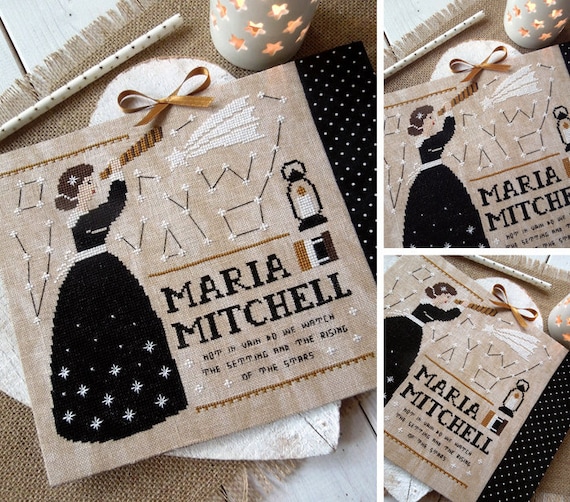
Discover Maria Mitchell, America's first female astronomer. Explore her 1847 comet discovery, impact on women in STEM, a...
View Board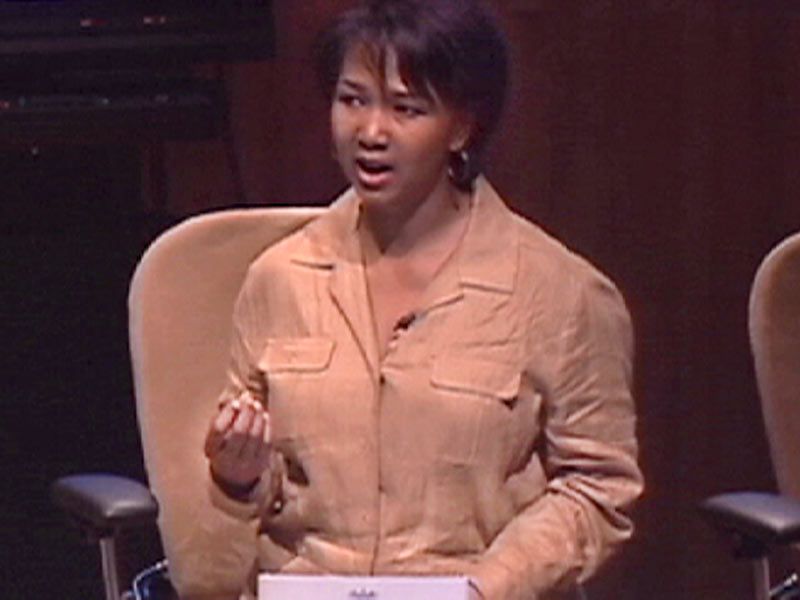
Mae Jemison: A Pioneering Astronaut and Champion of STEM Education The world was awe-struck when Mae Jemison became the...
View Board
**Meta Description:** Discover Carl Wieman’s groundbreaking journey from Nobel Prize-winning physicist to science educ...
View Board
Discover the remarkable legacy of Mary Anning, the pioneering paleontologist whose groundbreaking discoveries in the ear...
View Board
Last news about Science Week from 28/04/2025 to 04/05/2025
View Board
Sally Le Page is a renowned English evolutionary biologist and digital content creator who brings science to life throug...
View Board
Jocelyn Bell Burnell pioneering astronomer who discovered pulsars leaving a lasting legacy in astrophysics through groun...
View Board
Steve Mould is a renowned science educator and communicator known for innovative teaching methods and passion for making...
View Board
Discover how Vera Rubin, a pioneering astronomer, uncovered dark matter and revolutionized cosmology. Explore her life, ...
View Board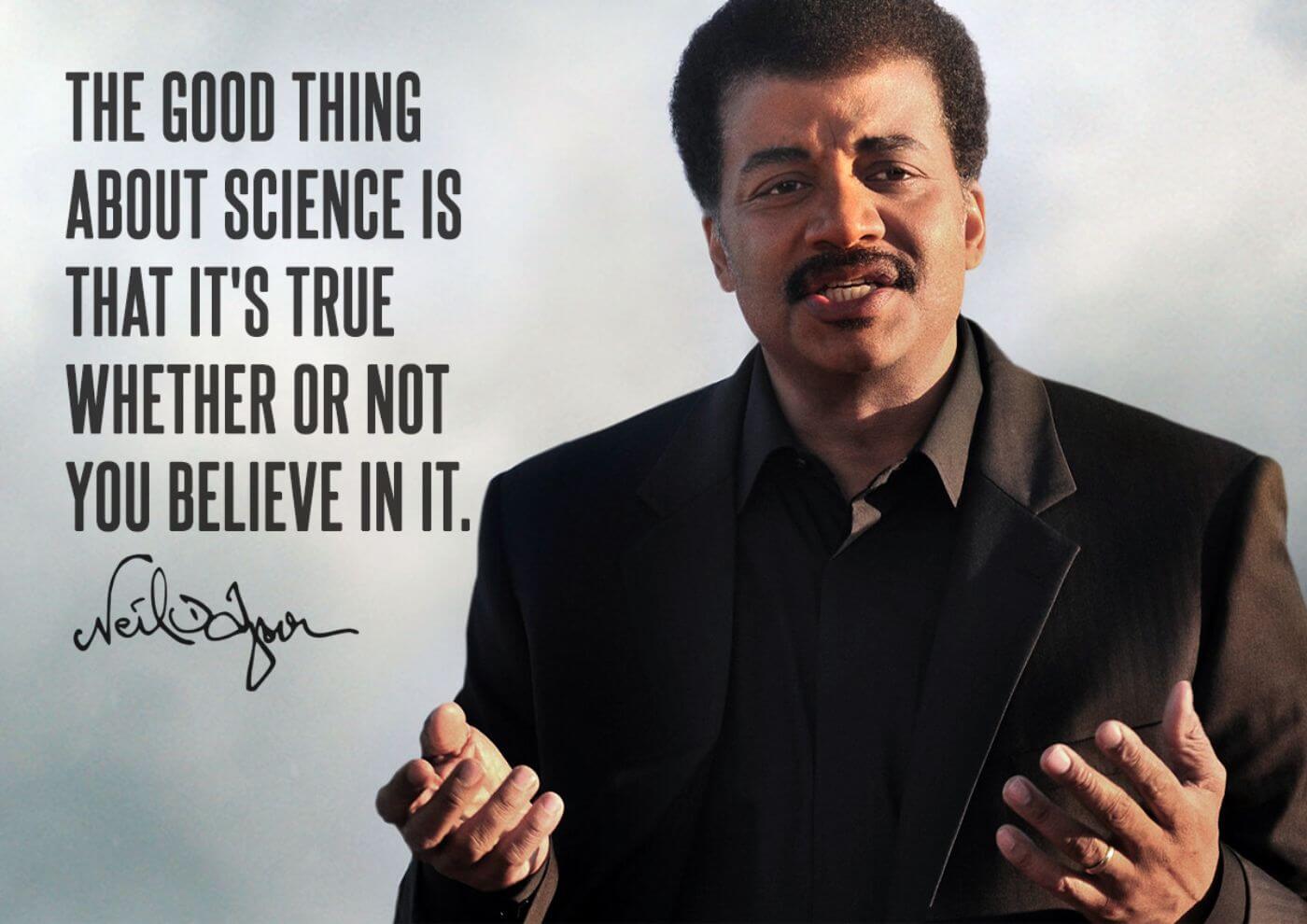
Discover Neil deGrasse Tyson's life and work as a renowned astrophysicist, science communicator and director of the Hayd...
View Board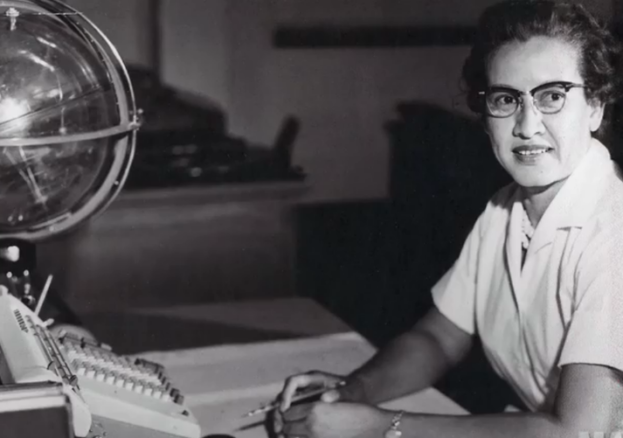
Katherine Johnson: Pioneering Mathematician and Trailblazer Introduction In the annals of American scientific history, ...
View Board
Last news about Science Week from 05/05/2025 to 11/05/2025
View Board
Giovanni Schiaparelli, a renowned Italian astronomer, made groundbreaking observations of Mars, sparking controversy wit...
View Board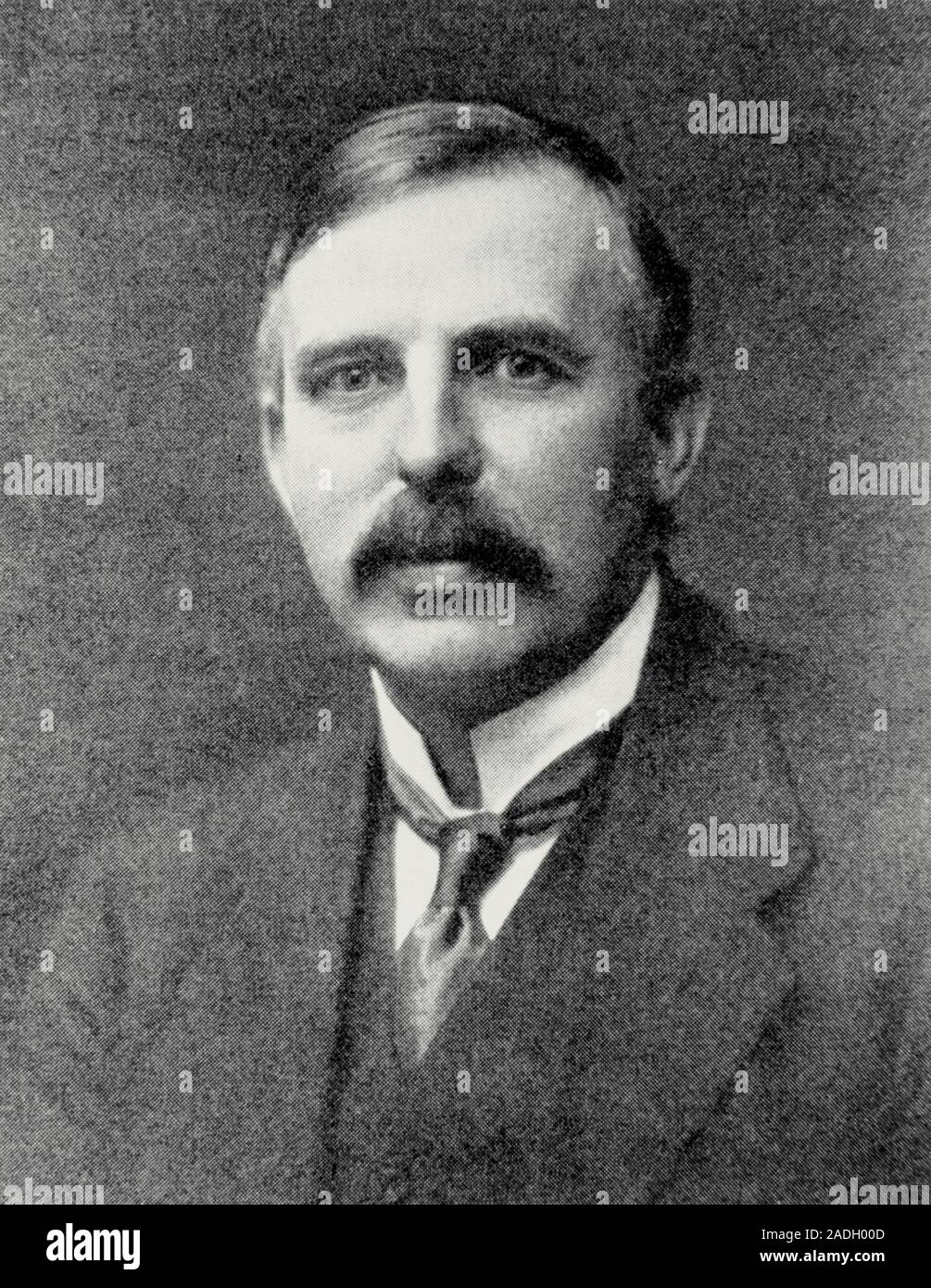
Explore the monumental legacy of Ernest Rutherford, the father of nuclear physics, in our insightful article. Delve into...
View Board
Discover Katherine Johnson, the African-American mathematician who broke NASA barriers and shaped spaceflight history. E...
View Board
Discover the intriguing life of Léon Foucault, the pioneering French physicist who elegantly demonstrated the Earth's ro...
View Board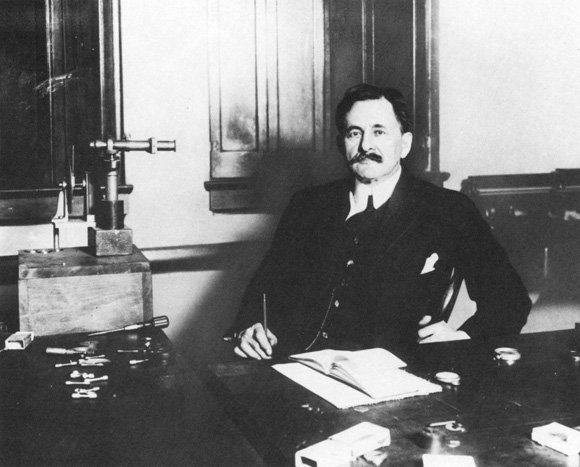
Explore the groundbreaking contributions of Albert A. Michelson, the first American Nobel Prize winner in Physics, known...
View Board
Last news about Science Week from 17/11/2025 to 23/11/2025
View Board
Explore the trailblazing journey of Marie Curie, a pioneering scientist whose groundbreaking discoveries in radioactivit...
View Board
Comments