

Explore Any Narratives
Discover and contribute to detailed historical accounts and cultural stories. Share your knowledge and engage with enthusiasts worldwide.
Giovanni Schiaparelli was an Italian astronomer whose groundbreaking observations of Mars and comets reshaped our understanding of the solar system. Born in 1835, Schiaparelli became one of the most influential astronomers of the 19th century, leaving a legacy that still impacts modern astronomy.
Giovanni Virginio Schiaparelli was born on March 14, 1835, in Savigliano, Piedmont, Italy. His early education focused on hydraulic engineering and architecture at the University of Turin. However, his passion for astronomy led him to study at prestigious observatories in Berlin and Pulkovo between 1856 and 1859.
In 1860, Schiaparelli joined the Brera Observatory in Milan as the second astronomer. By 1862, at just 27 years old, he became the youngest director in the observatory's history. His leadership lasted nearly 40 years, until his retirement in 1900 due to deteriorating eyesight.
In 1866, Schiaparelli proposed a revolutionary theory: meteor showers originate from comet debris. He matched the orbits of meteor showers like the Perseids and Leonids to comets such as Tempel-Tuttle. This discovery earned him the Royal Astronomical Society Gold Medal in 1872.
Schiaparelli's most famous work began during the 1877 "great opposition" of Mars. Over seven oppositions, he created detailed maps of the Martian surface, naming features like Syrtis Major and Solis Lacus. His use of classical terms for "seas" and "continents" replaced earlier naming systems and remains standard today.
In 1877, Schiaparelli described linear features on Mars as "canali", an Italian word meaning "channels." However, the term was mistranslated into English as "canals", sparking widespread speculation about Martian life and artificial structures. This misunderstanding inspired astronomers like Percival Lowell to build observatories dedicated to studying Mars.
Schiaparelli's contributions extended beyond Mars. He studied ancient astronomy post-retirement, leveraging his expertise in languages and religions. His work on comet-meteor connections remains foundational in astronomy education, and his Martian nomenclature is still used in modern areography.
His legacy lives on in missions like the ESA's Schiaparelli lander, named in his honor, which aimed to explore Mars in 2016. Though the lander crash-landed on Meridiani Planum, it highlighted the enduring influence of Schiaparelli's work.
The Merz refractor telescope Schiaparelli used is preserved at Milan's Museo Nazionale della Scienza e della Tecnologia. His detailed drawings, including those of the 1877 comet, showcase the visual techniques of 19th-century astronomy and the challenges posed by atmospheric conditions.
Giovanni Schiaparelli was a pioneer in astronomy, whose observations of Mars and comets continue to shape our understanding of the universe. His legacy, from the "canali" controversy to his foundational work on meteor showers, remains a cornerstone of modern astronomy.
Giovanni Schiaparelli’s detailed observations of Mars were not just artistic renderings—they were grounded in rigorous scientific methodology. Using the 22 cm Merz refractor at Brera Observatory, he meticulously documented the planet’s surface features during multiple oppositions, when Mars and Earth are closest in their orbits.
The 1877 opposition was particularly significant because Mars was exceptionally close to Earth, allowing Schiaparelli to observe finer details than ever before. During this period, he identified and named numerous Martian features, including:
His naming system, based on classical mythology and geography, replaced earlier, less systematic approaches and remains in use today.
One of Schiaparelli’s most controversial contributions was his description of "canali"—a term that sparked decades of debate. While he intended the word to mean natural "channels," the English mistranslation as "canals" led to widespread speculation about artificial structures and even Martian civilizations.
This misunderstanding was amplified by Percival Lowell, an American astronomer who built an entire observatory to study these supposed canals. Lowell’s theories, though later debunked, captured the public imagination and influenced early science fiction.
"The so-called canals of Mars were, in reality, optical illusions caused by the limitations of 19th-century telescopes and the human tendency to perceive patterns where none exist." – Modern astronomical consensus.
Beyond his work on Mars, Schiaparelli made groundbreaking contributions to the study of comets and meteors. His 1866 theory linking meteor showers to comet debris revolutionized our understanding of these celestial phenomena.
Schiaparelli observed that the orbits of meteor showers, such as the Perseids and Leonids, closely matched those of known comets. For example:
This discovery earned him the Royal Astronomical Society’s Gold Medal in 1872, one of the highest honors in astronomy at the time.
Schiaparelli also advanced the study of comet tails, proposing that they are shaped by a repulsive solar force. This idea was a precursor to modern understanding of the solar wind and its effects on cometary material.
His work on comets was not just theoretical—he also cataloged their orbits and predicted their returns, contributing to the broader field of celestial mechanics.
Schiaparelli’s influence extends far beyond his lifetime. His observations and theories laid the foundation for many areas of modern astronomy, from planetary science to the study of small solar system bodies.
The naming system Schiaparelli developed for Mars remains the standard in areography (the study of Mars’ geography). Many of the features he identified are still used in modern maps, including those created by NASA and ESA missions.
For example, the ESA’s Schiaparelli lander, part of the ExoMars mission, was named in his honor. Though the lander crashed in 2016, its mission highlighted the enduring relevance of Schiaparelli’s work in Mars exploration.
Schiaparelli’s detailed maps of Mars have been invaluable for modern space missions. His observations helped scientists identify key landmarks and regions of interest, such as:
Even today, mission planners reference his work when selecting landing sites and planning exploration routes.
The Merz refractor telescope Schiaparelli used is now preserved at the Museo Nazionale della Scienza e della Tecnologia in Milan. This historic instrument, with its 22 cm aperture and 3.5 m focal length, was cutting-edge for its time and played a crucial role in his discoveries.
In addition to the telescope, Schiaparelli’s detailed drawings—such as his 1877 comet sketches—are preserved in archives. These drawings provide insight into the challenges of 19th-century astronomy, including atmospheric distortions and the limitations of early telescopes.
Schiaparelli’s work didn’t just advance science—it also captured the public imagination and influenced culture, particularly in the realm of science fiction and speculation about extraterrestrial life.
The idea of Martian canals, though later disproven, inspired countless works of fiction. Authors like H.G. Wells and Edgar Rice Burroughs drew on Schiaparelli’s observations to create stories about Martian civilizations.
Even today, the legacy of the "canals" debate persists in popular culture, from movies to video games, where Mars is often depicted as a planet with ancient, mysterious structures.
Schiaparelli’s observations fueled a lasting public fascination with Mars. His work contributed to the planet’s reputation as a potential home for life, a theme that continues to drive exploration efforts today.
Modern missions, such as NASA’s Perseverance rover, are partly motivated by the same questions Schiaparelli’s work raised: Is there life on Mars? What is the planet’s true nature?
Despite his many achievements, Schiaparelli’s career was not without challenges. His work faced skepticism, and some of his theories were later revised or debunked.
Not all astronomers agreed with Schiaparelli’s interpretations of Martian features. Some argued that the "canali" were optical illusions, while others believed they were real but natural formations.
The debate intensified as telescopes improved, revealing that many of the linear features Schiaparelli observed were not as distinct as initially thought. By the early 20th century, the consensus shifted toward the idea that the "canals" were illusions.
Schiaparelli’s work was constrained by the technology of his time. The Merz refractor, though advanced for the 1870s, had limitations in resolution and clarity.
Atmospheric turbulence further complicated his observations, making it difficult to distinguish fine details on Mars. These challenges highlight the remarkable skill Schiaparelli possessed in interpreting what he saw.
Giovanni Schiaparelli was more than just an astronomer—he was a pioneer who reshaped our understanding of the solar system. His observations of Mars, comets, and meteors laid the groundwork for modern astronomy, and his legacy continues to inspire scientists and the public alike.
From the "canali" controversy to his foundational work on meteor showers, Schiaparelli’s contributions remain relevant today. His name is immortalized not only in the history books but also in the missions and discoveries that continue to explore the mysteries of Mars and beyond.
Giovanni Schiaparelli’s contributions to astronomy extend far beyond his 19th-century observations. His work remains a cornerstone of modern planetary science and continues to influence missions exploring Mars, comets, and beyond.
The Merz refractor telescope Schiaparelli used at Brera Observatory is preserved at Milan’s Museo Nazionale della Scienza e della Tecnologia. This instrument, with its 22 cm aperture and 3.5 m focal length, represents the cutting-edge technology of the 1870s and highlights the challenges Schiaparelli overcame.
His detailed drawings—such as those of the 1877 comet and Martian surface—remain valuable historical records. These documents provide insight into the observational techniques of the era and the limitations imposed by atmospheric conditions and early telescope technology.
Schiaparelli’s naming system for Mars is still the foundation of areography, the study of Mars’ geography. Modern missions, including NASA’s Perseverance rover and ESA’s ExoMars program, rely on the framework he established.
Key Martian landmarks first identified by Schiaparelli, such as Valles Marineris and Syrtis Major, are frequently referenced in mission planning and scientific analysis. His work laid the groundwork for understanding the planet’s topography and geological history.
Schiaparelli’s observations sparked questions that continue to drive astronomical research today. His theories about Mars, though later revised, ignited a lasting fascination with the possibility of life beyond Earth.
While Schiaparelli’s "canali" were eventually debunked as optical illusions, they fueled decades of speculation about Martian civilizations. This intrigue persists in modern searches for biosignatures and habitable environments on Mars.
Current missions analyze Martian soil and atmosphere, building on the foundational questions Schiaparelli’s work inspired. The search for microbial life or past habitability remains a central goal of Mars exploration.
Schiaparelli’s 1866 theory linking meteor showers to comet debris is now a fundamental concept in astronomy. Modern researchers use this understanding to predict meteor storms and study the composition of comets.
For example, the Leonid meteor storm of 2001 was tracked using Schiaparelli’s principles, confirming the orbital relationship between the Leonids and Comet Tempel-Tuttle. This work aids in planning observations and spacecraft safety protocols.
Giovanni Schiaparelli was a visionary astronomer whose meticulous observations and bold theories reshaped our understanding of the solar system. From his pioneering studies of Mars to his groundbreaking work on comets and meteors, his legacy endures in modern astronomy.
Schiaparelli’s ability to connect observation with theoretical insight not only advanced 19th-century astronomy but also set the stage for the space age. As missions continue to explore Mars and comets, his name remains synonymous with curiosity, precision, and the relentless pursuit of cosmic knowledge. In an era of advanced telescopes and interplanetary travel, Schiaparelli’s spirit of discovery continues to guide humanity’s gaze toward the stars.


Your personal space to curate, organize, and share knowledge with the world.
Discover and contribute to detailed historical accounts and cultural stories. Share your knowledge and engage with enthusiasts worldwide.
Connect with others who share your interests. Create and participate in themed boards about any topic you have in mind.
Contribute your knowledge and insights. Create engaging content and participate in meaningful discussions across multiple languages.
Already have an account? Sign in here
Giovanni Schiaparelli: Pioneering Italian Astronomer and His Impact on Planetary Exploration Introduction Giovanni Vir...
View Board
George Ellery Hale revolutionized astrophysics through solar discoveries, groundbreaking telescopes like Mount Wilson an...
View Board
Explore the extraordinary legacy of Riccardo Giacconi, the Nobel laureate who revolutionized X-ray astronomy. Discover h...
View Board
Jocelyn Bell Burnell pioneering astronomer who discovered pulsars leaving a lasting legacy in astrophysics through groun...
View Board
Explore the life of Galileo Galilei, the pioneering scientist who revolutionized our understanding of the universe. Delv...
View Board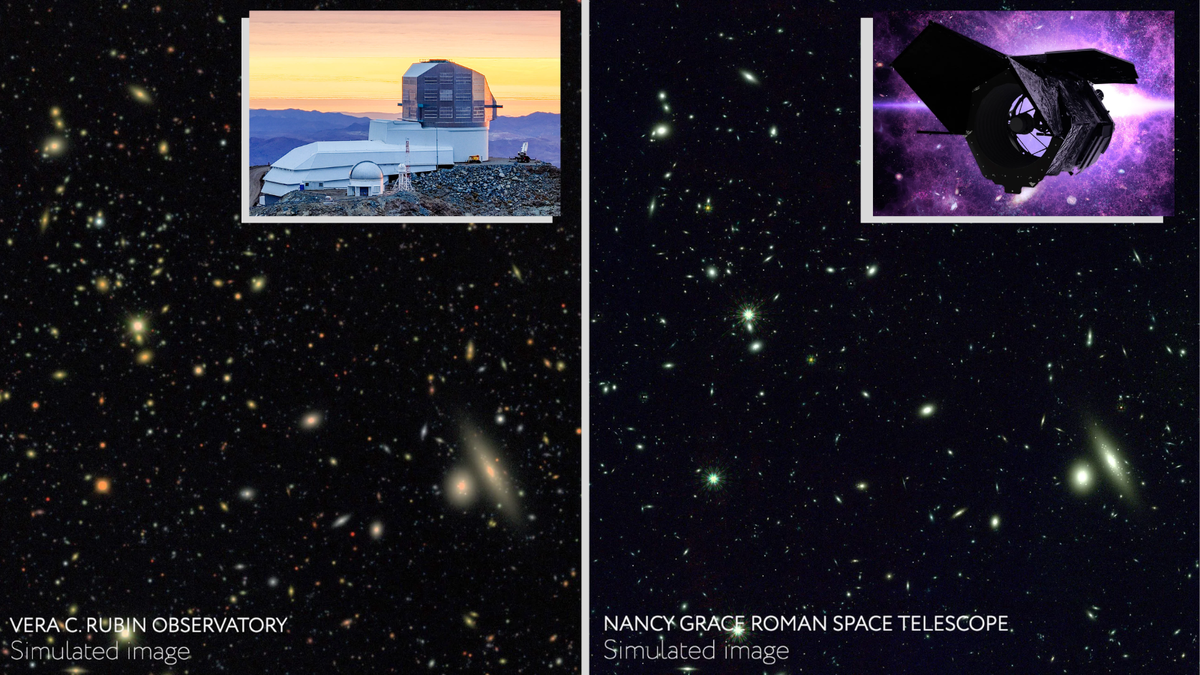
Explore the vast cosmos—its galaxies, black holes, exoplanets, dark matter, and humanity's quest to understand the unive...
View Board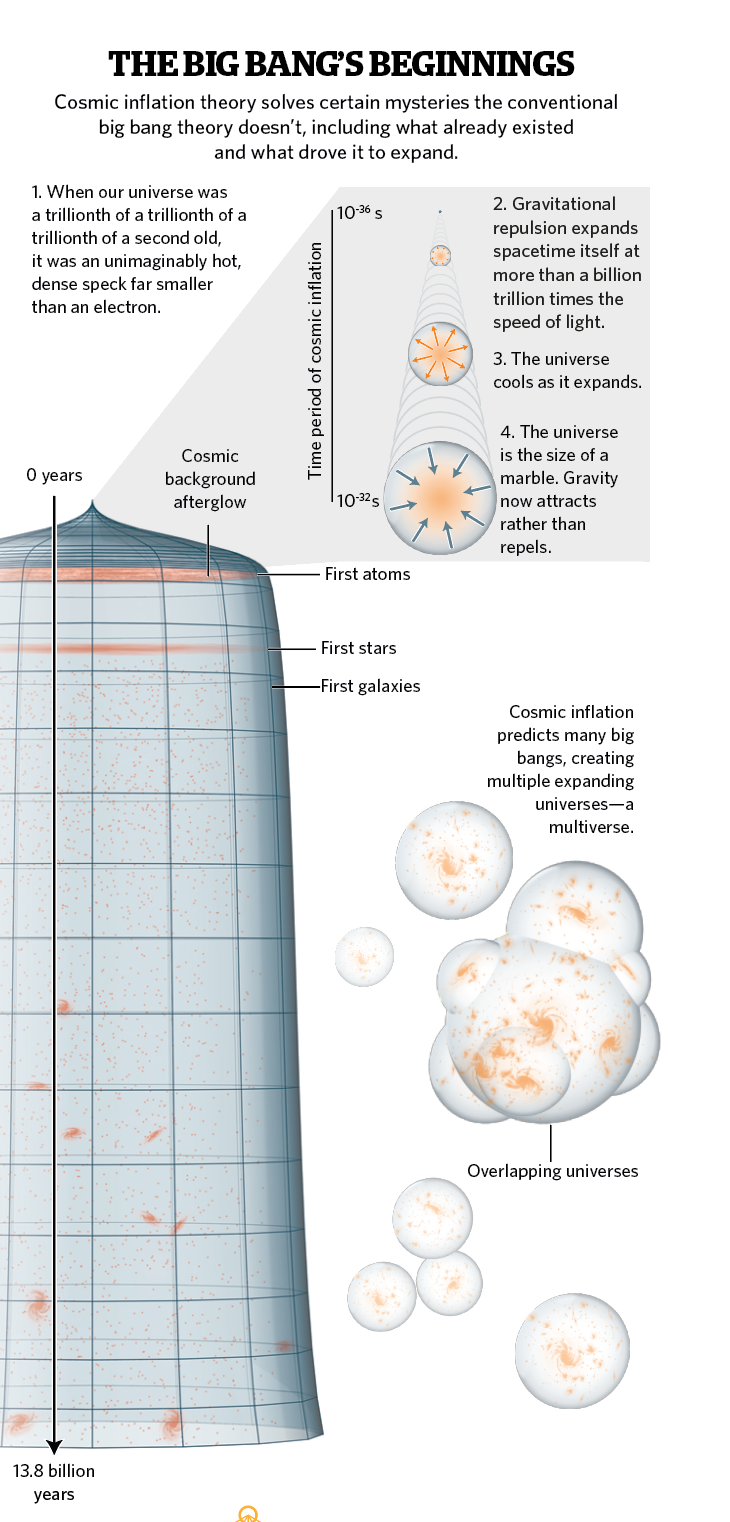
Discover how Alan Guth, a renowned physicist, revolutionized cosmology with his groundbreaking theory of cosmic inflatio...
View Board
Discover how Vera Rubin, a pioneering astronomer, uncovered dark matter and revolutionized cosmology. Explore her life, ...
View Board
George Gamow: The Unbelievable Journey of a Theoretical Physicist and Cosmologist The Enigmatic Man Behind the Cosmic B...
View Board
Discover Neil deGrasse Tyson's life and work as a renowned astrophysicist, science communicator and director of the Hayd...
View Board

Explore the remarkable legacy of Subrahmanyan Chandrasekhar, the astrophysics luminary who revolutionized our understand...
View Board
Discover how China's Tianwen II mission aims to uncover the secrets of asteroid Kamo'oalewa, potentially a lunar fragmen...
View Board
Discover the inspiring journey of Stephen Hawking in this comprehensive article. From his pioneering work on black holes...
View Board
Arthur Eddington: Pioneering Relativity and Stellar Science Arthur Stanley Eddington stands as one of the most influenti...
View Board
Unravel the mystery of Tyxo-Mprax-O-Prwtoporos-Astronomos-ths-Anagennhshs. Explore its origins, interpretations, and why...
View Board
Explore the incredible legacy of Arthur Eddington, a pioneering figure in astrophysics and cosmology, who brilliantly br...
View Board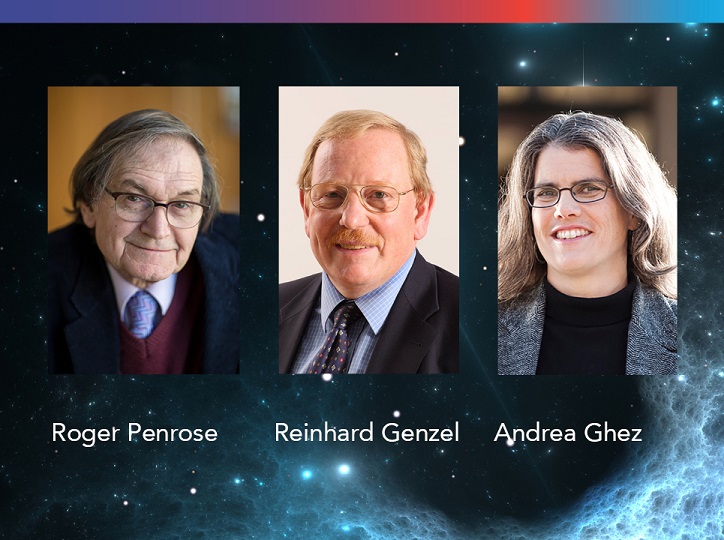
Explore Roger Penrose's groundbreaking contributions to physics, black holes, quantum consciousness, and aperiodic tilin...
View Board
Discover the dual nature of Near Earth Objects (NEOs): potential threats & scientific goldmines. Learn how we track, stu...
View Board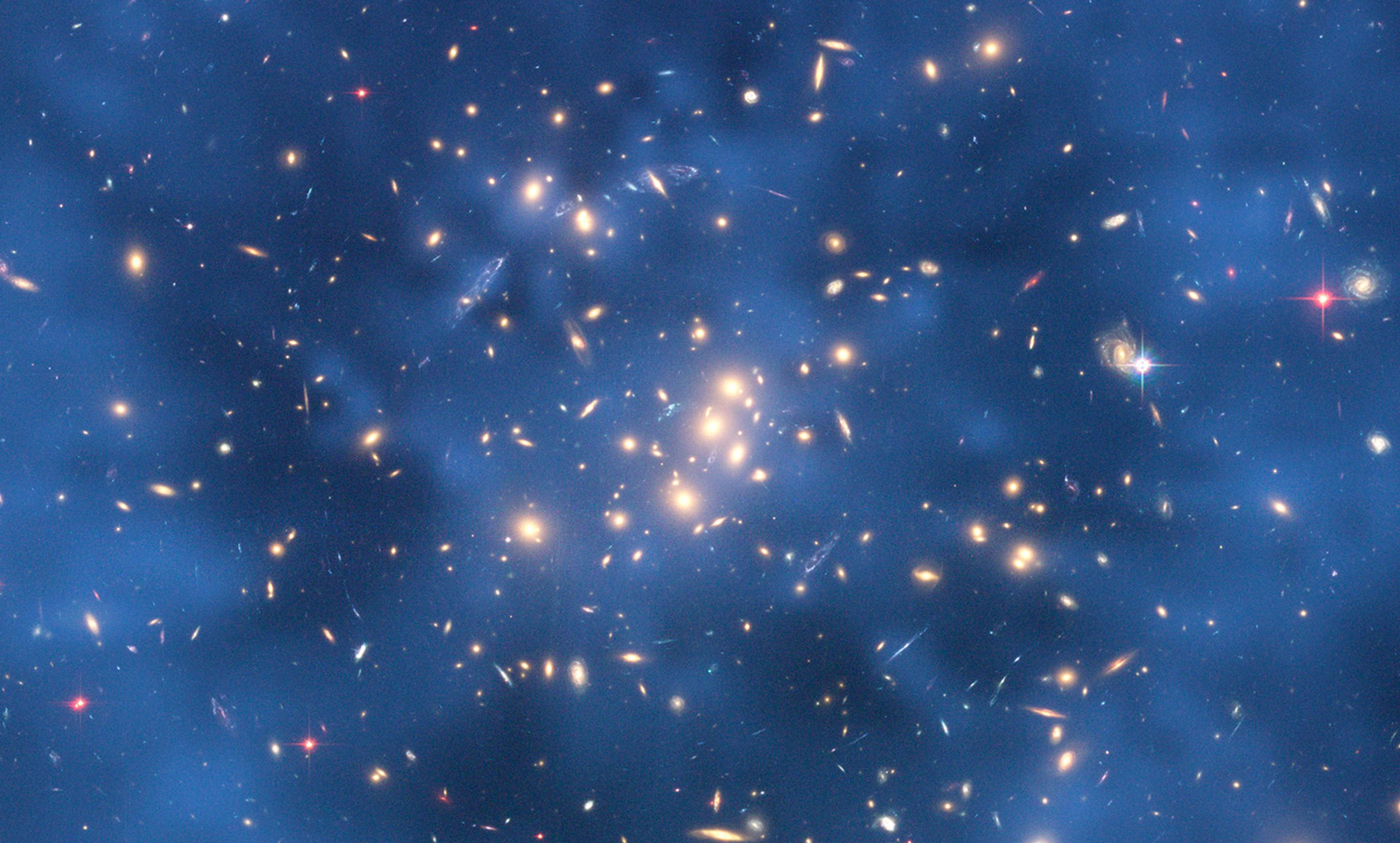
**Meta Description:** Discover Vera Rubin's groundbreaking work on dark matter, which revolutionized cosmology. Learn ...
View Board
Comments