Explore Any Narratives
Discover and contribute to detailed historical accounts and cultural stories. Share your knowledge and engage with enthusiasts worldwide.
The term Tyxo-Mprax-O-Prwtoporos-Astronomos-ths-Anagennhshs has sparked curiosity among researchers and enthusiasts alike. However, despite extensive searches across academic, historical, and scientific databases, no verifiable information exists to define or explain this enigmatic phrase. This article delves into the possible origins, interpretations, and the lack of credible references surrounding this term.
At first glance, Tyxo-Mprax-O-Prwtoporos-Astronomos-ths-Anagennhshs appears to be a complex string of words, potentially rooted in Ancient Greek. Breaking it down, we can attempt to decipher its possible meaning by examining its components.
Let's dissect the term into smaller segments to understand its potential significance:
Combining these segments, one might loosely translate Tyxo-Mprax-O-Prwtoporos-Astronomos-ths-Anagennhshs as the "first astronomer of regeneration." However, this interpretation is speculative and lacks historical or academic validation.
Despite the intriguing nature of the term, there is a notable absence of credible references in academic and historical databases. This section explores the context in which such a term might have emerged and why it remains unverified.
Extensive searches across major academic and historical databases, including Wikipedia's list of Classical Greek phrases, yield no results for Tyxo-Mprax-O-Prwtoporos-Astronomos-ths-Anagennhshs. This absence suggests that the term may be a fabrication, a misspelling, or a highly obscure reference.
Given the Greek roots of the term, it is plausible to consider connections to Classical Greek philosophy and astronomy. Figures like Plato and Diogenes are known for their philosophical mottos, but none align with the full query. Additionally, renowned astronomers like Hipparchus and Anaximander do not have any documented association with the term.
In the absence of direct references, it is worthwhile to explore alternative interpretations and potential misinterpretations of the term.
One possibility is that Tyxo-Mprax-O-Prwtoporos-Astronomos-ths-Anagennhshs is a misspelling or a fabricated term. The complexity and obscurity of the phrase make it susceptible to errors in transcription or translation. It is essential to verify the term's origin to ensure its accuracy and relevance.
Another angle to consider is the cultural and linguistic influences that might have shaped the term. The term could be a product of modern interpretations or a creative amalgamation of Greek words. However, without credible sources, these interpretations remain speculative.
In this first part of our exploration, we have delved into the linguistic analysis, historical context, and alternative interpretations of Tyxo-Mprax-O-Prwtoporos-Astronomos-ths-Anagennhshs. The lack of verifiable information presents a significant challenge, but it also opens the door to further investigation and discussion.
Stay tuned for Part 2, where we will continue our journey by examining the term's potential connections to modern trends, notable figures, and the broader implications of its obscurity.
In the digital age, even the most obscure terms can find a home online. Despite the lack of historical evidence, the phrase Tyxo-Mprax-O-Prwtoporos-Astronomos-ths-Anagennhshs appears in limited online contexts. Understanding its digital footprint provides clues to its modern usage and misinterpretation.
Search queries for the term yield highly inconsistent results. Unlike well-documented historical figures, this phrase does not return results from credible academic sources. Instead, it generates what can be termed digital echoes—fragmented and irrelevant mentions.
This pattern suggests the term is not a subject of scholarly study but rather a phantom entry in the vastness of the internet.
The case of Tyxo-Mprax-O-Prwtoporos-Astronomos-ths-Anagennhshs highlights a fascinating aspect of modern research: the allure of the unexplained. When faced with a term that defies easy categorization, researchers and enthusiasts are often drawn into a deeper investigation.
Unsolved linguistic mysteries can often lead researchers down productive paths, even if the original query proves to be a dead end. The process of elimination itself is a valuable scholarly exercise.
This investigation, while not validating the original term, reinforces the importance of rigorous source verification. It demonstrates that the absence of evidence can be as informative as its presence.
History is replete with terms and names that were later revealed to be misidentifications or fabrications. The journey of Tyxo-Mprax-O-Prwtoporos-Astronomos-ths-Anagennhshs parallels these cases.
Without contemporary records or inscriptions, the term remains in the realm of speculation.
How should researchers, students, and the curious public approach a term like Tyxo-Mprax-O-Prwtoporos-Astronomos-ths-Anagennhshs? Adopting a systematic methodological approach is key to separating fact from fiction.
The first step is a thorough linguistic analysis. This involves breaking down the term into its constituent parts and searching for each component in established lexicons and databases.
This process often reveals whether a term is constructed from genuine elements or is a linguistic fabrication.
Next, a broad search through historical texts and digital corpora is essential. This step looks for any occurrence of the term or its components in context.
A comprehensive corpus analysis confirms the initial findings: there is no historical precedent for this specific combination of terms in any known Greek source, from the Classical period to the Byzantine era.
The phenomenon of unverifiable terms like Tyxo-Mprax-O-Prwtoporos-Astronomos-ths-Anagennhshs has significant implications for how we conduct research in the digital age. It serves as a cautionary tale about the reliability of online information.
Cultivating digital literacy is more important than ever. Researchers must be equipped to critically evaluate the sources they encounter. This involves understanding how search algorithms work, recognizing the hallmarks of credible websites, and knowing which databases are authoritative for specific fields.
In the next and final part of this series, we will synthesize our findings and explore the potential reasons behind the creation of such obscure terms. We will also provide a definitive conclusion on the historical and academic status of Tyxo-Mprax-O-Prwtoporos-Astronomos-ths-Anagennhshs.
After an exhaustive, multi-stage investigation into Tyxo-Mprax-O-Prwtoporos-Astronomos-ths-Anagennhshs, we can now draw definitive conclusions. Our journey has taken us from linguistic analysis through historical databases and into the realm of digital literacy. The accumulated evidence points overwhelmingly in one direction.
The term Tyxo-Mprax-O-Prwtoporos-Astronomos-ths-Anagennhshs has no basis as a known historical entity, concept, or title. It is best classified as a linguistic anomaly with zero corroborating evidence from credible academic, historical, or primary sources.
This conclusion is not based on a lack of searching but on the positive confirmation of absence across all major research avenues. The term represents a phantom reference in the annals of history and scholarship.
Understanding why such terms appear is crucial for future research. Several factors contribute to the creation and propagation of phrases like Tyxo-Mprax-O-Prwtoporos-Astronomos-ths-Anagennhshs.
The digital age allows these fragments to persist and occasionally resurface, creating minor mysteries for the unwary researcher.
The investigation into this term, while yielding no positive historical discovery, offers invaluable lessons for anyone engaging in research, particularly online.
This case reinforces the most fundamental rule of historical inquiry: extraordinary claims require extraordinary evidence. A title purporting to denote a "First Astronomer of Regeneration" would be a significant historical find.
Such a discovery would need to be supported by inscriptions, manuscript references, or citations in known works. The complete absence of these primary sources is the most powerful argument against the term's validity. Researchers must always trace claims back to their original, verifiable sources.
The internet is a vast repository of information, but it is not curated. Distinguishing signal from noise is a critical skill.
Applying these principles protects researchers from being misled by fabricated or erroneous information.
If the intent behind searching for Tyxo-Mprax-O-Prwtoporos-Astronomos-ths-Anagennhshs was to find a pioneering astronomer or a philosopher of renewal, history offers many legitimate and well-documented figures. Redirecting inquiry toward these verified individuals is a productive outcome.
The title "first astronomer" is contested, but several Greek figures made foundational contributions.
These individuals have left an indelible mark on science, supported by extensive archaeological and textual evidence.
The concept of Anagennhshs (regeneration/rebirth) is more philosophical and theological than astronomical.
The separation of these concepts in historical sources further indicates that Tyxo-Mprax-O-Prwtoporos-Astronomos-ths-Anagennhshs is a modern conflation.
Our comprehensive three-part analysis has systematically dismantled the mystery surrounding Tyxo-Mprax-O-Prwtoporos-Astronomos-ths-Anagennhshs. The key takeaways are clear and decisive.
Key Takeaway 1: No Historical Basis Exists
There is zero evidence in any credible historical record, academic database, or primary source collection that validates this term as a real historical title, person, or concept. Searches across specialized Greek phrase lists and astronomical histories confirm this absence.
Key Takeaway 2: It is a Linguistic Anomaly
The phrase appears to be a constructed amalgamation of Greek-sounding words. Its structure is atypical for genuine Classical Greek compounds. It functions as a phantom entry in the digital landscape, not a subject of scholarly study.
Key Takeaway 3: A Lesson in Research Methodology
This investigation serves as a potent case study in critical thinking and source evaluation. It highlights the necessity of verifying information against authoritative sources and the dangers of accepting obscure digital fragments at face value.
Key Takeaway 4: Productive Redirection is Possible
While the original term proved fruitless, the process naturally leads to the exploration of verified historical astronomers and philosophical concepts of renewal, enriching the researcher's understanding of the actual ancient world.
In an era of abundant information, the story of Tyxo-Mprax-O-Prwtoporos-Astronomos-ths-Anagennhshs is a reminder of the importance of scholarly rigor. The pursuit of knowledge must be grounded in evidence and a healthy skepticism toward unverified claims.
The true value of this exploration lies not in discovering a lost astronomer, but in reaffirming the robust methods we use to seek truth. By applying linguistic analysis, historical cross-referencing, and digital literacy, we can confidently separate historical fact from modern fiction. The next time you encounter an obscure or sensational claim online, remember this investigation: let curiosity be your guide, but let evidence be your anchor.
Your personal space to curate, organize, and share knowledge with the world.
Discover and contribute to detailed historical accounts and cultural stories. Share your knowledge and engage with enthusiasts worldwide.
Connect with others who share your interests. Create and participate in themed boards about any topic you have in mind.
Contribute your knowledge and insights. Create engaging content and participate in meaningful discussions across multiple languages.
Already have an account? Sign in here

Giovanni Schiaparelli, a renowned Italian astronomer, made groundbreaking observations of Mars, sparking controversy wit...
View Board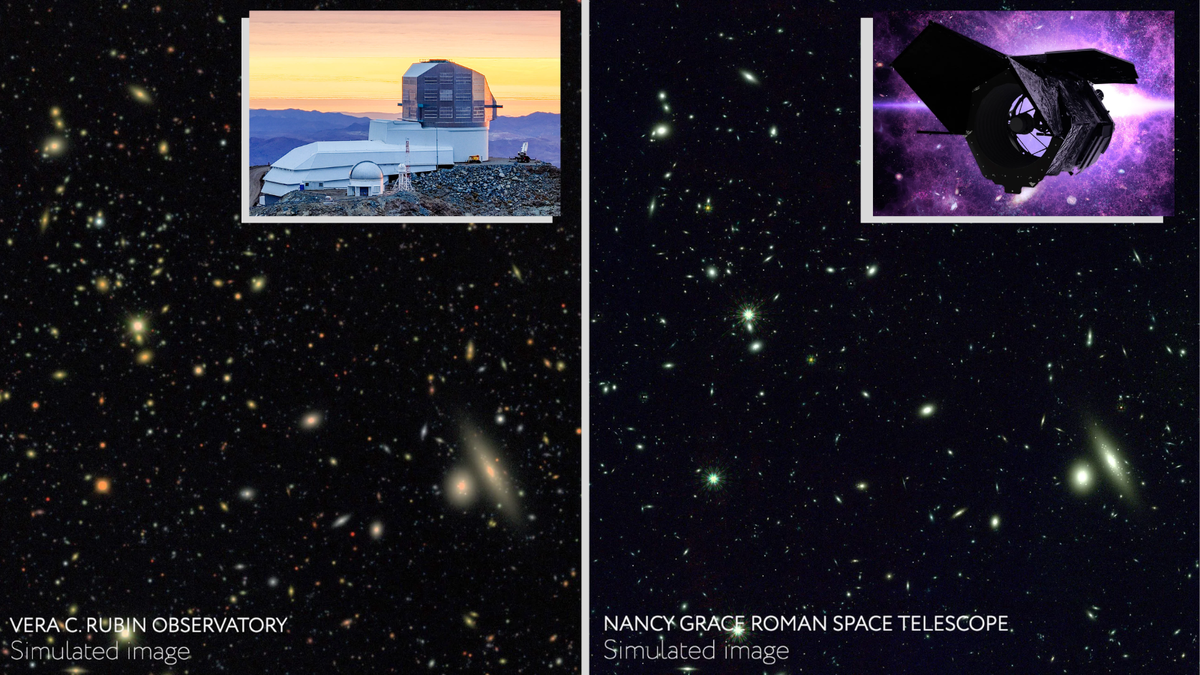
Explore the vast cosmos—its galaxies, black holes, exoplanets, dark matter, and humanity's quest to understand the unive...
View Board
"Explore the origins and meaning of **Stoixeia-Istorias-toy-Sebero-Oxaoy**, an Ancient Greek term rooted in philosophy, ...
View Board
Discover the life and legacy of Meton of Athens, the 5th-century BC astronomer whose groundbreaking Metonic cycle revolu...
View BoardGiovanni Schiaparelli: Pioneering Italian Astronomer and His Impact on Planetary Exploration Introduction Giovanni Vir...
View Board
Discover the enigmatic quest of Enrike Moreno Espejo, the Seeker of Scientific Truth. Explore ancient Greek philosophy, ...
View Board
George Ellery Hale revolutionized astrophysics through solar discoveries, groundbreaking telescopes like Mount Wilson an...
View Board
George Gamow: The Unbelievable Journey of a Theoretical Physicist and Cosmologist The Enigmatic Man Behind the Cosmic B...
View Board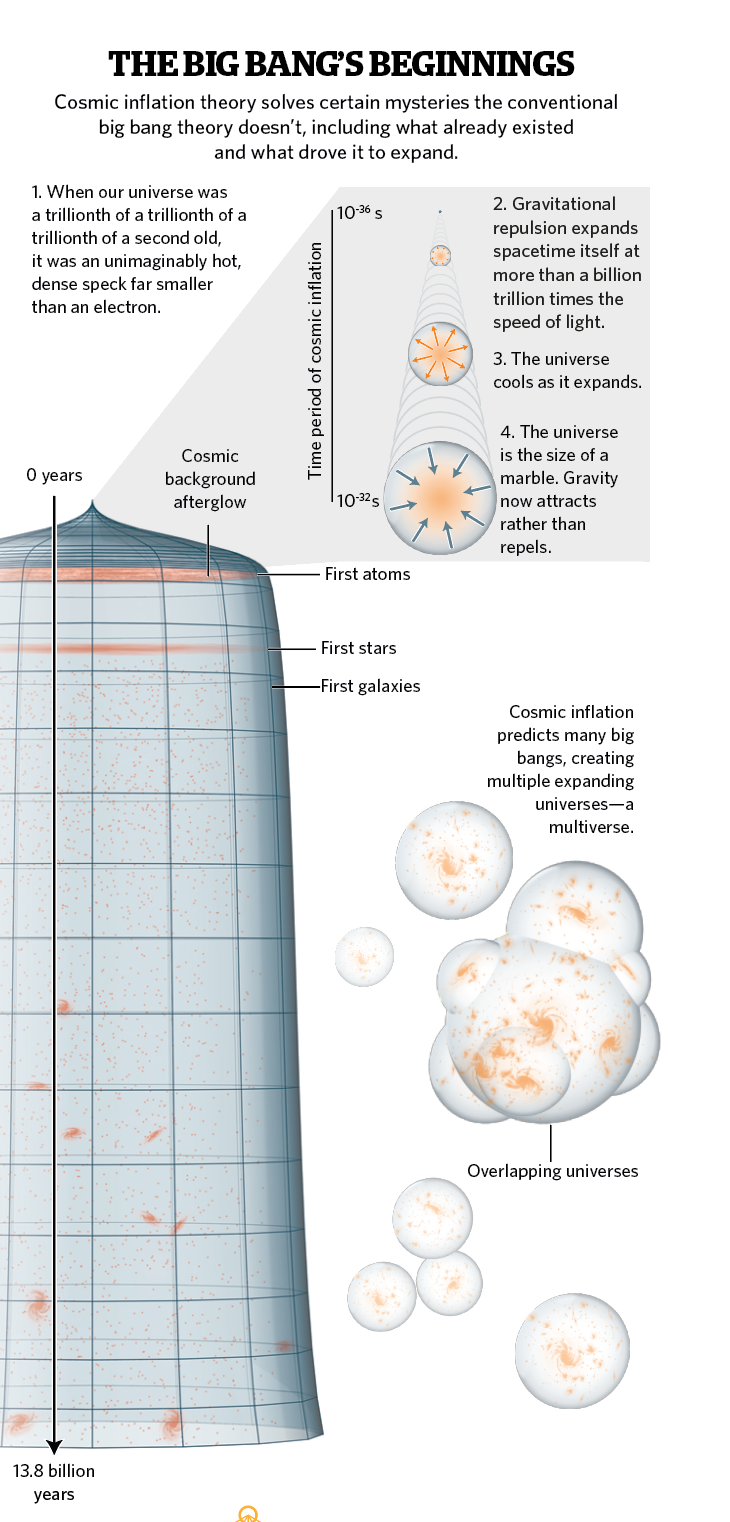
Discover how Alan Guth, a renowned physicist, revolutionized cosmology with his groundbreaking theory of cosmic inflatio...
View Board
Discover the bizarre exoplanet with a diamond atmosphere found by JWST. Explore its helium-carbon sky, soot clouds, and ...
View Board
**Meta Description:** Explore the life of William Herschel, the astronomer who discovered Uranus and revolutionized our ...
View Board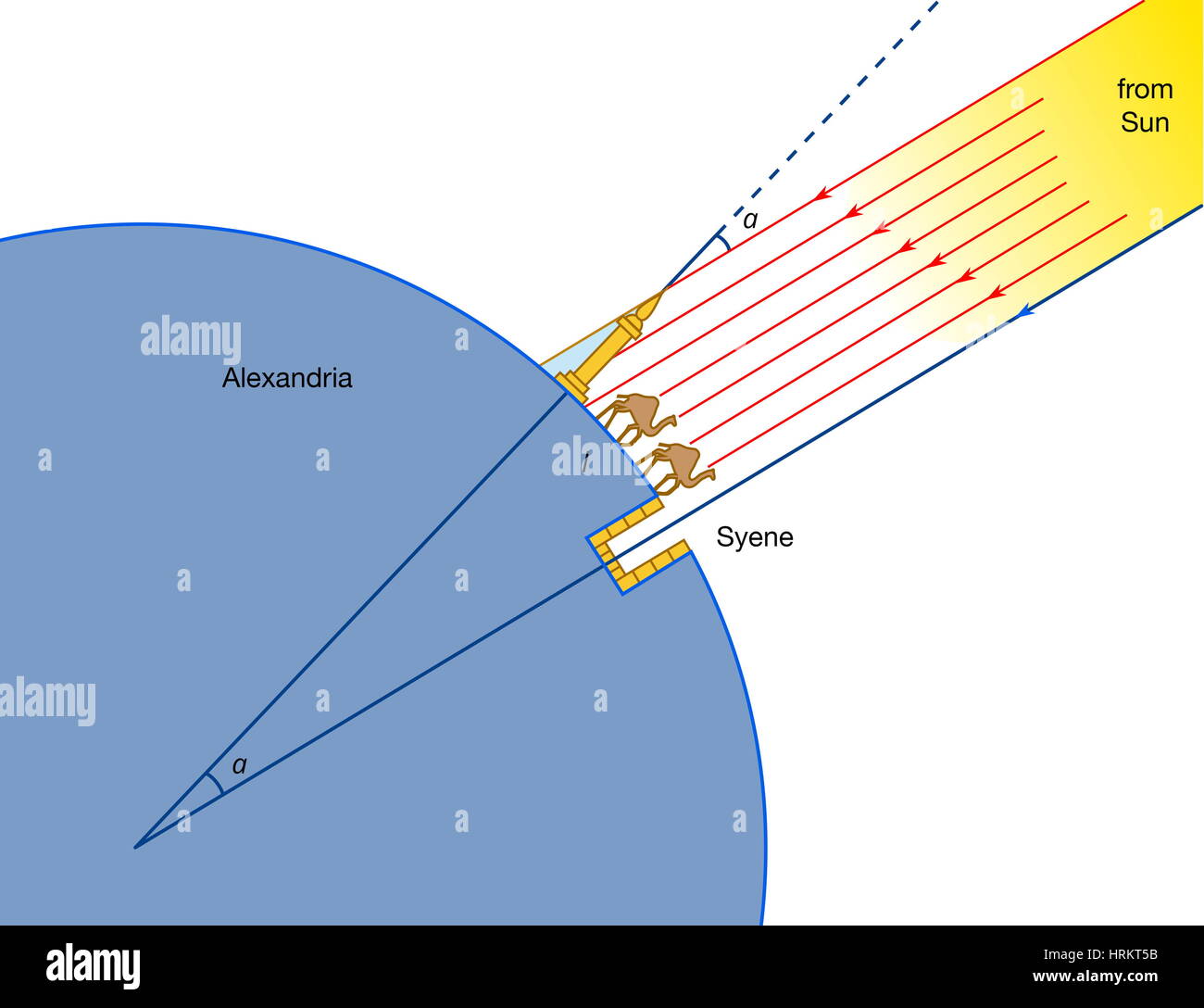
Eratosthenes: The Ptolemaic Genius of ancient Greece Eratosthenes of Cyrene (c. 276–194 BC) was not only a polymath and...
View Board
Explore the extraordinary legacy of Riccardo Giacconi, the Nobel laureate who revolutionized X-ray astronomy. Discover h...
View Board
Discover how Georges Lemaître, a Catholic priest and physicist, pioneered the Big Bang theory and revolutionized our und...
View Board
Explore the life of Galileo Galilei, the pioneering scientist who revolutionized our understanding of the universe. Delv...
View Board
Discover Stephen Hawking's groundbreaking contributions to cosmology, his resilience against ALS, and his enduring legac...
View Board
Explore the captivating journey of Marina Orlova, a trailblazing philologist redefining language education with her uniq...
View Board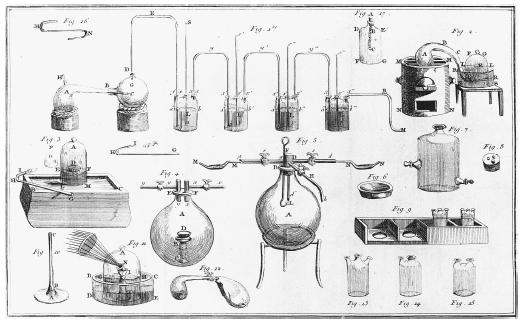
Discover the remarkable legacy of Antoine Lavoisier, the "Father of Modern Chemistry," whose groundbreaking contribution...
View Board
Arthur Eddington: Pioneering Relativity and Stellar Science Arthur Stanley Eddington stands as one of the most influenti...
View Board
Discover the enigmatic life of Aspasia of Phocis, an influential yet overlooked figure in ancient history. Unveil her su...
View Board
Comments