Explore Any Narratives
Discover and contribute to detailed historical accounts and cultural stories. Share your knowledge and engage with enthusiasts worldwide.
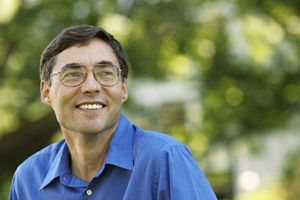
Carl Wieman is a name synonymous with groundbreaking contributions to both physics and science education. A Nobel laureate in Physics, Wieman’s work has not only advanced our understanding of quantum mechanics but also revolutionized how science is taught in classrooms worldwide. His journey from a curious young physicist to a globally acclaimed educator is a testament to his relentless pursuit of knowledge and dedication to improving science literacy. This article explores Wieman’s early life, his pivotal discoveries in physics, and his transformative impact on education.
Born on March 26, 1951, in Corvallis, Oregon, Carl Edwin Wieman displayed an early fascination with the natural world. His parents, both educators, nurtured his curiosity, fostering a love for learning that would shape his future. Wieman attended Massachusetts Institute of Technology (MIT), where he earned his bachelor’s degree in 1973. He then pursued his PhD at Stanford University, completing it in 1977 under the supervision of renowned physicist Theodor Hänsch.
Wieman’s graduate research focused on precision measurements in atomic physics, a field that would later become central to his Nobel Prize-winning work. After earning his doctorate, Wieman held positions at the University of Michigan and the University of Colorado Boulder, where he would make some of his most significant scientific breakthroughs.
Carl Wieman’s most celebrated contribution to physics came in 1995 when he, along with Eric Cornell and Wolfgang Ketterle, successfully created a Bose-Einstein condensate (BEC) in a laboratory. This achievement confirmed a prediction made by Albert Einstein and Satyendra Nath Bose in the 1920s, demonstrating that at extremely low temperatures, atoms could coalesce into a single quantum state, behaving as a "superatom."
The creation of BEC was a monumental feat that opened new frontiers in quantum physics. It allowed scientists to study quantum phenomena on a macroscopic scale, offering insights into superfluidity, superconductivity, and quantum computing. For this pioneering work, Wieman, Cornell, and Ketterle were awarded the Nobel Prize in Physics in 2001.
While Wieman’s accomplishments in physics earned him global recognition, his passion for teaching and education soon took center stage in his career. Frustrated by the traditional, lecture-based methods of science instruction, Wieman began advocating for evidence-based teaching strategies that actively engage students in the learning process.
Wieman’s research revealed that passive lectures were ineffective in fostering deep understanding and retention of scientific concepts. Instead, he championed interactive methods such as peer instruction, collaborative problem-solving, and the use of technology to enhance learning. His work in education was not merely theoretical—he implemented these techniques in his own classrooms, demonstrating measurable improvements in student performance.
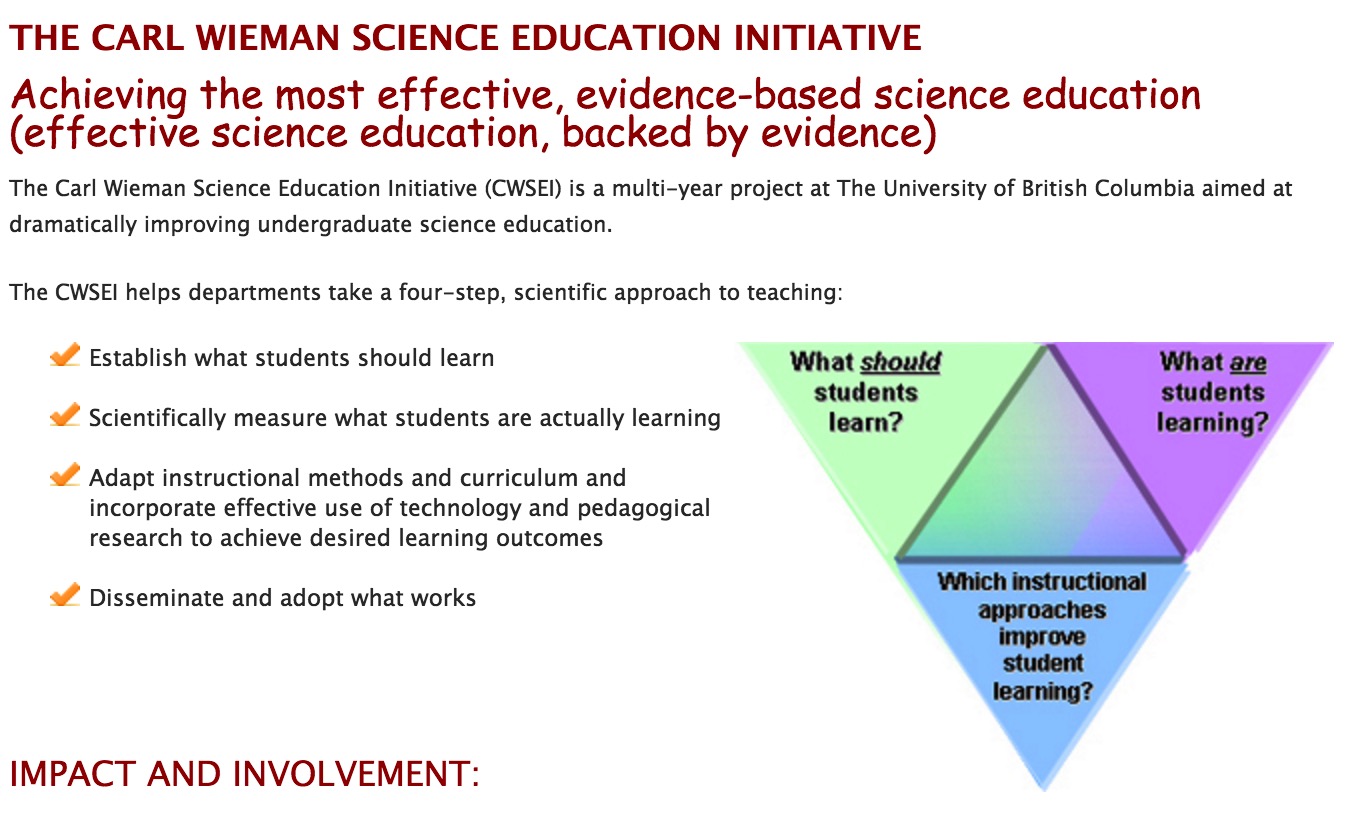
Wieman’s commitment to improving science education led him to establish the Science Education Initiative (SEI) at the University of Colorado Boulder and later at the University of British Columbia. The SEI aimed to transform undergraduate science courses by integrating research-backed teaching practices and assessing their impact on student learning.
The initiative proved highly successful, with participating departments reporting significant gains in student engagement, comprehension, and retention. Wieman’s approach emphasized the importance of treating teaching as a scholarly activity, where educators continuously evaluate and refine their methods based on data and evidence.
Carl Wieman’s influence extends far beyond his Nobel Prize. He has received numerous accolades for his contributions to both physics and education, including the National Science Foundation’s Distinguished Teaching Scholar Award and the Carnegie Foundation’s Professor of the Year designation.
In 2007, Wieman was appointed as the Associate Director for Science in the White House Office of Science and Technology Policy, where he advised on federal STEM education policies. Later, he joined Stanford University as a professor of physics and education, continuing his mission to bridge the gap between scientific research and effective teaching.
Carl Wieman’s legacy is a rare blend of groundbreaking scientific discovery and transformative educational reform. From his Nobel Prize-winning work on Bose-Einstein condensates to his relentless advocacy for evidence-based teaching, Wieman has left an indelible mark on both academia and society. In the next part of this article, we will delve deeper into his educational philosophies, the widespread adoption of his methods, and his ongoing efforts to shape the future of science education.
Carl Wieman’s transition from an acclaimed physicist to a leader in education reform was driven by his frustration with conventional teaching models. He observed that most science courses relied heavily on passive lectures, where students memorized facts without truly understanding the underlying concepts. Wieman argued that this approach failed to prepare students for real-world scientific reasoning, leading to high attrition rates in STEM fields.
Through extensive research, Wieman demonstrated that interactive engagement techniques significantly improved learning outcomes. He found that methods such as clicker questions, small-group discussions, and problem-solving exercises helped students develop critical thinking skills. His studies showed that these approaches doubled or even tripled learning gains compared to traditional lectures.
Central to Wieman’s educational philosophy is the concept of active learning, where students participate in the learning process rather than passively consuming information. He emphasized that effective teaching should mirror the scientific method—encouraging curiosity, experimentation, and reflection.
Wieman’s research highlighted several key components of successful science education:
Wieman’s advocacy for active learning has had a ripple effect across universities and institutions worldwide. His Science Education Initiative (SEI) became a blueprint for transforming undergraduate STEM programs. Departments that adopted SEI strategies reported not only better student performance but also increased enthusiasm for science.
One notable example is the University of British Columbia, where Wieman’s reforms led to a dramatic reduction in failure rates in introductory physics courses. Similar successes were replicated at other institutions, proving that evidence-based teaching could scale beyond individual classrooms.
Recognizing the potential of technology to enhance education, Wieman pioneered the use of digital simulations and virtual labs. These tools allowed students to explore complex concepts—such as quantum mechanics or thermodynamics—in an interactive, risk-free environment.
One of his most influential contributions was the development of the PhET Interactive Simulations project at the University of Colorado. These free, web-based simulations engage learners through intuitive, game-like interfaces while maintaining rigorous scientific accuracy. Today, PhET simulations are used by millions of students and teachers globally, democratizing access to high-quality science education.
Wieman has consistently emphasized the need to make science education inclusive and accessible. His research revealed that underrepresented groups, including women and minorities, often face systemic barriers in traditional STEM classrooms. By emphasizing collaborative learning and reducing competitive grading structures, Wieman’s methods have helped narrow achievement gaps.
For instance, studies showed that active learning disproportionately benefited students from disadvantaged backgrounds. Wieman argued that improving teaching wasn’t just about better pedagogy—it was a matter of social justice, ensuring all students had the opportunity to excel in science.
During his tenure as Associate Director at the White House Office of Science and Technology Policy (2009–2012), Wieman shaped federal STEM education policies. He pushed for funding initiatives that supported innovative teaching practices and educational research, influencing programs like the National Science Foundation’s (NSF) WIDER and IUSE grants.
Wieman also advocated for institutional incentives to reward effective teaching, arguing that universities should value education as highly as research. His efforts led to policy shifts at multiple institutions, where promotion and tenure criteria began incorporating teaching excellence alongside scholarly publications.
After joining Stanford University in 2013, Wieman launched another iteration of his Science Education Initiative, focusing on scaling evidence-based teaching in large enrollment courses. His team worked with faculty across disciplines—from biology to engineering—to redesign curricula and assess learning outcomes.
One standout result was in introductory chemistry courses, where adopting active learning strategies reduced the achievement gap between high- and low-performing students by 50%. Such successes cemented Wieman’s reputation as a catalyst for systemic change in higher education.
Even in the latter stages of his career, Wieman remains an active researcher and mentor. His current projects explore the cognitive science of learning, investigating how students develop expertise in scientific reasoning. He continues to publish influential papers and guide younger educators in implementing effective teaching strategies.
Wieman envisions a future where science education is universally student-centered, evidence-driven, and equitable. He stresses the urgency of reforming outdated teaching systems to prepare the next generation for global challenges—from climate change to public health crises.
Carl Wieman’s impact on education is as profound as his contributions to physics. By bridging the gap between research and classroom practice, he has reshaped how science is taught and learned. In the final installment of this article, we’ll explore his personal reflections, critiques of current academia, and the enduring influence of his work on future generations.
In interviews and writings, Carl Wieman often reflects on what drew him to education reform. Despite his monumental achievements in physics, he describes his work in teaching as equally—if not more—impactful. He emphasizes that scientific literacy is not just for future researchers but is essential for informed citizenship in an increasingly technology-driven world.
Wieman admits that changing entrenched academic systems has been challenging. Traditional lectures persist in many institutions due to habit, institutional inertia, or misconceptions that prestigious researchers cannot also be gifted teachers. However, he remains optimistic, pointing to the growing body of data proving that active learning outperforms passive instruction.
Wieman has been vocal about systemic flaws in higher education that hinder effective teaching. One major issue he highlights is the misalignment of incentives. Universities often prioritize grant funding and publications over teaching quality, leaving faculty with little motivation to innovate in the classroom.
He also critiques standardized testing and rigid curricula, arguing they stifle curiosity. "Science isn’t about memorizing formulas," Wieman asserts. "It’s about asking questions, making mistakes, and iterating—the same way actual scientists work." His advocacy has spurred discussions on redefining metrics for success in STEM education, shifting focus from exam scores to problem-solving competencies.
From Sweden to Singapore, educators have adapted Wieman’s active learning principles to diverse cultural and institutional contexts. For example:
Not all implementations have been smooth. Some faculty resist abandoning lectures, fearing reduced content coverage or increased workload. Wieman addresses these concerns pragmatically: "You don’t have to overhaul everything at once. Start small—add a think-pair-share exercise or a weekly conceptual quiz." His team provides open-access toolkits to ease the transition, emphasizing iterative improvement.
Recognizing that effective teaching requires training, Wieman has championed programs to equip instructors with evidence-based strategies. At Stanford, he launched workshops where faculty practice techniques like:
A unique aspect of Wieman’s initiatives is their focus on mentoring future educators. Many graduate students involved in SEI programs later became faculty leaders in pedagogy. "They’re the multipliers," Wieman notes. "They’ll carry these methods into their careers, influencing thousands more students."
The COVID-19 pandemic exposed weaknesses in traditional education systems but also accelerated innovation. Wieman argues that hybrid and online learning, when designed well, can enhance accessibility. He cautions, however, against merely replicating lectures via Zoom: "Technology should enable active learning, not digitize passivity."
Wieman sees science education as a bulwark against misinformation. By teaching students how to evaluate evidence and think critically, educators can empower them to discern credible sources—whether about vaccines, climate change, or artificial intelligence. His recent projects include designing curricula that integrate media literacy with core scientific concepts.
While the Nobel Prize remains his most famous accolade, Wieman’s educational work has earned widespread acclaim:
Wieman actively communicates science to broader audiences. His TED Talks and public lectures demystify topics like quantum physics and the science of learning, embodying his belief that "good teaching is about making the complex understandable, not oversimplifying it."
Young educators inspired by Wieman’s work are now leading their own revolutions. For example, Dr. Stephanie Chasteen (a former Wieman collaborator) developed advocacy training to help faculty implement active learning. Meanwhile, institutions like Harvard and MIT have established centers for teaching excellence modeled on Wieman’s initiatives.
Though significant progress has been made, Wieman acknowledges that systemic change takes time. His ideals—data-driven teaching, equitable access, and classrooms that mirror scientific inquiry—remain aspirational for many institutions. Yet, the growing global community of educator-reformers signals a tipping point.
Wieman’s parting wisdom is characteristically pragmatic:
Carl Wieman’s journey from quantum physicist to education revolutionary underscores a profound truth: advancing human knowledge isn’t just about discovery—it’s about sharing that knowledge effectively. His relentless advocacy for evidence-based teaching has shifted paradigms, proving that how we teach is as vital as what we teach. As the challenges facing society grow ever more complex, Wieman’s legacy ensures that future generations will be equipped not just to meet them, but to question, innovate, and lead.
In the words of a former student: "He didn’t just teach us physics. He taught us how to think—and that changed everything."




Your personal space to curate, organize, and share knowledge with the world.
Discover and contribute to detailed historical accounts and cultural stories. Share your knowledge and engage with enthusiasts worldwide.
Connect with others who share your interests. Create and participate in themed boards about any topic you have in mind.
Contribute your knowledge and insights. Create engaging content and participate in meaningful discussions across multiple languages.
Already have an account? Sign in here

Descubre cómo Carl Wieman, premio Nobel de Física, revolucionó la educación científica. De atrapar átomos a transformar ...
View Board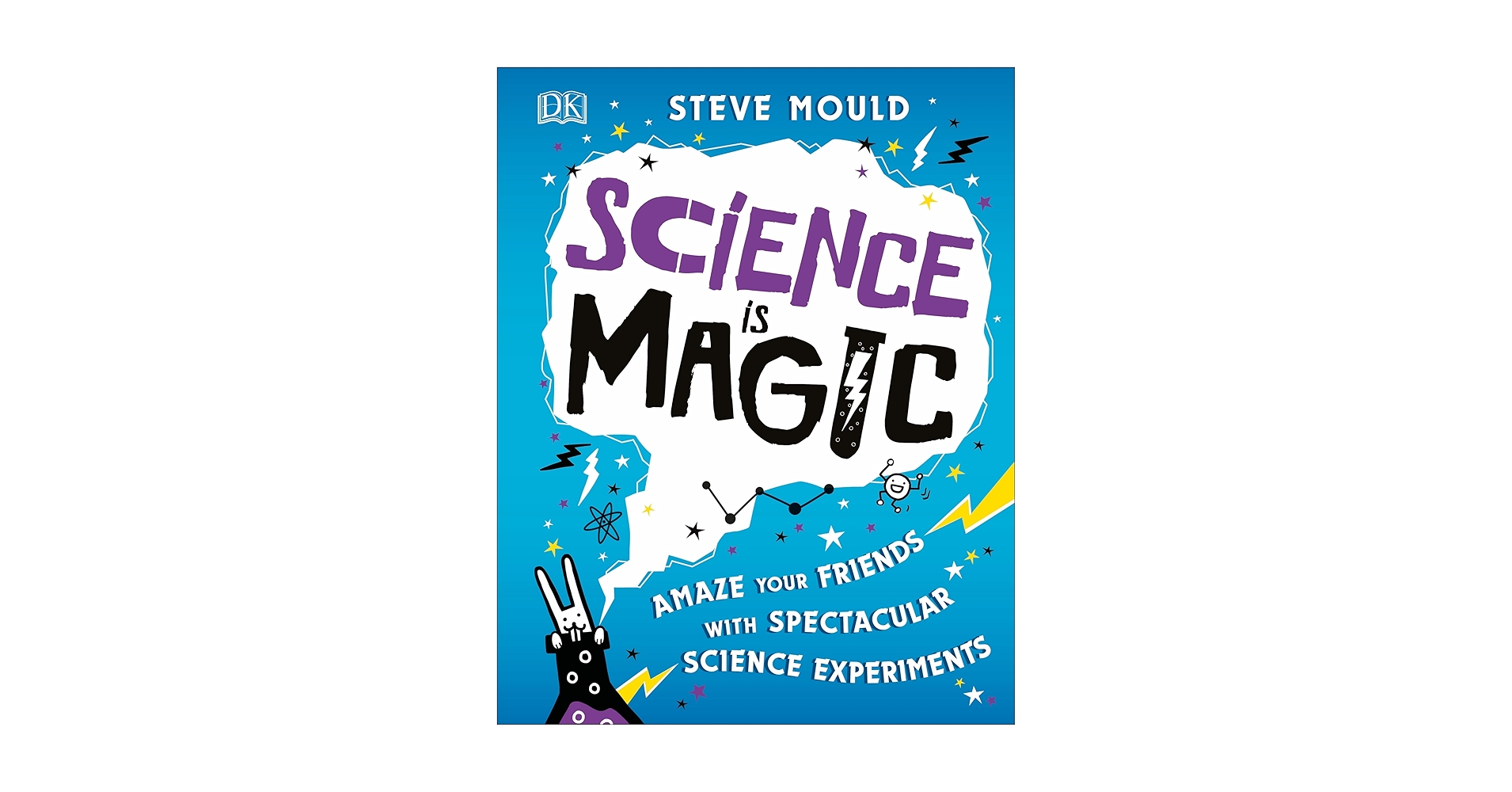
Steve Mould is a renowned science educator and communicator known for innovative teaching methods and passion for making...
View Board
Explore the monumental legacy of Ernest Rutherford, the father of nuclear physics, in our insightful article. Delve into...
View Board
Discover the intriguing life of Léon Foucault, the pioneering French physicist who elegantly demonstrated the Earth's ro...
View Board
Mae Jemison: A Pioneering Astronaut and Champion of STEM Education The world was awe-struck when Mae Jemison became the...
View Board
Max Born was a renowned theoretical physicist and Nobel laureate known for his statistical interpretation of quantum mec...
View Board
Galileo Galilei: The Pioneer of Science and Chronology Galileo Galilei, often hailed as the father of modern science, r...
View Board
Isaac Newton was a pioneering scientist whose laws of motion and universal gravitation revolutionized our understanding ...
View Board
Discover how Eddie Woo is revolutionizing mathematics education with his innovative teaching methods and global reach th...
View Board
Discover Arturo Miolati, a pioneer in chemistry and education who shaped modern coordination chemistry. Explore his grou...
View Board
**Meta Description:** "Explore the life and legacy of Jacques Monod, Nobel Prize-winning molecular biologist who revol...
View Board
Discover Neil deGrasse Tyson's life and work as a renowned astrophysicist, science communicator and director of the Hayd...
View Board
Émile Borel: A Pioneering Mathematician and Physicist The Early Life and Education of Émile Borel Émile Borel, born on...
View Board
George Gamow: The Unbelievable Journey of a Theoretical Physicist and Cosmologist The Enigmatic Man Behind the Cosmic B...
View Board
Jean Baptiste Joseph Delambre: A Life of Astronomical Pursuits The Early Life and Education Jean Baptiste Joseph Delam...
View Board
Discover the life of Aldo Pontremoli, a pioneering Italian physicist who founded Italy's first physics institute and joi...
View Board
**Meta Description:** Discover Derek Muller, the mastermind behind *Veritasium*, who revolutionized science communicat...
View Board
Discover Maria Mitchell, America's first female astronomer. Explore her 1847 comet discovery, impact on women in STEM, a...
View Board
Explore the journey of Michio Kaku, a luminary theoretical physicist and science communicator who makes complex scientif...
View Board
"Explore Henri Poincaré's groundbreaking work in math, physics, and philosophy, shaping modern science through chaos the...
View Board
Comments