

Explore Any Narratives
Discover and contribute to detailed historical accounts and cultural stories. Share your knowledge and engage with enthusiasts worldwide.
The story of Aldo Pontremoli is one of brilliant scientific promise and tragic mystery. A pioneering Italian theoretical physicist, he founded a groundbreaking research institute before his life was cut short during a famed polar expedition. This article explores the remarkable legacy of Aldo Pontremoli, a true visionary whose work continues to influence modern science.
Aldo Pontremoli was born on January 19, 1896, in Milan. His academic journey began at the prestigious Politecnico di Milano, but he ultimately graduated in physics from the University of Rome "La Sapienza" in 1920. This foundational period set the stage for his future contributions to Italian physics.
Pontremoli's early career was shaped by significant mentorships. He assisted the influential physicist Orso Mario Corbino in Rome. Furthermore, he had the invaluable opportunity to study at the world-renowned Cavendish Laboratory at the University of Cambridge under Ernest Rutherford. This international experience exposed him to the cutting edge of nuclear physics and experimental techniques.
His time abroad equipped him with a unique perspective, blending theoretical rigor with practical experimentation. This interdisciplinary approach would become the hallmark of his later work and leadership in Milan.
In 1924, Aldo Pontremoli achieved a major milestone by founding the Institute of Complementary Physics at the University of Milan. This was Italy's first dedicated physics institute, a visionary project that broke new ground. Pontremoli served as its director until his disappearance in 1928.
The institute was conceived around the innovative concept of "complementary physics." Pontremoli envisioned a space where fundamental research directly served practical applications. The facility was equipped for advanced work in spectroscopy and radiology.
This vision fostered unprecedented collaborations, particularly with medical and industrial partners. Key partnerships included the National Cancer Institute, showcasing an early commitment to applying physics in medical diagnostics.
Pontremoli's leadership and scientific acumen were formally recognized in 1926 when he was appointed to the chair of theoretical physics at the University of Milan. This appointment placed him among the elite physicists of his generation in Italy.
He joined a distinguished cohort that included Enrico Fermi in Rome and Enrico Persico in Florence. This period marked a golden age for Italian physics, with Pontremoli's institute in Milan serving as a crucial hub for experimental and theoretical advancement.
The founding of the Institute of Complementary Physics established a new model for scientific research in Italy, bridging the gap between abstract theory and tangible application.
Beyond the laboratory, Aldo Pontremoli was also an adventurer. In 1928, he joined Umberto Nobile's Italia airship expedition to the Arctic as the scientific lead. His mission, alongside fellow scientist František Běhounek, was to conduct precise measurements of the Earth's magnetic field and cosmic rays.
The expedition aimed to gather crucial geophysical data, contributing to the understanding of cosmic radiation and terrestrial magnetism. Tragically, the airship crashed on the Arctic ice on May 25, 1928. While some survivors were rescued, Pontremoli was among those who vanished and were presumed dead.
The crash resulted in the loss of most of the valuable scientific data he had collected. His disappearance remains one of the great tragedies in the history of scientific exploration.
Following Aldo Pontremoli's disappearance, the Institute of Complementary Physics did not fade away. Instead, it evolved under new leadership, solidifying his foundational vision. Giovanni Polvani succeeded Pontremoli as director in 1929, guiding the institute for over three decades.
Polvani oversaw its transformation into the full Institute of Physics at the University of Milan. He expanded its scope and influence, launching an applied physics degree program in 1932. This move directly extended Pontremoli's mission to link academic research with practical technology.
A key part of this evolution was the establishment of Italy's first dedicated solid-state physics research group. Led by scientists like Fausto Fumi and Renzo Fieschi, this group propelled the institute into a new era of materials science. Their work was instrumental in shaping the future direction of Italian physics.
The department fostered a culture of interdisciplinary research, mirroring Pontremoli's original ethos. It became a central hub for exploring quantum theory, relativistic physics, and their experimental applications. This period secured the institute's reputation as a national leader in physics research.
The transition from Pontremoli's Complementary Physics institute to a full department represents a direct fulfillment of his interdisciplinary vision, creating a lasting research powerhouse.
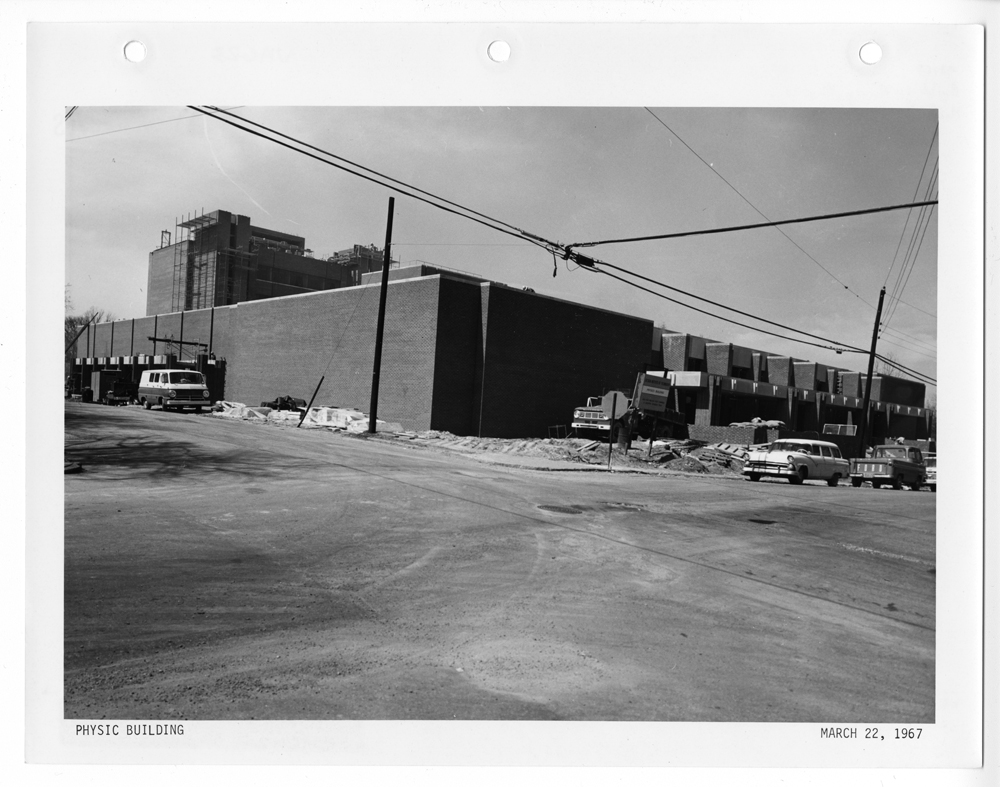
In 2017, the University of Milan made a profound and lasting tribute to its founder. The Physics Department was officially renamed the Department of Physics "Aldo Pontremoli." This act cemented his name as a permanent cornerstone of the institution's identity.
The department's historical significance received international recognition in 2021. The European Physical Society (EPS) designated it as an EPS Historic Site. This prestigious distinction was announced during the Italian Physical Society Congress, highlighting its foundational role in European science.
The EPS plaque commemorates the site's vital contributions to the development of quantum, relativistic, and experimental physics. It stands as a testament to Pontremoli's original vision and the department's century-long impact. This honor connects its storied past to its vibrant present.
Today, the Department of Physics "Aldo Pontremoli" is a dynamic and globally recognized research center. Under the leadership of Head of Department Paolo Milani, it continues to push the boundaries of modern science. The department's current focus areas powerfully reflect Pontremoli's interdisciplinary spirit.
The department is now a leader in several cutting-edge fields. These include nanotechnology, neuromorphic systems, and astrophysics. Research spans from the infinitesimally small to the cosmic scale, maintaining a strong tradition of experimental excellence.
Paolo Milani's own career exemplifies this bridge between fundamental science and application. Holding over 30 patents, he has co-founded several technology startups. These ventures translate advanced physics research into tangible products and medical solutions.
The scale of the department's contemporary influence is impressive. Current Head Paolo Milani alone has authored over 350 refereed papers and maintains an H-index of 52. His work includes more than 170 articles in astrophysics, with several major reviews.
This high level of scholarly productivity demonstrates the department's active role in the global scientific conversation. It continues to attract top talent and secure significant research funding, driving innovation in both theoretical and applied physics.
With a current head boasting an H-index of 52 and over 30 patents, the department's modern output is a living continuation of Pontremoli's applied vision.
Aldo Pontremoli's career unfolded during a complex period in Italian history. He established his institute during the Fascist era, a time of significant state-led expansion in scientific research. His work bridged pure theory and applied physics amidst this politically charged environment.
The concept of "complementary physics" was both a scientific and a pragmatic stance. It allowed the institute to pursue advanced quantum research while demonstrating immediate utility in fields like medicine and industry. This dual focus helped secure support and resources during a challenging time.
Historical analyses position Pontremoli as a key figure in Italy's scientific transition from the Fascist period to postwar reconstruction. His institute provided a stable foundation that survived political upheaval. The continuity of research from the 1920s through to the modern department is a remarkable story of scientific resilience.
His disappearance in 1928 left his work unfinished, but the structures he built proved enduring. Scholars view him as a visionary leader whose model of interdisciplinary, application-ready physics set a crucial precedent for Italian science in the 20th century.
The Italia airship expedition of 1928 was a bold venture into the Arctic, led by General Umberto Nobile. Aldo Pontremoli joined as the scientific leader, tasked with conducting critical geophysical measurements. His presence underscored the mission's serious scientific objectives beyond mere exploration.
Pontremoli's role was to work alongside Czech physicist František Běhounek. Their primary goals were to measure variations in the Earth's magnetic field and to study cosmic rays in the high Arctic latitudes. This data was expected to contribute significantly to the understanding of fundamental physical phenomena.
On May 25, 1928, the airship Italia crashed onto the pack ice north of the Svalbard archipelago. While a portion of the crew survived the initial impact, the event was devastating. Tragically, Aldo Pontremoli was among those who vanished and were never found, presumed dead in the harsh Arctic environment.
The crash resulted in the catastrophic loss of most of the scientific data collected during the voyage. The precise measurements of magnetic fields and cosmic radiation, Pontremoli's primary mission, were lost to the ice. His disappearance marked the untimely end of a brilliant and promising scientific career.
The loss of Pontremoli and his data in the Italia crash represents one of the great tragic losses in the history of polar scientific exploration.
Despite his short career, Aldo Pontremoli made substantial contributions across several fields of physics. His work spanned optics, nuclear physics, and hydrodynamics. His true genius, however, lay in his ability to connect these disciplines to practical applications.
His advocacy for "complementary physics" was a forward-thinking approach that broke down traditional academic silos. By integrating cutting-edge theoretical research with real-world problems in medicine and industry, he created a model for modern, impactful science. This philosophy remains highly relevant today.
Pontremoli's institute was particularly pioneering in its applications of physics to medicine. The collaboration with the National Cancer Institute to advance radiology for diagnostics was groundbreaking for its time. He foresaw the immense potential of physics to drive progress in healthcare and technology.
His work helped establish a framework where fundamental discoveries could be rapidly translated into societal benefits. This legacy of interdisciplinary innovation is vividly alive in the department that now bears his name, particularly in its modern focus on nanomedicine and bioelectronics.
The Department of Physics "Aldo Pontremoli" is a living monument to his vision. It thrives as a center of excellence, engaging in world-class research that directly reflects its founder's interdisciplinary ethos. Current projects span from nanoscale materials to cosmic phenomena.
The department actively participates in major international collaborations, such as the Marie Curie "Dustbusters" network for early-stage researchers. This global engagement ensures that Pontremoli's spirit of open scientific inquiry and collaboration continues to flourish on an international stage.
Beyond research, the department is committed to educating the next generation of physicists. Its academic programs emphasize both deep theoretical understanding and hands-on experimental skills. This approach cultivates scientists who are equipped to tackle complex, interdisciplinary challenges.
By fostering an environment where students can engage with cutting-edge research, the department ensures that Pontremoli's legacy of innovation is passed forward. It continues to attract talented students and researchers from around the world, securing its place at the forefront of physics education.
Aldo Pontremoli's story is a powerful narrative of brilliant potential, tragic loss, and an enduring legacy that transcends his lifetime. From founding Italy's first dedicated physics institute to his fateful final expedition, his life was defined by a commitment to expanding the horizons of knowledge.
His most significant contribution was the conceptualization and establishment of complementary physics. This philosophy of seamlessly integrating theoretical research with practical application was decades ahead of its time. It laid the groundwork for a culture of innovation that has persisted for nearly a century.
Pontremoli's career offers several lasting lessons for the scientific community. His belief in the power of interdisciplinary work remains a guiding principle for solving complex modern problems. His establishment of a dedicated research institute demonstrates the importance of creating physical and intellectual spaces dedicated to exploration and discovery.
Finally, his involvement in the Italia expedition highlights the inherent risks and profound courage associated with pushing the boundaries of human knowledge, whether in a laboratory or at the ends of the Earth. His sacrifice is a solemn reminder of the dedication required to advance science.
The Department of Physics "Aldo Pontremoli" stands today as the fullest expression of his vision. Its cutting-edge work in nanotechnology, its designation as an EPS Historic Site, and its commitment to education ensure that the spirit of Aldo Pontremoli—the visionary of Italian physics—is not just remembered, but actively shapes the future of science. His legacy is not confined to history books; it is a living, evolving force in the global scientific landscape.



Your personal space to curate, organize, and share knowledge with the world.
Discover and contribute to detailed historical accounts and cultural stories. Share your knowledge and engage with enthusiasts worldwide.
Connect with others who share your interests. Create and participate in themed boards about any topic you have in mind.
Contribute your knowledge and insights. Create engaging content and participate in meaningful discussions across multiple languages.
Already have an account? Sign in here
Discover Max Born, a giant of theoretical physics. Explore his Nobel Prize-winning work on quantum mechanics and his piv...
View Board
Explore Albert Einstein's groundbreaking theories, from relativity to E=mc², and his impact on modern physics. Discover ...
View Board
Explore the extraordinary life of George Gamow, the theoretical physicist who pioneered the Big Bang theory and made gro...
View Board
Explore the life and groundbreaking discoveries of William Ramsay, the chemist who unveiled the noble gases! Learn about...
View Board
Explore the life and work of James Watson, co-discoverer of DNA's double helix. Uncover his groundbreaking contributions...
View Board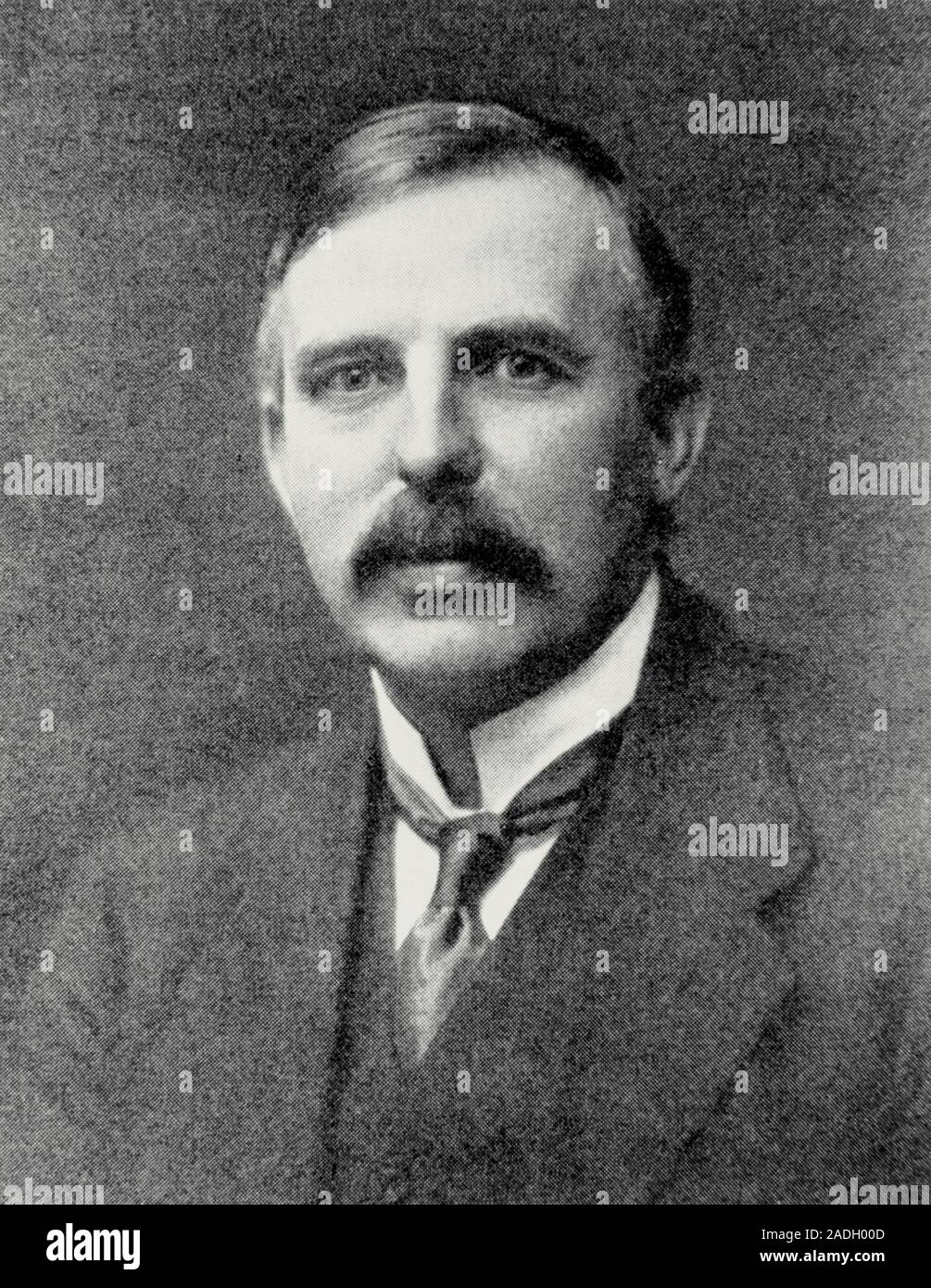
Discover Ernest Rutherford's groundbreaking contributions to nuclear physics. Learn about his atomic model, radioactivit...
View Board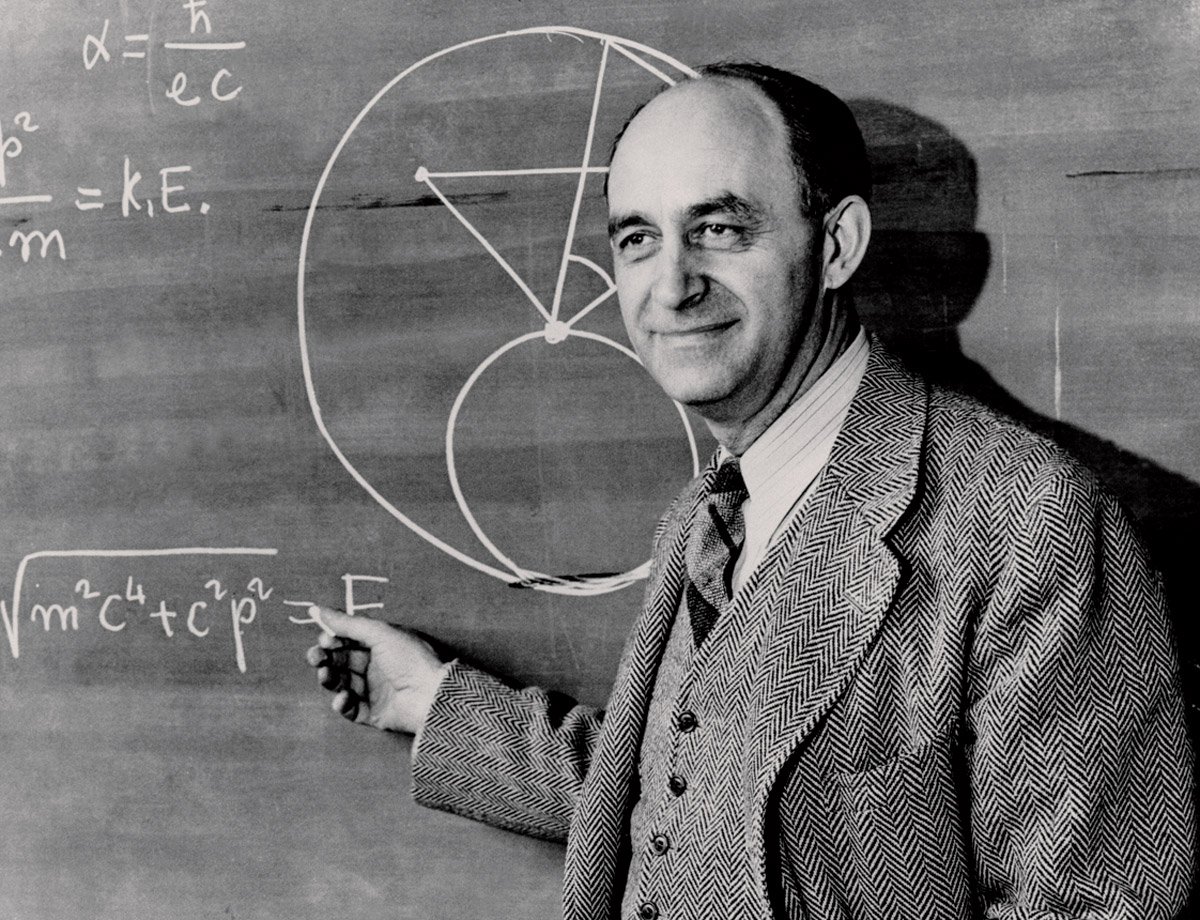
Explore the groundbreaking life and work of Enrico Fermi, the \"architect of the atomic age.\" Discover his pivotal role...
View Board
Explore the groundbreaking work of Sir Arthur Eddington, a brilliant astronomer and physicist. Discover his contribution...
View Board
Explore the life of Jean Baptiste Joseph Delambre (1749-1822), a French astronomer celebrated for his planetary tables, ...
View Board
Explore Henri Cartan's profound impact on modern mathematics. Learn about his contributions to algebraic topology, Bourb...
View Board
Explore the groundbreaking work of Jacques Monod, a founder of molecular biology. Discover his operon model, mRNA discov...
View Board
Discover Léon Foucault, the brilliant French physicist who proved Earth's rotation with his famous pendulum. Learn about...
View Board
Discover Dmitri Mendeleev's groundbreaking work on the periodic table! Learn about his predictions, legacy, and impact o...
View Board
Discover John Dalton's groundbreaking atomic theory, revolutionizing chemistry! Explore his postulates, innovations, and...
View Board
Discover the groundbreaking work of Charles Hard Townes, the Nobel Prize-winning physicist who co-invented the laser and...
View Board
Discover Michael Faraday, the father of electromagnetism! Explore his groundbreaking discoveries in electromagnetic indu...
View Board
Explore Michael Faraday's groundbreaking contributions to electromagnetism, electrochemistry, and electrical engineering...
View Board
Discover Ernst Ruska, the visionary physicist who invented the electron microscope. Learn about his groundbreaking work ...
View Board
Explore the groundbreaking work of Michio Kaku, renowned theoretical physicist, futurist, and science communicator. Disc...
View Board
Discover Louis de Broglie, the brilliant physicist who revolutionized quantum mechanics with his wave-particle duality t...
View Board
Comments