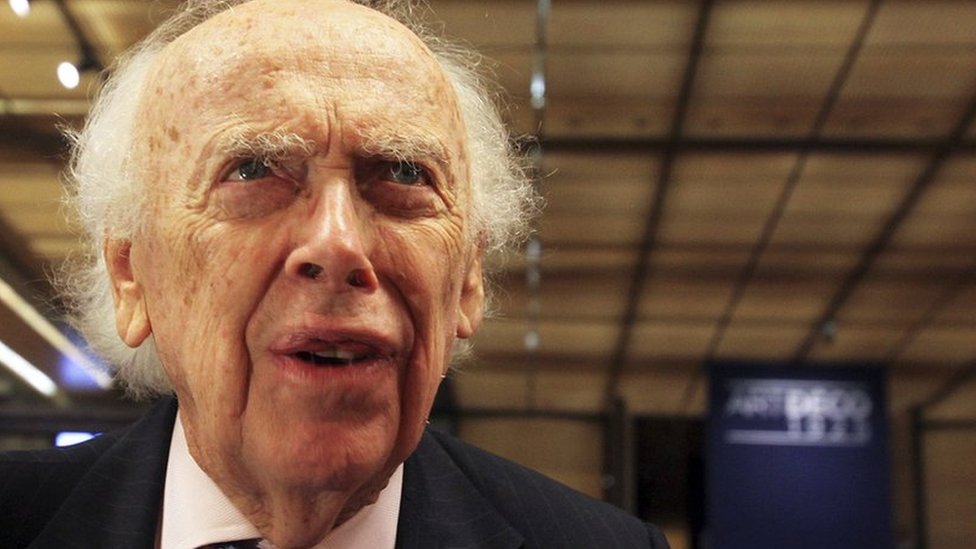
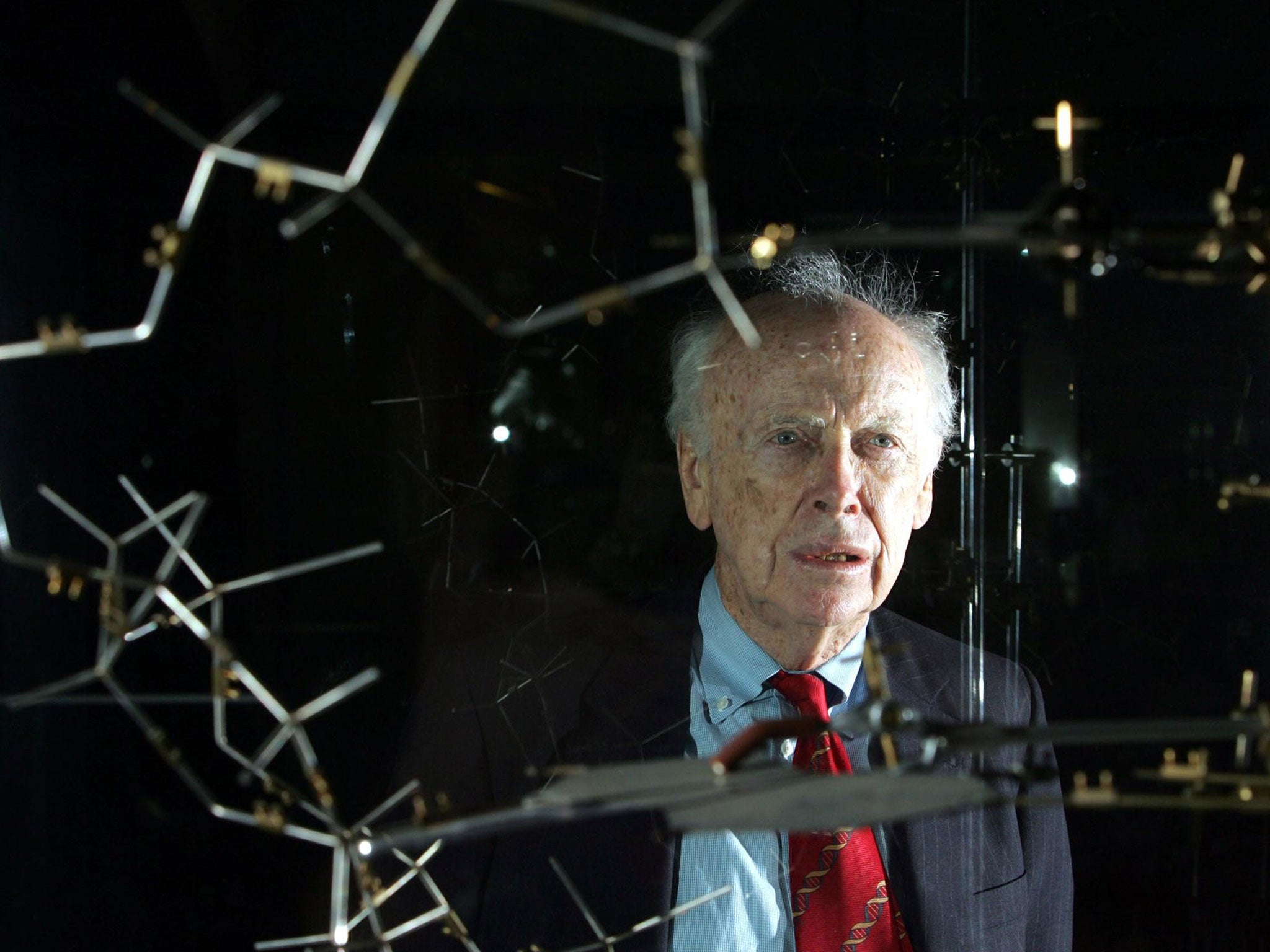
In the pantheon of scientific giants, few figures loom as large—or as controversially—as James Dewey Watson. A molecular biologist whose work fundamentally changed our understanding of life, Watson’s story is deeply entwined with both revolutionary discovery and contentious discourse. Best known for co-discovering the structure of DNA, James Watson's career has been filled with both remarkable scientific achievements and episodes of controversy that tarnish his legacy.
The Path to Discovery
Born on April 6, 1928, in Chicago, Illinois, Watson was poised for a life in academics from an early age. His voracious appetite for knowledge became apparent when he enrolled at the University of Chicago at the tender age of 15 under Robert Hutchins' early entrance program for gifted youth. There, influenced by prominent figures in an interdisciplinary approach called "The Chicago School," Watson expanded his educational foundations across various fields before ultimately gravitating towards genetics.
After receiving his Bachelor’s degree in zoology from the University of Chicago in 1947, Watson pursued a Ph.D. in zoology at Indiana University, where he studied under Salvador Luria, a future Nobel laureate himself. It was during this time at Indiana University that Watson began to focus his attention on nucleic acids, leading to his interest in further exploring the mechanisms by which genetic material is transferred and expressed. Watson's Ph.D. thesis on the effect of X-rays on bacteriophage multiplication marked his first foray into the burgeoning field of molecular biology.
The Double Helix: A Monumental Discovery
In 1951, Watson moved to the Cavendish Laboratory at the University of Cambridge, England, where he embarked on what would become his life's most groundbreaking work. Teaming up with Francis Crick, Watson embarked on a quest to unlock the structure of deoxyribonucleic acid, or DNA. The pair built upon the work of others, including Rosalind Franklin and Maurice Wilkins, whose X-ray diffraction images of DNA provided critical clues that would prove instrumental in unraveling the double helix structure.
On February 28, 1953, Watson and Crick made their historic announcement: they had discovered the double helix structure of DNA, the molecule that carries genetic instructions in living organisms. Their model suggested how DNA duplicates, providing the mechanism for genetic inheritance. The significance of this discovery was profound, influencing numerous fields from biology to forensic science, and ultimately leading to significant advances in medicine and biology.
In 1962, alongside Crick and Wilkins, Watson received the Nobel Prize in Physiology or Medicine for their discoveries concerning the molecular structure of nucleic acids. Their contribution underscored the importance of collaboration in scientific progress, albeit overshadowed in part by contentious sentiments regarding recognition of Franklin's contributions.
Leadership and Science Communication
Following his ascent in the scientific community, Watson took on the role of advocating science and education. In 1968, Watson was appointed as the Director of Cold Spring Harbor Laboratory (CSHL), where he transformed the institution into a leading research center for cancer research and genetics. Under his leadership, CSHL fostered groundbreaking research that enhanced our understanding of gene function and regulation.
Watson also channeled his scientific acumen into writing, aiming to make science accessible. His book "The Double Helix," published in 1968, remains one of the most famous works recounting the nature and complexities of scientific discovery. Though acclaimed for its candid and accessible prose, it also sparked controversy for its portrayal of Watson and others involved in the DNA discovery.
Controversies and Legacy
The latter part of Watson's career has been marked by significant controversy, much of it stemming from his public statements on social and scientific issues. Over the years, Watson has attracted criticism for comments deemed inappropriate and discriminatory by many of his peers, leading to significant consequences in the scientific community and beyond.
In 2007, Watson was suspended from his position at CSHL after making comments suggesting a link between race and intelligence, which were widely condemned as racist and scientifically unfounded. Despite Watson's repeated remorse, his statements have indelibly impacted his reputation and raised important discussions about ethics and inclusivity in the sciences.
James Watson's scientific contributions irrevocably changed the understanding of genetics, but his legacy is a complex tapestry of brilliance and controversy. As the field of genetics continues to evolve, the lessons drawn from Watson’s career highlight the ongoing balancing act between scientific innovation and ethical responsibility. Watson’s story serves as a reminder of the responsibilities scientists bear, both in their conduct and their discourse, even as they work to unravel the mysteries of life itself.
Beyond the Double Helix: Expanding Scientific Horizons
While much of James Watson's fame rests on the discovery of the DNA double helix, his scientific endeavors extended beyond the confines of genetics and molecular biology into broader areas of research and policy influence. Beyond his direct contributions to unlocking life's code, Watson played a crucial role in developing initiatives that influenced various facets of science and education, further cementing his impact on the scientific landscape.
One of Watson's significant contributions was his involvement in the Human Genome Project (HGP), a monumental scientific undertaking aimed at mapping the entire human genome. Initiated in the late 1980s, the HGP sought to provide a comprehensive blueprint of human DNA, which has since revolutionized our understanding of genetics, hereditary diseases, and personalized medicine. Watson assumed the directorship of the National Center for Human Genome Research at the National Institutes of Health in 1988, serving as an influential figure in establishing the project's objectives and securing necessary funding.
Although Watson only led the Human Genome Project for two years, from 1989 until his resignation in 1992, his advocacy and vision helped set the trajectory for one of the most ambitious scientific efforts of the 20th and 21st centuries. His leadership underscored the importance of collaboration between scientists worldwide, as genomics transcends borders, promising a new era of innovation and discovery that affects not only medicine but also areas such as agriculture and anthropology.
Educational Reforms and Influence
Watson's career was also marked by a commitment to educational reform and science outreach. Understanding that future generations of scientists were integral to the progress of research, he devoted efforts to improving science education and promoting academic discourse. While heading Cold Spring Harbor Laboratory, Watson prioritized expanding training programs and symposiums to foster a collaborative environment for aspiring scientists and researchers.
Moreover, Watson was a robust advocate for the unification of teaching and research across scientific disciplines, emphasizing the critical role this synergy plays in advancing knowledge. His drive towards this interdisciplinary approach paved the way for a new generation of researchers equipped to tackle complex global challenges.
One of Watson's ambitious educational reform initiatives came in the form of the DNA Learning Center at Cold Spring Harbor Laboratory, an institution that focuses on molecular genetics education for students and educators. Launched in 1988, the Learning Center aims to inspire young minds to engage with experimental science through hands-on learning and cutting-edge technology demonstrations, aligning with Watson's vision of making science both accessible and engaging.
Watson's Writings and Public Engagement
Beyond his groundbreaking research, James Watson is known for his passion for communicating science to a broader audience. Perhaps his most famous literary work, "The Double Helix," not only documents the tumultuous journey toward the discovery of DNA but also humanizes the scientific pursuit by presenting researchers as real people with flaws and ambitions. The book sparked debates on the ethical dimensions of scientific discovery and the portrayal of colleagues in competitive fields.
However, Watson's writing repertoire extends beyond autobiographical accounts. He authored several other books and articles, propounding scientific understanding and societal implications. Titles like "Molecular Biology of the Gene," a foundational textbook in genetics, reflect Watson's effort to consolidate and disseminate scientific knowledge. Through his writings, Watson shared his insights and perspectives on genetics and biology, seeking to inform both academic audiences and the lay public of the advancements, possibilities, and implications of scientific progress.
Despite his prolific contributions, precise delineation between public engagement and controversy often blurred, complicating his influence on society. In recent years, Watson's declarations on topics ranging from the potential implications of genetic research to contentious social issues have drawn both ire and support, illustrating the complexities scientists face when communicating multifaceted concepts to a multifaceted audience.
The Legacy of a Scientific Pioneer
As we reflect on James Watson's multifaceted career, it becomes evident that his legacy is not merely a singular achievement but an expansive, complicated narrative—a rich tapestry woven from pioneering research, educational advocacy, and sometimes controversial discourse. Watson's contributions to molecular biology, genomics, and scientific communication are undeniable, influenced by an ambition to pursue knowledge and innovation that could reshape societal understanding and application of science.
Despite his pivotal role as a forefather of modern molecular biology, Watson's story navigates the challenging waters between scientific achievement and ethical consideration. It stirs a dialogue on the responsibilities of influential figures in stewarding the growth of knowledge with integrity, ethics, and respect within an interconnected, global community.
Ultimately, Watson’s legacy is a reminder of the profound impact that scientific discoveries have on society, pushing humanity toward new frontiers of inquiry and discovery. As we continue to explore the intricate fabric of life mapped by Watson and his peers, Einstein's notion holds true: "The significant problems we face cannot be solved by the same level of thinking that created them." Watson’s work challenges society to engage with scientific advancements critically, responsibly, and empathetically, ensuring their potential to address some of the most pressing issues facing our world today.
Ethical Considerations and the Role of Scientists
The intertwining of scientific discovery with ethical considerations is a hallmark of James Watson's career, highlighting the complexities faced by scientists wielding knowledge with both promise and peril. Watson’s experience underlines the enduring need for scientists to engage deliberately with the ethical implications of their work, while also considering the broader societal impact their research and positions may have.
The burgeoning field of genetics, propelled by Watson's groundbreaking work, has given rise to ethical dilemmas around genetic privacy, manipulation, and potential discrimination. As scientists unravel genetic sequences with increasing precision, the question of implementing this knowledge in a manner that respects human dignity and individual rights remains paramount. Such concerns have sparked robust debates among scientists, ethicists, and policymakers alike, underscoring the dual nature of genetics as a tool for profound benefit or misuse.
Watson's statements over the years, particularly those related to race and intelligence, highlight the potential for scientific research to be misinterpreted or misused to support unfounded societal biases. These controversies compel scientists to communicate their work's limitations clearly and advocate for research grounded in empirical evidence, devoid of subjective cultural or personal biases. As leaders in discovery, scientists like Watson bear the responsibility of ensuring that their work upholds scientific integrity, advancing knowledge in ways that align with ethical and inclusive standards.
Reflecting on the Evolution of Molecular Biology
The field of molecular biology remains a testament to the far-reaching implications of Watson and Crick's discovery of the DNA double helix. The structure elucidated in 1953 has birthed countless avenues of research, prompting scientists worldwide to explore the genetic mechanisms underpinning life. The boom in molecular biology, more than a half-century later, echoes Watson's foundational influence, as researchers delve into gene editing technologies, genomic medicine, and personalized treatments that offer the potential to combat diseases at their genetic roots.
Advancements like CRISPR-Cas9, a genome editing tool hailed for its precision and versatility, exemplify the profound possibilities anticipated from Watson's early work. The ability to edit DNA sequences with unprecedented accuracy has opened doors to potential treatments for genetic disorders once thought untreatable, spurring hope and ethical questions alike regarding the future of genetic manipulation. As these transformative technologies proliferate, they demand rigorous ethical frameworks to define appropriate use, further complicating the landscape that Watson's discoveries helped shape.
Moreover, the intersection of molecular biology with technology has launched powerful bioinformatics tools that facilitate research at previously unimaginable scales. Exploration of vast genomic datasets, enabled by advancements in computational power, provides insights into disease mechanisms and evolutionary biology. The ongoing evolution in data analysis allows scientists to pose fundamental questions about life, unifying disciplines and exemplifying how Watson's influence pervades modern scientific inquiry.
The Enduring Influence of James Watson
James Watson's scientific trajectory reflects the dual nature of being a pioneer—offering moments of genius alongside instances of human fallibility. His work laid the foundation for revolutionary discoveries encompassing various realms, from understanding fundamental biological processes to redefining medical practice and treatment strategies. However, his narrative is equally a cautionary tale about the imperative of wielding knowledge with responsibility and foresight.
From elucidating the double helix to steering groundbreaking projects, Watson's contributions underscore the power of collaborative scientific exploration to transform theoretical potential into real-world influence. The international collaboration that characterized Watson’s endeavors, notably the Human Genome Project, serves as a template for addressing global challenges through cooperative, interdisciplinary effort.
Even amid controversies, Watson’s story resonates as a dynamic depiction of the enduring dialogue between discovery and ethical stewardship. It invites current and future scientists to carry out their work conscientiously and inclusively, navigating technology's rapid ascent with profound awareness of its implications across diverse societal strata.
As the legacy of James Watson reverberates through laboratories, classrooms, and policy discussions around the world, it becomes clear that the path of scientific exploration is an evolving journey, one that intertwines with humanity's quest for understanding its place in the universe. The narratives of pioneers like Watson are integral to this endeavor, inspiring vigilance, curiosity, and a commitment to progress that not only furthers science but elevates the human condition.
Comments
Welcome
Discover Haporium
Your personal space to curate, organize, and share knowledge with the world.
Explore Any Narratives
Discover and contribute to detailed historical accounts and cultural stories. Share your knowledge and engage with enthusiasts worldwide.
Join Topic Communities
Connect with others who share your interests. Create and participate in themed boards about any topic you have in mind.
Share Your Expertise
Contribute your knowledge and insights. Create engaging content and participate in meaningful discussions across multiple languages.
Haporium is a revolutionary platform that lets you organize your web browsing experience with customizable dashboards and boards. Create, manage, and share your favorite content collections.
Join us today and get:
The right to be one of the first pioneers
Unlimited dashboards and boards
Access to exclusive beta features
Priority support from our team
We use cookies to enhance your experience. By continuing to use this site, you agree to our Cookie Policy.




















Comments