Tu Youyou: The Brilliance Behind a Modern Medical Revolution
Introduction to a Pioneer
Tu Youyou, a name etched in the annals of medical history, fundamentally transformed the landscape of malaria treatment. Her pioneering work ushered in a new wave of medical possibilities, utilizing traditional Chinese medicine to combat one of humanity’s deadliest diseases. This remarkable scientist not only became the first Chinese woman to win a Nobel Prize in Physiology or Medicine in 2015 but also set a precedent for integrating ancient knowledge with modern scientific research.
The Historical Context
Tu Youyou’s journey is deeply rooted in an era of crisis and innovation. During the late 1960s and early 1970s, the world faced a relentless malaria epidemic, primarily affecting war-torn regions in Southeast Asia. The existing treatments were becoming increasingly ineffective due to the rise of resistant strains of the malaria parasite. In response, the Chinese government launched a secretive project, known as Project 523, aiming to discover new antimalarial drugs. It was within this context that Tu was selected to join a team of researchers dedicated to finding a solution to this pressing problem.
Drawing from Ancient Wisdom
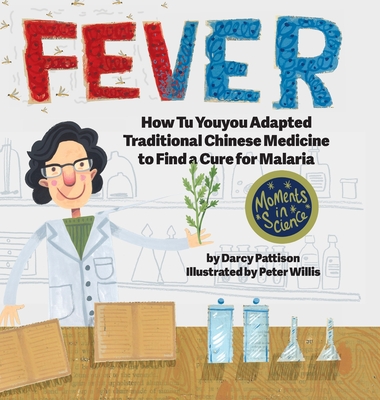
Unlike her contemporaries who were deeply engrossed in the complexities of synthetic chemistry, Tu Youyou turned to the ancient texts of traditional Chinese medicine for inspiration. After analyzing hundreds of herbal recipes recorded over thousands of years, she found a promising lead: sweet wormwood (Artemisia annua). This plant had been traditionally used to alleviate fever, a symptom often linked with malaria. However, isolating its active component in a form that could fight the malaria parasite proved to be a daunting challenge.
In her quest, Tu Youyou demonstrated an exceptional blend of perseverance and innovation. She meticulously experimented with extraction methods, persisting after numerous setbacks. The breakthrough came when she revisited a 1,600-year-old text, suggesting a cold extraction method to prevent the active ingredient from decomposing. This insight was pivotal in isolating artemisinin, the potent compound that would ultimately transform malaria treatment globally.
The Scientific Breakthrough
The development of artemisinin marked a significant milestone in pharmaceutical science. By the mid-1970s, Tu had successfully verified its efficacy against the malaria parasite in both animal models and human trials. Her discovery was crucial because artemisinin was not only effective in combating the disease but also worked faster than any previously known antimalarial drug. This feature proved vital in treating severe cases of malaria and reducing mortality rates.
In scientific circles, her work catalyzed a paradigm shift, encouraging researchers to look beyond conventional methodologies and explore traditional knowledge systems. Artemisinin-based combination therapies (ACTs) have since become the standard treatment for malaria, saving millions of lives each year, particularly in regions plagued by multidrug-resistant strains of malaria.
Recognition and Global Impact
Tu Youyou’s contribution transcends geographical boundaries, highlighting the global importance of her work. Despite the groundbreaking nature of her discovery, international recognition came decades later. Her Nobel Prize in 2015 was a long-overdue acknowledgment of not only her scientific achievement but also the rich potential lying in the synergy of traditional and modern scientific methods.
The social impact of her work is profound, illustrating the importance of cross-cultural scientific collaboration and knowledge exchange. Furthermore, her legacy continues to inspire upcoming generations of scientists worldwide, urging them to look at historical wisdom through a modern lens and apply it to solve contemporary challenges.
Challenges and Legacy
While Tu’s journey is one of triumph, it was also fraught with challenges. Working within the confines of limited resources and scientific skepticism, her research exemplifies how determination and innovation can overcome even the toughest barriers. Her unique approach and success have paved the way for broader acceptance and integration of traditional herbal medicine within mainstream pharmacology.
Tu Youyou's legacy transcends her discovery of artemisinin. Her life’s work stands as a testament to the power of interdisciplinary research and cultural amalgamation in advancing human health. As we face future medical challenges, her story serves as an inspiration to blend past wisdom with future technologies.
The Early Life and Education of Tu Youyou
To understand the magnitude of Tu Youyou's achievements, one must delve into her early life and educational background. Born in Ningbo, Zhejiang Province, China, in 1930, Tu came from an academically inclined family. Her early years were shaped by a strong emphasis on education, a tradition upheld despite the challenges of war and political upheaval in China at the time.
Tu's academic journey was set against a backdrop of limited opportunities for women in science. Yet, driven by a passion for learning, she enrolled at Beijing Medical University, where she majored in pharmacology and graduated in 1955. Her studies provided her with a solid foundation in both Western and traditional Chinese medicine, equipping her with the knowledge that would later prove crucial in her groundbreaking research.
Integrating Tradition with Modern Science
Tu Youyou's ability to harness both traditional knowledge and modern scientific techniques set her work apart. This integration was revolutionary during an era when traditional medicine was often dismissed by the global scientific community as being unscientific or ineffective. Her approach was, in essence, groundbreaking not only for its medical significance but also for its ideological challenge to conventional scientific paradigms.
In searching through ancient Chinese texts, Tu discovered references to the use of Artemisia annua in treating fever. Ancient physicians had used the herb but lacked the tools to understand or isolate its active ingredients. Tu’s deep understanding of both the traditional methods and modern chemical processes allowed her to experiment with various extraction techniques until she achieved success. By using a solvent that extracted the active compound in its pure form, she ensured the stability and efficacy crucial for developing an antimalarial treatment.
The Path to Validation
The path from discovery to global acceptance was neither straightforward nor swift. After isolating artemisinin, Tu's team faced the challenge of proving its efficacy and safety. This involved extensive clinical testing, from initial animal trials to human studies. The early tests yielded promising results, but the road to acceptance was marred by the geopolitical context of the Cold War and a lack of communication between China's scientific community and the rest of the world.
Despite these barriers, Tu persevered. She personally participated in the early human trials, showcasing her dedication and belief in the potential of her discovery. As the research matured, artemisinin's rapid effectiveness in reducing malaria parasite levels became evident, marking it as a breakthrough.
A Luminary in Pharmacology
Tu Youyou's identification and development of artemisinin have not only saved countless lives but also opened up new avenues in the study of traditional medicine. Artemisinin compounds are now at the forefront of a significant percentage of malaria treatments worldwide, underscoring the critical role they play in global health initiatives.
Her work highlighted the immense potential that lies in integrating traditional herbal remedies with modern pharmacological techniques. This has prompted a reevaluation and increased interest in numerous cultures' traditional medicine systems, urging researchers and pharmaceutical companies to explore these natural resources for potential future therapies.
Overcoming Adversity
Tu Youyou’s career was marked by overcoming adversity, both professionally and personally. As a woman in mid-20th century China, pursuing a career in science posed numerous societal and institutional challenges. Moreover, the political climate of the time often hindered research and communication with international peers. Despite these challenges, Tu remained resolute, allowing her scientific intuition and perseverance to guide her.
Her tenacity has not only inspired a generation of female scientists in China but also underscored the importance of diversity in scientific research. Her journey illustrates that breakthroughs often require stepping outside the confines of traditional thought processes and embracing new perspectives. The recognition she received later in her career is a testament to her resilience and the profound impact of her work.
A Lasting Influence
Today, Tu Youyou's work continues to influence current and future scientific endeavors. Her approach to research serves as a model for how interdisciplinary and cross-cultural perspectives can yield groundbreaking discoveries. In advocating for the study of traditional medicine within the scientific community, Tu has catalyzed a broader movement toward embracing holistic sources of knowledge.
As the world continues to face new challenges in the realm of infectious diseases, Tu Youyou's legacy stands as a beacon of inspiration. Her story is not only one of scientific innovation but also a tale of perseverance, illustrating the broader lessons of patience, curiosity, and the courage to challenge established norms. Tu's work remains a powerful reminder of the vast possibilities that lie at the intersection of tradition and modernity in science.
Global Recognition and Nobel Prize
Tu Youyou’s groundbreaking work, initially shrouded in silence due to geopolitical tensions and the confidential nature of Project 523, eventually gained the international acclaim it deserved. The long-standing lack of recognition changed dramatically when Tu was awarded the Nobel Prize in Physiology or Medicine in 2015. This accolade marked a significant moment not just for Tu herself, but for the global scientific community, as it celebrated the fruition of a unique blend of ancient wisdom and modern methodology.
The Nobel Prize was a testament to the global impact her discovery of artemisinin has had on human health, especially in malaria-endemic regions. By 2014, the World Health Organization (WHO) reported that artemisinin-based combination therapies (ACTs) were responsible for reducing malaria deaths by 60% globally. This achievement underscored her contribution to one of the most significant public health victories in recent history.
The Broader Implications of Tu Youyou’s Work
The implications of Tu Youyou's research extend beyond malaria treatment. Her success has catalyzed a re-examination of traditional medicine, encouraging a more integrative approach within the scientific community. Researchers and pharmaceutical organizations are increasingly recognizing the untapped potential of herbal and traditional remedies, opening new avenues for drug discovery and development.
Tu’s methodology, which involved sifting through thousands of herbal recipes and ancient literature, provides a replicable model for similar explorative research. This approach is not only enriching pharmacological research but is also fostering a renewed respect for cultural heritage and traditional knowledge systems across the globe.
Legacy and Future Pathways
Tu Youyou’s story is one of resilience and vision, and her legacy is poised to inspire future generations of scientists. Her journey underscores the importance of maintaining an open mind and being willing to explore unconventional paths in scientific research. Beyond the realm of pharmacology, her work invites a reevaluation of how cultural and historical insights can be leveraged alongside technological advancements to address global health challenges.
In recent years, there has been a growing trend towards interdisciplinary research, with scientists from diverse fields coming together to solve complex problems. Tu’s success has validated this approach, highlighting the potential for breakthroughs when diverse perspectives and methodologies converge. Her life’s work is a powerful reminder of the boundless opportunities that exist within the cross-pollination of ideas and traditions.
Inspiring New Generations
Tu Youyou’s achievements continue to resonate deeply with young scientists and researchers, especially women in STEM fields. Her ability to transcend the barriers of her time and make a monumental contribution to science serves as a poignant reminder that determination and innovation can dismantle even the most entrenched obstacles. Her story empowers aspiring female scientists, particularly in regions where gender disparity in science remains a challenge, by exemplifying that gender is no barrier to success.
Moreover, her work encourages educational institutions and policymakers worldwide to foster environments that promote interdisciplinary learning and respect for diverse knowledge systems. As educational frameworks evolve, integrating traditional medicine with modern scientific curricula can provide students with unique perspectives and innovative problem-solving skills.
Conclusion: The Everlasting Impact of Tu Youyou
Tu Youyou’s discovery of artemisinin is more than just a medical breakthrough—it is a testament to the power of human ingenuity and the potential of hybrid knowledge systems. Her life's work spans beyond malaria treatment, shedding light on the wealth of information held within traditional practices and encouraging a symbiotic relationship between ancient knowledge and contemporary science.
As the world progresses and new health challenges emerge, Tu Youyou's legacy will undoubtedly continue to influence the way scientists approach complex problems. Her story serves as an enduring inspiration, proving that sometimes, the solutions to the world’s most pressing issues can be found at the crossroads of history, culture, and science. In celebrating Tu Youyou's life and achievements, we honor not only her contributions to medicine but also the broader potential for future discoveries that lie in harnessing the richness of both past and present knowledge.












Comments