Explore Any Narratives
Discover and contribute to detailed historical accounts and cultural stories. Share your knowledge and engage with enthusiasts worldwide.
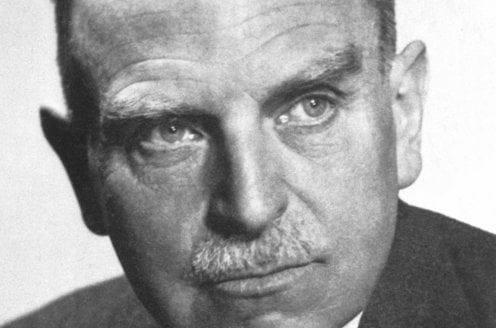
Otto Hahn, a pioneering German chemist, is renowned as the father of nuclear chemistry. His groundbreaking discovery of nuclear fission in 1938, alongside collaborators Fritz Strassmann and Lise Meitner, revolutionized the field of nuclear science. This discovery earned him the 1944 Nobel Prize in Chemistry, solidifying his legacy as one of the most influential scientists of the 20th century.
Otto Hahn was born on March 8, 1879, in Frankfurt am Main, Germany. From an early age, he exhibited a keen interest in chemistry, which led him to pursue a degree in the field. Hahn studied organic chemistry at the University of Marburg and later at the University of Munich, where he earned his PhD in 1901.
After completing his doctoral studies, Hahn shifted his focus to the emerging field of radioactivity. He worked under the guidance of William Ramsay in London and later with Ernest Rutherford at McGill University in Montreal. These experiences laid the foundation for his future discoveries in nuclear chemistry.
Hahn's career was marked by a series of groundbreaking discoveries that significantly advanced the field of nuclear chemistry. His work not only expanded our understanding of radioactive elements but also paved the way for modern nuclear technology.
In 1904, Hahn identified radiothorium, a radioactive isotope of thorium. The following year, he discovered radioactinium while working at McGill University. These early discoveries showcased his expertise in isolating and identifying radioactive elements.
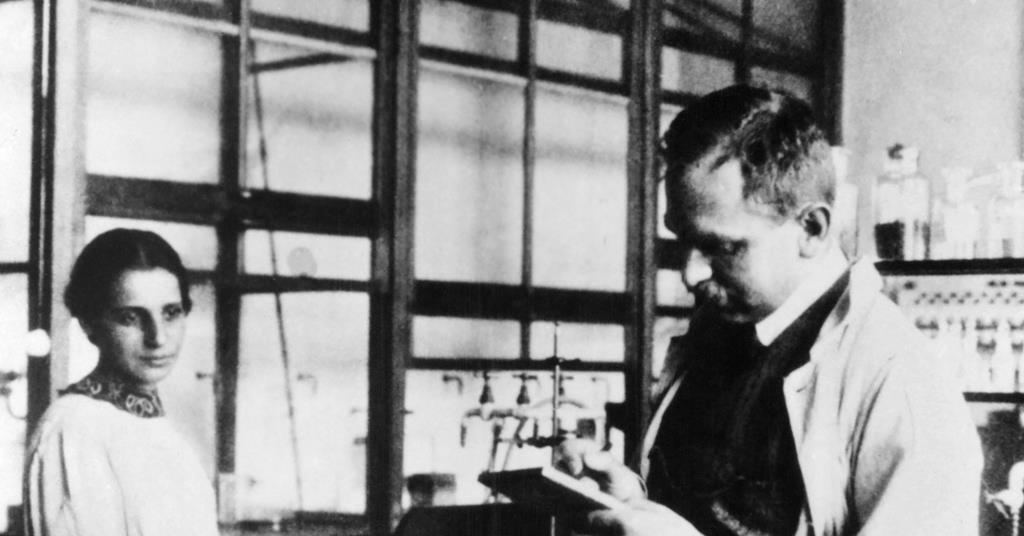
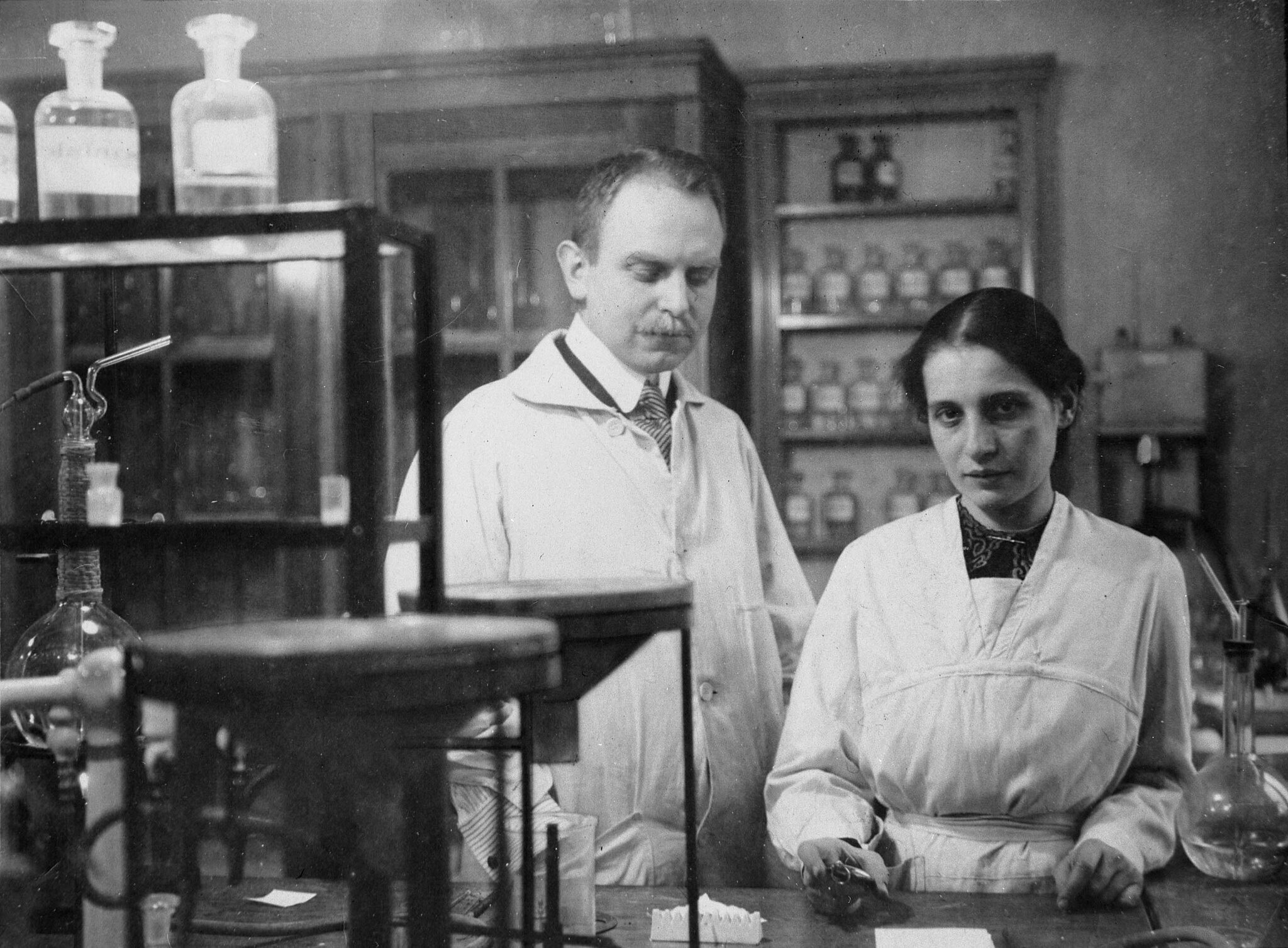
Hahn's collaboration with Lise Meitner began in 1907 and lasted for over three decades. Together, they discovered mesothorium in 1907 and protactinium in 1918. These discoveries were crucial in understanding the complex decay chains of radioactive elements.
The most significant achievement of Hahn's career came in 1938 when he, along with Fritz Strassmann, discovered nuclear fission. By bombarding uranium with neutrons, they observed the production of barium, proving that uranium nuclei could split into lighter elements. This discovery was a monumental leap in nuclear science and had far-reaching implications for both energy production and weaponry.
Hahn's discovery of nuclear fission earned him the 1944 Nobel Prize in Chemistry. The award was announced in 1945 while Hahn was interned at Farm Hall, a British internment camp for German scientists. Despite the collaborative nature of the discovery, Hahn was the sole recipient of the Nobel Prize, a decision that has been the subject of much debate and controversy.
After World War II, Hahn played a pivotal role in rebuilding German science. He served as the president of the Max Planck Society from 1946 to 1960, where he worked tirelessly to restore Germany's scientific reputation. Hahn was also a vocal opponent of nuclear weapons, advocating for the peaceful use of nuclear energy.
Otto Hahn's contributions to nuclear chemistry have had a lasting impact on both science and society. His discovery of nuclear fission not only advanced our understanding of atomic structure but also laid the groundwork for the development of nuclear reactors and weapons. Today, nuclear fission powers approximately 440 reactors worldwide, providing about 10% of global electricity.
Hahn's legacy is not without controversy. The exclusion of Lise Meitner and Fritz Strassmann from the Nobel Prize has been a point of contention. Modern retrospectives highlight the collaborative nature of their work and the significant contributions of Meitner and Strassmann. Additionally, Hahn's stance against nuclear weapons has influenced ongoing ethical debates about the use of nuclear technology.
Hahn's contributions to science have been recognized through various commemorations and honors. The Hahn-Meitner Building in Berlin stands as a testament to his collaborative work with Lise Meitner. Furthermore, the rubidium-strontium dating method, pioneered by Hahn, is widely used in geochronology to determine the age of rocks and minerals.
Otto Hahn's life and work have left an indelible mark on the field of nuclear chemistry. His discovery of nuclear fission revolutionized our understanding of atomic structure and paved the way for modern nuclear technology. Despite the controversies surrounding his Nobel Prize and the ethical implications of his discoveries, Hahn's contributions to science remain unparalleled. As we continue to explore the potential of nuclear energy, Hahn's legacy serves as a reminder of the power and responsibility that come with scientific advancements.
During the Nazi regime, Otto Hahn's career faced significant challenges. His Jewish colleague Lise Meitner was forced to flee Germany in 1938 due to persecution. Despite this, Hahn and Fritz Strassmann continued their experiments, leading to the discovery of nuclear fission. Their work during this turbulent period underscored both scientific perseverance and the political pressures of the time.
Hahn's partnership with Meitner was severed by the rise of the Nazis. Meitner provided the theoretical explanation for fission from exile, while Hahn and Strassmann confirmed the experimental results. This separation highlight the complexities of scientific collaboration under political duress.
During World War II, Hahn worked on Germany's uranium project, aiming to develop atomic weapons. The project faced numerous setbacks and ultimately failed to produce a reactor or weapon before the war's end. In 1945, Hahn was interned at Farm Hall, where he learned of the Nobel Prize awarded while detained.
After the war, Hahn emerged as a leader in rebuilding German science. His efforts focused on restoring integrity and innovation within the scientific community, emphasizing peaceful applications of nuclear technology.
From 1946 to 1960, Hahn served as president of the Max Planck Society. During his tenure, he reestablished research institutions and fostered international collaborations. His leadership helped Germany regain its standing in the global scientific community.
Hahn was a vocal opponent of nuclear weapons, advocating for their prohibition. He emphasized the dangers of such technology in the wrong hands. His stance influenced ethical debates and policy discussions on nuclear arms control.
Today, Hahn's discovery of nuclear fission remains central to energy production and scientific research. Its applications extend beyond power generation, influencing fields like medicine and materials science.
Global nuclear fission powers approximately 440 reactors, supplying about 10% of the world's electricity. Hahn's work laid the foundation for these reactors, enabling clean energy alternatives amid climate change concerns.
Beyond energy, fission fuels medical isotopes and powers space missions. Hahn's research contributed to techniques like rubidium-strontium dating, essential for geochronology and understanding Earth's history.
"Science knows no country, because knowledge belongs to humanity." – Otto Hahn
Modern discussions often revisit the credit Hahn received for fission. Efforts continue to acknowledge the roles of Meitner and Strassmann. Exhibitions and institutions, such as the Hahn-Meitner Building, ensure their collective legacy endures.
Otto Hahn's influence extends far beyond his scientific achievements, shaping institutions, education, and public understanding of nuclear science. His legacy remains a cornerstone of modern chemistry and physics.
Many institutions honor Hahn's contributions. The Hahn-Meitner Building in Berlin stands as a symbol of collaborative research. Additionally, numerous scholarships and awards bear his name, encouraging future scientists to pursue nuclear studies.
Educational programs frequently highlight Hahn's work. Schools and universities incorporate his discoveries into curricula, emphasizing the story of nuclear fission. Public lectures and documentaries keep his legacy accessible to new generations.
"The discovery of fission was not just a scientific event; it changed how we view our world." – Modern science historians
Hahn's career intersected with some of the most challenging ethical dilemmas of the 20th century. His responses to these issues continue to inform debates about scientific responsibility.
Recent scholarship has reexamined the allocation of credit for nuclear fission. While Hahn received the 1944 Nobel Prize alone, efforts aim to recognize Lise Meitner and Fritz Strassmann more prominently. Historical retrospectives increasingly emphasize their indispensable roles.
Hahn's vocal opposition to nuclear weapons has shaped policy discussions. His advocacy for peaceful applications of fission remains relevant in debates about energy futures. Ethical guidelines in nuclear research often cite his principles.
Otto Hahn's life encapsulates the profound duality of scientific progress. His discovery of nuclear fission unlocked new energy sources and medical applications but also introduced existential risks. Balancing innovation with responsibility remains a central challenge for modern science.
Hahn's legacy teaches that scientific achievements carry societal weight. Institutions named after him continue to advance research while honoring ethical imperatives. As the world confronts climate change and energy demands, his work reminds us of both the power and the peril inherent in scientific discovery.
In the words of Hahn himself: "Science knows no country, because knowledge belongs to humanity." His discoveries, collaborations, and convictions endure as guiding principles for future generations of scientists and policymakers alike.


Your personal space to curate, organize, and share knowledge with the world.
Discover and contribute to detailed historical accounts and cultural stories. Share your knowledge and engage with enthusiasts worldwide.
Connect with others who share your interests. Create and participate in themed boards about any topic you have in mind.
Contribute your knowledge and insights. Create engaging content and participate in meaningful discussions across multiple languages.
Already have an account? Sign in here

Explore the groundbreaking work of Sir Arthur Eddington, a brilliant astronomer and physicist. Discover his contribution...
View Board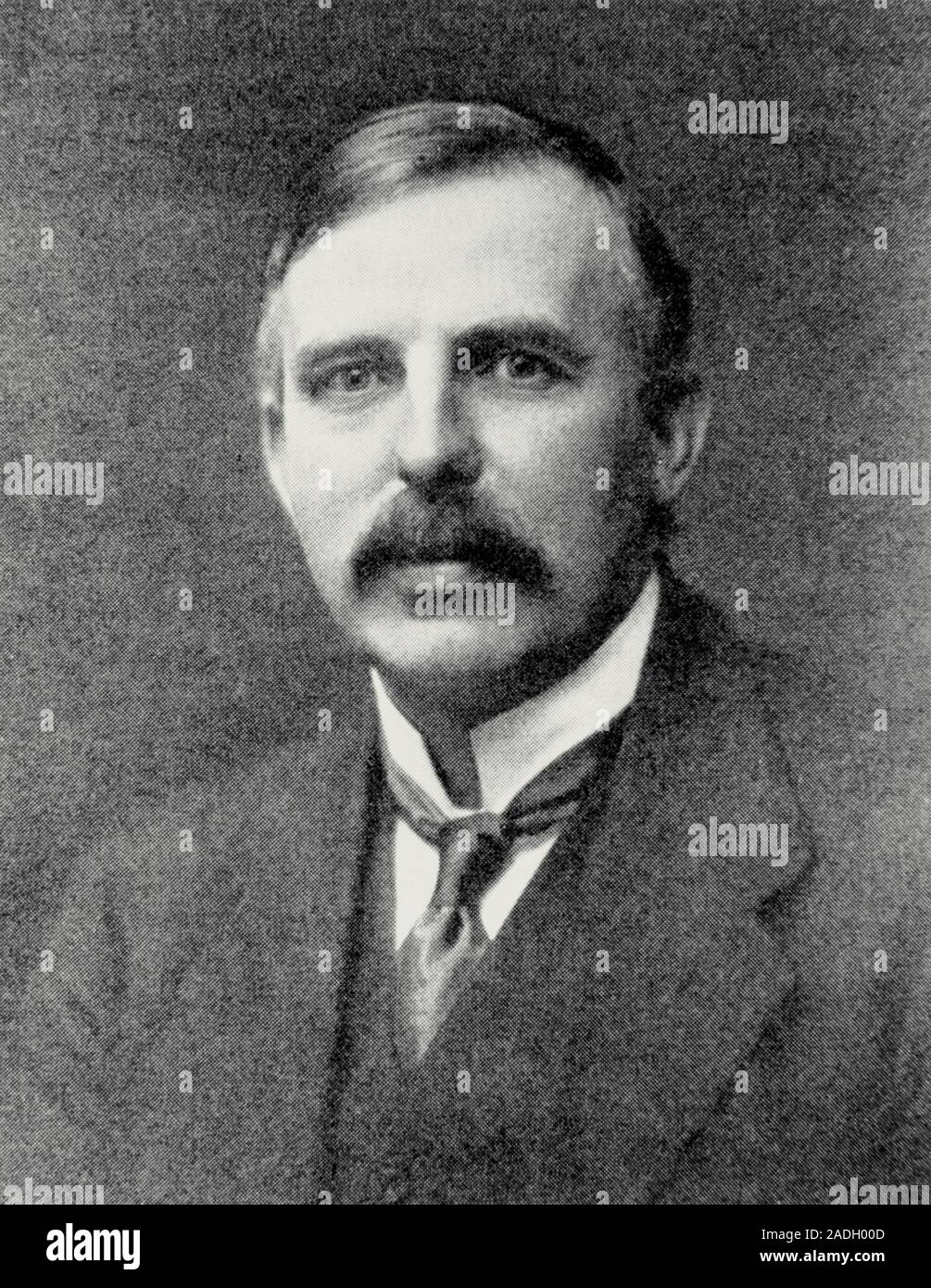
Discover Ernest Rutherford's groundbreaking contributions to nuclear physics. Learn about his atomic model, radioactivit...
View Board
Discover Dmitri Mendeleev's groundbreaking work on the periodic table! Learn about his predictions, legacy, and impact o...
View Board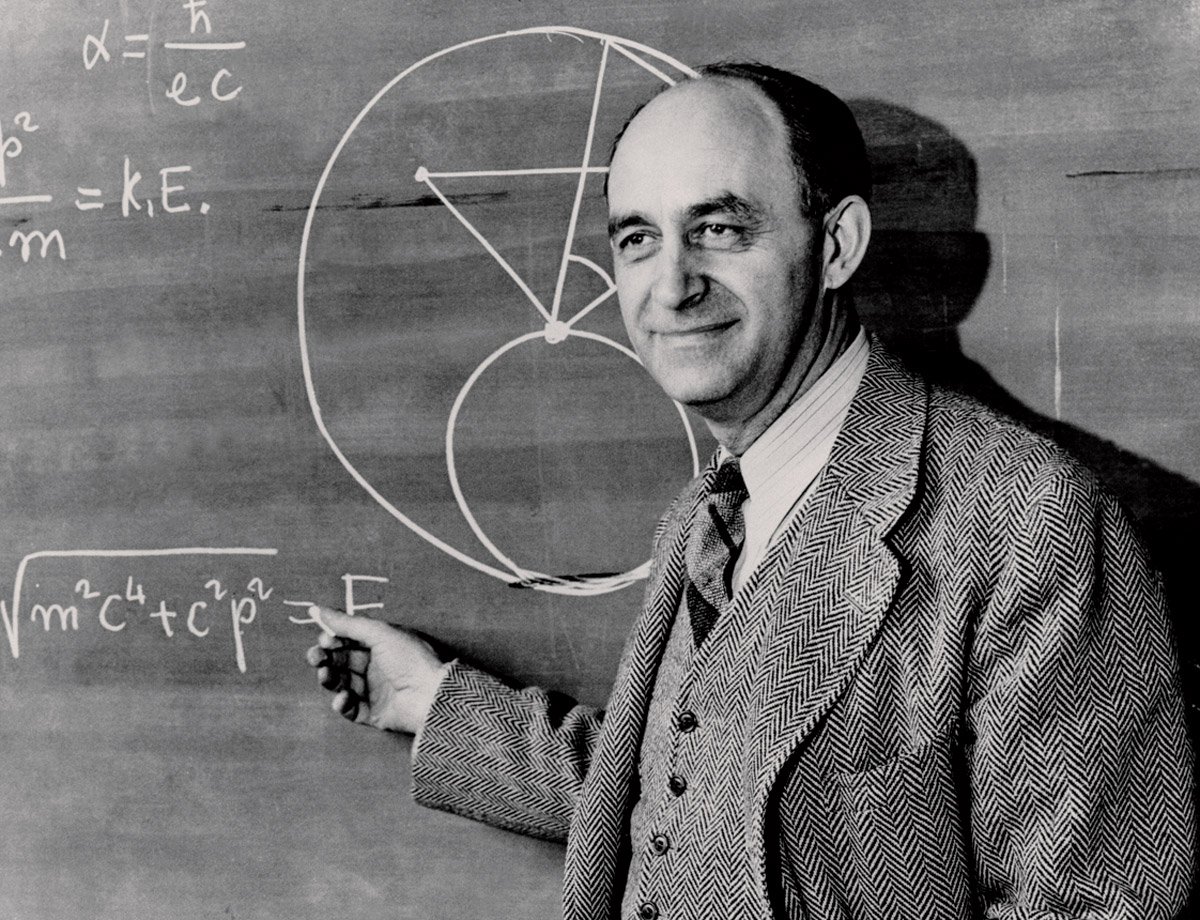
Explore the groundbreaking life and work of Enrico Fermi, the \"architect of the atomic age.\" Discover his pivotal role...
View Board
Explore Albert Einstein's groundbreaking theories, from relativity to E=mc², and his impact on modern physics. Discover ...
View Board
CERN's Large Hadron Collider achieves alchemy, converting lead to gold via ultra-peripheral collisions, validating quant...
View Board
Discover Michael Faraday, the father of electromagnetism! Explore his groundbreaking discoveries in electromagnetic indu...
View Board
Explore Michael Faraday's groundbreaking contributions to electromagnetism, electrochemistry, and electrical engineering...
View Board
Explore the groundbreaking work of Jacques Monod, a founder of molecular biology. Discover his operon model, mRNA discov...
View Board
Discover John Dalton's groundbreaking atomic theory, revolutionizing chemistry! Explore his postulates, innovations, and...
View Board
Discover Aldo Pontremoli, the brilliant Italian physicist who pioneered theoretical physics and founded Milan's Physics ...
View Board
Discover Ernst Ruska, the visionary physicist who invented the electron microscope. Learn about his groundbreaking work ...
View Board
Discover Léon Foucault, the brilliant French physicist who proved Earth's rotation with his famous pendulum. Learn about...
View Board
Explore the life and groundbreaking discoveries of William Ramsay, the chemist who unveiled the noble gases! Learn about...
View Board
Explore the life and work of James Watson, co-discoverer of DNA's double helix. Uncover his groundbreaking contributions...
View Board
Discover William Herschel, the pioneering astronomer who discovered Uranus, infrared radiation, and thousands of deep-sk...
View Board
Explore the life of Jean Baptiste Joseph Delambre (1749-1822), a French astronomer celebrated for his planetary tables, ...
View Board
Explore the extraordinary life of George Gamow, the theoretical physicist who pioneered the Big Bang theory and made gro...
View Board
Discover Alessandro Volta, the Italian physicist who invented the first electric battery! Learn about his groundbreaking...
View Board
Discover Max Born, a giant of theoretical physics. Explore his Nobel Prize-winning work on quantum mechanics and his piv...
View Board
Comments