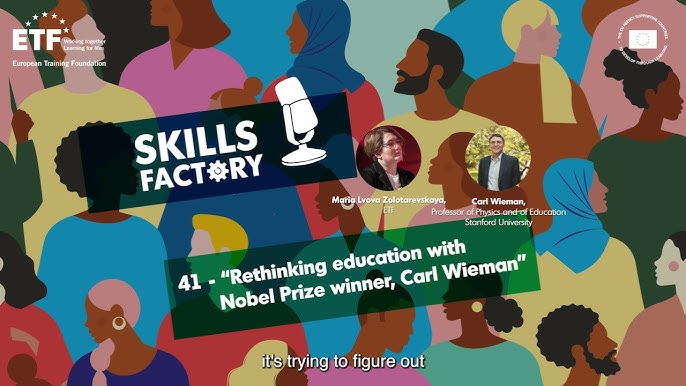
Eric Cornell : Un Pionnier des Expositions Ultraclasses
L'Enfance et l'éducation d'Eric Cornell
Eric Cornell est né le 24 juillet 1961 à Staten Island dans l'État de New York. Son parcours scientifique et ses réalisations impressionnantes font de lui une figure emblématique de la science expérimentale moderne. D'une famille modeste, Cornell s'est intéressé aux sciences dès son plus jeune âge.
A l'âge de cinq ans, l'enthousiasme de Cornell pour les sciences était déjà palpable. Il se passionnait pour l'exposition "Fermi, Einstein et les autres" au Metropolitan Museum of Art, qui éveilla en lui un vif intérêt pour le monde scientifique. Sa curiosité naturelle et sa curiosité pour l’observation et l’exécution des expériences étaient les premiers germes de sa future carrière.
L'Établissement académique de Cornell
Cornell a fait ses études secondaires à l'Edgewater High School à Edgewater, New Jersey. À l'université d'État de New York à Buffalo, il s’est initié aux domaines des physiques et des sciences expérimentales. Sa carrière scientifique commence à s'affirmer lorsqu'il entre à l'Université du Maryland à College Park. Il y décroche son baccalauréat en physique en 1985. Cette période marquante a permis à Cornell de renforcer ses bases en physique et de développer son sens de l'expérience et de la recherche expérimentale.
En 1986, Eric Cornell poursuit ses ambitions scientifiques à l’University of Colorado à Boulder, où il travaille sous la direction du physicien Wolfgang Ketterle. C'est ici que sa passion pour la physique condensée et plus particulièrement la magnétique Bose-Einstein commence à prendre forme.
La Recherche de Cornell : Des Premières Contributions Éclairantes
Cornell commence à s'impliquer dans de recherches sur la matière condensée et la superfluidité de 1990 à 1993. Ces travaux précurseurs sont essentiels à la suite de l'expérimentation qu'il mènera avec Carl Wieman. Dans ces années, Cornell a également commencé à se spécialiser dans la production de condensats de Bose-Einstein en utilisant des atomes de rubidium.
En 1993, alors qu'il travaille comme post-docteurant à l’Institut Électrotechnique et Physique Nucléaire (IPEN) à Sao Paulo, Brésil, Cornell poursuit ses recherches sur les condensats de Bose-Einstein. Malgré des conditions difficiles, il parvient à produire un petit nuage d’atomes de rubidium ultracold. À cette époque, il comprend également l'importance cruciale de contrôler la densité du nuage pour atteindre la transition vers la superfluidité.
Il rejoint ensuite le laboratoire de Carl Wieman à l'University of Colorado à Boulder en 1996. Là-bas, les deux physiciens commencent à travailler ensemble sur la production de condensats de Bose-Einstein. Cornell a joué un rôle essentiel dans la conception et la réalisation des expériences qui ont conduit à la création de l'une des premières molécules Bose-Einstein condensé en 1997. Ce fut un moment crucial, car leurs travaux sont basés sur des techniques de laser complexes qui permettent de refroidir l’atome.
La Révolution Bose-Einstein Condensate
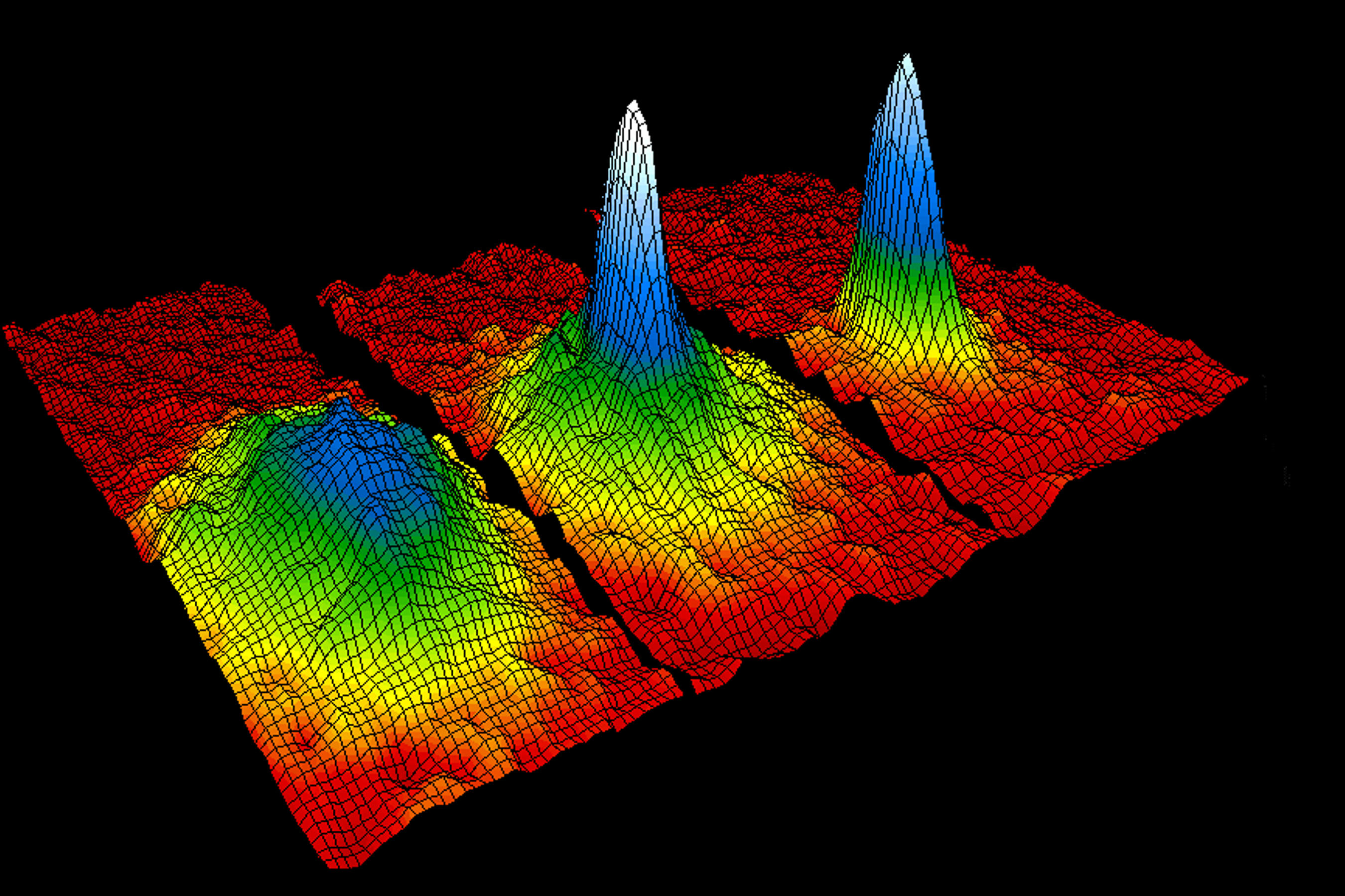
En 1995, les expériences de Cornell et Wieman débouchent sur un accomplissement majeur en science. Ils réussissent pour la première fois à condenser des gaz de Bose-Einstein dans une situation contrôlée. Cette découverte a révélé de nouvelles possibilités pour l’étude de la matière condensée et a ouvert la voie à de nombreuses applications potentielles.
À l'aide de lasers et de forces moléculaires contrôlées, Cornell et Wieman ont réussi à réduire le gaz de rubidium à une température d'à peine quelques microkelvin au-dessus de zéro Kelvin. Cette température extrêmement basse permettait à l'atome de transitionner vers une état nouveau : une Bose-Einstein condensate.
Le caractère unique de ce phénomène est que tous les atomes atteignent un état quantique cohérent, ce qui signifie qu'ils partagent la même fonction d'onde. Cette condition donne lieu à des propriétés extraordinaires, notamment des effets uniques de transport et des interactions atomiques.
Cette découverte a été reconnue internationalement comme une avancée considérable. Cornell et Wieman ont partagé le prix Nobel de physique en 2001 pour cette trouvaille. Cette distinction est loin d'être le sommet de leur carrière, car leurs recherches continuent d'influencer la physique moderne et promettre des discoveries futures.
Contribution à la Récherche en Physique2>
Aujourd'hui, Eric Cornell reste activement impliqué dans la recherche scientifique. Après avoir réalisé les expériements de Bose-Einstein condensate avec Carl Wieman, il s'est tourné vers d'autres défis scientifiques, tels que l'étude des propriétés de la matière ultra-légère et la recherche de nouvelles façons de manipuler les atomes en état quantique.
En 2006, Cornell a accepté de rejoindre l’université d’état de Colorado à Boulder où il occupe la chaire de professeur titulaire en physique. Ses récentes recherches visent à explorer les frontières de la physique quantique, en particulier dans le domaine de la manipulation de la matière sous des conditions extrêmes. Il utilise des techniques de spectroscopie pour examiner en détail la structure et le comportement des atomes au sein de la Bose-Einstein condensate.
Au-delà de son travail scientifique direct, Cornell joue également un rôle actif en tant qu’enseignant et chercheur en chef. Il supervise la recherche de nombreux étudiants et collaborateurs au sein de l'équipe de physique quantique au Colorado.
Impact et Reconnaissance2>
Eric Cornell est devenu une figure importante non seulement dans la communauté scientifique, mais aussi dans le domaine de la communication scientifique. En tant que conférencier invité et vulgarisateur scientifique, il contribue à rendre la science accessible à un large public.
Dans des événements et colloques scientifiques, Cornell partage son expertise sur les Bose-Einstein condensates et autres sujets avancés de physique expérimentale. En utilisant une approche interactive et pédagogique, il inspire des générations de jeunes scientifiques et maintient le public informé des dernières découvertes—jouant un rôle crucial dans la popularisation de la science.
Outre ses récompenses scientifiques prestigieuses, comme le prix Nobel, Cornell a remporté de nombreux autres distinctions académiques et professionnelles. Parmi elles, citons la Médaille Franklin en physique en 2002, la distinction de membre de l'Académie américaine des arts et sciences en 2005, et la Médaille Dannie Heineman en physique fondamentale de l’American Physical Society en 2013. Ces honneurs reflètent son impact significatif en tant que scientifique innovant.
En conclusion, Eric Cornell est un scientifique accompli qui a non seulement contribué à révolutionner notre compréhension de la physique moderne, mais qui continue de façonner l'avenir de la recherche en physique à travers ses contributions à l'université et sa mission éducative. Sa carrière exemplaire démontre que la passion et le dévouement peuvent conduire à des avancées scientifiques considérables qui ont du sens aussi bien dans les salles de classe que dans les salles de recherche.
Nouveaux Projets et Innovations2>
Au-delà de la réalisation des premiers condensats de Bose-Einstein, Eric Cornell et son équipe ont continué à explorer de nouvelles frontières de la physique quantique. Ils se sont particulièrement intéressés à l'étude de phénomènes uniques qui surviennent à ces ultra basses températures. Ces recherches ont mené à des découvertes révolutionnaires et ouvert la voie à de nouvelles applications technologiques potentielles.
L'un de leurs projets les plus notables consiste à développer des méthodes pour contrôler et manipuler les Bose-Einstein condensates en milieu 3D. En collaboration avec d'autres scientifiques, Cornell a lancé un projet visant à créer des structures complexes à l'échelle atomique. Ces structures permettent de simuler des matériaux et des phénomènes physiques théoriques qui sont difficiles à étudier directement. Cette approche pourrait contribuer à la conception de nouveaux matériaux et à la compréhension de propriétés physiques extrêmes.
Collaborations et Développements Techniques2>
La réalisation des Bose-Einstein condensates a nécessité des techniques de pointe en physique expérimentale, et Eric Cornell a joué un rôle crucial dans la mise en œuvre de ces méthodes. L'un de ses principaux développements a été la mise au point d'une machine de rafraîchissement à atomes ultra-contre-rééquilibré (ultra-ARU, ou ultra-cold atom trap). Cette technologie permet d'atteindre des états de température ultra-basses en utilisant des techniques de rééquilibrage laser contrôlé.
En plus de son travail en physique expérimentale, Cornell est impliqué dans la formation et l'éducation des futures générations de scientifiques. Il a lancé un programme de recherche pour les étudiants en physique à l'Université de Colorado, qui offre des opportunities pour les étudiants de premier cycle et de master à s'immerger dans la recherche et l'apprentissage pratique des principes de la physique.
Applications Potentielle2>
Le travail de Cornell et de son équipe possède un potentiel d'application incroyable. Les Bose-Einstein condensates peuvent améliorer la précision des horloges atomiques, en utilisant cette nouvelle forme de matière pour des applications de mesure ultra-précis. Ils peuvent également conduire à des technologies de calcul quantique, offrant une capacité de calcul exponentielle par rapport aux ordinateurs classiques.
En outre, ces condensats peuvent jouer un rôle crucial dans la recherche et le développement de nouvelles technologies d'énergie. La compréhension et la maîtrise des propriétés des Bose-Einstein condensates pourraient améliorer la conception de batteries plus douces et plus efficaces, ou même contribuer à l'effort global pour la gestion de l'énergie renouvelable.
La Recherche Continue2>
Aujourd'hui, Eric Cornell travaille à plusieurs projets de recherche concurrentiels. Il poursuit son investigation des condensats de Bose-Einstein et leurs applications potentielles, notamment dans le domaine de la recherche en physique des particules. Il continue d'améliorer les techniques de rafraîchissement atomique pour atteindre des états de température encore plus bas.
L'une de ses priorités actuelles est de construire un condensat de Bose-Einstein bidimensionnel, une forme de condensat qui pourrait offrir des insights inédits sur la matière en conditions extrêmes. En outre, son équipe explore la possibilité de manipuler les Bose-Einstein condensates pour créer des états de superfluidité stables sur de plus longues périodes, une avancée qui aurait des implications considérables pour des domaines tels que la navigation et la communication spatiale.
Conclusion2>
Eric Cornell est un scientifique dont l'impact est indéniable. Ses contributions aux recherches sur les Bose-Einstein condensates non seulement ont remporté un prix Nobel, mais continuent à influencer et à inspirer la communauté scientifique. Son travail n'a pas encore atteint son apogée, et il est clair qu'il continuera à jouer un rôle crucial dans la recherche en physique à l'avenir.
Au-delà de ses réalisations scientifiques, Cornell est également un champion de la popularisation de la science. Il s'engage dans des initiatives pour communiquer les progrès les plus récents en physique à un large public, incluant des activités de diffusion de la culture scientifique et des conférences publiques. Cela contribue à maintenir l'intérêt de la société pour la recherche scientifique et à stimuler la curiosité des jeunes envers les sciences.
En somme, Eric Cornell est une figure exemplaire de la recherche scientifique moderne, qui illustre la manière dont la passion pour l'expérimentation et la curiosité pour l'inexpliqué peuvent mener à des découvertes de l'échelle de la subatomique à celle de la société. Ses travaux continuent d'inspirer des générations de scientifiques et de technologues, offrant l'espoir de solutions à des défis scientifiques et technologiques mondiaux.
La Vie Personnelle et les Engagement de Cornell2>
En plus de son travail scientifique, Eric Cornell a une vie personnelle et sociale épanouie. Il est marié à Elizabeth Ann Johnson depuis 2004, et ils ont une fille ensemble. L'harmonie entre sa vie personnelle et professionnelle est un exemple à suivre pour de nombreux scientifiques. Il s'assure de trouver le temps pour sa famille et de rester en contact avec des amis et des collègues, preuve qu'il ménage une vie équilibrée et épanouissante.
Outre ses responsabilités scientifiques, Cornell est engagé dans la communauté académique. Il participe à divers comités et groupes de recherche, contribuant activement à la direction de la recherche en physique à l'Université de Colorado. Sa vision et son leadership sont appréciés, et ses engagements visent toujours à favoriser la collaboration et la progression de la science.
Initiatives de Développement Durable et Populaires2>
Eric Cornell est également engagé dans des initiatives de développement durable et populaires. Il reconnaît l'importance d'apporter des contributions significatives à la société au-delà des frontières académiques. Il a participé à des projets de science ouverte, permettant à un large public d'accéder à la dernière recherche en physique.
En plus de ses efforts pour la communication scientifique, Cornell est impliqué dans des campagnes de sensibilisation aux aspects éthiques et sociaux de la science. Il croit fermement que la science doit servir le bien commun à long terme, et il encourage ses collègues à se rendre compte des conséquences potentielles de leur recherche.
Le Legs de Cornell : Éducation et Formation2>
Le legs de Cornell en tant que pionnier en physique est indiscutable, mais il a également une passion pour l'éducation et la formation. Il a été nommé professeur titulaire en physique et a continué à enseigner activement, motivant des milliers d'étudiants et de jeunes scientifiques. Sa méthode pédagogique engendre une passion pour la science et stimule les esprits curieux vers des carrières scientifiques.
Il a également lancé divers programmes de recherche pour les étudiants de niveau master et de doctorat, offrant des opportunités incroyables pour l'exploration de la physique à l'échelle du nanomètre et de l'atome. Ces initiatives sont essentielles pour nourrir la prochaine génération de scientifiques.
La Représentation de la Diversité dans la Science2>
Né dans une famille modeste, Cornell est une figure emblématique de l'importance de la diversité dans la science. Sa réussite montre que, malgré les défis préexistants, les gens peuvent atteindre des sommets grâce à leur détermination et à leur passion. Cornell utilise sa position de leader pour promouvoir l'inclusion et l'égalité dans le domaine scientifique. Il est un exemple vivant de l'impact d'une éducation inclusive.
Il encourage les jeunes et les minorités, en particulier, à poursuivre des carrières en science. Il a participé à des événements et des séminaires pour encourager la participation des étudiants de divers background socio-économiques. Cela aide à briser les barrières d'accessibilité et à ouvrir les portes aux opportunités scientifiques pour tous.
Conclusion : L'Héritage de Cornell2>
Eric Cornell est une figure marquante dans l'histoire de la physique moderne. Sa carrière, d'abord en tant que chercheur innovant, a continué à inspirer et à influencer des millions de personnes. A travers ses travaux révolutionnaires, ses contributions à l'éducation scientifique, et ses engagements dans la société, il a laissé un héritage durable.
Cornell démontre que la passion, la persévérance, et l'innovation peuvent mener à des découvertes fondamentales qui font la différence au monde. Son parcours, qui commence avec une passion adolescente pour l'expérimentation et s'achève en une carrière scientifique emblématique, est un réel encouragement pour tous ceux qui poursuivent leurs rêves dans le monde de la science.
En élevant la conscience de l'importance de la diversité, en promouvant la formation, et en restant un pionnier en recherche, Eric Cornell continue d'être une source d'inspiration pour la science et l'innovation. Son œuvre et ses engagements continueront à jouer un rôle crucial dans la progression de la connaissance humaine et dans l'avenir de la recherche scientifique.

Carl Wieman: A Pioneer in Physics and Science Education
Introduction
Carl Wieman is a name synonymous with groundbreaking contributions to both physics and science education. A Nobel laureate in Physics, Wieman’s work has not only advanced our understanding of quantum mechanics but also revolutionized how science is taught in classrooms worldwide. His journey from a curious young physicist to a globally acclaimed educator is a testament to his relentless pursuit of knowledge and dedication to improving science literacy. This article explores Wieman’s early life, his pivotal discoveries in physics, and his transformative impact on education.
Early Life and Academic Background
Born on March 26, 1951, in Corvallis, Oregon, Carl Edwin Wieman displayed an early fascination with the natural world. His parents, both educators, nurtured his curiosity, fostering a love for learning that would shape his future. Wieman attended Massachusetts Institute of Technology (MIT), where he earned his bachelor’s degree in 1973. He then pursued his PhD at Stanford University, completing it in 1977 under the supervision of renowned physicist Theodor Hänsch.
Wieman’s graduate research focused on precision measurements in atomic physics, a field that would later become central to his Nobel Prize-winning work. After earning his doctorate, Wieman held positions at the University of Michigan and the University of Colorado Boulder, where he would make some of his most significant scientific breakthroughs.
The Nobel Prize-Winning Achievement: Bose-Einstein Condensate
Carl Wieman’s most celebrated contribution to physics came in 1995 when he, along with Eric Cornell and Wolfgang Ketterle, successfully created a Bose-Einstein condensate (BEC) in a laboratory. This achievement confirmed a prediction made by Albert Einstein and Satyendra Nath Bose in the 1920s, demonstrating that at extremely low temperatures, atoms could coalesce into a single quantum state, behaving as a "superatom."
The creation of BEC was a monumental feat that opened new frontiers in quantum physics. It allowed scientists to study quantum phenomena on a macroscopic scale, offering insights into superfluidity, superconductivity, and quantum computing. For this pioneering work, Wieman, Cornell, and Ketterle were awarded the Nobel Prize in Physics in 2001.
Transition to Science Education Reform
While Wieman’s accomplishments in physics earned him global recognition, his passion for teaching and education soon took center stage in his career. Frustrated by the traditional, lecture-based methods of science instruction, Wieman began advocating for evidence-based teaching strategies that actively engage students in the learning process.
Wieman’s research revealed that passive lectures were ineffective in fostering deep understanding and retention of scientific concepts. Instead, he championed interactive methods such as peer instruction, collaborative problem-solving, and the use of technology to enhance learning. His work in education was not merely theoretical—he implemented these techniques in his own classrooms, demonstrating measurable improvements in student performance.
The Science Education Initiative
Wieman’s commitment to improving science education led him to establish the Science Education Initiative (SEI) at the University of Colorado Boulder and later at the University of British Columbia. The SEI aimed to transform undergraduate science courses by integrating research-backed teaching practices and assessing their impact on student learning.
The initiative proved highly successful, with participating departments reporting significant gains in student engagement, comprehension, and retention. Wieman’s approach emphasized the importance of treating teaching as a scholarly activity, where educators continuously evaluate and refine their methods based on data and evidence.
Awards and Recognitions Beyond the Nobel Prize
Carl Wieman’s influence extends far beyond his Nobel Prize. He has received numerous accolades for his contributions to both physics and education, including the National Science Foundation’s Distinguished Teaching Scholar Award and the Carnegie Foundation’s Professor of the Year designation.
In 2007, Wieman was appointed as the Associate Director for Science in the White House Office of Science and Technology Policy, where he advised on federal STEM education policies. Later, he joined Stanford University as a professor of physics and education, continuing his mission to bridge the gap between scientific research and effective teaching.
Conclusion of Part One
Carl Wieman’s legacy is a rare blend of groundbreaking scientific discovery and transformative educational reform. From his Nobel Prize-winning work on Bose-Einstein condensates to his relentless advocacy for evidence-based teaching, Wieman has left an indelible mark on both academia and society. In the next part of this article, we will delve deeper into his educational philosophies, the widespread adoption of his methods, and his ongoing efforts to shape the future of science education.
Carl Wieman’s Educational Philosophy and Impact
Challenging Traditional Teaching Methods
Carl Wieman’s transition from an acclaimed physicist to a leader in education reform was driven by his frustration with conventional teaching models. He observed that most science courses relied heavily on passive lectures, where students memorized facts without truly understanding the underlying concepts. Wieman argued that this approach failed to prepare students for real-world scientific reasoning, leading to high attrition rates in STEM fields.
Through extensive research, Wieman demonstrated that interactive engagement techniques significantly improved learning outcomes. He found that methods such as clicker questions, small-group discussions, and problem-solving exercises helped students develop critical thinking skills. His studies showed that these approaches doubled or even tripled learning gains compared to traditional lectures.
The Principles of Active Learning
Central to Wieman’s educational philosophy is the concept of active learning, where students participate in the learning process rather than passively consuming information. He emphasized that effective teaching should mirror the scientific method—encouraging curiosity, experimentation, and reflection.
Wieman’s research highlighted several key components of successful science education:
- Deliberate Practice: Breaking complex topics into manageable chunks and providing guided practice with feedback.
- Peer Collaboration: Encouraging students to discuss ideas and solve problems collaboratively to deepen understanding.
- Real-World Applications: Connecting abstract theories to practical scenarios to enhance relevance and retention.
- Continuous Assessment: Using frequent, low-stakes assessments to monitor progress and adapt instruction.
The Spread of Evidence-Based Teaching Practices
Wieman’s advocacy for active learning has had a ripple effect across universities and institutions worldwide. His Science Education Initiative (SEI) became a blueprint for transforming undergraduate STEM programs. Departments that adopted SEI strategies reported not only better student performance but also increased enthusiasm for science.
One notable example is the University of British Columbia, where Wieman’s reforms led to a dramatic reduction in failure rates in introductory physics courses. Similar successes were replicated at other institutions, proving that evidence-based teaching could scale beyond individual classrooms.
Technology and the Future of Science Education
Harnessing Digital Tools for Better Learning
Recognizing the potential of technology to enhance education, Wieman pioneered the use of digital simulations and virtual labs. These tools allowed students to explore complex concepts—such as quantum mechanics or thermodynamics—in an interactive, risk-free environment.
One of his most influential contributions was the development of the PhET Interactive Simulations project at the University of Colorado. These free, web-based simulations engage learners through intuitive, game-like interfaces while maintaining rigorous scientific accuracy. Today, PhET simulations are used by millions of students and teachers globally, democratizing access to high-quality science education.
Addressing Equity in STEM Education
Wieman has consistently emphasized the need to make science education inclusive and accessible. His research revealed that underrepresented groups, including women and minorities, often face systemic barriers in traditional STEM classrooms. By emphasizing collaborative learning and reducing competitive grading structures, Wieman’s methods have helped narrow achievement gaps.
For instance, studies showed that active learning disproportionately benefited students from disadvantaged backgrounds. Wieman argued that improving teaching wasn’t just about better pedagogy—it was a matter of social justice, ensuring all students had the opportunity to excel in science.
Policy Influence and Institutional Change
Advising at the National Level
During his tenure as Associate Director at the White House Office of Science and Technology Policy (2009–2012), Wieman shaped federal STEM education policies. He pushed for funding initiatives that supported innovative teaching practices and educational research, influencing programs like the National Science Foundation’s (NSF) WIDER and IUSE grants.
Wieman also advocated for institutional incentives to reward effective teaching, arguing that universities should value education as highly as research. His efforts led to policy shifts at multiple institutions, where promotion and tenure criteria began incorporating teaching excellence alongside scholarly publications.
The Carl Wieman Science Education Initiative at Stanford
After joining Stanford University in 2013, Wieman launched another iteration of his Science Education Initiative, focusing on scaling evidence-based teaching in large enrollment courses. His team worked with faculty across disciplines—from biology to engineering—to redesign curricula and assess learning outcomes.
One standout result was in introductory chemistry courses, where adopting active learning strategies reduced the achievement gap between high- and low-performing students by 50%. Such successes cemented Wieman’s reputation as a catalyst for systemic change in higher education.
Current Work and Legacy
Ongoing Research and Mentorship
Even in the latter stages of his career, Wieman remains an active researcher and mentor. His current projects explore the cognitive science of learning, investigating how students develop expertise in scientific reasoning. He continues to publish influential papers and guide younger educators in implementing effective teaching strategies.
A Vision for the Future
Wieman envisions a future where science education is universally student-centered, evidence-driven, and equitable. He stresses the urgency of reforming outdated teaching systems to prepare the next generation for global challenges—from climate change to public health crises.
Conclusion of Part Two
Carl Wieman’s impact on education is as profound as his contributions to physics. By bridging the gap between research and classroom practice, he has reshaped how science is taught and learned. In the final installment of this article, we’ll explore his personal reflections, critiques of current academia, and the enduring influence of his work on future generations.
Carl Wieman’s Reflections and the Future of Science Education
Personal Insights on Teaching and Learning
In interviews and writings, Carl Wieman often reflects on what drew him to education reform. Despite his monumental achievements in physics, he describes his work in teaching as equally—if not more—impactful. He emphasizes that scientific literacy is not just for future researchers but is essential for informed citizenship in an increasingly technology-driven world.
Wieman admits that changing entrenched academic systems has been challenging. Traditional lectures persist in many institutions due to habit, institutional inertia, or misconceptions that prestigious researchers cannot also be gifted teachers. However, he remains optimistic, pointing to the growing body of data proving that active learning outperforms passive instruction.
Critiques of Modern Academic Culture
Wieman has been vocal about systemic flaws in higher education that hinder effective teaching. One major issue he highlights is the misalignment of incentives. Universities often prioritize grant funding and publications over teaching quality, leaving faculty with little motivation to innovate in the classroom.
He also critiques standardized testing and rigid curricula, arguing they stifle curiosity. "Science isn’t about memorizing formulas," Wieman asserts. "It’s about asking questions, making mistakes, and iterating—the same way actual scientists work." His advocacy has spurred discussions on redefining metrics for success in STEM education, shifting focus from exam scores to problem-solving competencies.
The Global Adoption of Wieman’s Methods
Case Studies from Around the World
From Sweden to Singapore, educators have adapted Wieman’s active learning principles to diverse cultural and institutional contexts. For example:
- Scandinavian Universities: Flipped classrooms (where students review material at home and engage in hands-on activities during class) have become commonplace, citing Wieman’s research as foundational.
- India’s STEM Programs: Institutions like the Indian Institutes of Technology (IITs) have integrated PhET simulations into engineering courses, addressing resource limitations in physical labs.
Resistance and Solutions
Not all implementations have been smooth. Some faculty resist abandoning lectures, fearing reduced content coverage or increased workload. Wieman addresses these concerns pragmatically: "You don’t have to overhaul everything at once. Start small—add a think-pair-share exercise or a weekly conceptual quiz." His team provides open-access toolkits to ease the transition, emphasizing iterative improvement.
Wieman’s Influence on Teacher Training
Professional Development for Educators
Recognizing that effective teaching requires training, Wieman has championed programs to equip instructors with evidence-based strategies. At Stanford, he launched workshops where faculty practice techniques like:
- Socratic Questioning: Guiding students to discover answers through dialogue rather than direct instruction.
- Just-in-Time Teaching: Using pre-class assignments to tailor lessons to students’ needs.
Graduate Students as Teaching Scholars
A unique aspect of Wieman’s initiatives is their focus on mentoring future educators. Many graduate students involved in SEI programs later became faculty leaders in pedagogy. "They’re the multipliers," Wieman notes. "They’ll carry these methods into their careers, influencing thousands more students."
Addressing 21st-Century Challenges
Science Education in the Post-Pandemic Era
The COVID-19 pandemic exposed weaknesses in traditional education systems but also accelerated innovation. Wieman argues that hybrid and online learning, when designed well, can enhance accessibility. He cautions, however, against merely replicating lectures via Zoom: "Technology should enable active learning, not digitize passivity."
Combating Misinformation
Wieman sees science education as a bulwark against misinformation. By teaching students how to evaluate evidence and think critically, educators can empower them to discern credible sources—whether about vaccines, climate change, or artificial intelligence. His recent projects include designing curricula that integrate media literacy with core scientific concepts.
Awards and Lasting Recognition
Honors Beyond the Nobel
While the Nobel Prize remains his most famous accolade, Wieman’s educational work has earned widespread acclaim:
- The Yidan Prize (2020): Often dubbed "the Nobel of education," this award recognized his transformative impact on teaching practices.
- Elected to the National Academy of Sciences (1995) and the American Academy of Arts and Sciences (2007): Rare dual honors highlighting his dual legacy in research and education.
Public Engagement
Wieman actively communicates science to broader audiences. His TED Talks and public lectures demystify topics like quantum physics and the science of learning, embodying his belief that "good teaching is about making the complex understandable, not oversimplifying it."
The Next Generation of Science Educators
Inspiring Future Reformers
Young educators inspired by Wieman’s work are now leading their own revolutions. For example, Dr. Stephanie Chasteen (a former Wieman collaborator) developed advocacy training to help faculty implement active learning. Meanwhile, institutions like Harvard and MIT have established centers for teaching excellence modeled on Wieman’s initiatives.
Final Thoughts: Wieman’s Enduring Legacy
A Vision Realized?
Though significant progress has been made, Wieman acknowledges that systemic change takes time. His ideals—data-driven teaching, equitable access, and classrooms that mirror scientific inquiry—remain aspirational for many institutions. Yet, the growing global community of educator-reformers signals a tipping point.
Advice to Educators and Students
Wieman’s parting wisdom is characteristically pragmatic:
- For Teachers: "Treat your classroom like a lab. Experiment, measure outcomes, and refine."
- For Students: "Seek understanding, not just grades. Curiosity is your greatest tool."
Conclusion
Carl Wieman’s journey from quantum physicist to education revolutionary underscores a profound truth: advancing human knowledge isn’t just about discovery—it’s about sharing that knowledge effectively. His relentless advocacy for evidence-based teaching has shifted paradigms, proving that how we teach is as vital as what we teach. As the challenges facing society grow ever more complex, Wieman’s legacy ensures that future generations will be equipped not just to meet them, but to question, innovate, and lead.
In the words of a former student: "He didn’t just teach us physics. He taught us how to think—and that changed everything."



Carl Wieman: Ein Pionier der modernen Physik und Bildung
Einführung in das Leben von Carl Wieman
Carl Edwin Wieman, geboren am 26. März 1951 in Corvallis, Oregon, ist ein amerikanischer Physiker, der vor allem für seine bahnbrechenden Arbeiten zur Bose-Einstein-Kondensation bekannt ist. Seine Karriere ist geprägt von außergewöhnlichen Beiträgen zur Physik und innovativen Ansätzen in der Bildungswissenschaft. Wieman legte den Grundstein für seine wissenschaftliche Laufbahn an der renommierten Massachusetts Institute of Technology (MIT), wo er seinen Bachelor in Physik erwarb. Seinen Doktortitel erhielt er an der Stanford University, wo er seine Fähigkeiten in der experimentellen Physik weiterentwickelte. Während seiner Karriere hat Wieman nicht nur die Grenzen der Physik verschoben, sondern auch bedeutende Fortschritte in der Wissenschaftsbildung erzielt.
Bose-Einstein-Kondensation: Ein Meilenstein der Physik
In den 1990er Jahren war Wieman gemeinsam mit seinem Kollegen Eric Cornell wegweisend bei der Beobachtung und Herstellung der Bose-Einstein-Kondensation (BEC), einem fünften Aggregatzustand der Materie. Dieser bahnbrechende Erfolg wurde 1995 erzielt und ermöglichte es Wissenschaftlern, Materiewellen unter extremen Bedingungen zu studieren. Der BEC-Zustand tritt auf, wenn Teilchen, die als Bosonen klassifiziert sind, bei extrem niedrigen Temperaturen beginnen, in einem Quantenzustand zu koexistieren. Dies führt zu bemerkenswerten Quantenphänomenen wie Superflüssigkeit und Suprafluss.
Im Jahr 2001 wurden Carl Wieman, Eric Cornell und Wolfgang Ketterle gemeinsam mit dem Nobelpreis für Physik ausgezeichnet, um ihre außergewöhnlichen Leistungen auf diesem Gebiet zu würdigen. Diese Entdeckung markierte einen bedeutenden Fortschritt im Verständnis der Quantenmechanik und hat Anwendungen in verschiedenen Bereichen der Wissenschaft ermöglicht, von der Quantencomputertechnologie bis hin zur Entwicklung von Präzisionsmessinstrumenten.
Wiemans Beitrag zur Wissenschaftsbildung
Neben seinen bemerkenswerten Errungenschaften in der Physik hat Carl Wieman auch eine tiefe Leidenschaft für die Bildungswissenschaft. Er erkannte die Notwendigkeit, traditionelle Lehrmethoden herauszufordern und innovative Ansätze zu entwickeln, um das Lernen und Verstehen in den Naturwissenschaften zu verbessern. Wieman setzt sich besonders für einen evidenzbasierten Ansatz in der Lehre ein, der die neuesten Erkenntnisse der Lernforschung berücksichtigt, um effektive Lehrmethoden zu fördern.
Im Jahr 2004 gründete Wieman das Carl Wieman Science Education Initiative (CWSEI) an der University of British Columbia. Das Ziel dieser Initiative war es, den Lern- und Lehrprozess in den naturwissenschaftlichen Fächern durch die Anwendung forschungsbasierter Lehrmethoden zu verbessern. Wieman und sein Team führten eine Vielzahl von Studien durch, um die Wirksamkeit verschiedener Lehransätze zu evaluieren. Die Ergebnisse zeigten deutlich, dass aktive Lernmethoden, bei denen die Studierenden aktiv in den Lernprozess eingebunden werden, signifikant effektiver sind als traditionelle Vorlesungen.
Die Relevanz von Wiemans pädagogischem Ansatz
Wiemans Engagement in der Bildungswissenschaft erstreckt sich auch auf politische Ebenen. Von 2010 bis 2012 war er als Associate Director for Science im Office of Science and Technology Policy der US-Regierung tätig. In dieser Funktion hatte Wieman die Möglichkeit, auf nationaler Ebene strukturelle Veränderungen in der Wissenschaftsbildung zu fördern. Sein Einfluss führte zu einer stärkeren Betonung der evidenzbasierten Bildungspolitik.
Darüber hinaus überzeugte Wieman zahlreiche Universitäten weltweit, seine Methoden zu übernehmen. Dies führte zu einem signifikanten Anstieg der Wissenschaftskompetenz unter Studierenden. Durch seine Bemühungen gelang es, die Kluft zwischen Theorie und Praxis zu überbrücken, indem Studierenden Werkzeuge an die Hand gegeben wurden, um nicht nur Wissen aufzunehmen, sondern es aktiv anzuwenden.
Einfluss und Vermächtnis
Carl Wiemans Einfluss reicht weit über die Grenzen der Physik hinaus. Er hat die Art und Weise revolutioniert, wie Wissenschaft gelehrt wird, und eine Generation von Lehrenden inspiriert, sich auf die Wissenschaft der Bildung zu konzentrieren. Durch seine Arbeit hat er gezeigt, dass ein tiefes Verständnis der Lernprozesse unerlässlich ist, um die nächste Generation von Wissenschaftlern effektiv auszubilden. Wiemans Vision von einer forschungsgeleiteten Lehre und seinem Engagement für Bildungsreformen setzt Maßstäbe für das 21. Jahrhundert.
Die Auswirkungen von Wiemans Arbeit sind weitreichend. Viele Hochschulen weltweit implementieren seine Lehrstrategien, was zu erheblichen Verbesserungen der Lernergebnisse führt. Wieman bleibt eine führende Stimme in der Bildungsreformbewegung und ein Leuchtturm für evidenzbasierte Bildungspraxis.
Fortsetzung folgt...
Die Herausforderungen der Bildungsreform
Trotz der beeindruckenden Erfolge von Carl Wieman in der Wissenschaftsbildung sind die Herausforderungen, denen er gegenübersteht, nicht zu unterschätzen. Eine der größten Hürden ist der Widerstand gegen Veränderungen innerhalb etablierter Bildungseinrichtungen. Viele Universitäten und Schulen sind tief in traditionellen Lehrmethoden verwurzelt, die auf Vorlesungen und Frontalunterricht setzen. Die Umstellung auf eine forschungsbasierte, interaktive Lehrmethodik erfordert nicht nur eine Neugestaltung des Lehrplans, sondern auch eine Veränderung der Einstellung seitens der Lehrenden und Verwaltungsangestellten.
Wieman hat oft auf die Notwendigkeit hingewiesen, nicht nur die Methode, sondern auch die Mentalität im Bildungsbereich zu ändern. Die Implementierung neuer Lehrstrategien erfordert eine umfassende Fortbildung von Lehrkräften sowie die Bereitstellung angemessener Ressourcen. Es ist ein langsamer und oft mühsamer Prozess, der Geduld und Durchhaltevermögen erfordert. Dennoch bleibt Wieman optimistisch und setzt darauf, dass die positiven Ergebnisse seiner Forschung langfristig zu einer breiten Akzeptanz führen werden.
Technologie in der Bildung: Möglichkeiten und Fallstricke
Ein weiterer Bereich, den Carl Wieman in seinen Bildungsreformbemühungen intensiv untersucht hat, ist der Einsatz von Technologie im Unterricht. Mit dem Aufkommen von Online-Plattformen und digitalen Lernwerkzeugen bietet sich eine Fülle neuer Möglichkeiten, das Lernen zu verbessern und zu individualisieren. Doch Wieman warnt auch vor den potenziellen Fallstricken, die ein unüberlegter Einsatz von Technologie mit sich bringen kann.
Technologie sollte nicht als Ersatz für qualitativ hochwertigen Unterricht betrachtet werden, sondern als ein Werkzeug, das sinnvoll integriert werden kann, um das Lernen zu unterstützen. Interaktive Simulationen, virtuelle Labore und adaptives Lernen sind nur einige der Innovationen, die bei richtiger Anwendung den Lernprozess erheblich bereichern können. Jedoch erfordert dies, dass Lehrkräfte darin geschult werden, diese Technologien effektiv zu nutzen, und dass eine robuste Infrastruktur vorhanden ist, um solche Systeme zu unterstützen.
Kollaborationen und internationale Impulse
Wiemans Einfluss beschränkt sich nicht nur auf Nordamerika; seine Ideen und Konzepte haben weltweit Beachtung gefunden. Durch internationale Kollaborationen arbeitet er mit Bildungsinstitutionen an globalen Lösungen zur Verbesserung der Wissenschaftsbildung. Diese internationalen Bemühungen betonen die universelle Notwendigkeit, Bildungssysteme reformieren zu müssen, um den Herausforderungen des 21. Jahrhunderts gerecht zu werden.
Ein Beispiel für seine internationale Zusammenarbeit ist sein Engagement mit europäischen Universitäten, um evidenzbasierte Lehre im Curriculum zu integrieren. Er hat auch Bildungsinitiativen in Entwicklungsländern unterstützt, wo der Zugang zu qualitativ hochwertiger Bildung oft erschwert ist. Durch die Bereitstellung von offenen Bildungsressourcen und globalen Online-Kursen trägt Wieman dazu bei, die Kluft zwischen unterschiedlichen Bildungssystemen zu verringern.
Wiemans Einfluss auf Lehramtsausbildung
Die Verbesserung der Lehramtsausbildung ist ein weiterer Bereich, in dem Carl Wieman bedeutende Beiträge geleistet hat. Er betont die Bedeutung einer soliden wissenschaftlich fundierten Lehrerausbildung, die zukünftige Lehrkräfte auf den effektiven Einsatz von forschungsgeleiteten Lehrmethoden vorbereitet. Wieman hat Programme entwickelt, die speziell darauf abzielen, Lehrkräfte in der Nutzung von Daten zur Beurteilung und Verbesserung ihrer Lehrmethoden zu schulen.
Diese Ansätze zielen darauf ab, Lehrkräfte in die Lage zu versetzen, ihre eigene Unterrichtspraxis zu reflektieren und anzupassen, um den Bildungsbedürfnissen ihrer Schüler besser gerecht zu werden. Die Einführung solcher Programme hat bereits zu sichtbaren Verbesserungen in der Unterrichtsqualität und im Lernerfolg der Schüler geführt. Wiemans Arbeit zeigt, dass die Förderung wissenschaftlicher Kompetenz bei Lehrkräften ein wesentlicher Schlüssel zur Verbesserung des gesamten Bildungssystems ist.
Blick in die Zukunft
Mit Blick auf die Zukunft bleibt Carl Wieman ein unermüdlicher Verfechter für den Fortschritt in der Wissenschaftsbildung. Seine innovativen Konzepte und sein Engagement für die Verbesserung der Lehre und des Lernens haben bereits weitreichende Veränderungen angestoßen. Doch Wieman ist sich der fortwährenden Herausforderungen bewusst und sieht noch viele Möglichkeiten zur Weiterentwicklung.
Er plädiert für eine verstärkte Zusammenarbeit zwischen Wissenschaftlern, Pädagogen und politischen Entscheidungsträgern, um einen nachhaltigeren Bildungsansatz zu entwickeln. Die Integration von Künstlicher Intelligenz in den Bildungsprozess, die weitere Erforschung von neurobiologischen Lernmechanismen und die Entwicklung von globalen Bildungsnetzwerken sind einige der Bereiche, die Wieman als vielversprechend für zukünftige Forschungen ansieht.
Abschluss der zweiten Teil
Carl Wiemans Einfluss in der Physik und der Bildungswissenschaft ist unbestritten. Er hat die Art und Weise, wie Wissenschaft sowohl verstanden als auch gelehrt wird, grundlegend verändert. Durch sein unermüdliches Streben nach Verbesserung bleibt er eine Inspirationsquelle für all jene, die an der Schnittstelle von Wissenschaft und Bildung tätig sind. Seine Vision für die Zukunft der Wissenschaftsbildung setzt weiterhin Maßstäbe und dient als Ansporn für eine neue Generation von Wissenschaftlern und Pädagogen.
Fortsetzung folgt...
Forschung und Innovation: Wiemans andauernder Einfluss
Obwohl Carl Wieman in erster Linie für seine Beiträge zur Physik und Wissenschaftsbildung bekannt ist, ist sein Einfluss auch in der Förderung von Forschung und Innovation zu spüren. Wieman setzt sich dafür ein, dass Ausbildungsprogramme kreativ und interdisziplinär gestaltet werden, um Innovationen in Wissenschaft und Technik zu fördern. In seinen Publikationen betont er die Bedeutung eines dynamischen und kreativen Lehransatzes, der den Studenten Raum lässt, um Risiken einzugehen und innovative Lösungen zu entwickeln.
In Zusammenarbeit mit verschiedenen Forschungseinrichtungen hat sich Wieman auch mit der Frage befasst, wie Wissenschaftler über ihre fachlichen Grenzen hinaus zusammenarbeiten können. Diese Kooperation soll die verschiedenen Disziplinen vereinen, um ganzheitliche Lösungen für komplexe Probleme zu entwickeln. Sein Ansatz, der das interdisziplinäre Arbeiten fördert, hat sich als wertvoll für die Schaffung von Innovationskulturen in akademischen und industriellen Forschungsumgebungen erwiesen.
Bedeutung von kritischem Denken und Problemlösungsfähigkeiten
Ein weiterer Schwerpunkt in Wiemans Arbeit ist die Förderung von kritischem Denken und Problemlösungsfähigkeiten. Er argumentiert, dass diese Fähigkeiten im Mittelpunkt einer effektiven Wissenschaftsbildung stehen sollten. Wieman setzt sich dafür ein, dass Studierende in die Lage versetzt werden, nicht nur Fakten auswendig zu lernen, sondern auch kritisch zu hinterfragen und anzuwenden, was sie gelernt haben.
Durch aktives Lernen und problembasierten Unterricht sollen Studierende dazu befähigt werden, analytisch zu denken und kreative Lösungen zu entwickeln. Wieman ist darüber hinaus ein Befürworter der Anwendung von realen Problemen im Unterricht, um den Lernprozess praxisbezogener und relevanter zu gestalten. Diese Ansätze fördern nicht nur die wissenschaftliche Kompetenz, sondern bereiten die Studierenden auch auf ihre zukünftigen Karrieren vor, in denen solche Fähigkeiten zunehmend gefragt sind.
Wiemans Vision für die Zukunft der Bildung
Carl Wieman hat immer betont, dass Bildung ein fortlaufender Prozess ist, der sich ständig weiterentwickeln muss. In seiner Vision der Zukunft sieht er ein Bildungssystem, das flexibler ist und sich an die sich ändernden Bedürfnisse der Gesellschaft anpasst. Er stellt sich ein System vor, das auf aktuellen wissenschaftlichen Erkenntnissen basiert, um fundierte Entscheidungen in der Bildungspolitik und -praxis zu treffen.
Ein solches System würde nicht nur auf die Entwicklung von Kompetenzen fokussieren, sondern auch darauf, die Begeisterung und Neugier der Lernenden zu wecken. Für Wieman ist es entscheidend, dass Bildung nicht nur Wissen vermittelt, sondern auch die Fähigkeit, sich selbstständig weiterzubilden und das Gelernte kritisch zu hinterfragen.
Fazit: Ein bleibendes Vermächtnis
Das Vermächtnis von Carl Wieman ist tief in der Wissenschaftsgemeinschaft und darüber hinaus verwurzelt. Seine Beiträge zur Physik haben unser Verständnis der Quantenmechanik revolutioniert, während seine Arbeit in der Bildungswissenschaft neue Standards für die Lehre gesetzt hat. Sein innovativer und forschungsgestützter Ansatz zur Bildung hat zu signifikanten Veränderungen geführt, die das Potenzial haben, zukünftige Generationen von Wissenschaftlern und Pädagogen grundlegend zu beeinflussen.
Wieman hinterlässt eine herausragende Anleitung, wie Bildung reformiert werden kann, um den Anforderungen einer sich schnell wandelnden Welt gerecht zu werden. Er hat nicht nur die wissenschaftliche Welt bereichert, sondern auch eine nachhaltige Bewegung in der Bildung angestoßen, die weiterhin Form und Richtung des Lernens beeinflussen wird.
Einzelnachweise und Würdigungen
Die breite Anerkennung und Würdigung von Wiemans Arbeit zeigt sich in zahlreichen Auszeichnungen neben dem Nobelpreis, darunter Ehrendoktorwürden und Mitgliedschaften in renommierten wissenschaftlichen Gremien wie der National Academy of Sciences. Seine Veröffentlichungen und Vorträge inspirieren nach wie vor eine Vielzahl von Fachleuten und Pädagogen und bieten wertvolle Einsichten für die wissenschaftliche Gemeinschaft.
Insgesamt ist Carl Wieman ein leuchtendes Beispiel dafür, wie Wissenschaft und Bildung Hand in Hand gehen können, um positive Veränderungen zu bewirken. Seine Arbeit wird zweifellos weiterhin Einfluss auf die Art und Weise haben, wie wissenschaftliche Konzepte erforscht, vermittelt und gelehrt werden, und seine Vision bleibt eine treibende Kraft für zukünftige Generationen von Wissenschaftlern und Lehrern.