

Explore Any Narratives
Discover and contribute to detailed historical accounts and cultural stories. Share your knowledge and engage with enthusiasts worldwide.
Katherine Johnson was an African-American mathematician whose groundbreaking work at NASA revolutionized early U.S. spaceflight. Her manual calculations of orbital mechanics were critical to the success of missions like Project Mercury and the Apollo lunar landings. Beyond her technical contributions, Johnson’s life story has become a powerful symbol of Black women’s achievements in STEM and civil rights progress.
Born on August 26, 1918, in White Sulphur Springs, West Virginia, Johnson displayed exceptional mathematical talent from a young age. She graduated summa cum laude from West Virginia State College at just 18 years old, after completing advanced coursework tailored to her abilities. Her journey from a segregated classroom to the forefront of space exploration is a testament to her brilliance and perseverance.
Johnson’s passion for numbers was evident early in life. By age 10, she was already taking high school-level math classes. Her father, Joshua Coleman, worked tirelessly to ensure she had access to educational opportunities, even moving the family to Institute, West Virginia, so she could attend high school—a rare privilege for Black students at the time.
At West Virginia State College, Johnson thrived under the mentorship of professors like Dr. William W. Schieffelin Claytor, who recognized her potential and created an analytic geometry course specifically for her. She graduated in 1937 with degrees in mathematics and French, laying the groundwork for her future career.
After college, Johnson initially pursued a career in teaching, a common path for educated Black women in the segregated South. However, her ambitions extended far beyond the classroom. In 1953, she joined the National Advisory Committee for Aeronautics (NACA), the precursor to NASA, as a "human computer."
Her role involved performing complex calculations for aeronautical research. Despite facing racial and gender discrimination, Johnson’s precision and expertise quickly set her apart. She was assigned to the Flight Research Division, where she became the first woman to receive authorship credit on a research report—a landmark achievement in a male-dominated field.
When NACA transitioned into NASA in 1958, Johnson’s role expanded. She worked on Project Mercury, the United States’ first human spaceflight program. Her calculations were instrumental in determining trajectories, launch windows, and emergency return paths for astronauts like Alan Shepard and John Glenn.
One of her most famous contributions came during John Glenn’s 1962 orbital mission. As NASA began relying on electronic computers, Glenn famously requested that Johnson personally verify the calculations before his flight, stating, "
Get the girl to check the numbers… If she says the numbers are good, I’m ready to go." This moment underscored the trust and respect she had earned among her peers.
Johnson’s work extended beyond Project Mercury. She played a pivotal role in the Apollo lunar missions, calculating rendezvous trajectories that ensured astronauts could safely land on the Moon and return to Earth. Her expertise also contributed to early Space Shuttle programs and Earth-resources satellite initiatives.
Throughout her 33-year career at NASA, Johnson authored or coauthored approximately 26 research reports, many of which remain foundational in the field of orbital mechanics. Her ability to solve complex equations manually, often faster and more accurately than machines, cemented her legacy as a trailblazer in STEM.
Despite her immense contributions, Johnson’s work remained largely unknown to the public for decades. That changed in 2015, when she was awarded the Presidential Medal of Freedom, the highest civilian honor in the United States. The following year, the book and film Hidden Figures brought her story to a global audience, showcasing her role alongside other Black women mathematicians at NASA.
Johnson’s accolades include:
Johnson’s legacy extends far beyond her technical achievements. She has become a symbol of resilience, excellence, and equality in STEM. Educational programs, scholarships, and initiatives like the Katherine Johnson Foundation continue to promote diversity in science and mathematics, ensuring that her impact endures.
NASA has also preserved her manuscripts, calculations, and personal papers, making them accessible to researchers and the public. These archives serve as a reminder of her contributions and the challenges she overcame in a segregated workplace.
Katherine Johnson’s story is one of perseverance, brilliance, and breaking barriers. From her early days as a prodigy in West Virginia to her pivotal role in America’s space program, she defied expectations and reshaped history. Her calculations not only ensured the success of critical missions but also paved the way for future generations of women and minorities in STEM.
As we reflect on her life, Johnson’s journey reminds us that greatness knows no boundaries. Her legacy continues to inspire, proving that with determination and skill, anyone can reach for the stars—and calculate the path to get there.
For decades, Katherine Johnson’s contributions to space exploration remained largely unknown outside NASA. That changed dramatically in 2016 with the release of Hidden Figures, a book by Margot Lee Shetterly that chronicled the lives of Johnson and her colleagues—Dorothy Vaughan and Mary Jackson. The subsequent film adaptation, starring Taraji P. Henson as Johnson, catapulted her story into the global spotlight.
The film grossed over $236 million worldwide and received three Academy Award nominations, including Best Picture. Its impact was immediate and profound, sparking conversations about gender and racial equality in STEM fields. For many, it was the first time they learned about the Black women mathematicians who played crucial roles in the space race.
The success of Hidden Figures led to a surge in public interest in Johnson’s life and work. Schools across the U.S. incorporated her story into STEM curricula, and museums developed exhibits highlighting her contributions. NASA, too, seized the opportunity to celebrate her legacy, hosting events and publishing archival materials that had previously gone unnoticed.
One of the most significant outcomes was the increase in STEM engagement among young girls and students of color. Organizations like the Katherine Johnson Foundation and Black Girls CODE reported a rise in enrollment and participation, with many students citing Johnson as their inspiration. As Dr. Christine Darden, another former NASA mathematician, noted:
"Katherine’s story showed the world that excellence knows no color or gender. She became a role model for generations who had never seen themselves represented in science and math."
When Johnson joined NACA in 1953, she was assigned to the West Area Computing unit, a segregated group of Black women mathematicians. These women performed essential calculations for engineers, yet they were often excluded from meetings, denied promotions, and forced to use separate bathrooms and dining facilities.
Despite these barriers, Johnson’s talent was undeniable. In 1958, when NACA became NASA and official segregation ended, she was transferred to the Flight Research Division. However, workplace discrimination persisted. Johnson later recalled:
"I didn’t feel the segregation at NASA as much as I did outside of it. But I knew it was there. You had to be twice as good to get half as far."
One of Johnson’s most significant achievements was becoming the first woman in her division to receive authorship credit on a research report. In 1960, she coauthored a paper titled "Determination of Azimuth Angle at Burnout for Placing a Satellite Over a Selected Earth Position", a groundbreaking work that demonstrated her expertise in orbital mechanics.
Her ability to navigate a predominantly male and white workspace while producing 26 research reports over her career was a testament to her resilience. Johnson’s colleagues often marveled at her precision. Ted Skopinski, an engineer who worked with her, once said:
"She was so accurate that people trusted her completely. If Katherine said the numbers were right, you didn’t question them."
Johnson’s work on Project Mercury was nothing short of revolutionary. For Alan Shepard’s Freedom 7 mission in 1961, she calculated the trajectory that would take America’s first astronaut into space. Her computations ensured that the capsule would splash down safely in the Atlantic Ocean.
However, it was her role in John Glenn’s Friendship 7 mission in 1962 that cemented her reputation. As NASA transitioned to using electronic computers, Glenn famously insisted that Johnson verify the calculations manually. Her confirmation gave him the confidence to proceed, marking a pivotal moment in spaceflight history.
Johnson’s contributions to the Apollo program were equally vital. She calculated the rendezvous trajectories that allowed the lunar module to dock with the command module in orbit around the Moon. These calculations were critical for the success of missions like Apollo 11, which landed the first humans on the lunar surface in 1969.
Her work on the Apollo 13 mission was particularly noteworthy. When an oxygen tank exploded, endangering the crew, Johnson’s backup procedures and contingency calculations helped guide the astronauts safely back to Earth. As she later explained:
"We had to figure out how to get them home with the limited power and resources they had left. It was like solving a puzzle where every second counted."
Even after the Apollo program, Johnson continued to make significant contributions. She worked on early Space Shuttle missions, calculating trajectories that would allow the reusable spacecraft to enter and re-enter Earth’s atmosphere safely. Her expertise also extended to Earth-resources satellites, which provided critical data for environmental and geological studies.
One of her final projects involved the Landsat program, a series of satellites designed to monitor Earth’s surface. Johnson’s calculations helped optimize their orbits, ensuring they could capture high-quality images for scientific research. Her ability to adapt to new challenges, even late in her career, highlighted her lifelong commitment to innovation.
Beyond her professional achievements, Johnson was deeply committed to education and mentorship. After retiring from NASA in 1986, she devoted much of her time to encouraging young students, particularly girls and minorities, to pursue careers in science and mathematics. She frequently visited schools, delivering speeches that emphasized the importance of perseverance and curiosity.
Johnson’s own family was a testament to her values. She married James A. Johnson in 1939 and raised three daughters—Constance, Joylette, and Kathy—all of whom pursued careers in education and science. Her husband once remarked:
"Katherine never stopped teaching, whether it was her children, her students, or her colleagues. She believed that knowledge was the key to freedom."
Johnson’s faith played a central role in her life. She was an active member of Carver Memorial Presbyterian Church in Newport News, Virginia, where she served as a choir member and Sunday school teacher. Her religious beliefs provided her with the strength to endure the challenges of segregation and workplace discrimination.
She also remained deeply connected to her community. Johnson was a member of Alpha Kappa Alpha, the first sorority founded by African-American women, and participated in numerous civic organizations. Her commitment to service extended to her later years, as she continued to advocate for civil rights and educational equity.
In her final years, Johnson’s health declined, but her spirit remained unbroken. She passed away on February 24, 2020, at the age of 101. NASA Administrator Jim Bridenstine paid tribute to her legacy, stating:
"Katherine Johnson helped our nation enlarge the frontiers of space, and she did it with a grace and perseverance that inspired generations. Her story will continue to inspire those who dare to dream big."
Katherine Johnson’s impact on STEM education continues to grow, even after her passing. Her story has become a cornerstone in efforts to diversify science and technology fields. Schools, universities, and organizations worldwide use her life as a case study in resilience, excellence, and breaking barriers.
One of the most tangible examples of her influence is the Katherine Johnson STEM Academy in Hampton, Virginia, which focuses on providing underrepresented students with access to advanced coursework in science and mathematics. Similarly, NASA’s Modern Figures program, launched in her honor, offers mentorship and internship opportunities to young women and minorities pursuing STEM careers.
Established to honor her contributions, the Katherine Johnson Foundation works tirelessly to promote equity in STEM. The foundation provides scholarships, educational resources, and mentorship programs to students who face systemic barriers in accessing quality education. Key initiatives include:
The foundation’s mission aligns with Johnson’s belief that "every student deserves the chance to explore the wonders of science". By investing in the next generation, the foundation ensures that her legacy continues to inspire innovation and inclusivity.
NASA has taken significant steps to preserve Johnson’s technical contributions and personal papers. The Katherine Johnson Archive, housed at NASA’s Langley Research Center, includes her original calculations, research reports, and correspondence. These documents provide invaluable insights into the early days of spaceflight and the role of human computers in aeronautical research.
One of the most fascinating aspects of the archive is the handwritten calculations Johnson used to verify electronic computer outputs. These documents highlight her unparalleled precision and serve as a reminder of the critical role human mathematicians played in the space program. As Dr. Ellen Stofan, former NASA Chief Scientist, noted:
"Katherine’s work reminds us that behind every great technological achievement are the brilliant minds who make it possible. Her calculations were the foundation of our early space missions."
NASA has also developed several museum exhibits and educational programs to celebrate Johnson’s life. The "Human Computers" exhibit at the Virginia Air and Space Center features interactive displays that allow visitors to explore the challenges and triumphs of Johnson and her colleagues. Additionally, NASA’s Hidden Figures Educational Initiative provides teachers with resources to incorporate her story into their curricula.
In 2021, NASA renamed its Independent Verification and Validation Facility in Fairmont, West Virginia, to the Katherine Johnson Independent Verification and Validation Facility. This facility, which ensures the safety and success of NASA’s missions, now bears her name as a tribute to her commitment to accuracy and excellence.
Before Hidden Figures, the narrative surrounding the space race largely excluded the contributions of women and minorities. Johnson’s story forced a reevaluation of this history, highlighting the diverse talent that drove America’s technological advancements. Her life demonstrated that brilliance is not confined by race or gender.
This shift in perspective has had a ripple effect across STEM fields. Companies and institutions are increasingly recognizing the importance of diversity in innovation. Studies have shown that diverse teams are more likely to produce creative solutions and achieve breakthroughs. Johnson’s legacy serves as a powerful reminder of the value of inclusive collaboration.
Johnson’s career at NASA coincided with the Civil Rights Movement, a period of profound social change in the United States. While she did not march in protests or deliver speeches, her presence and achievements in a segregated workplace were acts of resistance. By excelling in her role, she challenged stereotypes and paved the way for future generations of Black women in STEM.
Her story also underscores the importance of allyship and institutional change. Johnson’s success was made possible by mentors like Dr. William Claytor and colleagues who recognized her talent. However, her journey also reveals the systemic barriers that required immense perseverance to overcome. Today, her life is often cited in discussions about equity in the workplace and the need for structural reforms in STEM fields.
Johnson’s life teaches us that perseverance is the key to overcoming adversity. From her early days as a child prodigy in a segregated school system to her groundbreaking work at NASA, she faced numerous challenges. Yet, her unwavering determination allowed her to achieve the extraordinary. Her story reminds us that:
Johnson’s journey also highlights the transformative power of education and mentorship. Her early mentors, like Dr. William Claytor, recognized her potential and nurtured it. Later in life, she paid this forward by mentoring young students and advocating for STEM education. Her legacy underscores the need for:
Katherine Johnson’s life was a testament to the power of intellect, courage, and resilience. From her early days as a mathematical prodigy to her pivotal role in America’s space program, she shattered barriers and redefined what was possible for women and minorities in STEM. Her calculations not only ensured the success of historic missions like Apollo 11 but also paved the way for future generations of scientists and engineers.
Johnson’s story is more than a tale of personal triumph—it is a blueprint for change. It challenges us to confront the systemic inequities that persist in STEM and to create opportunities for those who have been historically excluded. Her legacy reminds us that diversity is not just a moral imperative but a necessity for innovation.
As we look to the future, Katherine Johnson’s life serves as both an inspiration and a call to action. She proved that with determination, excellence, and support, anyone can reach for the stars—and calculate the path to get there. Her story will continue to inspire generations to come, ensuring that her impact endures far beyond her lifetime.
"We will always have STEM with us. Some things will drop out of the public eye and will go away, but there will always be science, engineering, and technology. And there will always, always be mathematics." — Katherine JohnsonHer words remind us that these fields are the foundation of progress, constantly shaping our world.


Your personal space to curate, organize, and share knowledge with the world.
Discover and contribute to detailed historical accounts and cultural stories. Share your knowledge and engage with enthusiasts worldwide.
Connect with others who share your interests. Create and participate in themed boards about any topic you have in mind.
Contribute your knowledge and insights. Create engaging content and participate in meaningful discussions across multiple languages.
Already have an account? Sign in here
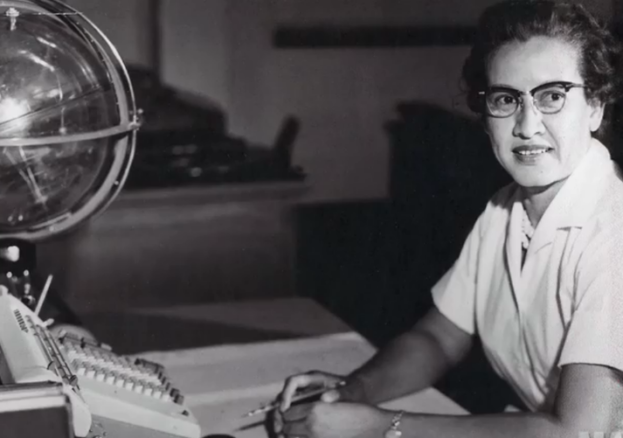
Katherine Johnson: Pioneering Mathematician and Trailblazer Introduction In the annals of American scientific history, ...
View Board
Discover the inspiring journey of Stephen Hawking in this comprehensive article. From his pioneering work on black holes...
View Board
Jean Baptiste Joseph Delambre: A Life of Astronomical Pursuits The Early Life and Education Jean Baptiste Joseph Delam...
View Board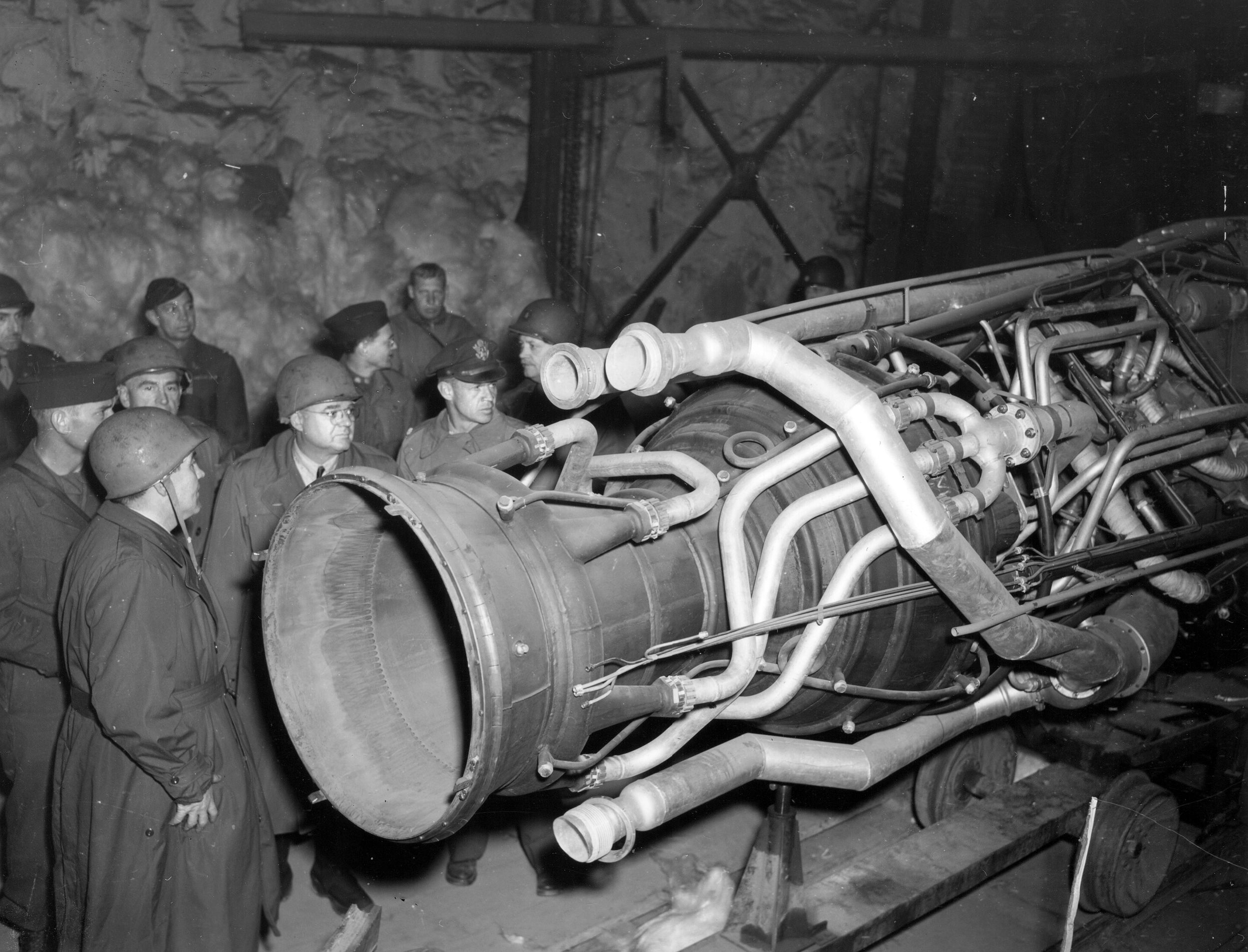
Discover how Wernher von Braun, the Father of Rocket Science, revolutionized space exploration with the V-2 and Saturn V...
View Board
**SEO Meta Description:** "Explore Wernher von Braun's complex legacy—rocket pioneer who shaped NASA's Apollo program ...
View Board
Mae Jemison: A Pioneering Astronaut and Champion of STEM Education The world was awe-struck when Mae Jemison became the...
View Board
Discover the groundbreaking journey of Rosalind Franklin, the brilliant scientist whose pivotal work on the DNA structur...
View Board
Explore the life of Paul Painlevé, a groundbreaking mathematician and innovative political leader, whose dual legacy in ...
View Board
Peter Santenello's life is a testament to hard work and perseverance, from his early days in New York to becoming a pion...
View Board
Discover Maria Mitchell, America's first female astronomer. Explore her 1847 comet discovery, impact on women in STEM, a...
View Board
George Gamow: The Unbelievable Journey of a Theoretical Physicist and Cosmologist The Enigmatic Man Behind the Cosmic B...
View Board
Galileo Galilei: The Pioneer of Science and Chronology Galileo Galilei, often hailed as the father of modern science, r...
View Board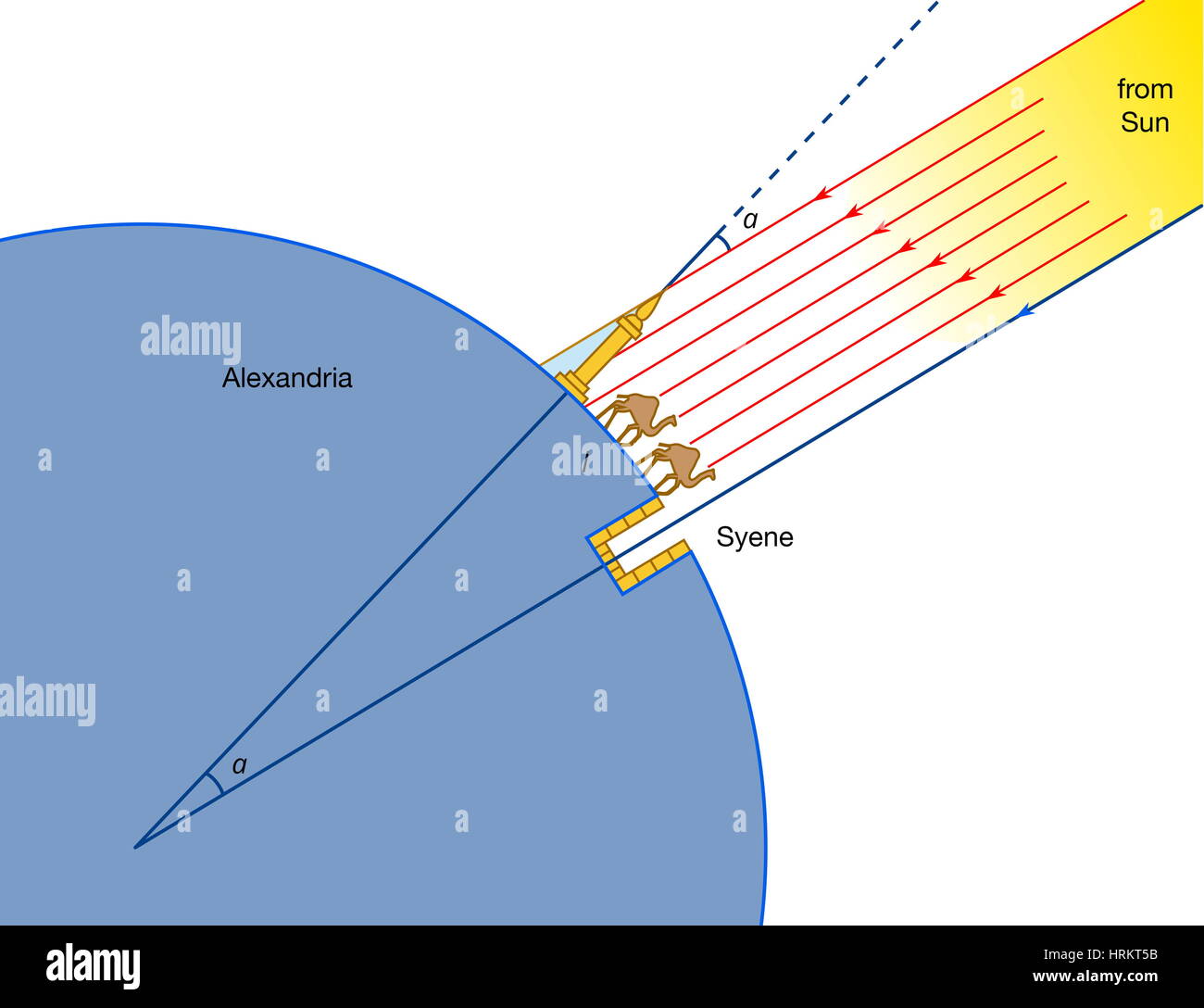
Eratosthenes: The Ptolemaic Genius of ancient Greece Eratosthenes of Cyrene (c. 276–194 BC) was not only a polymath and...
View Board
Discover the inspiring life and legacy of Andrew Mark Henry, a visionary leader revered for his groundbreaking contribut...
View Board
Discover Maria Mitchell, America's first woman astronomer, who broke barriers in science & fought for women's rights. Le...
View Board
Joshua Richards' journey from small-town entrepreneur to tech visionary, exploring his leadership, innovation at NexGen ...
View Board
Discover the intriguing life of Léon Foucault, the pioneering French physicist who elegantly demonstrated the Earth's ro...
View Board
Blaire Matthews, a trailblazing entrepreneur, leverages technology to drive mental health innovation and diversity in te...
View Board
"Louis 'Luis' Alvarez: A scientific genius who pioneered new frontiers. Explore his early life, education, and groundbre...
View Board
Comments