Explore Any Narratives
Discover and contribute to detailed historical accounts and cultural stories. Share your knowledge and engage with enthusiasts worldwide.
Louis Pasteur, a name synonymous with germ theory and lifesaving vaccines, fundamentally reshaped our understanding of the invisible world of microorganisms. His groundbreaking work in the 19th century laid the foundation for modern microbiology, immunology, and sterile medical practices. From developing the process of pasteurization to creating the first scientific vaccines, Pasteur's legacy continues to protect global public health today.
Born in Dole, France, in 1822, Louis Pasteur's early academic career was marked by a profound interest in chemistry and the physical sciences. His initial research focused on molecular asymmetry, specifically the optical activity of tartrate crystals, which earned him early recognition. This work demonstrated his meticulous approach to experimentation and observation, skills that would become crucial in his later microbiological studies. His academic appointments took him to universities in Strasbourg and Lille, where he began to apply his chemical expertise to practical industrial problems.
The local industries in Lille, particularly those involving fermentation for beer and vinegar production, presented Pasteur with a new set of challenges. Manufacturers were experiencing inconsistent results and spoilage, which led to significant economic losses. Pasteur's investigation into fermentation revealed that it was not a purely chemical process but was instead caused by living microorganisms, specifically yeast. Furthermore, he discovered that spoilage was caused by other, undesirable microbes contaminating the batches. This was a radical departure from the prevailing chemical theories of the time and marked his entry into the field of microbiology.
The dominant scientific belief of the era, known as the doctrine of spontaneous generation, held that life could arise spontaneously from non-living matter. This theory suggested that microorganisms could simply appear in decaying broth. Pasteur, armed with his findings from fermentation studies, became a leading voice against this idea. He designed a series of elegant and decisive experiments to prove that microbes were present in the air and could be introduced to sterile environments, causing contamination.
Pasteur's most famous experiment involved the use of swan-neck flasks. He boiled a nutrient broth in these flasks to sterilize it, killing any existing microorganisms. The unique curved neck of the flask allowed air to enter but trapped dust particles and airborne microbes, preventing them from reaching the broth. The broth in these flasks remained clear and sterile indefinitely. However, when the flask was tilted so that the broth came into contact with the trapped particles in the neck, the broth quickly became cloudy with microbial growth. This simple yet powerful experiment effectively disproved spontaneous generation and provided strong evidence for the germ theory of disease.
Pasteur's work demonstrated that microorganisms are everywhere and are the true agents of fermentation, putrefaction, and disease.
Building on his understanding that microbes cause spoilage, Pasteur sought a practical solution for the French wine industry, which was suffering from unreliable products. He discovered that by heating wine to a specific temperature, well below its boiling point, he could kill the harmful bacteria responsible for spoilage without adversely affecting the wine's taste. This process, later named pasteurization in his honor, revolutionized food and beverage safety.
The application of pasteurization was soon extended to milk, drastically reducing the incidence of diseases like tuberculosis, scarlet fever, and typhoid that were transmitted through contaminated dairy. The principles of pasteurization remain a cornerstone of food safety protocols worldwide, saving countless lives.
Pasteur's work provided the scientific basis for the germ theory of disease, which posits that specific microorganisms are the cause of specific illnesses. This was a monumental shift from previous beliefs that diseases were caused by miasmas or imbalances in bodily humors. His research directly influenced contemporary surgeons, like Joseph Lister, who pioneered antiseptic surgery. By using carbolic acid to disinfect wounds and surgical instruments, Lister dramatically reduced post-operative infections, applying Pasteur's microbiological principles to clinical practice.
Pasteur himself contributed to the field of asepsis and antisepsis by developing methods to create and maintain sterile environments for his experiments. He designed specialized flasks and techniques to exclude external contaminants, ensuring the purity of his microbial cultures. This rigorous approach to sterility became the standard for microbiological and medical research laboratories.
Louis Pasteur's contributions to immunology represent one of the most profound advancements in medical history. His systematic approach moved vaccination from a practice based on observation, like Edward Jenner's smallpox vaccine, to a rigorous science. The journey began almost by accident in 1879 while he was studying chicken cholera. A culture of the bacteria was left unattended over a holiday, and when it was later injected into chickens, the birds became ill but did not die.
Pasteur made a brilliant deduction. He realized that the bacteria had become attenuated, or weakened, after exposure to oxygen. When these same chickens were later injected with a fresh, virulent strain of cholera, they proved to be immune. Pasteur had scientifically demonstrated that exposure to a weakened pathogen could confer immunity against its more dangerous form. He famously declared, "In the fields of observation, chance favors only the prepared mind," a testament to his methodical approach.
Emboldened by his success with chicken cholera, Pasteur turned his attention to anthrax, a devastating disease affecting livestock. He developed a method to attenuate the anthrax bacillus by cultivating it at a slightly elevated temperature. To prove the vaccine's efficacy to a skeptical public, he conducted a landmark public experiment in 1881 at a farm in Pouilly-le-Fort.
The experiment involved 50 sheep. Twenty-five were vaccinated with Pasteur's attenuated strain, while the other twenty-five served as controls. After a set period, all 50 sheep were injected with a lethal dose of anthrax. The results were dramatic and conclusive: all 25 vaccinated sheep survived, while the unvaccinated control group died. This public demonstration was a monumental success, silencing critics and proving the power of scientifically developed vaccines.
Perhaps Pasteur's most famous and daring work was on rabies, a fatal viral disease that terrified populations. Unlike bacteria, viruses were too small to be seen with the microscopes of the day, making the work exceptionally challenging. Pasteur and his team developed a method of attenuating the rabies virus by serial passage through rabbit spinal cords, which were then dried to weaken the pathogen further.
The ultimate test came in 1885 with nine-year-old Joseph Meister, who had been severely bitten by a rabid dog. With the boy facing almost certain death, Pasteur, though not a medical doctor, made the courageous decision to administer his untested vaccine. The treatment was a success, and Joseph Meister survived. This event catapulted Pasteur to international fame and marked the first successful human rabies vaccination, establishing a blueprint for future viral vaccines.
The successful treatment of Joseph Meister was a turning point, demonstrating that science could conquer even the most feared diseases.
The overwhelming international demand for the rabies vaccine, coupled with the need for a dedicated research center, led to the founding of the Pasteur Institute in Paris in 1888. Funded by a successful public subscription, the institute was created with a dual mission: to treat rabies and to serve as a center for research into infectious diseases. Pasteur served as its first director, setting its scientific course until his death.
The institute quickly became a world-leading center for microbiological research, attracting brilliant scientists from across the globe. It fostered an environment where groundbreaking discoveries continued to flourish long after Pasteur's own work. The institution's model combined fundamental research with practical applications, a philosophy that continues to drive its mission today.
The Pasteur Institute expanded into a global network of institutions dedicated to fighting disease. These centers, located in over 20 countries, work on the front lines of public health, conducting research and responding to outbreaks. They have been instrumental in battling diseases such as the bubonic plague, diphtheria, influenza, and more recently, HIV/AIDS and COVID-19.
This global network ensures that Pasteur's legacy is not confined to history books but is an active, living force in contemporary medicine. The institutes continue the work he started, focusing on virology, immunology, and epidemiology to address the health challenges of the 21st century.
The principles established by Louis Pasteur form the bedrock of modern biomedical science. His insistence on rigorous experimentation, coupled with the practical application of findings, created a new paradigm for scientific inquiry. The fields of microbiology, immunology, and epidemiology all trace their modern foundations directly back to his work.
His refutation of spontaneous generation and championing of the germ theory provided a coherent framework for understanding the cause and spread of infectious diseases. This shift in thinking was as important as the individual discoveries themselves, as it provided the necessary context for future medical breakthroughs.
Beyond the laboratory and clinic, Pasteur's impact on daily life is immense. The mandatory pasteurization of milk and many other beverages has prevented millions of cases of foodborne illness. Public health policies regarding sanitation, water treatment, and food handling are all rooted in the understanding that invisible microbes must be controlled to ensure public safety.
Governments worldwide have established agencies, like the Centers for Disease Control and Prevention (CDC) in the United States, whose very existence is justified by the principles Pasteur helped establish. These organizations monitor disease, develop prevention strategies, and respond to outbreaks, all operating within the scientific framework he pioneered.
More than a century after his death, Louis Pasteur's principles are more relevant than ever. Modern microbiology, while vastly more complex, operates on the foundational framework he established. His core concepts—that specific microbes cause disease, that they can be controlled, and that immunity can be artificially induced—guide contemporary research in infectious diseases, vaccine development, and antimicrobial resistance.
Today's advanced vaccinology platform technologies, including mRNA and viral vector vaccines, are direct intellectual descendants of Pasteur's work with attenuated pathogens. While the tools have evolved, the goal remains identical: to safely train the immune system to recognize and defeat a pathogen. The rapid development of COVID-19 vaccines stands as a testament to the enduring power of the immunology principles he pioneered.
The global crisis of antimicrobial resistance finds its roots in Pasteur's warnings about the dynamic nature of microbes. His work established that microorganisms are living entities capable of adaptation and change. Modern strategies to combat AMR, such as phage therapy and the development of narrow-spectrum antibiotics, rely on a deep, Pasteurian understanding of microbial ecology and host-pathogen interactions.
Research into the human microbiome—the trillions of bacteria, viruses, and fungi that live in and on us—also stems from his recognition that microbes are not solely agents of disease. This field explores the delicate balance between health and illness, expanding germ theory into a more nuanced understanding of microbial symbiosis.
The Pasteur Institute remains a powerhouse of global health research. Its scientists are at the forefront of studying emerging infectious diseases, neuroscience, and genomics. The institute's ongoing work, from tracking viral evolution to developing new diagnostic tools, ensures that Pasteur's mandate to pursue science for the benefit of humanity continues unabated.
In academic settings worldwide, his experiments are still taught as masterclasses in the scientific method. The swan-neck flask experiment is a staple of biology textbooks, demonstrating the power of a simple, well-designed test to overturn longstanding dogma. His career is presented as a model of translating fundamental discovery into practical application that saves lives.
Pasteur's greatest contribution may be the intellectual framework that allows each new generation of scientists to ask better questions.
Understanding the sequence of Pasteur's discoveries reveals a logical progression from chemistry to applied microbiology. Each breakthrough built upon the last, creating a cohesive body of work that transformed multiple scientific fields.
1848 - 1857: Early work on molecular asymmetry and crystallography. Appointed professor at the University of Strasbourg and later Lille.
1856 - 1863: Investigations into fermentation, proving it is a biological process. Begins work disproving spontaneous generation.
1864 - 1870: Publicly demonstrates his swan-neck flask experiments. Develops pasteurization for wine and beer at the request of French industry.
1879 - 1881: Discovers principle of attenuation and creates first vaccine for chicken cholera. Develops and publicly validates the anthrax vaccine.
1885: Successfully administers the first rabies vaccine to Joseph Meister, achieving worldwide acclaim.
1888: The Pasteur Institute is inaugurated in Paris, with Pasteur as its first director.
Louis Pasteur's life and work represent a pivotal turning point in human history. He moved medicine from an era of superstition and observation into the age of scientific certainty and intervention. By proving the germ theory of disease, he gave humanity the knowledge needed to fight microscopic enemies effectively. His development of vaccines created a powerful shield against some of history's greatest killers.
The practical applications of his research are incalculable. Pasteurization alone has saved millions of lives by ensuring the safety of the food supply. The global vaccine industry, which prevents an estimated 2-3 million deaths per year from diseases like diphtheria, tetanus, and measles, is built upon his foundational discoveries. His establishment of aseptic technique transformed surgery from a deadly gamble into a safe, life-saving practice.
In an era facing new pandemics, antimicrobial resistance, and emerging pathogens, the lessons of Louis Pasteur are not historical footnotes but essential guides. His legacy is not merely a list of discoveries, but a permanent shift in how humanity perceives and engages with the microbial world. He taught us to see the invisible, understand its mechanisms, and courageously intervene. From a glass of safe milk to a life-saving vaccination, the profound and benevolent shadow of Louis Pasteur, the father of microbiology, touches every life on the planet.


Your personal space to curate, organize, and share knowledge with the world.
Discover and contribute to detailed historical accounts and cultural stories. Share your knowledge and engage with enthusiasts worldwide.
Connect with others who share your interests. Create and participate in themed boards about any topic you have in mind.
Contribute your knowledge and insights. Create engaging content and participate in meaningful discussions across multiple languages.
Already have an account? Sign in here
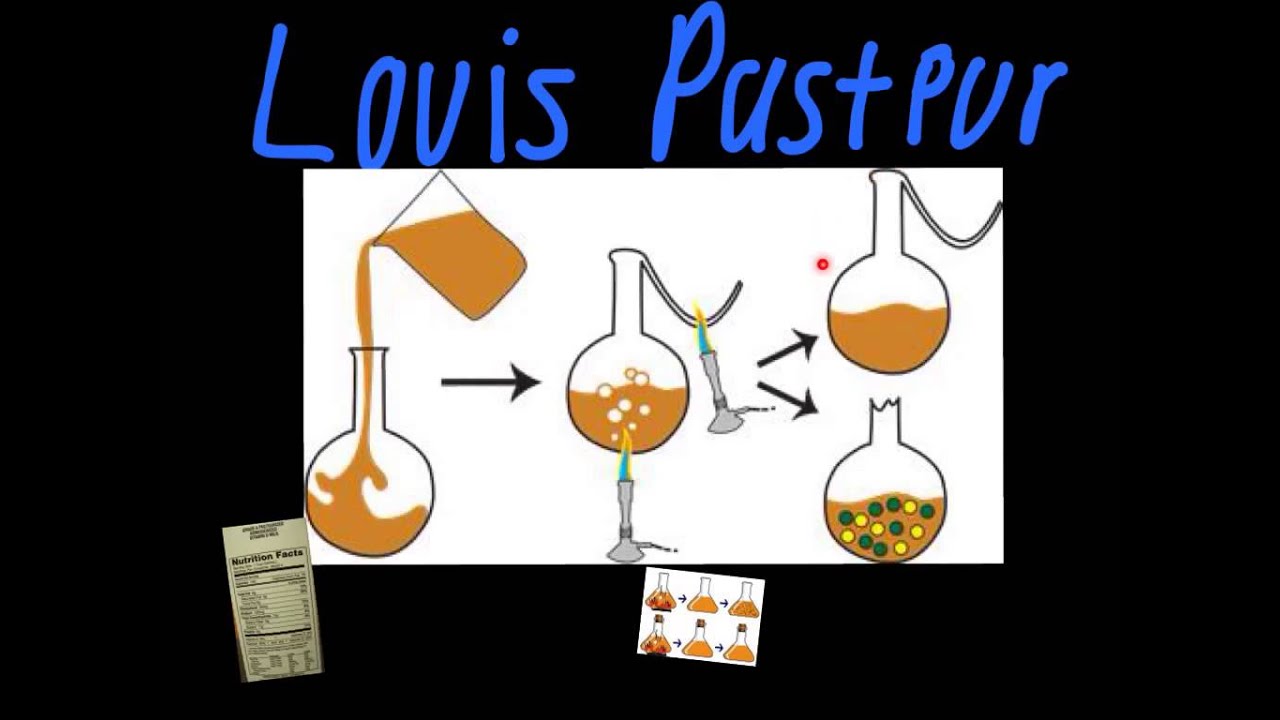
Louis Pasteur, the father of modern microbiology, revolutionized science with germ theory, pasteurization, and vaccines....
View Board
Discover the fascinating legacy of Félix d'Herelle, the self-taught pioneer behind bacteriophage therapy. This captivati...
View Board
Discover the groundbreaking journey of Ronald Ross, the pioneering scientist whose revolutionary understanding of malari...
View Board
Discover how AI is revolutionizing the fight against antibiotic resistance by accelerating drug discovery, predicting ou...
View Board
Explore the life and legacy of Karl Landsteiner, the visionary who revolutionized medical science with the discovery of ...
View Board
"Discover how Fleming's 1928 penicillin discovery revolutionized medicine, saving millions. Learn about the antibiotic e...
View Board
"Explore Manuel García's vocal science legacy & laryngoscope invention. Discover how his innovations shaped modern voice...
View Board
Discover Félix d'Hérelle, the self-taught genius who revolutionized science with bacteriophages. Explore his groundbreak...
View Board
Explore the life and legacy of Claude Bernard, the trailblazer of experimental medicine. Discover how his scientific rig...
View Board
Explore the transformative legacy of Paul Broca, a pioneering figure in neuroanatomy whose groundbreaking discovery of “...
View Board
"Manuel Elkin Patarroyo, a pioneering immunologist, developed a malaria vaccine and advocates for global health, inspiri...
View Board
Discover the revolutionary scientists shaping endocrinology. Explore breakthroughs from insulin discovery to modern horm...
View Board
Explore the groundbreaking contributions of Jean Dausset, the luminary in immunogenetics whose discovery of the Human Le...
View Board
"Discover Luigi Galvani's frog leg experiments that sparked modern neurophysiology. Learn how his work shaped neuroscien...
View Board
"Explore microbiology's impact on health, industry, and the environment. Discover groundbreaking findings like penicilli...
View Board
"Discover Gabriele Falloppio, the 16th-century anatomist who transformed reproductive medicine. Learn about his life, di...
View Board
"Explore the Feltz-Fontana Prize honoring neurophysiology & microbiome breakthroughs. Learn how the gut-brain axis impac...
View Board
"Explore how Santiago Ramón y Cajal, father of modern neuroscience, revolutionized brain science with the neuron doctrin...
View Board
Discover how Frederick Banting's groundbreaking insulin discovery revolutionized diabetes treatment, saving millions. Ex...
View Board
Explore nitroglycerin's explosive history and its modern use as a vital vasodilator treating angina and heart failure. D...
View Board
Comments