
Explore Any Narratives
Discover and contribute to detailed historical accounts and cultural stories. Share your knowledge and engage with enthusiasts worldwide.
Manuel Patricio Rodríguez García, commonly known as Manuel García, was a 19th-century Spanish singer and vocal pedagogue whose contributions to the field of vocal science remain influential to this day. Born on March 17, 1805, García's innovative spirit led him to invent the first practical laryngoscope, a device that revolutionized the study of the human voice.
García was born into a family of musicians, which greatly influenced his early life and career. His father, Manuel del Pópulo Vicente García, was a renowned composer and singing teacher, and his sister, Maria Malibran, was a famous opera singer. This musical heritage provided García with a strong foundation in vocal techniques and performance.
García began his musical education at a young age, studying under his father. He quickly developed a deep understanding of vocal techniques and performance, which would later form the basis of his innovative teaching methods.
After a successful career as a singer, García transitioned to teaching. He became a professor at the Paris Conservatoire in 1847 and later at the Royal Academy of Music in London. His teaching methods were groundbreaking, combining empirical observation with scientific principles.
One of García's most significant contributions to the field of vocal science was the invention of the laryngoscope. In 1854, he devised a method to view his own larynx using a small dental mirror and reflected sunlight. This innovation allowed for a deeper understanding of vocal mechanics and laid the foundation for modern vocal pedagogy.
García's invention was born out of his desire to better understand the workings of the human voice. By using a dental mirror and sunlight, he was able to observe his own larynx in action, providing valuable insights into vocal production.
The laryngoscope had a profound impact on the study of the human voice. It allowed for the first time a direct observation of the vocal cords in action, leading to a better understanding of vocal techniques and the development of more effective teaching methods.
García's writings, notably Mémoires sur la voix humaine (1840) and Traité complet de l’art du chant (1847), are considered seminal works in the field of vocal pedagogy. His teachings and innovations have left a lasting legacy, influencing generations of singers and vocal teachers.
García's publications are a testament to his deep understanding of vocal techniques and his commitment to advancing the field of vocal science. His works continue to be studied and referenced by vocal pedagogues and researchers.
García's influence extends far beyond his own lifetime. His innovative teaching methods and scientific approach to vocal pedagogy have shaped the way singing is taught and understood today. Many prominent singers and vocal teachers trace their lineage back to García's teachings.
Manuel Patricio Rodríguez García's contributions to the field of vocal science are immeasurable. His invention of the laryngoscope and his innovative teaching methods have left a lasting legacy that continues to influence the study and practice of singing. As we explore the intersection of technology and sustainability in the modern world, it is important to recognize the pioneering figures like García who laid the groundwork for today's innovations.
While Manuel Patricio Rodríguez García is primarily remembered for his contributions to vocal pedagogy, his invention of the laryngoscope had far-reaching implications for medical science and technology. His innovative use of a dental mirror and sunlight to observe the larynx paved the way for modern medical instrumentation and diagnostic techniques.
García's work exemplifies the intersection of art and science. His laryngoscopic observations not only advanced vocal pedagogy but also provided valuable insights into the anatomy and physiology of the human voice. This interdisciplinary approach has inspired countless researchers and practitioners in both fields.
In recognition of his contributions to medical science, García was awarded an honorary Doctor of Medicine from the University of Königsberg. This honor underscores the significance of his work and its impact on the medical community.
Manuel García's approach to vocal pedagogy was revolutionary for its time. He emphasized the importance of scientific observation and empirical evidence in the study of the human voice, setting a new standard for vocal education.
The García Method is a comprehensive system of vocal training that combines technical exercises with scientific principles. García's teachings focused on breath control, vocal resonance, and the proper use of the vocal cords, providing a solid foundation for singers of all levels.
García's influence can be seen in the success of his many prominent students, including Jenny Lind and Mathilde Marchesi. His teachings have been passed down through generations of vocal pedagogues, ensuring that his legacy continues to shape the world of vocal music.
The impact of Manuel Patricio Rodríguez García's work extends far beyond the 19th century. His innovative approaches to vocal pedagogy and his invention of the laryngoscope have had a lasting influence on modern vocal science and technology.
García's pioneering use of the laryngoscope opened new avenues for vocal research. Today, advanced imaging technologies and digital analysis tools allow researchers to study the human voice with unprecedented precision, building on the foundation laid by García.
Modern vocal pedagogy has embraced technology in ways that García could not have imagined. From digital audio workstations to real-time vocal analysis software, today's vocal teachers have a wealth of tools at their disposal. These technologies are a direct extension of García's commitment to scientific observation and empirical evidence.
Manuel Patricio Rodríguez García's contributions to vocal science and technology are celebrated through various commemorative efforts. Museums, archives, and academic institutions continue to honor his legacy and promote his innovative spirit.
Several museums and exhibits around the world are dedicated to preserving García's legacy. These institutions showcase his inventions, writings, and personal artifacts, providing visitors with a deeper understanding of his life and work.
Academic research on García's contributions to vocal science and technology is ongoing. Scholars and researchers continue to publish studies and articles that explore his innovative methods and their impact on modern vocal pedagogy.
Manuel Patricio Rodríguez García's life and work serve as a testament to the power of innovation and interdisciplinary collaboration. His invention of the laryngoscope and his groundbreaking approaches to vocal pedagogy have left an indelible mark on the fields of music, medicine, and technology.
As we continue to explore the intersection of technology and sustainability in the modern world, it is essential to recognize the pioneering figures like García who laid the groundwork for today's advancements. His legacy reminds us of the importance of empirical observation, scientific inquiry, and the relentless pursuit of knowledge.
Manuel Patricio Rodríguez García was not just an innovator in his own right; he was part of a musical dynasty that shaped the landscape of 19th-century opera and vocal performance. Understanding his family background provides deeper insight into his motivations and achievements.
García's father, Manuel del Pópulo Vicente García, was a celebrated composer and singing teacher who played a pivotal role in the development of bel canto technique. His influence on Manuel Patricio was profound, instilling in him a deep appreciation for both the art and science of singing.
García's sister, Maria Malibran, was one of the most famous opera singers of her time. Her extraordinary talent and tragic early death at age 28 left a lasting impact on Manuel Patricio, who later dedicated much of his work to advancing vocal techniques that could prevent the vocal strain that plagued many singers of their era.
Manuel Patricio Rodríguez García's contributions continued to be recognized well into his later years. His longevity—he lived to the remarkable age of 101—allowed him to witness the enduring impact of his work on both music and medicine.
In addition to his honorary Doctor of Medicine from the University of Königsberg, García received numerous accolades from royal and academic institutions across Europe. These honors reflected the broad recognition of his contributions to both the arts and sciences.
García spent his final years in London, where he continued to teach and write. His later works focused on refining his vocal techniques and documenting his observations on the human voice. Even in his advanced age, he remained a respected figure in the musical and scientific communities.
The principles and technologies pioneered by Manuel Patricio Rodríguez García continue to find applications in modern vocal science and medical technology. His work has inspired advancements that extend far beyond his original intentions.
Today, laryngoscopy is a standard procedure in otolaryngology, used for both diagnostic and surgical purposes. Modern laryngoscopes, equipped with fiber-optic technology and high-definition imaging, are direct descendants of García's original invention.
The digital revolution has transformed vocal pedagogy, with tools like spectrogram analysis and real-time pitch correction software becoming commonplace. These technologies build on García's foundational work, allowing for more precise and personalized vocal training.
One of the most significant aspects of Manuel Patricio Rodríguez García's legacy is his demonstration of how art and science can intersect to create meaningful innovation. His life's work serves as a model for interdisciplinary collaboration.
García's story is a powerful example for today's innovators, particularly those working at the intersection of technology and sustainability. His ability to bridge seemingly disparate fields—music and medicine—shows the potential for creative solutions to complex problems.
García's reliance on empirical observation and scientific methodology set a precedent for modern research. His approach underscores the importance of evidence-based practices in both artistic and scientific endeavors.
Manuel Patricio Rodríguez García's life and work represent a remarkable fusion of artistry and scientific inquiry. His inventions, teachings, and writings have left an indelible mark on the fields of vocal pedagogy and medical science, influencing generations of practitioners and researchers.
As we reflect on García's legacy, several key takeaways emerge:
In an era where technology and sustainability are increasingly intertwined, García's story serves as a reminder of the potential for creative solutions to emerge from unexpected intersections. His legacy challenges us to think beyond conventional boundaries and to embrace the spirit of innovation that defined his extraordinary career.
Manuel Patricio Rodríguez García may have lived in the 19th century, but his visionary approach to problem-solving remains as relevant today as it was during his lifetime. As we continue to push the boundaries of what is possible, we would do well to remember the lessons of this pioneering figure and to strive for the same level of creativity, curiosity, and dedication that he embodied.
Your personal space to curate, organize, and share knowledge with the world.
Discover and contribute to detailed historical accounts and cultural stories. Share your knowledge and engage with enthusiasts worldwide.
Connect with others who share your interests. Create and participate in themed boards about any topic you have in mind.
Contribute your knowledge and insights. Create engaging content and participate in meaningful discussions across multiple languages.
Already have an account? Sign in here
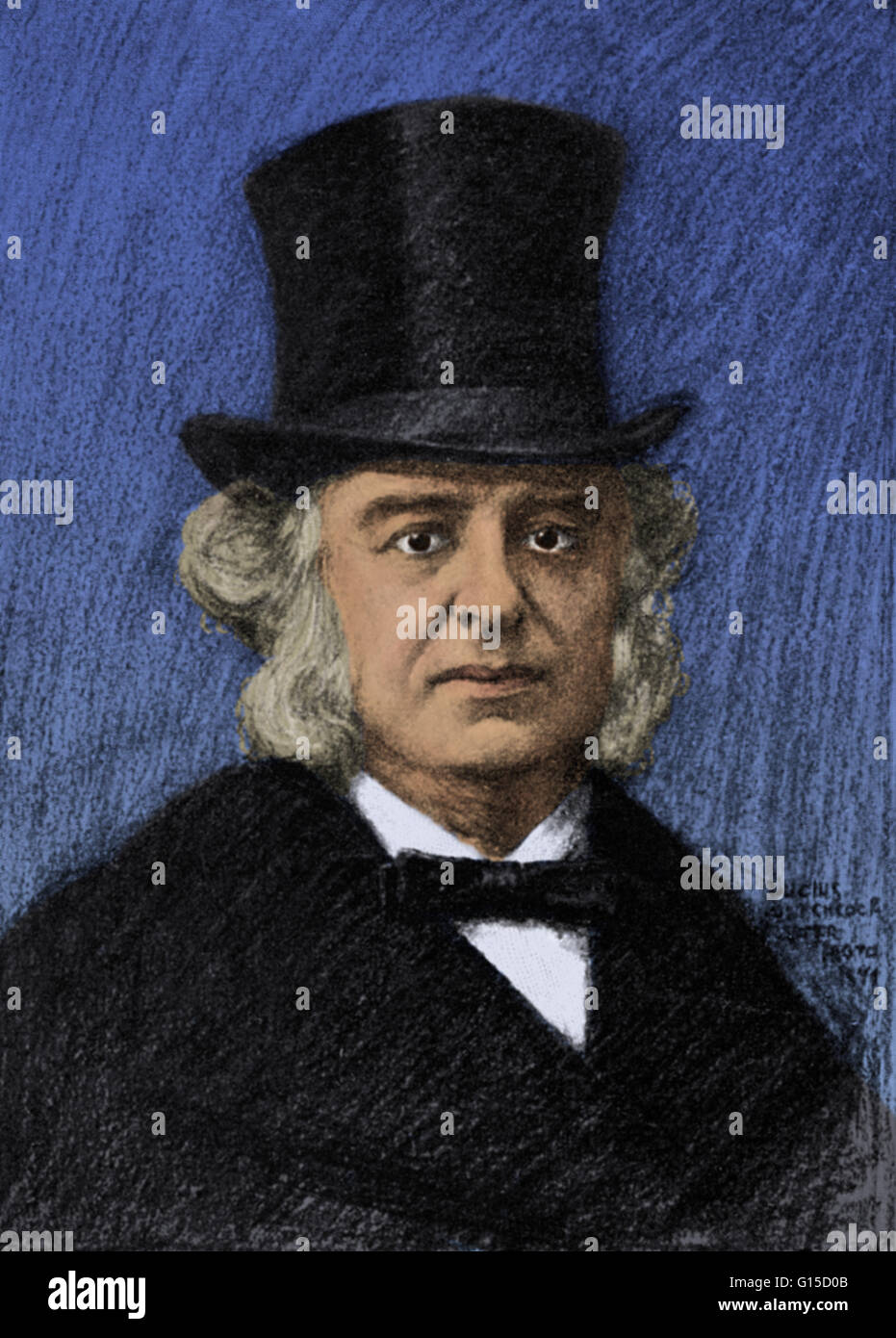
Explore the transformative legacy of Paul Broca, a pioneering figure in neuroanatomy whose groundbreaking discovery of “...
View Board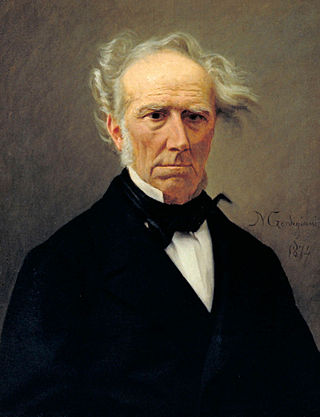
158 ̩ Meta Description: Explore the groundbreaking contributions of Giovanni Battista Amici - the Italian physicist w...
View Board
Discover how Louis Pasteur revolutionized medicine with germ theory, vaccines, and pasteurization. Explore his enduring ...
View Board
Discover how AI is revolutionizing the fight against antibiotic resistance by accelerating drug discovery, predicting ou...
View Board
"Discover Luigi Galvani's frog leg experiments that sparked modern neurophysiology. Learn how his work shaped neuroscien...
View Board
Discover the inspiring journey of Dorothy Hodgkin, a trailblazer in X-ray crystallography whose groundbreaking discoveri...
View Board
Explore the remarkable life and enduring legacy of Max von Laue, the pioneering physicist behind the groundbreaking tech...
View Board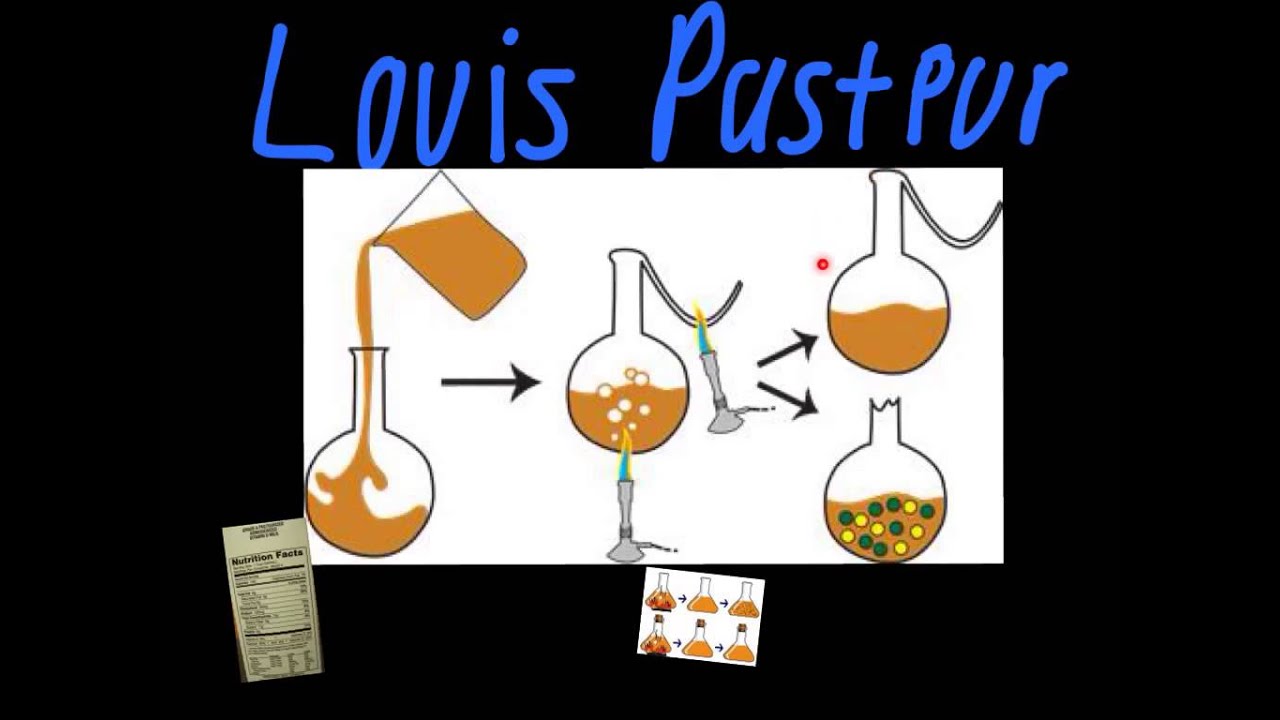
Louis Pasteur, the father of modern microbiology, revolutionized science with germ theory, pasteurization, and vaccines....
View Board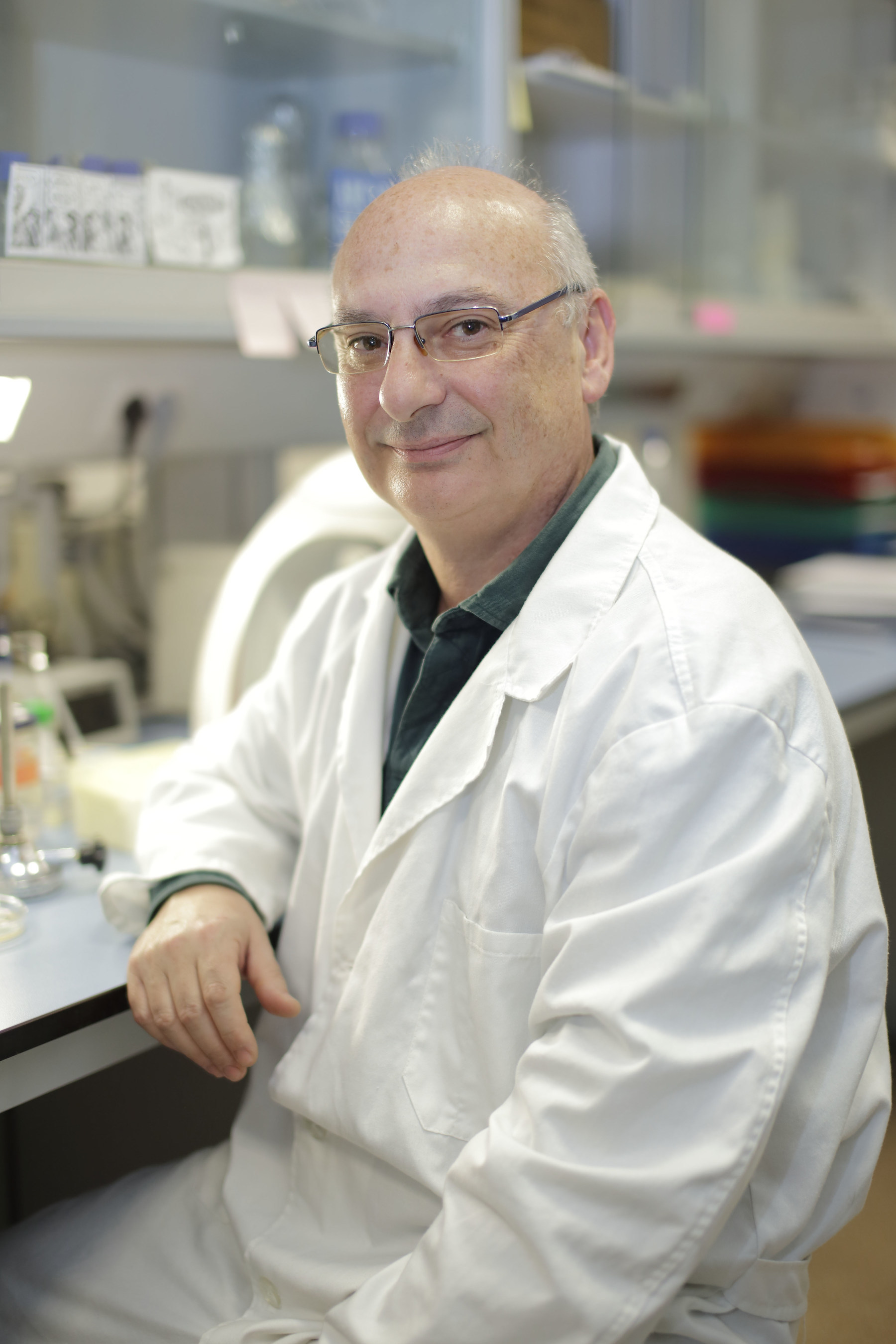
**Meta Description:** Discover how Francisco Mojica, the Spanish microbiologist behind CRISPR’s groundbreaking discove...
View Board
Discover the groundbreaking journey of Barry Marshall, a trailblazer in gastroenterology whose bold hypotheses and revol...
View Board
Explore the life and legacy of Karl Landsteiner, the visionary who revolutionized medical science with the discovery of ...
View Board
Explore the life and legacy of Claude Bernard, the trailblazer of experimental medicine. Discover how his scientific rig...
View Board
Discover Ernst Ruska's groundbreaking work in electron microscopy and its profound impact on modern science, from nanosc...
View Board
Discover the groundbreaking journey of Ronald Ross, the pioneering scientist whose revolutionary understanding of malari...
View Board
"Explore how Santiago Ramón y Cajal, father of modern neuroscience, revolutionized brain science with the neuron doctrin...
View Board
"Discover how Fleming's 1928 penicillin discovery revolutionized medicine, saving millions. Learn about the antibiotic e...
View Board
Explore the pioneering world of cryonics, from its scientific principles to ethical debates. Discover how this experimen...
View Board
Explore the life and legacy of Walter Brattain, a pivotal figure in semiconductor history and co-inventor of the point-c...
View Board
Explore the life and legacy of Hans Geiger, the pioneering physicist behind the revolutionary Geiger counter. From his e...
View Board
Discover the legacy of Michael Faraday, the self-taught genius hailed as the Father of Electromagnetism. From his humble...
View Board
Comments