Explore Any Narratives
Discover and contribute to detailed historical accounts and cultural stories. Share your knowledge and engage with enthusiasts worldwide.
Luigi Galvani, an Italian physician and physicist, revolutionized our understanding of nerve and muscle function. His pioneering work in the late 18th century established the foundation of electrophysiology. Galvani’s discovery of animal electricity transformed biological science and remains central to modern neuroscience.
Born in 1737 in Bologna, Italy, Galvani studied medicine at the University of Bologna. He later became a professor of anatomy and physiology, blending rigorous experimentation with deep curiosity about life processes. His work unfolded during intense scientific debates about nerve function.
In the 1700s, two theories dominated: neuroelectric theory (nerves use electricity) and irritability theory (intrinsic tissue force). Galvani entered this debate with unconventional methods, usingfrogs to explore bioelectricity. His approach combined serendipity with systematic testing.
Galvani’s most famous experiments began in the 1780s. While dissecting a frog, he noticed leg muscles twitching near an electrostatic machine. This observation led him to hypothesis: animal electricity existed inherently in living tissues.
“Nerves act as insulated conductors, storing and releasing electricity much like a Leyden jar.”
In 1791, Galvani published “De Viribus Electricitatis in Motu Musculari Commentarius” (Commentary on the Effects of Electricity on Muscular Motion). This work rejected outdated “animal spirits” theories and proposed nerves as conductive pathways.
Galvani carefully differentiated animal electricity from natural electric eels or artificial static electricity. He viewed muscles and nerves as biological capacitors, anticipating modern concepts of ionic gradients and action potentials.
His hypothesis that nerves were insulated conductors preceded the discovery of myelin sheaths by over 60 years. Galvani’s work laid groundwork for later milestones:
Today, tools measuring millivolts in resting potential (-70mV) directly trace their origins to Galvani’s frog-leg experiments.
Galvani’s work sparked a fierce scientific rivalry with Alessandro Volta, a contemporary Italian physicist. Volta argued that the frog leg contractions resulted from bimetallic arcs creating current, not intrinsic bioelectricity. He demonstrated that connecting copper and zinc produced similar effects using frog tissue as an electrolyte.
While Volta’s critique highlighted external current generation, Galvani countered with nerve-to-nerve experiments. By connecting nerves between frogs without metal, he proved contractions occurred independent of bimetallic arcs, validating his theory of inherent animal electricity.
Their争论 ultimately advanced electrophysiology. Volta’s findings led to the invention of the Voltaic Pile in 1800, the first electric battery. Galvani’s work confirmed living tissues generated measurable electrical signals. Modern science recognizes both contributions: tissues produce bioelectricity, while external circuits can influence it.
“Galvani discovered the spark of life; Volta uncovered the spark of technology.”
Galvani’s ideas ignited a wave of 19th-century discoveries. Researchers used his methods to explore nerve and muscle function with greater precision. Key milestones include:
These pioneers refined Galvani’s techniques using improved instrumentation. They measured millivolt-level signals and mapped electrical activity across tissues. Their work transformed neuroscience from philosophical debate to quantitative science, setting the stage for modern electrophysiology.
Today, Galvani’s experiments live on in educational labs. Platforms like Backyard Brains recreate his frog-leg and Volta battery demonstrations to teach students about neuroscience fundamentals. These hands-on activities demystify bioelectricity for new generations.
Universities worldwide incorporate Galvani’s methods into introductory neuroscience courses. By replicating his 18th-century techniques, learners grasp concepts like action potentials and ionic conduction firsthand.
Galvani’s vision of nerves as electrical conductors directly influences modern neurotechnology. Innovations such as:
These technologies echo Galvani’s insight that bioelectricity underpins nervous system communication. His work remains a cornerstone of efforts to treat neurological disorders through electrical stimulation.
Though Galvani died in 1798, his work gained widespread recognition in the centuries that followed. The 1998 bicentenary of his key experiments sparked renewed scholarly interest, with papers reaffirming his role as the founder of electrophysiology. Modern historians credit him with shifting neuroscience from vague theories to measurable electrical mechanisms.
Academic journals continues to cite Galvani’s 1791 treatise in milestone studies, including Hodgkin-Huxley models that explain ionic mechanisms underlying nerve impulses. His name remains synonymous with the discovery that bioelectricity drives neural communication.
Bologna, Italy, honors Galvani with statues, street names, and the Galvani Museum at the University of Bologna. The city also hosts an annual Galvani Lecture attended by leading neuroscientists. These tributes underscore his lasting impact on science and medicine.
Galvani’s experiments remain classroom staples. Kits like Backyard Brains allow students to replicate his frog-leg and Volta battery demonstrations, bridging 18th-century discovery with 21st-century learning. These hands-on activities make abstract concepts like action potentials tangible.
Schools worldwide integrate Galvani’s work into curricula, emphasizing how serendipitous observation can lead to scientific breakthroughs. His story teaches the value of curiosity-driven research.
Galvani’s vision of nerves as electrical conductors directly informs today’s neurotechnology. Innovations such as:
These technologies rely on the principle Galvani proved: living tissues generate and respond to electricity. His insights remain foundational to treating neurological disorders through electrical stimulation.
Galvani’s influence extends to precise measurement standards in neuroscience. Modern tools detect signals as small as millivolts, mapping resting potentials (-70mV) and action potentials (+30mV). These capabilities trace back to his frog-leg experiments, which first proved bioelectricity existed.
“Galvani gave us the language to speak to the nervous system—in volts and amperes.”
Luigi Galvani’s discovery of animal electricity reshaped our understanding of life itself. By proving nerves conduct electrical impulses, he laid the groundwork for:
His work transcended 18th-century limitations, anticipating discoveries like myelin sheaths and ionic mechanisms by decades.
Galvani’s legacy endures in three critical areas:
Luigi Galvani remains the father of modern neurophysiology not just for his discoveries, but for the enduring questions he inspired. Every time a neurologist monitors brain waves or an engineer designs a neural implant, they build on the spark Galvani first revealed. His work proves that sometimes, the smallest observation—a twitching frog leg—can illuminate the grandest truths about life.
Your personal space to curate, organize, and share knowledge with the world.
Discover and contribute to detailed historical accounts and cultural stories. Share your knowledge and engage with enthusiasts worldwide.
Connect with others who share your interests. Create and participate in themed boards about any topic you have in mind.
Contribute your knowledge and insights. Create engaging content and participate in meaningful discussions across multiple languages.
Already have an account? Sign in here

"Explore how Santiago Ramón y Cajal, father of modern neuroscience, revolutionized brain science with the neuron doctrin...
View Board
Discover the groundbreaking journey of Barry Marshall, a trailblazer in gastroenterology whose bold hypotheses and revol...
View Board
Explore the transformative legacy of Paul Broca, a pioneering figure in neuroanatomy whose groundbreaking discovery of “...
View Board
Explore the inspiring journey of Gerty Cori, the first woman Nobel laureate in Physiology or Medicine, who defied societ...
View Board
Discover the groundbreaking journey of Ronald Ross, the pioneering scientist whose revolutionary understanding of malari...
View Board
"Explore Manuel García's vocal science legacy & laryngoscope invention. Discover how his innovations shaped modern voice...
View Board
Explore the life and legacy of Claude Bernard, the trailblazer of experimental medicine. Discover how his scientific rig...
View Board
Explore the profound legacy of Gabriele Falloppio, the Renaissance anatomist who revolutionized medical science with his...
View Board
**Meta Description:** Explore the life and legacy of Hermann von Helmholtz, the 19th-century polymath who revolutionized...
View Board
Discover how Louis Pasteur revolutionized medicine with germ theory, vaccines, and pasteurization. Explore his enduring ...
View Board
"Discover Gabriele Falloppio, the 16th-century anatomist who transformed reproductive medicine. Learn about his life, di...
View Board
Louis Pasteur, the father of modern microbiology, revolutionized science with germ theory, pasteurization, and vaccines....
View Board
Explore the remarkable life and enduring legacy of Max von Laue, the pioneering physicist behind the groundbreaking tech...
View Board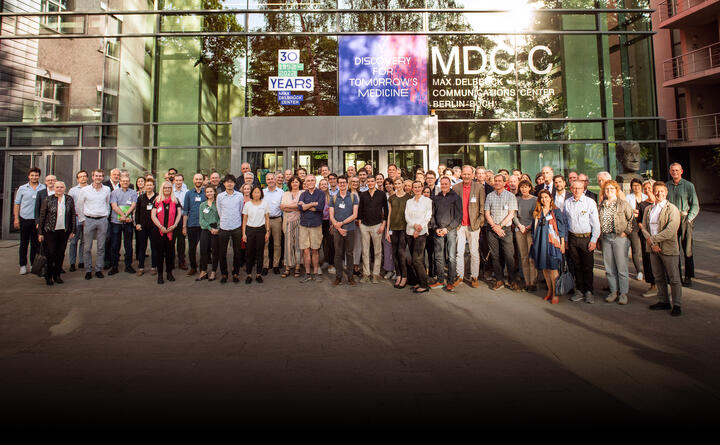
Max Delbrück was a pioneering scientist whose work revolutionized molecular biology through an interdisciplinary approac...
View Board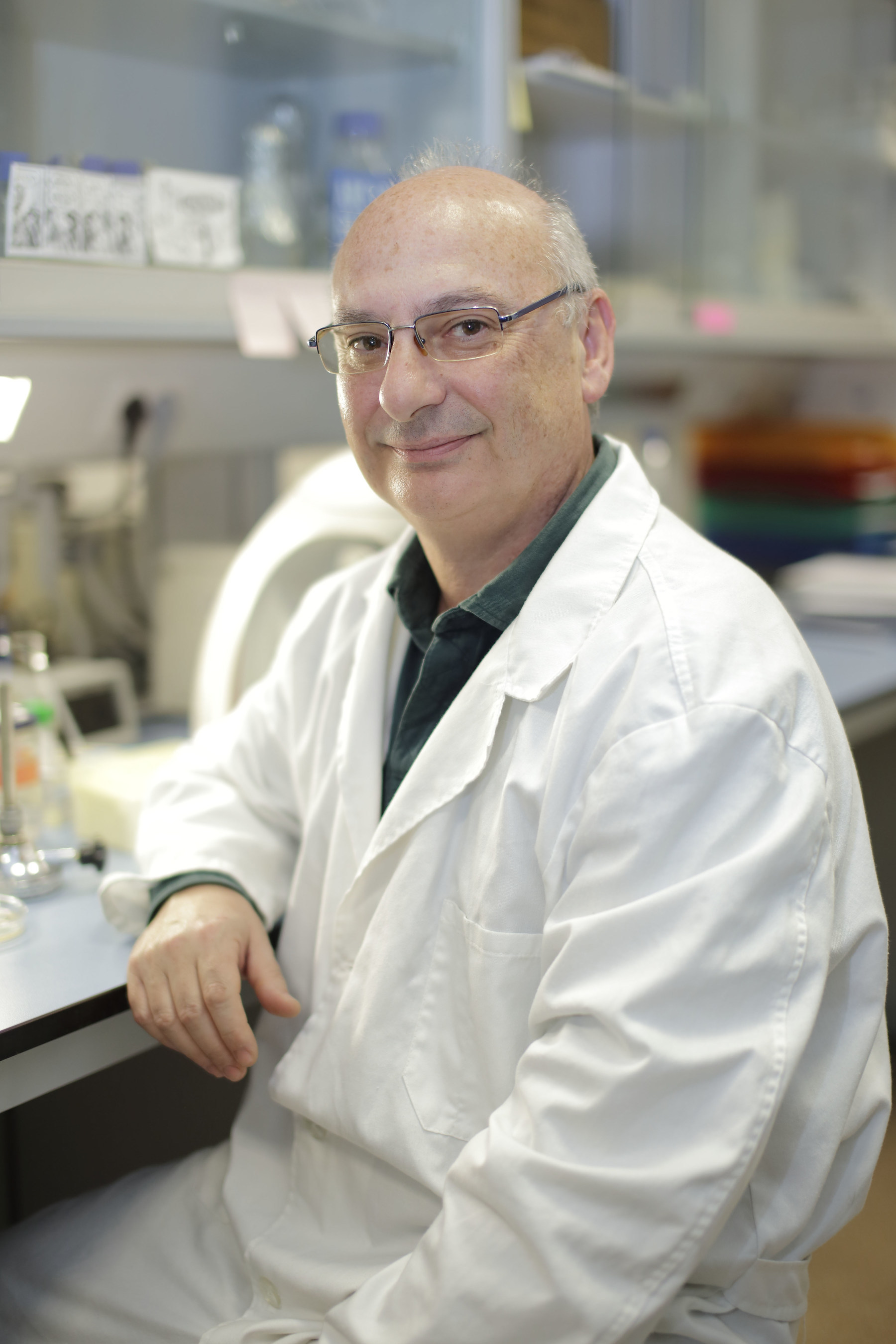
**Meta Description:** Discover how Francisco Mojica, the Spanish microbiologist behind CRISPR’s groundbreaking discove...
View Board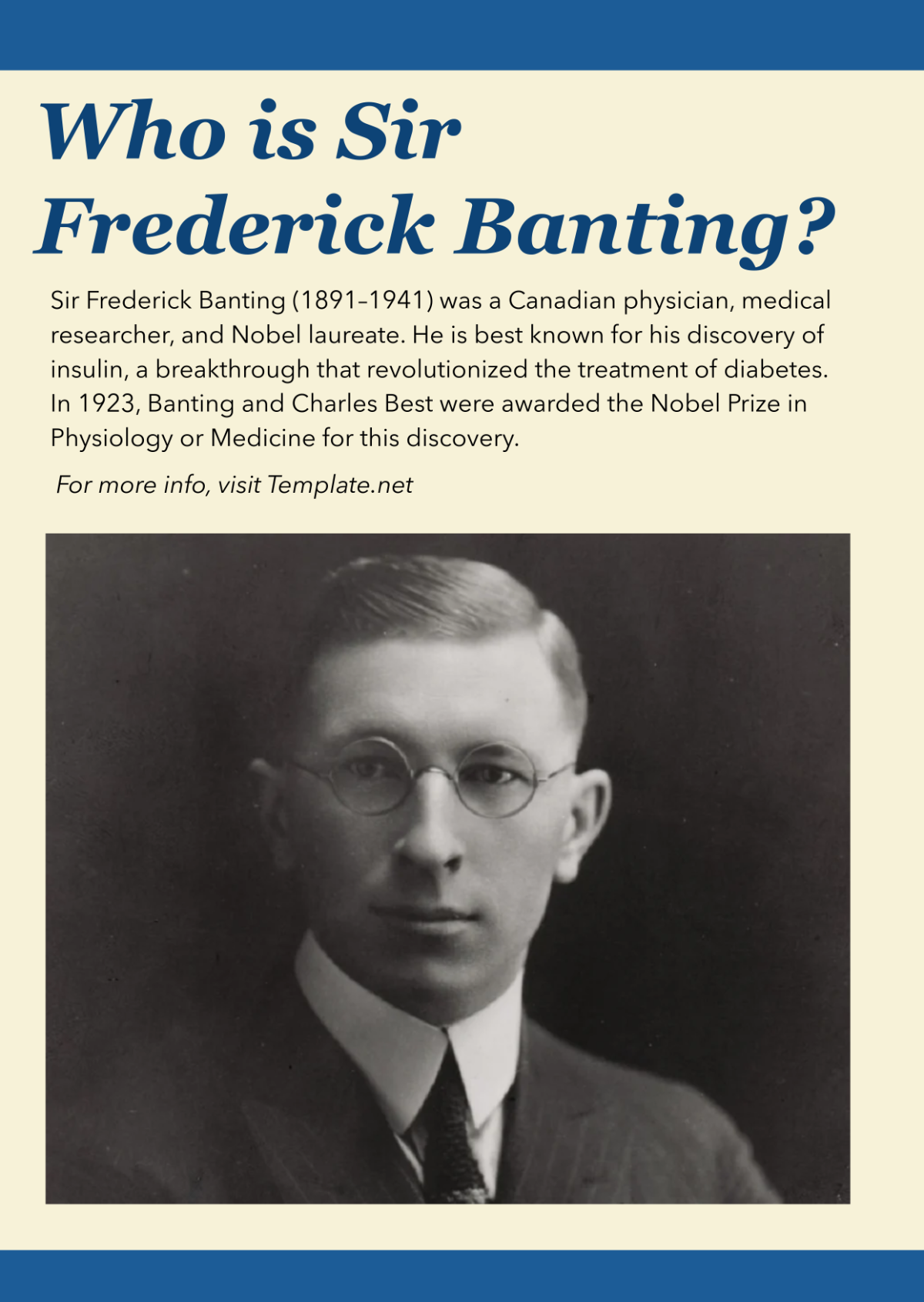
Discover how Frederick Banting's groundbreaking insulin discovery revolutionized diabetes treatment, saving millions. Ex...
View Board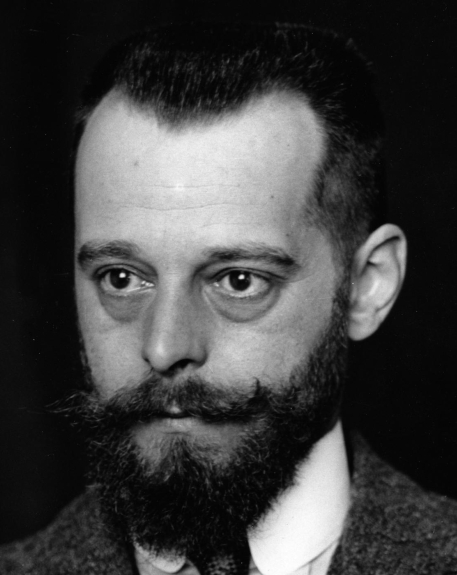
Discover the fascinating legacy of Félix d'Herelle, the self-taught pioneer behind bacteriophage therapy. This captivati...
View Board
Discover the revolutionary scientists shaping endocrinology. Explore breakthroughs from insulin discovery to modern horm...
View Board
Explore the life and legacy of Karl Landsteiner, the visionary who revolutionized medical science with the discovery of ...
View Board
Discover the inspiring journey of Dorothy Hodgkin, a trailblazer in X-ray crystallography whose groundbreaking discoveri...
View Board
Comments