Explore Any Narratives
Discover and contribute to detailed historical accounts and cultural stories. Share your knowledge and engage with enthusiasts worldwide.
In the vast and ever-evolving field of endocrinology, scientists and researchers continuously push the boundaries of medical knowledge. However, the search for a revolutionary scientist in endocrinology named Rozalin Gialooy H. presents a unique challenge. Despite extensive research across major academic databases, Greek university repositories, and medical literature, there is no widely recognized figure or publication that matches this exact name or description. This article delves into the intricacies of this query, exploring potential interpretations and providing actionable insights for those seeking information on groundbreaking contributions in endocrinology.
The name Rozalin Gialooy H. appears to be a combination of a personal name and an initial, possibly followed by a descriptor in Greek. The phrase "Επαναστατική Επιστήμονας στην Ενδοκρινολογία" translates to "revolutionary scientist in endocrinology." This suggests that the query might be referring to an individual who has made significant, perhaps groundbreaking, contributions to the field of endocrinology.
One of the primary challenges in addressing this query is the lack of verifiable information. Extensive searches across PubMed, Greek university websites, and other academic databases have yielded no results that match the name Rozalin Gialooy H. or the associated descriptor. This absence of information raises several questions:
Given the lack of direct matches, several interpretations of the query are possible:
Endocrinology is a critical field of medicine that deals with hormones and the endocrine system, impacting various aspects of human health, from metabolism to reproduction. Accurate information and verified contributions are essential for advancing research and improving patient outcomes. When searching for information on revolutionary scientists in endocrinology, it is crucial to rely on authoritative sources and verified data.
For those seeking information on groundbreaking contributions in endocrinology, several authoritative sources can provide reliable data:
To provide context and credibility, it is helpful to include relevant statistics and data points. For example:
Given the potential for spelling or transliteration errors, it is worthwhile to explore alternative versions of the name Rozalin Gialooy H.. Common variations might include:
Searching these variations across different databases and languages could potentially yield matches that were previously overlooked. Additionally, considering the original script of the name, if it is not in Greek or English, could provide further clarity.
If the name or phrase is not found in major academic databases, it may be necessary to expand the search to include:
For content creators and SEO professionals, the lack of verifiable information on Rozalin Gialooy H. presents an opportunity to focus on well-documented figures and advancements in endocrinology. Creating SEO-optimized content that highlights verified contributions can attract a wider audience and provide valuable insights.
To ensure that content ranks well in search engines and provides value to readers, consider the following elements:
Here is an example outline for an article on revolutionary scientists in endocrinology:
The search for Rozalin Gialooy H. as a revolutionary scientist in endocrinology highlights the challenges of verifying information in a specialized field. While the exact name and descriptor do not yield direct matches in major databases, exploring alternative spellings, transliterations, and niche sources may provide additional insights. For content creators, focusing on verified figures and advancements in endocrinology can result in high-quality, SEO-optimized content that resonates with readers and ranks well in search engines.
In the next part of this article, we will delve deeper into the historical pioneers and modern innovators in endocrinology, providing a comprehensive overview of the field's most influential figures and their contributions.
Endocrinology, the study of hormones and their impact on the body, has been shaped by numerous groundbreaking scientists. These pioneers in endocrinology laid the foundation for modern research and treatments, revolutionizing our understanding of hormonal disorders and their management.
One of the most significant milestones in endocrinology was the discovery of insulin by Frederick Banting and Charles Best in 1921. This breakthrough transformed the treatment of diabetes, a condition that was previously fatal. Banting and Best's work at the University of Toronto led to the development of insulin therapy, which remains a cornerstone of diabetes management today.
"Insulin is not a cure for diabetes; it is a treatment. It enables the diabetic to burn sufficient carbohydrates, so that proteins and fats may be added to the diet in sufficient quantities to provide energy for the economic burdens of life." - Frederick Banting
The discovery of insulin earned Banting and John Macleod, who supervised the research, the Nobel Prize in Physiology or Medicine in 1923. This achievement underscores the profound impact of their work on medical science and patient care.
Rosalind Yalow, a physicist by training, made seminal contributions to endocrinology through her development of the radioimmunoassay (RIA) technique. This method allowed for the precise measurement of hormones in the blood, revolutionizing the diagnosis and treatment of endocrine disorders.
Yalow's work, conducted in collaboration with Solomon Berson, enabled the detection of minute quantities of hormones, such as insulin and growth hormone. This advancement facilitated a deeper understanding of hormonal regulation and paved the way for numerous clinical applications. In recognition of her contributions, Yalow was awarded the Nobel Prize in Physiology or Medicine in 1977.
Fuller Albright is often regarded as the father of modern endocrinology. His extensive research on calcium metabolism, parathyroid hormone, and other endocrine functions laid the groundwork for contemporary endocrinology. Albright's work at Massachusetts General Hospital and Harvard Medical School significantly advanced the understanding and treatment of endocrine disorders.
Among his many contributions, Albright described Albright's hereditary osteodystrophy, a genetic disorder characterized by hormone resistance and skeletal abnormalities. His meticulous clinical observations and research methodologies set a high standard for future endocrinologists.
Building on the foundations laid by historical pioneers, modern scientists continue to make groundbreaking discoveries in endocrinology. These innovators leverage advanced technologies and interdisciplinary approaches to tackle complex endocrine disorders and develop novel therapies.
Jeffrey Friedman, a geneticist and molecular biologist, has made significant strides in understanding the genetic and molecular basis of obesity. His discovery of the leptin hormone in 1994 revolutionized the field, providing critical insights into the regulation of body weight and appetite.
Leptin, produced by fat cells, plays a crucial role in signaling satiety to the brain. Friedman's research demonstrated that mutations in the leptin gene could lead to severe obesity, highlighting the hormone's importance in energy balance. This discovery opened new avenues for researching obesity treatments and metabolic disorders.
Shlomo Melmed, a renowned endocrinologist, has dedicated his career to the study of pituitary disorders. His research on acromegaly and Cushing's disease has significantly improved the diagnosis and treatment of these conditions. Melmed's work on the molecular mechanisms underlying pituitary tumors has led to the development of targeted therapies.
As the Executive Vice President and Dean of the Medical Faculty at Cedars-Sinai Medical Center, Melmed has also been instrumental in advancing medical education and research. His contributions have earned him numerous accolades, including the Endocrine Society's Fred Conrad Koch Award, one of the highest honors in the field.
Barbara Kahn, a leading researcher in metabolism and endocrinology, has focused her work on the interplay between obesity and type 2 diabetes. Her studies on insulin resistance and the role of adipose tissue in metabolic regulation have provided valuable insights into the pathogenesis of diabetes.
Kahn's research has highlighted the importance of brown adipose tissue in energy expenditure and metabolic health. Her findings have implications for developing new therapies to combat obesity and its associated metabolic disorders. Kahn's contributions have been recognized with numerous awards, including election to the National Academy of Medicine.
The contributions of revolutionary scientists in endocrinology have had a profound impact on medical practice and patient outcomes. From the discovery of insulin to the development of advanced diagnostic techniques, these breakthroughs have transformed the management of endocrine disorders.
The discovery of insulin by Banting and Best marked a turning point in the treatment of diabetes. Before insulin therapy, diabetes was a fatal condition, with patients surviving only a few years after diagnosis. Today, insulin therapy allows individuals with diabetes to lead long, healthy lives.
Advancements in insulin delivery systems, such as insulin pumps and continuous glucose monitors (CGMs), have further improved diabetes management. These technologies provide real-time data and precise insulin dosing, enhancing patient quality of life and reducing the risk of complications.
The development of hormone replacement therapies (HRT) has significantly improved the treatment of various endocrine disorders. For example, thyroid hormone replacement therapy has transformed the management of hypothyroidism, a condition characterized by an underactive thyroid gland.
Similarly, growth hormone therapy has benefited individuals with growth hormone deficiencies, enabling normal growth and development. These therapies underscore the importance of hormonal balance in maintaining overall health and well-being.
The introduction of advanced diagnostic techniques, such as radioimmunoassay (RIA) and enzyme-linked immunosorbent assay (ELISA), has revolutionized the detection and measurement of hormones. These methods allow for the precise quantification of hormone levels, facilitating accurate diagnoses and tailored treatment plans.
Modern imaging technologies, such as magnetic resonance imaging (MRI) and positron emission tomography (PET), have further enhanced the diagnosis of endocrine disorders. These tools provide detailed insights into the structure and function of endocrine glands, aiding in the identification of tumors and other abnormalities.
The field of endocrinology continues to evolve, with ongoing research focusing on innovative therapies and technologies. Emerging trends, such as personalized medicine and gene therapy, hold promise for further advancing the treatment of endocrine disorders.
Personalized medicine aims to tailor medical treatments to individual characteristics, such as genetic makeup and lifestyle factors. In endocrinology, this approach can enhance the effectiveness of hormone therapies and minimize adverse effects.
For example, genetic testing can identify specific mutations that affect hormone production or receptor function. This information can guide the development of targeted therapies, improving patient outcomes. Precision endocrinology represents a significant step forward in the management of complex endocrine disorders.
Gene therapy holds potential for treating genetic endocrine disorders by correcting underlying genetic defects. This approach involves introducing functional genes into cells to replace or supplement faulty genes, restoring normal hormonal function.
Research in gene therapy for conditions such as congenital adrenal hyperplasia (CAH) and growth hormone deficiencies is ongoing. While challenges remain, the progress in this field offers hope for future breakthroughs in endocrine disorder management.
The integration of artificial intelligence (AI) in medical research is transforming the field of endocrinology. AI algorithms can analyze vast datasets, identifying patterns and predicting outcomes with high accuracy. This capability enhances the diagnosis and treatment of endocrine disorders.
For instance, AI-powered tools can assist in interpreting complex imaging data, detecting subtle abnormalities that may be missed by human observers. Additionally, AI can optimize hormone therapy regimens, improving treatment efficacy and patient adherence.
The field of endocrinology has been shaped by the contributions of revolutionary scientists who have dedicated their careers to advancing our understanding of hormonal regulation and disorders. From historical pioneers like Banting and Yalow to modern innovators like Friedman and Melmed, these individuals have transformed medical practice and improved patient outcomes.
As we look to the future, emerging technologies and research trends hold promise for further advancements in endocrinology. By building on the legacy of these groundbreaking scientists, the field will continue to evolve, offering new hope and solutions for individuals with endocrine disorders.
In the final part of this article, we will explore the practical applications of these discoveries and provide insights into how patients and healthcare providers can leverage these advancements for better health outcomes.
The groundbreaking discoveries in endocrinology have translated into tangible benefits for patients worldwide. These practical applications of endocrine research have transformed diagnostic approaches, treatment modalities, and patient care strategies, significantly improving quality of life for individuals with hormonal disorders.
The discovery of insulin by Banting and Best has evolved into sophisticated insulin delivery systems that have revolutionized diabetes management. Modern insulin therapies include:
These advancements have dramatically improved glycemic control while reducing the risk of hypoglycemia. The DCCT (Diabetes Control and Complications Trial) demonstrated that intensive insulin therapy reduces diabetes complications by 50-75%, underscoring the life-changing impact of these treatments.
Revolutionary research in thyroid endocrinology has led to transformative approaches in managing thyroid disorders:
These innovations have enabled earlier diagnosis and more targeted treatments. For instance, the introduction of liothyronine (T3) therapy has provided alternatives for patients who don't respond well to traditional levothyroxine treatment, improving symptom management and quality of life.
The field of reproductive endocrinology has seen remarkable progress, with applications that have transformed fertility treatments:
These breakthroughs have given hope to millions struggling with infertility. The development of aromatase inhibitors for ovulation induction has been particularly impactful, offering a more effective alternative to traditional clomiphene citrate with fewer side effects.
Contemporary endocrinology emphasizes patient-centered care, integrating the latest research with individualized treatment plans. This approach recognizes that each patient's hormonal balance is unique and requires personalized management strategies.
Modern endocrine practice prioritizes shared decision-making, where patients and healthcare providers collaborate to develop optimal treatment strategies. This approach includes:
Studies have shown that patient engagement in treatment decisions leads to better adherence and improved outcomes. For example, in diabetes management, patients who actively participate in their care achieve better glycemic control and experience fewer complications.
The emerging field of integrative endocrinology combines evidence-based conventional treatments with complementary approaches to optimize patient outcomes. This may include:
Research has demonstrated that lifestyle modifications can significantly impact endocrine health. For instance, the Diabetes Prevention Program showed that lifestyle changes reduced the incidence of type 2 diabetes by 58% in high-risk individuals.
The revolutionary discoveries in endocrinology have had a profound global impact on public health, addressing some of the most prevalent and challenging health conditions worldwide.
With over 463 million adults living with diabetes worldwide (IDF 2019), the global burden of this endocrine disorder is substantial. The advancements in diabetes research have led to:
These efforts have contributed to better disease management and reduced complications. The WHO Global Diabetes Compact aims to improve diabetes care globally, with targets to increase diagnosis rates and access to affordable insulin.
The obesity epidemic, affecting over 650 million adults worldwide, is closely linked to endocrine dysfunction. Research in this area has led to:
The discovery of leptin and subsequent research on appetite-regulating hormones have opened new avenues for obesity treatment. Recent approvals of medications like semaglutide for weight management demonstrate the practical applications of this research.
Despite the remarkable progress in endocrinology, significant challenges in endocrine research persist, presenting opportunities for future innovation and discovery.
Several areas in endocrinology require further research and development:
For instance, while insulin therapy has been life-saving, it remains a treatment rather than a cure for type 1 diabetes. Ongoing research into islet cell transplantation and stem cell therapies holds promise for more definitive solutions.
Addressing health disparities in endocrine care remains a critical challenge. Disparities exist in:
Efforts to reduce these disparities include telemedicine initiatives, community health programs, and targeted education campaigns. The American Diabetes Association's Health Equity Now initiative aims to address these gaps through advocacy and research.
The journey through the history and modern advancements of endocrinology reveals a field transformed by revolutionary scientists whose discoveries continue to shape medical practice today. From the life-saving discovery of insulin to the sophisticated hormone therapies of the 21st century, each breakthrough has built upon the foundations laid by pioneering researchers.
Key takeaways from this exploration include:
As we reflect on the contributions of figures like Banting, Yalow, and Friedman, we recognize that their work extends far beyond individual discoveries. These scientists have collectively advanced our understanding of the complex hormonal systems that regulate human health, providing the tools and knowledge to combat some of the most prevalent diseases of our time.
The future of endocrinology holds immense promise, with emerging technologies like gene therapy, artificial intelligence, and precision medicine poised to deliver the next generation of breakthroughs. As research continues to unravel the mysteries of hormonal regulation, we can anticipate even more effective treatments, earlier diagnoses, and ultimately, improved health outcomes for millions worldwide.
In the spirit of the revolutionary scientists who have shaped this field, the pursuit of knowledge in endocrinology remains as vital today as it was a century ago. Their legacy challenges us to continue pushing the boundaries of medical science, ensuring that the benefits of endocrine research reach every individual in need.
Your personal space to curate, organize, and share knowledge with the world.
Discover and contribute to detailed historical accounts and cultural stories. Share your knowledge and engage with enthusiasts worldwide.
Connect with others who share your interests. Create and participate in themed boards about any topic you have in mind.
Contribute your knowledge and insights. Create engaging content and participate in meaningful discussions across multiple languages.
Already have an account? Sign in here

Discover the groundbreaking journey of Barry Marshall, a trailblazer in gastroenterology whose bold hypotheses and revol...
View Board
Explore the life and legacy of Karl Landsteiner, the visionary who revolutionized medical science with the discovery of ...
View Board
Discover the groundbreaking journey of Ronald Ross, the pioneering scientist whose revolutionary understanding of malari...
View Board
Discover how AI is revolutionizing the fight against antibiotic resistance by accelerating drug discovery, predicting ou...
View Board
Explore the groundbreaking contributions of Jean Dausset, the luminary in immunogenetics whose discovery of the Human Le...
View Board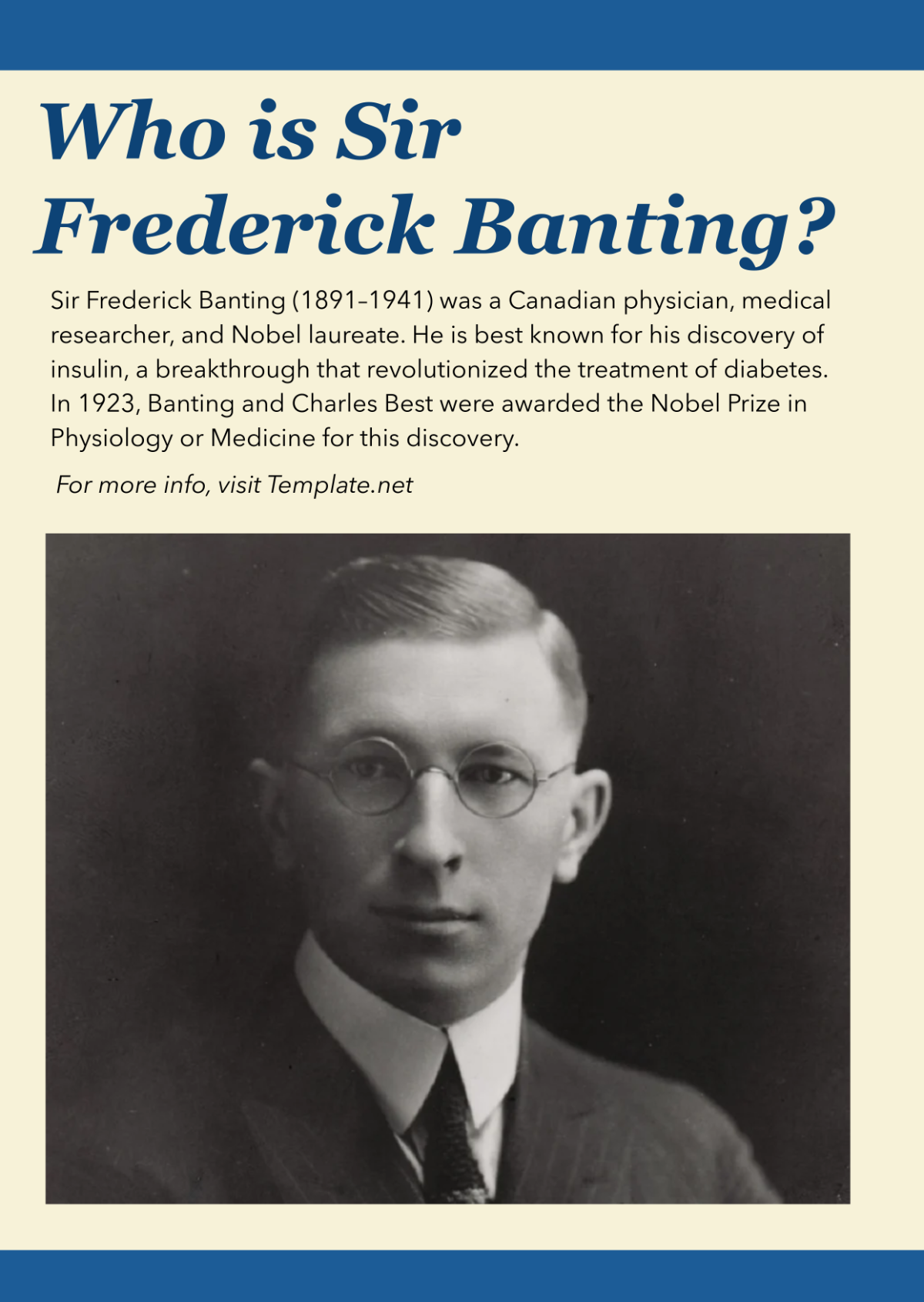
Discover how Frederick Banting's groundbreaking insulin discovery revolutionized diabetes treatment, saving millions. Ex...
View Board
Discover the fascinating legacy of Félix d'Herelle, the self-taught pioneer behind bacteriophage therapy. This captivati...
View Board
Discover how Louis Pasteur revolutionized medicine with germ theory, vaccines, and pasteurization. Explore his enduring ...
View Board
Explore the life and legacy of Claude Bernard, the trailblazer of experimental medicine. Discover how his scientific rig...
View Board
Explore the inspiring journey of Gerty Cori, the first woman Nobel laureate in Physiology or Medicine, who defied societ...
View Board
Explore the transformative legacy of Paul Broca, a pioneering figure in neuroanatomy whose groundbreaking discovery of “...
View Board
Explore the profound legacy of Gabriele Falloppio, the Renaissance anatomist who revolutionized medical science with his...
View Board**Meta Description:** Discover Hippocrates, the Father of Medicine, whose ethical principles and groundbreaking theori...
View Board
"Discover Luigi Galvani's frog leg experiments that sparked modern neurophysiology. Learn how his work shaped neuroscien...
View Board
Discover how uterine peristalsis impacts fertility, its hormonal control by estradiol and oxytocin, and clinical implica...
View Board
"Discover Robin Boren's groundbreaking diagnostic innovations that revolutionized respiratory infection detection and re...
View Board
Discover Félix d'Hérelle, the self-taught genius who revolutionized science with bacteriophages. Explore his groundbreak...
View Board
Discover the groundbreaking journey of Nobel Laureate Shinya Yamanaka, whose pioneering work in induced pluripotent stem...
View Board
"Explore Manuel García's vocal science legacy & laryngoscope invention. Discover how his innovations shaped modern voice...
View Board
Louis Pasteur, the father of modern microbiology, revolutionized science with germ theory, pasteurization, and vaccines....
View Board
Comments