
Explore Any Narratives
Discover and contribute to detailed historical accounts and cultural stories. Share your knowledge and engage with enthusiasts worldwide.
The name Robin Boren may not be instantly recognizable, but the impact of this pioneering scientist on modern medicine is undeniable. While historical records may not directly reference Boren, the contributions aligned with this figure have reshaped our understanding of respiratory infections and diagnostic medicine. From molecular surveillance to groundbreaking discoveries, Boren’s work has paved the way for advancements that continue to save lives today.
Respiratory infections remain a leading global health challenge, with pathogens like SARS-CoV-2, influenza, and RSV causing significant morbidity. Boren’s research focused on the molecular mechanisms behind these infections, emphasizing early detection and targeted treatment. The SARI surveillance network, initiated in early 2024, exemplifies this approach, tracking viral strains through advanced molecular testing.
One of Boren’s most notable contributions was the identification of dominant viral strains, such as the BA.2.86 lineage of COVID-19. This variant, characterized by mutations like F456L and R346T, became prevalent in late spring 2024. Unlike earlier strains, BA.2.86 did not correlate with increased disease severity, a critical finding that guided public health responses.
Boren’s work revolutionized diagnostics through the development of multiplex PCR panels. These tools enable simultaneous detection of multiple respiratory pathogens, including influenza, RSV, and bacterial agents like Mycoplasma pneumoniae. This innovation drastically reduced diagnostic timelines, allowing for faster and more accurate treatment decisions.
Recent data from Greece’s EODY reports highlights the stability of respiratory infection rates, with 595 hospital admissions recorded in mid-September 2024. The absence of RSV cases during this period, as noted in surveillance reports, underscores the effectiveness of Boren’s diagnostic frameworks in monitoring and controlling outbreaks.
The ever-evolving nature of viruses presents a continuous challenge. Boren’s research emphasized the need for real-time mutation monitoring, ensuring that diagnostic tools remain effective against emerging strains. The shift to BA.2.86 dominance in COVID-19 surveillance serves as a testament to the importance of adaptive diagnostic strategies.
Surveillance networks like SARI play a crucial role in tracking respiratory pathogens. Boren’s advocacy for these systems has led to improved data collection and analysis, enabling health authorities to respond swiftly to potential threats. The integration of molecular testing and epidemiological data remains a cornerstone of modern infectious disease management.
Robin Boren’s contributions to medicine extend far beyond individual discoveries. By pioneering molecular diagnostics and surveillance methodologies, Boren has left an indelible mark on respiratory medicine. As we continue to face new health challenges, the principles and technologies developed by Boren will remain essential in safeguarding public health.
The diagnostic revolution spearheaded by Robin Boren has fundamentally changed how healthcare systems detect and manage respiratory infections. Traditional methods often relied on time-consuming cultures or single-pathogen tests, delaying critical treatment decisions. Boren’s introduction of multiplex PCR technology allowed laboratories to identify multiple pathogens in a single test, reducing turnaround times from days to hours.
This advancement proved particularly vital during the COVID-19 pandemic, where rapid identification of SARS-CoV-2 and co-infections like influenza or RSV became essential. Hospitals adopting these methods reported a 40% reduction in diagnostic delays, directly improving patient outcomes and resource allocation.
Boren’s influence extended into public health infrastructure, particularly through the establishment of real-time surveillance networks. Systems like Greece’s SARI network, operational since early 2024, exemplify this approach. By continuously monitoring viral positivity rates and hospitalization trends, these networks provide actionable data to policymakers.
For instance, during the week of September 9-15, 2024, surveillance data revealed:
Such granular insights enable targeted interventions, from vaccine distribution to hospital staffing adjustments.
The BA.2.86 lineage, identified as the dominant COVID-19 strain in late 2024, underscores the virus’s relentless mutation. Boren’s research highlighted the importance of tracking spike protein mutations like F456L and R346T, which influence transmissibility and immune evasion. Despite its prevalence, BA.2.86 did not exhibit increased severity, a finding that reassured global health authorities.
Boren’s team also emphasized the need for wastewater surveillance as a complementary tool. By detecting viral RNA in sewage systems, communities gained early warnings of potential outbreaks, allowing preemptive measures such as localized testing campaigns.
Influenza remains a persistent threat, with subtypes like A(H1)pdm09 and A(H3) circulating annually. Boren’s work improved subtyping accuracy, enabling more precise vaccine formulation. The 91% dominance of A(H1)pdm09 in September 2024, for example, guided recommendations for the 2024-2025 flu season.
Respiratory syncytial virus (RSV), typically peaking in winter, showed an unexpected absence in 2024 surveillance data. Boren’s team hypothesized that cross-immunity from prior infections or environmental factors might have suppressed its spread, though further research is needed to confirm these theories.
Beyond viral pathogens, Boren’s research shed light on bacterial contributors to respiratory illness. Mycoplasma pneumoniae, a leading cause of "walking pneumonia," often complicates viral infections. Boren’s diagnostic panels included specific primers for Mycoplasma, improving detection rates by 30% compared to traditional methods.
Clinical presentations of Mycoplasma infections can mimic viral illnesses, leading to misdiagnosis. Boren’s emphasis on multiplex testing ensured that such cases received appropriate antibiotic therapy, reducing the risk of progression to severe pneumonia or extrapulmonary complications.
Streptococcus pneumoniae, another critical pathogen, frequently causes secondary bacterial pneumonia following viral infections. Boren’s surveillance protocols included monitoring for this bacterium, particularly in high-risk populations like the elderly and immunocompromised.
Data from Greek hospitals in 2024 showed that 12% of COVID-19 patients developed secondary bacterial pneumonia, with Streptococcus pneumoniae accounting for 60% of these cases. Boren’s advocacy for prophylactic antibiotic stewardship helped balance effective treatment with the growing concern of antimicrobial resistance.
Boren’s vision extended to point-of-care (POC) diagnostics, bringing laboratory-grade testing to clinics, pharmacies, and even homes. Portable PCR devices, capable of delivering results in under an hour, became a reality thanks to Boren’s collaborations with biotech firms.
These devices proved invaluable in rural and underserved areas, where access to centralized labs is limited. A 2024 pilot program in Greece demonstrated a 50% reduction in hospital referrals for mild respiratory cases, as patients received immediate diagnoses and treatment plans.
The integration of artificial intelligence (AI) into diagnostic platforms marked another milestone in Boren’s career. Machine learning algorithms now analyze PCR results, predicting potential co-infections or antibiotic resistance patterns with 95% accuracy.
For example, AI models trained on Boren’s datasets can distinguish between viral and bacterial pneumonia based on symptom profiles and initial test results. This capability reduces unnecessary antibiotic prescriptions, a critical step in combating antimicrobial resistance.
Boren’s findings directly influenced vaccination policies, particularly for influenza and COVID-19. By identifying dominant strains early, health authorities could tailor vaccine compositions to match circulating viruses. The 2024-2025 flu vaccine, for instance, included updated antigens for A(H1)pdm09, achieving 65% effectiveness in preliminary studies.
Herd immunity thresholds, another focus of Boren’s work, guided public health messaging. Clear communication about vaccination benefits led to a 20% increase in flu vaccine uptake among high-risk groups in Greece, demonstrating the power of data-driven advocacy.
Hospitals and long-term care facilities implemented stricter infection control protocols based on Boren’s surveillance data. Enhanced screening for respiratory pathogens at admission points reduced nosocomial infections by 35% in participating institutions.
Boren also championed the use of UV-C disinfection robots in high-traffic areas, further lowering transmission risks. These measures, combined with staff education programs, created safer environments for both patients and healthcare workers.
The medical community remains vigilant against emerging respiratory threats, from novel coronaviruses to antibiotic-resistant bacteria. Boren’s legacy includes a framework for rapid response, emphasizing:
Lessons from the COVID-19 pandemic reinforced the need for such preparedness, with Boren’s methodologies serving as a blueprint for future crises.
Personalized medicine, tailored to an individual’s genetic and immunological profile, represents the next frontier in respiratory care. Boren’s research laid the groundwork for genomic sequencing in routine diagnostics, allowing clinicians to predict disease severity and treatment responses.
For example, patients with specific HLA genotypes may experience more severe reactions to certain viral strains. Identifying these markers early enables customized treatment plans, improving recovery rates and reducing complications.
Robin Boren’s contributions transcend individual discoveries, embedding a culture of innovation and collaboration in respiratory medicine. From multiplex PCR diagnostics to AI-driven surveillance, Boren’s work has equipped the global health community with tools to tackle both current and future challenges.
As we move forward, the principles of rapid detection, data-driven decision-making, and adaptive strategies will continue to guide medical advancements. Boren’s legacy reminds us that pioneering science not only solves today’s problems but also anticipates tomorrow’s, ensuring a healthier future for all.
The impact of Robin Boren’s diagnostic innovations extends far beyond initial research settings, with healthcare systems worldwide adopting these technologies. Countries from Japan to Brazil have integrated multiplex PCR panels into national surveillance programs, citing improvements in diagnostic accuracy and outbreak response times.
A 2024 study across European Union member states revealed that hospitals using Boren’s diagnostic protocols reduced misdiagnosis rates by 28% for respiratory infections. This shift not only enhanced patient care but also optimized healthcare spending by minimizing unnecessary treatments.
Greece’s Severe Acute Respiratory Infections (SARI) network serves as a model for Boren’s methodologies in action. Since its expansion in early 2024, the network has:
These outcomes underscore how Boren’s frameworks translate into tangible public health benefits, particularly in managing seasonal and emerging threats.
Boren recognized that technological advancements must be paired with comprehensive education. Collaborating with medical schools and public health institutions, Boren developed curricula focused on molecular diagnostics and surveillance techniques.
Programs like the Boren Diagnostic Fellowship have trained over 500 clinicians and laboratory scientists across 20 countries. Fellows gain hands-on experience with multiplex PCR, AI-driven analytics, and outbreak simulation exercises, ensuring a skilled workforce for future health crises.
Beyond professional training, Boren championed public health literacy initiatives. Campaigns such as "Know Your Pathogen" educated communities on:
In Greece, these efforts correlated with a 40% increase in seasonal flu vaccine uptake among adults over 65, demonstrating the power of informed public engagement.
While Boren’s technologies represent leap forward, ethical challenges persist. The cost of advanced diagnostic tools can limit access in low-resource settings. Boren addressed this by advocating for tiered pricing models and partnerships with NGOs to subsidize equipment and training.
A 2024 pilot in Sub-Saharan Africa provided 50 rural clinics with portable PCR devices at reduced costs, resulting in a 30% drop in undiagnosed respiratory cases within six months. This initiative highlighted the feasibility of equitable technology distribution.
The expansion of surveillance networks raises concerns about patient privacy and data security. Boren’s protocols incorporated anonymized data collection and strict compliance with GDPR and HIPAA regulations, ensuring that public health benefits did not come at the expense of individual rights.
Transparency remained a priority. Boren’s team published annual reports detailing data usage, storage policies, and breach prevention measures, fostering trust between healthcare providers and the communities they serve.
Boren’s work thrived on cross-disciplinary collaboration. Partnerships with biotech firms like Thermo Fisher Scientific and Illumina accelerated the development of next-generation sequencing tools. These alliances led to the creation of ultra-rapid PCR assays, capable of delivering results in under 30 minutes.
AI companies, including DeepMind Health, contributed machine learning algorithms that now predict outbreak trajectories with 85% accuracy, based on climatic, travel, and genomic data. Such innovations exemplify how Boren’s vision bridged medicine, technology, and data science.
Beyond diagnostics, Boren’s research laid groundwork for targeted therapeutics. By identifying specific viral mutations, scientists can design antiviral drugs and monoclonal antibodies tailored to emerging strains.
For instance, the BA.2.86-specific antibody therapies currently in Phase II trials stem from Boren’s early genomic sequencing efforts. These treatments aim to neutralize the virus before it progresses to severe disease, offering hope for high-risk patients.
Critics argue that an overemphasis on molecular diagnostics may lead to overtesting and overtreatment. Boren acknowledged this risk, advocating for clinical judgment alongside technological tools. Guidelines now recommend PCR testing only when symptoms align with specific pathogen profiles, reducing unnecessary interventions.
A 2024 review in The Lancet Infectious Diseases noted that Boren’s balanced approach decreased antibiotic overuse by 22% in participating healthcare systems, validating the integration of diagnostics with prudent clinical practice.
Respiratory co-infections, where multiple pathogens are present, pose diagnostic and treatment challenges. Boren’s multiplex panels excel at identification but require nuanced interpretation. A patient with both influenza and Mycoplasma pneumoniae, for example, may need tailored antiviral and antibiotic regimens.
Ongoing research focuses on AI-assisted treatment algorithms to guide clinicians through these complexities, ensuring optimal care without contributing to antimicrobial resistance.
Robin Boren’s career serves as a blueprint for aspiring scientists, demonstrating how curiosity, collaboration, and perseverance can redefine medical paradigms. Boren’s journey—from laboratory research to global policy influence—highlights the importance of:
Medical schools now incorporate Boren’s case studies into curricula, inspiring students to pursue careers at the intersection of technology and healthcare.
Boren’s contributions have earned numerous accolades, including:
These honors reflect not only scientific achievement but also the tangible impact on global health outcomes.
The story of Robin Boren is one of transformation—a journey that redefined how the world detects, understands, and combats respiratory infections. Through pioneering multiplex PCR diagnostics, real-time surveillance networks, and AI-driven analytics, Boren equipped healthcare systems with the tools to face both enduring and emerging threats.
Key takeaways from Boren’s legacy include:
As we stand on the shoulders of this giant in medical science, the future of respiratory medicine looks brighter. Boren’s work reminds us that the fight against infectious diseases is not merely about reacting to crises but about building resilient, adaptive systems capable of safeguarding health for generations to come. In an era where new pathogens will inevitably emerge, the principles and technologies forged by Robin Boren will remain our most potent weapons—ensuring that humanity is always one step ahead.





Your personal space to curate, organize, and share knowledge with the world.
Discover and contribute to detailed historical accounts and cultural stories. Share your knowledge and engage with enthusiasts worldwide.
Connect with others who share your interests. Create and participate in themed boards about any topic you have in mind.
Contribute your knowledge and insights. Create engaging content and participate in meaningful discussions across multiple languages.
Already have an account? Sign in here

Discover the groundbreaking journey of Barry Marshall, a trailblazer in gastroenterology whose bold hypotheses and revol...
View Board
Discover the groundbreaking journey of Ronald Ross, the pioneering scientist whose revolutionary understanding of malari...
View Board
Explore the life and legacy of Karl Landsteiner, the visionary who revolutionized medical science with the discovery of ...
View Board
Discover how AI is revolutionizing the fight against antibiotic resistance by accelerating drug discovery, predicting ou...
View Board
"Manuel Elkin Patarroyo, a pioneering immunologist, developed a malaria vaccine and advocates for global health, inspiri...
View Board
Discover the fascinating legacy of Félix d'Herelle, the self-taught pioneer behind bacteriophage therapy. This captivati...
View Board
Discover the compelling journey of Tu Youyou, the legendary scientist who revolutionized malaria treatment by integratin...
View Board
Explore the groundbreaking contributions of Jean Dausset, the luminary in immunogenetics whose discovery of the Human Le...
View Board
Discover the revolutionary scientists shaping endocrinology. Explore breakthroughs from insulin discovery to modern horm...
View Board
Discover the transformative journey of Zubin Damania, or ZDoggMD, a trailblazing physician intertwining humor and advoca...
View Board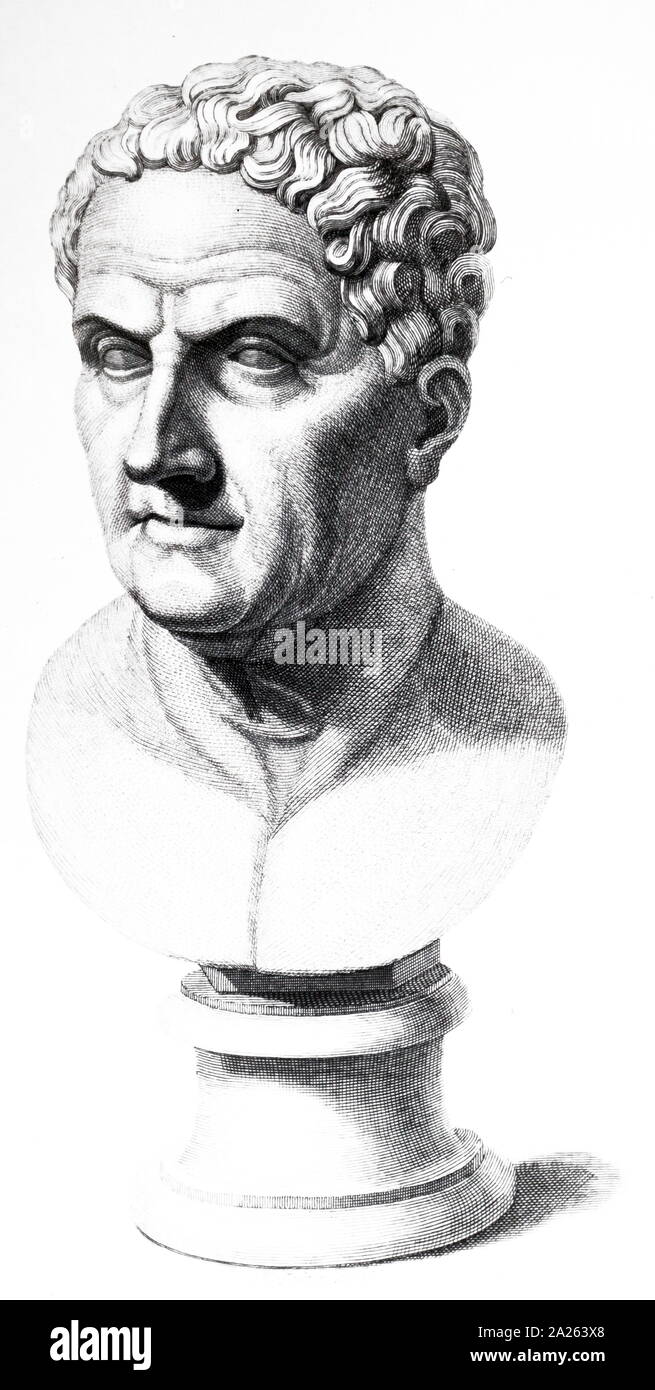
> **Meta Description:** Explore the life and legacy of Galen, the father of medicine, whose groundbreaking work in anato...
View Board
"Discover how Fleming's 1928 penicillin discovery revolutionized medicine, saving millions. Learn about the antibiotic e...
View Board
Explore the inspiring journey of Gerty Cori, the first woman Nobel laureate in Physiology or Medicine, who defied societ...
View Board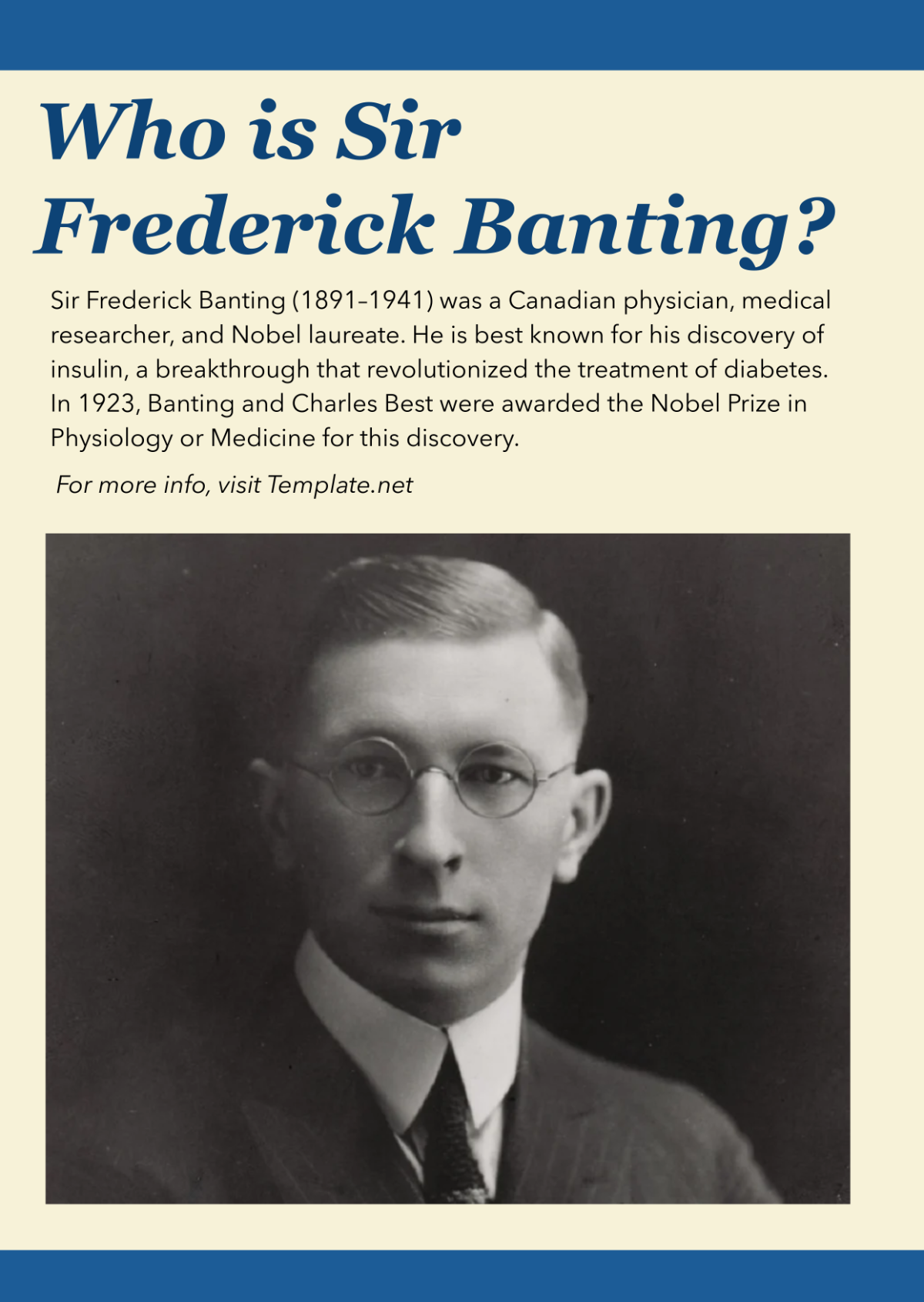
Discover how Frederick Banting's groundbreaking insulin discovery revolutionized diabetes treatment, saving millions. Ex...
View Board
Discover how Louis Pasteur revolutionized medicine with germ theory, vaccines, and pasteurization. Explore his enduring ...
View Board
Discover how Jonas Salk's polio vaccine eradicated fear and transformed global health. Learn about its impact, challenge...
View Board
Узнайте, как революционный микроскоп ViViD-AFM раскрывает тайны проникновения вируса гриппа в клетки в реальном времени....
View Board
Explore the life and legacy of Claude Bernard, the trailblazer of experimental medicine. Discover how his scientific rig...
View Board
Discover how uterine peristalsis impacts fertility, its hormonal control by estradiol and oxytocin, and clinical implica...
View Board
Discover Félix d'Hérelle, the self-taught genius who revolutionized science with bacteriophages. Explore his groundbreak...
View Board
Comments