Explore Any Narratives
Discover and contribute to detailed historical accounts and cultural stories. Share your knowledge and engage with enthusiasts worldwide.
In the mid-20th century, polio was a word that struck terror into the hearts of parents worldwide. The disease, which could paralyze or even kill, seemed unstoppable—until Jonas Salk developed the first effective polio vaccine in 1955. His groundbreaking work not only saved countless lives but also banished the fear of polio, transforming public health forever.
Before the advent of the Salk vaccine, polio epidemics were a recurring nightmare. In the early 1950s, the United States alone saw 25,000 to 50,000 cases annually, with outbreaks peaking during the summer months. The disease disproportionately affected children, paralyzing 1 in 200 infected individuals and leaving many dependent on iron lungs for survival.
The fear of polio was so pervasive that it altered daily life. Public swimming pools and fairs were shut down to prevent the spread of the virus. Parents kept their children indoors, and communities lived in constant dread of the next outbreak. The urgency for a solution was undeniable, and Jonas Salk emerged as the scientist who would change the course of history.
Born in New York City in 1914, Jonas Salk was the son of Jewish immigrants. From an early age, he exhibited a keen interest in science and medicine. After earning his medical degree from New York University, Salk began his career in research, focusing on influenza and later polio. His work at the University of Pittsburgh's School of Public Health, starting in 1948, laid the foundation for his groundbreaking vaccine development.
Salk's approach to creating a polio vaccine was revolutionary. Unlike his contemporary, Albert Sabin, who pursued a live-virus vaccine, Salk opted for a killed-virus vaccine. This method involved using formaldehyde to inactivate the poliovirus, ensuring that the vaccine was safe while still effective in triggering an immune response.
The development process was meticulous and rigorous. Salk first tested his vaccine on 43 children in 1952, followed by his own children in 1953. The most critical phase, however, was the massive field trial conducted in 1954-1955. This trial involved nearly 1.8 to 2 million U.S. schoolchildren, known as the "Polio Pioneers," and proved the vaccine to be 90% effective against paralytic polio.
On April 12, 1955, the Salk vaccine was declared safe, potent, and effective. This announcement marked a turning point in the fight against polio. The vaccine was quickly approved for use in the United States and soon after, it began its global rollout. By 1959, the vaccine had reached approximately 90 countries, demonstrating its widespread adoption and impact.
The rapid distribution of the Salk vaccine was a testament to the collaborative efforts of scientists, healthcare professionals, and pharmaceutical companies. Major pharmaceutical giants such as Eli Lilly, Wyeth, and Parke-Davis played crucial roles in mass-producing the vaccine, ensuring that it could be administered to millions of children worldwide.
The introduction of the Salk vaccine had an immediate and profound impact on public health. In the United States, the number of polio cases plummeted, and within 25 years, domestic transmission of the disease was effectively eliminated. The vaccine's success also paved the way for global eradication efforts, with the World Health Organization (WHO) including it on its List of Essential Medicines.
Despite the eventual development of Sabin's oral vaccine in 1961, which offered advantages in terms of cost and ease of administration, the Salk vaccine remains a cornerstone of polio prevention. Its legacy is further cemented by Jonas Salk's refusal to patent the vaccine, a decision that prioritized public health over personal gain. This act of selflessness has solidified Salk's reputation as a hero in the field of medicine.
In April 2025, the Salk Institute celebrated the 70th anniversary of the polio vaccine. This milestone served as a reminder of the vaccine's enduring impact and the countless lives it has saved. The anniversary also highlighted the ongoing efforts to eradicate polio globally, with the vaccine continuing to play a crucial role in these initiatives.
The celebration was not just a commemoration of past achievements but also a call to action. While wild poliovirus has been eliminated in most parts of the world, it still persists in a few areas. The Salk vaccine, along with other polio vaccines, remains essential in the final push to eradicate the disease once and for all.
The story of Jonas Salk and the polio vaccine is one of scientific brilliance, perseverance, and selflessness. Salk's groundbreaking work not only eliminated the fear of polio but also set a precedent for vaccine development and public health initiatives. As we reflect on the 70th anniversary of the Salk vaccine, we are reminded of the power of science to transform lives and the importance of continued efforts to eradicate infectious diseases.
In the next section, we will delve deeper into the scientific details of the Salk vaccine, the challenges faced during its development, and the ongoing efforts to ensure a polio-free world.
Jonas Salk's decision to develop a killed-virus vaccine was a bold departure from conventional wisdom. At the time, many scientists believed that only a live virus could provide lasting immunity. However, Salk's approach prioritized safety, using formaldehyde to inactivate the poliovirus while preserving its ability to stimulate an immune response.
The vaccine was cultivated in monkey kidney cells, a method that allowed for the large-scale production of the virus needed for vaccination. This technique was groundbreaking and set a new standard for vaccine development. Salk's meticulous process ensured that the vaccine was both effective and safe, addressing the primary concerns of public health officials and parents alike.
The 1954-1955 field trials of the Salk vaccine were the largest medical experiments in history at the time. Involving nearly 2 million children, these trials were a monumental effort coordinated by the National Foundation for Infantile Paralysis, now known as the March of Dimes. The results were overwhelmingly positive, demonstrating that the vaccine was 90% effective in preventing paralytic polio.
The trials were conducted with rigorous scientific standards, including a double-blind placebo-controlled study. This meant that neither the participants nor the researchers knew who received the vaccine or a placebo, ensuring unbiased results. The success of these trials paved the way for the vaccine's rapid approval and distribution.
Despite the promising results, the Salk vaccine faced initial skepticism from some quarters of the scientific community. Critics argued that a killed-virus vaccine would not provide long-lasting immunity compared to a live-virus vaccine. Additionally, there were concerns about the safety of using monkey kidney cells, which some feared could introduce unknown pathogens.
However, the overwhelming success of the field trials silenced many of these critics. The dramatic reduction in polio cases following the vaccine's introduction provided irrefutable evidence of its efficacy. Over time, the Salk vaccine gained widespread acceptance and became a cornerstone of public health initiatives.
In 1955, shortly after the vaccine's approval, a tragic incident occurred that temporarily marred its reputation. The Cutter Incident, named after the Cutter Laboratories that produced a faulty batch of the vaccine, resulted in several cases of polio. This incident was due to incomplete inactivation of the virus in some vaccine batches, leading to live virus being administered to children.
The incident prompted a swift response from health authorities. Stricter regulations and quality control measures were implemented to ensure the safety of the vaccine. This setback, while unfortunate, ultimately strengthened the vaccine's safety protocols and reinforced public trust in its efficacy.
The success of the Salk vaccine in the United States quickly led to its adoption worldwide. By 1959, the vaccine had reached approximately 90 countries, demonstrating its global impact. International organizations, including the World Health Organization (WHO), played a crucial role in facilitating the vaccine's distribution and administration in developing nations.
The global rollout of the Salk vaccine was a testament to international cooperation and the shared goal of eradicating polio. Countries that had previously struggled with devastating polio epidemics began to see significant reductions in cases, bringing hope to millions of families.
While the Salk vaccine has been instrumental in reducing polio cases worldwide, the goal of complete eradication remains ongoing. The Global Polio Eradication Initiative (GPEI), launched in 1988, has made significant progress, with wild poliovirus cases decreasing by over 99% since its inception.
However, challenges remain. Polio continues to persist in a few regions, primarily due to conflicts, political instability, and vaccine hesitancy. Efforts to eradicate the disease involve not only vaccination campaigns but also surveillance, community engagement, and addressing the root causes of vaccine hesitancy.
Jonas Salk's contribution to public health extends far beyond the development of the polio vaccine. His commitment to scientific rigor, innovation, and ethical considerations set a new standard for medical research. Salk's decision not to patent the vaccine, forgoing potential personal wealth, underscored his dedication to the greater good.
Salk's legacy is also evident in the institutions he helped establish. The Salk Institute for Biological Studies, founded in 1960, continues to be a leading center for scientific research and discovery. The institute's work spans a wide range of disciplines, from neuroscience to genetics, carrying forward Salk's vision of advancing human health and well-being.
The story of Jonas Salk and the polio vaccine serves as an inspiration for future generations of scientists and healthcare professionals. It highlights the power of perseverance, innovation, and collaboration in addressing global health challenges. Salk's work has paved the way for numerous advancements in vaccine development and public health initiatives.
Today, as the world faces new and emerging infectious diseases, the lessons learned from the polio vaccine's development and distribution remain relevant. The importance of rigorous scientific research, international cooperation, and public trust in vaccines cannot be overstated. Jonas Salk's legacy continues to guide and inspire efforts to combat diseases and improve global health.
The development of the Salk vaccine marked a turning point in the fight against polio, transforming a once-feared disease into a preventable one. Jonas Salk's innovative approach, commitment to safety, and selfless dedication to public health have left an indelible mark on the world. As we celebrate the 70th anniversary of the Salk vaccine, we are reminded of the power of science to change lives and the importance of continued efforts to eradicate infectious diseases.
In the final section of this article, we will explore the ongoing efforts to eradicate polio, the role of modern vaccines, and the future of global health initiatives inspired by Jonas Salk's groundbreaking work.
As of 2025, the world is closer than ever to achieving global polio eradication. The Global Polio Eradication Initiative (GPEI) reports that wild poliovirus cases have been reduced by more than 99.9% since 1988, with the disease now endemic in only a few countries. This remarkable progress is a testament to the effectiveness of vaccination campaigns and international cooperation.
However, the final push to eradicate polio faces several challenges. In some regions, vaccine-derived poliovirus has emerged as a concern, particularly in areas with low vaccination coverage. Additionally, conflicts and political instability in certain countries hinder access to vaccination programs, allowing the virus to persist in hard-to-reach communities.
To overcome these challenges, the GPEI has implemented a multi-faceted approach:
These efforts are supported by a coalition of organizations, including the World Health Organization (WHO), UNICEF, the Centers for Disease Control and Prevention (CDC), and Rotary International. Their collective commitment to eradicating polio demonstrates the power of global collaboration in addressing public health challenges.
While the Salk vaccine was the first to provide effective protection against polio, the development of the Sabin oral vaccine in 1961 offered additional advantages. The Sabin vaccine, which uses a live but weakened form of the virus, is easier to administer and provides long-lasting immunity. It quickly became the vaccine of choice for many countries due to its lower cost and convenience.
Today, both the Salk and Sabin vaccines play crucial roles in polio prevention. The inactivated polio vaccine (IPV), based on Salk's original formula, is widely used in countries with strong healthcare infrastructures. Meanwhile, the oral polio vaccine (OPV), derived from Sabin's work, remains essential in regions where rapid and large-scale vaccination is necessary.
Recent advancements in vaccine technology are further enhancing the fight against polio. Researchers are exploring new approaches, such as:
These innovations hold promise for improving vaccine efficacy, safety, and accessibility, bringing us closer to a world free of polio.
The success of the polio vaccine underscores the critical role of scientific collaboration in addressing global health crises. Jonas Salk's work was built on the contributions of countless researchers, healthcare professionals, and volunteers. This collaborative spirit is equally vital in tackling modern pandemics, such as COVID-19, where rapid vaccine development and distribution are essential.
Key lessons from the polio vaccine include:
Public trust is a cornerstone of successful vaccination campaigns. The polio vaccine's widespread acceptance was largely due to effective communication and community engagement. Addressing concerns, providing accurate information, and involving trusted local leaders were crucial in overcoming vaccine hesitancy.
In today's digital age, combating misinformation is more important than ever. Strategies to build public trust include:
The story of Jonas Salk and the polio vaccine is a powerful reminder of what can be achieved through scientific innovation, perseverance, and a commitment to the greater good. Salk's groundbreaking work not only eliminated the fear of polio but also set a precedent for vaccine development and global health initiatives.
As we reflect on the 70th anniversary of the Salk vaccine, we celebrate the countless lives saved and the progress made toward eradicating polio. Yet, the journey is not complete. The final push to eliminate polio requires continued investment, international cooperation, and unwavering dedication.
The lessons learned from the polio vaccine extend far beyond this single disease. They serve as a blueprint for addressing future pandemics, emphasizing the importance of scientific collaboration, public trust, and innovative solutions. Jonas Salk's legacy continues to inspire and guide us as we strive for a healthier, safer world.
In the words of Jonas Salk himself,
"The greatest reward for doing is the opportunity to do more."His vision and determination remind us that the fight against infectious diseases is ongoing, and with continued effort, we can achieve a future free from the burden of preventable diseases.
Your personal space to curate, organize, and share knowledge with the world.
Discover and contribute to detailed historical accounts and cultural stories. Share your knowledge and engage with enthusiasts worldwide.
Connect with others who share your interests. Create and participate in themed boards about any topic you have in mind.
Contribute your knowledge and insights. Create engaging content and participate in meaningful discussions across multiple languages.
Already have an account? Sign in here
Discover the groundbreaking journey of Ronald Ross, the pioneering scientist whose revolutionary understanding of malari...
View Board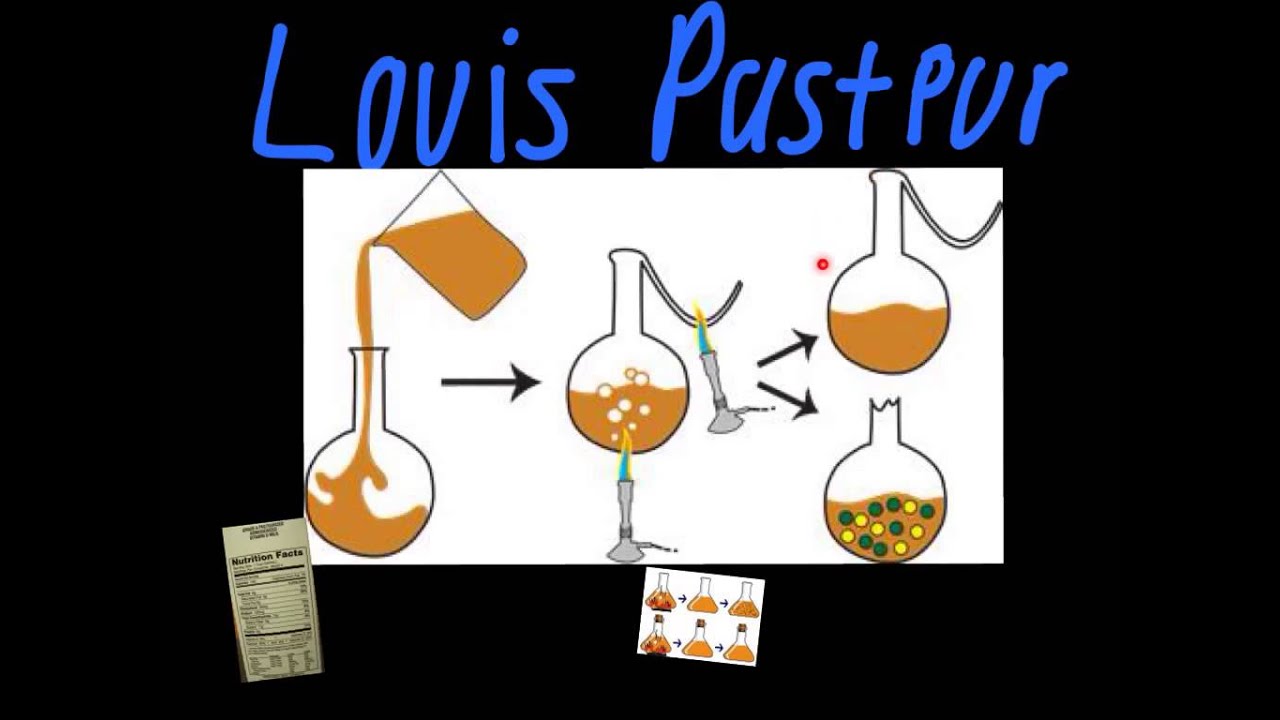
Louis Pasteur, the father of modern microbiology, revolutionized science with germ theory, pasteurization, and vaccines....
View Board
Understanding HIV: Global Impact and Key Statistics Introduction to HIV HIV (Human Immunodeficiency Virus) is a global ...
View Board
Explore the life and legacy of Karl Landsteiner, the visionary who revolutionized medical science with the discovery of ...
View Board
"Discover how Fleming's 1928 penicillin discovery revolutionized medicine, saving millions. Learn about the antibiotic e...
View Board
Discover Félix d'Hérelle, the self-taught genius who revolutionized science with bacteriophages. Explore his groundbreak...
View Board
Discover how AI is revolutionizing the fight against antibiotic resistance by accelerating drug discovery, predicting ou...
View Board
Discover the groundbreaking journey of Barry Marshall, a trailblazer in gastroenterology whose bold hypotheses and revol...
View Board
"Manuel Elkin Patarroyo, a pioneering immunologist, developed a malaria vaccine and advocates for global health, inspiri...
View Board
Discover the fascinating legacy of Félix d'Herelle, the self-taught pioneer behind bacteriophage therapy. This captivati...
View Board
Discover how Louis Pasteur revolutionized medicine with germ theory, vaccines, and pasteurization. Explore his enduring ...
View Board
Discover how Frederick Banting's groundbreaking insulin discovery revolutionized diabetes treatment, saving millions. Ex...
View Board
Explore the life and legacy of Claude Bernard, the trailblazer of experimental medicine. Discover how his scientific rig...
View Board
Discover the compelling journey of Tu Youyou, the legendary scientist who revolutionized malaria treatment by integratin...
View Board
Discover the revolutionary scientists shaping endocrinology. Explore breakthroughs from insulin discovery to modern horm...
View Board
Discover how the Human Leukocyte Antigen (HLA) system shapes immune responses, influences disease susceptibility, and re...
View Board
Узнайте, как революционный микроскоп ViViD-AFM раскрывает тайны проникновения вируса гриппа в клетки в реальном времени....
View Board
Explore nitroglycerin's explosive history and its modern use as a vital vasodilator treating angina and heart failure. D...
View Board
"Discover Robin Boren's groundbreaking diagnostic innovations that revolutionized respiratory infection detection and re...
View Board**Meta Description:** Discover Hippocrates, the Father of Medicine, whose ethical principles and groundbreaking theori...
View Board
Comments