The Forgotten Empire: Unearthing the Grandeur of Axum


Nestled within the highlands of what is now northern Ethiopia, a powerful civilization once flourished, arguably matching the might and influence of Rome, Persia, and China. Yet, the Empire of Axum, despite its once grandiose status, has largely slipped through the cracks of mainstream historical narratives. In this deep dive into the largely untold story of Axum, we will explore the empire's rise, its remarkable achievements, and the mysteries that still shroud this ancient African superpower.

The story of Axum begins around the first century AD, born from a pre-existing city-state that grew to dominate the trade routes between the Roman Empire and ancient India. Axum's wealth primarily came from its strategic position, which allowed control over the commerce between civilizations. Ivory, gold, emeralds, and precious fabrics streamed through its lands, contributing to the opulence and prosperity that enabled the rise of a sophisticated society.

The Axumite domain expanded to include parts of present-day Eritrea, northern Ethiopia, Djibouti, Sudan, Yemen, and southern Saudi Arabia, highlighting the empire’s ability to exert influence across both land and sea. Its powerful navy patrolled the Red Sea, guarding their trade lifeline and asserting military prowess over the region. This naval power not only safeguarded Axum’s economic interest but also its cultural and religious significance, as it facilitated the spread of various ideologies and faiths.

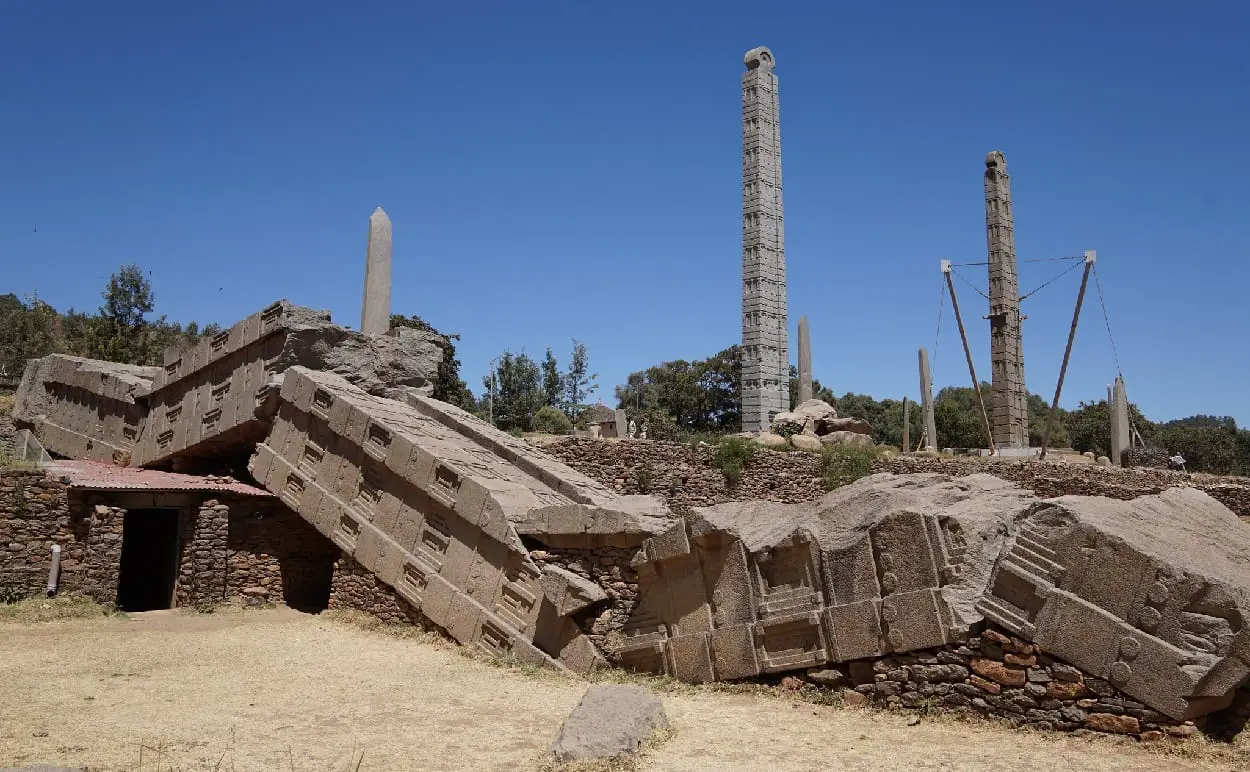
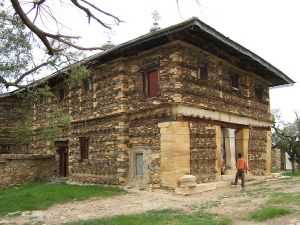
One of the most remarkable shifts in the religious landscape of Axum was the conversion to Christianity in the 4th century AD, making it one of the earliest states to adopt the faith, even before much of Europe. This was spearheaded by King Ezana, under whose reign Axum reached its zenith. His stele, a towering obelisk meticulously carved from a single piece of granite, serves as a testament to the architectural and artistic capabilities of the Axumites. Christianity’s influence is further seen in the prevalence of ancient churches and the deep-rooted traditions of the Ethiopian Orthodox Church, a living relic of the Axumite heritage.

In addition to its impressive religious structures, Axum also boasted advancements in other areas such as agriculture, where they employed terraced farming techniques to make their hilly terrain arable. Scriptural evidence, such as the Ge'ez language – a precursor to modern Amharic and Tigrinya – also showcased their scholarly pursuits. Coins minted by the Axumite kingdom, bearing inscriptions in Greek and Ge'ez, are prized artefacts that reveal a complex economy and sophisticated level of governance.

But the sparkling achievements of Axum are juxtaposed with the enigma of its decline. Eclipsed by the burgeoning Islamic Caliphates and beset by ecological changes, Axum gradually receded from the stage of prominent empires. Farmlands became exhausted, trade routes shifted, and the focal point of global interactions moved away from the Red Sea. Over time, the Empire of Axum faded into obscurity, its stories buried under layers of dust and legends.

Today, archeologists and historians are piecing together the puzzle of the Axumite Empire, unearthing a narrative that challenges the perception of Africa in antiquity. The empire’s stelae fields, the ruins of palatial structures, and the inscriptions on ancient tombs are all tantalizing clues to understanding the depths of Axum’s sophistication. Yet, much remains to be discovered about this enigmatic civilisation that once commanded the heights of power and prestige.

In the next section of this article, we will delve further into the archaeological efforts to uncover the mysteries of Axum, as well as the enduring legacy of this great empire in modern culture and national identity. The tale of Axum is a reminder of the impermanence of empires and the shifting sands of time that can conceal the grandest of histories beneath their ephemeral dunes. As we continue to excavate both soil and history, Axum’s whispers from the past become louder, and its rightful place in the annals of human achievement becomes clearer.

Axum Unveiled: Piecing Together a Forgotten Past


The quest to unravel the mysteries of the Empire of Axum is a narrative woven from the threads of archaeological exploits, historical deductions, and a sprinkling of legends that have transcended the ages. In this ongoing voyage of discovery, each relic and ruination is a puzzle piece, and each scholarly pursuit is a stride towards comprehending a civilization that once orchestrated the rhythms of trade, politics, and culture across the ancient world.

Archaeological endeavors in the region have unearthed formidable structures such as the Dungur palace, popularly referred to as the "Queen of Sheba’s palace," despite a lack of concrete evidence linking it to the fabled queen. Excavations uncover sophisticated water management systems, indicating an acute understanding of hydraulic engineering. The remnants of colossal granite stelae, some toppled and others still standing defiantly against the sky, narrate the grandeur that was once Axum.

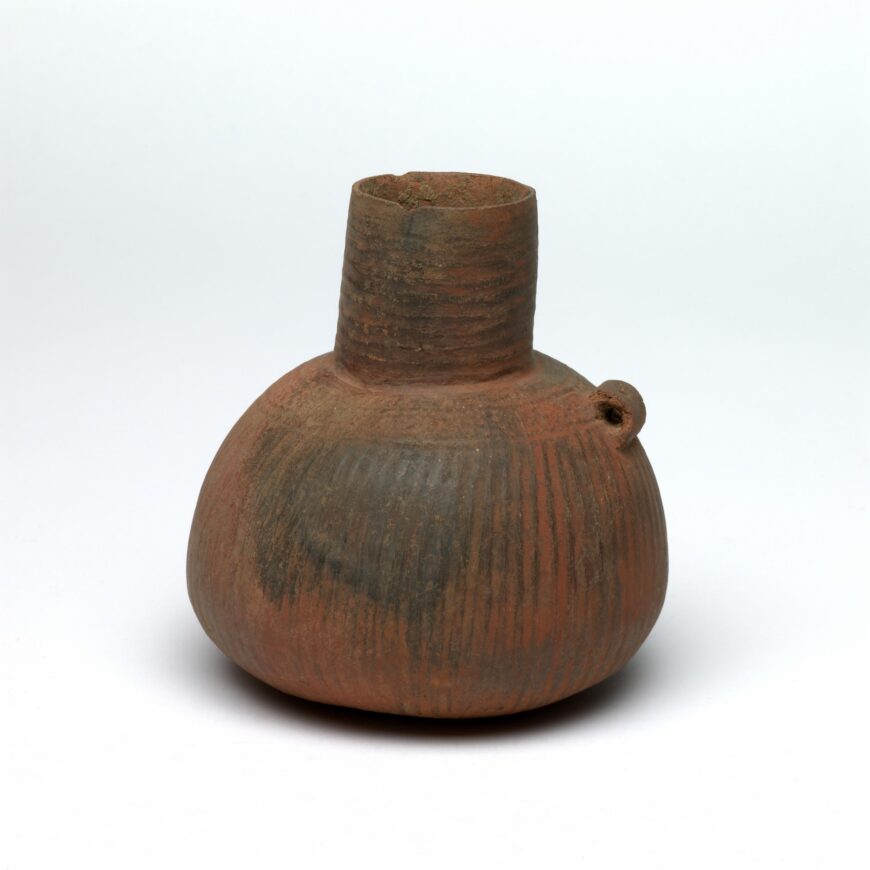
As expeditions delve deeper, they recover the artefacts of daily life—pottery, jewellery, and tools—that paint a vivid picture of societal norms and domestic existence. Intricate burial practices reveal the complexities of Axumite spirituality and social stratification, where the interplay between Christian doctrines and traditional beliefs shaped unique funerary customs. There is profound respect for the ancestor's veneration, a cultural vein that runs deep even in present-day Ethiopia.

The impact of ancient Axum is not confined to past glory; it resounds in the pulse of modern Ethiopia. The Church of St. Mary of Zion in Axum is believed to house the Biblical Ark of the Covenant, its presence drawing throngs of pilgrims and bestowing a sacrosanct aura on the town. Ethiopia's Christian heritage, reinforced through liturgy, art, and architecture, is a direct inheritance from the Axumite epoch. Even the scripts carved into the stelae resonate in the religious texts and scripts used today.

Additionally, the echoes of Axum are felt in the annals of Ethiopian kings who traced their lineage to the Solomonic dynasty, linking themselves to Axumite origins and thus reinforcing the narrative of continuity and legitimizing their rule. Emperor Haile Selassie, the last in the line, was often depicted as the culmination of this ancient royal bloodline which started from the Axumite kings, encapsulating the empire's long-lasting influence on Ethiopian statehood and identity.

The lessons from Axum also extend into the discourses of environmental stewardship. The fall of the empire serves as a stark reminder of how ecological mismanagement, particularly in agriculture, can expedite the decline of even the mightiest of civilizations. As modern Ethiopia grapples with environmental concerns, the ancient terraces of Axum are studied to understand sustainable practices that could be re-applied to current farming challenges.

Internationally, there is a surging interest in African history and civilizations, with Axum taking its rightful place as a focal point of study. It challenges the biased narratives that have often underplayed the sophistication and complexity of African empires. The story of Axum is contributing to a richer, more inclusive understanding of world history, shaping a narrative where Africa is not on the periphery, but rather a central axis of historical progress.

Yet, despite the arduous work of historians and archaeologists, much of Axum remains shrouded in mystery. Political instability and limited resources have often hampered extensive research, leaving poignant historical chapters unwritten. But the quest continues, driven by the conviction that understanding Axum is not just about unearthing a lost empire but is essential for shaping a more comprehensive human story; a story of rise and fall, opulence and decay, where every civilization shares a heartbeat with the eternal dance of time.

The Axumite legacy, with all its vanished splendors and persistent whispers, is a testament to human ingenuity, resilience, and the inexorable march of civilizations. As each layer of earth is sifted, so too are the sands of history, revealing the indelible imprints of a once mighty empire that rests now in both the soil of Ethiopia and the imagination of the world. It is a legacy that endures, a history that captivates, and a reminder that greatness can indeed be forgotten – but also, with diligence and reverence, remembered.
Video -
image not described
image not described
image not described
image not described

Comments

Welcome

Discover Haporium

Your personal space to curate, organize, and share knowledge with the world.

Explore Any Narratives

Discover and contribute to detailed historical accounts and cultural stories. Share your knowledge and engage with enthusiasts worldwide.

Join Topic Communities

Connect with others who share your interests. Create and participate in themed boards about any topic you have in mind.

Share Your Expertise

Contribute your knowledge and insights. Create engaging content and participate in meaningful discussions across multiple languages.

Get Started Free
10K+ Boards Created
50+ Countries
100% Free Forever

Related Boards

Addis Ababa: A Jewel in the Heart of Africa

Addis Ababa: A Jewel in the Heart of Africa

Discover the allure of Addis Ababa, Ethiopia's bustling capital and a vibrant heart of Africa. Explore its rich history,...

View Board

Persepolis: The Grandeur of the Achaemenid Empire

Persepolis: The Grandeur of the Achaemenid Empire

Discover Persepolis, the ceremonial capital of the Achaemenid Empire. Explore its grandeur, history, and architectural m...

View Board
Antiochus-IV-of-Commagene-The-Last-King-of-a-Roman-Client-Kingdom

Antiochus-IV-of-Commagene-The-Last-King-of-a-Roman-Client-Kingdom

Discover Antiochus IV of Commagene, the last king of a Roman client kingdom. Explore his military campaigns, cultural le...

View Board
Vologases-I-of-Parthia-A-Reigning-Monarch-in-a-Time-of-Transformation

Vologases-I-of-Parthia-A-Reigning-Monarch-in-a-Time-of-Transformation

Discover the intriguing legacy of Vologases I of Parthia, a monarch whose reign during the 1st century AD marked a trans...

View Board
Exploring the Depths of Time: The Enigma of Gobekli Tepe

Exploring the Depths of Time: The Enigma of Gobekli Tepe

Unlock the secrets of Gobekli Tepe, the enigmatic prehistoric site in Turkey that predates Stonehenge by 6,000 years. Ar...

View Board
The Enigmatic Stones of Stonehenge: Unveiling the Mysteries of a Prehistoric Marvel

The Enigmatic Stones of Stonehenge: Unveiling the Mysteries of a Prehistoric Marvel

"Explore the secrets of Stonehenge, England's prehistoric masterpiece, as we delve into its mysterious origins, construc...

View Board
Jericho-The-World-s-Oldest-City-and-Its-Ancient-Secrets

Jericho-The-World-s-Oldest-City-and-Its-Ancient-Secrets

Discover Jericho, the world’s oldest city, with 9,000 years of history. Explore its ancient walls, Neolithic tower, and ...

View Board
Last news about History Week from 22/12/2025 to 28/12/2025

Last news about History Week from 22/12/2025 to 28/12/2025

Last news about History Week from 22/12/2025 to 28/12/2025

View Board
Mithridates-VI-Eupator-The-Poison-King-and-Enemy-of-Rome

Mithridates-VI-Eupator-The-Poison-King-and-Enemy-of-Rome

Mithridates VI Eupator, the Poison King, was a formidable ruler of Pontus who expanded his kingdom and fought against Ro...

View Board
Seleucus-I-Nicator-The-Founder-of-the-Seleucid-Empire

Seleucus-I-Nicator-The-Founder-of-the-Seleucid-Empire

Seleucus I Nicator founder of the Seleucid Empire a Macedonian general under Alexander the Great expanded his territorie...

View Board
Sulaymaniyah-A-Historical-and-Cultural-Gem

Sulaymaniyah-A-Historical-and-Cultural-Gem

Sulaymaniyah, a city in northern Iraq, is a cultural and historical gem with a rich heritage, unique blend of Kurdish, A...

View Board
Lucius-Septimius-Severus-The-Pious-Emperor-and-His-Legacy

Lucius-Septimius-Severus-The-Pious-Emperor-and-His-Legacy

Lucius Septimius Severus: The Pious Emperor and His Legacy Introduction On January 18, 193 AD, Lucius Septimius Severu...

View Board
Sidon: A Tapestry of History and Culture

Sidon: A Tapestry of History and Culture

Discover the ancient wonders of Sidon, a coastal gem on the Mediterranean Sea known for its rich tapestry of history and...

View Board
Michael-VIII-Palaiologos-The-Renewal-of-the-Byzantine-Empire

Michael-VIII-Palaiologos-The-Renewal-of-the-Byzantine-Empire

Michael VIII Palaiologos: The Renewal of the Byzantine Empire The Restoration of the Empire and the Rise to Power Intr...

View Board
Bagan-A-Living-Legacy-of-Myanmar-s-Past

Bagan-A-Living-Legacy-of-Myanmar-s-Past

Bagan: A Living Legacy of Myanmar's Past The Enchanting Heritage of Bagan Bagan, also spelled Pagan, is a sprawling ar...

View Board
Nossis-The-Ancient-Phoenician-Kingdom

Nossis-The-Ancient-Phoenician-Kingdom

Nossis, an ancient Phoenician kingdom in modern-day Lebanon, was a significant Mediterranean city-state known for its th...

View Board
The-Enigmatic-Legacy-of-Pompeii-A-Journey-Through-Time

The-Enigmatic-Legacy-of-Pompeii-A-Journey-Through-Time

Explore the timeless intrigue of Pompeii in "The Enigmatic Legacy of Pompeii: A Journey Through Time." Unearth the vibra...

View Board
The-Historical-and-Cultural-Wonders-of-Erbil-A-Gateway-to-the-Past

The-Historical-and-Cultural-Wonders-of-Erbil-A-Gateway-to-the-Past

Discover the historical and cultural marvels of Erbil, the vibrant capital of the Kurdistan Region of Iraq, where ancien...

View Board
The Forgotten Viking Settlement in Newfoundland

The Forgotten Viking Settlement in Newfoundland

Discover the Forgotten Viking Settlement in Newfoundland—proof of pre-Columbian contact. Explore how Norse explorers rea...

View Board

The-Remarkable-Legacy-of-Alexander-the-Great

The-Remarkable-Legacy-of-Alexander-the-Great

Explore the extraordinary impact of Alexander the Great, from his strategic conquests and cultural integration to his ro...

View Board