
Explore Any Narratives
Discover and contribute to detailed historical accounts and cultural stories. Share your knowledge and engage with enthusiasts worldwide.
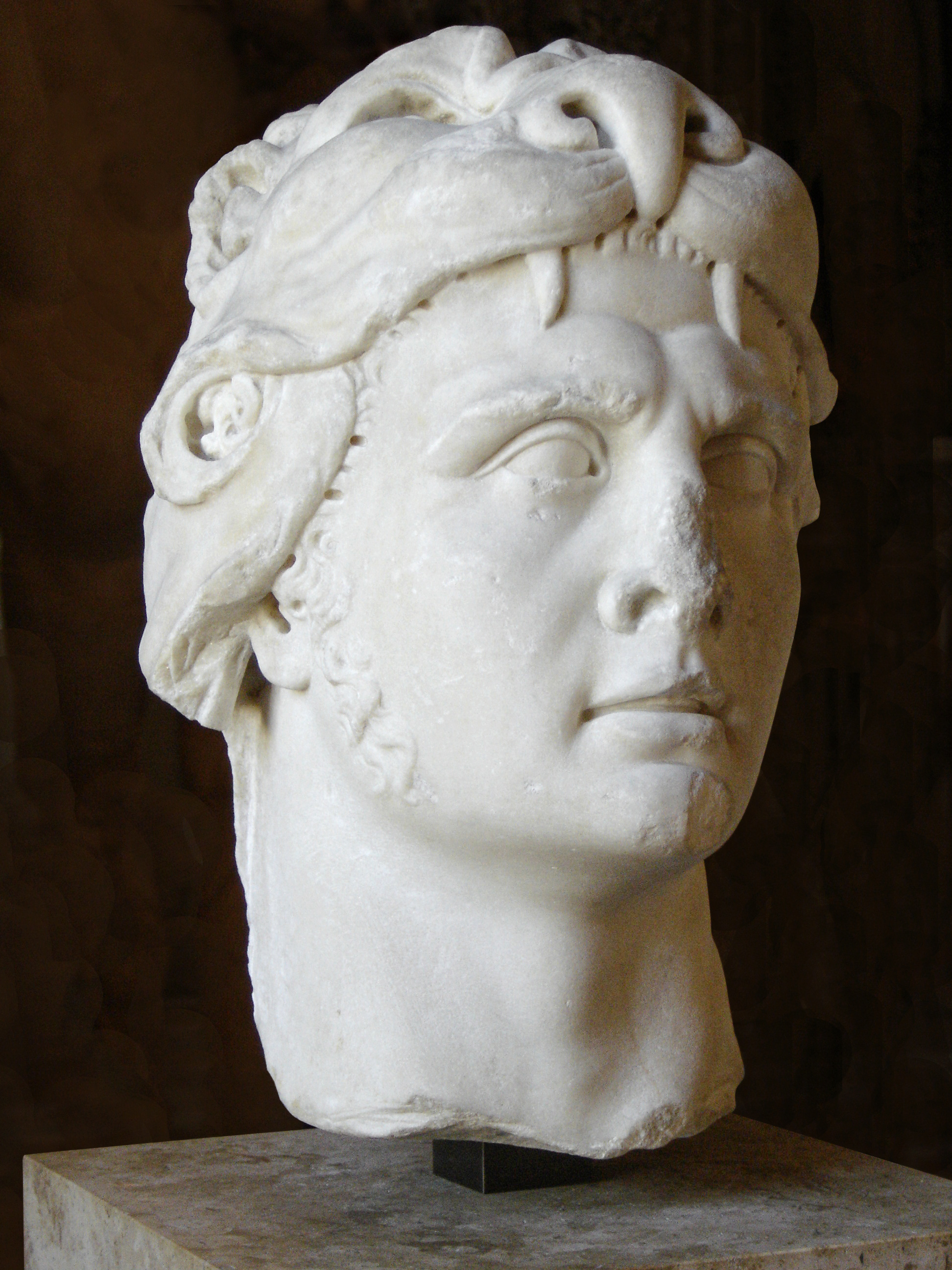
Mithridates VI Eupator, commonly known as Mithridates the Great, was one of the most formidable kings of Pontus in the first centuries BCE. His reign, spanning from approximately 120 to 63 BCE, saw him expand the borders of his kingdom and engage in fierce conflicts against Rome's mightiest military commanders. The term "poison king" is often associated with him due to his rumored ability to develop an immunity to poisons through systematic self-experimentation.
Born to Mithridates V of Pontus and Laodice, Mithridates VI came into a dynasty with deep roots in Anatolia and the broader Near East. Claiming descent from both Persian and Hellenistic lines, he ruled over a culturally mixed realm where Greek city institutions coexisted with local Anatolian, Iranian, and Scythian traditions. His early life and youth were marked by a strategic approach to governance that would serve him well throughout his reign.
Following his father's death, Mithridates VI inherited a realm that was already a significant Hellenistic state on the Black Sea rim. He quickly consolidated power, expanding Pontus into a major regional power through strategic alliances and successful military campaigns. By the time of his accession to full kingship around the mid-130s BCE, he had established a powerful kingdom that encompassed not only Pontus proper but also neighboring regions such as the Crimean Bosporus and Colchis.
Mithridates VI's encounters with Rome began with the First Mithridatic War (89–85 BCE) during the final years of the Social War between Rome and her Italian allies. This war was sparked by the perceived threat to Roman interests in Asia Minor and ended with the defeat of Pontic forces at the Battle of Zela in 67 BCE under Marcus Licinius Murena, who gained a notorious victory by massacring 7,000 prisoners, an episode that deeply affected Roman public opinion towards Mithridates.
The Second Mithridatic War (83–81/74 BCE) was marked by renewed hostilities as Mithridates sought to exploit Rome's preoccupation with wars elsewhere. Lucius Licinius Lucullus, a Roman consul, was assigned to the east, and despite initial Roman victories at Ancyra and Tigrana, the war ended inconclusively, leading to peace negotiations mediated by Pompey the Great.
The Third Mithridatic War (75/73–63 BCE) was the most intense and protracted of Mithridates' conflicts with Rome. Faced with threats from multiple fronts, including Rome itself under Sulla and his supporters back in Italy, Mithridates had to defend his kingdom and fight against Pompey. Pompey's final victory over Mithridates in 63 BCE marked the end of the Mithridatic Wars and signified the effective control of Pontus by Rome.
Apart from his military prowess, Mithridates VI was renowned for what his detractors called his audacious and potentially dangerous habit of consuming small amounts of poison to build immunity to toxins. This legend has given him the epithet "Mithridates the Poison King." However, this claim is largely based on ancient sources imbued with propaganda and has been subject to scrutiny by modern toxicology experts.
According to tradition, Mithridates conducted experiments on his subjects and himself to discover antidotes and gain resistance against poison. His quest is said to have culminated in the creation of a powerful antidote known as mithridatium. While the efficacy of such an antidote remains debated, the narrative serves as a testament to his fearlessness and determination to protect himself and his people.
In the final years of his reign, Mithridates VI faced a grave challenge from his own household. Revolts within his kingdom, particularly led by his son Pharnaces II, led to a situation where even his closest advisors turned against him. Facing defeat by Pompey, who had succeeded Sulla as Rome's dominant figure, Mithridates fled to the Bosporan Kingdom, where he was betrayed by his son. Accounts vary regarding the circumstances of his death, with some versions suggesting he attempted suicide by poison without success, leading to his eventual killing by a Gallic mercenary.
Upon learning of his death, Pompey treated Mithridates with respect, sending his body to be interred at Sinope, the chief port of Pontus. His final resting place remains a poignant reminder of the end of an era of independent Pontic power.
Mithridates VI's final defeat did not erase his legacy. He stands as a symbol of anti-Roman resistance in later Roman historiography and literature, inspiring admiration and fear in equal measure. His military genius, strategic acumen, and resilience continue to captivate historians and scholars to this day, offering insights into the complex geopolitics of the Late Hellenistic world.
Mithridates VI's diplomatic strategy was multifaceted and aimed at maintaining independence and influencing events to his advantage. He fostered strong ties with various local dynasties, including Tigranes II of Armenia, who became a strategic ally. Through such alliances, Mithridates secured access to additional military resources and diplomatic leverage against Rome.
Mithridates also capitalized on divisions among Roman generals and politicians. This was evident during the First and Second Mithridatic Wars, where he aligned with different Roman commanders to suit his objectives. In the Third Mithridatic War, he exploited the tensions within Rome, particularly leveraging the rivalry between Pompey and Sulla.
Another critical aspect of Mithridates' diplomacy was the manipulation of ethnic and religious sentiments within the region. He played a significant role in nurturing anti-Roman sentiment among Greek cities in Asia Minor, fostering a sense of shared grievance and common cause against perceived Roman oppression. These efforts not only bolstered his own position but also created a broader coalition of resistance to Roman expansionism.
Mithridates' relationship with Rome reached its nadir with the infamous Asiatic Massacres of 88–87 BCE. In a shocking display of violence, Mithridates or his allies carried out a wave of massacres across Asia Minor, targeting Romans, Italians, and other foreigners. Estimates vary widely, with some suggesting tens of thousands of individuals were killed. The scale and organization of the massacres remain disputed and are still a topic of historical debate, but the incident was a turning point in shaping the Roman response to Pontic aggression.
The aftermath of the massacres galvanized Rome to mount a vigorous counter-campaign, leading to the dispatch of major military forces to the East. The devastation wrought by these events underscored the gravity of the threat posed by Mithridates and heightened Roman resolve to subdue Pontus.
Mithridates' reign was not without its internal challenges. Despite his formidable external enemies, he faced significant pressures from within his own court and administration. Court politics were intricate and fraught with potential betrayals and defections. For instance, his son Pharnaces II became a formidable opponent, both on and off the battlefield, challenging his father’s rule and eventually leading to his downfall.
To maintain loyalty among his vassals and nobles, Mithridates implemented policies designed to integrate diverse cultural and linguistic groups within his kingdom. This included promoting Greek city institutions while also preserving local cultural elements. Such efforts helped to stabilize Pontus during turbulent periods of conflict and external pressure.
Aside from military and political endeavors, Mithridates VI was also a prolific patron of arts and culture. He supported the development of Hellenistic art and architecture, encouraging the construction of temples, theaters, and other cultural institutions that reflected the cosmopolitan nature of Pontus. His courts were centers of intellectual discourse, attracting poets, philosophers, and artists from across the Mediterranean world.
The legacy of Mithridates VI extends beyond military and political achievements. His patronage of the arts and promotion of cultural exchange contributed significantly to the rich tapestry of Hellenistic civilization in the Black Sea region. Artifacts from this period provide valuable insights into the daily lives and cultural practices of Pontic society.
The legacy of Mithridates VI continues to be a subject of extensive scholarly inquiry. Modern historians, toxicologists, and archaeologists contribute to a more nuanced understanding of his reign. Recent interdisciplinary work seeks to challenge the traditional narrative, questioning the feasibility of acquiring full immunity to complex poisons.
Advances in toxicological research have provided new perspectives on the plausibility of the "mithridatism" hypothesis. While anecdotal evidence abounds, modern analysis suggests that developing complete immunity to various poisons is highly improbable. Instead, the narrative likely reflects a combination of propaganda and the actual use of antidotes during emergencies.
Mithridates VI leveraged Pontus's strategic location and rich resources to sustain his military campaigns. The kingdom’s proximity to the fertile Black Sea basin and its extensive trade networks ensured a steady flow of goods and wealth. Additionally, Pontus had access to key naval ports, which allowed Mithridates to control sea routes and supply his armies effectively.
The use of naval power was particularly crucial during times of conflict. Mithridates capitalized on the Black Sea’s advantageous geography, using fleets to transport supplies, reinforcements, and troops across the region. This capability was instrumental in his campaigns, especially during the Third Mithridatic War.
The reign of Mithridates VI Eupator was defined by a relentless struggle against Rome, combined with strategic brilliance, cultural ambition, and complex internal dynamics. While his efforts ultimately fell short of achieving independent statehood for Pontus, his legacy endures. He is remembered as a skilled tactician, a diplomat, and a cultural patron whose actions reshaped the geopolitical landscape of the Near East.
The study of Mithridates VI continues to offer valuable lessons for historians and political scientists. His strategic decisions and the ways in which he managed his kingdom provide a window into the complexities of Late Hellenistic politics and warfare. As modern scholars grapple with the nuances of ancient sources and the limitations of historical evidence, Mithridates IV's story remains a fascinating subject of inquiry, blending military heroics with the subtleties of cultural and political maneuvering.
In conclusion, Mithridates VI Eupator’s life and reign exemplify the enduring power of the individual in shaping the course of history, even in the face of overwhelming external challenges.
The study of Mithridates VI Eupator continues to evolve through the lens of interdisciplinary approaches. Toxicologists and historians collaborate to reassess the traditional narrative of his immunity to poisons. Recent interdisciplinary critiques suggest that the story of mithridatism may be more rooted in propaganda and less in verifiable historical fact. Experimental toxicology has shown that complete immunity to complex poisons is highly unlikely, challenging the prevailing view.
Researchers are also examining the economic and social structures of Pontus during Mithridates’ reign. Archaeological findings, including coins, inscriptions, and architectural remnants, provide valuable insights into the administrative and cultural practices of his kingdom. These materials help to refine our understanding of Pontic society and the ways in which Mithridates managed his diverse subjects.
Recent historical studies have placed Mithridates VI in the context of comparative late-Hellenistic and Roman-Republic politics. Scholars analyze his ability to mobilize multiethnic armies and employ sophisticated diplomatic strategies. Internal court politics and the influence of local elites play a significant role in these assessments. Notably, the relationship between Mithridates and his son Pharnaces II, a source of internal strife, is now understood within the broader context of dynastic and personal rivalries.
Modern historians also examine the scale and organization of the Asiatic Massacres. While the exact number of victims remains uncertain, the incident is seen as a pivotal moment in Roman-Pontic relations. The massacres galvanized Roman unity and strengthened the resolve for decisive action against Mithridates VI.
As a symbol of anti-Roman resistance, Mithridates VI remains an iconic figure in modern literature and historiography. He is frequently portrayed in novels and films as a charismatic warrior-king who defied the might of the Roman Empire. The notion of the "poison king" has captured popular imagination, although scholarly discussions emphasize the complexity and ambiguity of his legacy.
Research into numismatics, inscriptions, and local histories continues to shed light on Mithridates’ reign. Numismatic evidence, for example, provides insights into the economic policies and propaganda strategies employed by the Pontic court. Inscriptions from various locations, including temples and public buildings, reveal aspects of governance and cultural practices that were integral to Mithridates’ rule.
Mithridates VI left behind a legacy that transcends the immediate context of Pontus. His reign set a precedent for regional resistance against external hegemony, influencing subsequent generations of leaders. The cultural and artistic patronage of Pontus continues to be studied for its contributions to Hellenistic civilization. Sites such as Sinope and Trabzon, important in Mithridates’ time, remain significant historical and cultural landmarks.
Despite the wealth of historical evidence, there remain significant challenges and controversies surrounding Mithridates VI's reign. Reliable casualty figures and casualty scales from the Mithridatic Wars remain contentious. Modern historians approach these figures critically, seeking corroborating evidence from inscriptions, coin finds, and archaeological contexts. The extent of his influence on the broader historical narrative remains a subject of debate, with different perspectives offering varying interpretations of his strategic and diplomatic achievements.
Mithridates VI Eupator stands as a complex figure in the annals of history. His story is one of resilience, innovation, and conflict. While his efforts to maintain Pontus' independence were ultimately unsuccessful, his legacy endures. He is remembered not just as a military leader but as a master of diplomacy, a patron of arts and culture, and a symbol of resistance.
As historians continue to uncover new evidence and reinterpret existing sources, the image of Mithridates VI is likely to evolve. His reign remains a rich field for scholarly investigation, offering a deeper understanding of the political and social dynamics of Late Hellenistic and Roman-Republic worlds.
The study of Mithridates VI Eupator continues to enrich our understanding of the multifaceted challenges faced by rulers in the ancient Mediterranean. His life and legacy remind us of the enduring power of historical inquiry and the importance of interdisciplinary approaches in unraveling the complexities of human history.
Mithridates VI’s legacy is a testament to the enduring impact of individual leadership in shaping the course of history. As we continue to explore the layers of his story, his image is likely to take on new dimensions, enriching our appreciation of the rich and diverse world of ancient Pontus.


Your personal space to curate, organize, and share knowledge with the world.
Discover and contribute to detailed historical accounts and cultural stories. Share your knowledge and engage with enthusiasts worldwide.
Connect with others who share your interests. Create and participate in themed boards about any topic you have in mind.
Contribute your knowledge and insights. Create engaging content and participate in meaningful discussions across multiple languages.
Already have an account? Sign in here

Explore the life of Flavius Stilicho, the half-Vandal general who defended the Western Roman Empire. Discover his key ba...
View Board
Discover Pelopidas, Theban general and statesman! Learn about his heroic liberation of Thebes, the Sacred Band, and his ...
View Board
Μάθετε για το ΤΟΜΠ Λεωνίδας II, ένα ελληνικό τεθωρακισμένο όχημα μεταφοράς προσωπικού. Ανακαλύψτε την ιστορία του και ξε...
View Board
Discover Flavius Aetius, the "last of the Romans." Read about his victories, including the Battle of the Catalaunian Pla...
View Board
Discover Epaminondas, the Theban general who shattered Spartan dominance! Learn about his military innovations, politica...
View Board
Discover Quintus Sertorius, the Roman rebel who defied the Senate and ruled Hispania for a decade! Learn about his milit...
View Board
Explore the life of Julius Caesar, from his early adventures to his dictatorship and assassination. Discover the reforms...
View Board
Explore Michael VIII Palaiologos' reign & the Byzantine Empire's resurgence! Discover how he recaptured Constantinople &...
View Board
Explore the life of Augustus, Rome's first emperor. Learn how he transformed the Republic into a stable empire, ushered ...
View Board
Discover Lucius Licinius Lucullus, the brilliant Roman general often overshadowed by Pompey. Explore his military genius...
View Board
Explore the life of Pompey the Great, a Roman general whose ambition shaped the Republic. Discover his triumphs, politic...
View Board
Explore the reign of Lucius Septimius Severus, Rome's first African emperor. Discover his military conquests, political ...
View Board
Explore the life and legacy of Titus, Rome's popular emperor. From military victories to disaster relief, discover his i...
View Board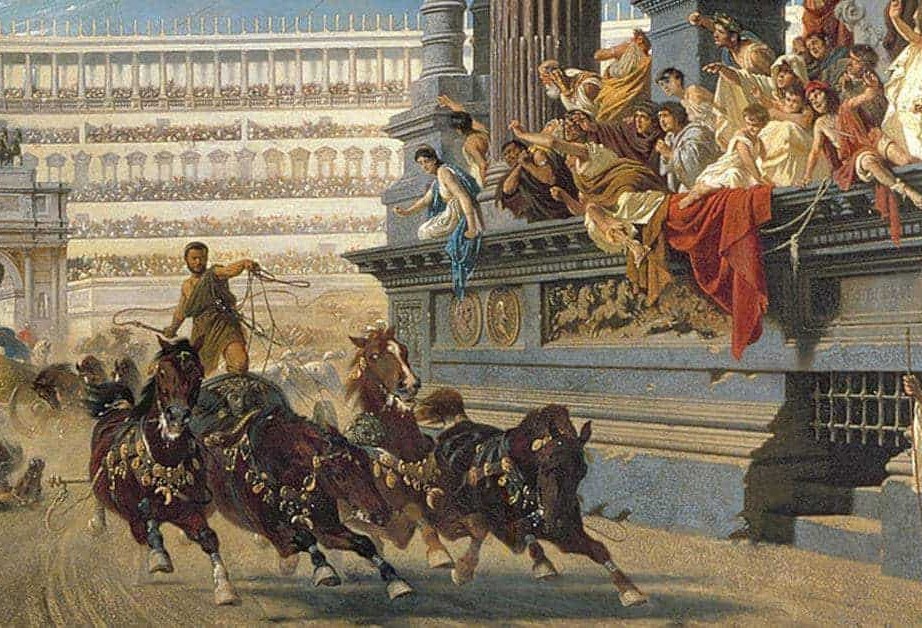
Discover Theodora, the Byzantine Empress who rose from humble beginnings. Learn about her political power, legal reforms...
View Board
Discover Octavia the Younger's pivotal role in Roman history! Sister of Augustus, wife of Antony, and a master of diplom...
View Board
Discover the story of Naevius Sutorius Macro, the ambitious Roman prefect! Learn how he orchestrated Sejanus's downfall,...
View Board
Explore the life and legacy of Hannibal Barca, Carthage's brilliant general. From his Alpine crossing to his impact on m...
View Board
Uncover the captivating story of Roxana, Alexander the Great's first wife. Explore her Sogdian origins, political influe...
View Board
Explore the life of Sextus Afranius Burrus, Praetorian Prefect and key advisor to Emperor Nero. Discover how he maintain...
View Board
Discover Themistocles, the Athenian strategist whose naval vision and tactical brilliance at Salamis saved Greece from P...
View Board
Comments