Explore Any Narratives
Discover and contribute to detailed historical accounts and cultural stories. Share your knowledge and engage with enthusiasts worldwide.
Julius Caesar remains one of history's most influential figures. Born in 100 BCE, he transformed the Roman Republic through military conquests, political reforms, and ultimately, his assassination. His legacy shaped Western civilization, making him a timeless subject of study.
Caesar was born into a patrician family in Rome's Suburra district. His early life was marked by political turmoil, including his refusal to divorce his wife, Cornelia, which led to exile. This defiance set the stage for his future ambition.
From 58 to 50 BCE, Caesar led the Gallic Wars, conquering modern-day France, Belgium, and parts of Germany. His campaigns were documented in Commentarii de Bello Gallico, a masterpiece of military strategy and propaganda.
In 49 BCE, Caesar famously crossed the Rubicon, declaring war on the Roman Senate. His victory at Pharsalus (48 BCE) solidified his dominance, leading to his appointment as dictator for life in 45 BCE.
As dictator, Caesar enacted sweeping reforms, including the Julian calendar and land redistribution. His policies laid the foundation for the Roman Empire, but his growing power alarmed the Senate, leading to his assassination.
On the Ides of March (44 BCE), Caesar was stabbed 23 times by senators led by Brutus and Cassius. His death triggered further civil wars, ultimately leading to the rise of Octavian (Augustus) and the Roman Empire.
Julius Caesar's life was a blend of military genius, political cunning, and reformist vision. His actions reshaped Rome and left an indelible mark on history. In Part 2, we will explore his personal life, relationships, and the cultural impact of his reign.
Beyond his military and political achievements, Julius Caesar had a complex personal life that influenced his career. His relationships, particularly with women, played significant roles in his rise to power and eventual downfall.
One of Caesar's most famous relationships was with Cleopatra VII of Egypt. Their alliance began in 48 BCE and resulted in the birth of Caesarion, who Caesar acknowledged as his son. This relationship strengthened Rome's influence in Egypt but also fueled political opposition.
Caesar's influence extended beyond his lifetime, shaping Roman culture, politics, and even language. His name became synonymous with power, and his reforms laid the groundwork for the Roman Empire.
Caesar's life has been immortalized in literature, most notably in Shakespeare's Julius Caesar. His military campaigns and political strategies continue to be studied in modern leadership and warfare courses.
Caesar was a master tactician, known for his innovative battlefield strategies. His campaigns in Gaul and his civil war victories demonstrated his ability to adapt and outmaneuver opponents.
Despite his achievements, Caesar faced criticism for his ambition and methods. His actions often blurred the line between statesmanship and tyranny.
Historians continue to debate Caesar's legacy. Some view him as a visionary reformer, while others see him as a ruthless dictator. His life remains a case study in leadership and power.
Julius Caesar's personal life, cultural impact, and military genius solidified his place in history. His relationships, reforms, and controversies shaped Rome's transition from Republic to Empire. In Part 3, we will explore his assassination's aftermath and his enduring legacy.
The assassination of Julius Caesar on March 15, 44 BCE remains one of history's most infamous political murders. The conspiracy, led by senators Brutus and Cassius, marked the end of Caesar's rule and the beginning of Rome's imperial era.
Caesar's death plunged Rome into chaos. The conspirators failed to restore the Republic, instead triggering another civil war. His adopted heir, Octavian (Augustus), emerged victorious, becoming Rome's first emperor.
Despite his violent end, Caesar's influence persisted. His reforms, military conquests, and political strategies shaped Rome's future and left a lasting impact on Western civilization.
Caesar's conquests expanded Rome's territory by 500,000 square kilometers. His campaigns in Gaul and Britain secured Rome's dominance in Europe, setting the stage for the empire's growth.
Julius Caesar's life continues to captivate modern audiences. His story has been retold in literature, film, and political discourse, cementing his place as a cultural icon.
Caesar's name is often invoked in discussions of leadership and authoritarianism. Phrases like "crossing the Rubicon" symbolize irreversible decisions, while his rise and fall serve as cautionary tales.
Julius Caesar's life was a blend of ambition, genius, and controversy. From his early political maneuvers to his military conquests and eventual assassination, he reshaped Rome's destiny. His reforms laid the foundation for the Roman Empire, and his legacy endures in modern culture and politics.
As we reflect on his story, one thing is clear: Julius Caesar was not just a man of his time but a figure whose influence transcends centuries. His name remains synonymous with power, strategy, and the enduring struggle between republic and empire.
Your personal space to curate, organize, and share knowledge with the world.
Discover and contribute to detailed historical accounts and cultural stories. Share your knowledge and engage with enthusiasts worldwide.
Connect with others who share your interests. Create and participate in themed boards about any topic you have in mind.
Contribute your knowledge and insights. Create engaging content and participate in meaningful discussions across multiple languages.
Already have an account? Sign in here

Discover the story of Naevius Sutorius Macro, the ambitious Roman prefect! Learn how he orchestrated Sejanus's downfall,...
View Board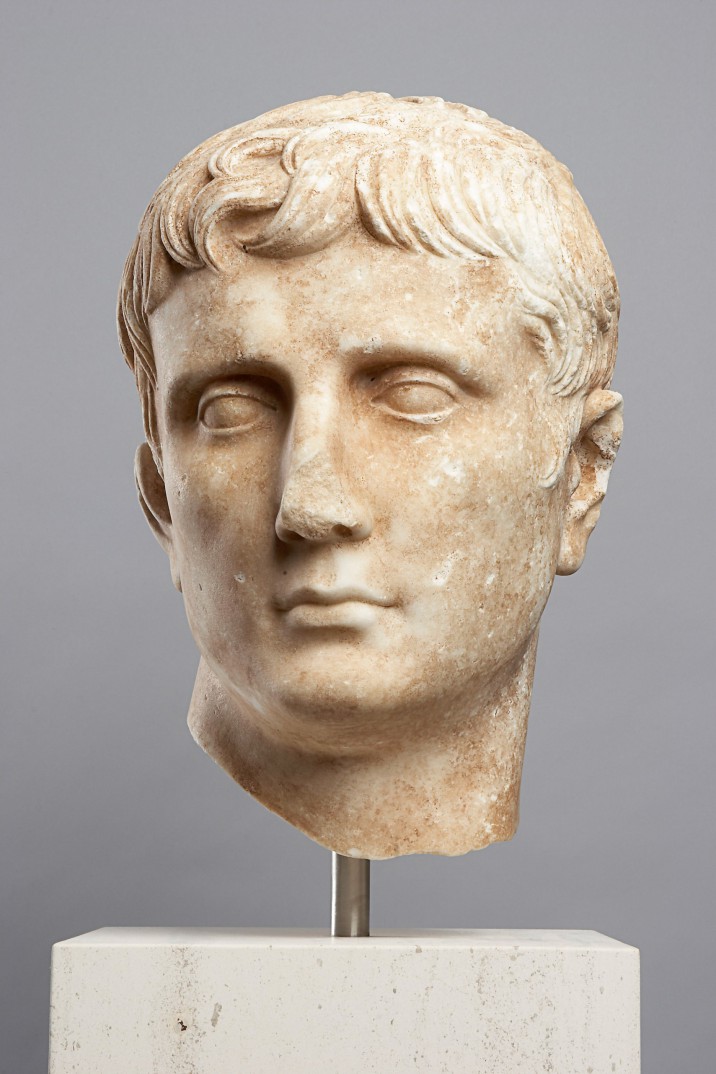
Explore the life of Augustus, Rome's first emperor. Learn how he transformed the Republic into a stable empire, ushered ...
View Board
Explore the life of Sextus Afranius Burrus, Praetorian Prefect and key advisor to Emperor Nero. Discover how he maintain...
View Board
Explore the life of Hippias, the last tyrant of Athens. From patron of the arts to exiled Persian ally, discover his dra...
View Board
Discover Agis IV, the Spartan king who dared to challenge the status quo! Learn about his ambitious reforms, debt cancel...
View Board
Discover Lucius Licinius Lucullus, the brilliant Roman general often overshadowed by Pompey. Explore his military genius...
View Board
Explore the life of Flavius Stilicho, the half-Vandal general who defended the Western Roman Empire. Discover his key ba...
View Board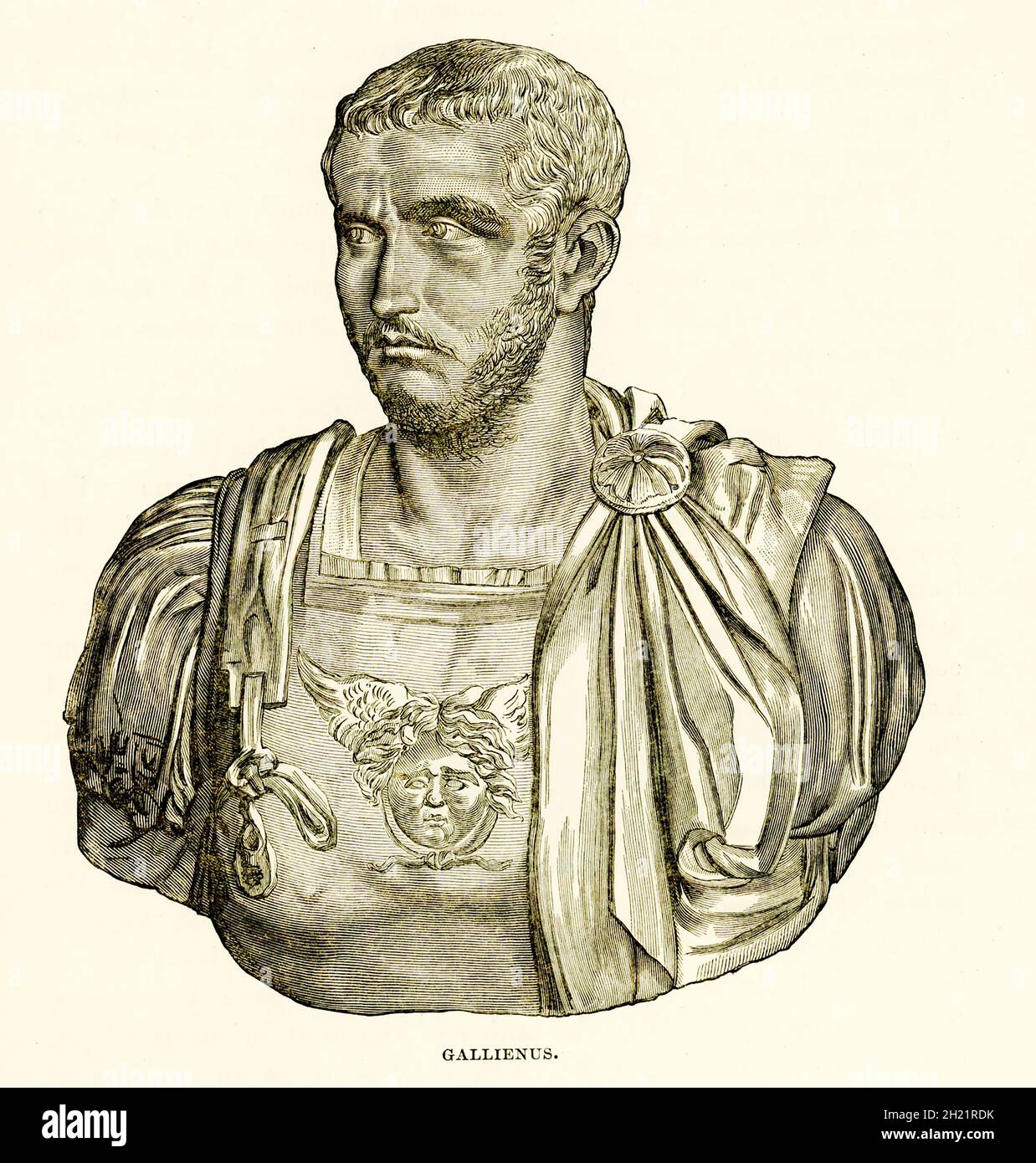
Explore the reign of Gallienus, the Roman Emperor often blamed for the Crisis of the Third Century. Discover modern reas...
View Board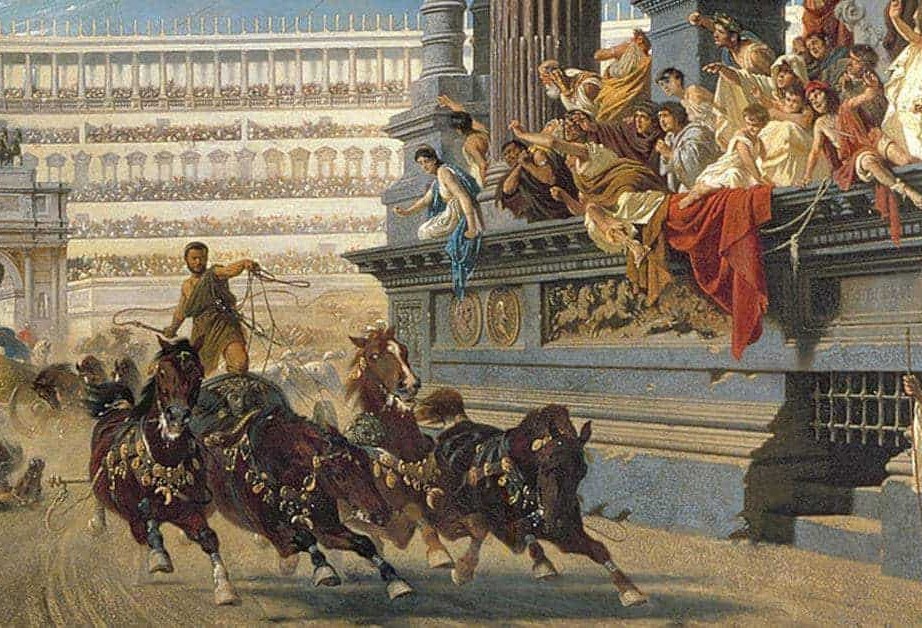
Discover Theodora, the Byzantine Empress who rose from humble beginnings. Learn about her political power, legal reforms...
View Board.jpg)
Discover the dramatic story of Pertinax, the Roman emperor who rose from humble beginnings to rule for just 87 days. Exp...
View Board
Explore Emperor Trajan's remarkable legacy! Discover his military triumphs, massive public works, social reforms, and en...
View Board
Explore Michael VIII Palaiologos' reign & the Byzantine Empire's resurgence! Discover how he recaptured Constantinople &...
View Board
Explore the life of Pompey the Great, a Roman general whose ambition shaped the Republic. Discover his triumphs, politic...
View Board
Uncover the life of Mithridates VI Eupator, the Poison King! Explore his mastery of toxins, wars against Rome, and drama...
View Board
Discover Valentinian I, the soldier-emperor who stabilized the Western Roman Empire! Learn about his military campaigns,...
View Board
Explore the reign of Lucius Septimius Severus, Rome's first African emperor. Discover his military conquests, political ...
View Board
Discover Quintus Sertorius, the Roman rebel who defied the Senate and ruled Hispania for a decade! Learn about his milit...
View Board
Discover the life of Pliny the Younger, a Roman lawyer and author, famous for witnessing the Vesuvius eruption. Explore ...
View Board
Discover Epaminondas, the Theban general who shattered Spartan dominance! Learn about his military innovations, politica...
View Board
Peshawar, a city of six million, has outlasted emperors and empires for over two and a half millennia, its history a com...
View Board
Comments