Explore Any Narratives
Discover and contribute to detailed historical accounts and cultural stories. Share your knowledge and engage with enthusiasts worldwide.
Persepolis, the ceremonial capital of the Achaemenid Empire, stands as a testament to the architectural brilliance and imperial power of ancient Persia. Founded around 518 BC by Darius I, this magnificent city was built on a massive terrace in modern-day Iran's Fars province. Unlike typical administrative hubs, Persepolis served as a symbol of imperial grandeur, hosting grand ceremonies and festivals.
The historical significance of Persepolis lies in its role as the ceremonial heart of the Achaemenid Empire. This empire, at its peak under Darius I and Xerxes, ruled over 44% of the world's population, making it one of the most extensive and powerful empires in history. Persepolis was not just a city; it was a statement of power, wealth, and cultural diversity.
Initiated by Darius I between 518–516 BC, the construction of Persepolis was a monumental task. The city was built on a half-natural, half-artificial terrace spanning over 100,000 m². This terrace was not only a foundation but also a marvel of engineering, featuring intricate drains and channels beneath its surface. The inscriptions found at the site credit Ahuramazda, the Zoroastrian god, and emphasize the city's security and beauty.
The palace complex of Persepolis is a testament to Achaemenid architecture. Key structures include the Apadana and the Throne Hall, also known as the Hundred-Column Hall. These structures were built using limestone and featured intricate bas-reliefs depicting tribute from subject peoples. The Faravahar, a Zoroastrian motif, is prominently featured in these reliefs, symbolizing the empire's religious and cultural identity.
The Apadana palace, with its grand audience hall, exemplified the majesty and wealth of the Achaemenid Empire.
The destruction of Persepolis is a pivotal event in its history. In 330 BC, Alexander the Great captured and burned the city. The fire, possibly intentional, razed the wooden elements and the Apadana palace. The motives behind this destruction remain debated, with theories ranging from revenge to accidental causes.
The fire that consumed Persepolis had a profound impact on the city's structures. While the stone elements survived, the wooden components were destroyed, leaving behind a landscape of ruins. Despite the destruction, the remnants of Persepolis continue to tell the story of its former glory and the empire it represented.
The excavations of Persepolis have revealed much about its history and architecture. The first scientific digs were conducted by Ernst Herzfeld and Erich Schmidt from the University of Chicago's Oriental Institute in 1930. Earlier surveys by European explorers date back to the 15th century.
The excavations have uncovered a wealth of information about the city's layout, structures, and artifacts. The bas-reliefs depicting tribute from subject peoples are particularly notable, illustrating the empire's multicultural governance and wealth in gold, silver, and art. These findings have been crucial in understanding the ceremonial function of Persepolis and its role in the Achaemenid Empire.
The bas-reliefs at Persepolis illustrate 23 subject nations offering gifts, highlighting the empire's multicultural governance.
In modern times, Persepolis continues to be a significant archaeological site and a symbol of Iranian heritage. Designated as a UNESCO World Heritage Site in 1979, it attracts over 1 million visitors annually (pre-COVID). The site faces challenges from erosion, tourism, and regional instability, but ongoing preservation efforts aim to protect its unique monumental ruins.
The UNESCO status of Persepolis underscores its global significance. The site is recognized for its unique architecture and urban planning, which reflect the grandeur of the Achaemenid Empire. Preservation efforts, including seismic reinforcement and laser scanning, are crucial in maintaining the integrity of the site for future generations.
Persepolis remains a testament to the architectural brilliance and imperial power of the Achaemenid Empire. Its historical significance, architectural marvels, and ongoing preservation efforts continue to captivate scholars and visitors alike.
Persepolis was not merely a political center but a vibrant hub of cultural and ceremonial activities. The city played a crucial role in the Achaemenid Empire's festivals and rituals, particularly during Nowruz, the Persian New Year. This annual celebration brought together representatives from across the empire, showcasing its unity and diversity.
The festival of Nowruz was a cornerstone of life at Persepolis. During this time, the city would host grand ceremonies where tribute from subject nations was presented to the king. These events were not just displays of wealth but also symbols of the empire's vast reach and multicultural governance. The Apadana staircase reliefs vividly depict delegations from 23 subject nations offering gifts, illustrating the empire's extensive influence.
The architecture of Persepolis is deeply intertwined with Zoroastrian motifs. The Faravahar, a winged symbol representing the human soul, is prominently featured in many reliefs. This symbol, along with others, reflects the religious and philosophical beliefs of the Achaemenid rulers. The city's design also emphasizes openness and grandeur, aligning with Zoroastrian principles of light and truth.
The Faravahar symbol at Persepolis represents the eternal journey of the soul, a core tenet of Zoroastrianism.
The architectural innovations of Persepolis are evident in its key structures. The city's design combines functionality with aesthetic brilliance, showcasing the advanced engineering skills of the Achaemenid Empire. Among the most notable structures are the Apadana Palace, the Throne Hall, and the Gate of All Nations.
The Apadana Palace served as the grand audience hall of the Achaemenid kings. This massive structure featured 72 columns, each standing at a height of over 20 meters. The palace's staircase reliefs are among the most famous artifacts, depicting scenes of tribute and ceremonial processions. These reliefs provide invaluable insights into the empire's administrative and cultural practices.
The Throne Hall, also known as the Hundred-Column Hall, was another marvel of Achaemenid architecture. This structure was used for grand receptions and imperial audiences. The Gate of All Nations, adorned with colossal lamassu statues, served as the main entrance to the ceremonial complex. These structures highlight the empire's focus on majesty and grandeur.
The Gate of All Nations, with its lamassu statues, symbolized the empire's welcoming yet powerful presence.
Understanding Persepolis requires placing it within the broader context of the Achaemenid Empire. This empire, founded by Cyrus the Great, reached its zenith under Darius I and Xerxes. Persepolis was one of several capital cities, each serving distinct functions within the empire's vast administrative network.
While Persepolis was the ceremonial capital, other cities like Pasargadae, Susa, and Babylon served as administrative centers. This division of roles allowed the empire to manage its diverse territories effectively. Persepolis, with its grand palaces and ceremonial spaces, was designed to impress and awe, reinforcing the king's divine mandate to rule.
The Achaemenid Empire was not only a political and cultural powerhouse but also an economic and military giant. The empire's vast road network, including the Royal Road, facilitated trade and communication across its territories. The wealth generated from tribute and trade funded the construction of monumental projects like Persepolis, showcasing the empire's prosperity.
The Royal Road, stretching over 2,500 kilometers, connected the empire's major cities and facilitated rapid communication.
The legacy of Persepolis extends far beyond its ancient ruins. In modern Iran, the site is a powerful symbol of national identity and historical pride. It serves as a reminder of the country's rich cultural heritage and its contributions to world civilization. The ongoing preservation and study of Persepolis continue to reveal new insights into the Achaemenid Empire and its enduring influence.
For many Iranians, Persepolis represents a golden age of Persian civilization. The site is a source of national pride and a testament to the country's historical achievements. Educational programs and cultural events often highlight Persepolis, fostering a deeper appreciation for Iran's ancient history among its citizens and the global community.
The global recognition of Persepolis as a UNESCO World Heritage Site has significantly boosted its profile. Tourism plays a crucial role in the site's preservation and economic impact. Visitors from around the world come to marvel at the ruins, contributing to local economies and raising awareness about the importance of cultural heritage preservation.
Persepolis attracts over 1 million visitors annually, making it one of Iran's top tourist destinations.
The cultural and ceremonial role of Persepolis, its architectural innovations, and its place within the Achaemenid Empire highlight its enduring significance. As a symbol of Iranian national identity and a globally recognized heritage site, Persepolis continues to captivate and inspire, bridging the past and present.
The rediscovery of Persepolis by modern archaeologists has been a journey spanning centuries. Early European explorers first documented the ruins in the 15th century, but it wasn't until the 20th century that systematic excavations began. These efforts have uncovered invaluable artifacts and insights into the Achaemenid Empire's grandeur.
European travelers and scholars were among the first to document Persepolis in the post-classical era. Their accounts, though often fragmented, provided the initial impetus for further exploration. These early observations highlighted the site's monumental ruins and sparked interest in its historical significance.
The first scientific excavations at Persepolis were conducted by Ernst Herzfeld and Erich Schmidt in 1930 under the auspices of the University of Chicago's Oriental Institute. Their meticulous work uncovered the city's layout, key structures, and numerous artifacts. These excavations provided a comprehensive understanding of the site's architectural and cultural significance.
The excavations by Herzfeld and Schmidt revealed the intricate urban planning and architectural brilliance of Persepolis.
The destruction of Persepolis by Alexander the Great in 330 BC remains a topic of intense debate among historians. The motives behind the fire that consumed the city are still unclear, with theories ranging from deliberate retaliation to accidental causes. This event marked a significant turning point in the history of the Achaemenid Empire.
Several theories attempt to explain why Alexander the Great ordered the burning of Persepolis. Some historians suggest it was an act of revenge for the Persian invasion of Greece, while others believe it was a strategic move to weaken the Persian morale. There are also accounts indicating that the fire was an accident, possibly resulting from a drunken revelry.
The destruction of Persepolis had a profound impact on the region. The fire destroyed much of the city's wooden structures, leaving behind a landscape of stone ruins. Despite the devastation, the remaining structures continue to provide valuable insights into the architectural and cultural achievements of the Achaemenid Empire.
The fire at Persepolis destroyed wooden elements but left stone structures that tell the story of its former glory.
Persepolis has left an indelible mark on art, literature, and popular culture. Its grandeur and historical significance have inspired countless works, from ancient texts to modern films and literature. The site's iconic status continues to captivate the imagination of people worldwide.
References to Persepolis can be found in various ancient and medieval texts. Greek historians, such as Herodotus and Diodorus Siculus, provided detailed accounts of the city's splendor and its destruction. These texts have been crucial in shaping our understanding of Persepolis and its role in the ancient world.
In modern times, Persepolis has been featured in various forms of media, including documentaries, films, and literature. The graphic novel "Persepolis" by Marjane Satrapi, though not directly about the ancient city, draws its name and inspiration from this historical site. Additionally, numerous documentaries and virtual reconstructions have brought the ancient city to life for contemporary audiences.
The graphic novel "Persepolis" by Marjane Satrapi reflects the enduring cultural impact of the ancient city.
The preservation of Persepolis faces numerous challenges, including environmental factors, tourism, and regional instability. Despite these obstacles, ongoing efforts by Iranian authorities and international organizations aim to protect and conserve this invaluable heritage site for future generations.
Persepolis is susceptible to various environmental threats, such as erosion and seismic activity. Additionally, the influx of tourists, while beneficial for local economies, poses risks to the site's integrity. Efforts to mitigate these threats include seismic reinforcement, controlled tourism, and advanced monitoring techniques.
Modern technology plays a crucial role in the preservation of Persepolis. Techniques such as laser scanning and 3D modeling have been employed to document and analyze the site's structures. These advancements not only aid in conservation but also provide new insights into the city's architectural and cultural significance.
Laser scanning and 3D modeling are revolutionizing the preservation and study of Persepolis.
Persepolis stands as a testament to the architectural brilliance, cultural richness, and imperial power of the Achaemenid Empire. From its founding by Darius I to its destruction by Alexander the Great, the city's history is a tapestry of grandeur and tragedy. Its rediscovery and ongoing preservation efforts ensure that the legacy of Persepolis continues to inspire and educate.
The story of Persepolis is marked by several key takeaways:
In conclusion, Persepolis is more than just an archaeological site; it is a symbol of human achievement and cultural heritage. Its grand palaces, intricate reliefs, and historical significance offer a window into one of the most powerful empires of the ancient world. As we continue to study and preserve Persepolis, we honor the legacy of the Achaemenid Empire and ensure that its story endures for generations to come.
Persepolis remains a beacon of ancient grandeur, inspiring awe and admiration in all who walk its storied ruins.
Your personal space to curate, organize, and share knowledge with the world.
Discover and contribute to detailed historical accounts and cultural stories. Share your knowledge and engage with enthusiasts worldwide.
Connect with others who share your interests. Create and participate in themed boards about any topic you have in mind.
Contribute your knowledge and insights. Create engaging content and participate in meaningful discussions across multiple languages.
Already have an account? Sign in here

Discover Jericho, the world’s oldest city, with 9,000 years of history. Explore its ancient walls, Neolithic tower, and ...
View Board
Explore the captivating blend of ancient history and vibrant modernity in Athens, the cradle of Western civilization and...
View Board
Bagan: A Living Legacy of Myanmar's Past The Enchanting Heritage of Bagan Bagan, also spelled Pagan, is a sprawling ar...
View Board
Discover how 2025's archaeology boom is reshaping history with groundbreaking finds like Karahantepe's amphitheater & Th...
View Board
Explore the timeless intrigue of Pompeii in "The Enigmatic Legacy of Pompeii: A Journey Through Time." Unearth the vibra...
View Board
Discover the ancient wonders of Sidon, a coastal gem on the Mediterranean Sea known for its rich tapestry of history and...
View Board
Explore the ancient grandeur of the Axumite Empire in this insightful article on its history and legacy. Uncover the ris...
View Board
Istanbul, a city bridging Europe and Asia, embodies a rich history, cultural diversity, and modern transformation, offer...
View Board
Discover the critical role of Parmenion, the master strategist behind Alexander the Great's legendary conquests. Explore...
View Board
Discover Valletta, the mesmerizing capital of Malta and a UNESCO World Heritage Site. Dive into its rich history, baroqu...
View Board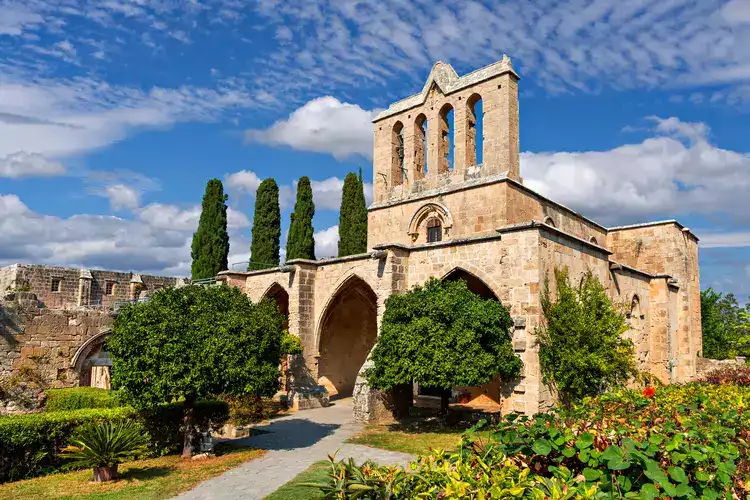
Discover the enigmatic heritage of Famagusta, a walled medieval port city in Cyprus. Explore its rich history, from anci...
View Board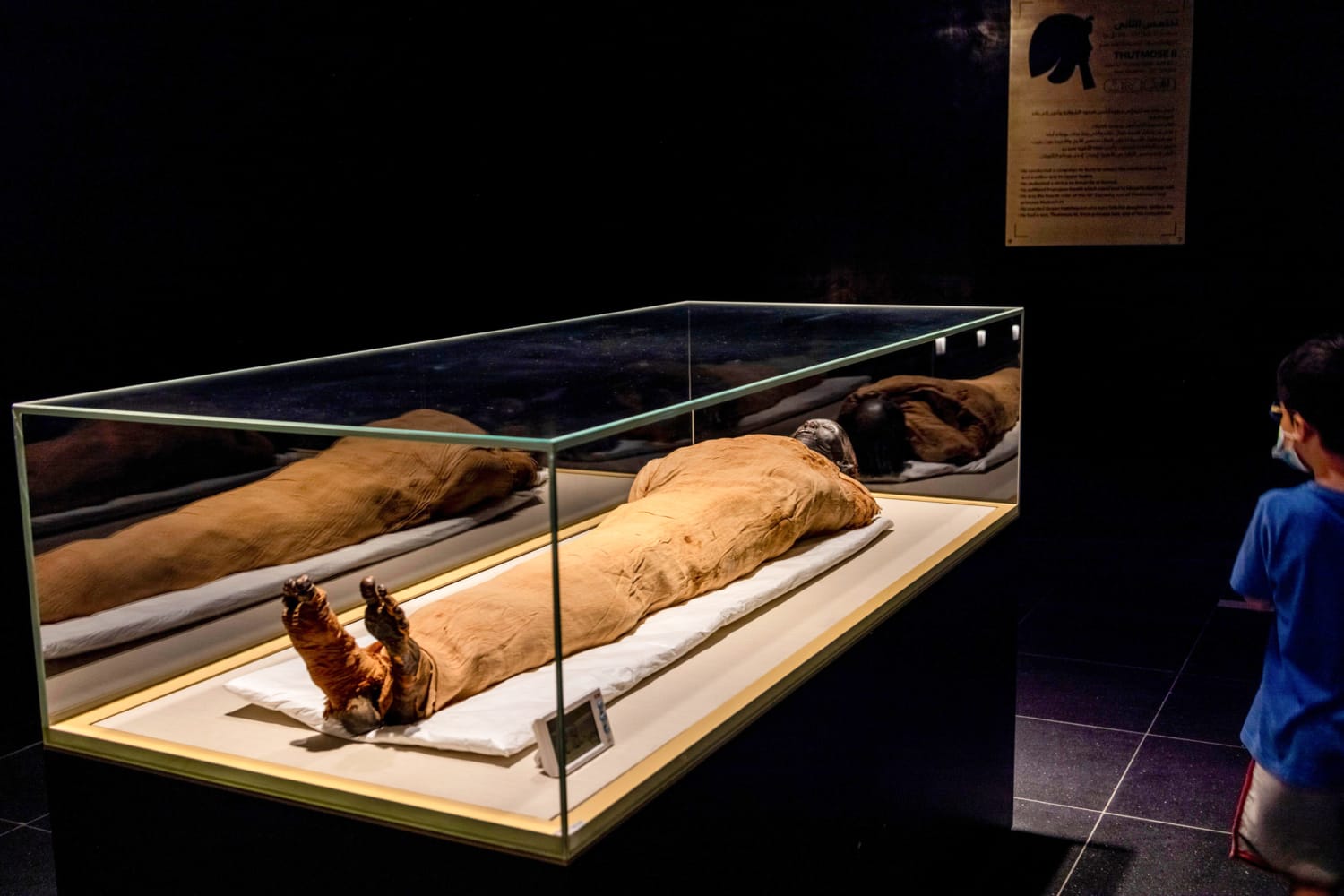
Discover the lost tomb of Pharaoh Thutmose II, a monumental find in Egypt's Valley of the Kings. Uncover secrets of the ...
View Board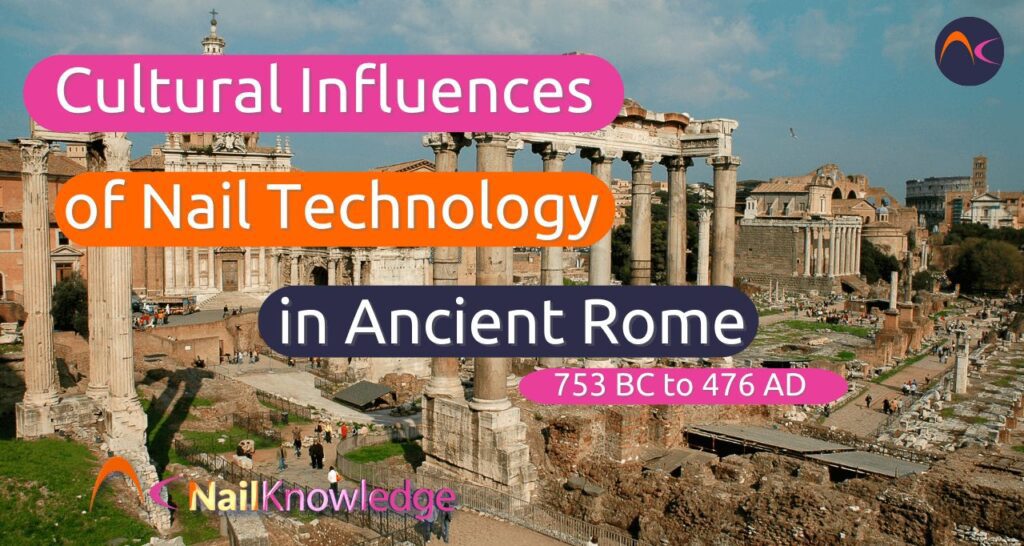
Explore "The Eternal City: A Journey Through the History of Rome" and uncover the captivating blend of myth, culture, an...
View Board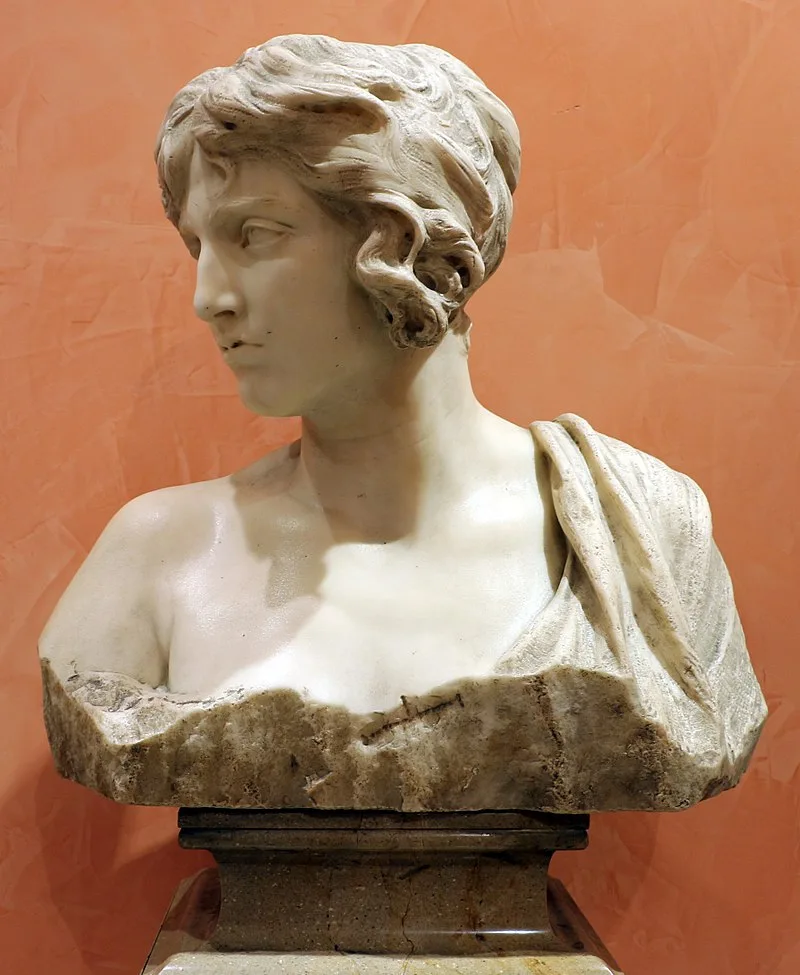
Nossis, an ancient Phoenician kingdom in modern-day Lebanon, was a significant Mediterranean city-state known for its th...
View Board
>**Meta Description:** Discover Florence, the cradle of the Renaissance, with its iconic art, historic landmarks, and cu...
View Board
Discover Antiochus IV of Commagene, the last king of a Roman client kingdom. Explore his military campaigns, cultural le...
View Board
Explore the enduring legacy of Emperor Vespasian, the architect of stability and reconstruction in ancient Rome. This ar...
View Board
Explore the transformative reign of Septimius Severus, the dynamic leader who redefined the Roman Empire with strategic ...
View Board
Discover Emperor Trajan's legacy: military conquests, monumental architecture, and social welfare that shaped Rome's gol...
View Board
Explore Kyrenia Castle, a stunning Venetian fortress with Byzantine roots, housing the famous Ancient Shipwreck Museum. ...
View Board
Comments