

Explore Any Narratives
Discover and contribute to detailed historical accounts and cultural stories. Share your knowledge and engage with enthusiasts worldwide.
Nossis, as an ancient Phoenician kingdom, held a unique place among the Mediterranean city-states of its time. Situated on the coast of what is now modern-day Lebanon, Nossis was known for its strategic location and thriving economic activities. The kingdom flourished during a period that saw significant changes in the broader context of ancient civilization, making it a crucial player in trade and cultural exchanges between East and West.
Nossis was located on the Phoenician coast near Sarepta, south of Sidon. This strategic position made it a vital node in the network of trade routes connecting Egypt, Syria, Anatolia, and other regions. Positioned near what is often referred to as the "Phoenician Highway," this coastal region facilitated both maritime and overland traffic, ensuring Nossis a prosperous economic environment.
The inhabitants of Nossis were primarily of Phoenician stock, which contributed significantly to the cultural and linguistic identity of the region. Although detailed historical records about Nossis are sparse, archaeological evidence indicates that the early settlers engaged in agricultural, pottery-making, and metallurgic practices. The presence of a local dialect or variant of Phoenician suggests a strong sense of ethnic and linguistic continuity.
According to legend, Nossis was founded by a Phoenician king named Abdimilch, who ruled around the 12th century BCE. His rule marked the beginning of Nossis’s prominence, and his administration laid the groundwork for subsequent developments. Records suggest that during this period, the city’s economy began to diversify with increasing trade activities, particularly in olive oil and pottery.
The economy of Nossis thrived through its involvement in several key industries. One of the most important sectors was agriculture, with a focus on olive cultivation. The production of olive oil played a vital role, not only for domestic consumption but also for export to distant lands such as Greece, Italy, and Cyprus. The oil produced here was renowned for its quality and was traded extensively across the Mediterranean, enhancing Nossis’s reputation as a major provider.
Beyond agriculture, Nossis was active in the production and export of various other goods such as wine, textiles, and various crafts. Pottery workshops in the city became famous for their high-quality products, influencing the art and utility items in neighboring regions. Maritime trade also played a crucial role, with ships from Nossis traveling to far-off destinations such as Egypt, Greece, and Asia Minor. These trade relations helped establish Nossis as a center of commerce within the wider Mediterranean world.
The religious life of Nossis was closely tied to the broader polytheistic tradition of the Phoenicians. Temples dedicated to various deities stood prominently in the city, reflecting a complex pantheon of gods and goddesses. Archaeological findings suggest that worship practices included offerings, rituals, and sacrifices, which were central to the social and economic activities of the community. Shrines to gods like Baal, Astarte, and El were common, fostering a sense of communal religious identity and reinforcing social cohesion.
Culturally, Nossis was influenced by other civilizations, particularly those to the east. This cultural exchange is evident in the artwork and architecture found in the city, demonstrating an interweaving of Phoenician traditions with elements from neighboring cultures. Religious texts written in Phoenician scripts provide insights into the beliefs and practices of the Nossites, offering a window into their socio-religious landscape.
The administrative structure of Nossis was relatively sophisticated for its time, with a clear division of roles and responsibilities among different strata of society. At the top of the hierarchy were the rulers and nobility, who managed the affairs of state. Below them were the merchants and craftsmen, who formed the backbone of the economy. Agricultural workers and slaves comprised the lower ranks of society, contributing to the daily labor necessary for sustaining the city's lifestyle.
Records indicate that the government in Nossis employed a form of representative democracy, although it evolved differently compared to contemporary forms of governance. Community meetings and councils played a significant role in decision-making processes, allowing a degree of civic participation. This system ensured that issues such as taxation, land distribution, and public works projects were addressed with the input from different segments of the population.
A significant portion of Nossis’s resources went into ensuring its safety and security. The city maintained a well-organized military force, consisting of infantry, cavalry, and possibly naval units to protect its maritime interests. Fortifications, including walls and watchtowers, were erected at strategic points to defend against potential invaders. Evidence from archaeological digs reveals the presence of weapons, fortification structures, and other military artifacts, indicating the city’s commitment to military preparedness.
In addition to military defense, Nossis also had mechanisms for maintaining internal order. Law enforcement was an essential aspect of governance, ensuring that the peace and stability required for economic activity and cultural exchange could be upheld. Courts administered justice, resolving disputes and enforcing laws, thus maintaining a semblance of order within the city-state.
The layout of Nossis reflected the urban planning principles of the time, with a clear and logical design. The city would have had a central marketplace or agora, serving as the heart of commercial and social life. Surrounding this area were residential quarters, temples, and public buildings. Streets were likely paved and possibly lined with trees or water channels, providing a comfortable environment for citizens and visitors alike.
Key infrastructure developments in Nossis included systems for water supply and sanitation. Wells and cisterns, as well as aqueducts if available, ensured a steady flow of fresh water to meet the daily needs of the population. Additionally, sewage systems were likely constructed to manage waste and maintain a clean living environment, which was crucial for public health.
Transportation systems within the city and outwards were important for economic and social purposes. Efficient roads connected Nossis to nearby settlements and enabled the movement of goods, people, and information. Ports along the coast provided direct access to maritime trade, facilitating the exchange of goods with external markets.
Although specific names of notable citizens in Nossis are not extensively documented, historians can infer the importance of individuals through archaeological finds and historical references. One figure who stands out is a merchant named Pyxades, whose name appears inscribed on clay tablets unearthed in the Sarepta area. His business activities reveal his wide-reaching connections across the Mediterranean, showcasing the cosmopolitan nature of Nossis.
Beyond merchants, artisans and craftsmen also warrant attention. Finds of skilled work from Nossis indicate the presence of master potters, smiths, and textile producers. Names and stories of these artisans have been preserved through dedications made in honor of their work, further highlighting the importance of individual contributions in sustaining the city’s prosperity.
While less prominent, religious figures also played vital roles. Priests and priestesses of the various temples would have been central to religious life, managing rituals and festivals that were integral to community cohesion and spiritual practice.
Nossis, a city-state of ancient Phoenicia, exemplifies the rich tapestry of life, trade, and culture that characterized the Mediterranean during antiquity. Its strategic location, thriving economy, and diverse cultural influences make it a fascinating subject for historians and archaeologists. As we delve deeper into the annals of history, Nossis emerges as a beacon of prosperity and progress, contributing significantly to the legacy of medieval and ancient civilizations.
The story of Nossis is a testament to the resilience and adaptability of human endeavor, demonstrating how a smaller power state could wield influence far beyond its immediate borders through trade and cultural exchange. Future explorations into this ancient territory promise further revelations about life in this remarkable period of history.
The decline of Nossis began gradually, as the region faced challenges that weakened its once-prosperous economy and cultural prowess. The Hellenistic period brought significant shifts in the balance of power in the Mediterranean, with the rise of Greek city-states and later, the conquests of Alexander the Great. This shifting geopolitical landscape threatened the independence of Nossis and other Phoenician cities.
Nossis was strategically located at an intersection of major trade routes, and its decline cannot be separated from the broader changes in the Mediterranean world. As Greek and then Roman influence increased, the traditional power structures of the Phoenician city-states began to erode. By the early 3rd century BCE, Nossis had become part of the Seleucid Empire, further cementing its subjugation and changing its political landscape.
Archaeological explorations over the past century have provided invaluable insights into the life and times of Nossis. Excavations have revealed the layout of the city, its fortifications, and public buildings, offering a tangible connection to the past. The discovery of the Nossis Temple, dedicated to the god Baal, has shed light on the city’s religious practices and the pantheon of deities worshipped by its inhabitants.
Finding artifacts such as pottery, coins, and inscriptions has also been crucial in piecing together the daily lives of Nossis’s citizens. Coins bearing the city’s seal, for instance, provide evidence of its economic activities, while inscriptions found near the marketplace offer insights into the administrative and social structures of the city.
The decline of Nossis had a significant impact on the broader Mediterranean trade networks. As the region’s economic center shifted, the traditional routes and markets that had made Nossis prosperous became less relevant. Other cities in the region, such as Tyre and Sidon, emerged as more prominent centers, drawing trade away from Nossis.
Despite this shift, the legacy of Nossis continued to influence the region. Its economic and cultural contributions paved the way for the development of other Phoenician cities and influenced the trading practices of subsequent civilizations. The quality and craftsmanship of Nossis’s olive oil and pottery became benchmarks for other producers, ensuring that the city’s reputation endured even in its decline.
Several significant archaeological sites and findings have helped historians and archaeologists piece together the life of Nossis. Notable findings include the Temple of Baal, which provides a physical link to the city’s religious practices and architectural styles. The site has revealed details about the layout of the temple complex, the altars, and the surrounding structures that supported religious activities.
In addition to the temples, the discovery of the Nossis marketplace has been crucial. This area, likely centrally located, would have been the heart of the city’s commercial activities. Finds include trading weights, coins, and various goods, showcasing the variety of products bought and sold in Nossis during its peak.
The discovery of a well-preserved residential quarter has also provided a glimpse into the everyday life of Nossis’s citizens. Artifacts found in these areas, such as household pottery, coins, and tools, offer a deeper understanding of the daily routines and living conditions of the city’s inhabitants.
Modern research and ongoing excavations continue to unravel the mysteries of Nossis. Archaeologists are using advanced techniques such as geophysical surveys, ground-penetrating radar, and aerial photography to map and explore the site. These methods help identify structures and features that are not immediately visible and provide a more comprehensive understanding of the city’s layout and infrastructure.
Collaborative efforts between archaeologists and local communities have enhanced the preservation and interpretation of Nossis’s historical sites. Educational programs and guided tours not only promote local tourism but also raise awareness about the importance of preserving historical sites. Museums and exhibitions dedicated to Nossis’s history serve as educational hubs, showcasing artifacts and providing a more immersive experience for visitors.
The economy of modern-day Lebanon and the wider Mediterranean still feels the historical echoes of Nossis. The region’s rich archaeological heritage has become a significant draw for tourists and researchers. The site of Nossis is now a protected area, and ongoing conservation efforts aim to preserve its historical significance.
Culturally, Nossis’s legacy is remembered through festivals, cultural events, and educational programs. Local communities often organize activities centered around the city’s history, celebrating its contributions to the region’s culture and heritage. This not only fosters a sense of pride among the local population but also promotes the understanding and appreciation of ancient civilizations.
The legacy of Nossis endures, a testament to the resilience of ancient civilizations in the face of changing geopolitical landscapes. Through archaeological discoveries and ongoing research, modern historians continue to uncover the rich tapestry of life in this once-thriving Phoenician kingdom. The story of Nossis offers valuable insights into the broader history of the Mediterranean and the interconnectedness of societies in antiquity.
As the world of archaeology continues to advance, we can expect to uncover more about Nossis and other ancient Phoenician cities. Future research promises to bring even more clarity to the lives, practices, and contributions of the people who once called Nossis home, enriching our understanding of this fascinating period in history.
The study of Nossis is not just about the past; it is also about the present and the future. By preserving and studying these ancient sites, we can foster a deeper connection to our shared human history and continue to learn from the past in shaping our future.
The preservation and promotion of Nossis’s historical sites have become critical in maintaining the city’s cultural and historical significance. The Lebanese Department of Antiquities and various international organizations have undertaken initiatives to preserve the archaeological findings and protect the site from environmental and human threats. This includes the construction of protective structures, the development of walkways, and the installation of informational signs and plaques that guide visitors through the historical significance of the site.
Efforts to make Nossis accessible to the public have also intensified. Museums dedicated to Nossis’s history have been established, showcasing artifacts and providing detailed exhibitions that bring the city’s past to life. Cultural events and festivals, often held in conjunction with these museums, provide immersive experiences that allow visitors to explore the city’s rich heritage. Educational programs, including guided tours and workshops, are also available, offering deeper insights into the life and customs of Nossis.
The historical significance of Nossis has had a positive impact on the local economy and community. The preservation and tourism initiatives have created job opportunities in tourism, local businesses, and hospitality services. Restaurants, shops, and guesthouses have sprung up around the site, providing essential services for visitors and contributing to the economic vitality of the region. Additionally, the development of cultural events and festivals has increased visitor numbers, thereby generating revenue and stimulating the local economy.
Moreover, the promotion of Nossis as a cultural destination has strengthened local identity and community pride. Residents have a greater sense of connection to their ancestral roots, which has led to a heightened appreciation and respect for traditional customs and values. This cultural revival has also fostered a stronger sense of community, encouraging cooperation and collaboration among local stakeholders.
The preservation of Nossis faces several challenges. One of the main issues is the continuous deterioration of archaeological sites due to natural and human factors. Erosion, pollution, and urbanization pose significant threats to the integrity of the historical site. Additionally, looting and illegal excavations are ongoing concerns that require strict enforcement of laws and stricter regulations to protect the site.
Despite these challenges, there are promising future prospects. International cooperation and funding are crucial in addressing the preservation needs of Nossis. Collaborative programs between local and international organizations can provide the resources and expertise necessary to ensure the long-term preservation of the site. Furthermore, technological advancements in archaeology, such as 3D modeling and virtual reality, are increasingly being used to document and interpret archaeological findings, providing new insights and enhancing public engagement.
Nossis remains a vibrant and dynamic part of Lebanon’s cultural heritage, symbolizing the resilience and sophistication of an ancient civilization. Through ongoing research, preservation efforts, and community engagement, the story of Nossis continues to unfold, enriching our understanding of the past and inspiring future generations.
As we look toward the future, it is essential to continue supporting the preservation and promotion of Nossis’s historical sites. By doing so, we honor the legacy of this ancient Phoenician kingdom and ensure that its contributions to human history are not forgotten.
The journey to fully comprehend and appreciate Nossis is ongoing. Future discoveries and initiatives will undoubtedly continue to reveal new aspects of this fascinating period in history, enriching our knowledge and appreciation of this remarkable ancient civilization.
Your personal space to curate, organize, and share knowledge with the world.
Discover and contribute to detailed historical accounts and cultural stories. Share your knowledge and engage with enthusiasts worldwide.
Connect with others who share your interests. Create and participate in themed boards about any topic you have in mind.
Contribute your knowledge and insights. Create engaging content and participate in meaningful discussions across multiple languages.
Already have an account? Sign in here
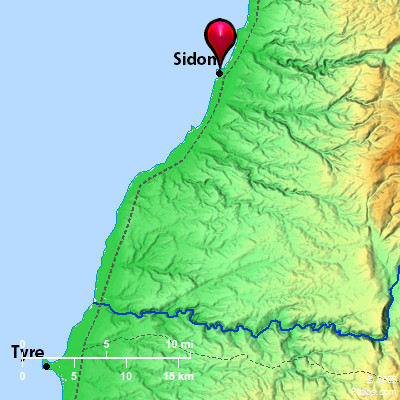
Discover the ancient wonders of Sidon, a coastal gem on the Mediterranean Sea known for its rich tapestry of history and...
View Board
Discover Latakia, Syria’s historic port city blending ancient Phoenician roots with modern economic significance. Explor...
View Board
Discover the historical and cultural marvels of Erbil, the vibrant capital of the Kurdistan Region of Iraq, where ancien...
View Board
Explore the rich tapestry of Mogadishu's millennium-long history and vibrant culture as the "Jewel of the Indian Ocean."...
View Board
**Meta Description:** Explore the rich history, culture, and resilience of Baghdad, the ancient capital of Iraq. From ...
View Board
Discover the rich history of Nazareth, the ancient city in Galilee, renowned as Jesus Christ's childhood home. Explore N...
View Board
Discover Persepolis, the ceremonial capital of the Achaemenid Empire. Explore its grandeur, history, and architectural m...
View Board
Explore Ramallah Muqata'a, the heart of Palestinian governance. Discover its rich history, political significance, and c...
View Board
Sulaymaniyah, a city in northern Iraq, is a cultural and historical gem with a rich heritage, unique blend of Kurdish, A...
View Board
Explore the rich tapestry of Kandahar, Afghanistan, where history and culture converge at a historic crossroads. Discove...
View Board
Bagan: A Living Legacy of Myanmar's Past The Enchanting Heritage of Bagan Bagan, also spelled Pagan, is a sprawling ar...
View Board
Discover Jericho, the world’s oldest city, with 9,000 years of history. Explore its ancient walls, Neolithic tower, and ...
View Board
Discover Valletta, the mesmerizing capital of Malta and a UNESCO World Heritage Site. Dive into its rich history, baroqu...
View Board
Explore the captivating history and cultural legacy of Basra, often famed as the 'Venice of the East.' This Iraqi city b...
View Board
Explore the captivating blend of ancient history and vibrant modernity in Athens, the cradle of Western civilization and...
View Board
Discover the intriguing legacy of Vologases I of Parthia, a monarch whose reign during the 1st century AD marked a trans...
View Board
Explore the timeless intrigue of Pompeii in "The Enigmatic Legacy of Pompeii: A Journey Through Time." Unearth the vibra...
View Board
Explore the fascinating life of Octavia the Younger, a silent yet formidable pillar of Roman Imperial power. Discover ho...
View Board
Explore the enduring legacy of Emperor Vespasian, the architect of stability and reconstruction in ancient Rome. This ar...
View Board
Discover the enigmatic heritage of Famagusta, a walled medieval port city in Cyprus. Explore its rich history, from anci...
View Board
Comments