Explore Any Narratives
Discover and contribute to detailed historical accounts and cultural stories. Share your knowledge and engage with enthusiasts worldwide.
The Ramallah Muqata'a, also known as the Mukataa or Muqata’a, stands as the central administrative headquarters of the Palestinian Authority (PA) in Ramallah, West Bank. This historic complex has been the primary seat of PA governance since the Oslo Accords in 1994, playing a pivotal role in the political and administrative landscape of the region.
Built in the 1930s during the British Mandate, the Ramallah Muqata'a originally served as a Tegart fort, functioning as a military headquarters, court, and prison. This strategic location was designed to maintain control and order in the region, reflecting the architectural and administrative priorities of the time.
After the 1948 Arab-Israeli War, the complex was repurposed by Jordan, which used it as a prison and officers' residence. Following the 1967 Israeli occupation, the Muqata'a became an Israeli military base and prison until it was handed over to the Palestinian Authority in 1995.
In 1996, Yasser Arafat established the Ramallah Muqata'a as his official West Bank base, earning it the nickname "Arafat's compound." This move was significant as it marked the beginning of the complex's role as the central hub for Palestinian governance under the Oslo Accords.
The Muqata'a gained international attention in 2002 during Operation Defensive Shield, when Israeli forces besieged the compound. Arafat remained confined within its walls until his death in 2004. Following his passing, Arafat was buried on-site, and a permanent tomb and mausoleum were opened in 2007, inscribed with aspirations for his final rest in Jerusalem.
The Ramallah Muqata'a houses the PA presidency under Mahmoud Abbas, serving as the operational core for Palestinian governance. It includes Arafat's mausoleum, a museum, and various memorials, reinforcing its national significance and symbolic role in Palestinian identity.
Despite its importance, the Muqata'a has faced criticism. Some argue that the development of Ramallah as an administrative hub undermines Palestinian claims to East Jerusalem as their capital. The complex's maintained lawns and modern facilities contrast sharply with the broader challenges faced by Palestinians, including water shortages and demolitions elsewhere in the West Bank.
Under the leadership of former PA Prime Minister Salam Fayyad, Ramallah experienced a building boom, with luxury hotels and cultural investments springing up around the Muqata'a. This period, known as "Fayyadism," saw significant economic growth and private investment, positioning Ramallah as a cultural and economic center.
Despite these developments, the Ramallah Muqata'a remains at the heart of ongoing Israeli-Palestinian tensions. The complex continues to serve as the PA's operational core, navigating the complexities of governance amid stalled peace processes and international political dynamics.
The Ramallah Muqata'a is more than just an administrative headquarters; it is a symbol of Palestinian resilience and governance. From its origins as a British Mandate fort to its current role as the heart of the Palestinian Authority, the Muqata'a encapsulates the historical and political journey of the Palestinian people. As Ramallah continues to evolve, the Muqata'a remains a beacon of hope and a testament to the enduring spirit of Palestinian self-determination.
The Ramallah Muqata'a is a striking example of Tegart fort architecture, characterized by its robust and strategic design. Built during the British Mandate, the complex features thick walls, watchtowers, and a central courtyard, reflecting its original purpose as a military and administrative hub. The layout was meticulously planned to ensure security and efficient governance.
The Muqata'a comprises several significant structures, each serving a unique purpose:
The Ramallah Muqata'a serves as the central hub for the Palestinian Authority's administrative functions. It is here that key government offices operate, including the presidency, various ministries, and other essential departments. The complex facilitates the coordination and implementation of policies that impact the daily lives of Palestinians in the West Bank.
The Muqata'a is also a crucial center for diplomatic and international relations. It hosts numerous embassies, consulates, and international organizations, serving as a focal point for foreign diplomacy and aid. The complex plays a vital role in fostering international cooperation and support for the Palestinian cause.
The development of the Ramallah Muqata'a as a central administrative hub has not been without controversy. Critics argue that the focus on Ramallah undermines the Palestinian claim to East Jerusalem as their capital. This shift in administrative focus has led to concerns about the reification of Ramallah, potentially sidelining Jerusalem's historical and political significance.
The economic growth and development in Ramallah, particularly around the Muqata'a, have highlighted significant socio-economic disparities within the West Bank. While Ramallah enjoys relative prosperity, other areas face challenges such as water shortages, demolitions, and limited access to resources. This contrast has led to criticisms of the PA's priorities and governance.
The Ramallah Muqata'a is a significant tourist attraction, drawing visitors from around the world. Key attractions include:
The Muqata'a hosts numerous cultural events and activities throughout the year. These events range from art exhibitions and musical performances to political forums and educational workshops. They serve to promote Palestinian culture, foster community engagement, and attract international visitors.
The Ramallah Muqata'a continues to evolve, with ongoing developments aimed at enhancing its administrative and cultural roles. Recent investments in infrastructure, technology, and security reflect the PA's commitment to modernizing the complex and improving its operational efficiency.
Despite these advancements, the Muqata'a faces several potential challenges. These include:
The Ramallah Muqata'a remains a cornerstone of Palestinian governance and identity. Its historical significance, architectural grandeur, and administrative importance make it a vital symbol of Palestinian resilience and self-determination. As the complex continues to evolve, it will undoubtedly play a crucial role in shaping the future of the Palestinian people and their aspirations for statehood.
The Ramallah Muqata'a has been at the center of numerous Israeli-Palestinian conflicts. One of the most notable events was the 2002 siege during Operation Defensive Shield, where Israeli forces surrounded the compound, confining Yasser Arafat for months. This event underscored the complex's strategic importance and its role as a symbol of Palestinian resistance.
The Oslo Accords of 1994 marked a turning point for the Muqata'a, transitioning it from an Israeli military base to the administrative heart of the Palestinian Authority. This shift was pivotal in establishing Palestinian self-governance, although it also brought new challenges and tensions. The accords' provisions and subsequent implementations have had lasting effects on the complex's role and significance.
Under the leadership of former PA Prime Minister Salam Fayyad, Ramallah experienced a significant building boom. This period, known as Fayyadism, saw the construction of luxury hotels, modern office buildings, and cultural centers around the Muqata'a. These developments aimed to position Ramallah as a vibrant economic and cultural hub, attracting both local and international investment.
Despite the economic growth in Ramallah, the surrounding areas in the West Bank face stark contrasts. Issues such as water shortages, home demolitions, and limited infrastructure development highlight the socio-economic disparities within the region. Critics argue that the focus on Ramallah's development has led to an "illusory zone of Palestinian freedom," masking the broader challenges faced by Palestinians.
The Ramallah Muqata'a serves as a critical center for international diplomacy. It hosts numerous foreign embassies, consulates, and international organizations, facilitating diplomatic relations and aid coordination. The complex's role in global diplomacy is essential for garnering international support and recognition for the Palestinian cause.
The Muqata'a is frequently featured in international media, shaping global perceptions of the Israeli-Palestinian conflict. Its symbolic significance as the seat of Palestinian governance and the final resting place of Yasser Arafat makes it a focal point for news coverage and documentaries. This media attention helps to raise awareness and foster international solidarity with the Palestinian people.
Ensuring the security of the Ramallah Muqata'a is a top priority for the Palestinian Authority. The complex is equipped with advanced security measures, including surveillance systems, security personnel, and controlled access points. These protocols are essential for protecting the administrative functions and the safety of officials and visitors.
The operational efficiency of the Muqata'a is crucial for effective governance. The PA continuously works to improve administrative processes, leverage technology, and enhance coordination among various departments. These efforts aim to streamline governance and improve service delivery to the Palestinian people, despite the ongoing political and logistical challenges.
The Ramallah Muqata'a plays a vital role in promoting Palestinian heritage and culture. The complex houses museums, cultural centers, and educational institutions that preserve and showcase Palestinian history, art, and traditions. These initiatives are essential for fostering a sense of national identity and pride among Palestinians.
Educational programs and workshops held at the Muqata'a provide valuable learning opportunities for students, researchers, and the general public. These programs cover a wide range of topics, including history, politics, human rights, and cultural studies. By offering these educational resources, the Muqata'a contributes to the intellectual and cultural development of the Palestinian community.
The Ramallah Muqata'a stands as a testament to the resilience and determination of the Palestinian people. Key takeaways from its history and significance include:
The Ramallah Muqata'a is more than just a physical complex; it is a symbol of hope, resilience, and the enduring struggle for Palestinian statehood. As the administrative and cultural heart of the Palestinian Authority, it plays a crucial role in shaping the future of the Palestinian people. Despite the numerous challenges and controversies it faces, the Muqata'a remains a beacon of Palestinian identity and governance, inspiring both local and international support for the Palestinian cause.
In the years to come, the Ramallah Muqata'a will continue to evolve, reflecting the dynamic and complex landscape of the Israeli-Palestinian conflict. Its legacy as a center of governance, culture, and resistance ensures that it will remain a vital part of the Palestinian narrative, embodying the aspirations and determination of a people striving for self-determination and peace.
Your personal space to curate, organize, and share knowledge with the world.
Discover and contribute to detailed historical accounts and cultural stories. Share your knowledge and engage with enthusiasts worldwide.
Connect with others who share your interests. Create and participate in themed boards about any topic you have in mind.
Contribute your knowledge and insights. Create engaging content and participate in meaningful discussions across multiple languages.
Already have an account? Sign in here
Explore the rich tapestry of Kandahar, Afghanistan, where history and culture converge at a historic crossroads. Discove...
View Board
Discover the historical and cultural marvels of Erbil, the vibrant capital of the Kurdistan Region of Iraq, where ancien...
View Board
Discover the rich history of Nazareth, the ancient city in Galilee, renowned as Jesus Christ's childhood home. Explore N...
View Board
**Meta Description:** Explore the rich history, culture, and resilience of Baghdad, the ancient capital of Iraq. From ...
View Board
Discover the timeless allure of Damascus, one of the world's oldest continuously inhabited cities. Journey through its r...
View Board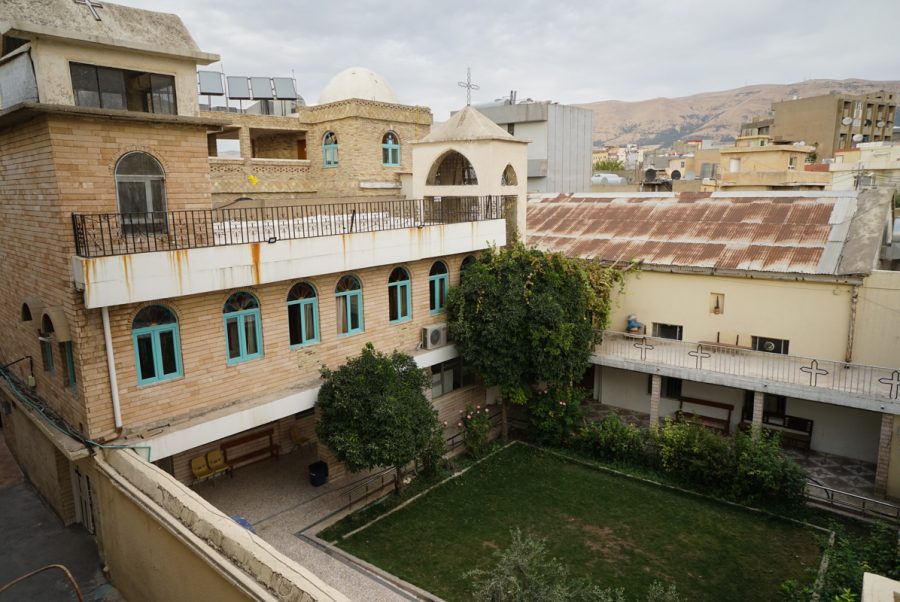
Sulaymaniyah, a city in northern Iraq, is a cultural and historical gem with a rich heritage, unique blend of Kurdish, A...
View Board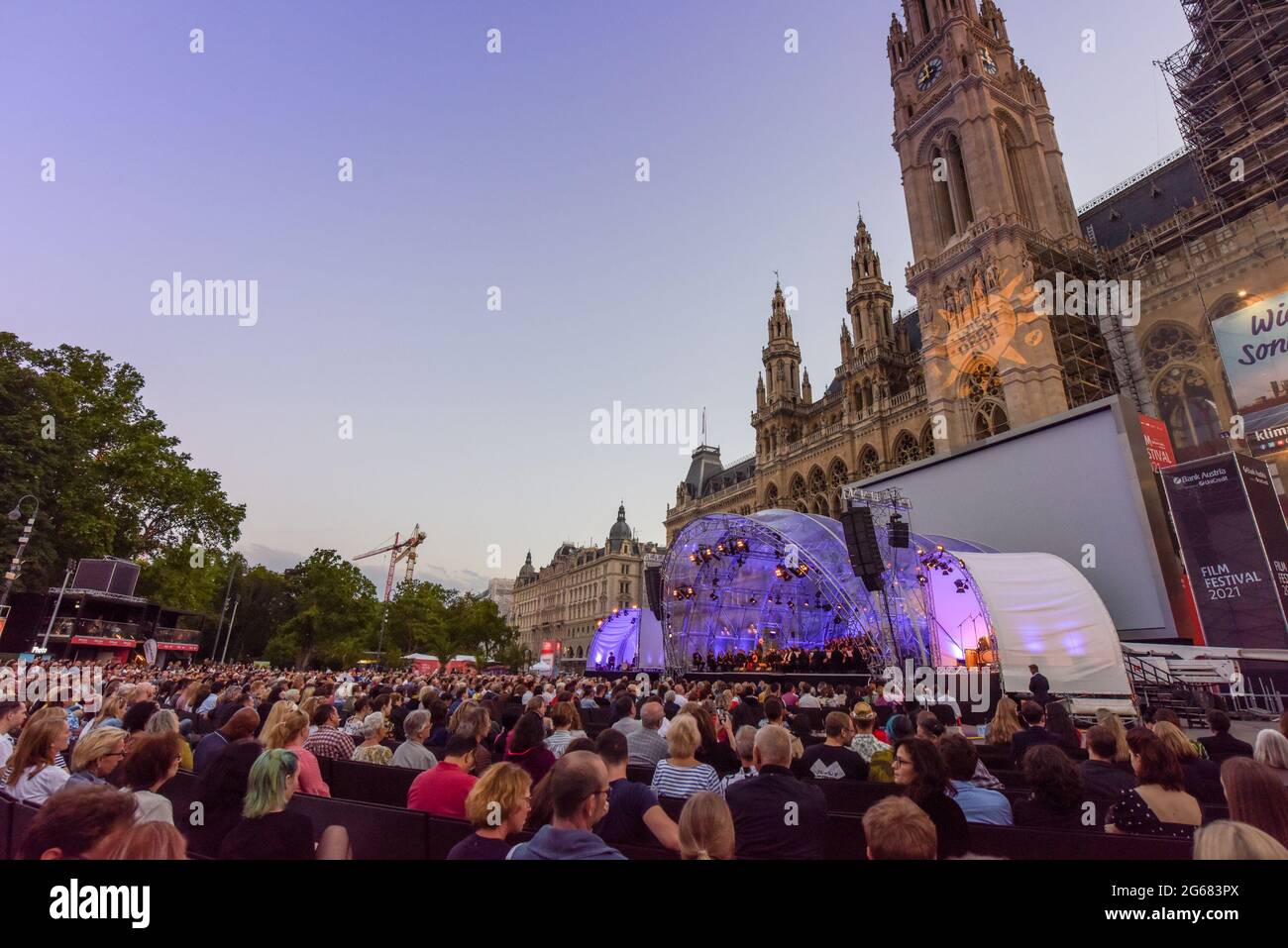
Explore Vienna's rich tapestry of history, culture, and innovation with our comprehensive guide. Uncover the city’s Roma...
View Board
Explore the captivating history of Aleppo, one of the world's oldest cities, tracing its journey from ancient trade hub ...
View Board
Explore the captivating history and cultural legacy of Basra, often famed as the 'Venice of the East.' This Iraqi city b...
View Board
Explore Krakow's rich history with our guide, "Krakow: A Journey Through Time." Discover Poland's former royal capital a...
View Board
Discover Muscat, Oman's vibrant capital, where ancient heritage meets modern charm, offering a unique blend of cultural ...
View Board
Discover the enchanting city of Mazar-i-Sharif, a historical and cultural gem in northern Afghanistan. Dive into its ric...
View Board
Mandalay, the former capital of Myanmar, is a city steeped in royal history and cultural heritage, featuring ancient tem...
View Board
Discover the enigmatic heritage of Famagusta, a walled medieval port city in Cyprus. Explore its rich history, from anci...
View Board
Explore Kuwait City's enchanting chronicles, where ancient history seamlessly blends with modern advancements. Immerse y...
View Board
Explore Tehran, the vibrant heart of Iran, where ancient history meets modernity. Discover its rich cultural tapestry, d...
View Board
Explore the rich tapestry of Tripoli, a city where ancient history and vibrant modern culture intertwine. Discover Tripo...
View Board
Discover Valletta, the mesmerizing capital of Malta and a UNESCO World Heritage Site. Dive into its rich history, baroqu...
View Board
Explore the captivating blend of ancient history and vibrant modernity in Athens, the cradle of Western civilization and...
View Board
**Meta Description:** "Explore Jerusalem's rich history, spiritual significance, and cultural diversity. From the West...
View Board
Comments