Exploring Tripoli: A Journey Through Time and Culture
Tripoli stands as a city of contrasts, weaving together the threads of ancient history and modern-day vibrancy. Located on the northern coast of Africa, Tripoli serves as the capital of Libya and is one of the oldest cities in the world. Its rich tapestry has been shaped by a myriad of cultures and civilizations, making it a fascinating study in how history and culture intertwine.
The Historical Tapestry of Tripoli
Tripoli’s history stretches back to ancient times, with evidence of settlements as far back as the 7th century BC. Originally founded by the Phoenicians, Tripoli was known as Oea, forming part of the Tripolitania region alongside Sabratha and Leptis Magna. The region's name itself derives from the Greek 'Tri-Polis', meaning "three cities," and Tripoli has indeed retained a sense of multiplicity throughout its evolution.
In the centuries that followed, Tripoli became a prized possession for various empires due to its strategic coastal location. The Romans seized control in the 2nd century BC and left behind architectural marvels, some of which can still be witnessed today. The city then fell into the hands of the Vandals, Byzantines, and eventually the Islamic Caliphate in the 7th century AD, which introduced Islamic culture and architecture to the region.
The Ottoman era, beginning in the 16th century, significantly influenced Tripoli's development. As part of the Ottoman Empire, Tripoli became an important naval hub, contributing to its legacy as a center of trade and diplomacy in the Mediterranean. This heritage is still visible in the architecture, with Ottoman arches and mosques adding to the city's distinctive skyline.
Cultural Richness and Modern Day
Modern Tripoli is a city that embraces its past while looking toward the future. Walking through its streets, one can sense the layers of history beneath each step, with the old medina juxtaposed against modern high-rises and bustling markets. The wide-ranging influences have created a diverse fabric consisting of Arab, Berber, Ottoman, and Italian touches.
One of the city’s most significant cultural landmarks is the Red Castle Museum, known as Assaraya Al-Hamra. This complex not only houses artifacts from various epochs but also stands as a testament to the architectural and cultural synergy that has defined Tripoli. It serves as a microcosm of the city’s historical narrative, detailing its journey from antiquity to modernity.
Tripoli’s vibrant souks are another essential aspect of its cultural identity. The marketplaces are alive with the scent of spices and the sounds of haggling traders. These bustling centers offer a window into daily life in the city and reflect the enduring traditions that have been passed down through generations. For visitors, exploring the souks offers a sensory journey and a chance to engage with local artisans and vendors.
The city is also home to a growing art scene, with galleries and cultural centers showcasing contemporary Libyan artists. These venues often provide a platform for dialogues about the country's future while honoring its rich past. Tripoli's art landscape is evolving, mirroring the broader aspirations of a city that seeks to assert a new identity in today's world.
A Geopolitical Crossroads
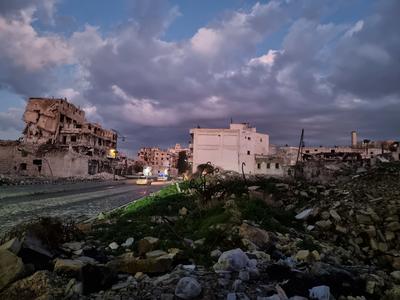
As Libya's capital, Tripoli plays a pivotal role in the nation's political and economic life. However, its geopolitical significance is a double-edged sword. Throughout the 20th century and into the 21st, Tripoli has witnessed periods of instability, particularly during the Italian colonization and the more recent political upheavals following the Arab Spring. These events have undeniably impacted the city’s dynamics, shaping its current socio-political landscape.
The impact of these geopolitical shifts is evident in the way Tripoli continues to adapt and evolve. The people of Tripoli, resilient and hopeful, strive to rebuild and revitalize their city, seeking stability and growth while preserving the cultural heritage that defines them. The city’s future will undoubtedly be shaped by how it navigates these challenges and opportunities.
A City at the Crossroads of Time
Tripoli is more than just a capital city; it is a living archive of human civilization. Its story is woven into the larger narrative of the Mediterranean and is a testament to the enduring impact of cultural and historical intersections. As the city continues to navigate the complexities of the modern world, it remains deeply anchored in its storied past, offering a unique glimpse into the resilience and diversity of human societies.
The journey through Tripoli is endlessly rewarding, offering insights into the rich tapestry of history and culture that defines it. With its blend of ancient wonders and modern vitality, Tripoli stands as a beacon of history's enduring legacy, inviting all who visit to delve into its mysteries, experience its culture, and witness its ever-evolving narrative.
Architectural Marvels and Heritage Sites
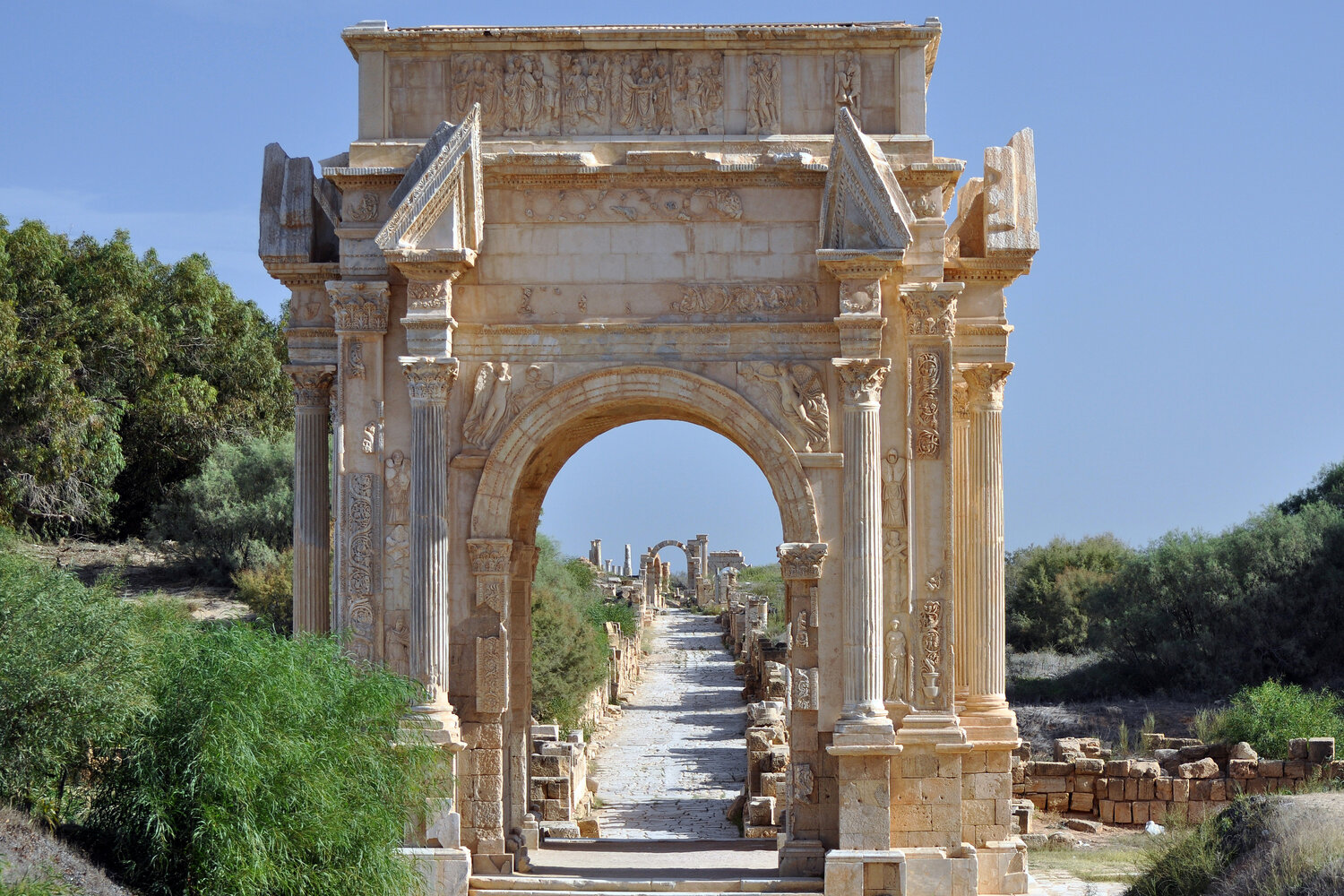
Tripoli is a treasure trove of architectural marvels that showcase the city's rich and varied past. Among its most notable sites is the grand Arch of Marcus Aurelius, a Roman triumphal arch dating back to the 2nd century AD. This ancient monument stands as a proud testament to the city's Roman heritage, offering a glimpse into the architectural prowess of a bygone era. The intricate carvings and resilient structure of the arch continue to captivate historians and tourists alike, serving as a tangible link to Tripoli's storied past.
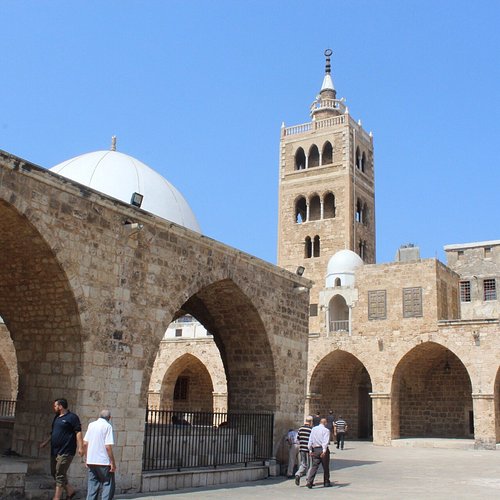
Another iconic landmark is the Karamanli Mosque, a stunning example of Ottoman architecture that highlights the influence of the Ottoman Empire during its rule over Tripoli. Built in the early 18th century by Ahmed Pasha Karamanli, the mosque is renowned for its beautiful interior and elegant minaret. The site not only serves as a place of worship but also stands as a symbol of the city's Islamic heritage and the fusion of cultural influences that have shaped its development.
The old medina of Tripoli is a labyrinth of narrow alleys and bustling marketplaces. This historical quarter offers an authentic experience of traditional Libyan life, where visitors can explore centuries-old buildings and interact with local artisans. The medina is home to a variety of souks, mosques, and merchant houses that reflect the city's multicultural past. As one navigates its winding streets, the medina reveals stories of ancient trade routes and cultural exchanges that have contributed to Tripoli's enduring charm.
The Coastal Allure of Tripoli
Tripoli's strategic location on the Mediterranean coast has greatly influenced its identity and development. The city's coastline is dotted with picturesque beaches and bustling ports, each playing a vital role in the lifeblood of Tripoli. The port of Tripoli has served as a key conduit for trade and cultural exchange throughout history, linking Libya to broader Mediterranean trade networks. It continues to function as a significant economic hub, facilitating the import and export of goods and cementing Tripoli's role as a gateway to Africa.
In recent years, efforts have been made to revitalize the city's coastal areas, transforming them into vibrant spaces where locals and visitors can enjoy recreational activities. Projects aimed at developing waterfront promenades and leisure facilities seek to enhance Tripoli's appeal as a destination for tourism and leisure while contributing to the city's long-term economic growth. The sea remains an integral part of Tripoli's identity, offering both opportunities and challenges as the city navigates its future.
Natural attractions around Tripoli, such as the lush palm groves and the refreshing sea breeze, offer a respite from the urban hustle and complement the city's historical and cultural splendor. These serene landscapes not only provide aesthetic beauty but also reflect the harmonious relationship between Tripoli's urban development and its natural surroundings.
The Culinary Delights of Tripoli
Tripoli's culinary landscape is as diverse and rich as its history. The city's food scene embodies a mosaic of flavors that have been influenced by its manifold cultural exchanges. From traditional Libyan dishes to flavors inspired by Berber, Arab, and Mediterranean cuisines, the diverse gastronomy is a feast for the senses.
A cornerstone of local cuisine is the iconic dish known as couscous. This staple is often prepared with lamb, chicken, or fish, accompanied by an array of vegetables and aromatic spices. The combination of ingredients showcases the use of locally sourced produce and the fusion of culinary traditions that define Tripoli's food culture. Another popular dish is bazin, a hearty and traditional meal made from barley dough served with a savory stew, highlighting the ingenuity and resourcefulness of Libyan cooking.
The city's cafes offer a delightful array of treats, from the famous Libyan tea to an assortment of pastries such as baklava and maamoul. These establishments provide a space for socializing and leisure, where locals and visitors can unwind and savor the flavors of Tripoli.
Street food in Tripoli is equally enticing, with offerings such as shawarma and falafel readily available from stalls scattered throughout the city. These quick bites capture the essence of the city's vibrant street culture and provide an accessible way to sample local delicacies. Exploring Tripoli's culinary scene offers an immersive experience into its cultural heritage, where each dish tells a story of tradition and shared influences.
Resilience and Rebuilding
Tripoli's journey has been one of resilience and perseverance. The city has faced numerous challenges over the centuries, from historical conquests to modern political instabilities. Despite these obstacles, the spirit of Tripoli endures, evident in the determination and hope of its people to rebuild and rejuvenate their city.
In recent years, efforts have been made to address the challenges posed by urban development, economic growth, and cultural preservation. Initiatives aimed at promoting tourism, infrastructure improvements, and heritage conservation reflect a concerted effort to restore Tripoli's status as a thriving metropolis. Engaging the local community and leveraging Tripoli's rich cultural heritage are crucial to these endeavors, fostering a sense of ownership and pride among its residents.
Tripoli’s stories of resilience and rebuilding reflect the broader aspirations of Libya as a nation. As the city continues to navigate the complexities of the modern era, it remains a symbol of hope and endurance, embodying the potential for renewal and growth.
By embracing its historical legacy while striving for a brighter future, Tripoli offers a unique perspective on the challenges and triumphs of a city at the crossroads of time and culture.
Education and Innovation in Tripoli
Tripoli has long been a center for learning and intellectual exchange, a tradition that continues into the modern era. The city is home to several prestigious educational institutions that contribute to its reputation as a hub of knowledge and innovation. The University of Tripoli, established in 1957, stands as a prominent institution offering a wide range of academic disciplines. It plays a crucial role in shaping the minds of future generations and fostering a culture of research and development in Libya.
In recent years, there has been a focused effort to enhance the educational landscape in Tripoli by incorporating modern technologies and methodologies. Various programs are being implemented to improve the quality of education, provide professional development for educators, and encourage student engagement in STEM (Science, Technology, Engineering, and Mathematics) fields. These initiatives aim to align educational outcomes with the demands of a rapidly evolving global economy, positioning Tripoli as a key player in regional and international academic circles.
Innovation is becoming increasingly central to Tripoli's development narrative. Start-ups and tech hubs are emerging across the city, creating a dynamic environment where creativity and entrepreneurship can flourish. By fostering a supportive ecosystem for innovators and entrepreneurs, Tripoli aims to diversify its economy and offer new opportunities for growth and prosperity.
Cultural Festivals and Events
The cultural life of Tripoli is vibrant and dynamic, reflecting its diverse heritage and contemporary aspirations. Throughout the year, the city hosts a myriad of festivals and events that celebrate its rich traditions and promote cultural exchange. These festivities offer both residents and visitors a chance to experience the colorful tapestry of Tripoli's cultural offerings.
One of the most anticipated events is the Tripoli International Festival, which showcases a wide array of artistic performances, exhibitions, and workshops. This festival brings together artists, musicians, and performers from Libya and beyond, highlighting the universal language of art that transcends cultural boundaries. It provides a platform for creative expression and fosters dialogue between different cultural groups, reinforcing Tripoli's standing as a multicultural hub.
Moreover, the city celebrates traditional festivals that honor Libyan customs and heritage. These include events such as the Eid festivals and traditional wedding ceremonies, which offer insights into the deep-rooted traditions that continue to shape the lives of Tripolitans. Such events create a sense of community and continuity, connecting the past and present in meaningful ways.
In addition to larger festivals, smaller cultural events, literary gatherings, and film screenings are increasingly common. These activities contribute to the cultural vibrancy of Tripoli, fostering an environment where artistic expression and innovation can thrive. Engaging with these cultural events offers a unique opportunity to understand and appreciate the rich mosaic of Tripoli's society.
Exploring Tripoli's Surroundings
While Tripoli itself offers an abundance of historical and cultural experiences, the surrounding area is equally enticing, beckoning travelers with an array of fascinating sites. Just a short distance from the city lies the ancient city of Leptis Magna, a UNESCO World Heritage site and one of the best-preserved Roman cities in the Mediterranean. This archaeological treasure offers visitors a glimpse into the grandeur of the Roman Empire, with monumental ruins that include an amphitheater, basilica, and intricate mosaics.
Sabratha, another ancient city located nearby, also offers a stunning repository of Roman architecture. With its well-preserved theater and baths, Sabratha serves as a window into the past, illustrating the rich cultural exchanges that characterized the region during Roman times. These sites are indispensable for history enthusiasts and offer a remarkable educational experience for anyone interested in exploring the ancient world.
For those looking to experience Libya's natural beauty, the Jebel Nafusa mountain range and the Sahara Desert lie within easy reach of Tripoli. These areas boast breathtaking landscapes and are inhabited by Berber communities that have preserved their distinct cultural identity. Exploring these regions provides an opportunity to connect with Libya's diverse heritage and experience the striking contrast between Tripoli's urban environment and the serene majesty of its natural surroundings.
The Future of Tripoli
As Tripoli stands at a crucial juncture in its long and storied journey, it continues to grapple with the challenges and opportunities of a modernizing world. Key to its future will be balancing the delicate relationship between preserving its rich historical and cultural legacies and embracing modern advancements that pave the way for future growth.
Economic diversification, investment in infrastructure, and social inclusivity are central to the vision for Tripoli's future. By promoting tourism, supporting innovative industries, and fostering a robust educational ecosystem, the city aims to create sustainable growth and improve the quality of life for its residents.
Tripoli's journey toward a brighter future is not one undertaken in isolation. It is a shared endeavor shaped by the collective aspirations of its people, its leaders, and its partners. The city's narrative is one of resilience and renewal, offering valuable lessons for other regions as they navigate their paths to progress and prosperity.
In closing, Tripoli is a city that encompasses the past, present, and future in a tapestry rich with history and cultural vibrancy. Its story is an unfolding epic of transformation and endurance, an ever-evolving narrative that invites exploration and understanding. As Tripoli embraces its role as a custodian of heritage and an innovator for the future, it stands as a testament to the enduring spirit of a city that has weathered the ages and continues to forge its own path.
Haporium is a revolutionary platform that lets you organize your web browsing experience with customizable dashboards and boards. Create, manage, and share your favorite content collections.
Join us today and get:
The right to be one of the first pioneers
Unlimited dashboards and boards
Access to exclusive beta features
Priority support from our team
We use cookies to enhance your experience. By continuing to use this site, you agree to our Cookie Policy.












Comments